












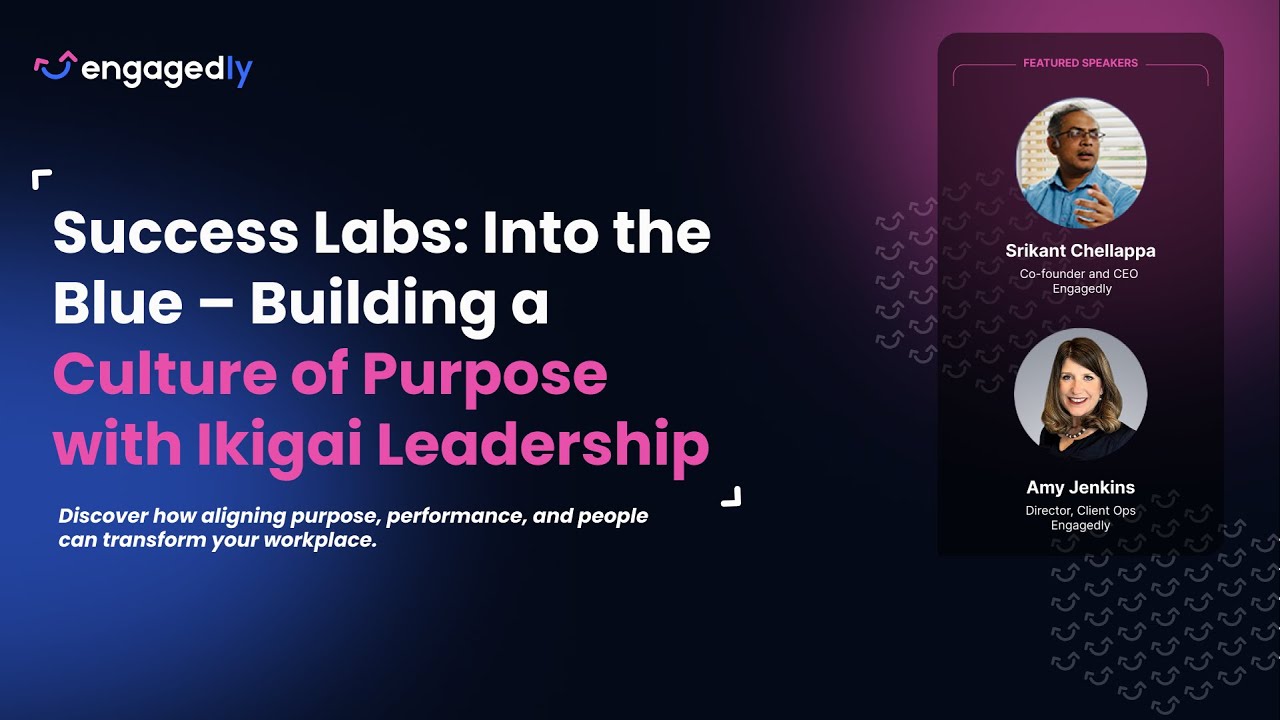

May is Mental Health Awareness Month. And there may be no better time to ask a bold question:
What if work could be one of the most meaningful parts of your life?
That is the driving force behind Into the Blue, a powerful book by Srikant Chellappa, CEO, co-founder, and advocate for purpose-driven workplaces. Known to many as Shri, Srikant brings together personal experience, leadership insight, and the ancient Japanese philosophy of Ikigai to help organizations reimagine how people experience work.
This is not just about engagement. It is about fulfillment.
The Inspiration: From Blue Zones to the Workplace

The story begins with the concept of the Blue Zones, popularized by the book The Blue Zones by Dan Buettner. These are regions of the world where people regularly live beyond 100 years, enjoying vibrant, healthy lives.
One of those places is Okinawa, Japan.
What sets Okinawa apart is not just diet or exercise. It is a philosophy known as Ikigai. Roughly translated, Ikigai means “reason for being.” It is the idea that having meaning and purpose in daily life contributes to longevity, happiness, and well-being.
Srikant Chellappa was deeply inspired by this philosophy. But instead of applying it only to life outside of work, he asked a more urgent question:
Why are we not applying this to the place where we spend most of our waking hours?
The Hard Truth About Work
Think about it.
From our late teens or early twenties until our sixties or seventies, we spend the most energetic years of our lives working. Even within each day, our most productive, focused hours are typically spent on the job.
If that time is disconnected from meaning, growth, and joy, what are we really building?
Srikant argues that we owe it to ourselves and our teams to ensure that work is not just about paychecks and promotions. It must also be about purpose.
That is where his concept of the Blue Zone at Work comes in.
The Blue Zone Framework

At the heart of Into the Blue is a simple but transformative model built around three intersecting circles:
- What you love doing
- What you are good at
- What adds value to the organization
Where all three overlap is what Srikant calls the Blue Zone.
This is where employees thrive.
The Other Zones
Not all work falls neatly into the Blue Zone. Sometimes employees operate in:
- A “red zone” where they dislike the task and are not strong at it, even if it adds value.
- A “purple zone” where two of the three circles overlap. For example:
- They love it and it adds value, but they are not skilled yet.
- They are skilled and it adds value, but they do not enjoy it.
The goal is not perfection. The goal is balance.
The mission for leaders is simple:
Maximize time spent in the Blue Zone. Minimize time stuck in the Red Zone.
From Role-Based to Skill-Based Thinking
Traditional organizations assign work based on titles.
Marketing does marketing. Engineering does engineering. Sales does sales.
But what if someone in engineering is a phenomenal public speaker? What if someone in support dreams of trying sales? What if an operations team member is studying accounting at night?
Instead of forcing tasks based solely on roles, Srikant encourages a skill-based approach:
- Identify hidden strengths.
- Cross-pollinate talent.
- Enable temporary project-based contributions.
- Reduce talent hoarding.
This shift is especially powerful during hiring freezes or budget constraints. You do not need new headcount. You need better alignment.
When leaders allow people to apply their passions and strengths beyond rigid job descriptions, everyone wins.
The Organizational Culture Factor
There is one more critical circle that surrounds the framework:
Organizational culture.
If leaders hoard talent, block mobility, or resist cross-functional collaboration, the Blue Zone collapses.
A manager who refuses to let a high performer explore new skills may protect short-term output, but they risk long-term burnout and attrition.
To truly implement the Blue Zone philosophy, organizations must:
- Encourage internal mobility.
- Coach managers to discuss growth and aspirations.
- Normalize conversations about purpose.
- Support experimentation and upskilling.
Without cultural support, even the best framework will fail.
How to Start Today
You do not need a major transformation initiative to begin.
Start with conversations.
In your next one-on-one, ask:
- What parts of your job do you enjoy most?
- What would make your Mondays more energizing?
- Where do you want to grow?
- What skills do you want to experiment with?
- Which tasks drain you the most?
Then map those answers against actual responsibilities.
Srikant even recommends a simple exercise:
- List all recurring tasks.
- Estimate time spent on each.
- Rate enjoyment level.
- Rate skill level.
- Evaluate business value.
Patterns will emerge. And from those patterns, development plans become obvious.
Why This Matters More Than Ever
The next generation entering the workforce is clear about what they want:
- Purpose
- Growth
- Meaningful impact
Compensation and flexibility matter. But growth and fulfillment are close behind.
When employees cannot see how their work connects to impact, they disengage. When they are stuck doing work they neither enjoy nor excel at, performance suffers.
The Blue Zone approach is not soft. It is strategic.
It protects productivity.
It increases retention.
It strengthens culture.
It drives sustainable performance.
A Lesson in Mastery

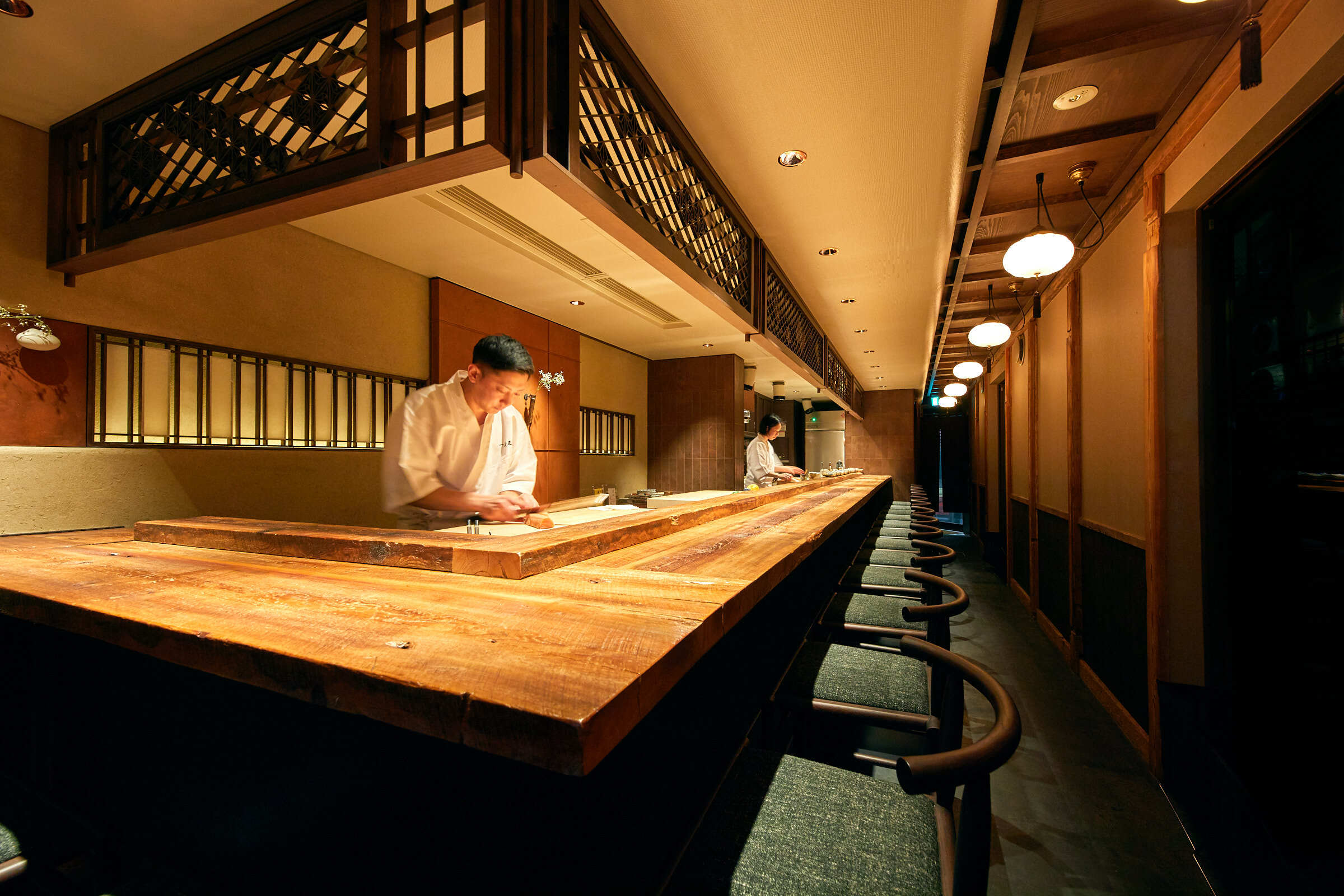

One of the most powerful examples Srikant references is the documentary Jiro Dreams of Sushi featuring master sushi chef Jiro Ono.
Jiro dedicated his life to perfecting sushi. Even in his later years, he believed there was more to learn.
Washing rice. Slicing fish. Presentation.
Each act was intentional. Purposeful. Precise.
Even repetitive work became meaningful because it was done with mastery and pride.
That is the essence of the Blue Zone.
Not every task will be glamorous. But with clarity, growth, and intention, even routine work can carry meaning.
The Final Takeaway
Work cannot be only about profit and productivity.
It must also be about joy.
About growth.
About contribution.
Srikant Chellappa’s Into the Blue challenges leaders to rethink engagement at its core. It invites organizations to create environments where people are not just employed, but energized.
Because when employees live in their Blue Zone:
They do not dread Mondays.
They do not quietly disengage.
They do not burn out in silence.
They show up with purpose.
And that changes everything.