AI books for leaders are business and strategy books written to help executives, managers, and founders understand how artificial intelligence changes decision-making, workplace culture, and competitive advantage. Unlike technical AI books aimed at engineers, these titles translate AI into leadership frameworks, covering how to set AI strategy, manage AI-driven change, handle ethical and regulatory risk, and build teams that work well alongside AI tools. The list below covers ten books that pair practical frameworks with real business examples, picked for leaders who want to make confident AI decisions without a technical background.
Artificial intelligence is rapidly changing the way businesses operate, from how strategies are shaped to how teams are managed. For leaders in 2026, keeping up isn’t just about knowing the technology – it’s about understanding how it affects decision-making, workplace culture, and long-term growth. The right books can give executives, managers, and entrepreneurs the insights they need to make smarter choices, encourage innovation, and guide their organizations with confidence into the future.
If you are searching for the best AI books for leaders, this list of 10 essential reads offers timeless insights, practical guidance, and future-focused perspectives to help you navigate the rapidly evolving AI landscape.
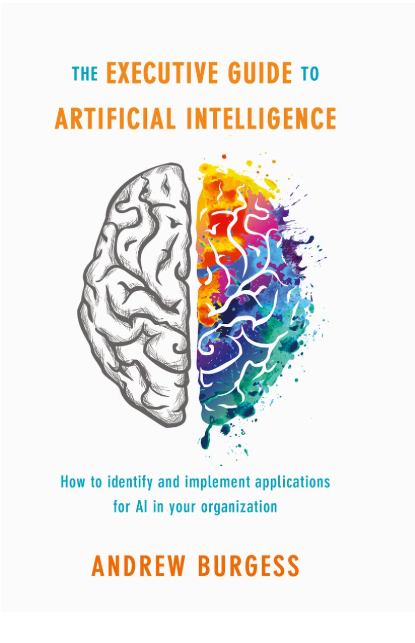
1. The Executive Guide to Artificial Intelligence
One of the most practical AI books for leaders, this guide is tailored for executives who may not have a technical background but want to understand how AI impacts business. It breaks down complex concepts into simple terms and explains how organizations can leverage AI for operational efficiency, cost reduction, and growth, including how generative and agentic AI differ in real-world use.
Leaders will find real-world case studies and frameworks that help them connect AI strategy with business outcomes.
Why it matters for leaders: It bridges the knowledge gap between technical experts and business executives, allowing leaders to make confident decisions about investments in AI.
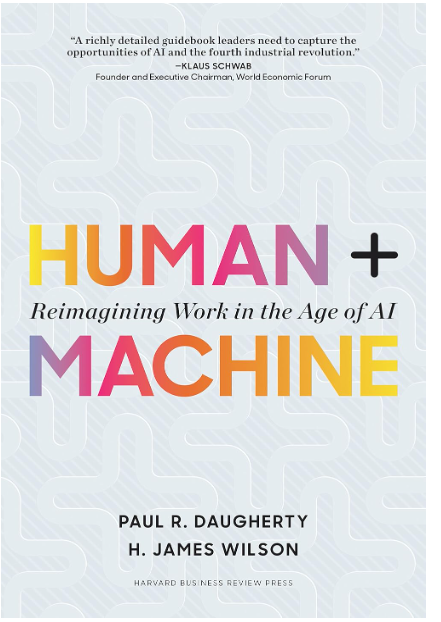
2. Human + Machine: Reimagining Work in the Age of AI
This book focuses on how AI is reshaping the workplace and redefining the relationship between people and machines. Instead of portraying AI as a replacement for human talent, it highlights how leaders can design strategies that combine human creativity with machine intelligence. For leaders managing diverse teams, this book offers actionable steps to integrate AI without disrupting employee engagement and productivity.
Why it matters for leaders: It teaches how to foster collaboration between humans and AI, ensuring that digital transformation aligns with cultural and ethical values.
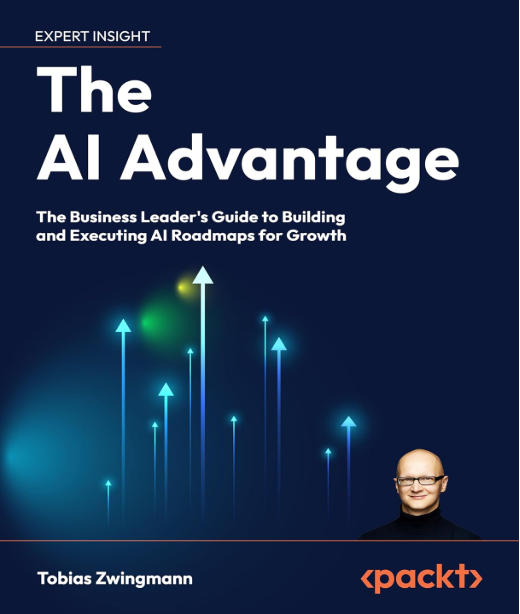
3. The AI Advantage for Business Leaders
In 2026, competitive advantage depends heavily on how quickly organizations adapt to AI. This book is written specifically for business leaders seeking to adopt AI not as a one-off project but as an organizational capability. It explains the process of scaling AI initiatives, building cross-functional teams, and ensuring measurable ROI.
Why it matters for leaders: It provides a roadmap for embedding AI into long-term strategy, making it indispensable for leaders focused on sustainable growth. Discover how Engagedly’s AI powered platform streamlines HR processes, elevates performance outcomes, and enhances every stage of the employee lifecycle.
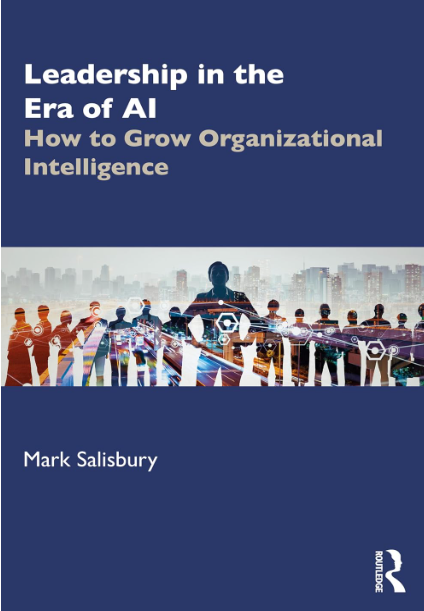
4. Leadership in the Era of Artificial Intelligence
True leadership in the age of AI requires more than technical adoption – it requires vision, empathy, and foresight. This book explores the leadership skills necessary to guide organizations through digital disruption. It addresses questions such as: How should leaders handle resistance to change? What ethical dilemmas will AI present? How can leaders inspire confidence in AI-driven decisions?
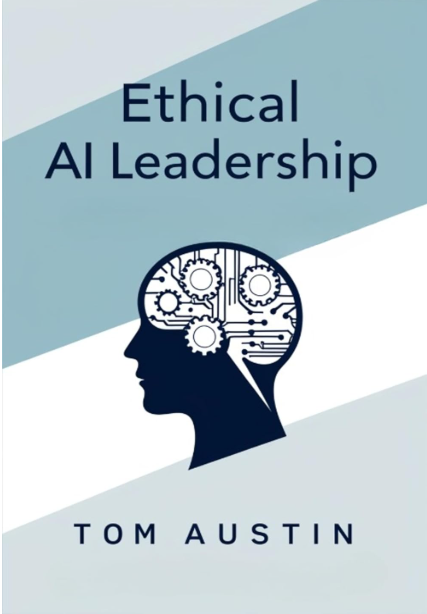
As AI becomes more pervasive, ethical considerations are at the forefront of decision-making. This book explores issues such as bias in algorithms, transparency in AI systems, and the responsibility of leaders to ensure fair and accountable use of technology. With regulations tightening globally in 2026, leaders need a practical framework to ensure compliance and uphold values.
Why it matters for leaders: It equips executives with the tools to lead responsibly, balancing innovation with social responsibility.
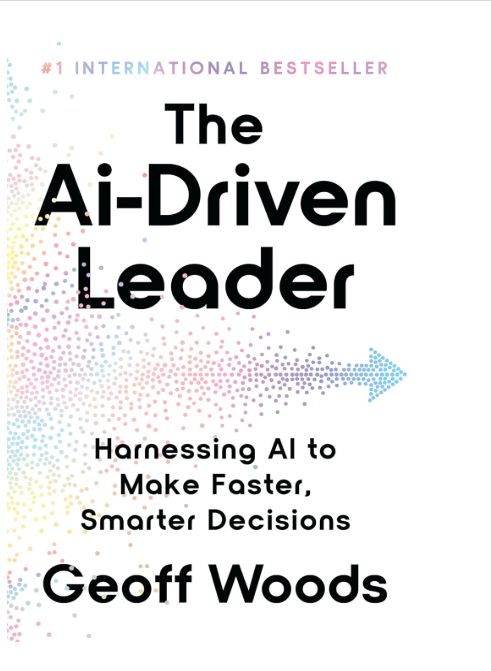
6. AI-Driven Strategy: How Smart Leaders Shape the Future
Strategic leadership in the age of AI requires the ability to anticipate industry changes and pivot accordingly. This book provides frameworks for creating AI-driven strategies that can withstand market volatility. It also emphasizes the importance of data-driven decision-making, predictive analytics, and proactive risk management.
Why it matters for leaders: It helps leaders future-proof their organizations by developing strategies that are resilient, adaptive, and centered around AI innovation.
7. The Innovator’s Guide to AI Transformation
This book is perfect for entrepreneurial leaders, startup founders, and innovation managers. It focuses on the opportunities AI presents for new business models, product innovation, and market disruption. Leaders will learn how to identify high-potential AI use cases, foster a culture of innovation, and position their companies as early adopters in their industries.
Why it matters for leaders: It empowers leaders to leverage AI not just for efficiency but also for creating entirely new value propositions.
8. People-Centric AI Leadership
While AI is often discussed in terms of algorithms and automation, its success ultimately depends on people. This book emphasizes the role of leaders in building AI-ready teams, reskilling employees, and creating inclusive workplaces, often supported by AI HR assistants. It also explores change management and how to help employees embrace AI as an enabler rather than a threat.
Why it matters for leaders: It ensures that leaders don’t lose sight of the human side of transformation while pursuing technological advancement.
9. Data to Decisions: The Leader’s Playbook for AI
For many organizations, the challenge is not just implementing AI but making sense of the massive amounts of data it produces. This book equips leaders with the mindset and tools needed to convert data into actionable insights. It highlights the importance of governance, data literacy, and fostering an analytics-driven culture.
Why it matters for leaders: It shows how leaders can move beyond intuition and gut feeling to data-informed decision-making, creating more consistent results. See how Engagedly brings AI into core people operations to simplify workflows, support data informed decisions, and optimize talent management.
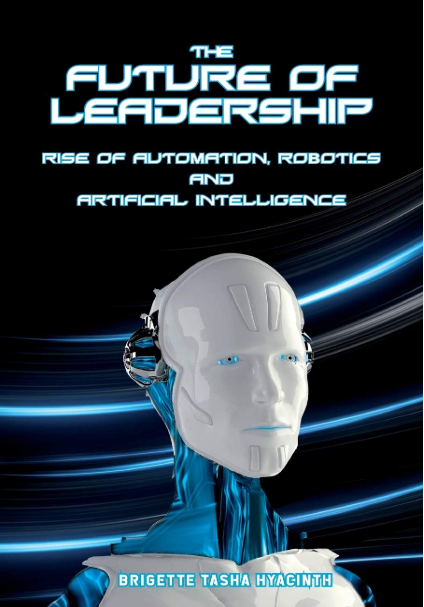
10. The Future of Leadership with Artificial Intelligence
This forward-looking book imagines what leadership will look like in the next decade as AI becomes more deeply embedded in business, society, and everyday life. It discusses scenarios where AI might take over decision-making roles and explores how leaders can remain relevant by focusing on creativity, vision, and ethics.
Why it matters for leaders: It prepares executives for the long-term implications of AI and challenges them to redefine leadership for the future.
Why Must Leaders Read AI Books in 2026?
Leaders need to read AI books in 2026 because AI now touches nearly every business function, and reading in depth is the fastest way to build judgment that a quick article or dashboard can’t give you. Adoption has moved well past the experimentation stage. 78 percent of organizations now use AI in at least one business function, up sharply from just a few years ago.
AI adoption is no longer optional. From healthcare and finance to retail and logistics, industries are being reshaped by machine learning, automation, and predictive analytics.
For leaders, this means that every strategic choice – from investments and hiring to customer experience – will increasingly involve AI considerations.
Books offer something that quick online articles or reports often lack: depth and reflection. By diving into well-researched works, leaders gain not only knowledge but also the foresight to anticipate trends, prepare for challenges, and seize opportunities.
How to Choose the Right AI Book for Leadership Development?
The right AI book for you depends on the problem you’re solving right now, not on which title is trending. If you’re setting overall direction, start with a strategy-focused book. If you’re managing people through the change, pick something people-centric. If governance or regulation is the pressing issue, go with an ethics-focused title.
When selecting AI books for leaders, it’s important to consider your goals. If you’re looking to understand strategy, opt for books that focus on AI-driven business models. If your role involves organizational culture, look for books on people management in the AI era. For ethical leadership, explore titles that address transparency, fairness, and governance. Ultimately, the best AI book is the one that aligns with your immediate challenges while expanding your vision for the future.
What Are The Key Takeaways for Leaders in 2026
AI is not just about technology – it’s about leadership, people, and culture.
Leaders must develop ethical frameworks to ensure responsible AI adoption.
Continuous learning is essential as AI evolves faster than traditional business cycles.
Successful leaders in 2026 will be those who embrace AI while staying grounded in human values.
Final Thoughts
Artificial intelligence is reshaping leadership in ways few could have imagined even a decade ago. Leaders who invest in learning today will be the ones who thrive tomorrow. To translate these insights into everyday execution across teams, you can request a demo and explore how strategy connects with performance and growth. The ten books highlighted above provide a comprehensive foundation for any executive or manager who wants to harness AI’s potential while staying true to their vision and values.
By reading and applying the lessons from these essential AI books for leaders, you’ll be better equipped to guide your organization through the challenges and opportunities of 2026 and beyond.
FAQ
Which AI books should executives read?
The strongest picks for executives cover AI strategy, ethics, and how AI is changing work, rather than the technical mechanics of building AI systems. A good reading list balances practical titles like Rewired, which focuses on implementation and ROI, with reflective ones like Genesis, which pushes leaders to think about governance and long-term impact. The goal isn’t to read the most books, it’s to cover strategy, people, and risk without gaps.
Why do executives need to learn about AI in 2026?
Executives need a working understanding of AI because it now shapes hiring, budgeting, product decisions, and risk exposure across nearly every industry. Short articles explain trends well, but books give the deeper frameworks leaders need to act with confidence, especially since most organizations using AI still can’t show a clear return on it. That gap between using AI and actually benefiting from it is exactly why deeper reading matters more than another news cycle.
Do AI books go out of date quickly given how fast AI changes?
The specific tools and statistics in an AI book can age within a year or two, but the leadership frameworks around strategy, ethics, and change management tend to hold up much longer. That’s why the strongest books on this list focus less on any single AI model and more on how leaders should think, decide, and manage people through ongoing change.
How many AI books should a leader realistically read?
Two or three well-chosen books are enough to build a solid foundation, as long as they cover different angles rather than repeating the same ground. A practical approach is one book on strategy and implementation, one on people and culture, and one on ethics or governance. Reading ten books on the same topic adds far less value than reading three that each cover a different leadership challenge.
Are AI books still useful compared to podcasts, newsletters, or courses?
Books remain useful because they force a level of depth and structure that shorter formats rarely offer. Podcasts and newsletters are good for staying current on news and trends, but they tend to skim ideas rather than build a full framework. A book takes a leader through a complete argument from start to finish, which is what actually changes how someone makes decisions, not just what they know.
What is the difference between AI books for leaders and technical AI books?
AI books for leaders focus on strategy, decision-making, ethics, and organizational change, while technical AI books focus on how the underlying systems are built, trained, and engineered. A leader does not need to understand model architecture to make good decisions about AI adoption, but does need to understand risk, governance, workforce impact, and where AI actually creates business value. That is the gap this kind of book is written to fill.
Abhishek is an HR expert writer and growth marketing professional at Engagedly, with over 7 years of experience covering the HR tech space. His work focuses on creating well researched, practical, and authoritative content that helps HR leaders understand performance management, employee engagement, talent development, and workplace transformation.
















 Performance