A nurse receives a thank-you after a difficult shift. The colleague who prepared the room, coordinated the supplies, or fixed a scheduling problem may have contributed just as much—and received no acknowledgment.
That is a common challenge with healthcare employee recognition. Contributions happen across departments, locations, and working hours, while appreciation often depends on which manager happened to see the work.
The right employee recognition software can make those contributions easier to acknowledge. It should help clinical and non-clinical employees give specific appreciation, let managers run consistent programs, and make participation practical for people who do not work at a desk.
This guide compares 10 employee recognition platforms for healthcare organizations, including their features, strengths, limitations, pricing considerations, and fit for different workforce needs.
Key Takeaways
Engagedly connects recognition and rewards with a broader approach to performance, learning, engagement, and employee growth.
Achievers, Awardco, Workhuman, and O.C. Tanner offer broad programs worth evaluating for larger healthcare employers.
Guusto, Nectar, Bonusly, Motivosity, and Kudos provide different approaches to peer recognition, rewards, and everyday appreciation.
Check participation across roles and shifts before judging a program by total recognition activity.
Compare the platform subscription, rewards, implementation, and administration as separate costs.
Best Healthcare Employee Recognition Software at a Glance
Recognition platforms vary in their emphasis. Some focus on a comprehensive enterprise program, while others prioritize peer appreciation, practical reward delivery, or a connection with broader employee development.
Software
Best for
Key capabilities
Pricing approach
1. Engagedly
Recognition connected with employee growth
Peer-to-peer praise and social recognition, Badges aligned with organizational values
$2/user/month; annual minimum applies
2. Achievers
Enterprise healthcare recognition programs
Employee recognition and reward programs, Milestone celebrations
Confirm tailored proposal and reward costs
3. Awardco
Centralizing recognition programs and rewards
Everyday and milestone recognition, Recognition program administration
Confirm tailored proposal and reward costs
4. Workhuman
Large-scale social recognition
Social recognition programs, Employee reward redemption
Confirm tailored proposal and reward costs
5. O.C. Tanner Culture Cloud
Healthcare recognition with online and offline participation
Peer-to-peer recognition, Service and career celebrations
Confirm tailored proposal and reward costs
6. Guusto
Practical recognition for frontline and office teams
Employee recognition and rewards, Programs for frontline and office employees
Confirm tailored proposal and reward costs
7. Nectar
Peer recognition and configurable employee rewards
Peer-to-peer recognition, Custom reward options
Confirm tailored proposal and reward costs
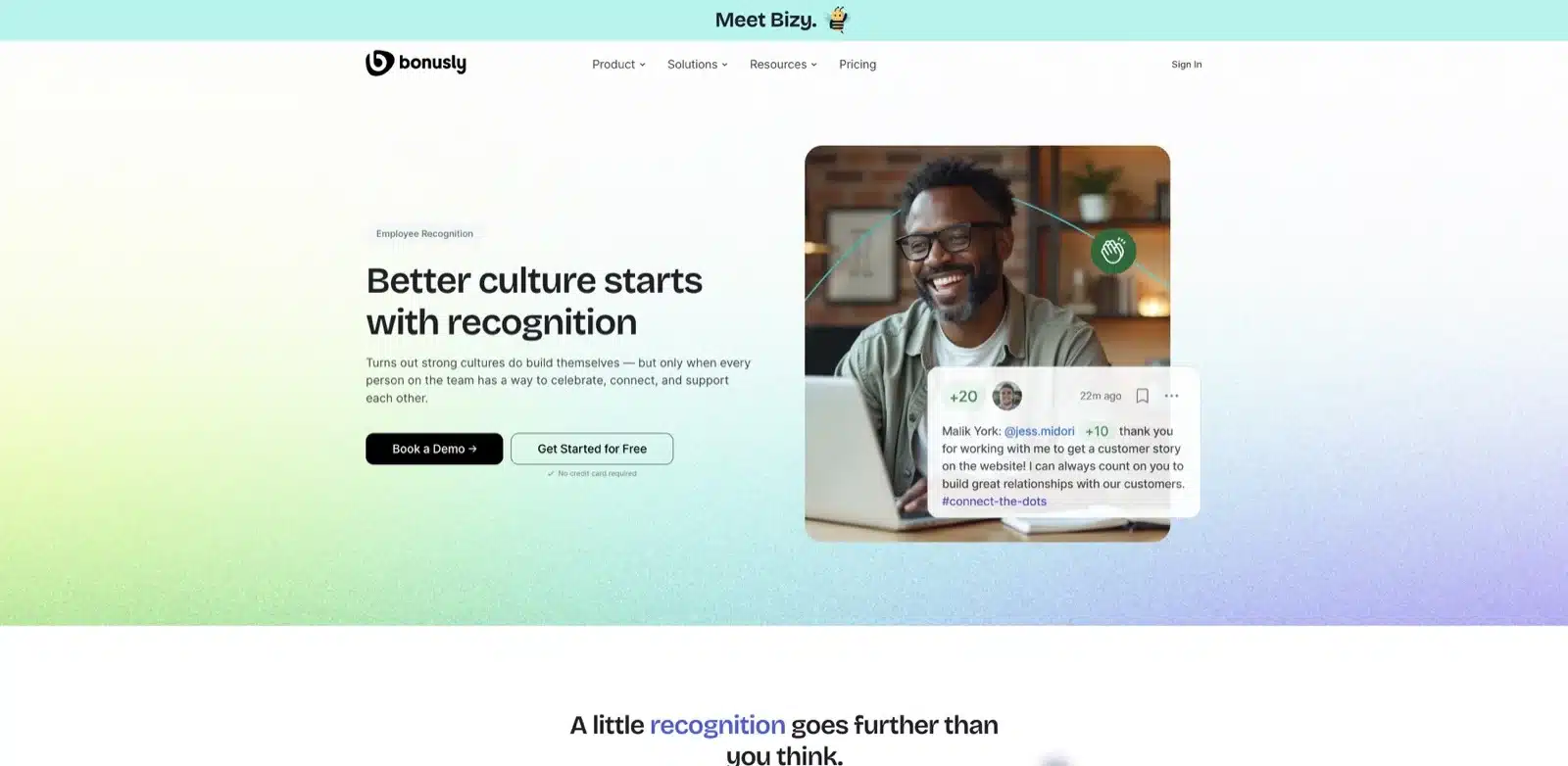
8. Bonusly
Frequent peer appreciation in everyday workflows
Peer recognition and rewards, Workplace communication integrations
Confirm tailored proposal and reward costs
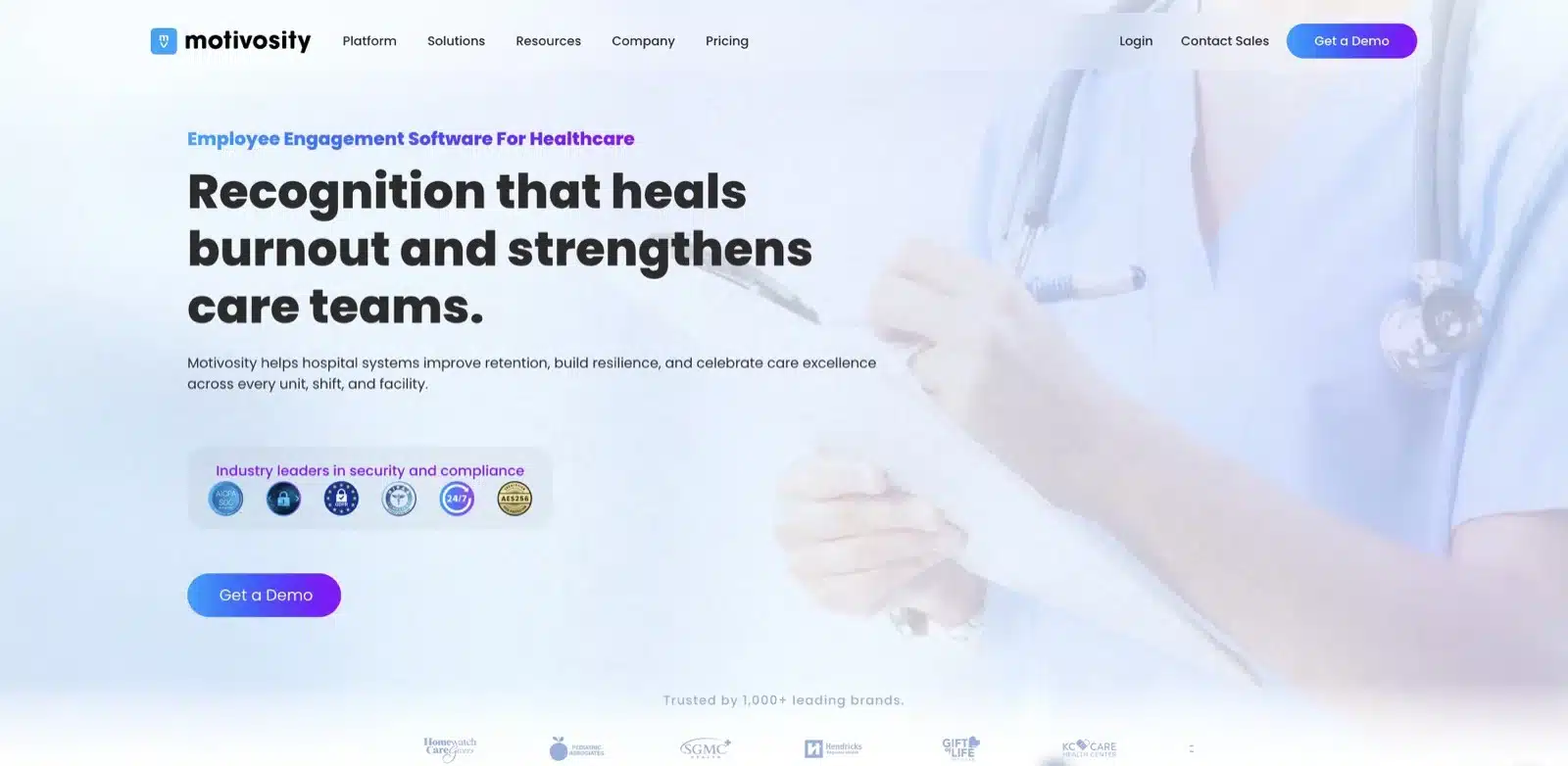
9. Motivosity
Recognition that builds connection across teams
Peer and manager recognition, Rewards and company programs
Confirm tailored proposal and reward costs
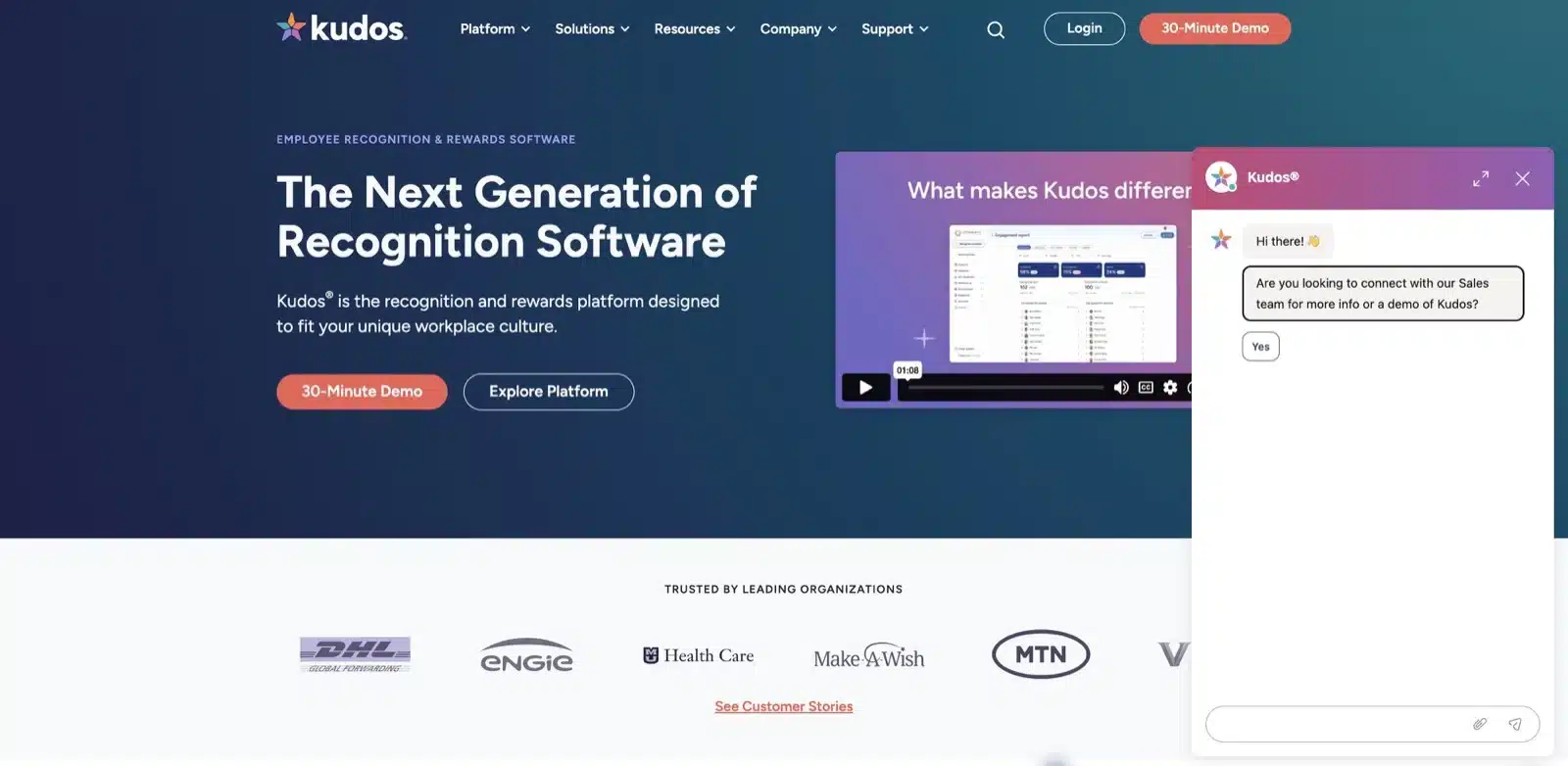
10. Kudos
Values-based recognition and milestone programs
Peer recognition and optional rewards, Milestones and eCards
Confirm tailored proposal and reward costs
Published Engagedly pricing is in US dollars per user per month, billed annually. Final costs depend on workforce size, products, reward funding, implementation, services, and contract terms. Product information was reviewed in November 2026.
10 Best Employee Recognition Software for Healthcare Teams
1. Engagedly — Best for recognition connected with employee growth
Best for: Recognition connected with employee growth.
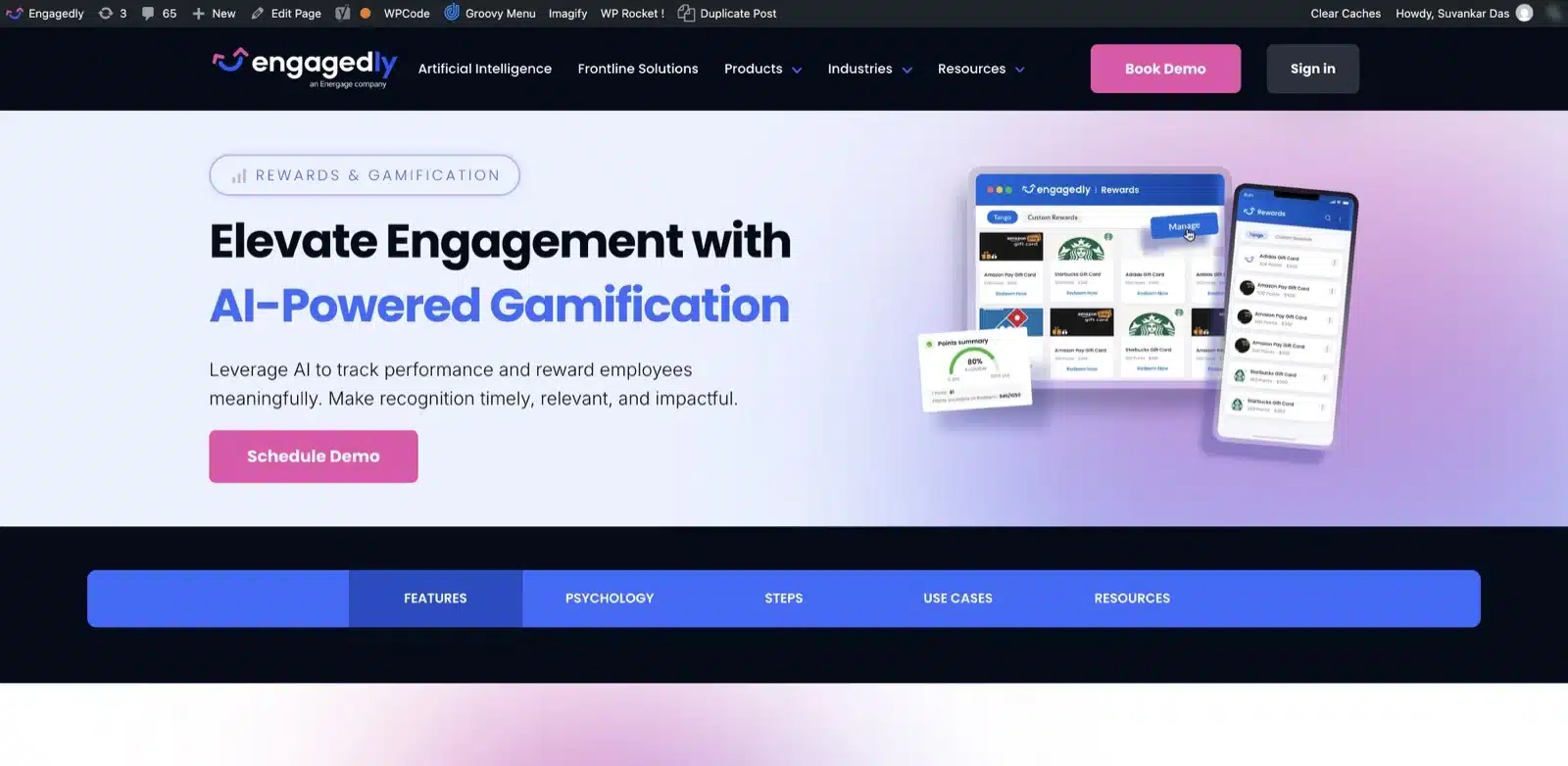
Engagedly’s Recognize & Reward Suite brings social praise, badges, points, and reward options into its broader talent management platform. Organizations can recognize contributions and connect appreciation with the development conversations already taking place across their teams.
A hospital could acknowledge a colleague who helped a new employee settle into the team, supported coordination across departments, or completed an agreed development milestone. Recognition should describe the contribution clearly so employees understand why it mattered.
Key features
Peer-to-peer praise and social recognition
Badges aligned with organizational values
Points and configurable rewards
Gift card and custom storefront options
Pros: A useful fit when recognition should sit alongside performance, learning, engagement, and development rather than in a separate process.
Cons: Teams seeking only a lightweight gift-sending tool should assess whether they need the wider platform. Confirm reward availability and funding separately.
Pricing: Recognize & Reward is listed at $2 per user per month, billed annually. Engagedly publishes a $7,500 annual minimum, with final pricing affected by employee count and bundling.
2. Achievers — Best for enterprise healthcare recognition programs
Best for: Enterprise healthcare recognition programs.
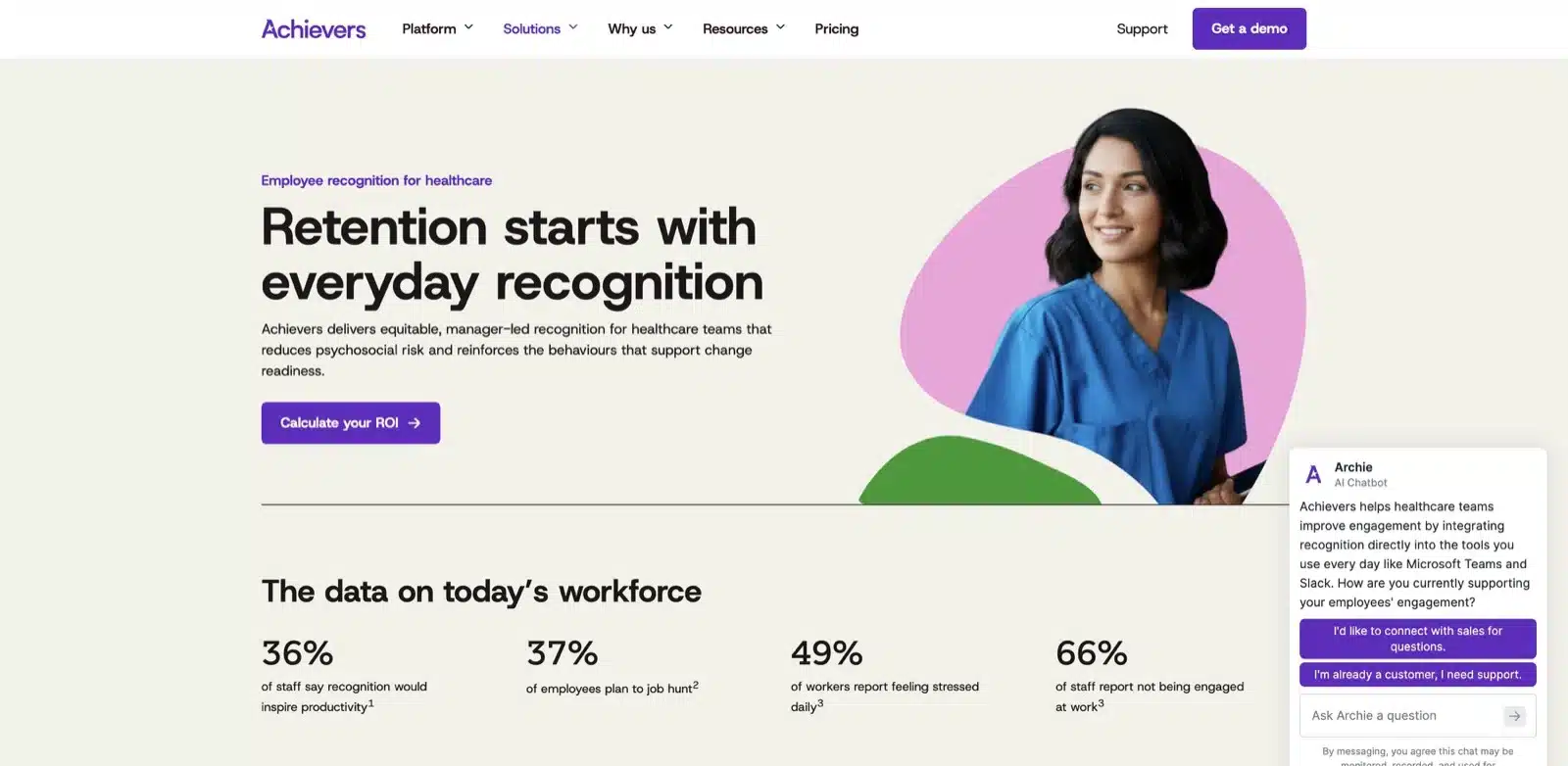
Achievers offers recognition, rewards, celebrations, and external recognition capabilities, with a dedicated healthcare solution. It is relevant for larger employers that want a coordinated approach to appreciation across departments and facilities.
A health system should test how a nurse, a facilities employee, and an administrative manager each give and receive recognition. When patient or family appreciation is included, evaluate moderation and the approved handling of personal information before launching that channel.
Key features
Employee recognition and reward programs
Milestone celebrations
External recognition options
Connections with workplace and HR systems
Pros: Broad recognition functionality and a healthcare-focused offering make it relevant for enterprise programs.
Cons: Define the proposed products, reward budget, fulfillment, and integration responsibilities carefully. A large catalog alone does not establish that a program will reach every shift.
Pricing: Request a quote for the platform, selected capabilities, services, and reward arrangements.
3. Awardco — Best for centralizing recognition programs and rewards
Best for: Centralizing recognition programs and rewards.
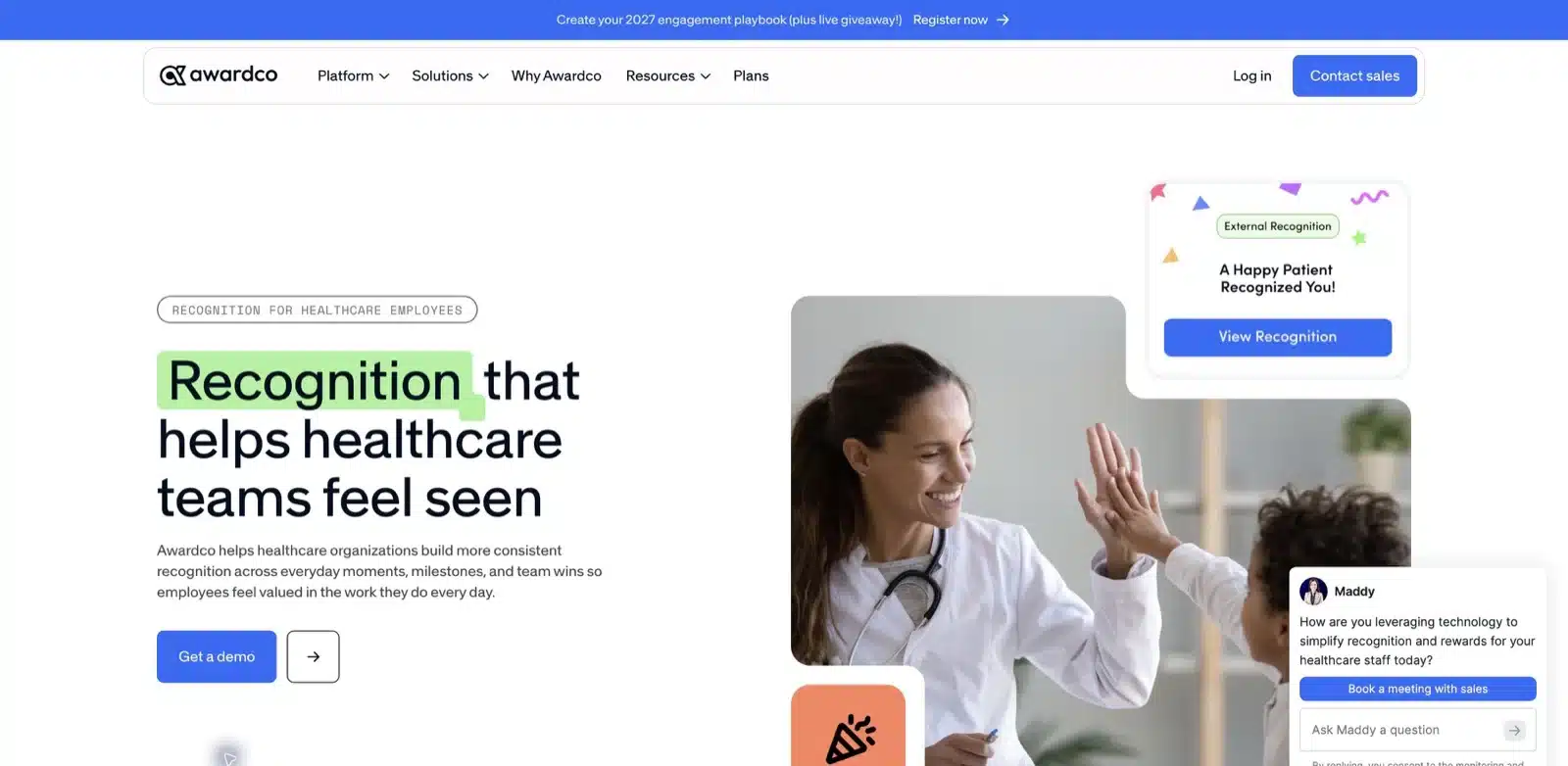
Awardco positions its healthcare offering around consistent recognition for everyday contributions, milestones, and team achievements. Its platform also supports external recognition and offline recognition through AwardCodes, giving organizations several program designs to evaluate.
A hospital could compare a peer recognition program with manager-issued awards for specific contributions. Before rollout, ask administrators to demonstrate approval routing, budget oversight, and how employees outside office-based workflows participate.
Key features
Everyday and milestone recognition
Recognition program administration
External recognition options
AwardCodes for offline recognition
Pros: Worth evaluating when several recognition programs and reward workflows need to be managed together.
Cons: Confirm which access methods and approval controls are included, how rewards are funded, and what operational work remains with the employer.
Pricing: Request a proposal that separates platform costs, implementation, rewards, and any additional services.
4. Workhuman — Best for large-scale social recognition
Best for: Large-scale social recognition.
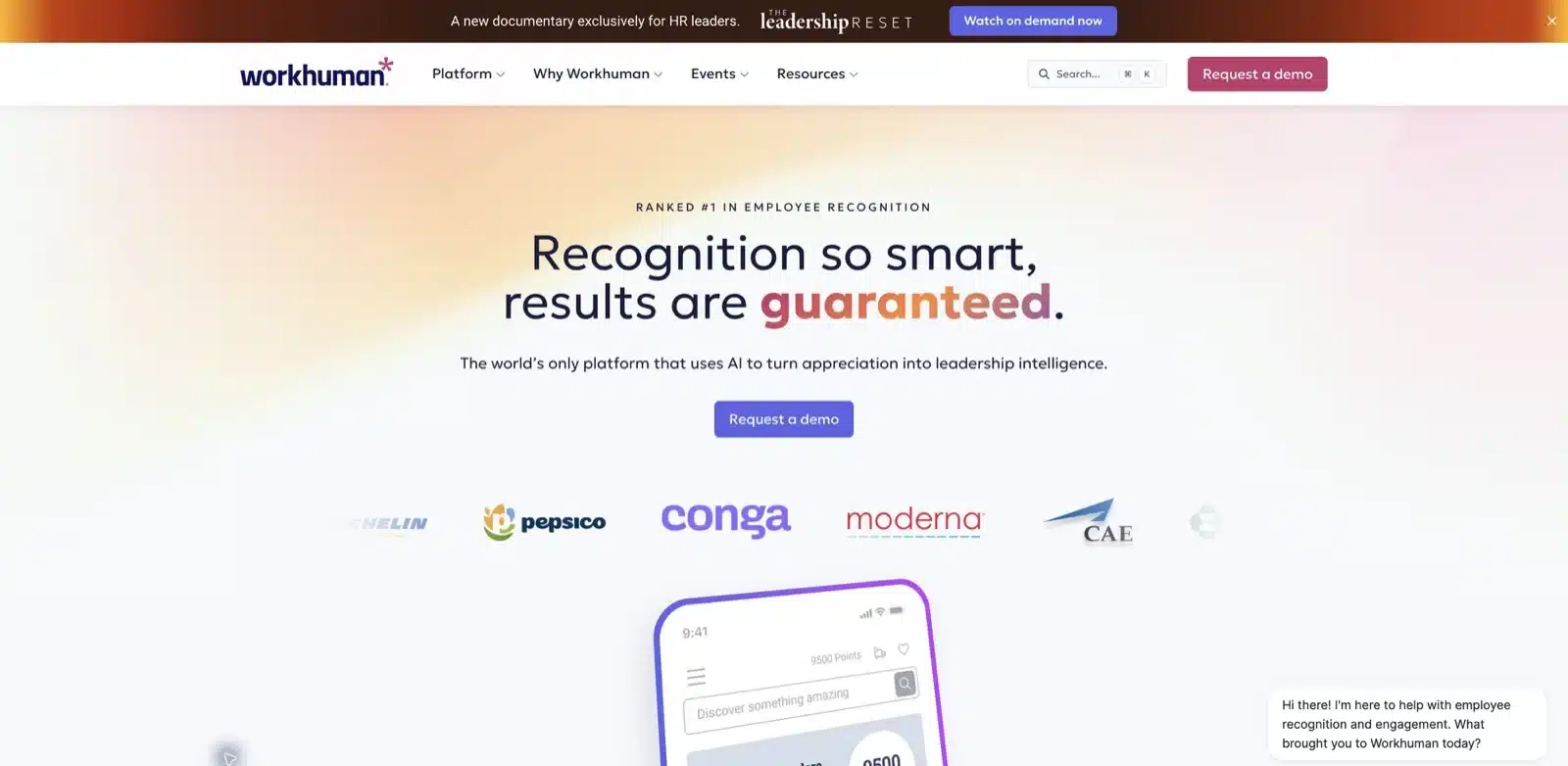
Workhuman combines employee recognition with reward redemption and recognition insights. Its platform emphasizes making appreciation part of everyday work, while its frontline offering addresses participation beyond desk-based employees.
For a distributed healthcare employer, the central question is whether appreciation can move across professional and departmental boundaries. Test a recognition message between teams, the employee’s redemption experience, and the manager’s view of participation.
Key features
Social recognition programs
Employee reward redemption
Recognition insights
Frontline recognition options
Pros: Relevant to organizations planning a substantial, organization-wide recognition program with analytics and support.
Cons: Define access, governance, program funding, and deployment responsibilities before evaluating projected results. Recognition activity should be interpreted in context.
Pricing: Request a tailored quote covering the recognition program, deployment, services, and reward arrangements.
5. O.C. Tanner Culture Cloud — Best for healthcare recognition with online and offline participation
Best for: Healthcare recognition with online and offline participation.
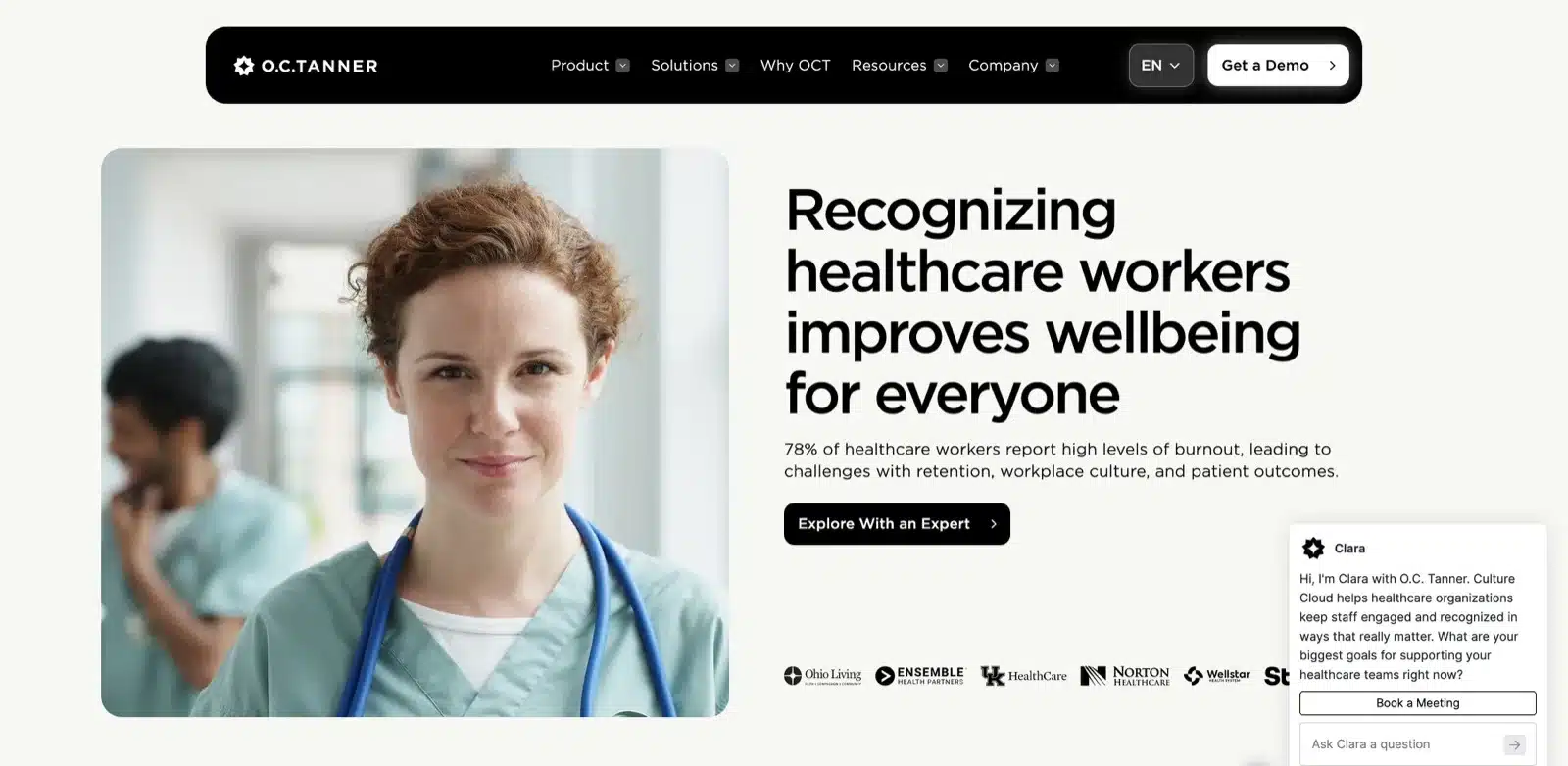
Culture Cloud combines employee recognition, celebrations, rewards, and custom awards. O.C. Tanner’s healthcare offering includes peer recognition, offline tools, and its Say Thanks external recognition option, making it relevant for employers with varied working environments.
A provider could recognize an experienced employee’s mentoring contribution through a meaningful message and a service milestone through a separate celebration. Decide which moments deserve each type of recognition instead of forcing every contribution into one award format.
Key features
Peer-to-peer recognition
Service and career celebrations
Offline recognition tools
External appreciation through Say Thanks
Pros: A strong candidate when symbolic awards, milestones, and frontline participation are major program requirements.
Cons: Clarify the products, services, customization, and fulfillment included in the proposal. Multiple program types require clear internal ownership.
Pricing: Request pricing for the selected Culture Cloud capabilities and recognition program scope.
6. Guusto — Best for practical recognition for frontline and office teams
Best for: Practical recognition for frontline and office teams.
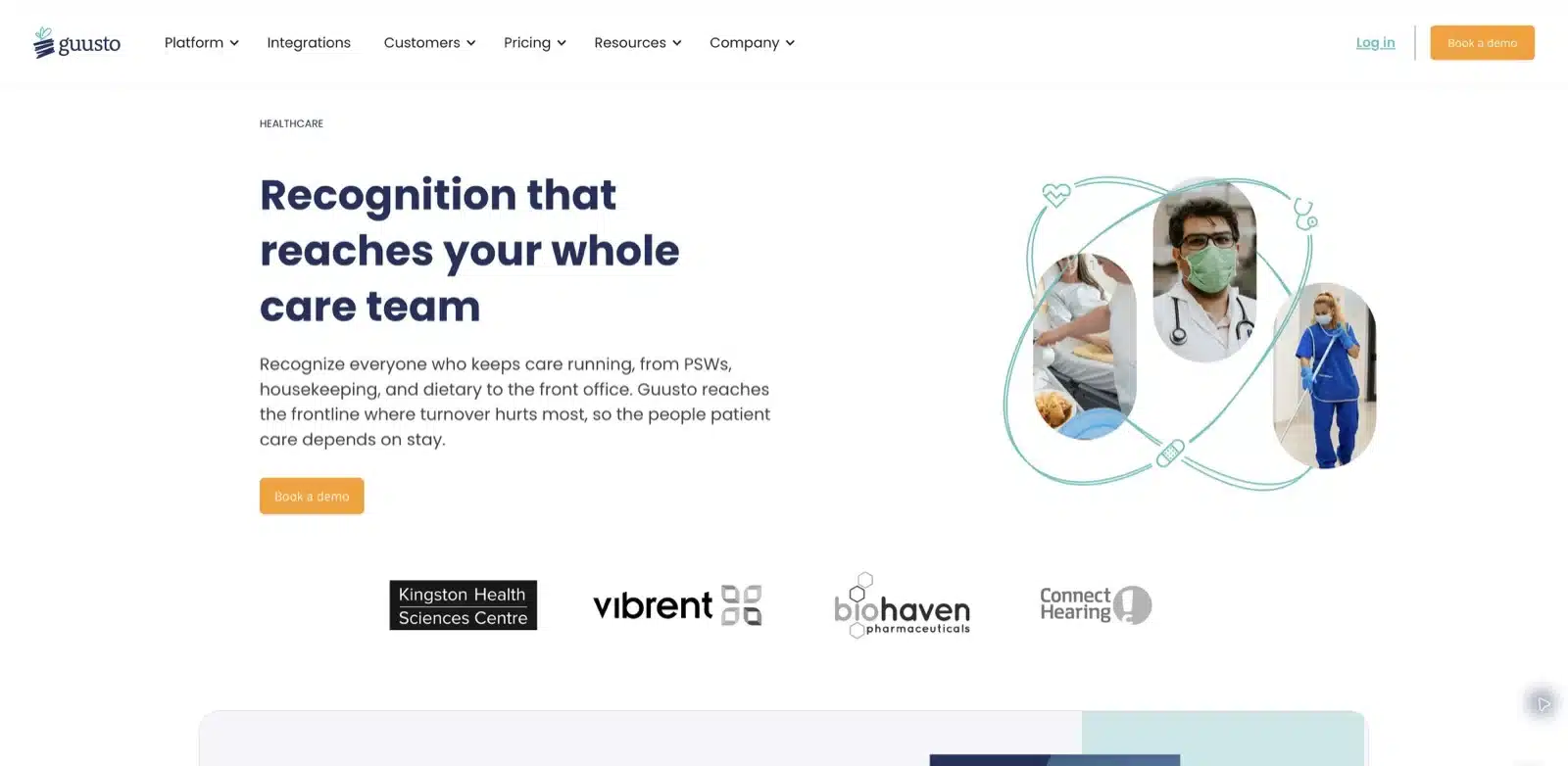
Guusto offers recognition and rewards for employees across head-office and frontline roles. Its healthcare resources and customer examples make it relevant to employers seeking an accessible way to recognize contributions across different working environments.
An outpatient network should test a complete recognition moment with employees who do not regularly use corporate email. Ask how recognition is delivered, how the recipient accesses a reward, and what support is available if they need help.
Key features
Employee recognition and rewards
Programs for frontline and office employees
Manager-led appreciation workflows
Reward delivery and redemption
Pros: Useful to shortlist when simple participation and practical reward delivery are priorities.
Cons: Check the exact participation channels, account requirements, regional reward choices, and administration controls needed for your workforce.
Pricing: Confirm current plans, program administration costs, and reward funding directly in the proposal.
7. Nectar — Best for peer recognition and configurable employee rewards
Best for: Peer recognition and configurable employee rewards.
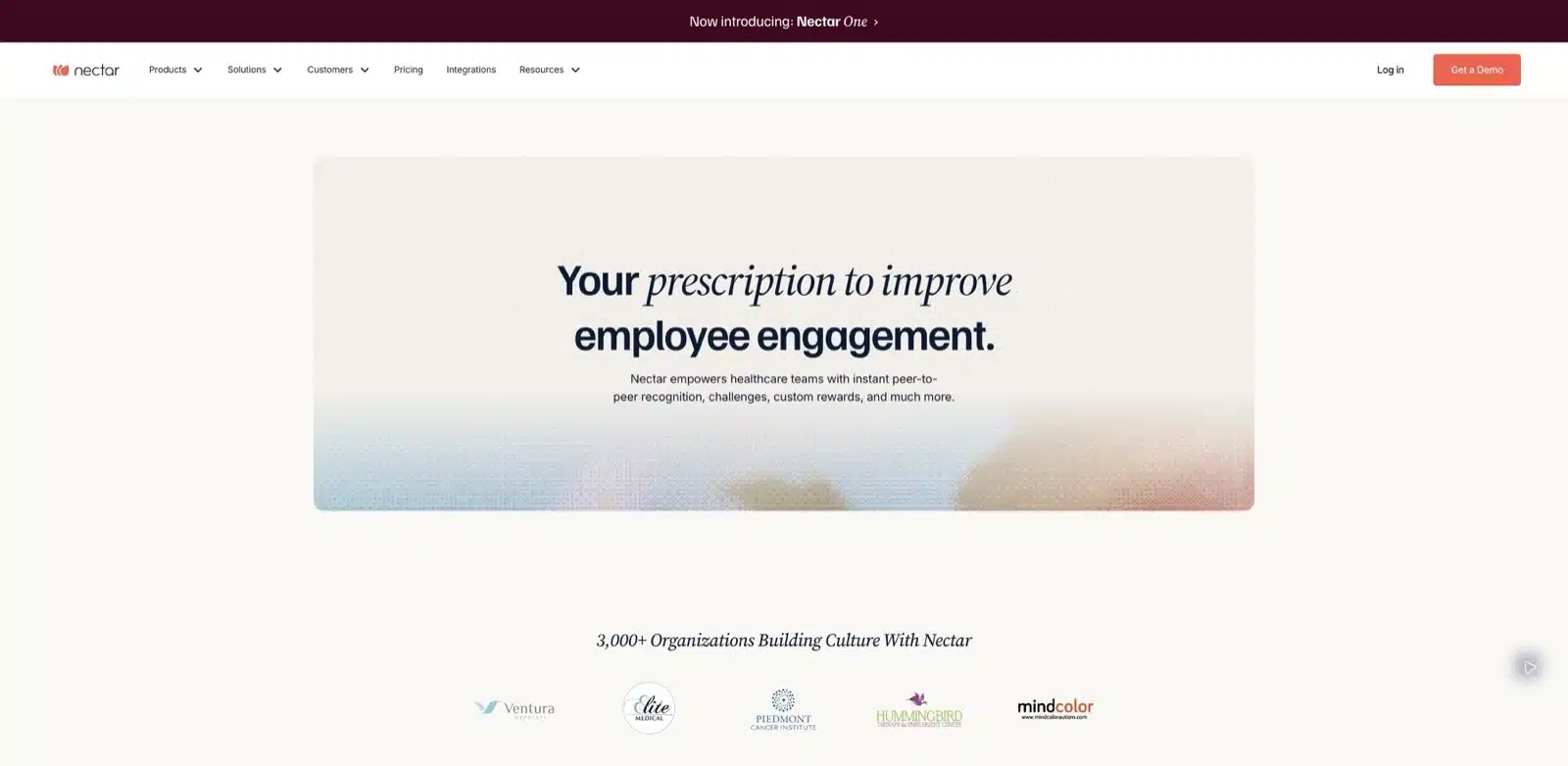
Nectar’s healthcare offering combines peer-to-peer recognition, challenges, and custom rewards. Its healthcare page also describes automated recognition for birthdays and work anniversaries, which can reduce routine administration.
A clinic group could use everyday appreciation for specific contributions while keeping scheduled celebrations separate. Make sure the program highlights reception, billing, support, and clinical employees rather than repeatedly featuring only the most visible roles.
Key features
Peer-to-peer recognition
Custom reward options
Challenges and incentives
Birthday and anniversary automation
Pros: A relevant option for employers seeking frequent appreciation with configurable program elements.
Cons: Test the access experience across shifts and confirm which channels, reports, and reward choices are part of the selected plan.
Pricing: Request current pricing and a clear breakdown of platform fees, reward costs, and any implementation services.
8. Bonusly — Best for frequent peer appreciation in everyday workflows
Best for: Frequent peer appreciation in everyday workflows.
Bonusly supports employee recognition and rewards, with workplace integrations and plan-dependent program controls. Its documentation covers nominations, awards, recognition visibility, and tools that help managers review team recognition activity.
For a healthcare team, the useful pilot is a real working week: who sends appreciation, which roles receive it, and whether the process feels practical during busy shifts. Review distribution as well as the number of posts.
Key features
Peer recognition and rewards
Workplace communication integrations
Nominations and awards in eligible plans
Manager visibility into recognition activity
Pros: Useful for organizations prioritizing frequent peer appreciation and a visible recognition habit.
Cons: Confirm the plan’s controls and integration fit. Employees who do not work in collaboration tools still need a practical participation route.
Pricing: Confirm current plans, licensed population, feature entitlements, and the reward budget required.
9. Motivosity — Best for recognition that builds connection across teams
Best for: Recognition that builds connection across teams.
Motivosity combines peer, manager, and organizational recognition with rewards and employee connection tools. Its healthcare solution addresses employees working across roles, shifts, and locations. It also offers nominations, awards, and Service Shoutouts for customer appreciation.
A hospital can test whether colleagues in different departments can recognize each other without knowing the full reporting structure. Keep patient-related messages within the organization’s approved moderation process and avoid including unnecessary patient details.
Key features
Peer and manager recognition
Rewards and company programs
Nominations and awards
External appreciation through Service Shoutouts
Pros: Relevant when recognition should help employees see and appreciate contributions beyond their immediate team.
Cons: Confirm the proposed modules, data permissions, reward administration, and the employee access experience before rollout.
Pricing: Request a current proposal specifying the selected products, employee count, implementation, and rewards.
10. Kudos — Best for values-based recognition and milestone programs
Best for: Values-based recognition and milestone programs.
Kudos offers peer recognition, rewards, milestones, eCards, awards, and nominations. Its platform also includes Spaces for sharing organizational moments, providing several ways for employers to make contributions visible.
A healthcare organization could define a small set of recognition categories that describe observable contributions. For example, acknowledge a clear handover or thoughtful support for a new colleague rather than relying on vague personality-based praise.
Key features
Peer recognition and optional rewards
Milestones and eCards
Awards and nominations
Spaces for sharing workplace moments
Pros: Useful for organizations that want recognition to reinforce their culture through several types of appreciation.
Cons: Validate access for deskless employees and confirm the program controls, reports, and reward choices needed for a healthcare workforce.
Pricing: Request a quote covering your workforce, selected capabilities, services, and reward arrangements.
What Is Employee Recognition Software for Healthcare?
Employee recognition software helps healthcare organizations acknowledge employee contributions, share appreciation, manage awards, and administer rewards. Depending on the platform, it can support peer praise, manager recognition, organizational values, service milestones, nominations, and reward redemption across clinical and non-clinical teams.
The software organizes the process. The organization still needs to decide what recognition should encourage, who can participate, and how managers will make appreciation part of everyday work.
Recognition and rewards also serve different purposes. A specific thank-you explains the contribution someone made. A reward adds a tangible benefit. An effective program does not need to attach a monetary award to every useful act of appreciation.
What Makes Healthcare Recognition Different?
Good work is often shared across several roles
Patient-facing work depends on contributions from many employees. A program that repeatedly highlights only a few visible roles can leave important work unnoticed. Define recognition examples for clinical, administrative, technical, facilities, and support teams.
For example, appreciation might acknowledge clear coordination, thoughtful mentoring, a well-managed service issue, or practical help during a busy period. Describe the behavior and its value rather than treating visibility as proof of contribution.
Appreciation has to work across shifts
A recognition announcement at a daytime meeting may never reach colleagues working nights or weekends. Test how employees receive appreciation and whether they have a realistic way to send it themselves.
Ask vendors to demonstrate the experience on the devices your workforce uses. Where offline recognition is available, review the entire process, including delivery, redemption, support, and reporting.
Recognition should feel fair and specific
Employees can tell the difference between a thoughtful acknowledgment and a generic message. Give managers examples that connect appreciation with observable contributions. Avoid turning the program into a competition over who receives the most public praise.
Review patterns across departments and roles. Low activity in a particular group may reflect limited access, manager habits, or the design of the program rather than a lack of worthwhile contributions.
Patient appreciation needs a defined process
Some platforms let patients, families, or other external contributors thank employees. If you use this approach, establish how messages are submitted, reviewed, shared, and retained. Avoid unnecessary patient information in recognition posts and make the approved process clear to everyone involved.
Features to Look for in Healthcare Recognition Platforms
Peer and manager recognition
Both matter. Peers see the support and collaboration that a manager may miss. Managers can provide context, connect appreciation to team priorities, and make sure quiet contributions are acknowledged. Test both workflows rather than evaluating only the main recognition feed.
Configurable programs and approval controls
Different moments need different processes. Everyday thanks, service anniversaries, formal nominations, and team awards should have clear rules. Ask how budgets, eligibility, approvals, and administrative permissions are configured.
A good demonstration should show how an administrator changes a program and how that change affects employees. Confirm which controls are included in the selected package.
Accessible rewards and practical administration
Evaluate the redemption experience from the recipient’s perspective. Check local availability, delivery, expiry terms, support, and any employee account requirements. Confirm the responsibilities that remain with HR, payroll, finance, and the vendor.
Compare rewards funding separately from software fees. A low subscription price can be misleading if it leaves out important program costs or administrative work.
Reporting that helps improve participation
Useful reporting should help answer practical questions: which groups are participating, whether appreciation is reaching different roles and shifts, how budgets are used, and where support is needed.
Use recognition information as context for conversations and program improvement. Public praise is influenced by opportunity, working relationships, and visibility; it should not become a shortcut for evaluating clinical capability or deciding who deserves advancement.
Recognition Examples Across Healthcare Roles
Role or team
Contribution to acknowledge
Example message
Nursing team
Supporting a colleague during a handover
Thank you for clarifying the handover details and helping the incoming team start with the information they needed.
Reception team
Coordinating a difficult scheduling issue
Your clear updates helped the team work through the schedule change calmly and consistently.
Facilities team
Responding to an operational request
Thank you for explaining the next steps and keeping colleagues informed while the issue was resolved.
Clinical educator
Mentoring a new employee
You made time for questions and helped our new colleague understand where to find support.
Department manager
Following through on team feedback
Thank you for bringing the team’s concerns back to the meeting and explaining the changes agreed.
Adapt these examples to actual contributions. Avoid names, patient details, or descriptions that disclose information employees should not share.
How to Choose and Launch the Right Program
1. Define the recognition problem
Are employees rarely receiving appreciation? Are night shifts overlooked? Are several departments running separate awards? Choose a platform against that problem and the experience you want employees to have.
2. Design a pilot that includes different roles
Include clinical and non-clinical teams, managers and peers, and employees with different schedules. Ask participants to send recognition, receive it, access rewards where relevant, and find help. Record friction before expanding the program.
3. Set clear program rules
Explain eligibility, recognition categories, reward budgets, visibility, and approval responsibilities. Keep the rules understandable. A program that requires employees to interpret complicated point values or approval steps may discourage useful everyday appreciation.
4. Help managers build a habit
Give managers practical examples and a regular opportunity to notice contributions. Connect appreciation with existing team conversations rather than relying only on launch reminders.
After the pilot, ask who found the program easy to use and who was missed. Review recognition across roles, facilities, and shifts. Use employee surveys to learn whether appreciation feels meaningful, not just whether people logged in.
Choose Recognition That Reaches the Whole Workforce
The best employee recognition software for healthcare makes appreciation accessible, specific, and consistent. A broad enterprise platform may suit a health system coordinating several programs. A more focused tool may suit a provider seeking straightforward peer appreciation and rewards.
We reviewed publicly available vendor product information, healthcare solution pages, feature documentation, and available pricing in November 2026. The comparison considers recognition workflows, healthcare relevance, participation, reward administration, program controls, and connections with employee development. Recommendations reflect the use cases described.
Frequently Asked Questions
What is the best employee recognition software for healthcare?
The right fit depends on workforce access, program complexity, budget, and the experience you want to create. Engagedly connects recognition with broader talent development. The other platforms in this comparison offer different strengths in enterprise programs, peer appreciation, milestones, and rewards.
Can recognition software work for employees without regular computer access?
It can, provided the chosen platform and program support suitable mobile or offline participation. Test the full experience with employees across roles and shifts instead of assuming a mobile app alone solves access.
What should hospitals recognize?
Recognize specific contributions such as collaboration, mentoring, responsive support, and follow-through. Involve relevant leaders when defining clinical examples, and keep appreciation distinct from formal clinical competency assessment.
How much does healthcare recognition software cost?
Compare subscription costs, implementation, integrations, services, and reward funding. Engagedly lists Recognize & Reward at $2 per user per month, billed annually, with a published annual minimum. Other proposals depend on the selected platform and program.
Can patients and families recognize employees?
Some platforms support external appreciation. Confirm submission, moderation, visibility, and data handling before launching. Use the organization’s approved process and avoid collecting unnecessary patient details.
How do we know whether the recognition program is working?
Review participation across roles and shifts, employee feedback, manager follow-through, and practical administration. A high post count alone does not show that appreciation is fair or meaningful.
Can recognition software replace performance reviews?
No. Recognition acknowledges contributions, while performance reviews assess responsibilities, expectations, goals, and development. The two can support each other when they are connected through a clear employee development process.

 Innovative