Artificial intelligence (AI) is quietly reshaping how human resources (HR) teams hire, develop, support, and manage people. It is changing how work gets done across HR.
Think resume screening, skills matching, internal mobility, performance insights, and coaching suggestions. Even answering policy questions at 2 AM. All of it is moving faster with smart tools, making the shift easy to see.
For HR leaders, adopting the right tech isn’t optional anymore. It helps you keep up with a changing world of work and create room for more human conversations. That makes the case for change management even stronger.
Rolling out AI isn’t like flipping a switch. You’re guiding people through change, which means you need a plan. Change management turns a promising pilot into something your teams use and improve, and it lays the groundwork for the playbook that follows.
This playbook breaks down how to lead AI change in HR, so your initiatives stick, and your people thrive alongside the technology. Read on to learn more.
Why Change Management Matters for AI Adoption
Change management is vital for business growth and success. It’s how organizations prepare and support people through change. It involves having clear goals, honest communication, role clarity, training programs, and feedback loops. When AI enters HR, all of that matters even more.
AI introduces both excitement and uncertainty. People worry about fairness, transparency, and job impact, not to mention whether the tool will actually help them day to day. Then there’s data governance, compliance, bias, and more.
The U.S. Equal Employment Opportunity Commission (EEOC) has issued guidance on the use of AI in employment decisions. Its purpose is to minimize discrimination risk, thus reminding employers to pay close attention to model inputs, validations, and monitoring.
Learn from Bryan Henry, President of PeterMD. He emphasizes that successful AI adoption depends as much on people as it does on technology, reinforcing the human side of the shift.
Henry says, “In healthcare and other highly regulated industries, AI implementation succeeds when employees understand how the technology supports their work rather than replaces it. Organizations need clear communication about what AI can and cannot do. They need ongoing training and opportunities for employees to provide feedback.
He adds, “When teams trust the process and see practical value in their day-to-day responsibilities, adoption becomes much smoother and more sustainable.”
Ultimately, change management turns AI from a tool people tolerate into one they actually want to use.
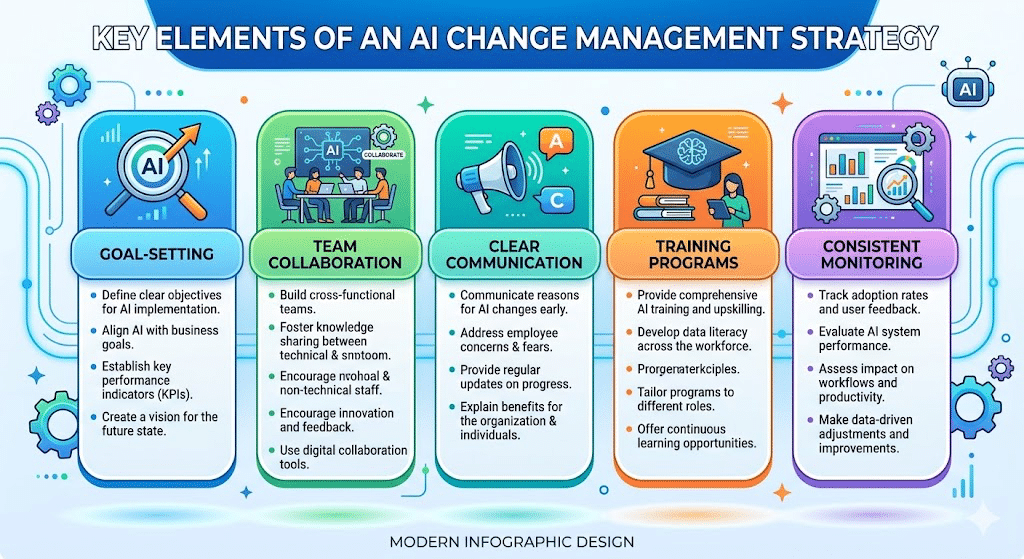
Key elements of an AI change management strategy
Image source: Generated by the author via Gemini
Goal-setting: Define clear objectives. Tie AI to real HR outcomes like faster time-to-hire, better candidate experience, stronger internal mobility, and more effective performance conversations.
Team collaboration: Get stakeholders involved early. HR, IT, Legal, People Analytics, Comms, frontline managers, and employee resource groups all have a stake. Involve them before decisions are set.
Clear communication: Communicate clearly and often. Explain what’s changing. Discuss why it matters and what success looks like. Share timelines, including who’s affected and where to ask questions.
Training programs: Train for skills and scenarios. Not just button-clicking. Show how AI fits into real workflows.
Consistent monitoring: Monitor what’s happening and learn from it. Track both adoption and impact. Share wins and fix friction fast.
These aren’t theoretical components. They’re daily levers that help a new tool become part of how work gets done, and they lead naturally into the step-by-step playbook.
Step-By-Step Playbook for AI Change Management in HR
Step 1. Assess readiness and set objectives
Goal-setting is crucial for change management. Start by taking the pulse of your HR team and adjacent partners:
Where are the biggest pain points?
What data and processes do you already have?
What’s the appetite for change?
A short readiness assessment covering data quality, process maturity, integration needs, and culture helps you avoid surprises later.
Set a handful of clear, measurable goals. For instance:
Reduce time-to-hire by 20 percent.
Improve candidate satisfaction scores by 10 points.
Increase internal talent matches for hard-to-fill roles by 30 percent.
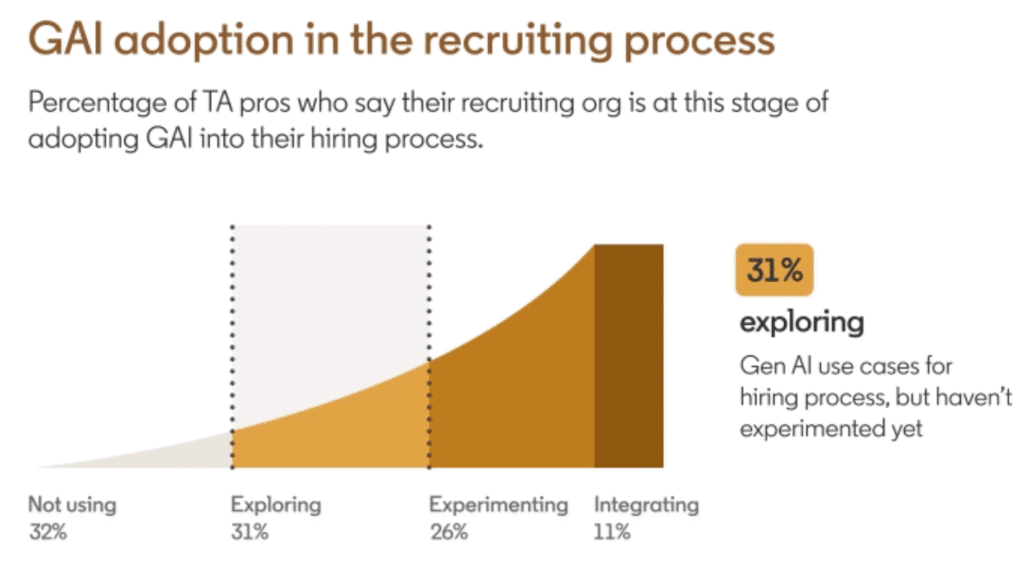
LinkedIn’s latest recruiting research shows talent teams leaning on AI to automate manual steps and prioritize human connection where it matters most. The proof is in the numbers:
Create a cross-functional working group with HR operations, talent acquisition, L&D, DEI, legal, IT/security, and people analytics. Add a few frontline managers and employee representatives. Give them real influence on requirements, pilots, and policies.
Vladyslav Sokol, CEO of Academy Smart, emphasizes that successful AI adoption starts with a focused, low-risk HR use case where value is immediately visible.
Sokol explains, “Start with one high-impact but low-risk HR process where AI can demonstrate clear value…like resume screening and interview scheduling, for instance. Once teams experience the time savings firsthand, they become more open to broader adoption.”
He concludes, “Early wins build confidence, and confidence drives momentum for transformation.”
Step 3. Communicate the change
Clear communication helps people know what is changing. It allows them to understand why it matters and how it will affect their day-to-day work before new tools are introduced.
Craft simple messaging. Explain the problem you’re solving and how AI helps.
Show mockups. Record a quick screen-share. Share FAQs about data privacy and fairness safeguards if something feels off.
Communicate through multiple channels. For instance, in town halls, during team huddles, via email, via Slack, or through manager toolkits. Keep the updates short and regular.
For example:
A team rolling out a new AI scheduling tool might share a short demo video in Slack, followed by a quick Q&A in a team meeting. They might also give pilot users custom t-shirts to make participation visible and create a simple sense of shared ownership.
When communication is consistent and easy to understand, people are far more likely to trust the change and engage with it early. That trust makes the rollout easier to support.
If you’re rolling out an AI scheduler: Have recruiters practice with test candidates and compare the before-and-after workload.
If you’re introducing a performance insights assistant: Walk managers through sample conversations. Not just dashboards.
Denys Hukov, Chief Growth Officer at Yalantis, emphasizes that effective AI training should be rooted in real workplace challenges rather than theory.
Hukov shares, “Learning works best when it is tied directly to the problems people face every day. When teams see how AI solves their actual HR pain points, they don’t just understand the tool…they start using it more creatively and confidently.”
Give people just-in-time resources too: short videos, searchable guides, and an internal community channel for quick questions.
Step 5. Launch, measure, optimize
For strategic performance management, roll out in stages. Start with a limited scope and clear owners. Set baseline metrics, then watch adoption and outcomes side by side so you can adjust as you go.
Decide what you’ll track in advance. Document the baseline, share simple dashboards, and talk about the data in team meetings so it stays real. Common picks include:
Time-to-hire
Candidate satisfaction
Recruiter hours saved
Quality of hire
Internal mobility rate
Completion rates for performance cycles
Create clear channels for feedback. Act fast on what you hear. You can get feedback through:
Surveys
Office hours
Even a standing agenda item in team huddles
Nick LeRoy, Owner of PPCJobs.com, however, emphasizes that successful AI adoption also depends on visible leadership involvement, which reinforces the need for the next example.
LeRoy notes, “Leading AI change requires visible commitment from the top. I made it a point to use AI tools myself and share my learning journey openly. When employees see leadership embracing new technology authentically, it creates psychological safety for them to experiment and learn without fear of making mistakes.”
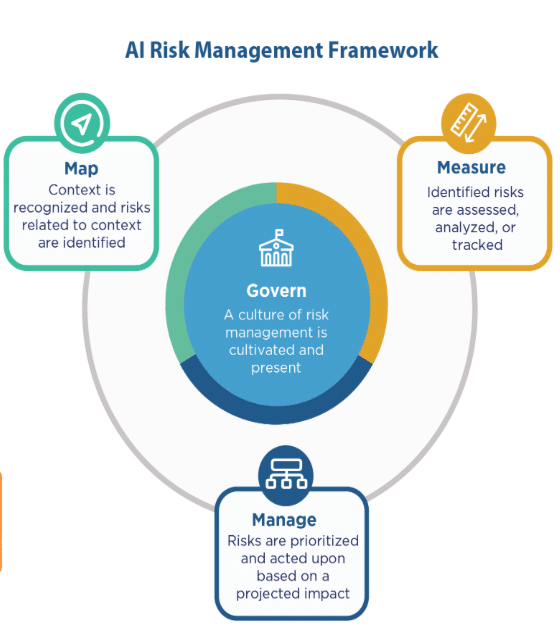
If a feature causes confusion, fix the workflow or add a tip. If a model suggests odd matches, review the training data and validation metrics. The NIST framework encourages ongoing measurement and improvement to ensure AI remains aligned with outcomes and ethics.
Lessons from Successful AI Adoption in HR
Unilever: Optimizing recruitment process
Unilever scaled AI in early-career hiring across job applications, screening, assessments, and interviews. They reported faster hiring cycles and significant time savings for recruiters. Their public case study details how a phased rollout and clear candidate communication helped build trust while dramatically reducing time-to-hire.
Vodafone: Using AI-powered videos
Vodafone introduced AI-enabled video interviews and assessments to handle high-volume recruiting. By focusing on one process first and closely measuring results, the team reduced time-to-hire and improved candidate throughput without sacrificing quality.
Hilton: Leveraging conversational bots
Hilton used a conversational assistant to streamline candidate scheduling and FAQs for hourly roles. The team highlighted quick wins and coached managers to focus on human touchpoints where empathy mattered most, helping adoption spread across locations.
What made these efforts work wasn’t just the tools. Clear goals, careful piloting, transparent communication with candidates and employees, and a steady drumbeat of training and measurement made the difference.
Future Considerations for HR Leaders
Generative AI will expand from content drafting to real-time coaching for managers, and personalized learning pathways that connect internal talent with opportunities. Expect more focus on AI safety and fairness reporting.
In the EU, the AI Act is setting new expectations for high-risk employment use cases. This act pushes employers toward stronger documentation and oversight.
For HR pros, the role is shifting from system administrator to product thinker. You’ll evaluate models, define success metrics, design workflows around people, and partner closely with analytics and IT. Less replacing judgment, more freeing up time for better judgment.
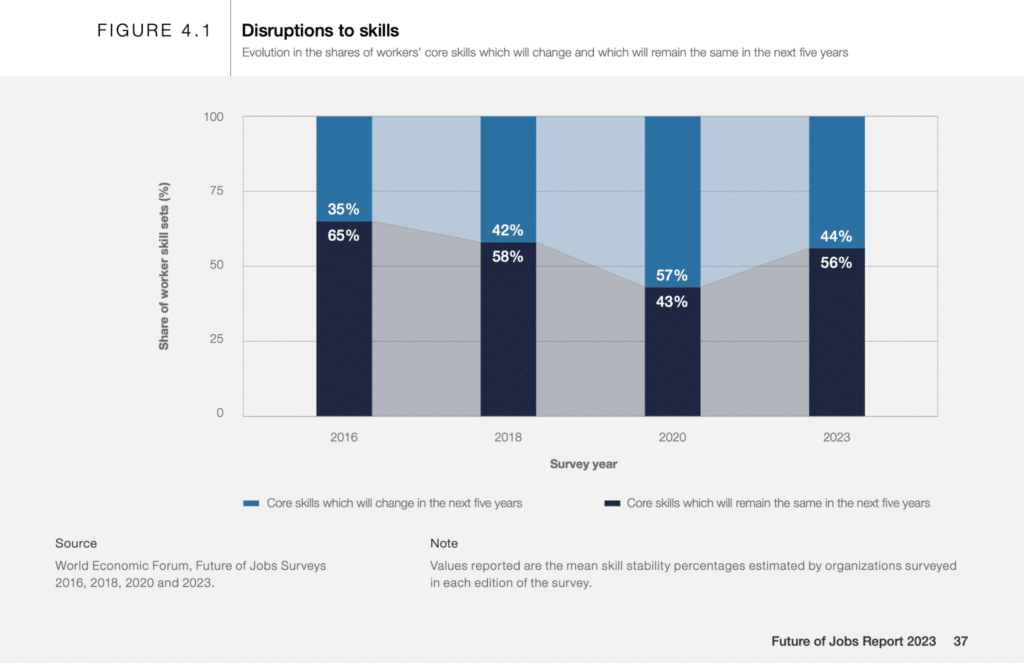
The World Economic Forum (WEF) expects that 44% of workers’ skills will be disrupted in the next five years. This means continuous upskilling and smart workforce planning matter more than ever.
Fairness and validation matter. Work with legal and analytics to document data sources, test for adverse impact, address drift, and improve processes. The EEOC guidance linked above offers a helpful checklist.
Change stamina runs out. Even good change can wear people out. For one, build breaks between phases. Likewise, rotate pilot teams. Ultimately, celebrate the time you give back to recruiters and managers.
Conclusion
AI can help HR move faster on work that matters and treat people more fairly at scale. But how you lead the change makes the difference. To wrap up:
Set clear goals.
Involve the right people early.
Communicate with care.
Train for real-world scenarios.
Measure what counts and adjust as you learn.
With all these key steps, your team will start to see AI as a partner. And once that happens, innovation gets lighter. Ultimately, your HR function becomes more responsive. More human. And more ready for what’s next!
Looking to set a management playbook in place? Engagedly can help implement this using its robust AI-powered platform. To get started, book a demo today!
Frequently Asked Questions
What is AI change management in HR?
AI change management in HR is the process of preparing employees, managers, and stakeholders to successfully adopt AI powered tools and workflows. It includes planning, communication, training, governance, and continuous improvement to ensure AI delivers measurable business and employee outcomes.
Why is change management important for AI adoption in HR?
Change management increases AI adoption by helping employees understand the purpose of AI, reducing resistance to change, providing the right training, and building trust. It also ensures AI implementations align with business goals, compliance requirements, and employee expectations.
How can HR leaders successfully implement AI?
HR leaders can successfully implement AI by following these key steps:
Assess organizational readiness. Define measurable business goals. Engage stakeholders early. Communicate the purpose of AI clearly. Train employees using real world scenarios. Monitor adoption and continuously improve processes.
What are the biggest challenges of AI adoption in HR?
Common AI adoption challenges include employee resistance, lack of trust, poor data quality, algorithmic bias, privacy concerns, regulatory compliance, limited AI skills, and insufficient change management planning.
What are the benefits of using AI in HR?
AI helps HR teams automate repetitive tasks, improve hiring decisions, personalize employee learning, support performance management, strengthen internal mobility, enhance employee experiences, and free HR professionals to focus on strategic initiatives.
How do you measure the success of AI adoption in HR?
Organizations typically measure AI adoption using metrics such as:
Time to hire Candidate satisfaction Employee adoption rates Recruiter productivity Internal mobility rate Quality of hire Performance review completion rates Employee engagement
Tracking these KPIs helps HR leaders evaluate both technology adoption and business impact.
What role does employee training play in AI adoption?
Employee training helps users understand how AI supports their work, improves confidence, reduces resistance, and encourages responsible AI usage. Hands on learning, practical examples, and continuous support typically result in higher adoption rates.
What should an AI change management strategy include?
An effective AI change management strategy should include:
Clear business objectives Executive sponsorship Stakeholder engagement Communication plans Employee training AI governance and compliance Performance measurement Continuous feedback and optimization
What industries benefit most from AI change management?
Any industry adopting AI can benefit from structured change management, including healthcare, finance, manufacturing, retail, technology, education, hospitality, and professional services. Industries with strict regulatory requirements especially benefit from clear governance and employee training.
Gabby Davis is the Lead Trainer for the US Division of the Customer Experience Team. She develops and implements processes and collaterals related to the client onboarding experience and guides clients across all tiers through the initial implementation of Engagedly as well as Mentoring Complete. She is passionate about delivering stellar client experiences and ensuring high adoption rates of the Engagedly product through engaging and impactful training and onboarding.















 Performance