Given the highly competitive work environment, everyone wants to find job prospects where they have growth prospects. Additionally, companies also prefer employees who are developing. That’s why it’s crucial for companies to have effective training programs to help workers get better and stay ahead in the market.
Training isn’t just about ticking off HR checklists; it’s crucial for employee engagement, productivity, and better business results.
So, if you want to build a skilled, efficient, and prepared team to face challenges, keep reading. This blog post will detail ten successful workplace training programs that deliver positive results.
1. Onboarding and Orientation Training
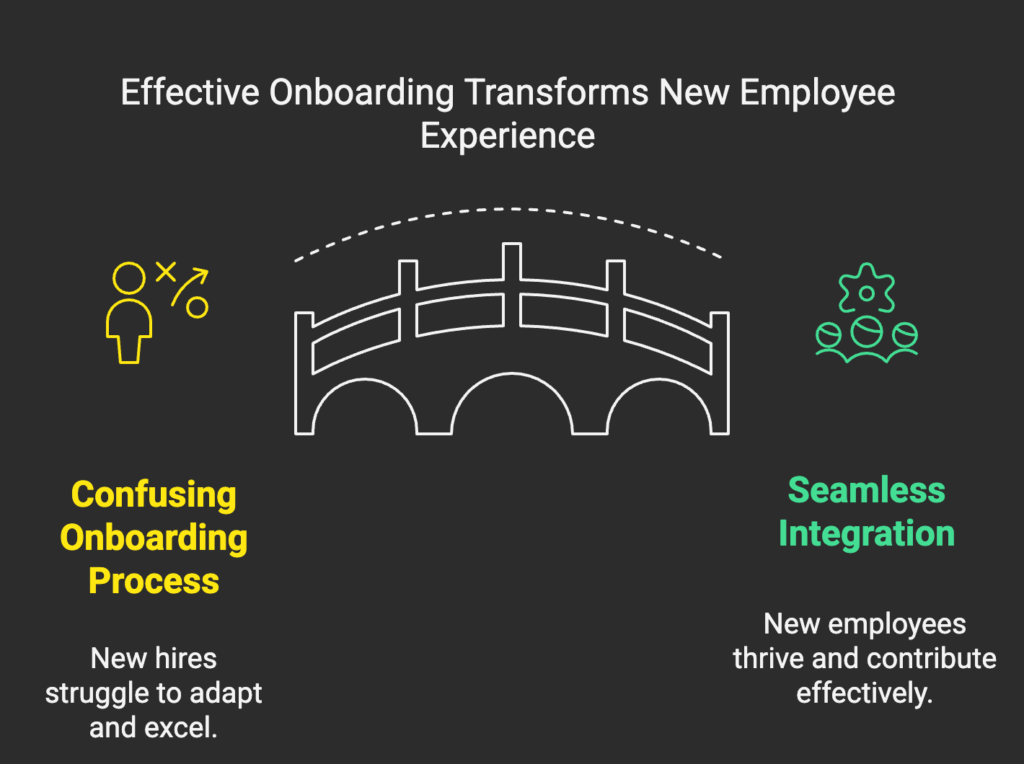
Joining a new organization can be taxing for any person. Fitting into new work cultures, getting new assignments, and trying to understand all the strange acronyms that might initially be troubling. An effective onboarding training program ensures that new employees not only get through the initial stages but also excel and succeed.
It cranks up productivity because when people know what they’re doing, they actually do it better.
What a great onboarding program looks like:
A warm welcome that goes beyond the usual paperwork.
Clear expectations and goals from day one.
A buddy system—because everyone needs a go-to person.
Ongoing check-ins to avoid that “lost in the wilderness” feeling.
Nobody likes feeling confused on their first working day. A powerful onboarding program makes sure that doesn’t happen.
2. Leadership Development Training
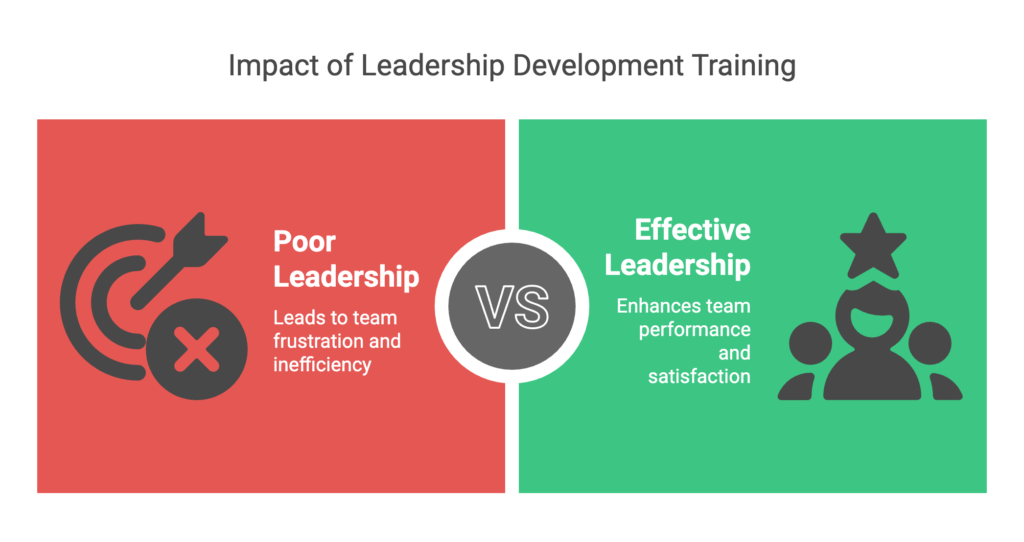
Have you ever experienced working with a bad manager? It can be tough. Nevertheless, the good news is that impactful leadership aptitudes can be learned, and when executed correctly, they can make a favorable impact on both individuals and teams as a whole.
Why leadership training is a game-changer:
Organizations that adopt leadership development are 2.4 times more likely to meet their performance targets.
Investing in leadership isn’t just about one day; it’s about securing a stronger future.
3. Diversity, Equity, and Inclusion (DEI) Training
Diversity, equity, and inclusion are not just some trending terminologies in human resources – they are imperative for ensuring that everyone in the organization feels welcomed. In addition, companies that support diversity, equity, and inclusion don’t just feel good; they actually perform better.
Creating an inclusive culture that celebrates differences
Promoting honest conversations without worrying about judgment
Setting clear guidelines to ensure fairness across the board
4. Technical Skills Training
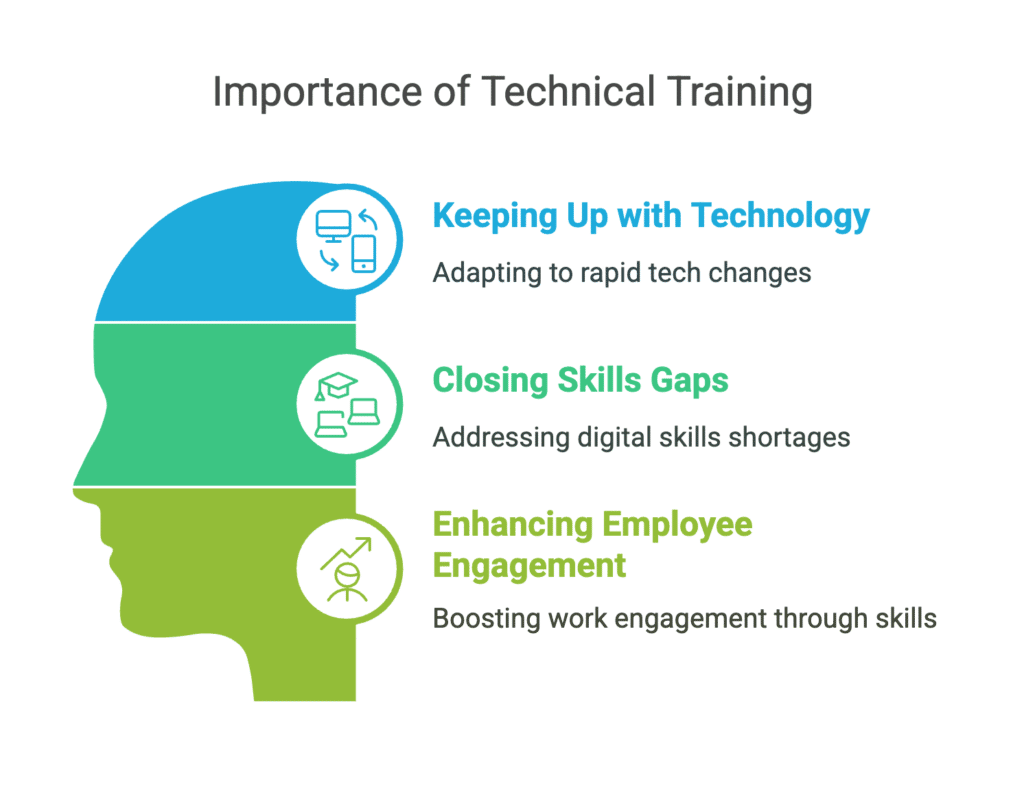
Technology is moving forward quickly, and workers must keep up to date to avoid falling behind. It is important to stay informed about the latest software and learn how to use new digital tools.
Why technical training matters:
87% of executives admit they have a digital skills gap in their teams.
Employees with up-to-date tech skills are 230% more engaged in their work.
Tech is no longer an IT department problem—it’s everyone’s business.
5. Soft Skills Training
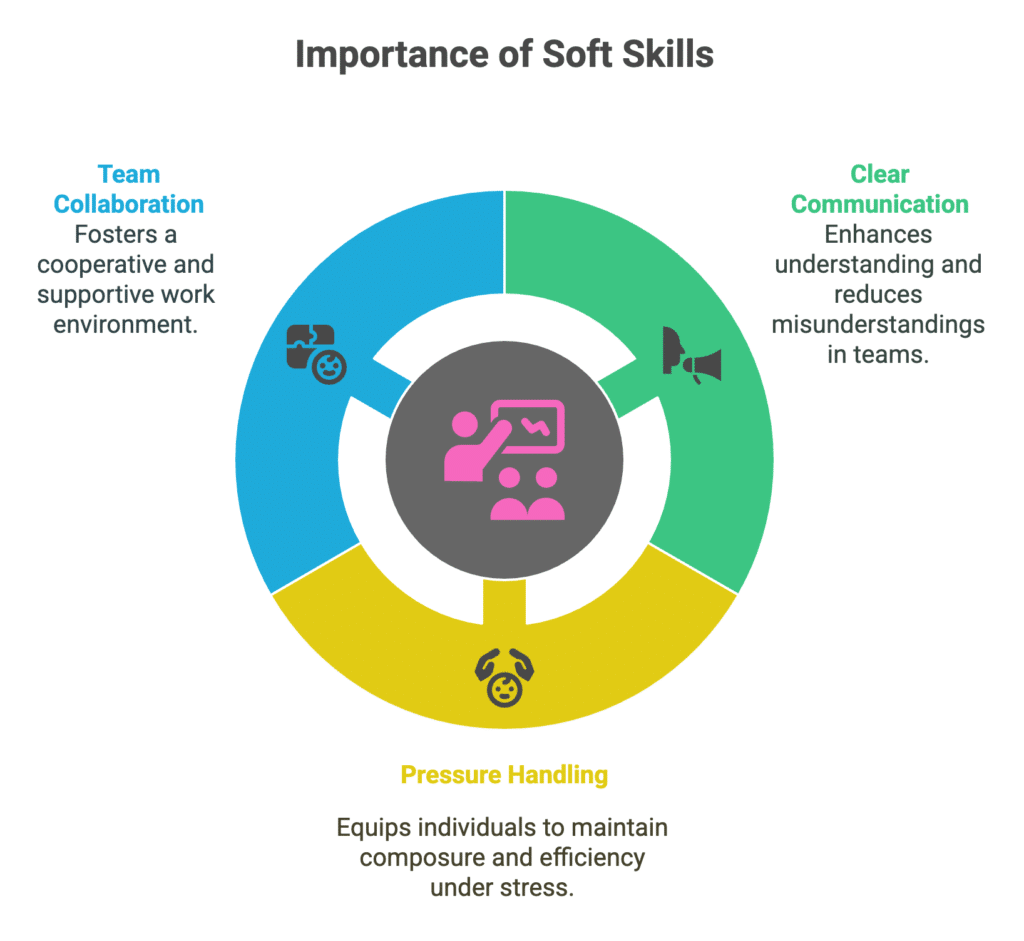
Hard skills might get you hired, but soft skills keep you there. Whether it’s communicating clearly, handling pressure, or just being a great team player, soft skills make all the difference.
Why soft skills training is invaluable:
92% of recruiters say soft skills are as important as technical ones.
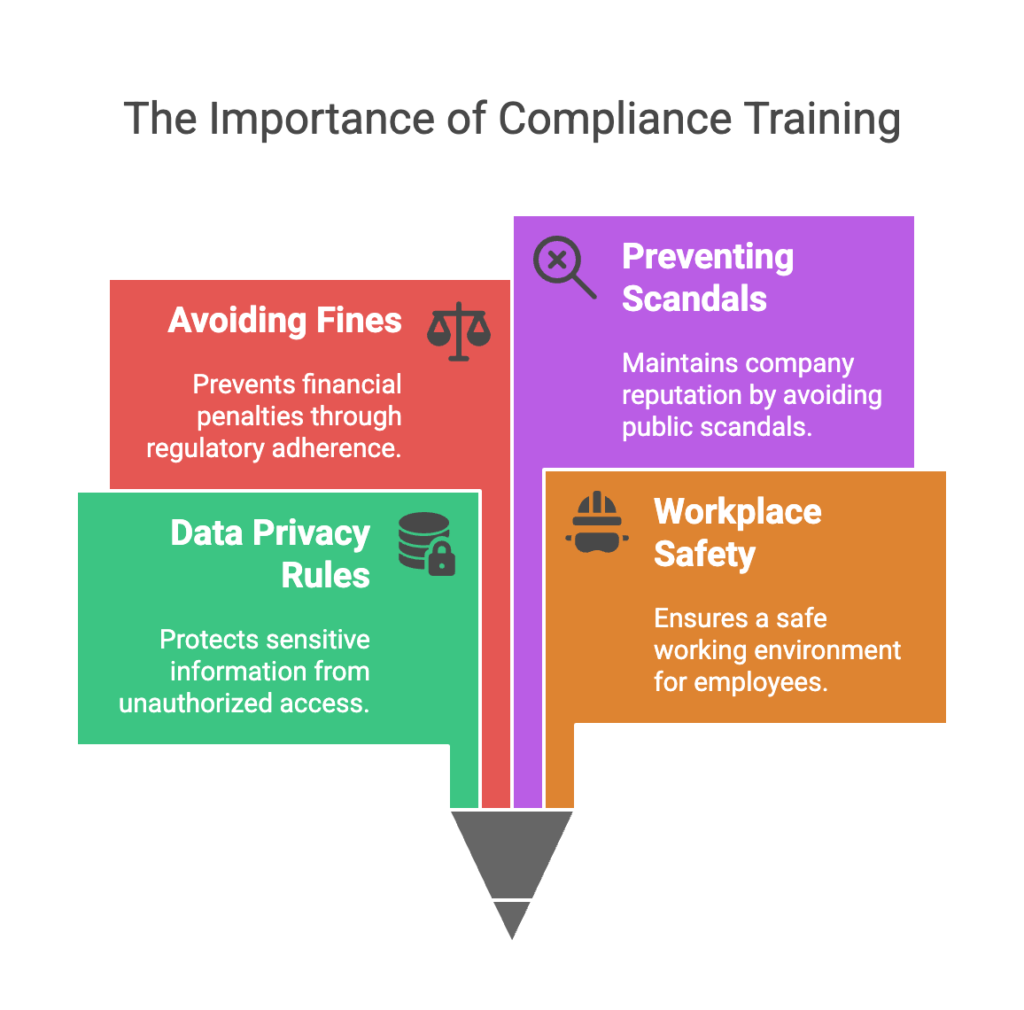
Nobody enjoys compliance training, but we can’t ignore it. Knowing the rules on data privacy and workplace safety helps businesses avoid fines and scandals.
Why compliance training is critical:
Regulatory violations can cost businesses millions in fines.
Staying compliant is less about ticking boxes and more about building trust.
7. Sales Training
Sales teams are the lifeblood of any business, and giving them the right training can mean the difference between closing deals and missing opportunities.
A well-trained sales team doesn’t just sell—they build loyalty.
8. Customer Service Training – Because First Impressions Matter
Good customer service can either build up or destroy a brand. If customers have a negative experience, they may leave. Teaching employees how to give excellent service helps to retain clients.
Happy customers become loyal customers, and loyal customers bring growth.
9. Health and Safety Training
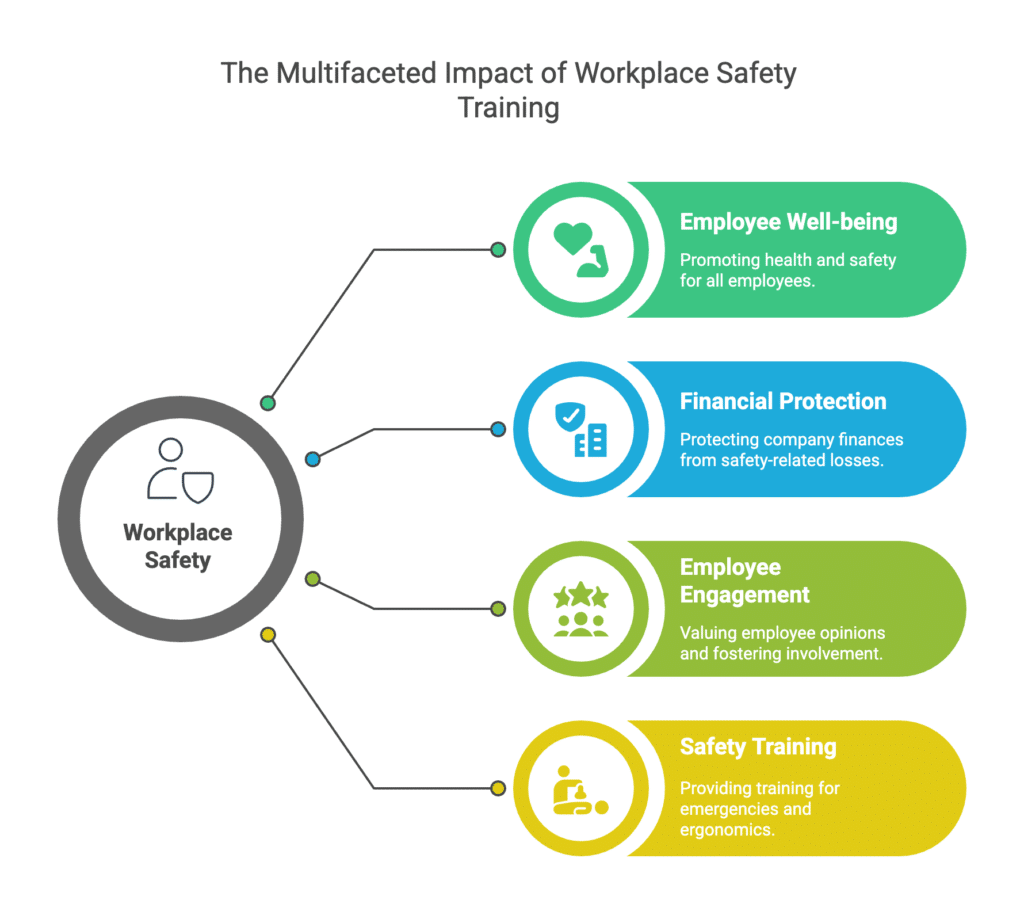
Ensuring the workplace is safe goes beyond just obeying the rules; it’s also about showing your employees they matter and their opinions count. Offering safety training, whether it’s for emergencies or ergonomics, safeguards both the employees and the company’s money.
Remote work is not a fading trend—it is the future of corporate working. However, working remotely comes with considerable challenges, and every workforce requires suitable tools and resources to remain productive.
Remote work is here to stay; good training ensures success from anywhere.
Final Thoughts
To sum up, good workplace training programs improve skills and promote growth, creativity, and long-term success. Giving your employees the right information boosts their drive, engagement, and productivity, keeping your business competitive in a fast-changing world. Whether it’s improving leadership, technical abilities, or supporting diversity, investing in training helps employees perform better and stay loyal.
Looking to enhance your organization’s learning initiatives? Engagedly offers smart, tailored learning solutions that align with your business goals and employee needs. Discover how Engagedly can help you build impactful training programs and empower your workforce for lasting success.
FAQs on Workplace Training Programs
What are workplace training programs?
Workplace training programs are structured learning initiatives that help employees develop the knowledge, skills, and behaviors needed to perform their jobs effectively. These programs improve employee performance, support career development, increase productivity, and help organizations achieve their business goals.
Why are workplace training programs important?
Workplace training programs help employees stay current with industry trends, improve job performance, close skill gaps, and increase engagement. For employers, effective training leads to higher productivity, better employee retention, stronger compliance, and improved business performance.
What are the most common types of workplace training programs?
Most organizations use a combination of workplace training programs, including:
Onboarding and orientation training Leadership development Technical skills training Soft skills training Compliance training Diversity, equity, and inclusion training Sales training Customer service training Health and safety training Remote and hybrid work training
Using multiple training programs ensures employees develop both technical expertise and workplace competencies.
How often should workplace training programs be conducted?
Training should be an ongoing process rather than a one time event. New hire onboarding should happen immediately after joining, while compliance training is typically conducted annually or as regulations change. Technical, leadership, and professional development training should be offered throughout the year based on employee needs and business priorities.
How do companies identify which workplace training programs employees need?
Organizations typically identify training needs by conducting a skills gap analysis. They use performance reviews, employee assessments, manager feedback, 360 degree feedback, business goals, customer feedback, and workforce planning to determine which skills require improvement.
Srikant Chellappa is the Co-Founder and CEO at Engagedly and is a passionate entrepreneur and people leader. He is an author, producer/director of 6 feature films, a music album with his band Manchester Underground, and is the host of The People Strategy Leaders Podcast.














 Performance
 Learning
 Recognize &
 Engage &
 Talent