A nurse, an imaging technician, a receptionist, and a finance specialist should not receive the same performance review questions. They share an employer, but their responsibilities, evidence of good work, and development needs differ.
Healthcare HR teams still need a consistent process. Managers need clear deadlines, employees need to understand the criteria, and leaders need confidence that reviews are completed thoughtfully across departments and locations.
Performance review software helps organize that work. The strongest fit depends on whether you need a focused appraisal tool, a healthcare-specific workforce platform, or reviews connected with broader talent management.
This guide compares nine performance review platforms for healthcare organizations, with features, strengths, limitations, and pricing considerations. It focuses on the review cycle itself: preparation, forms, feedback, approvals, completion, and follow-through.
Key Takeaways
Engagedly connects structured reviews with year-round goals, feedback, and role expectations.
symplr Performance and HealthStream Performance Center bring a healthcare-focused perspective to employee appraisal workflows.
PerformYard, 15Five Perform, and ClearCo offer different approaches to configurable reviews and manager follow-through.
Cornerstone, UKG Pro, and Workday are worth evaluating when reviews form part of a broader enterprise talent environment.
Test role-specific criteria, multiple review cycles, reporting permissions, and approval steps using your actual process.
Keep employee performance appraisal distinct from formal clinical competency validation and credentialing requirements.
Best Healthcare Performance Review Software at a Glance
Software
Best for
Key capabilities
Pricing approach
1. Engagedly
Reviews informed by ongoing performance context
Configurable evaluation criteria and rating scales, Self and manager reviews with approval steps
Request current quote
2. symplr Performance
Healthcare-focused appraisal workflows
Healthcare employee evaluations, Employee goals and development
Request current quote
3. PerformYard
Configurable review cycles and completion tracking
Custom review forms and cycles, Automated reminders and approvals
Request current quote
4. HealthStream Performance Center
Appraisals in a healthcare learning environment
Healthcare performance assessments, Assessment assignments and review steps
Request current quote
5. Cornerstone
Reviews within enterprise talent development
Performance management workflows, Goal and feedback processes
Request current quote
6. UKG Pro
Reviews connected with a wider UKG HR environment
Employee performance reviews, Coaching and development workflows
Request current quote
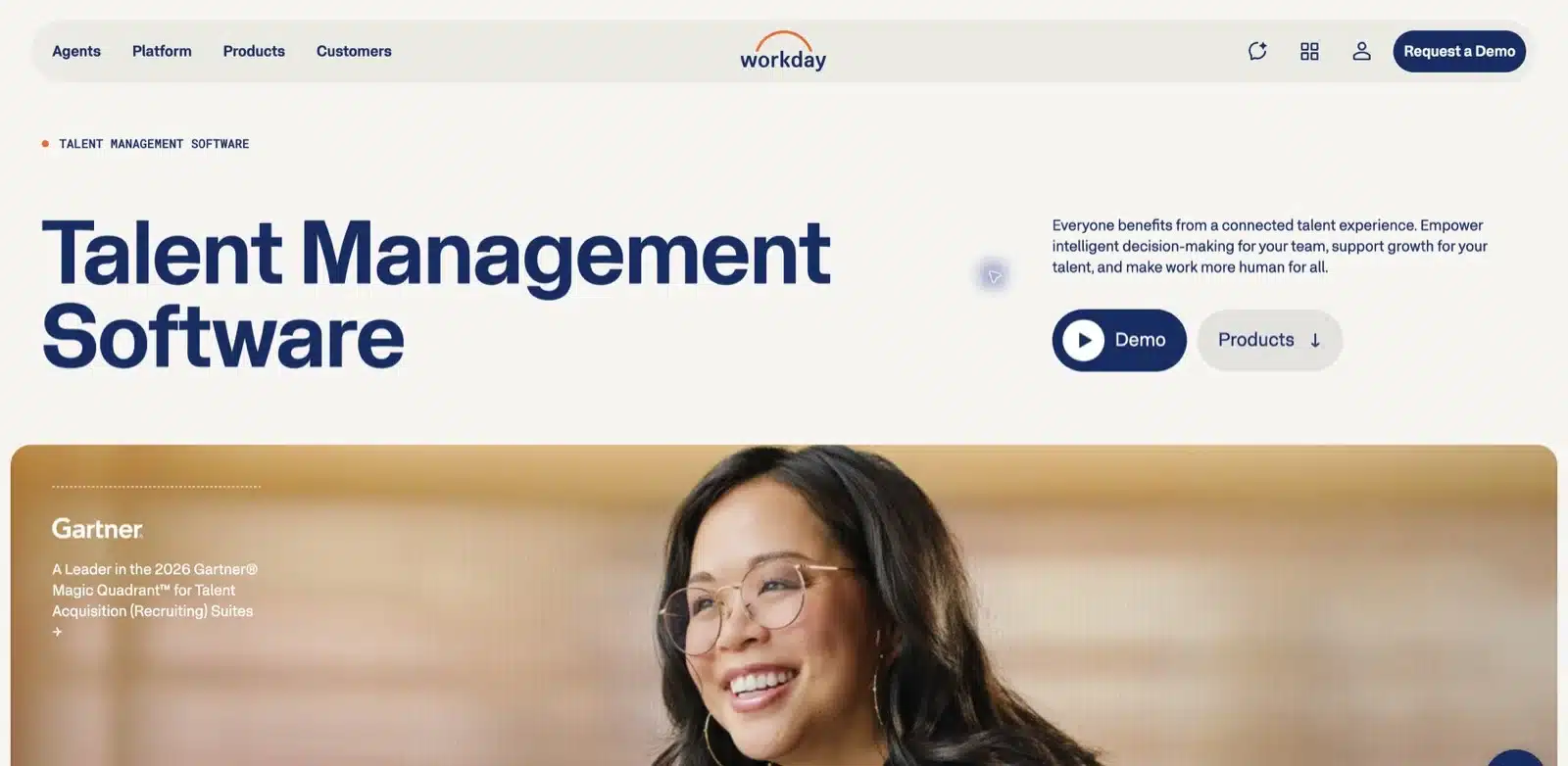
7. Workday
Performance reviews within enterprise talent management
Performance and talent review processes, Feedback and check-ins
Request current quote
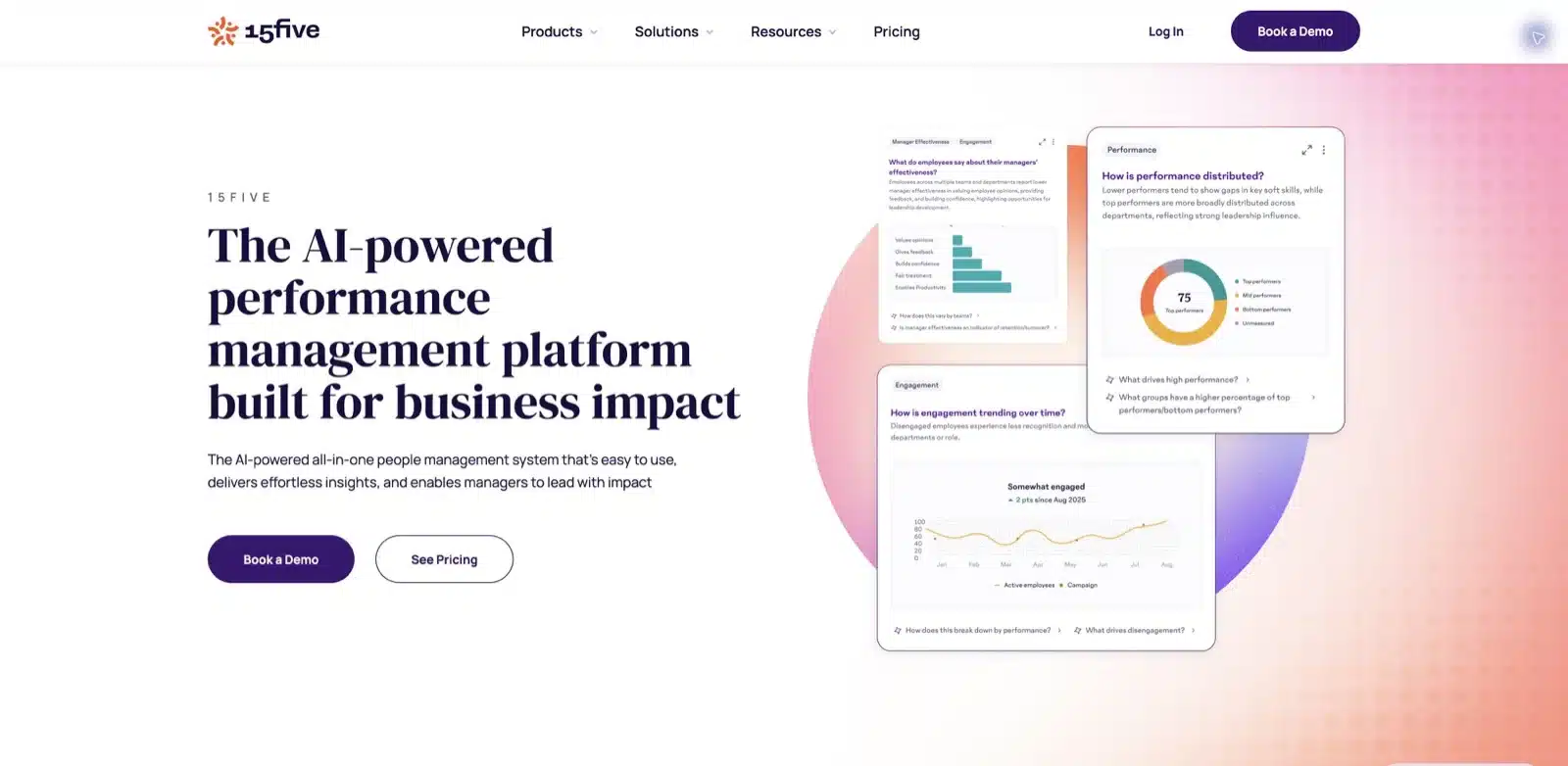
8. 15Five Perform
Structured reviews with ongoing manager practices
Structured performance review cycles, 360 feedback and ratings
$11/user/month; confirm terms
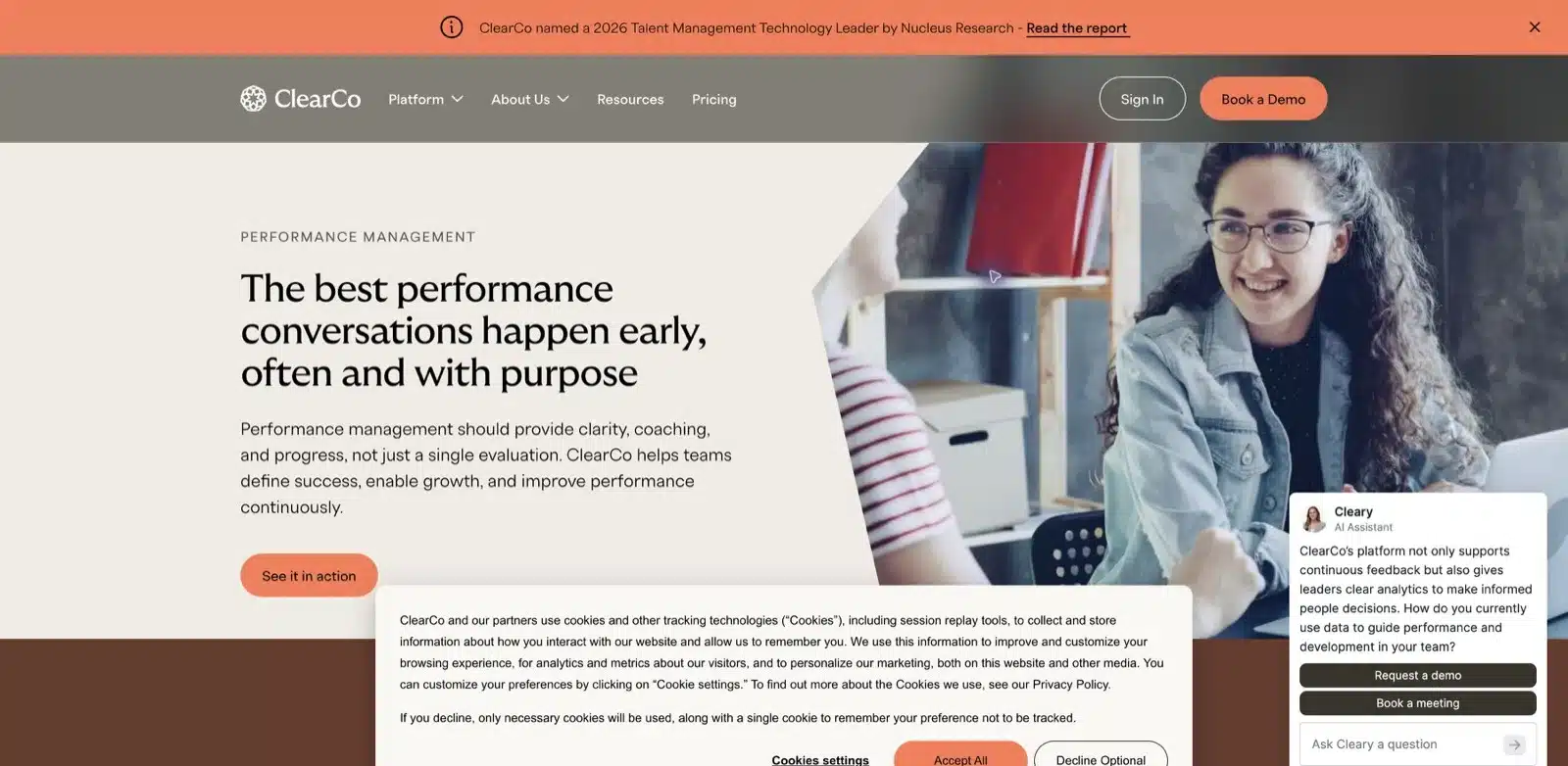
9. ClearCo
Reviews connected with goals and continuous feedback
Self and manager reviews, Peer and 360-degree feedback
Request current quote
Compare package inclusions, billing terms, minimum commitments, integrations, and implementation when assessing cost. Product information was reviewed in November 2026.
9 Best Performance Review Software for Healthcare Teams
1. Engagedly — Reviews informed by ongoing performance context
Best for: Reviews informed by ongoing performance context.
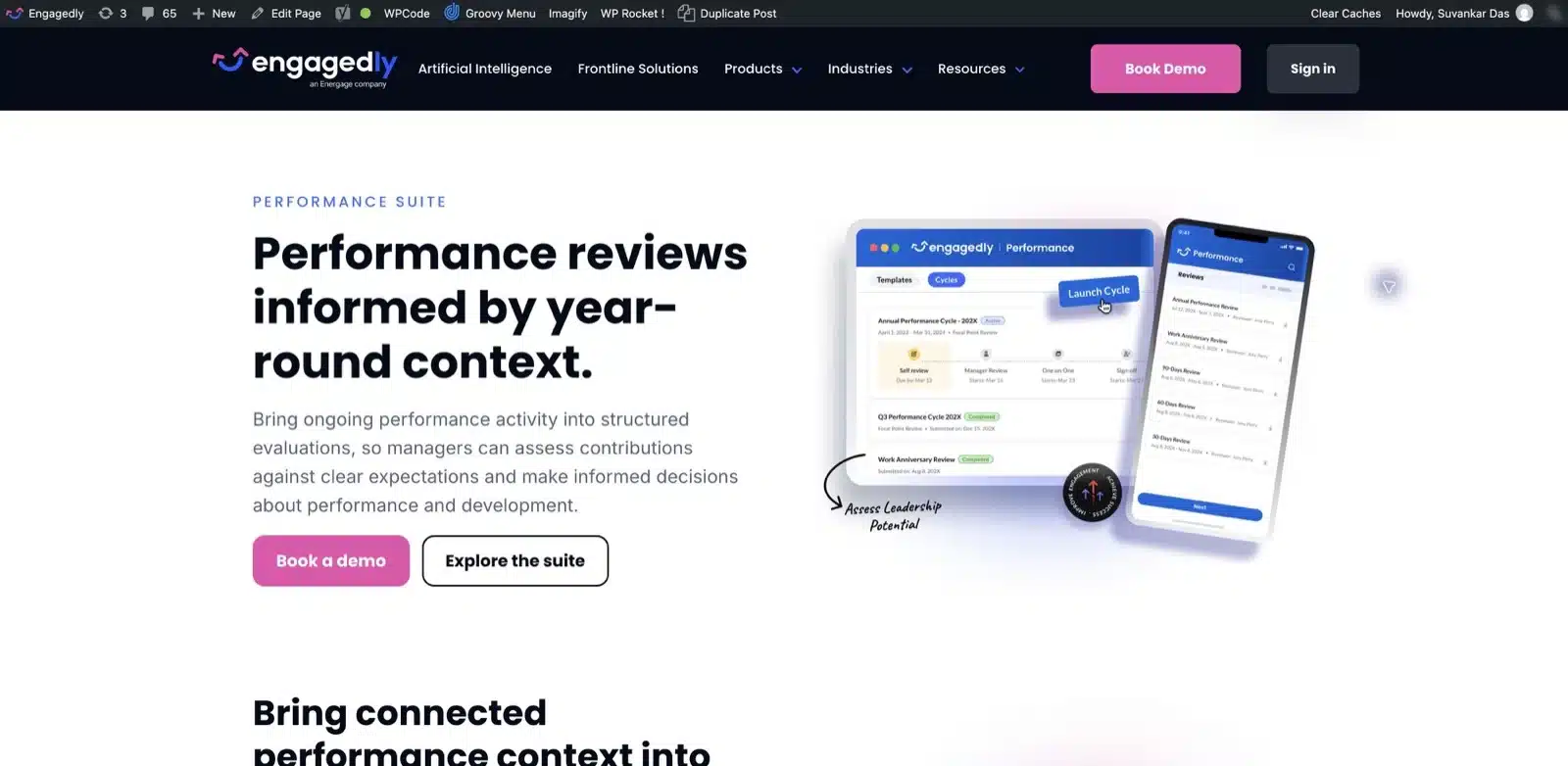
Engagedly brings goal progress, feedback, and competency expectations into structured performance evaluations. HR teams can configure criteria, rating scales, timelines, and approvals, with self-reviews, manager reviews, sign-off, and concurrent cycles for different groups.
A hospital could use shared organizational expectations alongside role-specific criteria for clinical, administrative, and support teams. Managers can discuss evidence collected throughout the year and agree on relevant development priorities rather than relying only on recent events.
Key features
Configurable evaluation criteria and rating scales
Self and manager reviews with approval steps
Connected goals and feedback
Concurrent cycles for different employee groups
Pros: Useful when formal evaluations should connect with year-round goals, feedback, and manager conversations.
Cons: Define clinical competency requirements separately and verify the exact integrations and additional modules in the proposal.
Pricing: Request a Performance Suite quote for your workforce size, selected capabilities, and implementation scope.
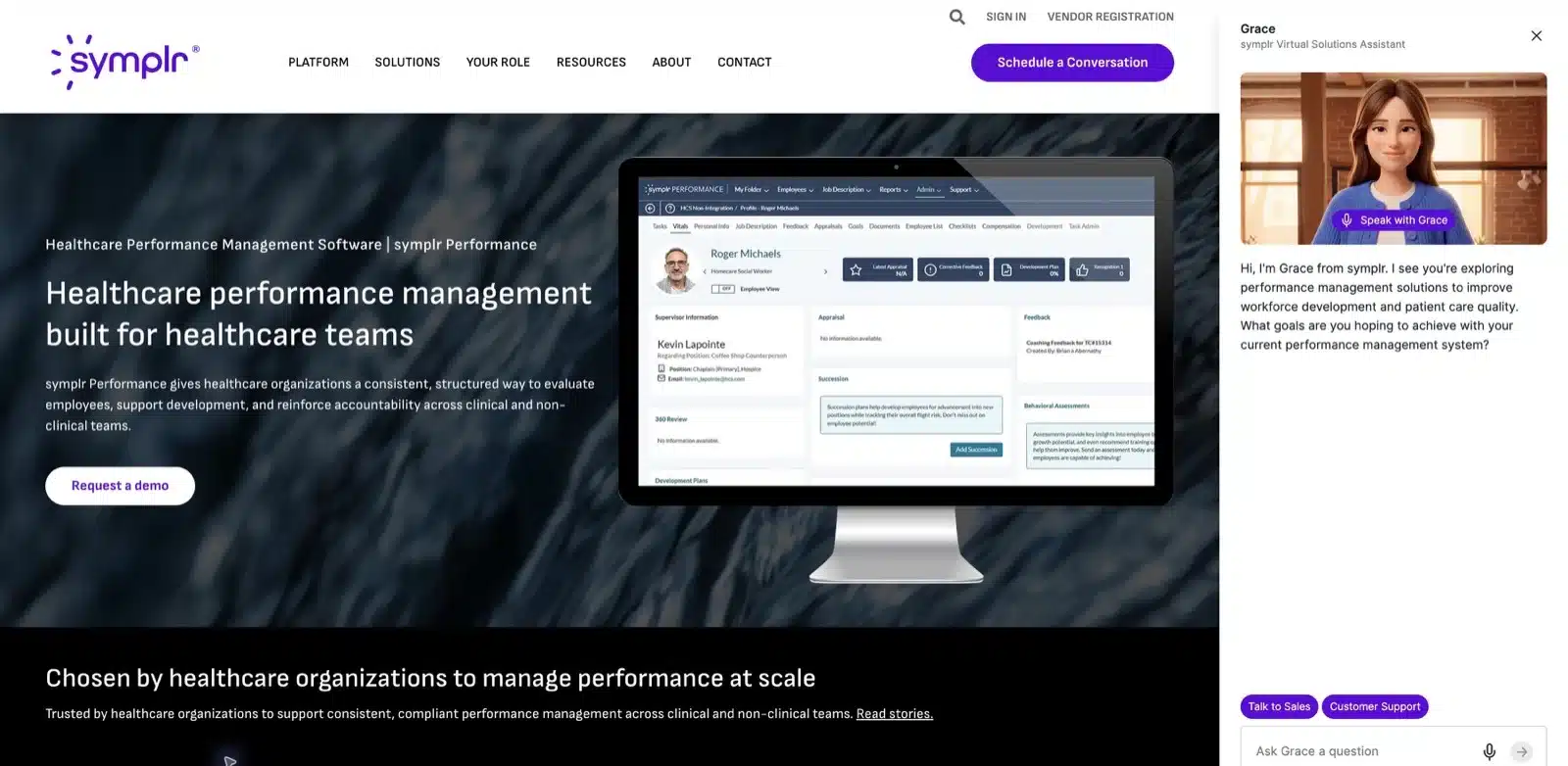
symplr Performance is designed for healthcare employee performance management across clinical and non-clinical teams. It supports structured evaluations, employee goals, development, and visibility across teams and departments, with connections to learning and assessments.
A health system could evaluate whether the product represents its job families, reporting relationships, and appraisal schedule. Ask administrators to demonstrate an evaluation from assignment through completion, including the handoff to an agreed development activity.
Key features
Healthcare employee evaluations
Employee goals and development
Workflow automation
Performance visibility across departments
Pros: A healthcare-focused option for organizations that want appraisal administration within a specialist workforce environment.
Cons: Confirm integration responsibilities, form flexibility, reporting access, and which related symplr products are required.
Pricing: Request a quote for the relevant symplr Performance deployment and services.
3. PerformYard — Configurable review cycles and completion tracking
Best for: Configurable review cycles and completion tracking.
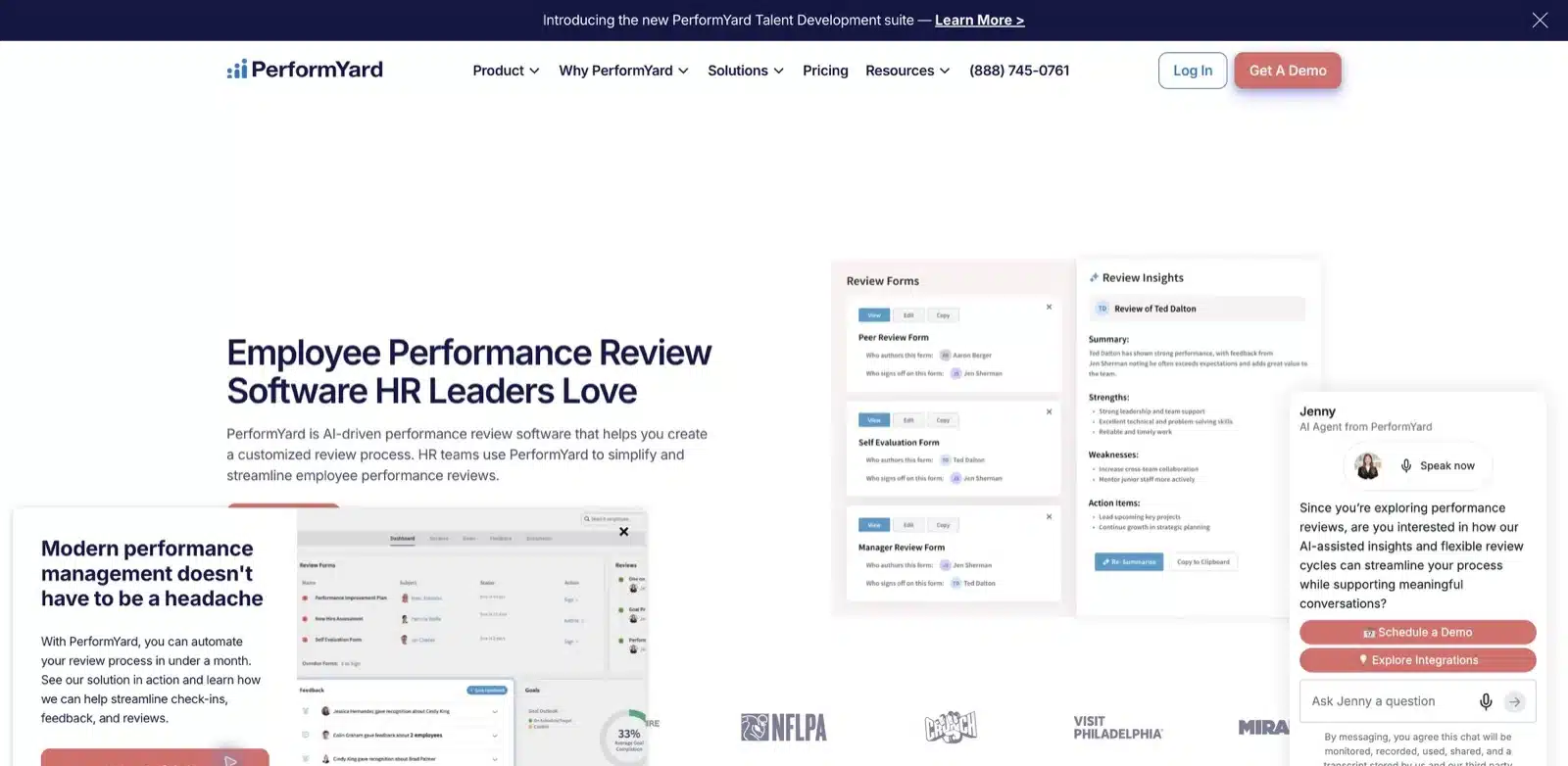
PerformYard offers performance reviews with customizable forms and cycles, automated reminders, approval notifications, and reporting. Its review-assist and summary capabilities help managers work with evaluation content while HR coordinates the process.
For a healthcare employer replacing spreadsheets, the practical test is whether existing review forms and approval steps can be reproduced clearly. Ask a manager to complete a self-and-manager review cycle, submit revisions, and locate the final record.
Key features
Custom review forms and cycles
Automated reminders and approvals
Review completion tracking
AI-assisted review writing and summaries
Pros: A focused option when the immediate priority is making an established appraisal process easier to administer.
Cons: Check how role-specific competency requirements and other HR systems fit the proposed workflow.
Pricing: Request a current quote with the selected performance features, employee coverage, and service scope.
4. HealthStream Performance Center — Appraisals in a healthcare learning environment
Best for: Appraisals in a healthcare learning environment.
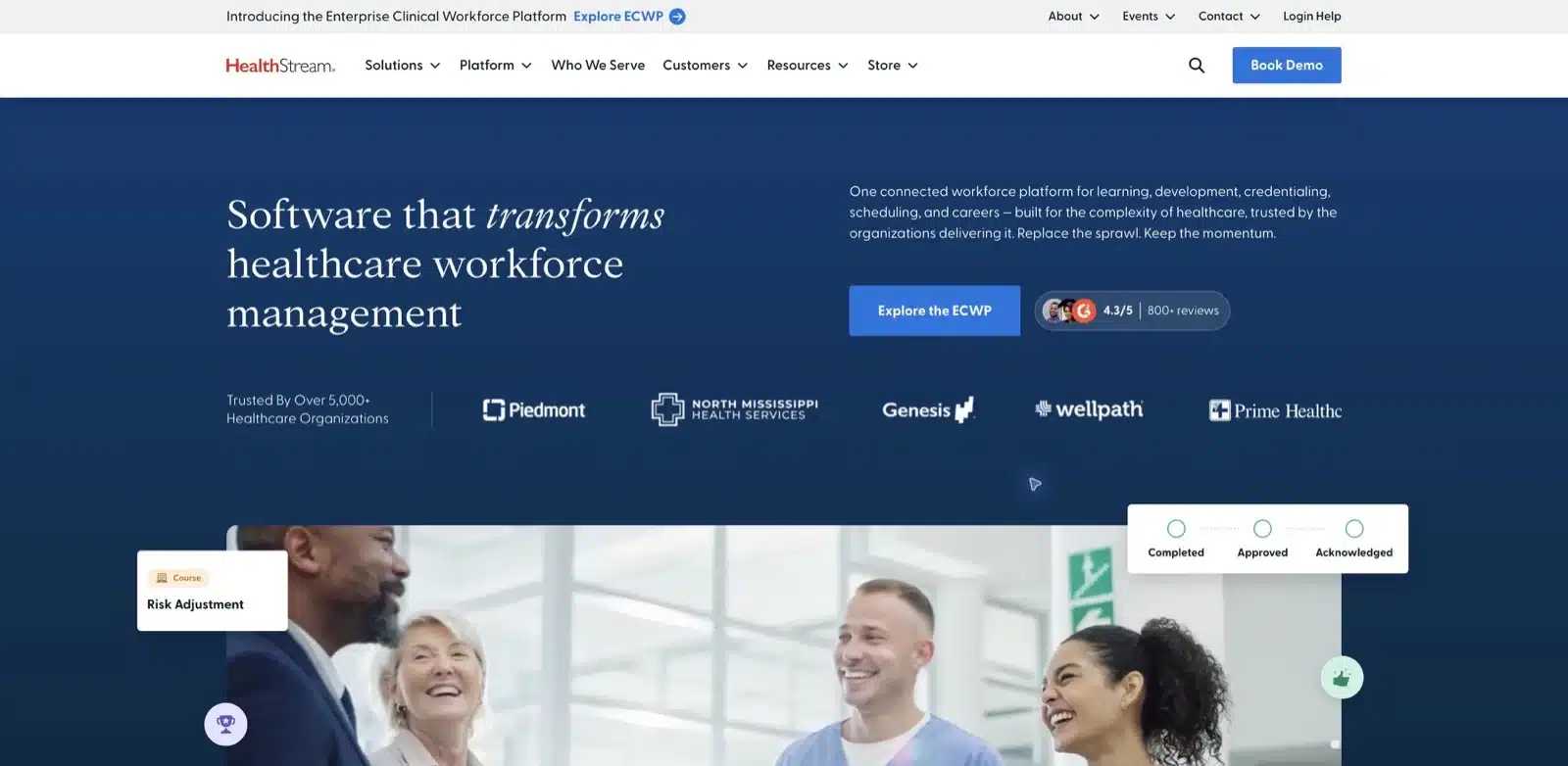
HealthStream Performance Center supports healthcare staff performance assessment and development. Its performance assessment workflows make it relevant to organizations evaluating how employee reviews fit with an existing HealthStream learning and workforce development environment.
A hospital should demonstrate assessment assignment, reviewer responsibilities, employee review, and sign-off using its own process. Confirm how performance assessment relates to competency assessment and learning records, rather than assuming the products use an identical workflow.
Key features
Healthcare performance assessments
Assessment assignments and review steps
Employee review and sign-off
Connections with workforce development
Pros: Worth evaluating for healthcare organizations already coordinating learning and development through HealthStream.
Cons: Confirm current product packaging, assessment configuration, reporting, and integration boundaries before choosing the deployment.
Pricing: Request a proposal that specifies the Performance Center capabilities, implementation, and related products required.
5. Cornerstone — Reviews within enterprise talent development
Best for: Reviews within enterprise talent development.
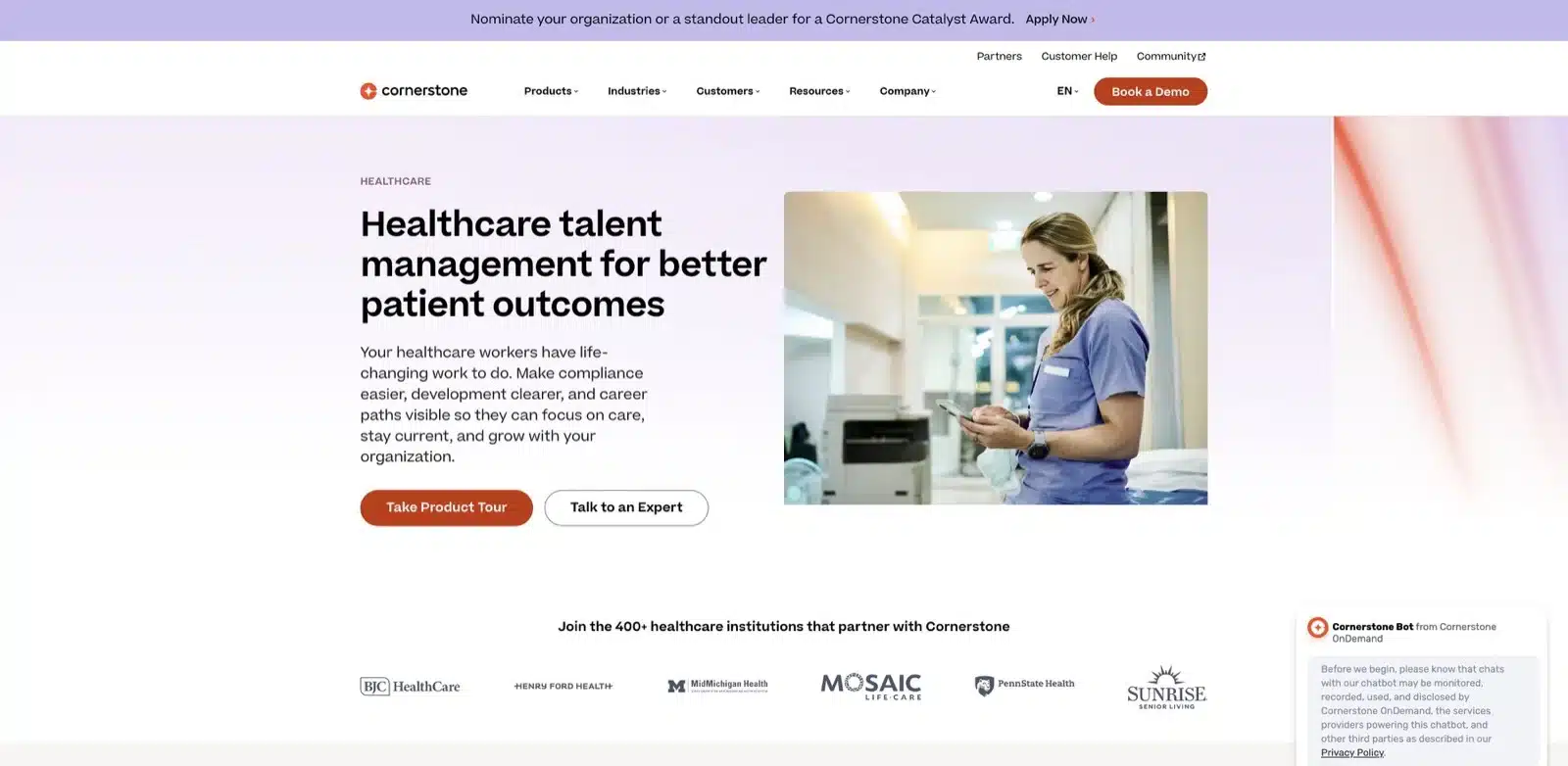
Cornerstone provides performance management within a broader talent development portfolio. It is relevant to larger healthcare organizations that want performance conversations and development processes connected with a wider learning and skills strategy.
A health system can evaluate whether review outcomes become practical development priorities. Ask the vendor to demonstrate the manager and employee experience, the visibility of role expectations, and how learning recommendations are handled in the selected package.
Key features
Performance management workflows
Goal and feedback processes
Development planning
Connections with learning and talent tools
Pros: An option when review administration is part of a broader enterprise learning and talent development program.
Cons: Compare package boundaries and implementation effort carefully. A broad portfolio may require more configuration than a standalone review tool.
Pricing: Request pricing for the specific performance, learning, and talent products in scope.
6. UKG Pro — Reviews connected with a wider UKG HR environment
Best for: Reviews connected with a wider UKG HR environment.
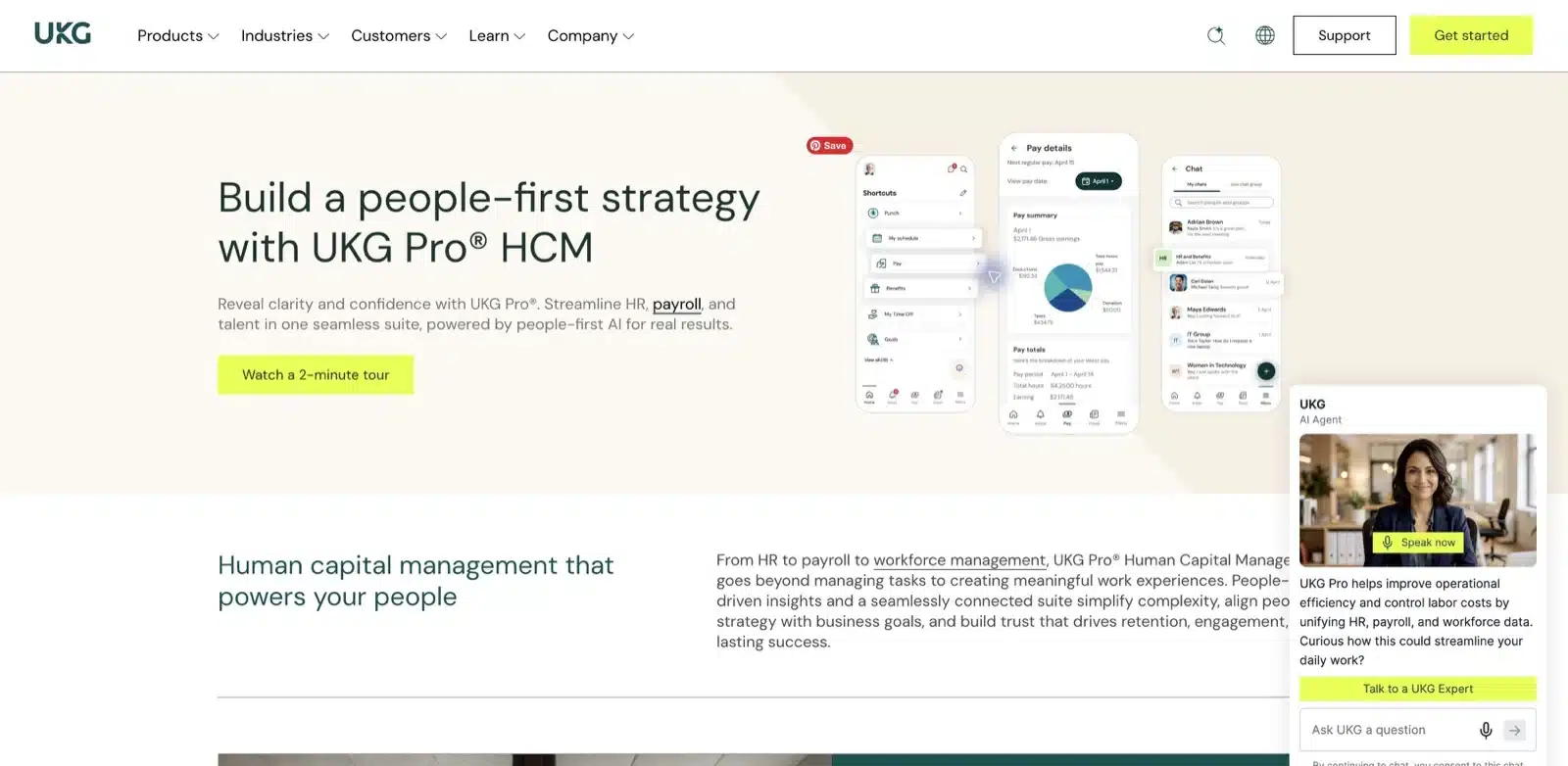
UKG Pro combines core HR, payroll, talent, and workforce management capabilities. Its Performance and Coaching offering includes review and feedback processes, making it relevant to employers that want employee evaluations connected with their broader UKG environment.
For a healthcare organization already using UKG, evaluate employee data flows, manager assignments, and the review experience for different staff groups. Ask which performance and coaching capabilities are included and which require additional licensing or configuration.
Key features
Employee performance reviews
Coaching and development workflows
Goals and feedback
Connections with the wider UKG Pro environment
Pros: Relevant when the organization wants talent processes connected with its existing UKG HR operations.
Cons: Confirm the exact UKG product and bundle. UKG Pro and UKG Ready have different offers and should not be treated as interchangeable.
Pricing: Request a UKG Pro proposal that identifies performance, coaching, integrations, and services separately.
7. Workday — Performance reviews within enterprise talent management
Best for: Performance reviews within enterprise talent management.
Workday supports performance and talent processes within its broader talent management environment. Reviews, feedback, and check-ins can sit alongside employee skills and development, making it relevant to healthcare employers with a large or complex workforce.
A multi-site employer should demonstrate how review cycles use its organizational structure and how performance information supports development discussions. Evaluate the administrator workload, manager permissions, employee access, and connections with existing Workday records.
Key features
Performance and talent review processes
Feedback and check-ins
Employee skills and development context
Connections with wider Workday HR data
Pros: Worth evaluating when the organization already relies on Workday and wants a coordinated talent process.
Cons: Confirm configuration, deployment effort, and licensing. Enterprise breadth can exceed the needs of a team seeking only simple annual appraisals.
Pricing: Request a proposal for the specific Workday products, workforce coverage, and implementation scope.
8. 15Five Perform — Structured reviews with ongoing manager practices
Best for: Structured reviews with ongoing manager practices.
15Five Perform includes performance reviews, 360 feedback, ratings, talent reviews, goals, and reporting. It is relevant to employers that want formal review cycles supported by ongoing manager conversations and a clear approach to performance development.
A healthcare team could evaluate whether managers can complete reviews with relevant goals and feedback available in the same workflow. Test the selected templates and ratings with contrasting job families so the review criteria remain meaningful for each role.
Key features
Structured performance review cycles
360 feedback and ratings
Talent matrix and calibration support
Goals, check-ins, and manager conversations
Pros: A useful fit for organizations that want appraisal structure and a consistent manager routine together.
Cons: Confirm package boundaries and integrations, particularly where clinical competency systems remain separate.
Pricing: 15Five lists Perform at $11 per user per month. Confirm billing terms, employee coverage, add-ons, and implementation in the proposal.
9. ClearCo — Reviews connected with goals and continuous feedback
Best for: Reviews connected with goals and continuous feedback.
ClearCo, formerly ClearCompany, brings goals, feedback, check-ins, and performance reviews together. It supports self, manager, peer, and 360-degree input, with AI assistance within the review workflow.
A healthcare employer could compare how the system handles a standard annual cycle and a milestone review for a new employee. Ask the vendor to demonstrate scoring, approvals, reporting, and how review outcomes become specific next steps.
Key features
Self and manager reviews
Peer and 360-degree feedback
Goals and ongoing check-ins
AI assistance within review forms
Pros: Relevant when an organization wants structured reviews connected with ongoing performance information.
Cons: Confirm the required products, configuration, integrations, and how role-specific criteria are maintained over time.
Pricing: Request current ClearCo pricing for the relevant performance capabilities and service scope.
What Is Performance Review Software for Healthcare?
Performance review software helps healthcare employers assign evaluations, collect self and manager input, apply role expectations, coordinate approvals, and document development priorities. It can replace disconnected forms and manual reminders with a clear process for employees, managers, and HR.
The software should accommodate the organization’s workforce rather than assume every job uses the same criteria. A clinical educator, a facilities employee, and a billing specialist may share organizational values while requiring different examples and responsibilities in their reviews.
For the broader cycle of goals, coaching, feedback, and development, see our guide to healthcare performance management software. A review is one part of that ongoing process.
What Healthcare Teams Should Look for
Role-specific criteria within a consistent framework
Use shared principles where appropriate and specific expectations where necessary. The review form should make it clear what an employee is being assessed against and what evidence is relevant to that judgment.
Ask vendors to build two contrasting forms during the demonstration. Check how HR updates a criterion, who approves the change, and whether the wording remains clear to employees and managers.
Different schedules and reporting relationships
A healthcare organization may run annual reviews, probation or milestone assessments, and work-anniversary cycles at the same time. Managers may also need input from colleagues who supervise an employee’s work in another setting.
Test the actual assignment and approval process. Confirm how the system handles manager changes, leave, transfers, late submissions, and the need to return a review for revision. These details often determine whether a process runs smoothly.
Evidence across the whole review period
Reviews can overemphasize recent events when managers have little context from earlier months. Look for a practical way to bring relevant goals, feedback, and prior discussions into preparation.
Software can make evidence easier to find, but a manager still needs to judge whether it is relevant and representative. A high volume of visible feedback is not proof that one employee contributed more than another.
Clear permissions and review records
Performance reviews contain sensitive employee information. Ask which roles can view drafts, ratings, comments, attachments, and final records. Check how access changes when an employee moves to another department or gets a new manager.
Demonstrate exports and reporting permissions as well as the main review screen. Confirm the organization’s retention and access requirements during implementation.
Performance Reviews and Clinical Competency Assessment
Employee performance appraisal and clinical competency validation serve different purposes. An appraisal discusses responsibilities, contributions, behaviors, goals, and development. Competency assessment establishes whether an employee meets the requirements for defined work through the organization’s approved assessment process.
A platform may support both areas or connect to specialist systems. Confirm the actual capability, evidence requirements, assessors, sign-off, and reporting before deciding that one workflow can replace another.
Similarly, employee appraisal software should not be assumed to replace credentialing, licensure verification, mandatory training records, or formal clinical oversight. Map the systems and responsibilities clearly so employees and managers understand where each record belongs.
How to Run a Useful Software Evaluation
Start with a real review cycle
Bring your existing forms, roles, deadlines, approval steps, and reporting needs. Choose one clinical and one non-clinical job family. Ask vendors to show how the system supports both without losing the consistency HR needs.
Include an HR administrator, a manager, and an employee in the demonstration. Each should complete the tasks they would perform in a live cycle. Record unclear steps, training requirements, and manual work that remains.
Test exceptions before rollout
A perfect demonstration rarely includes someone changing managers halfway through a cycle. Add those situations deliberately. Test missing information, a reopened review, an employee transfer, an absent reviewer, and a request for additional input.
Clarify which changes an administrator can make independently and which require vendor support. That difference affects the ongoing workload as much as the initial setup.
Review the quality of the conversation
Completion rate matters, but it does not show whether a review helped the employee. Ask managers and employees whether the form made expectations clearer, supported a useful discussion, and produced a practical next step.
Evaluate how the final record connects with the next check-in. An agreed development priority should have an owner, a timeframe, and a way to revisit progress.
A Practical Healthcare Review Checklist
Review stage
What to verify
Question for the demonstration
Setup
Role criteria, cycles, eligibility, and permissions
Can we run different review schedules together?
Preparation
Relevant goals, feedback, and prior discussions
Can managers find evidence from the whole period?
Evaluation
Self and manager input, ratings, and supporting examples
Do the criteria make sense for each role?
Approval
Review routing, revisions, and sign-off
What happens when a review needs to be returned?
Follow-through
Development priorities and the next conversation
How do we revisit agreed actions?
How Much Does Healthcare Performance Review Software Cost?
Costs depend on employee coverage, selected modules, minimum commitments, contract terms, implementation, integrations, support, and services. A standalone review tool and an enterprise talent suite may solve overlapping problems while carrying very different deployment requirements.
Request the same scope from every supplier. Specify the employee groups, review cycles, approval steps, integrations, reporting needs, and training required. Separate recurring subscription costs from one-time work.
15Five lists Perform at $11 per user per month; confirm current billing terms and add-ons. For other platforms in this comparison, obtain a proposal for the relevant products and services rather than assuming a generic starting price covers your process.
How We Compared These Tools
We reviewed public product pages, healthcare solution information, documentation, and available pricing. The comparison considers review configuration, employee and manager workflows, healthcare relevance, performance context, reporting, and development follow-through. Best-fit descriptions reflect the use cases described.
Frequently Asked Questions
What is the best performance review software for healthcare?
The right fit depends on workforce complexity, existing systems, and the process you need to run. Engagedly connects formal reviews with ongoing goals and feedback. Healthcare-focused platforms and broader enterprise suites offer different strengths in appraisal administration and talent development.
Can hospitals use different forms for clinical and non-clinical employees?
Yes, when the chosen platform supports the required configuration. Test role-specific criteria and shared organizational expectations using real examples. Confirm how changes are maintained and approved.
How is review software different from performance management software?
Review software focuses on formal evaluation cycles. Performance management usually includes the wider process of goals, ongoing feedback, coaching, check-ins, and development. Many products support both, so compare the actual capabilities.
Can a performance review replace clinical competency validation?
No. The processes serve different purposes. A platform may connect them, but the organization must verify its assessment, evidence, reviewer, and sign-off requirements before changing an established clinical competency process.
Should healthcare employers use 360 feedback in reviews?
Input from colleagues can add context when the purpose, reviewers, confidentiality, and interpretation are clear. It should complement role expectations and relevant evidence. Compare our guide to 360-degree feedback software for healthcare for a closer look at that workflow.
What should happen after the review?
Agree on a small number of useful next steps, clarify support, and set a date to revisit progress. Connect the discussion with relevant goals, ongoing feedback, and manager meetings.
How does Engagedly support healthcare employee reviews?
Engagedly brings goals, feedback, competencies, and configurable review cycles into a connected performance process. Explore Engagedly Performance Reviews, review the healthcare solution, or request a demo built around your organization’s review workflow.

 Innovative