Jeevithan K is a Senior Solutions Consultant at Engagedly with extensive experience in HR technology, customer success, product implementation, onboarding, and training. He specializes in helping organizations adopt B2B SaaS and enterprise AI solutions effectively. His expertise also includes project management, account management, process improvement, and translating complex product capabilities into practical solutions that deliver meaningful value for customers.
As per law, every company has to comply with all health and safety regulations. Management is responsible for understanding the legal framework and drawing up appropriate management policies. In the absence of a properly formulated policy, an enterprise can bear significant consequences. We will talk about how to write it in this article.
What is Occupational Health and Safety Policy?
An occupational health and safety policy is an accepted set of rules that implies the approach of the company’s management to the health and safety of employees and their security in the workplace. It takes the form of a document that describes various possible situations that pose a danger to company employees, and a plan of action for management and other staff members to prevent them. In addition, it prescribes how the company ensures the safety of its employees.
Such rules indicate the interest of management in creating a safe environment for subordinates.
Creating a health and safety policy is a must for any company. From time to time, the summary of rules needs to be re-read and adjusted. An exception is an enterprise with less than 5 employed subordinates, which is an exception in the legislative framework. In such cases, notify all specialists about the rules orally. However, it is better to document the policy. Since documented data is your guarantor under unforeseen circumstances.
In addition, an occupational health and safety policy improves the health of employees within the company and minimizes the possibility of accidents. This, in turn, will lead to high loyalty on the part of subordinates and an increase in their productivity. And when looking for new specialists in the company, this will increase the interest of candidates in getting a job.
But, unfortunately, in practice, everything is a little more complicated. According to HSE statistics, thousands of employees die every year from occupational diseases. All of the above points to a global problem of the complete absence of an occupational health and safety policy or its incorrect drafting.
Note that if the company does not have a document with a health and safety policy for employees, representatives of any authority or HSE can form a management negligence case and take it to court.
How to Write a Health and Safety Policy?
The main task when writing a health and safety policy is to customize all the rules, especially for your business. You should not take generalized examples from the Internet and other areas of business, because it is also against the law. In addition, there are other general rules:
The policy should not be too long and incomprehensible. So, everyone who undertakes to read it should understand how everything works.
It is best when the document is a guide. You should not trust this matter to other employees, because during inspections, managers will be responsible for the policy and its observance.
You should not look for template rules for compiling. The rules can be written in free form but the main thing is to minimize errors and make the text understandable and structured.
Yes, writing a policy seems like a time-consuming process, but it is a necessity that cannot be avoided. When you understand the structure and significance, it becomes easier to work. But if you still don’t know where to start or think that the text is not for you, it’s better to ask professionals from writing services for help. They probably know what and how to write correctly.
The rules should have the following main sections: statement of intent, policy responsibility, and practices followed.
Statement of Intent
This section describes all of the company’s obligations toward employees as part of the Occupational Safety and Health process itself. You can also write here what plans you have for the future in matters of management.
It is important to indicate what goals and objectives the company set for itself in order to achieve the goal and increase the effectiveness of the policy. To facilitate the process, there is a model according to which you can easily prescribe them. It is called SMART, where:
S – specifics;
M – measurability;
A – the possibility of achievement;
R – relevance at the moment
T – timeliness.
The business owner must then review and sign the resulting section. Most often this is the CEO or MD, depending on the size of the company. This will give the policy meaning and show the HSE Commission that it is serious.
Policy Responsibility
Here, it is necessary to describe who and in what situations is responsible for various activities and actions. It is important to indicate names, positions, and duties. Specify everything as detailed as possible so that it is clear who is responsible for what.
Specialists who will be responsible for certain events must proofread the text and put their signatures.
In the last section, it is necessary to indicate the practical actions that will be taken in a particular situation to achieve the goals of objective management.
It is also not worth saving words here, as it is important to prescribe all the measures that are to be carried out to ensure the safety and health of subordinates. It is better to include additional headings to organize the text.
You can include additional sections. For example, a list of persons who have fully read all the rules and their signatures, who are subject to certain regulations, and so on.
Conclusion
Having a safety and health policy in place is a critical step in any business. To write it correctly, it is enough to think about the general set of rules, understand the specifics of the business and the ability to comply with the policy, describe all the intentions and obligations at different levels of management, and model situations with a clear prescription of practical measures. In the end, you will get a weighty argument for both subordinates and the HSE commission, which will be deducted and signed by all company employees.
Frequently Asked Questions
Q1. What is the purpose of a health and safety employee policy?
The purpose of a health and safety employee policy is to demonstrate an organization’s commitment to the health and safety of its employees.
Q2. Who needs to create a health and safety policy?
Every company must create a health and safety policy. However, a company with less than 5 employed subordinates is an exception in the legislative framework.
This article is written by Haley Osborne.
Haley Osborne is an active freelance writer. Her interests are in management, web design, and writing. Regularly touches on the topics of self-development and modern trends. Her goal is to provide quality and inspiring content. You can always reach out to her at GuestPostingNinja@gmail.com in case of any inquiries or suggestions.
Modern workplaces must be able to pivot and react to developments in the world. Much of that ability comes at the employee level. Businesses are rapidly seeing that employees are not just resources but investments to overall success. It is essential to have an employee development process to ensure success. For example, any business can use tried and true methods.
The Need for Flexibility
The ability for a business to pivot is critical in the modern workplace and at the most foundational level that comes with diligent employee development. Leadership needs to recognize and hone the talents of employees. One of the most radical changes to the overall conception of work is the prominence of the hybrid workplace. The modern, decentralized concept of work – where many employees may be working from home and the office – generates new challenges and considerations.
In such cases, employees may benefit from an employee development process featuring training in software and skills that may not have been necessary for a purely in-office setting. However, with the decentralized nature of working from residences and using personal equipment, they can benefit from networking and security software training. Such training helps employees develop into independent and reliable satellites of the more significant business and makes them more knowledgeable in general – able to help themselves and others out in the field.
An employee development process that emphasizes learning is a strong strategy for any business, as it has become increasingly apparent that employees of many industries seek opportunities to learn. A 2022 study conducted by LinkedIn showed that motivation to learn is essential to employees – be it staying up to date in their fields, indulging their curiosity, or moving them toward their career goals. Opportunities to upskill are highly desirable in the workplace.
6 Benefits of an Employee Development Process
Considering that there are overall benefits to employee development and upskilling, it helps to see more specific examples. While employees find opportunities for their personal growth to be desirable in the workplace, employers should also understand that such opportunities benefit their industry.
Boost their Engagement
Engagement is a founding principle to maintaining a good workplace for employees and an employee development process can help promote engagement among workers. The warning signs of employee disengagement are numerous and best avoided by allowing staff to learn and grow. The more committed an employee is, the better the performance – an employee looking forward to growth opportunities ends up more engaged with their work.
Hone their Potential
Few employees begin their job as perfect workers but can quickly develop into strong contributors through an employee development process. Employees carry a great deal of potential that should be recognized and developed. Failing to provide development opportunities means a lack of recognition for what they can become.
Increase their Productivity
Productivity is something that is best achieved through satisfied employees. Productivity concerns are also more common than ever, given the hybrid work environment is rapidly becoming the norm. Giving employees opportunities to build new skills and develop new talents keeps them motivated. This, in turn, increases productivity.
Attract Potential Candidates
With so much evidence that potential recruits seek opportunities to upskill in their employment, offering a competitive employee development program is an intelligent strategy. Building your recruiting process with your employee development examples is a proactive move. Emphasis on internal mobility and training can be an attractive lure to prime candidates.
Increase Employee Retention
Given the anxieties around the idea of quiet quitting, countless employers are eager to figure out what it takes to retain those workers who may feel frustrated. However, the answer should be obvious, given the other benefits of providing employees with quality training and educational opportunities. Quiet quitters may feel withdrawn from work because they may not get enough out of their jobs. So, why not show them there are skills to be gained? Peer feedback examples can be shared with the team during an evaluation.
Increase Overall Profits
Many of the prior points culminate in a single bottom line: trained, motivated employees work harder and invest more of themselves in the company and that company increases profits. The return on investment in employees is always high. Moreover, many examples of employee development processes show a relationship between training programs and increased profits.
Where to Begin: Employee Development Examples
Building an employee development program can be a challenging one: for example, is the program built around skills across divisions, or are new skills to be introduced depending on how an industry pivots? Thankfully, many resources exist that can help in this regard – among the best is Engagedly.
The mechanics and process of helping employees to develop skills are easily managed through Engagedly’s platform, enabling continuous development and offering opportunities for feedback to help motivate staff. The organized and flexible learning management system allows teams to develop new upskill opportunities as the need arises.
Beyond software solutions, Engagedly has several resources worth exploring. Building an employee development process comes from a developing feedback process. Engagedly Academy has free online courses to help make mentorship strategies that can pay off as development programs roll out in your organization. Webinars provide valuable insights.
Utilizing these free resources can be an efficient way of understanding the processes your employees desire to see in their work – building your skills to help employees find their opportunities is a winning move.
Frequently Asked Questions
Q1. What is employee development?
Ans. Employee development is the process of upskilling employees by giving them training and guidance to learn new skills.
Q2. What are the 4 approaches to employee development?
Ans. The 4 approaches to employee development are job experiences, assessment, formal education, and interpersonal relationships.
Q3. How can you motivate employees to learn new skills?
Ans. You can motivate employees to learn new skills by:
Promoting mentoring programs
Creating a positive work environment
Discussing and creating a development plan for employees
Research shows that positive or congratulatory feedback (clear, relevant, and honest) keeps employees motivated, engaged, and helps them perform better.
Feedback can be a game changer for your organization.
On the flip side, negative feedback can be harmful to the productivity of employees. It can put employees off the right track and make them feel disconnected from the organization.
According to Gallup research, four out of every five employees who receive negative feedback are looking for a job change.
How can managers then ensure the feedback process is effective and provides employees with the zeal to perform better?
An unbiased multi-rater process with the potential to help employees recognize their strengths, weaknesses, skills, and personal attributes that help them achieve their goals. It also highlights the specific competencies that can be improved for performance enhancement.
The first commercial use of 360 degree feedback dates back to 1950, when Esso Research and Engineering conducted surveys to gather feedback from multiple sources and were able to create a process-driven performance management system. Over the years, it has gained wide acceptance and is used by the majority of organizations as an employee development tool.
In this article, we will discuss the intricacies of 360-degree feedback and unpack the following:
360-degree feedback or multi-rater feedback, is a system wherein an employee gets feedback not just from their managers but from multiple stakeholders, both within and outside the organization.
It is anonymous and confidential feedback shared by multiple raters, such as managers, peers, vendors, direct reports, subordinates, clients, consultants, and contractors, and includes employee self-evaluation. The important point to note is that all the raters involved in the feedback process have a working relationship with the employee being rated.
Commonly used as an employee development tool, 360-degree feedback helps employees gauge their own performance by taking feedback from multiple sources and providing them with actionable insights. The presence of multiple raters helps remove bias from the process and offers a clear picture of an employee’s strengths and weaknesses.
The insights collected from the feedback process highlight the personal traits, attributes, behaviors, competencies, and skills that are required for performing the duties and thereby achieving organizational goals.
What is the Psychology Behind the 360 Degree Feedback Process?
Feedback is crucial for the growth and development of employees. Multiple research studies have highlighted the importance of regular and structured feedback on the performance of the workforce.
It has been substantiated that feedback helps employees understand their weaknesses and blind spots and provides them with the opportunity and processes to improve their performance. Furthermore, by highlighting the positive aspects of their performance, 360 feedback aids in improving employee morale and boosting motivation towards work.
There are certain aspects of performance that are not easily visible to the employee but can be easily gauged by the people working with them. By highlighting such specific personality traits and attributes that are important for the employee’s development, feedback assists them in achieving their highest potential.
In a traditional feedback system, organizations relied heavily on the judgment of the managers to provide insights into their team’s performance. But recent developments in the field of organizational psychology have shown that such a system is ineffective in bringing positive results. The traditional system is loaded with biases and can even hamper employees’ performance in the long run.
What is the Impact of 360 Degree Feedback?
360-degree feedback impacts every aspect of the organization. It helps in finding leaders in organizations, creates an environment of self awareness, trust, and loyalty, and increases workforce output in the long run.
The benefits of well-thought-out and structured 360 degree feedback can be felt in different realms of the organization. Other than making employees more accountable for their development by highlighting their strengths and improvement areas, it helps in reducing attrition, establishing transparent and open communication channels, and encouraging more dialogue in the organization.
Employees want more feedback from their employers. The changing technical landscape and short shelf life of skills are putting extreme pressure on employees to be much more involved in their learning and development. Furthermore, it helps employees improve their performance.
Research conducted by Gallup to understand the effect of regular feedback on the performance of employees found that 26% of employees strongly agreed that feedback helped them perform better in their job duties.
360 degree feedback helps employees become more invested in their personal and professional growth and aids in achieving the following:
Increased self awareness
Promotes team participation
Identify training gaps
Team building
Enhances customer relationship
Unleash hidden strengths and potentials
Empowering employees
Boosts employee morale and confidence
For Employers
Providing meaningful feedback is the key to improving productivity and engagement in the workplace. Be it a remote, hybrid, or in-office setup, it is important that employers provide regular, relevant, and meaningful feedback to support their employees’ growth.
Employers can realize the following benefits with an efficient multi-rater feedback system:
Even with all the brouhaha surrounding the 360 degree feedback, there are instances where multi-rater feedback fails to provide any benefits to organizations.
While there are multiple reasons why omnidirectional feedback doesn’t work, most of it comes down to how the process was planned and implemented in the organization. Here are some of the other reasons why a 360-degree feedback system fails.
Improper planning
Lack of communication
Ineffective employee assessments
Not establishing the purpose of the process
Lack of confidentiality
Unable to get employees onboard
Not aligning the purpose with organizational objectives
No follow-up plan
All the aforementioned issues can lead to the failure of a multi-source feedback system. It is therefore important to discuss the disadvantages of 360-degree feedback before planning to implement it in the organization.
It can a tedious and time consuming process
Inaccurate assessments due to dishonest feedback shared by employees
Distrust among employees because of not following up on the feedback
Anonymity of feedback may prevent employees from taking it seriously
While positive feedback is known to promote engagement in the workplace, focusing too much on the negative aspects can lead to the opposite
What is the 360 Degree Feedback Process? (How to Implement a Multi-Rater System)
Careful planning and implementation are necessary for 360-degree feedback to harbinger accurate results. Organizations should first understand the purpose of implementing a multi-rater feedback system, whether it is to enhance employee engagement, productivity, or development, or to focus on other key business areas.
It is important to have experienced leaders who are well versed in the planning, strategy, and implementation processes to get multi-source feedback started in the organization.
The following section highlights the 360 degree feedback process steps required to deploy it in the organization:
Management support: The first step is to get the management onboard. As employees look out to their leaders for motivation and involvement, getting support from the leadership team will propel the process in the right direction.
Establish the purpose of the feedback: Create a document highlighting the outcomes you wish to achieve by implementing the feedback process.
Create a rule book: A rule highlighting the process should be created and circulated in the organization. It is up to the discretion of the management to establish but the following things goes without saying: Anonymity, Confidentiality, and Behaviour over character.
Get employees onboarded: Communicate employees regarding the process and explain them the process with benefits in detail.
Determine competencies to be measured: Select 360 competencies to be assessed and use behavioral indicators for evaluation. Please note that based on the purpose of the assessment, the competencies will vary.
360 degree feedback software: A 360-degree feedback software helps in efficient implementation of the process and provides a customizable dashboard to visualize the results. It further helps in analyzing and creating customized reports that can be shared directly with employees.
Provide customized reports: Provide detailed reports to employees with a plan of action to act on the insights created by the feedback process.
Follow up: Managers need to follow up with employees on the 360 degree assessment report and plan out strategies to get things in action.
Refer to the below infographic for quick access to the 360-degree feedback process in organizations.
360 Degree Feedback Best Practices Guidelines
There is no one-size-fits all approach to creating a 360 degree feedback system in an organization. It requires a thorough analysis and a good understanding of the industry, employees, and organizational culture to get the most out of the multi-rater feedback process.
The following best practice guidelines should be at your disposal to seamlessly implement the multi-source feedback process:
Frequency of the feedback: Depending upon the purpose, your organization should set the frequency of conducting the feedback. For employee development, the frequency should be annual to give time to employees to reflect upon the suggested plan of action.
Focus area: A 360-degree feedback offers insights into multiple aspects of a business. It is important to decide upon the areas that need to be addressed on priority. A feedback process with no focus areas will only result in demotivated workforce and a waste of resources.
Don’t plan out the feedback process in silos: Everyone in the organization should be included in the feedback process to derive benefits out of it.
Framing the right questions: Depending on the focus area, you need to frame the questions to get the genuine and unambiguous feedback from employees. If the focus area is to get feedback on the leadership team, the questions will differ drastically if the focus area would be employee development.
Follow up with employees: The reason why employees do not take the feedback process seriously is because either the management does not take any action on the feedback received or it does not bother following up with employees. It is not sufficient to just conduct the feedback process and provide employees with an action plan. Following up is part of the process and should be planned accordingly when deploying the multi-rater feedback process.
Number of competencies to be selected: It is best to have 4-5 workplace competencies with 30-40 behavioral indicators in a multi-rate feedback. Adding more competencies can make it feel like a burden to employees and reducing them will lead to data insufficiency.
Linking multi-raterFeedback to performance appraisal: Linking 360-degree feedback to performance appraisal can completely undermine its purpose of employee development. Imagine an organization where peers, vendors, and contractors provide inaccurate ratings to support the reviewee in performance reviews.
Refer to the below infographic on the best practices for 360 degree feedback to effectively plan and execute it in your organization.
360 Degree Feedback Questions
Drafting the right 360 degree feedback questions is important to get accurate feedback from employees. You have to keep in mind the purpose of the process, the competencies to be assessed, and the clarity of the questions to solicit genuine and actionable feedback from the workforce.
360 Degree Feedback Questionnaire for Managers
The following questions will help evaluate the specific competencies of a manager:
Is the manager able to inspire others in the team?
Do they take corrective actions without coming across as rude to team members?
How well does the manager distribute their time among several projects?
Do they provide help and support to the team members?
How good is the manager at solving problems?
Is the manager able to work under pressure?
How good is the decision-making process of the manager?
How well does the manager understand organizational objectives?
360 Degree Feedback Questions for Leadership
It is important to assess leadership skills using different parameters and provide employees with input to enhance their abilities. The following questions will help gauge their leadership strengths and weaknesses:
Is the employee good at collaborating with other members of the team?
Do they take the initiative to solve others’ problems?
Do they respect others’ opinions and feedback from the team?
Are they open to discussing problems and finding solutions collaboratively?
Do they encourage others in the team to do quality work?
Are they inspiring and motivating?
Are they producing good results in the projects they are working on?
Do they supervise others effectively when required?
Are they good at leading people?
360-Degree Feedback Template
To carry out the feedback process effectively, it is imperative to have a thoughtfully laid out, researched, and customizable template.
Engagedly’s 360-degree feedback form template encompasses multiple competencies that will enable you to find leaders in the organization and provide input for improvement plans. You can also customize the template by selecting the required competencies along with the behavioral indicators.
A 360 assessment certification prepares leaders, HR managers, consultants, and 360 assessment administrators to effectively plan, strategize, and deploy the multi-rater feedback process in the organization.
This certification prepares you to analyze the results, prepare reports, and provide actionable and data-driven recommendations for enhancing workforce productivity.
After going through Engagedly Academy’s Building & Designing Your 360 Degree Feedback Tool Certification, you will be able to do the following:
Learn the importance of a well-designed 360 feedback process
A 360 degree feedback software like Engagedly seamlessly integrates the whole process of planning, strategizing, and deploying multi-rater assessments. It helps in executing the performance management strategy by providing regular, effective, and actionable feedback and further substantiating the growth and development of employees.
Through interactive dashboards and quick analysis of assessments, it provides personalized and action-packed reports to employees. With Engagedly, you can conduct a 360 process for leadership assessments, competency assessments, and even client feedback.
The Engagedly 360 Degree Approach
Even the best-performing and self-aware individuals fail to see their strengths and weaknesses in their work and workplace behaviors. The purpose of a well-designed 360 degree assessment is to understand and coach individuals and leaders on their areas of strengths and opportunities so that they can be effective in their organization.
Engagedly’s expert practitioners work with you to design, execute, analyze and provide insight and coaching on customized 360’s for your organization. The table below highlights the various activities, descriptions, and the time allotted for each activity for conducting the assessment.
Activity
Description
Time Allotted To Complete
360 Goals and Plan
Develop goals and a plan to execute a 360 assessment
1-2 Weeks
Launch
Communicate the purpose, conduct a webinar and launch 360
1 Week
Analyze Results
Collect results, analyze and develop a report readout
2 Weeks
Coaching Plan
Develop a coaching plan for each individual based on the results
1-2 Weeks
Concluding Words
The importance of feedback cannot be undermined in the current business scenario. It is critical for the learning and development of employees and for organizations to stay ahead in a competitive global market. By making employees accountable for their own growth, 360-degree feedback helps improve productivity, engagement, and efficiency of the organization.
Frequently Asked Questions
Q1. What is a 360-degree feedback method?
Ans. 360 degree feedback is an employee assessment or evaluation process wherein employees receive feedback from multiple sources, including their manager, direct reports, and peers. It is unbiased, confidential, anonymous, and holistic feedback.
Q2. What is the central feature of a 360-degree feedback system?
Ans. The central feature of a 360-degree feedback system is the use of multiple raters to solicit feedback about an employee’s skills, competencies, behaviors, and traits. This feature keeps the feedback free from any sort of bias or inconsistency.
Q3. What should be included in 360 degree feedback?
Ans. A typical 360 degree feedback process should include the following competencies:
Leadership capabilities
Management skills
Problem solving
Communication
Creativity/Innovation
Team work
Work relationships
Q4. Who can give 360 feedback?
Ans. In 360 feedback, an employee receives reviews on their performance from their manager, direct reports, peers, vendors, contractors, and clients. It is worth noting that raters should have direct working relationships with the employees being evaluated.
Over the past two years, we saw a series of transitions in how we work. First organizations went remote, and work from home became the new norm. Then, when the pandemic normalized in some countries, organizations went hybrid.
But the question that remains is whether the pandemic is over? No.
With the discovery of newer strains of the COVID-19 virus, we can understand that the pandemic is far from being over and is still a global threat. Like the past two years, many of us will still be working from home, and this will be the norm for organizations worldwide. Working from home has made life simple for many, but many are still struggling to stay productive and engaged while tackling the numerous distractions at home, and the thought of the pandemic.
Here are some useful productivity tips that will help you be more productive in 2025.
1. Have A Dedicated Workspace
To ensure that you are productive and have a supportive work environment, you need to set up a dedicated workspace for yourself. According to an article on Forbes, having a dedicated workspace improves your focus, and results in lesser distractions. If you have a dedicated office at your home, then it is the best thing to have. But if not, then select an area in your house with the least distraction and which you can use as your workspace daily. Study table, dining room table, etc. can serve as your regular workspace. If you are still unsure which space in your house is best suited for work, then invest in a work desk and chair. Most organizations these days are helping employees set up workstations at home. Check with your employer to see if you can get that facility.
2. Identify Your Most and Least Productive Hours
According to research on ultradian rhythms, the human body follows a cycle that affects how productive they are. They go through a cycle of 90-120 minutes, where they go from a productive peak to an unproductive trough.
Everyone is not equally productive during all hours of the day, the body clock works differently for all. Some are more productive in the morning, while others are productive in the evening, or others might be productive consistently throughout the day. The human brain is more productive, active, and focused during the high productive hours. Schedule important and difficult tasks for the highly productive hours and the routine or rote tasks can take place in the less productive hours. This will help you identify when you are most productive, distribute workload, and produce more effective results.
Taking breaks is important for your body and mind. Sitting at one position throughout the day in front of your screen is difficult, uncomfortable and stressful. While your upper part of the body is active while working, the lower part remains more or less in a stationary state. Use the Pomodoro technique to schedule your work time and breaks. Take a small walk, do simple stretches, or go for a short walk with your dog. This will not only improve your productivity but will also help you refresh your mind and improve blood circulation.
4. Start With SMART Goals
Lofty goals (no matter how good they look) are not always easy to achieve. More often than not, they might lead to failure. Or often, we don’t even tackle them, because the goal feels too lofty to begin with. On the other hand, simple goals might not even challenge us and give us a false sense of achievement that will soon diminish as the year progresses.
Use theSMART goals method to set goals that challenge you but also seem achievable. Or maybe there’s another method that you used to set goals. Regardless of the method you use, ensure that your goal list challenges you, but does not overwhelm you.
5. Breakdown Your Goals
Assume you want to write 100 blog posts in a year. At first, this goal might seem a little daunting to achieve. But when you break them down into smaller chunks, they seem more achievable. So 100 blog posts in a year becomes 25 blog posts each quarter. This way, 100 will not be the number you focus on. Rather, it will be 25, 50, 75, and then finally 100.
Use the OKR methodology to set monthly, quarterly, and yearly goals and tie them with the business goals. It makes it easy to track progress and align individual goals with organizational goals.
Every goal that you set has a different priority. Even if your goal list only has 5 goals, there must be some priority based on which you can classify your goals. Prioritize them under High, Medium, and Low. This way, you know what you want to focus on first. And you will not try to stretch yourself in five different ways to achieve your goals.
7. Create A Routine
Set up a disciplined routine for yourself. We know it can be difficult to follow a routine while you are working from home, but having a routine always helps. Your routine does not need to ensure that you work your nose to the grindstone to achieve your goals. But it should provide a structured period for work without distractions. Even dedicated pockets of focused time will ensure that you can work towards achieving your goals, rather than trying to expend all your energy at one go and feeling discouraged about not reaching your goal.
8. Check In With Your Colleagues / Team
When you are working from home or remotely, it can create a sense of isolation and disconnect. This affects mental health.
Make sure to check in with your team or colleagues weekly, if not daily. Catch up with them on what they are working on and whether they need any help from your end. Various video conferencing tools, such as Zoom, Google Meet, or Slack, will make the job easy. It will reduce the stress and anxiety among employees and help them stay engaged and productive.
9. Block Out Digital Distractions
We are not going to say social media is evil, but there is no denying that it does distract us. When working on your goals, ensure that you schedule time off. This means no email alerts, no notification pings, and no quickly scrolling through Facebook Instagram, or Twitter. Instead, completely silence your phone and place it some distance away from you. You can even prioritize notifications to ensure that you don’t miss out on important messages.
Last two years have been hard, so wherever you are working from, home or office, treat yourself as the priority. You will be at maximum productivity only when your body gets what it needs. Sleep on time and have healthy food so that your brain and body function well. Once your body gets what it needs, it will function like a well-oiled machine.
As individuals, it might take time for us to adopt these habits or tips into our daily routine. But we need not try out all these tips right away or in a single day. Slowly incorporate them into your daily routine and see the changes they bring to your productivity and the way you work.
Want to know how Engagedly can help you improve your team’s productivity, request a demo from our experts!
There is no question that employee disengagement is a problem in today’s workplace. A recent study by Gallup found that only 32% of employees are engaged at work, while the other 68% are either not engaged or actively disengaged. Disengaged employees cost companies billions of dollars yearly in lost productivity and lower morale.
There’s no denying that employee disengagement is a problem in fully remote companies like Aemorph. It’s one of the most common complaints among remote workers. The COVID-19 pandemic forced many organizations to allow their employees to work remotely. Remote working can be a great way to promote productivity and creativity, but it can also lead to employee disengagement.
Building trust and relationships with co-workers can be challenging when employees are not physically present. It can lead to feelings of isolation and loneliness.
When it comes to employee engagement, there are two main camps: engaged employees and disengaged employees. Engaged employees feel invested in their work and are passionate about their company’s mission. They’re the ones that go above and beyond, always looking for ways to improve and contribute.
Disengaged employees, in contrast, are checked out. They’re going through the motions, but they’re not engaged in their work. A disengaged employee is not fully committed to their work or their employer. They may be indifferent to their job or even actively hostile towards it. Disengaged employees can harm morale and productivity in the workplace.
There are reasons why an employee may become disengaged. They may be unhappy with their current job or feel undervalued by their employer. They may be experiencing personal problems that are affecting their work. Disengaged employees may also be simply bored or uninterested in their work.
Employee engagement is critical to any organization’s success. It is the level of an employee’s commitment and involvement with their organization and its goals.
Employee engagement is crucial to productivity, retention, and overall performance. Engaged employees are more likely to be productive, motivated, and committed and stay with an organization long-term.
Organizations with high levels of employee engagement outperform their counterparts in various vital metrics, including profitability, productivity, customer satisfaction, and safety.
Disengaged employees can harm your business. They may be less productive, more likely to make mistakes, and cause problems for their co-workers. That’s why we have compiled a warning list to help you recognize disengaged employees in your company/organization.
Warning Signs Your Employee is Disengaged
Employees are the backbone of your business. Without them, you wouldn’t be able to function. That’s why ensuring they’re engaged in their work is essential.
There are warning signs that your employee is disengaged. Here are a few of them:
1. High Absenteeism
One of the more obvious signs that something is wrong is when an employee starts to miss work more often. If your employee is frequently absent, coming in every day and then suddenly out sick, or taking many personal days, that’s a potential sign that they’re disengaged. Of course, there could be other reasons for absenteeism, so it’s essential to look at the whole picture.
Main causes of absenteeism:
Illness or injury
Family obligations
Personal issues
Job dissatisfaction
Boredom
Stress
2. Negativity — Attitude & Domineer
Employees who are constantly negative about their work might be disengaged. This negativity can manifest itself in many ways, including complaining, being critical of others, and having a negative outlook.
Domineering behavior can also be a sign of disengagement. If your employees are always trying to control others and are unwilling to compromise, they might not be invested in their work anymore.
3. Poor Communication or Silence
If your employee starts to withdraw and no longer has internal communication with you or their colleagues, it’s a red flag. It can manifest in various ways, such as not responding to emails or texts, not participating in meetings, or being unresponsive when others try to talk to them.
Causes of poor communication:
Misunderstandings
Lack of trust
Poor listening skills
Differing communication styles
Emotional barriers
4. Gossip & Employee Cynicism
Gossiping is a common sign that your employees are unhappy and disengaged. It can lead to employee cynicism and a negative attitude toward company leadership. If you notice employees gathering around the water cooler or office kitchen to gossip, it’s a sign they feel disconnected from their work.
5. No Desire for Learning, Challenge or Responsibility
One common disengaged employee trait is a lack of desire for learning, challenge, or responsibility. It may manifest itself in several ways, such as:
– refusing to take on new tasks or duties
– being content with the status quo and not wanting to improve
– not taking advantage of learning opportunities
– shirking responsibilities and leaving others to pick up the slack.
6. Productivity Loss
A drop in productivity is one of the most evident warning signs that an employee is disengaged. If an employee who was once a high performer suddenly starts slacking off, it’s a sign that something may be wrong. Of course, there can be other reasons for a decrease in productivity, such as personal issues or burnout, but it’s always worth investigating to see if there’s something more going on.
7. Not Seeking Advice
There can be a few reasons an employee is not seeking advice from their superiors. Maybe they feel like they already know what to do or are afraid of looking incompetent. Whatever the reason, not seeking advice can be a sign of employee disengagement.
8. Increase in Private Time
If you notice your employee is spending more time on their phone or taking more extended lunches, it could signify disengagement at work. If they’re usually social and outgoing but are now keeping to themselves, that’s another red flag. Of course, everyone needs some personal time, but if you notice a significant change in your employee’s behavior, it could be a sign of disengagement.
Many factors can contribute to employee disengagement, from a lack of clarity in roles and expectations to feeling undervalued or unsupported. Whatever the reason, it’s essential to address the issue as soon as possible. Employee disengagement can harm individual performance and overall team morale, so it’s worth taking the time to try and understand the root cause of the problem and address it.
There are vital things you can do to help motivate disengaged employees:
1. Acknowledge Their Hard Work
It’s essential to ensure that your employees feel appreciated for their hard work. A simple ‘thank you’ can make employees feel appreciated. If employees feel their hard work is going unnoticed, it’s only natural that they’ll become disengaged. Showing appreciation will help them feel valued and motivated to do their best.
2. Set Goals Together
One of the best ways to ensure employee engagement is to involve employees in setting goals. This way, they’ll clearly understand the company’s expectations of them and will be more likely to buy into the company’s vision.
3. Set Clear Expectations
Employees who are unclear about the company’s expectations are more likely to disengage. Make sure you take the time to explain your expectations clearly and allow employees to ask questions.
4. Build Trust and Establish Rapport
One important thing you can do to motivate your employees is to establish trust and rapport with them. Showing care about their well-being and interest in their success will go a long way in motivating them.
5. Communicate the Bigger Picture
It is hard to stay motivated when employees feel like they are just a cog in the machine. But they will be more engaged when they understand how their work also contributes to the company’s success. It is essential to help them see how their work fits into the bigger picture to motivate disengaged employees.
6. Provide Regular Feedback
When employee feedback is meaningful and constructive, it’s easier to motivate workers because they become more confident in certain aspects of their performance and are more committed to addressing their shortcomings. Showing them the direct impact of their skills and strengths gives them a sense of value in the workplace – the key to improved performance and engagement.
Conclusion
Employee disengagement can significantly negatively impact individual performance and overall team morale. If you notice any warning signs, it’s essential to take action to try and address the issue. You can do many things to help motivate disengaged employees, from showing appreciation for their hard work to set clear expectations. You can help create a more positive and productive workplace environment by engaging with your employees.
Frequently Asked Questions
Q1. What is a common trait of disengaged employees?
Ans. One common disengaged employee trait is a lack of desire for learning, challenge, or responsibility. It may manifest itself in several ways, such as:
refusing to take on new tasks or duties
being content with the status quo and not wanting to improve
not taking advantage of learning opportunities
shirking responsibilities and leaving others to pick up the slack.
Q2. What is a disengaged employee?
Ans. A disengaged employee is not fully committed to their work or their employer. They may be indifferent to their job or even actively hostile towards it. Disengaged employees can harm morale and productivity in the workplace.
Q3. What is the impact of low employee engagement?
Ans. An increase in employee disengagement in an organization will result in an increase in employee turnover.
This article is written by Kevin Dam.
Kevin is the CEO, Founder of Aemorph, a seasoned entrepreneur, and a digital marketing expert. Kevin started in digital marketing, specializing in Search Engine Optimization after leaving a career in banking and finance. He now has 12+ years helping businesses in the F&B, finance, insurance, e-commerce, medical, b2b, and SaaS industries.
Have you ever received feedback from a respected mentor or manager that was so harsh that it blindsided you? Harsh or negative feedback is not usually intended to be malicious or spiteful in nature. And yet, the way it is delivered to us can be nothing short of soul-crushing.
It takes all kinds of people to make an organization. An organization cannot be filled with good or bad employees alone. Those are ideal (or dystopian) situations. Instead, within an organization, you will find good employees, bad employees, mediocre employees, employees on the cusp of greatness, etc.
Why is a positive environment at the workplace so important? Because it gives you the motivation to do your best at work. But not every workplace has employees who contribute to a positive workplace. Unfortunately, no matter where you go, there is a jerk in every team who spoils morale.
Employee productivity is an essential part of your company’s success and growth. If you’ve made the switch to remote working and have been struggling to find the right ways to motivate your employees, this is the perfect blog for you.
We’ve collected the three best ways to boost employee productivity and written an actionable guide for you. Not only will we explain the importance of each strategy, but we’ll also give you tips on how to help your workers transition into remote work successfully.
1. Provide Support for Your Remote Workers
You should be able to provide support for your remote employees from the onboarding process onward.
When you’ve checked the best-written resumes and are hiring new employees, make sure they understand what working from home entails. Don’t just talk about the positives, make sure to paint a realistic picture. Describe how you’ll support your employees and how they can best prepare themselves.
It would be a good idea to create a remote work guide you could share with new employees. Cover the topics of:
How to set up a home office
When is the best time to talk to other employees
How to organize your workday
What to do when taking a break
How to destress after work
Make sure to have regular check-ins and support your team whenever any issues arise. That way you’ll be proactive about your employee productivity.
If you’re worried your employees won’t come to you with problems, try being proactive and organizing weekly meetings, in which you don’t exclusively talk about work. Start with a fun icebreaker that will help your team bond.
Don’t skip over topics of – employees’ birthdays, important events, pets, etc.
Then, talk about what’s progressing nicely in the company. Make sure your employees feel valued. From that, transition into talking about the general topic of your meetings.
Throughout the week, you can use Slack and other communication tools to recommend movies, series, podcasts, books, and more. It’s a great way to connect with your team members and help them forge real friendships.
2. Remove Distractions – Digital and Other Ones
It might be tempting to work from bed, while still wearing pajamas. But this type of working style will leave you feeling less motivated and less productive. That’s why it’s essential to help your employees and set them up for success.
Explain to your team members that they need to find a place in their house to set up a desk. Having a routine helps us stay motivated and it’s important for your employees to know what distracts them and how to find a fruitful practice.
Make sure to explain to them where the best place for setting up a home office is and how to talk to their roommates and families about working from home. Although they can never fully isolate themselves from their surroundings, they should have a place where they can take calls and host meetings in peace.
Whether you’re providing them with equipment or not, you should be ready to help them with any technical issues they may encounter.
Furthermore, they should be able to restrict themselves from using social media during work hours. Instagram and Twitter tend to steal hours of our time if we don’t proactively avoid them. They can try putting their smartphones in a different room or logging out of their social media.
Lastly, make sure all your workers have clear roles and responsibilities. If they are expected to ‘read the room’ and pick up on tasks, you’ll end up with a confused team and unfinished business.
Once everyone knows which projects they’re working on and how they can help others, you’ll get a productive team that knows how to work toward the big picture. You’ll also see a rise in employee productivity.
3. Work at Set Hours
As you already know, working from home allows you to set up a better work-life balance. You’re not wasting time commuting and have the option to work flexible hours on days when you have other commitments.
However, working from home can sometimes turn into working for the entire day. That’s why it’s so important to set up strict working hours. Make sure to explain to your employees that even if they don’t start their work day at the same time every day, they should try to work for a set number of hours instead of going overboard.
If you have set weekly meetings, make sure it’s not too early or too late for any of your team members. Working with an international team has a lot of benefits, but make sure your employees aren’t working night shifts in order to attend the meetings.
They should also have a relaxing routine to slip into after work. It could be anything from going on a walk, chatting with friends, having lunch, relaxing watching a TV show, or something else.
A good trick is to set an alarm for when the working day is over – just like a school bell signaling the end of school.
Boosting employee productivity in a remote setting doesn’t have to be tricky. You can do it by sticking to our actionable guide that makes sure both you and your employees understand how to succeed in a remote environment.
Making sure you support your employees will help you build loyal relationships with them. Once they see how much you’re investing in them, their education, and their work-life balance, they will feel appreciated, and in turn, it will lower your turnover rate. Furthermore, you need to help your employees remove any possible distractions like doing the washing up, social media, etc.
Lastly, make sure your employees don’t overwork themselves. Overworked employees are unproductive employees and you want to avoid that. Help them stick to their fixed working hours by avoiding messaging them outside of work.
If you have enough time to invest in your employees, you’ll see how your team members react to your strategies and you can shape them accordingly.
Frequently Asked Questions
Q1. What is employee productivity?
Ans. Employee productivity, also known as workforce productivity, refers to the quantity and quality of work delivered by an employee or a team within a specific time.
Q2. What are the factors that affect employee productivity?
Ans. Factors that affect employee productivity are:
Work environment
Processes
Pay structure
Training and career development opportunities
Employee wellness
Goals
Q3. How to measure employee productivity?
Ans. Employee productivity can be measured using:
The labor productivity method
The hours worked method
This article is written by Vanja Maganjić.
Vanja Maganjić is an experienced writer with a unique passion for creating content that helps brands connect with their customers. She believes in brands that stand up to the man and thinks that storytelling is an essential part of what makes us human. Her long-term goal is to become the cool auntie that gives out family-sized Kit Kats on Halloween.
Are you struggling to drive employee engagement in your organization? If you answered yes, there could be a variable that you are ignoring – the workplace environment. Ideally, employee engagement is the level of emotional and mental connection an employee feels towards his or her work, the team, and the organization. The workplace environment has an important role in determining the amount of dedication and enthusiasm employees show towards their jobs, who they work with, and the organization in general. Understanding the importance of the workplace environment in driving employee engagement can help you make the necessary adjustments for better results.
So, how does the workplace environment affect employee engagement? To comprehend this better, it is important to start by helping you understand the meaning of the workplace environment.
What is the Workplace Environment?
The workplace environment is a combination of all factors that affect employees’ work in terms of where, how, and when they work. Aspects of the workplace environment include:
The Physical Environment
This entails the size and layout of the workplace, furnishings, and equipment. Do your employees have enough space to get their work done efficiently? Does the office layout promote collaboration and support privacy when required? Are the chairs provided ergonomic? Do workers have the necessary equipment – computers, printers, technology, etc. to complete their tasks?
In addition, the physical environment also encompasses the facilities offered such as breakout areas, gyms, and green spaces. It also takes into account light, temperature, slippery floors, and exposure to noise and harmful chemicals.
Working Conditions
This element is related to the terms under which employees have been hired. This includes the salary rate, working hours, and the contract of employment. It can also go further to include factors that affect employee health such as recreational activities, psychological safety, safe use and maintenance of equipment, and balanced meals among others.
Company Culture
This refers to how an organization and its employees operate. It can be defined by employee relationships, leadership approach, company values and goals, approach to work, internal communication, and more.
Now that you understand what makes a workplace environment, let’s look at the role it plays in driving employee engagement. To make this simple, we are going to look at different factors that affect employee engagement and how the workplace environment contributes to each one of them.
1. Job Satisfaction
Job satisfaction can be defined as the measure of contentment an employee feels with his or her job. It is majorly based on how employees feel about their roles in the organization. However, while happy and satisfied employees don’t necessarily translate to engaged employees, employee happiness and job satisfaction are essential for employee engagement. When employees like the work they do and are happy with the organization, their connection with the company and their jobs are likely to go a notch higher. So, how can HR and business leaders improve the workplace environment to ensure job satisfaction?
Offer competitive salaries that allow employees live a quality life
Recognize and reward exemplary employee contributions to the organization regularly
Assure job security through honest and transparent communication about the long-term viability of the organization and their roles
Assure career growth by establishing an upward trajectory through offering opportunities for greater responsibilities and higher earnings as well as offering opportunities for career training
Promoting respect and trust among employees and senior management
2. Health, Wellness, and Safety
Most people are more conscious about their health and general wellness today than ever before. A workplace environment that promotes employee health and wellness is likely to resonate well with the employees. Moreover, when they know that the employer prioritizes their well-being, they are likely to commit to their tasks for the success of the company. How can the workplace environment promote employee health and wellness? You can do this by focusing on these areas:
I. Physical Well-being
There are several ways that your workplace environment helps improve employees’ physical health and enhance safety while carrying out their tasks. They include:
Prioritize health insurance
Providing ergonomic setup and standing desks to prevent backaches, neck aches, and other joint pains
Ensure ample lighting, especially natural light to prevent eye strain and promote health
Ensure non-slippery floors to prevent falls
Train employees on the safe use of equipment to avoid injuries
Offer facilities such as a gym in the workplace
Give health stipends such as gym memberships and online fitness classes
In the height of mental health issues happening all around us, HR and business owners need to prioritize mental wellness in the workplace. Employees will value your efforts in taking care of their mental health and are likely to compensate accordingly. Here are some workplace environment improvements that you can do:
Encourage employees to take breaks by creating breakout areas
Creating green spaces where employees can relax or use as an alternative workspace
Allow flexible work schedules where employees can choose how, when, and where to work
Ensure intentional employee check-ins from the leadership
Offer counseling, coaching, and self-management programs
Build a culture of psychological safety where employees can share their thoughts without fear of intimidation through positive work policies and company values
Support team-building activities to help build a strong community and encourage healthy employee relationships
Promoting employee health and safety in the workplace can entail making changes in the workplace that can be costly. If you don’t have the budget, you can consider moving to a coworking space. You can find shared office spaces in Manhattan, New York, Santa Monica, Los Angeles, Tampa, Florida, Seattle, Washington, and San Diego, California among other cities in the United States. Shared office spaces are designed with productivity in mind. It is easy to find one with features that align with your employee wellness goals, eliminating the stress of building one from scratch.
3. Meaning and Purpose at Work
People who find a purpose and meaning in their work are likely to be more interested and connected with what they do. This is because living a meaningful and purposeful life leads to a happy and quality life. If you can attach meaning to the work that your employees do, you will be giving them a reason to feel content with their roles and motivating them to keep giving their all for the success of the organization. You can help your employees find meaning and purpose in their work by showing them how their individual roles fit and contribute to the bigger picture in the organization. Which areas of the workplace environment can you improve in this aspect?
Internal communication – Ensure a seamless flow of information across the organization to ensure that each individual understands the company goals and expectations, as well as how their work matters in achieving the goals. Clear communication is also important in informing the employees of all the KPIs they have to meet toward the bigger picture.
Career training and development – Employees need the necessary skills to complete their tasks if they are to find meaning in their work. Career development opportunities, mentoring, and on-the-job training ensure that employees get the latest skills as roles evolve.
Rewards and recognition – Ensure employees understand the reason behind the rewards and recognitions that they receive. For instance, use the opportunity to show how their work improves the lives of others such as the customers.
Conclusion
Driving employee engagement is one of the most daunting tasks for HR, leaders, and business owners. Yet, it is crucial in driving performance and productivity, which impacts the bottom line and company growth. From what we have seen above, focusing more on the workplace environment to improve areas that lead to job satisfaction, improve employee well-being, and add meaning to employee work can yield better results. If you’re looking to build a more engaging workplace through better performance, feedback, and employee development, it may be worth requesting a demo to see how Engagedly supports modern teams.
A positive work environment provides job satisfaction and employee well-being. Let’s see how a positive workplace environment drives employee engagement.
Frequently Asked Questions
Q1. What creates a positive work environment?
Ans. Some of the factors that help in creating a positive environment at the workplace include:
Restructuring the onboarding process
Help employees choose a comfortable work environment
Regular check-ins
Encourage team collaboration and communication
Build a strong workplace culture
Provide opportunities for learning
Q2. Why is employee well-being important?
Ans. Employee well-being is important because it:
Improves productivity and performance
Boosts employee morale
Helps to attract better talents
Improves customer relationship management
Q3. How does the physical work environment affect employees?
Ans. Air quality, lighting, and temperature in the workplace are some major factors that affect the productivity of employees. Also, facilities offered by companies such as breakout areas, gyms, and green spaces play important role in improving employee experience.
This article is written by Rachel Eleza.
Rachel Eleza is a marketing director and a writer for different websites. She loves reading and traveling. She is an ambitious woman and a hard-worker. When she’s not writing, she’s usually baking up a storm or trying to find new ways to get inspired.
Leadership is a pursuit to steer, influence, or guide people, teams, or entire organizations. Simon Sinek’s TED talk speech discusses what all excellent leaders have in common: they start with their ‘whys’. A leader has values and principles. When others can relate to those same values, they become followers. They get inspired by their leaders and are engaged. But can leadership qualities be developed in individuals? There has to be few qualities in an ideal leader like being proactive, empathic, innovative, and so on and so forth. If any individual shows promise, it is totally possible to develop leaders in the workplace with a few effective strategies.
Why should companies invest in developing leadership skills?
In huge companies, most employees have minimal interaction with the senior management of their organization. They mostly get their work and motivation from their managers, whom they report to daily. These managers have a significant impact on the morale, productivity, and tenure of the employees.
All of these factors have a significant impact on the company’s bottom line. However, many managers do not obtain their positions through formal leadership development and training programs. They get it through promotions after an outstanding performance in individual contributor roles.
Independent research through the Conference Board, Bersin by Deloitte and HR analytics professionals McBassi & Company attained the identical conclusion: Leadership improvement and development is the need of the hour in most of the companies these days. It surveyed greater than 5,000 members across the world — in addition to 8,765 of their colleagues- 99% of the members who responded to the poll said they had succeeded in achieving their goals in relation to communication, self-awareness, enforcing change, and other areas.
In fact, according to a LinkedIn Learning report,61% of companies don’t offer leadership training. Without proper preparation, new managers can struggle in their role, leading to turnover, employee performance issues, and more. Giving these managers the support and resources they need not only improves their performance but also helps them make their teams stronger, more engaged, and more effective.
Leadership effectiveness and its importance have received plenty of attention in recent years. This is not surprising as the leadership team has the potential to build the organizational culture and promote success.
General notion is that effective leaders are the ones who get more work done by their teams. But leadership goes above and beyond that. People like to and will only follow leaders who are sure of their goals, have values and principles, and are fair.
Leadership is how well a pacesetter leads, influences, manages, guides, and develops team members.
Businesses with greater “management maturity” are eleven times more likely to have an abundance of leaders who can develop expertise for competitive advantage, according to Bersin through Deloitte’s study High-Impact Leadership Development. Additionally, they have a seven times greater chance of having a large number of leaders who can persuade others to follow them. Businesses incur extraordinary costs when they see bright individuals walk out the door, including fees for morale, advertising, recruitment, and relocation as well as time spent training new staff.
Four reasons to invest in developing effective leaders
Improving the company’s ROI
Attracting, developing, and retaining talent
Operating and executing business strategies
Adapting to change with success
Seven strategies to develop effective leaders
Ensuring clarity and visibility of goals
Encourage your leaders, managers, and executives to have clarity and visibility of goals. First, the goals should be perfectly clear. Having ambiguous goals that stretch for years on end is not a smart move. To develop leaders and foster leadership in the team, set up an OKR process that is effective.
Second, the goals should be communicated to any or all for complete visibility. Everyone in the organization should have complete visibility, idea, and ownership of the set goals. Then only people will be able to strive toward achieving it.
Being accountable and responsible
A major role that a leader plays is imbibing the sense of ownership in the team. That can only happen by setting an example. If leaders have an acute sense of responsibility and ownership, then only the team would follow in their stride. Encourage your leaders to be responsible and liable for their actions. Allow them to have a positive and productive influence on the team. Develop leaders with emotional intelligence and empathy.
Creating a culture of feedback
It’s important to share feedback with employees on their performance to help them improve and grow. This directly impacts business goals and objectives.
Encourage managers to be open to employee feedback as well. This helps you identify and understand leadership style gaps that can hinder your effectiveness as a leader.
Fostering a culture of trust and transparency
For leaders to be ready to influence, guide, and drive their teams toward success, there must be trust and transparency. To create trust, transparency, and credibility, encourage your team leaders to bond with their teams and build a rapport. Everyone on the team should be treated fairly and without bias or prejudice.
Showing empathy
Management is focused on empathy, especially during times of crisis. Leaders need to demonstrate genuine expertise in the issues that their team has faced. CEOs desire to be grounded in their own humanity, according to a key research from Korn Ferry that presented the interviews of over 300 firms with a combined $6.7 billion in sales. According to the research, “[humanity] requires courage, intellect, grace, sincerity, and self-recognition as they simultaneously drive outcomes and execute strategy.
It necessitates the qualities associated with emotional intelligence, such as openness, vulnerability, and teamwork. In other words, true empathy needs both introspective thought and external knowledge of what lies ahead.
Respecting different views and promoting involvement
Each team has members coming from diverse backgrounds, having different views, concepts, and opinions. An efficient leader truly respects and sees the value in diversity. To build a team of great leaders, build a culture of inclusion.
Leaders need to have a growth outlook. They should have open and transparent communication with the team to enhance their career growth. With a growth outlook, leaders can make sure that they are leading effectively, strategically, and with the best manner attainable.
With all new things and processes, there will always be challenges in the way. Let us check out the types of issues one might face while trying to develop great leaders in the organization.
What are the challenges a company might face in leadership?
Communication challenges:
Keeping individuals on the same track
Having open and transparent communication
It’s important to celebrate your employees’ successes, whether big or little. Ensure that your team feels recognized and acknowledged.
Avoiding stress and burnout:Leading others will be difficult. There are times when leaders feel stressed out with such an immense responsibility. Keep yourself driven, manage the stress that comes with uncertainty, and avoid emotional exhaustion and burnout. Give yourself some time to relax and rejuvenate.
Focusing on your role: Make sure you and everyone on your team know and understand their roles. This helps in managing resources and ensuring you don’t stretch yourself and your team.
Being authentic: Develop your leadership skills by taking different approaches to things; however, don’t try to be something you’re not. Being an authentic leader is important.
Providing support: Coaching and mentoring will be useful for each new leader.
Setting clear expectations: Set expectations with clear communication for each and every individual. This way they will be able to arrange their schedules, prioritize tasks, and manage different responsibilities.
Real examples of approaches that companies have taken to develop leaders
EY
EYnnovation program partners young potential leaders with young corporations. This helps young professionals develop theirleadership styles while aiding businesses through their initial growth.
The initiative pushes kids out of their company setting and into the startup scene, where they need to connect with different EY colleagues and build their network.
After they are part of the program, every individual starts developing the technical skills required to become a specialist in their field. While working in startups, they additionally develop soft skills like networking, establishing client relationships, sales training, running conferences, and different leadership qualities.
UPWORK
The company runs on the idea that the best developers don’t always create the best leaders. They encourage folks in the corporate world to move around and take a look at new things.
Upwork’s team leads an educational program to assist new managers, powerfully counting on peer coaching and mentoring from a lot of senior-level leaders. This leadership development program lets potential new managers flourish and not be overstressed with too much work pressure.
ADOBE
Adobe prides itself on supporting recent graduates to plan their careers. They often attend school campuses and other organizations to recruit talent before they graduate.
Adobe offers these people opportunities and urges them to take the plunge into the corporate world. Once employed at Adobe, the staff has access to a library of data on the organization and ways in which to progress in their careers.
Their Accelerate Adobe Life program includes one-on-one conferences, coaching resources, and performance reviews. To continue supporting their advancement, Adobe offers leadership coaching programs.
Final Thoughts
As a leader, you’ll face several challenges. A true leader is a quick decision-maker, who can deal with any crisis at the workplace with tact and empathy. Emotional intelligence and a fair, unbiased mind are the quintessential qualities that a leader must possess.
Good leaders display strength in hard times. As Jim Harter, Ph.D., Chief Scientist, Workplace, for Gallup’s workplace management exercise defined throughout the COVID-19 catastrophe, “A make-or-ruin trait for corporations all through hard instances is resilience. This is especially real in the course of the coronavirus pandemic. People’s compounding concerns about their health, financial destiny, and disrupted lives make this the hardest time maximum people have ever experienced.”
Frequently Asked Questions
Q1. What are the six ways to develop leadership skills?
Ans: Listed here are six ways in which you can develop leadership skills:
Being goal-oriented
Being accountable and responsible
Sharing timely feedback
Displaying empathy
Having transparent communication channels
Fostering a mindset of growth
Q2. What are the four core traits of successful leaders?
Ans: Successful leaders need to have these four core traits:
If you are flummoxed by the word ‘front stabbing’, let me tell you, so was I. I had never heard of it until I read an article by SHRM. Intrigued by the term, I further read about it.
And if you are wondering, front stabbing is not like backstabbing, in the sense that it does not involve any betrayal of sorts. Instead, it is a type of feedback, brutally honest, make-no-bones about it feedback. It is also known as radical candor. If your employee’s work sucks, radical candor is telling them that their work sucks, with no softening of phrases to cushion the blow.
I’m going to stick to the term radical candor throughout the article because, to be honest, I feel awkward using the word front-stabbing.
The philosophy behind the concept is this – being nice does not always work. To drive a point home, feedback needs to be blunt. It’s impossible to ignore being hit by a hammer right?
Radical candor has two notable proponents, namely Kim Scott (Co-founder and CEO of Radical Candor) and Susan Scott (author of widely acclaimed self-help book Fierce Conversations).
According to Scott, radical candor isn’t:
Obnoxious aggression – This is also known as brutal honesty.
Ruinous empathy – This means that you care personally but do not share the necessary feedback to avoid hurting their feelings.
Manipulative insincerity – This is the exact opposite of radical candor, where you don’t care personally nor do you give any feedback.
I get the idea behind the concept and think it is a good one. People always appreciate the honest feedback. I would rather let somebody tell me the truth about my work as opposed to sugarcoating it because they are afraid that my feelings might be hurt.
Of course, at the moment, my feelings might be hurt, because it is not easy to listen to honest criticism and know that it is not an attack on you as a person. But in the long run, I’m going to appreciate it because that honest feedback is motivating. Moreover, the next time I’m going to work on a project, I’ll put in the extra effort to do better to show my boss/manager that I can.
So yes, I do think radical candor is a good approach to feedback. By using this approach, people will no longer live in a false bubble and become devastated when that bubble bursts. It seems deceptive to tell someone that their work is ‘alright’ or ‘good’ and then privately fix that work yourself or tell another peer that the employee in question turned in some bad work.
All the same, I feel like there are a few things proponents of honest speaking should keep in mind.
Being honest is not the same as being a jerk – When people behave like jerks and pass it as honest feedback, soon enough others are going to ignore them.
Honest feedback is better when it comes from someone you trust – Such as your boss, your manager, a peer, etc. When a completely random stranger gives brutally honest feedback, employees are less inclined to trust them or will ignore that feedback.
Radical candor goes two ways and not just top to down – Usually, a manager is the one to tell an employee, ‘You need to look more presentable when you represent the organization at conferences.’ Likewise, an employee should also be able to say, ‘I think you place way too much emphasis on dress codes and it is stressful because instead of focusing on my presentation, I am worried about how I look.’
If you finished reading this article and thought, ‘This is nothing new, this is how I usually give feedback’, then keep doing what you are doing. You’re on the right track!
And if you finished this article and thought about the last time you wanted to say something honest about a project/presentation but held your tongue instead, afraid of hurting the person’s feelings, you should know that you can give, honest, critical feedback and still be a good person.
And of course, you can always call radical candor or front-stabbing by its proper name, feedback.
Employee retention is very important for every organization and an employee recognition program is the key tool to retaining employees. An employee recognition program allows employees to appreciate each other for their contributions to the organization. It improves employee engagement, reduces turnover, and boosts morale.
But most employers, even if they know the importance of employee recognition programs at the workplace, cannot get employee recognition done right. To be successful, every recognition program should follow a few simple guidelines.
Employee recognition programs have become more popular by the day, as companies realize it’s an effective way to motivate and make hard-working employees feel appreciated. Thus, it’s an excellent way to retain employees who do well in their jobs.
With the rise of remote work settings like work from home, many companies wonder if these programs apply to them. The simple answer to that is a resounding “Yes!”.
What’s great about this list is that you can easily integrate them into your operations and immediately start making your employees feel appreciated.
Below are the top ideas for employee recognition programs specifically tailor-made for remote teams. So get your notes ready, and let’s start with the article.
What Are Employee Recognition Programs?
Before we go into different ideas for employee recognition programs, let’s first define what it is. An employee recognition program is a way for employers to reward employees who have reached a particular milestone or achievement in the workplace.
The types of employee appreciation programs vary per company. Some have informal events and others have formal occasions for this. A few celebrate in both styles. It can be held at dinners after work or simply by dropping by their cubicle to let them know they’ve done well.
These types of events are a fun time for employees. It’s where people see their coworkers and team members recognized by the whole company.
What’s great about these programs is the perks attached to them. More of this topic is discussed thoroughly below.
10 Employee Recognition Programs For Remote Teams
The employee recognition programs here differ slightly from what you’ve usually heard and read. The ideas below are for remote teams on how they can recognize and reward their staff even without being physically together.
1. Surprise Day Offs
This one is a very underrated idea that many companies overlook. Some higher-ups don’t see how important day offs are for their employees, so they never thought about trying this idea.
Day offs are when employees get to mentally and physically reset for the week. It’s a time for them to rest and do activities outside of work completely. This is the time when they can spend a lot of time for themselves and their family and friends.
So if you’re thinking about how to award top performers, this form of recognition is something that they will greatly appreciate. It’s like saying, “Since you’ve done an excellent job, take some time off to rest and replenish your energy levels.”
What’s great about this reward is it makes companies realize how easy it is to make their employees feel happy and appreciated. Giving them a few days off will allow them to appreciate the company even more and realize how the executives care for them and their well-being.
A faster way to give recognition to your employee would be by simply writing an appreciation message on the team application you’re using. This doesn’t take much effort and can be easily seen by people in your company.
Appreciation messages can be along these lines:
“I would like to take time today and appreciate what *insert name* has done for the sales department! Closing 20 clients in a week is not an easy feat. This only shows how big your potential is. Keep going!”
“I sincerely thank the ABC Team for the success of the XYZ Project! I would like to highlight the leadership of *insert name* throughout this whole journey. It was a pleasure to see you lead the team through hardships and come out successful! You are a valued member of the company.”
3. Virtual Shoutout
There’s a saying that goes, “Praise in public. Criticize in private.” This quote stays true no matter the setting of your company. Just abiding by this line helps you retain more employees and increase their enjoyment of your business.
So if there’s an employee that you want to recognize, do a public recognition like a virtual shoutout. A virtual shoutout isn’t just any regular shoutout; create recognition content and post it on your social media accounts. It’s one way to let thousands of people see your employee’s hard work.
Private recognition isn’t bad, but sometimes the best employees want their work to be seen by others. They want to receive some type of social recognition and peer-to-peer recognition. It makes them feel great for what they’ve accomplished.
It also brings positive feedback to your business. Any company that takes time off their busy schedule to create an appreciation post for their employee is a great business. It’s a must-do for you since not every company takes time to do this.
4. Send Care Packages
This has been suggested a hundred times, but only a few companies integrate this into their employee recognition programs. This one’s a valuable recognition effort to delight your hardworking employee.
When the pandemic peaked, companies sent care packages to their employees. The package would include alcohol, sanitizers, face masks, and even masks for their children.
But when people started adapting to the new normal, the initiative of giving out care packages were gone. However, you can bring back this fun trend in your organization to show your care to your people.
Care packages usually come in a box filled with a set of items. These items can be set in standard or can be customized. Getting it customized to meet your employee’s preferences makes it more valuable for them.
The insides of the box can range from snacks, drinks, clothes, new gadgets, and others. You can ask another employee to ask the awarded staff what they like. You can then tailor the items in the box to fit their liking.
Even if you’re working remotely, there are a lot of services that cater to this need. A little research can yield good results.
5. Surprise Food Delivery
Everybody likes food. What more if it’s a free delicious meal paid for by the company? Gestures like this are an excellent and hassle-free way to show recognition of your employees’ great work.
Again, if you can’t ask your employee what their favorite food is because you want to make the whole thing a surprise, ask for help from other employees. Tell them to be as natural as possible when asking to avoid any assumptions.
Receiving a delicious free meal can brighten up anyone’s day. This would be a pleasant surprise, especially if they had zero ideas about this. To make it more meaningful, ask the food provider to write a note of appreciation. This will make a better employee experience.
6. Employee of The Month
This recognition initiative only works if it has a significant reward attached to being an employee of the month. Otherwise, no one will try their best to receive that title. So to make it appealing, attach something useful to have that title.
Make sure to have a fair and objective way of picking who would receive this title at the end of the month. The last thing you want would be your hardworking employees feeling like you’ve overlooked their work. So have an objective point system for this.
7. Acknowledge Employees in Virtual Meetings
Staff and leader’s meetings are great events to recognize your employees. It’s one way of praising them publicly and letting everyone know how great of a job they’ve been doing. This is one way to create a positive work environment.
Other than just recognizing them, allow them to say a few words about their recent accomplishments or success story. However, others might be hesitant to do this but try to drive them up since it can motivate their coworkers to work hard as well.
This might seem simple, but every hardworking employee wants to feel valued. They want to be appreciated by the company they’re working for. And lastly, they want their good work to be seen by important people.
8. Gift Cards or Vouchers
These items might be small in the grand scheme of things, but they can go a long way to make your employee happy and delighted. Make sure to give gift cards and vouchers they can easily redeem since you are in a remote setting.
A great thing about this initiative is you can give out a voucher for almost anything. Be practical and think hard about what they find useful. You can give a free shopping budget, offer free gas, free car engine or brake repair, a gym membership, etc.
If you want digital gift cards, the most common rewards would be streaming and gaming gift cards, Amazon gift cards, and multi-store gift cards. These gifts are both fun and practical things to give in this digital age.
You can have a one-on-one call with the employee and express your gratitude and appreciation. After the conversation is made, you can send those rewards as your token of appreciation. They’d be happy to receive something after their hard work.
9. Send Work From Home Essentials
In a remote setting, working from home is common for employees. So, excellent employee recognition and reward would be gifting work-from-home essentials. Not only will these things come in handy for your employee, but they can also boost their productivity.
Here are some work-from-home essentials that you can send out as gifts:
Desk lamp
Back pillow
Office chair
Water bottle
Seat cushion
Daily planner
Lumbar back support
10. Subscription Gift
Subscription services have been the entertainment of most adults lately. When they’re off work, they go to their yoga classes, local gym, or spinning classes.
Obviously, it’s not limited to physical exercise alone. It can be for entertainment or information purposes as well. Some have subscriptions for movies and others have exclusive club memberships.
You could also give a subscription to an online learning platform. This can help in making them more efficient in their jobs and responsibilities. Examples can be SEO strategy training, sales course refresher, or new trends in marketing.
No matter what it is, you can pay for that subscription as a reward for your employee. Let them pick the subscription service to have something to look forward to.
Bonus: Monetary Reward
Everyone loves a monetary reward on top of being recognized by the leaders in the organization. It’s one of the greatest motivators for employees to do well in whatever they’re doing in the company.
Handing out stock options is an excellent idea too. You can also give them shares of the best dividend stocks in the market to make your reward a compounding monetary gift.
Giving money as a reward can do many things for a person. Some might have problems and challenges that they only know about. Others might need it for medical problems, or simply they need it for advance rent payments.
Money can go a long way. If you have the budget for it, don’t hesitate to reward your hardworking employees with this.
5 Benefits of Having Employee Recognition Programs
Other than making your employees happy and satisfied, there are a lot more benefits that businesses can have when recognizing employees. To further push you to integrate this into your company, continue reading about its top benefits.
Imagine doing the best you can day in and day out, trying to be seen by delivering excellent output, yet no one sees your effort. For some, that is enough reason to leave the company and take their talent elsewhere.
Gallup added that the more talented employees are, the faster they leave. These are the employees that you want to retain because they are high performers and are very productive.
So to avoid this from happening, recognize your employee’s hard work. Give credit where it’s due. Award them if you can. Celebrate accomplishments and progress in the workplace.
When employees are motivated to work, their output becomes better. This doesn’t only make their performance better, but the receiving end of that output will be much more satisfied.
This is another excellent reason to integrate an employee recognition program into your workplace. You are creating a company culture and company values that create quality output in their work. Plus, having more satisfied customers typically leads to improved sales, better metrics, and more acquisitions – increasing the value of your online store or SaaS business.
3. Increase Employee Loyalty
Higher retention and recognition will lead to an increase in employee loyalty and lower employee turnover. This is very important today since it’s a common practice to pirate employees from other businesses.
Losing a top employee because of a lack of appreciation is a massive headache. It will cost you money and time since you’ll need to onboard replacements that aren’t guaranteed to provide the same performance. You could’ve retained that employee if you only had recognized and appreciated their effort.
According to the Senior Vice President of human resources at GoodHire, there are a lot of benefits when employees feel valued in the workplace. But nothing comes close to having company loyalty. This alone can increase the average years of service in your company.
This only shows that when employees feel appreciated, they tend to have a great time at work and will develop an affinity with the company.
4. Attracts Top Talent
Attracting top talent is easy when people know that you have great recognition platforms or reward programs in your organization. Remember that top talent will provide your company with remarkable value. They are proactive and always give more than what’s needed. Most of them thrive off rewards, incentives, and recognition.
They’ll be more motivated to do great once they know the rewards they can receive. They will be more excited to work with you. Employee recognition doesn’t just motivate people, but it also indicates that the organization is serious about keeping its employees happy and satisfied.
Anyone would fight for a place in a company that shows that in their culture.
5. Lessen Employee Burnout
In a remote setting, it’s easy to feel burnt out when you’re giving it your all and have little to no social interaction in your work. This can cause demotivation and can affect output in one’s work.
But with employee recognition ideas in place, it gives employees, even if they’re remote, something to strive for. It will help with employee engagement and productivity.
This kind of initiative is a big help, especially for remote teams, because it makes employees feel like they matter. They’ll see that their work does not go unnoticed, and it’s a great way to keep them going and motivated.
Best Practices When Implementing Employee Recognition Programs
The best practices you can follow to help you successfully implement these programs in your organization are mentioned below.
1. Be Consistent
Once you’ve started these types of programs, be consistent in doing it. You don’t want this to be a one-time event. Your programs should be continuous for your employees to be motivated all year round.
When you don’t follow the right schedule, your credibility will die down. They’ll identify you as inconsistent and not true to your words. This can potentially lessen employee satisfaction and lead them to find other companies.
When reaching out to your employee to show appreciation, go beyond saying thank you or good job. Be detailed about what you liked from their performance and praise their recent employee achievements. Explain what positive impact they brought to the company and how they inspired others to be better.
Also, be personal when addressing them. Don’t send out an appreciation letter template. Be genuine with your message – it makes the experience much better for them.
3. Make It Available For All
The culture of recognition in your organization should be available to everyone in your company. Since you’ve started this as a way to recognize and boost motivation, any employee should have the opportunity to be part of it.
If you make the program this way, you’re motivating not just one department but many employees in your workplace. This can boost productivity and quality output for your company.
Conclusion
There are different types of employee recognition programs in the corporate world. But the most successful employee recognition programs are excellent in making ways to keep your employees engaged.
The types of recognition discussed above are a vital part of running a business, which is why some managers and leaders go out of their way to make their employees feel recognized.
Among the examples of employee recognition programs discussed in this article, the easiest and fastest way to implement one in your culture would be instant recognition. It’s the most basic way to recognize an employee, but it’s very effective because you publicly praise the person.
A performance review is a process of evaluating an employee’s performance on numerous parameters. It outlines various aspects of performance and provides in-depth feedback to employees so they can work productively.
While filling out a form about an employee’s performance is fairly easy, providing additional comments can be a considerable challenge for a manager. Performance review phrases are the words that a manager must use to provide open, actionable, and genuine feedback to an employee. Also known as “performance review comments,” they help in describing and identifying an employee’s behavior in a sensitive and careful way.
The connection between customer experience and employee experience is directly proportional. The better your employees feel about working for you, the better your customers think about your services. The relationship between the two may not be apparent at first glance. After all, what does your employee’s happiness about their jobs have to do with how satisfied your customers are with your company? It is common to hear about employee satisfaction, rewards, recognition, and even mental health days for employees. However, what has not clicked so much for some companies is that keeping your employees happy contributes significantly to the customer experience. Read on to know how you can improve employee experience and bring to enhance the customer experience!
How does employee experience affect customer experience?
Happy employees perform better
Have you ever gone to work dreading the culture waiting for you? Have you ever felt undervalued or totally invisible to management? How productive were you then?
When a company does its best to invest in making its employees feel seen, valued, and happy, employees tend to perform better. They don’t have to worry about surviving a toxic work culture. All of their energies go into their performance and productivity. Imagine a cheerful employee at your favorite grocer. They greet you with a smile, are helpful but not overly so, and have this lightness of being. Doesn’t interacting with them make you feel lighter, too? It’s like seeing someone doing their job because they love it; cheeriness is infectious. This experience translates regardless of whatever products or services a company provides.
Employees represent your business
They are the face that your customers see, the voices they hear, and the people with whom your customers interact. They identify your company through them. When employees are not satisfied or happy, your customers will invariably observe that. Demotivated employees will most likely not go the extra mile for your customers. You absolutely need to improve the employee experience to boost their productivity.
Your employees are also one of your biggest promoters. In fact, your employees are your secret weapons when it comes to managing customer marketing effectively. They are the ones who interact with your customers the most. Your employees know exactly what satisfies your customers, how your clients feel about your products, and what they think can be improved upon. When your customers see that you treat your employees right, you gain more of their trust. They will see your business as something humane instead of just another money-making machine.
Employee retention is also knowledge retention
When employees are dissatisfied or unhappy, they will abandon your company. They will take with them the knowledge and experience that you benefited from. This might not seem like a big deal at first, but once they leave, comes a gap in customer service. Perhaps the employee who left had several clients under their purview who preferred to work with that employee. Or they were a subject matter expert of a specific workflow; without them, the workflow is scrambling. And now that team will have to take a few steps back to regroup. Therefore, it is essential to retain your employees as much as possible. Tenured employees know the ins and outs of their work. Their knowledge is as good as gold.
How to boost employee experience?
Rewards and recognition
Who does not like a pat on the back for a job well-done? Employees who work hard and are rewarded tend to work even more, because they know that their effort is being recognized and rewarded.
A simple thank-you card or letter or kudos during a team meeting will make your performing employees feel valued. And of course, a performance bonus would be an excellent incentive for someone whose efforts and performance have benefited the company. Remember, a genuine expression of gratitude will go a long way in boosting your employee experience.
Build skills and knowledge
Employees who are well-trained are employees who are empowered. They are the ones who are confident about what they are doing. Therefore, providing them with opportunities to improve their knowledge and skills will empower them to help your customers.
Your employees need to be armed with up-to-date knowledge and skills so that the customer service they provide is at par with business standards. No one wants to connect with an employee of a company who does not know much about your products. Nor would any customer want to talk to an employee with no customer service skills. So invest in improving your employees’ skills, and improve the employee experience; the ROI will surprise you.
Consistent feedback
You need to gauge whether your employees are delighted or if there are things they think still need improvement. Feedback also goes both ways. Your employees need to know their areas for improvement.
Feedback, when done right, can bring about improvement. So you need to provide an avenue for feedback and ensure that feedback is not used negatively or against anyone. Training your employees on how to give and accept feedback can help facilitate this endeavor. Some feedback avenues include one-on-one meetings with managers, town halls, and skip-level meetings.
The happier your employees are, the better they serve your customers. Ensure that you are treating your employees right, giving them proper training and opportunities to upskill, and encouraging feedback. This will go a long way to keep them happy and engaged. And in turn, they will use their skills to help your customers and improve customer experience.
This article is written by Chatty Garrate.
Chatty is a freelance writer from Manila. She finds joy in inspiring and educating others through writing. That’s why aside from her job as a language evaluator for local and international students, she spends her leisure time writing about various topics, such as lifestyle, technology, and business.
As a leader, you have to think of ways to keep your team motivated and engaged. Find new ways to improve employee relationships and engagement. A recent survey brought out that in 2021 only65% of employees felt engaged in their work.
This means that 35% of employees do not feel a great connection with their roles and the organizations they work for. Poor relationships turned out to be a major contributor to low engagement. They can have negative effects on your organization, such as low employee motivation, low loyalty, high workplace conflict, and even attrition.
Numerous studies have shown that employees are not afraid to leave their jobs if they’re unhappy. According to the 2022 Career Optimism Index,1 in 3 Americans would readily leave their jobs even without having another job as backup. But on the positive side, 69% would stay in their current jobs if their employees would implement key changes in the organization.
What are those crucial changes that will help you improve employee relationships, increase engagement, and boost retention? Let’s dive right in and find out!
1. Help Your Employees Upskill and Grow
Results from the previously cited 2022 Career Optimism Index indicate that 68% of employees would like to stay in their jobs if their employer made an effort to upskill them. The same study shows that 52% of employees feel they are easily replaceable in the workplace. 41% worry about job loss.
These numbers mean that developing your employees can make them feel more secure in their jobs and build loyalty. This is a great way to improve employee relationships. But when it comes to upskilling and reskilling, you need to think beyond tuition reimbursement programs and sabbaticals.
Consider offering:
Training resources like certified courses.
Use the right platform to build effective courses
Stretch assignments
Cross-training programs like job-swapping
Simulation-based learning
You could also leverage email software like ActiveCampaign or email sequence software that allows you to regularly send out educational emails to your employees and encourage them to take the time out to read them.
Use gamification to make these employee development programs more effective. It involves incorporating games into training programs, such as:
Creating goal-oriented challenges
Awarding badges and points
Creating friendly competition through leaderboards
2. Consistent Feedback and Mentoring
Shareconstructive feedback with your employees and help them improve consistently. Recognize their strengths and point to areas of improvement. This will push them to achieve their personal and business goals, enhance their job satisfaction, and increase engagement.
However, giving feedback the wrong way could damage employee relationships.
Here are some tips you can use to get better results:
In-person discussions are the most effective for giving feedback.
You could do video calls as well for people who work remotely. When you talk to your employees and they can see you, the chances of misinterpretation are less.
Use a sincere and respectful tone. Be polite when pointing out mistakes.
Present issues as if you are observing, not interpreting. Allow the employee to share their perspective of the situation.
Balance the positives and negatives. The feedback doesn’t necessarily have to be on either extreme. You should give a mix of the two to ensure that your employees don’t get demotivated, but are charged up to take action.
Be specific about what they can improve on as opposed to generally saying ‘they need to improve.’
3. Establish Transparency and Give Your Employees a Voice
Open communication and a culture of transparency are one of the most significant methods to improve employee relationships. Share with your employees all about the organization’s accomplishments, anxieties, modifications, evolutions, and other changes. Prevent misunderstanding and friction between the employees and management. Additionally, you should empower employees to share their concerns, struggles, and achievements. Allow them to voice their opinions on changes in the company.
This will help create an environment where employees feel free to give honest feedback to their superiors. It’ll create a tight-knit company culture that’ll help employees feel valued and connected to the organization.
4. Alleviate Stress at the Workplace
Another great way to improve employee relationships is by making your organization an easy and enjoyable place to work.
Astudy has associated workplace stress with strong work dissatisfaction, which results in poor employee relationships.
Proper resources
Provide enough resources toimprove employee experience, which, in turn, makes them more productive and better at what they do.
This can involve:
Providing clear instructions
Having more workable processes
Making information accessible
Removing obstacles that reduce efficiencies, such as slow computers, jamming printers, and complicated systems and software
Creating protocols for conflict resolution
Automating redundant tasks to provide your employees enough time to handle more demanding tasks without getting overwhelmed
Culture of Diversity and Inclusion
Create a safe work environment for all employees by having strict policies regarding workplace discrimination and harassment.Employees who are working unreasonably long hours get less time with family and in personal endeavors. It creates a workforce that’s emotionally and mentally drained. This affects their performance at work and their relationship with your organization. You should strive to provideflexible work schedules and be supportive of employees who request time off.
When your employees have a strong support system at home and a good work-life balance, they’ll have a stronger engagement in the workplace.
Life Coaching
It’s also a good idea to hire life coaching services for your employees. This helps in their wholesome development, and not just in the workplace. It helps them deal with any underlying personal issues causing them to be stressed at work too. When you improve the life of your employees, their performance in the workplace will automatically improve. Taking these measures creates a better work environment for your employees and will improve employee relationships by making them feel cared for.
5. Acknowledge and Reward Employees
Incentivizing outstanding performance is an excellent way to improve employee relationships. Everyone likes to feel appreciated for their efforts. Working in an environment where performance and growth are acknowledged builds employee motivation and engagement.
It makes the employee feel their work contributes to something bigger, which improves job satisfaction.
You could launch gold, silver, and bronze-level incentives for employees who reach various achievements, such as bringing in an impressive number of sales leads or achieving growth, such as a promotion. You can also reward new hires with a branded welcome kit. It’ll set the tone for the relationship they have with your organization.
Improve Employee Relationships in Your Organization
Taking these steps to create healthy employee relationships will lead to higher profitability. Investing in employee development and rewarding their achievements motivates them to improve their performance.
Giving them a voice, being transparent, and reducing workplace stress create an environment where they keep giving their best performance. It also keeps them loyal. Employees are the lifeblood of any organization. Make sure you foster a culture of inclusiveness to boost engagement to reap the rewards of a cohesive team.
Guess what – Gen Z is growing up. Many of them are no longer middle schoolers doing dance challenges on Tiktok but young aspiring professionals ready to start working. This generation is very ambitious – Zoomers list making money and having a successful career as their top two priorities. 69% of Gen Z find career pursuit very important – that’s 10% more than the same figure for Millennials:
In the upcoming years, more and more companies will welcome Zoomers as the new generation of the workforce worldwide.
As a manager or HR professional, you might be wondering what you can do to help your Gen Z workers be efficient and productive in the workplace. If that’s your case – we got you covered. In this guide, you’ll find 5 smart ideas to organically boost your Gen Z employees’ productivity.
What Should You Know about Gen Z Employees?
Before we move on to the practical productivity tips, let’s take a closer look at what makes Gen Z workers unique and different from other generations of employees.
Competitiveness – Gen Z has been growing up in a very dynamic, success-driven social environment. It makes Gen Zers naturally competitive employees. They enjoy healthy workplace rivalry – it pushes them to be the best versions of themselves.
Technological awareness – Gen Z is the most tech-savvy generation – they’ve enjoyed wireless Internet connections and smartphones since they were kids. That’s why Zoomer workers value modern technology as an essential part of the workplace.
Independence – Gen Z employees don’t want to be constantly tutored or micromanaged at work. They want to establish their independence as professionals and find solutions to work challenges.
Multitasking – Gen Zers are great at handling several tasks at the same time. While they have a shorter attention span, they can stay hyper-focused and switch between responsibilities quickly.
Ability to learn quickly – Gen Z employees are eager to learn and grow in and outside the workplace.
All these qualities make Gen Z great workers that approach work with enthusiasm and dedication. And by tapping into these characteristics, you can help your Gen Z employees be more productive.
So without further ado, let’s get to it!
1. Tap into Modern Technology
There’s nothing quite like smart technological solutions to boost Gen Z employees’ productivity. They are not big fans of manual work tasks or inefficient workplace processes – because Gen Zers know there’s probably some great software or tool out there to optimize those.
So leverage technology relevant to your company’s operations – it will pay off immediately. Consider the following:
Employee communication/engagement software
This type of software helps you optimize communication and facilitates teamwork. Apps such as Slack or Workvivo can be utilized to chat with employees and get instant updates on any requests or work processes. Employee communication apps are especially useful if you have team members who work remotely – an option many Gen Z workers opt for.
Project management software
It helps to boost workflow efficiency in many ways. You can make all the necessary assets accessible in one digital space, facilitate the task assignment process, track down working progress across several projects, etc. Many businesses choose ClickUp as their software of choice.
Time trackers
Automate time tracking to foster responsibility and productivity among employees. This is a great organizational tool for freelancers as well. You can try Toggl Track or Timely.
Email management software
It helps to improve email productivity and save time for day-to-day tasks. Use it to automate your email communication, schedule emails, set email reminders, and many more. Use Right Inbox that works perfectly with your Gmail inbox.
Of course, this is not an exhaustive list of tech solutions you can implement for improved productivity. Ask your Gen Z employees about it! They might know a lot about digital business tools and suggest useful apps or software your company can use.
Gen Z employees value learning opportunities in the workplace. It is an excellent way to motivate them to work more efficiently and stay with your company long-term.
First and foremost, invest in quality onboarding for your Gen Z employees. It is essential to provide them with key resources and knowledge as early as possible to facilitate productivity. You can, for example, provide a step-by-step infographic job aid to explain a process to remind employees how to complete tasks. Improve your onboarding procedure to prioritize effective knowledge transfer.
But that’s all you can do to foster productivity among Gen Z employees. Invest in employee training and education – young professionals are eager to grow and expand their skill set to work better. They especially prioritize leadership skills and soft skills.
Think of the courses, programs, and workshops you can organize for your employees. They will not waste these opportunities.
Pro-tip: Consider learning opportunities outside your employees’ immediate skill set or expertise. You can throw in an occasional mental health seminar or even an oil painting masterclass. Events like this are a great form of team-building and employees’ morale boost.
3. Set Goals in the Smart Way
It’s no secret that proper goal-setting is key to a productive workplace. And Gen Z employees are very goal-oriented workers.
Make sure you develop a clear workplace strategy for your young employees. Work on two types of goals:
Stretch goals – These are long-term goals that can help your team understand the big picture of the company’s growth plan.
Smart goals – Smart goals offer clear short-term action plans for employees. Ideally, smart goals help achieve long-term stretch goals – every employee should see how their performance contributes to this process.
Once again, technology can help you here. Consider using OKR (objectives and key results) software. It is designed to develop a professional growth strategy for every employee and engage them for more productive work performance.
Pro-tip: Help Gen Z employees set their individual professional goals, too. What do they want to achieve in their role at your company? How can they best hit their KPIs based on their strengths and weaknesses? Sit down with your workers and assist them in creating an actionable growth roadmap.
4. Establish Communication and Feedback Transparency
Gen Z values direct, efficient workplace communication. Above all else, this is relevant to giving feedback.
Develop a feedback strategy that will benefit your young workers and help them be more productive:
Provide continuous feedback – Be consistent with this practice and address your employees regularly with your thoughts on their professional performance.
Be concise and to the point – Don’t beat around the bush – your feedback must be focused on the important stuff. This is especially the case with negative feedback because Gen Z employees appreciate a straightforward approach to criticism.
Help Gen Z employees address their performance weaknesses – Don’t just spill out your professional opinion on the worker’s progress/performance. Provide them with guidelines and strategies to fix mistakes and improve. They will use your tips right away.
Communicate face-to-face – It facilitates trust and makes employees more attentive to your feedback.
Pro-tip: Check out these useful feedback examples to help you start a conversation with employees.
These tactics will help you create a more transparent and effective communication culture in the workplace and improve productivity. Besides, you’ll show your Gen Z employees that you recognize and respect them as equals.
5. Celebrate Their Achievements
One more way to help your Gen Z employees be more productive is to celebrate their success in their role at your company.
Make it a regular practice to praise their good work. You can do it individually face-to-face or start a regular branch/company event to celebrate the achievements of your team.
Take it a step further than an old-fashioned “employee of the month” tradition. Think of new exciting ways to incentivize your employees. It could be a corporate perk, a subscription to a valuable online resource, or a coupon for online shopping on a popular eCommerce website – whatever you find relevant to your young workers.
These additional rewards and incentives will not take much away from your company budget but they sure will motivate the employees to work harder and be more productive. Gen Z values praise and recognition – especially when it is hard-earned and well-deserved.
Conclusion
Ensuring productivity among Gen Z employees does not require any extraordinary strategies. All you need to do is tap into their strengths: digitally savvy, competitiveness, independence, and eagerness to learn.
Don’t be afraid to welcome Gen Z employees to your workplace. This new generation of professionals is sure to add value to your company and transform it for the better in the long run.
This article is written by David Morneau.
David Morneau is the co-founder and CEO of inBeat, a hybrid micro-influencer marketing SAAS/agency that helps brands scale their marketing efforts. He has helped over 200 DTC brands to date.
Workplace engagement has become an important topic for organizations of all sizes in recent years. With employees feeling more connected to their work than ever before, employers need to create a strong employer brand that resonates with workers and encourages them to be engaged in their jobs.
Employee engagement is a critical factor in the success of any organization. Talent is scarce and top talent is hard to find and keep, so businesses need to put their best foot forward when it comes to attracting and retaining employees. Employer brand is essential to the success of any business. When employees are engaged and motivated, they are more productive and creative, which can lead to better outcomes for the company. However, it can be difficult to maintain high levels of engagement over time.
The new normal of workplace engagement is filled with opportunities and challenges. Whether we like it or not, the way we engage with our colleagues has changed significantly. For businesses, one of the biggest challenges is how to keep employees engaged. After all, engagement is essential for productivity and motivation. Fortunately, there are a few key things that businesses can do to promote engagement in the new normal. These include providing opportunities for connection, encouraging collaboration, and promoting flexible work arrangements.
As we adapt to this new landscape, employers need to find new and creative ways to keep their employees engaged. It is important to keep a few things in mind. First, focus on connection and building relationships. Second, create a clear communications plan. Third, think outside the box when it comes to finding engaged employees. In addition, creating a positive workplace culture is essential for keeping employees happy and productive. Lastly, always be prepared to pivot and adjust as needed.
In this article, we will discuss some recommended strategies you can use to strengthen your workplace engagement and improve your employer brand.
1. Define what workplace engagement means to your organization
When it comes to workplace engagement, there is no one-size-fits-all solution. Every organization is different, so it is important to define what engagement means for your company. What are your goals for engagement? What does a successful workplace look like for you? By answering these questions, you can start to develop a strategy that will work best for your business.
2. Create a positive company culture
Positive company culture is essential for attracting and retaining employees. Workers want to feel like they are part of something larger than themselves and that their work has meaning. When employees feel valued and appreciated, they are more likely to be engaged in their work.
3. Communicate the company’s vision and values
Employees need to know what the company stands for and where it is going. By communicating the company’s vision and values, you can help employees understand their role in the organization and how their work contributes to the business’s overall goals.
4. Offer opportunities for professional development
Investing in employee development shows your commitment to employee growth and success. By offering opportunities for professional development, you can help employees build their skills and knowledge, which can lead to higher levels of engagement.
5. Encourage employees to take part in the decision-making
When employees feel like they have a say in decisions that affect their work, they are more likely to be engaged in their jobs. By encouraging employees to take part in decision-making, you can create a more participatory culture and tap into the creativity and knowledge of your workforce.
6. Promote a healthy work-life balance
A healthy work-life balance is essential for keeping employees engaged in their work. When workers feel like they have time for their personal lives, they are less likely to experience burnout and more likely to be productive when they are at work.
7. Recognize and reward employees for their contributions
Recognizing and rewarding employees for their hard work is a great way to show your appreciation and keep them engaged in their jobs. There are many different ways to recognize and reward employees, so find what works best for your organization.
8. Provide employees with tools and resources
Employees need the right tools and resources to do their jobs effectively. By providing employees with the resources they need, you can help them be more productive and engaged in their work.
9. Encourage employee input and feedback
Employers need to hear the voices of their employees in the workplace. By encouraging employee input and feedback, you can create a more open and collaborative environment where workers feel comfortable sharing their ideas.
Celebrate success as a team to foster a sense of unity and engagement among employees. This way, everyone feels like they are part of a winning team, which further motivates them to work towards their goals efficiently.
By investing in employee engagement, you can create a more positive company culture, improve communication, and promote a healthy work-life balance. These strategies will help you attract and retain the best employees, which can lead to increased productivity and profitability for your organization.
Conclusion
So, what is the takeaway? A strong employer brand strategy is key to attracting and retaining top talent. And, employee engagement is a big part of that equation. There are many ways to strengthen the employer brand through employee engagement. What will you do to make sure your employees feel connected to your company and its mission?
By implementing some of the strategies we have outlined in this article, you can start strengthening the employer brand and improving workplace engagement. As you can see, all of these strategies require a commitment from leadership to change the company culture and make employees feel valued.
Want to know how Engagedly can help you improve employee engagement? Book a live demo with us.
Ron Evan is the Link Building Manager at Thrive Digital Marketing Agency, and he enjoys writing about psychology, traveling, HR, and digital marketing. Nearly four years ago, he accidentally stumbled into the digital marketing field. Since then, he has contributed to major websites such as Entrepreneur, Medium, UpCity, and Yahoo with his articles and commentaries. He is currently based in Taiwan pursuing an MBA with a focus on marketing and HR.




















 Souce:
  360 Degree Feedback Best Practices Guidelines





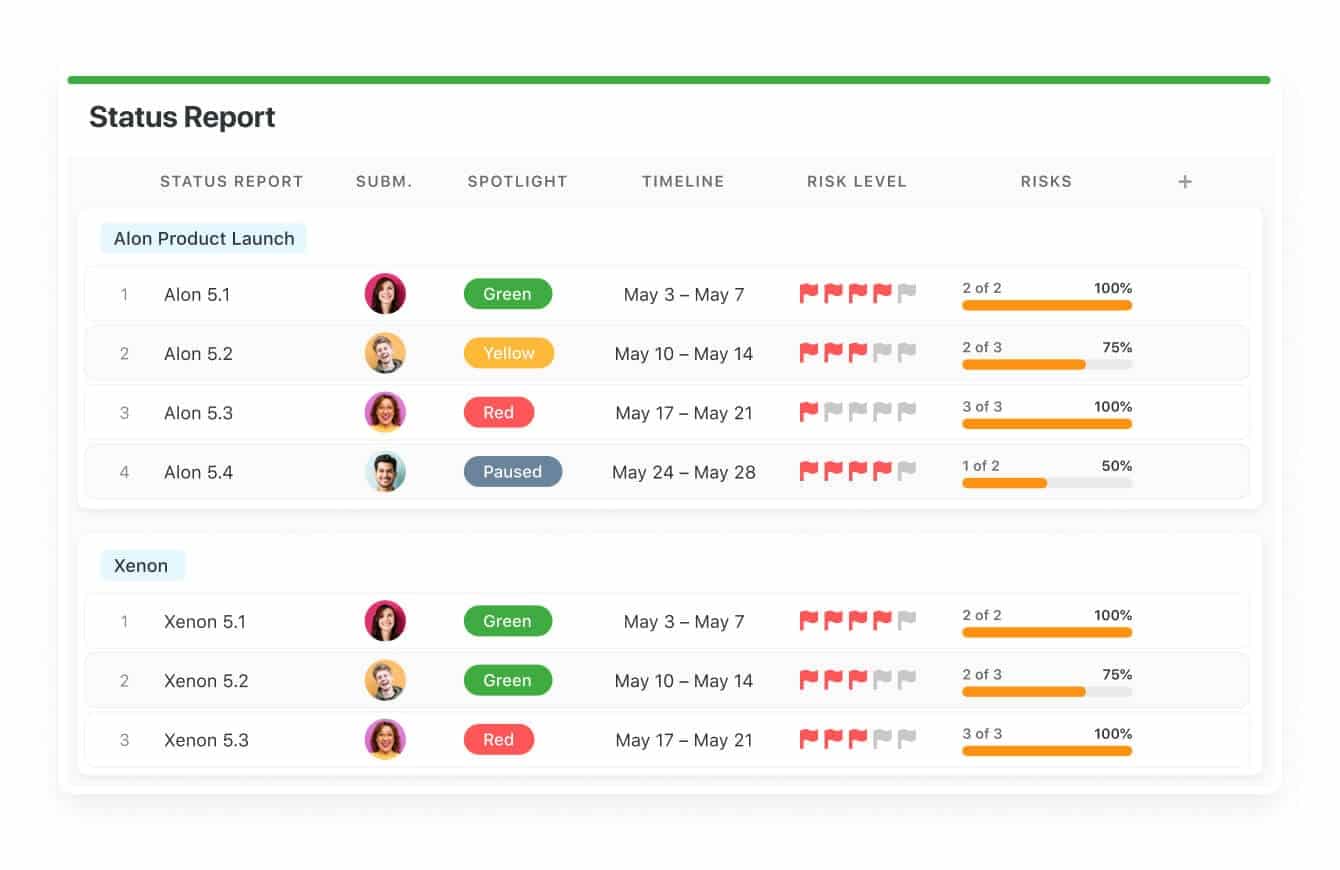






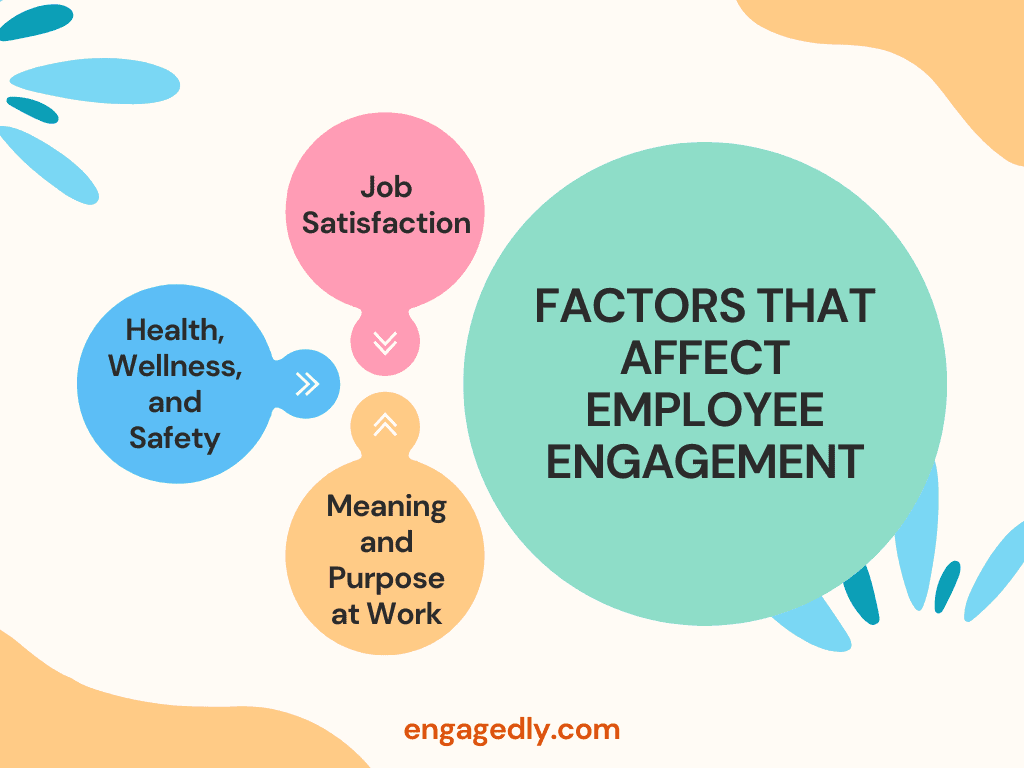





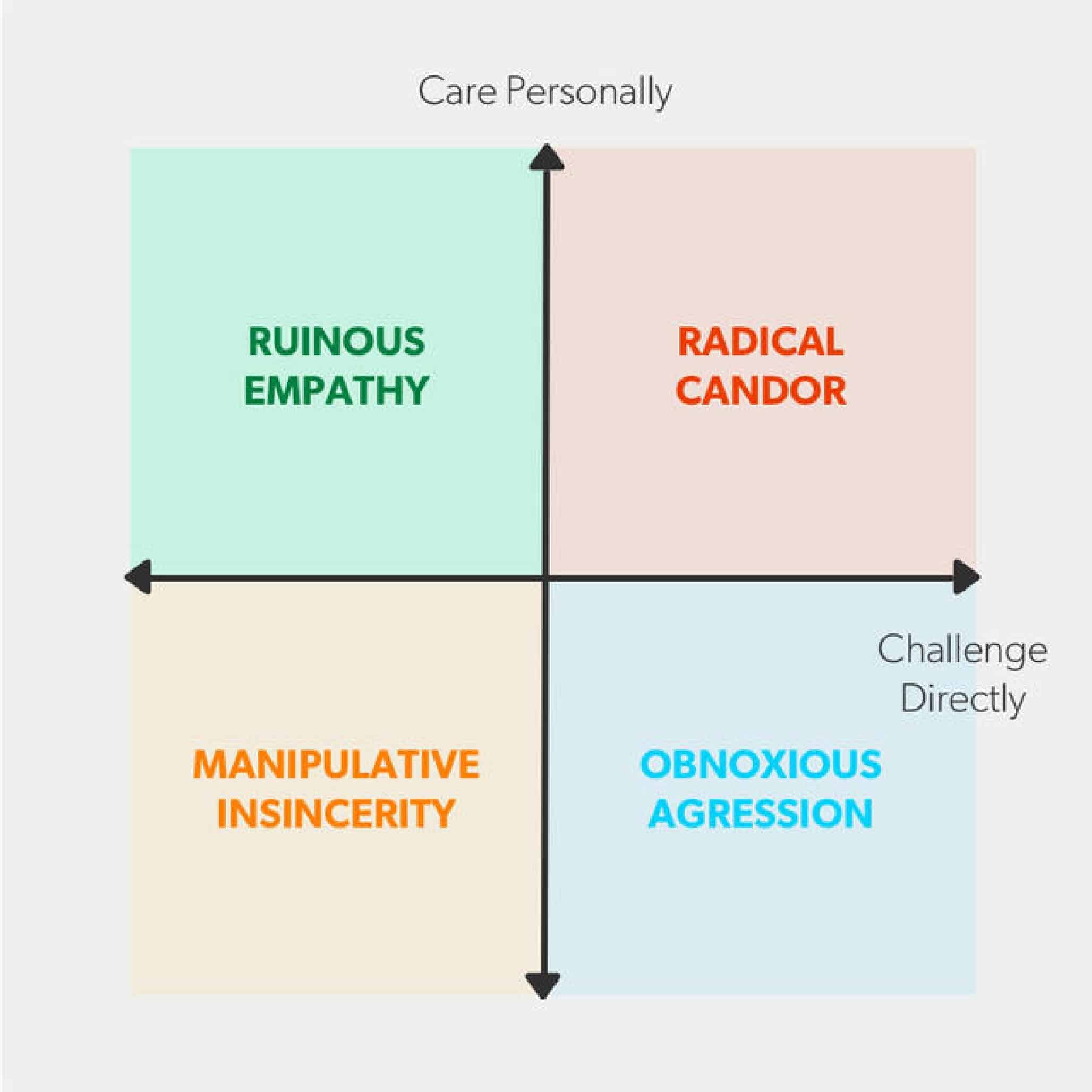



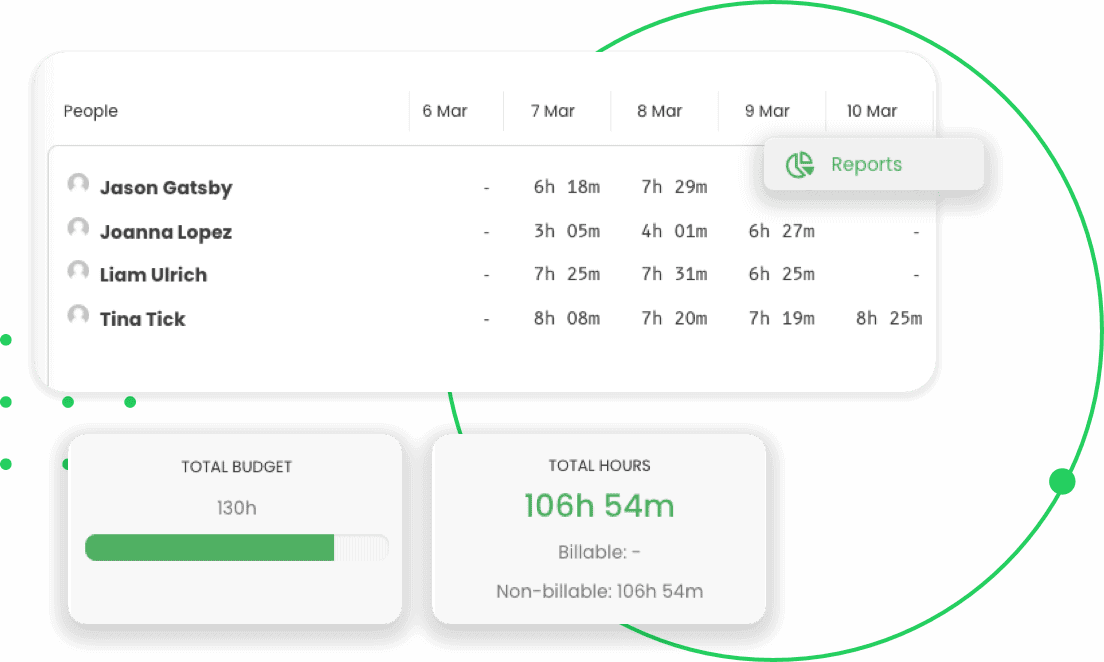
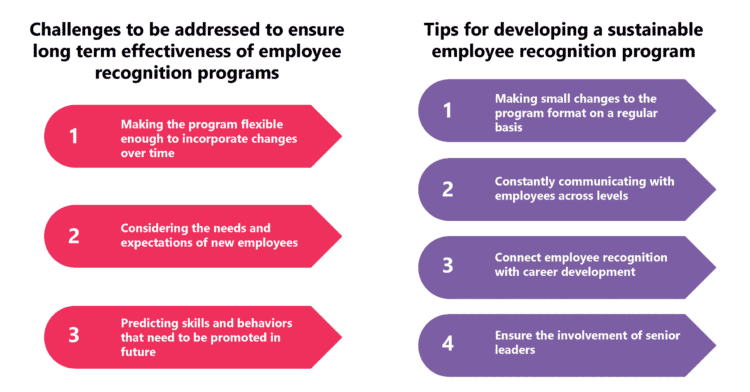







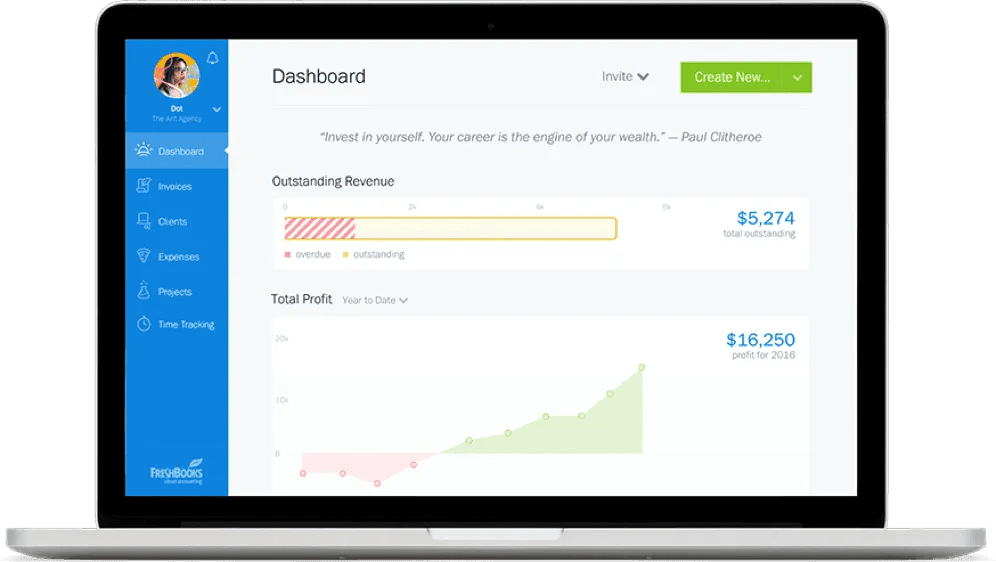 Think of the