“Accountability is the glue that ties commitment to results.” – Bob Proctor
Many HR directors, CXOs, and managers still struggle to create an accountable work culture. Responsibility encourages ownership, confidence, and first-rate performance. Without it, teams risk being caught in a cycle of poor morale, missed deadlines, and miscommunication.
But how can you, as a leader, effectively promote accountability inside your organization?
In this post, we’ll look at ten practical ways to build responsibility into your workplace culture. These tactics, which range from setting clear standards and encouraging open communication to empowering employees and setting a positive example, are intended to help you build a high-performance team.
Along the way, we’ll provide real-world examples, critical insights, and practical advice to help you guarantee your plans are both effective and sustainable.
By the end, you’ll have a roadmap for creating a work atmosphere in which accountability is welcomed rather than enforced.
1. Set Clear Expectations and Goals
Accountability falls apart without clarity. To perform successfully, employees must be exactly aware of what is expected of them. Their responsibilities and a clear definition of particular objectives start this clarity.
How to Put This Into Practice:
Role Definition: To define roles, job descriptions should be divided into manageable activities. For instance, “lead weekly team meetings, approve content plans, and analyze campaign metrics” rather than “manage the marketing team.”
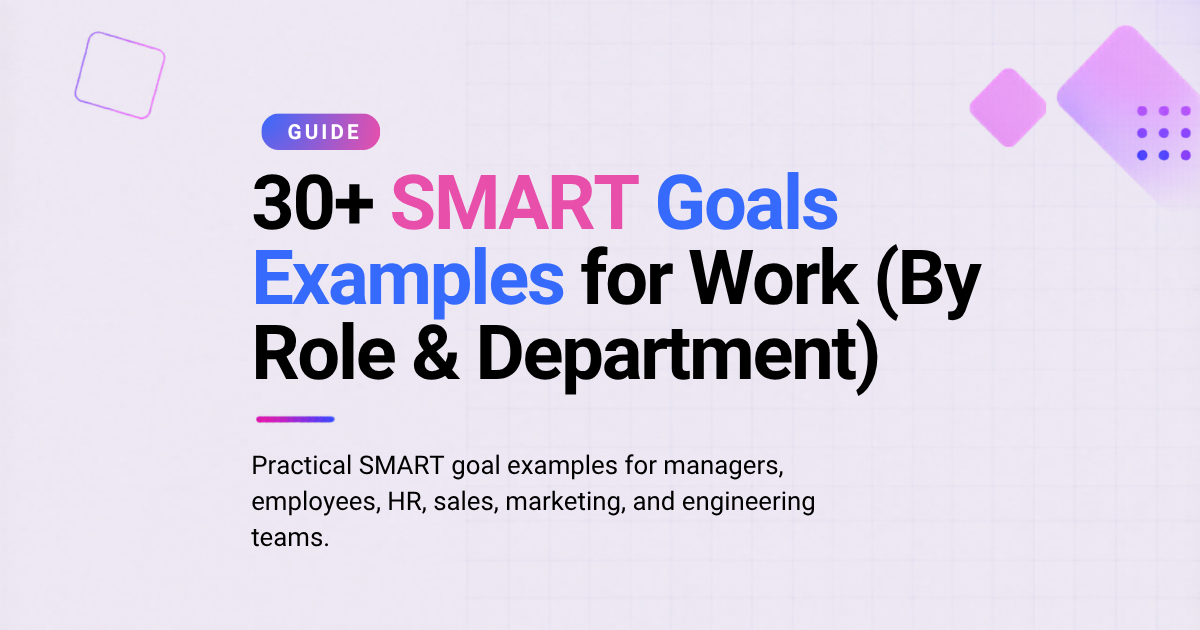
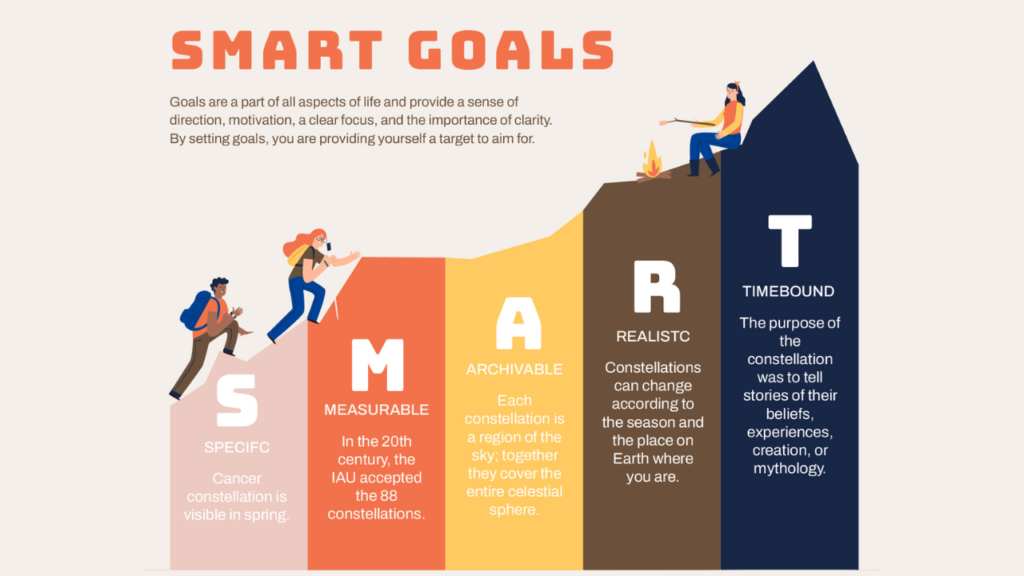
SMART Goals: Each goal needs to be time-bound, relevant, quantifiable, achievable, and specified. “Achieve a 15% increase in sales within Q1 by targeting new markets,” for example, rather than “Increase sales.”
Regular Communication: Use platforms like Slack or Asana to monitor progress and correspondence.
Well-defined roles and objectives make it easier for people to understand their responsibilities, which reduces uncertainty and increases accountability.
Given that 70% of businesses place a high priority on finding and employing employees with the necessary competencies, clearly defined roles are especially crucial, according to the 2023–2024 SHRM State of the Workplace Report.
Establishing clear goals reduces uncertainty and promotes accountability for work by enabling employees to find their path forward.
2. Encourage Transparent and Open Communication
Open communication is the foundation of accountability. Workers must feel comfortable asking questions, expressing their concerns, and offering comments without fear of being judged.
How to Encourage Open Communication?
Establish Secure Environments: Establish anonymous questionnaires or suggestion receptacles to encourage candid feedback.
Consistent Check-Ins: Arrange for weekly one-on-one meetings to discuss progress and obstacles.
Active Listening: Ensure that supervisors are actively listening by accumulating the reports of staff members and responding accordingly.
The likelihood of employees raising concerns early, taking responsibility for their responsibilities, and remaining engaged is increased when they feel that their voices are heard. Encouraging open discussion helps employees to share their issues and seek help, creating a friendly workplace.
According to the same SHRM survey, 81% of employers want to keep employee morale and engagement high, which is made possible by open communication channels.
3. Provide Regular Feedback and Recognition
Feedback encourages accountability in both directions. Workers must be aware of their performance, including what is effective and what needs development.
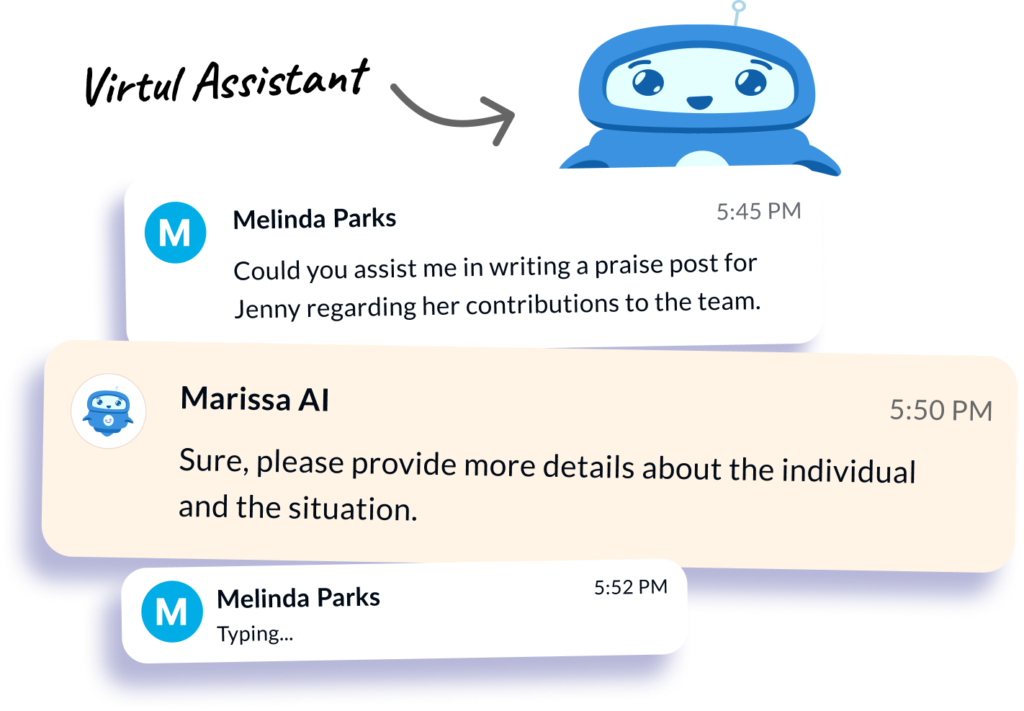
Marissa AI in Action: Helping with a praise post
How to Give Feedback That Works:
Prompt Feedback: Avoid waiting for yearly evaluations. After observing performance or conduct, provide feedback right away.
Balance Positive and Negative Feedback: Start with what the employee is doing well before discussing areas for improvement.
Recognition Programs: Implement systems like “Employee of the Month” or use platforms like Bonusly to reward exceptional work.
Giving employees comments allows them to see their performance and areas for development. Especially important are recognition programs; organizations with outstanding ones have 31% lower turnover rates.
4. Lead by Example
As a leader, your actions set the tone for responsibility among your team. Employees look to leaders for guidance on what is acceptable.
Practical Steps for Leaders:
Own Your Mistakes: If you miss a deadline or make a mistake, admit it and explain how you will correct it.
Deliver on Promises: Follow through on commitments, whether they are to meet or to provide a resource.
Be Transparent: Share the rationale for decisions, especially if they affect the team.
When leaders demonstrate accountability, a ripple effect occurs, inspiring teams to mimic similar behavior.
5. Give Employees Autonomy
Micromanagement can inhibit both creativity and ownership. Empowering employees to make decisions promotes accountability by providing them control over their workload.
How To Empower Your Team:
Delegate Decision-Making: Allow employees to make decisions within their positions, such as managing budgets or timetables.
Provide Resources: Provide your team with the resources and training they need to succeed.
Celebrate Initiative: Recognize employees who take ownership of problems and provide solutions.
Allowing employees to make decisions increases their sense of responsibility and accountability. A McKinsey survey found that more than half of employees reported being “relatively unproductive” at work, hinting that boosting autonomy could enhance productivity.
6. Use Accountability Partnerships
Employee accountability partnerships can boost performance by instilling mutual support and responsibility.
Steps for Implementing Partnerships:
Match Employees Thoughtfully: When pairing, consider complementing skills and personality traits.
Regular Check-Ins: Encourage partners to meet regularly to discuss success and obstacles.
Create Structured Goals: Provide a framework for partners to track and report their achievements.
Accountability isn’t just about rewards—it’s also about addressing failures. A well-defined framework for consequences ensures fairness and consistency.
How to Develop a Fair Framework:
Transparent Policies: Clearly outline what happens when goals aren’t met or standards are violated.
Progressive Discipline: Start with coaching or additional training before moving to formal warnings.
Focus on Improvement: Frame consequences as learning opportunities rather than punishments.
Implementing a transparent system for addressing unmet responsibilities ensures fairness and consistency. The 2023-2024 SHRM report notes that 58% of HR executives cite a lack of time and dedicated personnel as barriers to achieving departmental priorities, indicating the need for clear frameworks to manage workloads effectively.
8. Encourage Team Cohesion
Accountability thrives in cohesive teams where members help one another and communicate efficiently.
Team-Building Strategies:
Collaborative Projects: Assign group projects requiring teamwork and shared accountability.
Encourage Peer Feedback: Arrange feedback meetings in which team members can constructively critique one another.
Celebrate Team Success: Recognize collaborative accomplishments to strengthen unity.
Employees who feel part of a supportive team are more inclined to keep themselves and one another accountable.
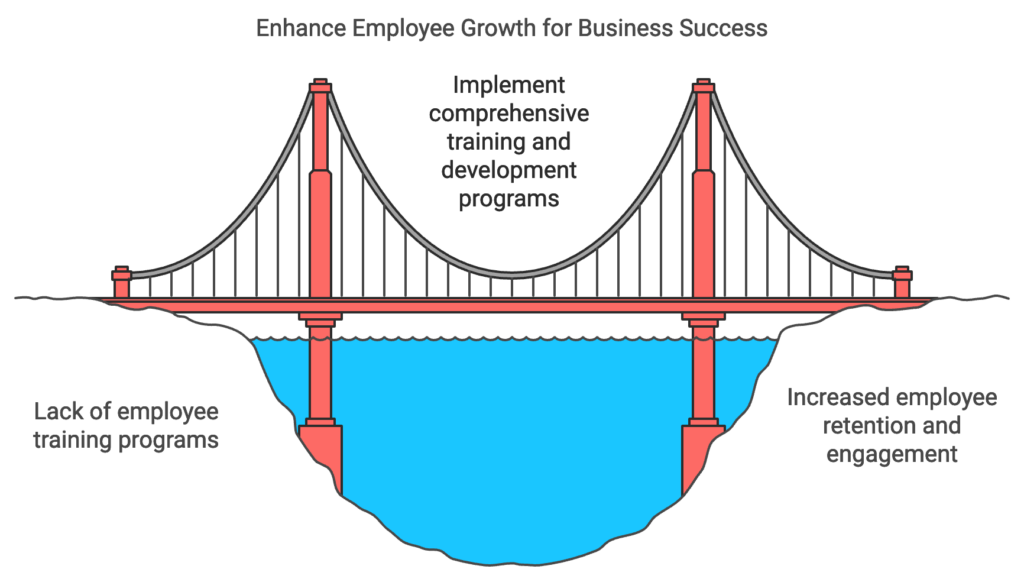
9. Invest in Training and Development
Giving employees the skills and knowledge they require is crucial for fostering accountability.
How to Implement Development Programs:
Onboarding Programs: Ensure that new employees understand their responsibilities and expectations from the start.
Ongoing Learning Opportunities: Provide workshops, diplomas, and online courses based on employee requirements.
Leadership Development: Teach aspiring leaders about accountability and decision-making.
Preboarding Initiatives: Focus on touchpoints and early engagement before the new hire’s first day.
Skilled employees are confident in their abilities, which directly enhances their accountability.
10. Track Progress and Adjust Strategies
Accountability isn’t a one-and-done effort; it requires ongoing evaluation and adjustments.
Steps to Monitor Progress:
Use Metrics: Track KPIs like task completion rates, project milestones, or customer feedback.
Conduct Regular Reviews: Evaluate both individual and team performance to identify areas for improvement.
Incorporate Feedback: Regularly ask employees what’s working and what isn’t to refine your accountability strategies.
Conclusion
Accountability is more than just a workplace value—it’s the engine that drives high-performing teams, fosters trust, and ensures consistent results. By embedding accountability into your organization’s DNA, you create a culture where employees are motivated to take ownership, collaborate effectively, and innovate with confidence.
As a leader, your role isn’t just to enforce accountability but to inspire it. Tools that support accountability and engagement are indispensable. That’s where Engagedly can help. Engagedly offers a comprehensive platform to streamline performance management, feedback, and employee development—all critical components of building a culture of accountability.
Ready to elevate your workplace culture? Discover how Engagedly can transform your team’s engagement and performance today.
What does accountability in the workplace really mean?
Accountability in the workplace means employees take ownership of their responsibilities, decisions, and outcomes without shifting blame. It involves being answerable for performance, meeting deadlines, and delivering agreed results.
A culture of accountability is built on:
Clear expectations and measurable goals
Transparent communication
Consistent feedback and follow-through
When accountability is embedded into performance management systems and daily workflows, teams experience higher trust, stronger collaboration, and improved productivity. It transforms responsibility from something enforced by managers into a shared standard across the organization.
How can leaders create a culture of ownership and responsibility?
Leaders build ownership by setting clear goals, modeling responsible behavior, and empowering employees to make decisions. Start with well-defined roles and SMART goals so there is no ambiguity around expectations.
Encourage open communication through regular one-on-ones and team check-ins. Provide timely feedback and recognize initiative. Most importantly, lead by example—admit mistakes, honor commitments, and explain decisions transparently. When leaders consistently demonstrate accountability, employees are more likely to mirror that behavior and take responsibility for results.
What are the most effective strategies to improve team accountability?
Improving team accountability requires both structural systems and cultural reinforcement. Effective strategies include:
Defining KPIs and tracking progress regularly
Using accountability partnerships or peer check-ins
Implementing recognition and fair consequence frameworks
Encouraging team-based goals to promote shared responsibility
Performance dashboards, project management tools, and structured feedback loops help reinforce expectations. When progress is visible and measurable, employees are more likely to stay aligned, proactive, and committed to achieving outcomes.
How do feedback and recognition impact employee responsibility?
Feedback and recognition directly influence how seriously employees take their responsibilities. Timely, constructive feedback clarifies performance gaps and reinforces expectations before small issues escalate. Recognition, on the other hand, strengthens positive behaviors and motivates continued ownership.
Organizations with strong recognition programs often see lower turnover and higher engagement. Balanced feedback—highlighting strengths while addressing improvement areas—creates psychological safety. When employees understand how their contributions matter, they are more likely to remain accountable and invested in their work.
What tools help organizations strengthen accountability and performance tracking?
Organizations can strengthen accountability by using structured performance management and goal-tracking tools. Platforms that support OKRs, continuous feedback, 360-degree reviews, and KPI dashboards make responsibilities visible and measurable.
Project management systems help monitor deadlines, while engagement platforms track morale and alignment. Analytics tools can also highlight performance trends and identify gaps early. By combining clear metrics with ongoing feedback and development planning, companies create a data-driven accountability framework that supports long-term performance and sustainable growth.
Gabby Davis is the Lead Trainer for the US Division of the Customer Experience Team. She develops and implements processes and collaterals related to the client onboarding experience and guides clients across all tiers through the initial implementation of Engagedly as well as Mentoring Complete. She is passionate about delivering stellar client experiences and ensuring high adoption rates of the Engagedly product through engaging and impactful training and onboarding.























 Performance