Find tons of enriching performance management resources in this blog category. It is a real-time people strategy platform that helps all aspects of business insights!
Moving from traditional paper-based performance reviews to web based performance appraisal system can feel like a stressful experience. It is mainly because you are moving away from something that you know about to something that is new to you.
Your business is full of talented, hard-working employees. But it’s not enough that they can perform well as individuals.
They have to be able to work in efficient, productive teams.
And in some ways, that’s getting harder. Your team might have remote or hybrid members — you could even be in completely different time zones.
With the right tools and techniques, any team can be high-performing. This article gives you the tips you need to improve team performance.
Why is Team Performance Important?
Team performance is related to job performance. Research shows that team members who are highly engaged in their work and motivated by the mission of their organization tend to produce higher quality, more innovative products than those who are disengaged or uninvolved.
Types Of Teams In The Workplace
Hybrid and Remote Teams
The days of everyone coming to the office every day are over for most teams. While many employees only started working from home in 2020 as a safety measure, most don’t want to go back full-time.
75.6% of employees want to work from home at least one day per week. 33.3% want to work from home five days per week. And employers are allowing it.
Source: hbr.org
Only 4% of employers have communicated that they expect employees to return full-time. 19.7% have no clear plans,
Another 64.5% will allow some degree of remote work.
That creates a new challenge: teams have to work smoothly and efficiently despite not being in the same room.
Cross-Functional Teams
Cross-functional teams are made up of people with different skill sets and expertise.
They’re often set up temporarily to work on a specific project. For example, a cross-functional team working on a product launch could include employees from product development, marketing, sales, and finance.
They bring a range of perspectives together, which fosters innovation and creativity, and they allow organizations to tackle more complex projects. But there are downsides.
Ineffective communication and misaligned goals in cross-functional teams can lead to issues in coordination, project management, and project delivery. Implementing team management best practices can help cross-functional teams perform better.
Qualities Of An Effective Team
How do you evaluate your team’s performance? We’ll talk about choosing specific metrics of success in a bit, but in general, a high-performing team will have these qualities:
Clear Goals
The best teams can meet or exceed the goals that are set for them. They know exactly what’s expected, and they get it done.
Efficiency
High-performing teams don’t waste time. They get a lot done by operating as efficiently as possible.
If a team is inefficient, it doesn’t necessarily mean the team members aren’t working hard enough. Sometimes, a team’s performance is hampered by outdated tools or processes that need to be reevaluated.
Motivation
The team members of an efficient team are motivated to do their best.
This usually comes from a sense of ownership in the team’s work. Team members feel positive about being a part of the team and are driven to achieve team goals.
6 Tips for Improving Team Performance
Team performance improvements often come from working smarter, not harder. These six strategies can be applied to any team to improve performance.
1. Set Clear Expectations
Teams can’t succeed if they don’t know what success looks like. Your team members should understand their goals and roles, as well as how they’ll be evaluated. Use the below suggestions to set clear expectations in the team.
Use KPIs for measuring the team’s performance
Key performance indicators, or KPIs, are quantifiable measures of performance. They’re the numbers that tell you how you’re doing on your goals.
Your team’s KPIs should include a combination of individual goals and team objectives. For example, a customer service team could track the total number of tickets the team resolved and measure the customer satisfaction ratings of each team member.
Reports and dashboards make KPIs much more useful. Team members should know how to check in on their progress and see how the team is doing.
Roles Within Teams
Each member of the team must have an understanding of their role. Unclear communication about who’s responsible for a task can lead to duplicated or unfinished work.
Work management software that can ensure that there’s no confusion about who’s supposed to do what.
Performance Review Process
In addition to knowing what they’re supposed to do, team members should understand how their achievements will be evaluated. Are there incentives for doing well? What metrics affect the likelihood that they’ll get a raise?
If employees don’t understand how their KPI numbers translate into real-life rewards, they’ll be less motivated to perform well.
2. Automate and Streamline Team Processes
Even the best team will fail if it has inefficient processes. So assign the processes according to the team’s calibre to improve the productivity of the entire team.
No one wants to do things the slow way, but it’s really easy for inefficiencies to become standard if you don’t regularly evaluate and optimize the way you do things.
Sometimes, an inefficient process is just how things have always been done. A team member has painstakingly created the same excel report every Monday for years, and no one has taken the time to find a better method.
Sometimes it’s because you have tools that don’t work together. For example, did you know that the average organization uses ten different sales technology tools? Switching between them for different tasks is a big waste of time.
A sales CRM solution can bring all of your customer relationship processes together and automate the repetitive parts of the job.
Talk to your team members about which manual processes are taking up the most time. Are there modifications that could save the invaluable time of the team? Better yet, could the process be automated?
3. Respect your Team’s Time
Have you ever had to attend an unproductive meeting that could have been an email?
Of course you have. We all have.
Pointless meetings are one of the biggest time sucks in the workplace. 44% of professionals say that poorly organized meetings are keeping them from doing their real work.
By using a meeting scheduler, you can manage your time and meetings in an effective manner. The tool enables your customers to view available time-slots in your calendar and book meetings accordingly, to avoid any conflicts.
And all that wasted time means wasted money. In fact, 34% of professionals consider unnecessary meetings to be the biggest cost to their organization.
Source: Zippia.com
Team leaders have a responsibility to communicate information efficiently. A meeting isn’t always the best way to go. That meeting could be an email, but we have an even better idea — that meeting could be a conversation on your work management platform.
4. Foster Transparency
In a successful team, every team member trusts every other team member to do their part. There’s a group dynamic of openness and honesty.
You can improve transparency at the team level by doing the following:
Provide Visibility Into What the Team Is Doing
Anyone working on a project should have complete information about it. When a team member can only see their own piece of the puzzle, decision-making and problem-solving are impacted.
Project management software can ensure that everyone on the team knows what other team members are doing.
That level of visibility also holds team members accountable. Knowing that your coworkers can see how much you’re contributing to the project is motivational.
Offer Insights Through Reports and Dashboards
Ideally, team members should have visibility of each other’s tasks.
Using a solution with sophisticated reporting and dashboard software gives the whole team insights into progress and performance.
Encourage Feedback
Encourage everyone on the team to speak their mind. If they have feedback about the way the team is managed or how a process is done, be open to hearing it.
Team leaders should also give constructive feedback to direct reports. That improves team performance while letting team members know that you’ll be honest with them.
5. Reward Success
Everyone loves to be rewarded for their hard work. Whether it’s a monetary bonus or simple recognition, team members are motivated by incentives.
Most businesses only reward individual achievements.
No matter how many talented individuals you have on a work team, the team will only be successful if those individuals work well together. As per Deloitte, only 28% of organizations give performance rewards based on team metrics. 39% use individual metrics, and 55% use individual performance reviews.
Choose a team goal that everyone can work on together and let the team know that there’ll be a reward if they meet it.
6. Choose the Right Tools
It’s easy to talk about things like improving accountability or streamlining processes.
But if you don’t have the right team software solutions, it’s impossible to actually do it.
For example, you might feel strongly about the importance of team communication, but some of that communication is going to get lost in disorganized email inboxes if you don’t have a better tool to manage your emails.
Communication
Have a question about a task’s status?
Don’t send an email or use a separate messaging app. That’s how you end up with five different disjointed conversations around the same issue.
Communication happens where the work happens. A good communication platform is especially important if you have hybrid or virtual teams or if team members come from a variety of departments. Moreover, good communication during meetings is equally as important. To facilitate this, you could use a meeting note app
Transparency
A good project management platform provides visibility into what everyone on the team is doing. Project information, deadlines, files, and conversations are all easy to find.
Reports and dashboards let team members visualize the group’s progress and achievements. This kind of visibility also makes reporting to stakeholders on project statuses simpler.
Process Automation
You don’t have to be a tech wiz to automate workflows.Save time by automating mundane tasks like status updates and email notifications. Or get fancy with multi-step automation recipes that streamline entire workflows.
Conclusion
By following the six tips above, any team can improve performance without adding extra work.
Remember that team development is an ongoing process. Meet with your team regularly to openly discuss any frustrations they have or inefficiencies they’ve discovered.
One of the biggest things you can do to improve team performance is to use the right tools. Discuss with your team the tools that can add more value to their work and help solve challenges. However, you may want the assistance of a third party with such a new pair of eyes to understand what more you may add to your team, so be sure to look out for staff augmentation services that can help you boost your overall productivity.
Do you want to know how Engagedly can help you with Real-Time Performance Management? Book a live demo with us.
Earlier, it was viewed as a system where managers would assess the performance of their employees annually based on some specific parameters. The system had a series of flaws that would lead to inaccurate measurement of performance and eventual disengagement and dissatisfaction among employees.
On the flip side, the modern approach to performance management is highly focused on the development and growth of employees. It is a continuous and ongoing set of processes that helps to identify, examine, measure, and improve the performance of employees. Other than focusing on employees’ personal and professional development, it provides great insights into the untapped potential of employees and identifies the blindspots that are a hurdle to organizational development.
There are a multitude of reasons why companies like Accenture, Adobe, Google, Microsoft, and GE have ditched their traditional command-and-control management systems for people-focused and growth-oriented performance management. Organizations that are highly invested in the performance of their workforce have higher ROI, lower employee turnover, are more innovative, and are better at problem-solving. They are able to sail through turbulent times without compromising on their work quality.
This article will talk at length about the intricacies of performance management and will unpack details about the following:
Performance management is crucial for the success of any business. It helps align the resources in the right direction and ensures higher growth potential. It encompasses a set of processes that continuously measure employees’ performance and build a communication channel between managers and employees to accomplish the strategic objectives of the organization.
Performance management plays an important role in every industry. It helps create an environment where employees are motivated to be better at their jobs by offering them regular feedback and resources to improve their skills.
Furthermore, it is a periodic and systematic process that helps align individual goals to organizational goals, and therefore key decisions like appraisals, promotions, and bonuses are linked to it.
All the major parameters of organizational and individual success are linked to performance management in the following ways:
Helps in setting goals that are inclined to organizational objectives
Provides regular feedback to team members
Acts as a medium of communication to discuss issues, opportunities, threats, and progress of projects
Offers learning and development opportunities, and reward and recognition based on individual performance
Creates performance standards for employees
It is critically important to note that performance management is not a one-size-fits-all approach for every organization.
Even though it is a corporate tool that helps solve challenges related to productivity, performance, retention, and engagement, every organization needs to redesign or customize performance management as per their business requirements to get optimum results.
Another common misconception about performance management is relating it to traditional performance appraisals that were limited in scope, as they did not include clear goal setting and frequent feedback mechanisms.
Why Is Performance Management Important?
The changing global business environment, the rapidly evolving technical landscape, changing customer preferences, challenges with global supply chain management, and employees’ expectations from employers are the chief factors that will define the success of an organization in the coming years.
The below image provides a clear understanding of changing employees’ expectations and values at work in the post-pandemic world.
The recent developments in the market, The Great Resignation, and IT automation are adding to the predicaments of human resource managers. Finding the right talent and retaining potential employees is getting tougher every day. On top of that, organizations are still reeling under the economic stress of the pandemic.
The following image highlights some of the challenges that HR leaders need to be prepared for.
Source: home.KPMG (New challenges perceived by HR leaders, 2021)
The situation does not seem to get easier anytime soon. So, how do organizations manage their most valuable resources in turbulent times? This is where performance management becomes indispensable to an organization’s sustainability and growth.
By leveraging different components of performance management, organizations can not only retain their employees but also be prepared for unprecedented changes in their business. Furthermore, they can create a differentiated brand position for themselves and attract new talent easily.
To remain competitive in the current business environment, it is imperative to focus on building a systematic, goal-centered, and employee-centric performance management system.
What Are The Key Components of Performance Management?
Performance management is responsible for the creation of a growth-driven, engaging, and productive environment. A well-thought-out, innovative, and strategically laid-out performance management system can boost performance and lead to the development of a dynamic and highly skilled workforce. In order for performance management to bring effective results, organizations need to incorporate its components into every process and ensure compliance.
The different components of performance management goal setting, ongoing communication through frequent feedback, performance reviews, rewarding good performance, creating improvement plans, and learning and development help to make it a vital tool for organizational development.
What Are The Benefits Of Effective Performance Management?
Performance management is a multi-faceted tool that helps in the overall development of employees and, thereby, achieves organizational objectives. By working at the individual and team level, performance management helps in identifying blindspots in employee productivity and development that are a barrier to the achievement of company goals. Furthermore, it supports management in reducing employee turnover, getting higher ROI, enhancing employee engagement and productivity, and building a more diverse and inclusive culture.
Source: Profit.co
The benefits of performance management are not just limited to the organization, but spread across all the stakeholders. It plays a crucial role in increasing the organizational efficiency by:
Creating an open channel of communication between managers and employees
Building trust, integrity, and loyalty in employees
Aligning individual goals with organizational objectives
Providing the right resources to employees for growth and development
Helping in goal setting and making employees accountable for their progress in the organization
Offering visibility to employees for their efforts and ensuring that employees understand the impact of their efforts on organizational success
Reducing conflicts between team members
Offering a platform for self-assessment, learning, performance review, and discussions
Providing open feedback to employees on their skills, competencies, progress, and future development
Checking the readiness of employees to undertake more responsible positions
Creating personalized development plans for employees
Motivating low-performing employees through coaching and mentoring
Principles Of Performance Management
Performance management is a vast process. It requires collaboration from multiple levels to be successful. It is an integrated approach that touches both vertical and horizontal segments of the organization. To ensure the success of performance management, human resource leaders must adhere to some fundamental principles that serve as supporting pillars to the overall process.
The process is founded on the following principles of performance management:
Without incorporating its basic tenets, performance management will not be fruitful in the long run.
Performance Management Best Practices
Following the disruptions caused by the pandemic, many HR processes, including performance management, have started to gravitate toward becoming strategic business contributors to the organization. The concept of performance management has been redefined by the leaders, and it now encompasses the series of changes brought in by the radical developments in the business environment.
Performance management has metamorphosed into a real-time goal setting and employee development tool that overlooks different aspects of employee and organizational performance. As organizations are now juggling between remote and hybrid work setups, it is important for them to keep a tab on the overall performance of their employees.
Human resource managers must incorporate certain best practices to enhance the performance of their remote and hybrid teams. These include:
UsingOKR methodology (Objectives And Key Results) for goal setting, tracking, analyzing, and improving performance
Redesigning employee KPIs and goals as per the work setup
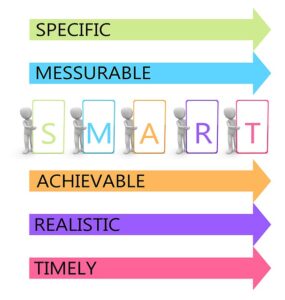
SettingSMART(specific, measurable, achievable, relevant, and time-based) goals for employees
What Are The Problems With Performance Management?
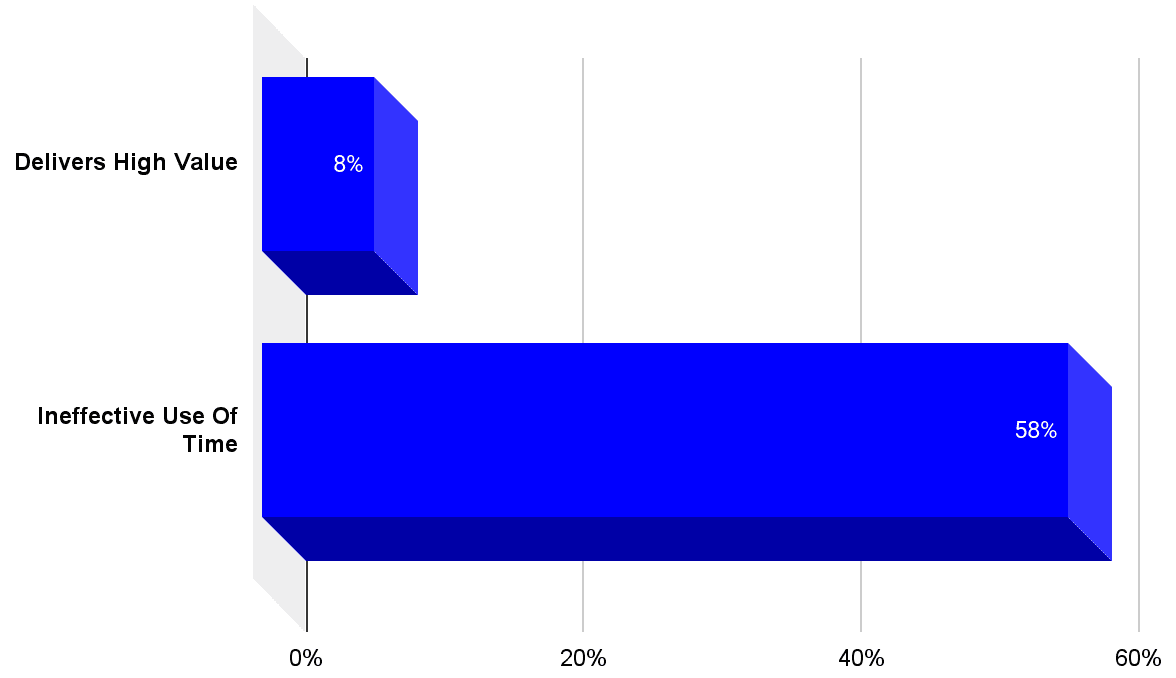
A survey by Deloitte highlights that only 8% of organizations derive high value from their performance management processes, while 58% find it ineffective in delivering results.
Despite numerous developments in the field of HR management and strategies, there are certain problems that are a huge barrier to implementing effective performance management in organizations. If left unchecked, these problems can cascade into the system and result in conflicts among employees and leaders, low performance, underachievement of organizational goals, and low customer retention and acquisition. On the employee front, ineffective performance management can lead to demotivation, disengagement, lack of trust, and high turnover.
Some of the major problems with performance management:
A performance management system is a collaborative approach between employees and management to frequently review the performance of employees and provide them with constructive feedback.
It entails planning, monitoring, and reviewing the performance to achieve short and long-term organizational goals and also provide a growth trajectory to employees for their overall development.
To ensure higher performance and achievement of objectives, organizations develop a series of activities that help employees understand their strengths and weaknesses and offer them learning opportunities to nurture their skills.
But what’s the purpose?
It’s multifold and it touches upon individual, team, and organizational productivity, goal goal-setting methodologies. Further, it helps in creating frequent check-ins and feedback processes, learning and development, and rewarding employees for exemplary performance.
Types Of Performance Management Systems
A performance management system acts as a guiding light that helps organizations stay committed to their mission and vision by constantly monitoring the performance of employees and offering support wherever required so as to not stray from the optimal path.
There are different types of performance management systems available at the disposal of organizations. Some of the most commonly used ones are:
Based on the business requirements, organizational culture, and goals, organizations can select the ones that help them achieve better results. However, many organizations are now making a shift to OKRs and 360 degrees because of the numerous benefits they offer.
How To Get Started With Performance Management?
Whether you are running a startup with a handful of employees or a multinational organization, it is always difficult to align everyone’s vision to achieve overarching goals. Every organization wants to achieve more through continuous improvement, but without a proper framework to support it, it can be extremely challenging to make a mark.
Having a performance management framework to create alignment between organizational and employee goals is the starting point of mastering the art of performance management. When done right, performance management harbingers great results for an organization.
Meticulously analyze the industry and business environment
List your most important organizational goals
Ruminate over the problems you would like to resolve with the help of performance management
Take management’s support in understanding the intricacies of performance management
Analyze the previously available data, if any, to understand what processes did not work well and what improvements can be made
If required, seek external support from leading performance management experts
Technology And Performance Management?
The growing need for innovation, creativity, problem solving, and adaptability is transforming workplaces. Employees’ expectations have changed over the years, and so has the way organizations operate.
The current demands of digitization and agility have led to a fast adaptation of automated performance management systems that can reduce the manual workload of HR managers and optimize the processes.
provide a framework for collaboration between employees and management.
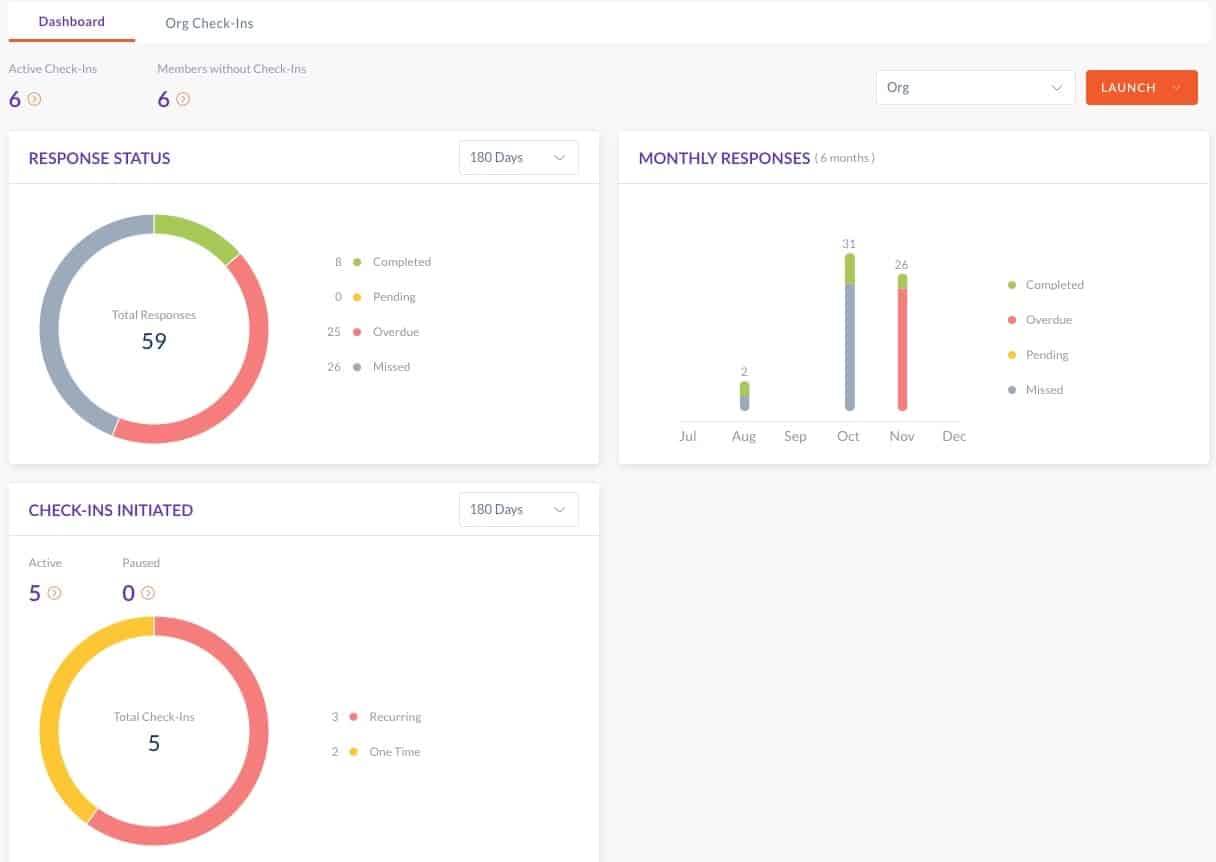
The below image provides an overview of real-time dashboards visible to leaders and managers. With their help, managers are able to keep track of the progress of organizational goals.
By doing away with redundant tasks, HR leaders can focus on important issues and help create a better learning environment for employees.
83% say that the quality of conversations has improved between managers and employees
96% found the process to be simpler than before
Google, Kelly Services, IBM, Cargill, and Juniper are some of the companies that have redefined their performance management systems. They are leveraging technology to create a continuous performance management system. It helps support processes such as feedback management, check-ins, creating better job descriptions, performance reviews, and even learning and development. These companies are now more focused on employee development and engagement rather than annual performance reviews that would give inaccurate results.
Key Takeaways
Performance management is at the heart of every organization. It helps in creating a formidable performance-driven culture that supports higher productivity, engagement, and optimal utilization of resources. Effective performance management systems are one of the key distinguishing parameters of high-performing organizations. By utilizing the various components of performance management effectively, organizations can create a skilled workforce that is ready to take challenges head-on.
Did you know your employees could do a lot more for your business than they actually do? Well, if you didn’t know, the answer is yes. However, you have an important part to play as an employer. Maximizing employee ability doesn’t just happen. You need to motivate your employees to give their best at work. When you fail to do this, employees can easily feel unvalued, which decreases their engagement and ultimately their performance. What’s worse, this can have a detrimental effect on the company’s bottom line.
So, how can you ensure that your employees’ potential is maximized for improved performance? Here, we tip you on 5 things that you can offer your team.
Training and development opportunities
Providing training and development opportunities for employees boosts their potential in several ways. For starters, it bridges the skills gaps. This means that employees gain additional skills to perform their work better and even take on other roles effectively. In addition, it increases motivation and engagement. Employees are more likely to invest in an organization that invests in their career development. Moreover, employees give their best at work when they are highly engaged.
Think of ways to help your employees improve their skills. Assigning projects for experiential learning and offering mentorship programs go a long way. In addition, you can sponsor employees to take up various courses such as PMP certification training, CIPM certification, financial analyst training, sales certification, and SHRM certification, among others.
You may have a highly skilled workforce in place, but if you are not acknowledging their good work, you are impeding their ability to work at full potential. For employees to see that their capabilities matter in the organization, they need to feel and see that it matters to you as well. And, the best way to show them is by recognizing their efforts.
You may be shying away from this, thinking that it is expensive. However, most employees aren’t after glamorous and expensive rewards. A shout-out during the morning meeting, a pat on the back, or a genuine thank-you letter can go a long way. If the budget allows occasional gifts such as lunch vouchers, travel tickets, and things like these, can be a good potential booster.
Flexible working hours
Not everyone is wired to work an 8 to 5 job. Some people are highly productive early in the morning, others in the afternoon, and others late at night. Insisting on having such individuals at their desks the whole day isn’t only demoralizing, but also inhibits their potential. You can consider offering flexible hours for roles that don’t need the employee to be present full time.
Flexible working hours give employees an opportunity to improve their work-life balance. This results in happy and satisfied employees who are willing to work at their best. In addition, employees’ productivity and quality of work go up when they work during the hours that they feel most productive.
Constructive feedback
Giving feedback to your employees is one of the most effective tools for managing employee performance. It helps employees see areas of strength and motivates them to do better. Giving balanced feedback, which means including areas of weaknesses, helps employees improve on those areas.
However, for employee feedback to be effective in increasing potential, it has to be balanced as mentioned. In addition, make it two-way. Have the employees gauge their performance before offering your feedback. Also, ensure that it is objective and timely.
The work environment has a lot to do with how employees perform. Individuals work better in a positive culture that promotes psychological safety, wellbeing, teamwork, mutual respect, compassion, and healthy work relationships. Such an environment boosts morale and increases engagement, which inspires employees to work at their best. To create a positive culture, start encouraging social connections, show empathy and compassion, and be an approachable leader among other steps that make a happy and satisfying work environment.
Conclusion
Unlocking your employees’ full potential is paramount in increasing profits and achieving company growth. In addition, it increases engagement, which is important in reducing employee turnover and building a positive brand. You can enhance employee potential by nurturing your team’s skills, capabilities, and efforts as well as offering incentives that communicate to them that they are a valuable part of the organization. The above tips give you ways that you can do exactly that.
Do you want to know how Engagedly can help you enhance your employees’ potential? Book a live demo with us.
Daisy is an industrial and organizational psychologist who researches to identify solutions to problems that improve the well-being and performance of organizations and their employees. Daisy is also a freelance writer and often writes articles for credible blogs.
The performance management system is a process that many companies have been using over some decades now. It has undergone many changes so that managers can get a better understanding of the employees’ productivity and achievements. However, recently, forward-thinking companies have redirected their perspectives and have adopted the Agile Performance Management process. It is reliable and is considered as a best practice for grading the performance of employees and gaining an insight into their contribution toward a company’s progress.
Why did the need for Agile Performance Management arise?
The need for Agile Performance Management arose as workplaces no longer wanted to follow a hierarchical top-down structure and wanted to adopt an open and collaborative work environment wherein employees, managers, and higher management can join forces to achieve the set objectives.
Another reason for the adoption of this process being, employees preferred to develop their own individual objectives, aligned with the company’s objectives. They didn’t prefer the idea of working as per the objective checklist handed over to them.
If you’re one of those companies looking out for gaining an understanding of the Agile Performance Management process, and it’s working and benefits, then this blog post would help you.
Understanding the workings of Agile Performance Management
Agile Performance Management was created for a new era that is more communicative, efficient, and social. It focuses more on frequent employee performance discussions throughout the year as compared to conventional reviews, which are conducted annually or bi-annually.
The unique feature of this is that it incorporates the concept of frequent performance discussions–on a quarterly or mid-yearly basis. This helps in addressing various problems faced by the employees and how they can be guided to overcome the challenges and be aligned with a company objectives.
Another great aspect of Agile Performance Management is that it is based on the process of achieving an objective rather than solely focusing on annual performance ratings and outcomes.
This approach of frequent discussions with the employees and helping them to overcome their barriers helps to cultivate a robust and meaningful relationship among employees and managers.
What factors differentiate Agile Performance Management from a traditional system?
Given below are some factors that differentiate an Agile Performance Management system from a traditional performance management process.
Improves the existing process: Agile Performance Management system scores over a traditional system because of its ability to improve the existing process and help employees to overcome the challenges related to their work.
Frequent discussion to solve problems: Unlike a conventional system that focuses on annual appraisal and midyear review, Agile Performance Management happens quarterly or bi-yearly. As a result, it immediately helps to identify different employees’ issues in a short span and fix them. It saves time and employees can focus on the work, rather than sulking and getting bogged down by existing problems.
Employees usually use the review processes to express their opinions and concerns. Using a traditional performance management system, addressing the concerns of the employees may or may not be only possible during an annual performance review. Till then, employees will have to wait to share their problems with their managers or higher management.
Systematic and meaningful: Another concerning area of a traditional performance management system is that a lot has to be understood in a few sessions that happen once a year. To elaborate, managers have to identify employees’ capability to meet the company’s objectives; employees’ effectiveness in aligning themselves with the company’s goals; their behavior or competencies; their personal development, and their career aspiration – everything in one to two conversations. To achieve these agendas in a single meeting or a string of meetings in two days may not be possible, rendering pressure on the employees and turning the whole activity to be a ‘tick-box’ exercise.
Agile performance management allows the discussions to take place periodically and eliminates rushed discussions that are meaningless.
Flexibility: Since the traditional performance management process is based on fixed outcomes or rigid grading systems, without in-depth analysis, conducted annually, the management may not get a proper understanding of employees’ performance; challenges, and their efforts to meet the objectives.
Compared to this, the Agile Performance Management system focuses on near-term goals, most commonly, monthly or quarterly goals, which ensure that all potential hindrances are eliminated during the manager-employee conversation and employees stay abreast with the shifting priorities of the business.
Interestingly, employees derive larger benefits because of this system as it focuses on employees’ development, and quicker feedback implementation. A completely opposite process takes place in the case of a traditional performance management system, as there is a time gap between the performance review and feedback process.
Almost every employee in the current era does not favor annual performance reviews. Because of the annual performance review, employees’ stress level may increase substantially and companies may witness employee turnover. In fact, companies observed a high percentage of voluntary attrition after annual reviews. Reversely, once they adopted agile performance management, they witnessed a 30 percent decrease in voluntary turnover.
Deloitte’s research indicates that organizations that maintain a collaborative atmosphere are profitable and twice as likely to outperform their competitors.
Implementing the process in a smart way
We advocate the following strategies to set off your Agile Performance Management process to a successful start:
Getting employees to trust the new performance review system: The management should build trust among employees regarding the new performance management process, before replacing the traditional performance management process. For the same, the management should discuss the large scope of the Agile Performance Management System and the wide range of benefits it offers.
Besides, the employees should be made to understand the need for the company to make a transition from the conventional performance management process to Agile Performance Management System. Transparency and frequent discussion to solve the problems of the employees should be emphasized while discussing the benefits of this Process.
Training: Employees cannot be expected to understand the Agile Performance Management system in a day or two, as it requires a total change in the thinking and behavior of the employees. It would be preposterous if a company expects the employees to shift to the new system without any form of training. This is one of the reasons why adequate training should be provided to the managers and the employees while shifting from a traditional performance management system to their Agile performance management process. The training should be comprehensive and should answer all the queries and concerns of the participants.
Setting Goals:
A company’s primary goals should be communicated to the workforce in a detailed and non-hurried manner, an essential step not to be overlooked.
The managers and employees should set quarterly goals and how they would achieve those goals as per the Agile Performance Management system. The goal should be set in such a way that every required step is well defined. The discussion should involve the elaborate techniques to measure the outcomes. Thus, aligned with the goals, employees will have to meet a set target every month.
Managers will play an important role in helping the employees to meet the set target every month. Managers will provide feedback to the employees as when they feel it is necessary. All these action plans ensure the goals set out are relevant, realistic, attainable, and thoroughly understood by employees. If required, the managers can suggest ways such as upgrading existing skills in order to enhance employees’ knowledge and skill set.
Explaining opportunities and career development: Employees will happily accept the Agile Performance Management system if it is going to be beneficial for them and provide new opportunities for career development.
Assessing adoption of this system: Conduct a regular assessment of the new system to understand how well this system has been accepted by the employees. In case there is low adoption, find out the reasons behind it and address the concerns of the employees so that they will embrace it at the earliest.
Why most companies are opting for the Agile Performance Management system?
An Agile Performance Management strategy involves employees in a continuous, year-round process of personal growth. Employees actively take part in developing their abilities in ways that positively affect themselves and the organization.
Meanwhile, a company preserves or enhances its employee capabilities as business requirements evolve. By using the Agile workforce management system, businesses may have employees working toward common goals and boosting productivity. The Agile Performance Management System results in less turnover, increased employee engagement, and higher earnings.
How this system benefits an organization?
Transitioning to an Agile Performance Management system yields substantial advantages on several fronts.
Benefits at the individual level:
At the one-on-one level, Agile Performance Management enhances everyday performance and enables managers to understand the strengths and weaknesses of the employees in real-time. Developing a routine of regular check-ins enables employees to communicate problems and work impediments to their managers, who serve as coaches to assist them in overcoming obstacles. The managers can also provide team members with feedback and instructions aimed at achieving continual improvement.
Reevaluating organizational goals:This system focuses on a frequent reporting and feedback loop process to promote organizational goal awareness. As a result, executives and employees are made aware of OKRs regularly and, over time, everyone knows their goals, resulting in greater employee engagement and productivity.
Benefits at the team level:
At the team level, Agile Performance Management provides team leaders with a more accurate perspective of the team’s capabilities. This makes it possible for the team to shift gears when business objectives change.
Facilitates enhanced team collaboration: With the Agile system in place,managers may concentrate on guiding and instructing employees to complete work on schedule and within budget. Team members become more dependable contributors, which strengthens the team as a whole.
Performance data:
Agile performance management generates significant amounts of performance data at the enterprise level, enabling Human Resources to monitor organizational capabilities. These data help to identify a benchmark of the workforce’s strengths and shortcomings. In fact, they serve as a crucial starting point for building talent strategies and advancing company objectives.
Agile Performance Management takes a company’s productivity to an altogether different level, as employees become self-aware of the required commitments and witness personal development.
Agile Performance Management tools to implement Agile process correctly and easily
Implementing this process necessitates a shift from the old annual reporting approach to a more comprehensive, engaging, and quicker Agile culture. Employing this process incorrectly might pour cold water on the entire effort.
Thus, it makes sense to make use of digitized HR software such as Engagedly solution to ensure the Agile Performance Management process is implemented properly, with no hassles.
Engagedly solution helps managers to track their employees’ progress and milestone achievements and facilitates the exchange of real-time feedback, in line with this process. Also, incorporating Agile training for transitioning to a more dynamic performance management process is pivotal. To guarantee its seamless execution and leverage its benefits effectively, integrating digitized HR software like Engagedly is imperative. This solution empowers managers to navigate the evolving landscape, ensuring streamlined progress tracking, milestone accomplishments, and real-time feedback exchange, thus amplifying the success of Agile Performance Management.
Want to know how Engagedly can help you mange your hybrid employees better? Request us for a demo.
There are many companies which have successfully adopted OKRs and modified them based on their organizational needs and industry trends. Here’s a list of few companies that adopted OKRs successfully.
Goals are necessary for any business that wishes to thrive or succeed. And while most organizations do this already, measuring and tracking the progress of these goals is as important as setting them. Considering this truth, companies have come up with ways to measure performance, namely KPIs and OKRs. They are the two most widely used and misunderstood frameworks in the business world. This article will explore the following:
What is a KPI
KPI Examples
What is an OKR
OKR Examples
OKR vs KPI: What is the Difference?
How OKRs and KPIs Work Together? [Analogy]
KPI and OKR Best Practices
What is a KPI?
KPI stands for Key Performance Indicator, which helps measure the health of a company. They are measurable numbers that show or point to how effective your strategy is as it moves towards a set target. KPIs can also highlight problems in a business strategy. They help steer management to decide to continue at their current pace, quicken the pace or, if not meeting targets, improve.
Companies can set a KPI daily, weekly, quarterly, or yearly, depending on what indicators the organization wants to measure and how often they choose to measure it. We can set KPIs for individuals, teams, departments, or the entire organization.
KPI Examples
KPI talks about business-as-usual metrics. In simple terms, it means what employees should be doing as per their job descriptions to achieve organizational targets. The below KPI examples will make it more clear.
OKR stands for Objectives and Key Results. It’s a strategic framework that helps companies improve their performance. The process entails setting objectives in any area of your business you want to improve, then writing key results to reach those objectives.
It is a collaborative methodology that provides a match between the objectives that organizations want to achieve and the key results that help measure their progress. By tying objectives to small and measurable key results, the framework enhances visibility and provides actionable insights into every employee’s contribution and performance.
Unlike other goal-setting frameworks, OKRs are clearly defined, making it easier for managers and employees to track progress. By breaking down objectives into small key results, managers can create milestones that help accomplish challenging goals.
Sales OKRS
Objective:
Attract 50 B2B new customers
Key Results:
Increase funds by 30% for advertising through influencers
Reach out to 30 industry experts/ influencers in Q1
Get 20% of customers to participate in the community in Q1
Interview and launch 10 podcasts from key industry influencers
Customer Success OKRs
Objective:
Improve Customer Satisfaction Index in Q4 by 30%
Key Results:
Conduct 50 customer satisfaction surveys every month
Conduct monthly interviews with 10 recently churned customers
Achieve a Net Promoter Score (NPS) of 10.0
The whole concept of OKR is to identify an area that needs improvement, create a goal, which is the Objective, and then state how you should meet that goal, which is the Key Result. The goal is to get from point A (where you are now) to point B (where you want to be) by the end of the quarter or year. It’s strategic in its approach because it’s holistic compared to the KPI.
Let’s understand the differences between OKRs and KPIs through an analogy.
A parent wishing to know their child’s performance at school can do that by checking the child’s grades. Grades on individual subjects can act as a KPI. We can assume the target for each subject is to get a pass.
Imagine now that the student failed one or more of these subjects or didn’t meet the expected target set by their parents. A parent can use OKR by taking the subject of math as an example and then creating an objective to get good at mathematics and subsequently working on creating strategic key results.
The aim is to improve the student’s performance in math. The parent can then set different KPIs for various tests to measure the effectiveness of the OKR strategy.
Check out the below differences between OKRs and KPIs to get an even clearer understanding.
KPI
OKR
Key Performance Indicator
Objective and Key Results
Business-as-usual metrics to highlight performance
Goal-setting methodology that drives higher employee performance
Used for performance measurement
Used for performance improvements, enhancement, and engagement
Top-down approach only
Mix of top-down and bottom-up approaches
A certain level of performance
Strategic improvements in performance through specific initiatives
Ongoing process, usually revised quarterly or yearly
Periodically, as and when objectives and key results need adjustment
OKR vs KPI: How They Complement One Another
Understanding OKR and KPI framework allows you to appreciate them for what they do individually and how they can work together if implemented well. It’s possible to use both together instead of pitting OKR vs. KPI, missing out on both. This section will show examples of how both can work together.
KPIs bring management attention to underperforming areas. The reason companies have KPIs in the first place is to make sure activities are going on smoothly, so when a company misses its targets twice or twice in a row, it needs management intervention. OKRs are perfect for such a case. Identify a clear objective to aim for before brainstorming on the key results you need to achieve the goal.
How OKRs and KPIs Work Together? [Analogy]
OKR and KPI complement each other. We will use the grades analogy from earlier to showcase the relationship.
In our example, a parent wants to know how well their child is doing at school and uses their grades to measure them. We assume the target is a pass in all their subjects. This example was to demonstrate an example of a KPI.
We then said if the student failed math, we needed to do something about it. So, the parent would use the OKR framework in this situation. In our example, the objective was for the student to improve in math, and then we drew up key results to achieve this goal.
The key results are to enable the child to be better at math. While the KPI brought our attention to the problem of not getting a pass mark, the objective is to make sure the child doesn’t have a problem with math again. The parent can set a new KPI for the child based on the new objective. The KPI for the next test can be 70%, and the one after that can be 80%, and the one after that can be 90%.
A well-implemented OKR can give birth to new KPIs, and these KPIs will ensure that the key results are effective and produce the desired result.
If the child doesn’t meet the first target of 70% in the first test, let’s say a 67% or so, then the parent can look into it to see if it is a process issue or if they should readjust the next test KPI, which was an 80%, to a 75%.
The example above is a simple illustration of viewing the interrelationship between KPIs and OKRs. Failing any target will lead to the business looking at that area to improve on it. The OKR framework is a suitable tool to use to achieve this goal.
Another scenario where both can work together is if a company wants to step up their current performance because they believe they can do more, and then using the OKR framework can be helpful. After this, KPIs can be derived from the framework to monitor performance. On rare occasions, some companies’ key results are also their KPIs. Although it’s not always the best practice, it’s still possible and unusual.
While setting up your KPI or OKR frameworks, there are some do’s and don’t you should know, and in this section, we will look at some of them.
Best Practices for KPI
Be Clear and Specific
KPIs need to be clear to prevent personal interpretations. KPIs should also be specific; for example, increase customers by 25% in Q4.
Keep your KPI to the Minimum
This tip is in its name key, meaning that the indicators your company tracks are critical for the sustainability and profitability of your business. Work on creating between 12 and 25 KPIs for the entire company. The idea is the smaller you track, the better.
Attainable but Challenging
When targets are unreasonable, it discourages your employees, and if they are too easy, there is little sense of achievement. The secret is to make them challenging as well as reasonable.
Frequently Review and Update
You should set KPIs and reset them because they are subject to yearly review and not set and forget them. It’s important that the KPIs stay updated with changing business objectives to reflect the organizational performance.
Use Software to Track
Technology has made it easier for us to monitor and track KPIs. Using good software like Engagedly can help you easily keep tabs on the KPIs set for departments and the company.
Best Practices for OKR
Be ambitious with it
The objectives of OKR are aspirational. There are objectives that one can look forward to accomplishing in the long run.
Don’t have too many objectives.
It’s advisable to have a maximum of three objectives and three key results in order to focus on them and maximize your results. Paying attention to many objectives at once can be counterproductive for the company, and it may also point to the objective not being broad enough.
Conclusion
In conclusion, the OKR vs. KPI war is one that will continue to rage well into the future as different companies and their managements will have varying opinions. The crucial point to note is that both are adequate tools when properly implemented, and if used together, they will make the management job a lot easier.
Unlike the modern organizational culture, we consider performance management to be a forward-looking solution that is based on retrospection. With an evolving work culture, the need for continuous feedback is now felt across offices and technology has brought forward such tools which are highly advanced and need based. Now managers can anticipate problems based on the performance cycle, and initiate course corrections to bring the action plan back on track.
A performance management cycle is a round the year phenomenon and includes planning, monitoring and evaluating employee’s performance. It works in such a way that meets the overall goal of an organization. Here, the success of an employee is aligned with the success of an organization.
The performance management cycle helps employees improve skills and achieve goals. An effective cycle focuses on employee performance and tries to make necessary changes for his growth in a workplace.
The performance management cycle encompasses four stages:
The management expert, Peter Drucker, designed one of the earliest performance management models. As per his sayings, whatever you can measure, can be managed and whatever you can manage, can be accomplished. Individual and organizational goals should be aligned together. The continuous process includes the following parameters to achieve the targets smoothly.
1. Planning
Planning is the first step of the performance management cycle and includes three elements:
Defining stage
Here, the management and HR team have to define jobs, include description and determine targets. Besides, it needs to list objectives, and have clear metrics on how to access and achieve the goals. The point is to make sure goals are lucid and are followed by clear performance standards.
Giving feedbacks
Once management completes the defining stage, employees should get the opportunity to give input for the materials. As they are the ones to perform the job, they should have in-depth insight of skills, goals and competencies to help the company achieve milestones easily.
Approval stage
In this, both management and employees should agree on roles, goals, and achieving objectives. This is how it is possible to make the first step in the process of collaboration, making the employees understand their engagement in goal setting.
Try to plan for it in a timely and regular manner, wherein the next step for the management cycle would start. Monitoring and training are important and here, routine meetings can help employees assess their position.
Provide training and coaching
Meetings should focus on training and give solutions through mentoring, rather than measures that result in uninspiring performance.
Accountability should be positive and engage employees to be honest to speak on what they are struggling with and what changes can be beneficial. This is where management training plans can help employees effectively.
Revisit objectives
As the process continues, management needs to revisit objectives to check on improvement and adjustments required. Management should focus on opportunities for employees.
The step reviews overall performance, and how the employees are rewarded in a meaningful manner.
3. Reviewing
Performance review
At the end of the annual performance cycle, this review is an integral part which is known as appraisal. Typically, these are once a year thing where an employee’s performance is evaluated over a span of a year.
Management checks records to evaluate the progress of an individual from the previous performance year. However, the monthly check-ins will help employees with problem solving, adjust goals and focus on future tasks. This step is included in the cycle that looks back to assess one’s behavior and potency for coming years.
Review management process
Here, both employees and management should look at how the management cycle is working and identify the areas of improvement. Asking some questions constructs an effective review mechanism:
Try to know whether organizational objectives are met
Challenges employees face and need for training
Help from management feedback and how to work on the process
Review goal completion
Of course, one important question to ask is whether employees can reach their goals. How well did the team perform to achieve the targets throughout the year? Consider all types of achievements as it helps identify areas where improvement is required.
Give effective feedback
A key part of reviewing is to provide effective feedback and receive the same. Management should focus on actionable feedback so that employees know where to improve their performance in future.
Employees should be encouraged to give feedback on the process and how it can be better.
4. Action
Plan rewards and recognition
It is a key step to keep employees motivated. This doesn’t have to be monetary, although this is a better incentive in most cases. Other rewards could be company recognition, responsibility for new projects, time off, and assigning leadership opportunities.
Set stage for upcoming performance management cycle
The last step gives one last chance to employees and management to review the feedback on the entire year’s process. As feedback is the key to the organization to plan for the next year’s cycle and make it effective.
So, with this, you can have a clear conception on what is performance management process and how it impacts business’s success.
How to Improve the Management cycle?
Do you wish to improve the management cycle of your workplace? Here are some vital questions to bring things back on track.
What workforce looks forward to in the management cycle?
A performance management process can hinder or help the workforce. Before you include a new performance management software, try to analyze what’s working and what’s not. Besides, try to find what employees want from the performance management program. As you discuss with employees, be ready to be surprised when you discover how many were looking forward to an improved process. Subsequently, bring in changes in the organization and improvements as per researched based findings.
Do you follow contentious performance management?
Even when employers want employees to be happy, the latter may seek motivation and recognition of work. A management cycle should deliver value to your employees, and companies can flourish in an increasingly motivated workforce.
However, to boost motivation, performance management should be frequent along with ongoing conversation on how to achieve goals, how it impacts progress, and how it affects employee’s personal development. Motivation is related to a future focused approach, creating developmental scopes. So, managers must engage with employees on career growth that should be the focus of the organization for its success.
Are managers using tools to handle performance management cycles?
Managers are crucial in the management program with engagement, motivation, and development plans. This should ensure that they have proper training to motivate employees and get useful feedback. They should coach employees appropriately in the continuous process.
Before introducing talent management, managers should have adequate training so that employees are comfortable being part of one such program. Use correct technology to support the performance management. It should help managers and HR to introduce and get effective results from continuous processes.
Why develop a performance management cycle in business?
The reasons behind an effective performance cycle are many, but more often, it focuses on employee productivity as its primary reason. A valuable cycle would include development, execution, and monitoring of effective performance plans. Focus on setting one’s goal and arrange for continuous coaching and it will help to improve employee’s performance automatically. It helps them reach goals easily that directly contribute to the company’s growth.
Best performance management practices
To ensure success of the management process, and whether it is continuously evolving, try to include the best practices:
Well-planned performance strategy
The strategy should include how frequently employee evaluation is required. Try to find the type of evaluation analysis trackers that suit the company best and how meetings and surveys can help. An effective approach for feedback conversation can help deploy the best evaluation system. Set the workflow right, include actionable inputs for steady improvements.
Inculcate a culture of open communication
Continuous monitoring should have effective communication to help discuss employee issues. If communication is transparent, negative feedback or matters of poor performance can be addressed. A culture of communication is widely accepted among people of all hierarchies. Managers should develop a culture of openness, expect honest feedback, allowing employees to remain honest and managers can use the information for required changes.
Transparent communication strategy should include:
Share with the employees what the company expects
Train employees to reach their potential using actionable goals
Give constructive feedbacks
Reward and recognition for successful achievement
Continuous monitoring process
Sounds like monitoring every move of an employee? Certainly not! It is real-time tracking of employee’s progress and outcomes. It necessitates keeping an eye on employee’s sentiment through open discussion and how managers can help employees deal with it better.
How can performance management software help?
Having a robust performance management software is beneficial in over one way and employers should be well trained to help teams use it. You can try to use the latest streamlined tool that enhances alignment, engagement and communication with employees. Some other benefits go as below:
Have clear goals
For ease of goal setting and tracking progress, a performance management platform is of great use. The right software elevates the employees and helps them reach the business goals. It helps get real-time results and boost goal alignment and is accountable for overall growth of workforce.
Ease of engagement recognition
As mentioned earlier, rewarding is an integral part of the performance management cycle and recognition motivates an individual. A beneficial platform helps in peer-to-peer recognition, making an employee feel valued.
Use of feedback frameworks
No matter what feedback framework or frequency a business follows, it should be continuous to protect high performing and potential candidates. An effective feedback strategy can drive individual, group, and organizational growth correctly.
Effective talent reviews
Even though reviewing outcomes is tough, try to make it insightful. With constant reviewing, it is easy to identify top performers in the workforce. Uncover the growth perceptions among employees and create performance strategies for the success of both employees and business.
Once leaders are aware of best performing management practices and tools, you should know how to leverage it for the good of employees and organizations. With this, employee productivity and business growth skyrockets. Support individuals and teams with performance strategies that help them reach their potential and to push the business outcomes.
Employee performance management is one of the most important management tools that influence employee growth and organizational development significantly.
One on one meeting questions are a great way to encourage frequent and straight-forward conversations between managers and their teams. One-on-ones can be simply defined as a scheduled time for managers to check-in with their direct reports. These meetings can be key in building team relationships and trust.
Employee check ins are a great way for managers to gain a clear understanding about their employees. They provide an opportunity for managers and team members to ruminate over the important issues and discuss any questions, concerns, or ideas they have.
Setting employee goals and objectives is a common practice among organizations worldwide. To get the most out of your employees, you must give them goals they can work towards. This not only keeps them motivated but also maintains high performance levels.
Here are the 5 Examples of Professional Goals For Work 2025.
Goal#1: Bring More Creativity To Work
As the corporate world continues to become more competitive, creativity keeps on gaining more significance among employers. Creativity can impact how well your employees can implement their tasks. Because it contributes to the development of the company, organizations are increasingly showing interest in cultivating employees’ creative thinking. And you don’t want to fall behind. So this year, creativity should top the list of your employees’ goals and objectives.
Though creativity is not something that can be taught, few proven practices can make your employees think out of the box. Interestingly, some of the practices are as simple as walking, learning a new instrument, and even just sitting at a place doing nothing at all.
Here is what employees need to do:
Go for a 30-minute walk, 3 times a week, after work. Don’t listen to music or be on call while walking. The primary focus would be the surroundings
Pick up a new hobby or learn to play a new instrument. Dedicate at least half an hour to it in a day
Every day, spend some time away from technology. Read a book or just do nothing
Make sure your employees develop these habits by the end of this quarter.
Remember, everyone is creative in their own ways. So, putting some effort into nurturing your employees’ creativity will eventually pay off.
Goal#2: Learn People Management
Every organization has employees of different age groups, backgrounds, and ideas. That means every employee’s way of working is different. To ensure everyone in a team is collaborative and a team player, organizations must include people management skills in their employees’ individual goals and objectives.
People management skills include strong communication, the ability to motivate others, patience, problem-solving, positivity, and honesty.
Some examples of practicing people management skills are:
Provide teammates or peers with feedback at least once a month until the end of Q4
Recognize one colleague’s work effort weekly by sending them an encouraging email for the next 6 months
Encourage inclusive work culture by involving everyone in a monthly brainstorming session till the end of this year
Involve employees in a monthly problem-solving session where every employee will solve one critical problem, given by their team leads or upper management, for the next six months
By improving people management skills in your employees, you build effective future leaders within the workforce.
Negotiation skill is vital for every individual in a business. It helps in reaching common ground in case of any confrontation and improves relationships in the workplace. Negotiation is also important for career growth.
Some of the characteristics of negotiation skills are- knowledge of the subject matter, listening skills, ability to express thought verbally, general intelligence and judgment, and patience.
Developing negotiation skills in employees must be a priority for 2023
To develop this skill, your employees need to:
A negotiation course
Find a good negotiation coach and have a monthly or biweekly meeting till Q4
Every month, keep an hour aside to try out new negotiation skills with a peer, until the end of this year
Coursera provides negotiation skills training “Successful Negotiation: Essential Strategies and Skills”. In this course, your employees will learn about and practice the 4 steps of negotiation: Prepare (how to plan negotiation strategy), Negotiate (how to use key tactics for success), Close (how to create a contract), and Perform & Evaluate (the end game). Coursera also provides a Course Certificate on the successful completion of the course.
Goal#4: Practice Decision Making
Decision-making is a critical skill for anyone in an authorized position. So having a workforce that can make quick yet good decisions is something that makes an organization stand out. That’s why your employee goals and objectives list for 2025 should have decision-making in it.
Though it is a difficult skill to develop, if your employees actively involve themselves in the process, they can achieve significant long-term results.
What your employees need to do to improve decision-making skills:
Invest at least an hour every week to learn some basics of probability. It helps in improving one’s decision-making skills
Do not postpone any difficult decision that you are required to make for the next 3 months
Udemy offers an excellent course named “Decision Making: Mistakes, in Probability and Statistics,” which can improve your employees’ decision-making skills. This course is specially built for leaders and managers.
This course offers learnings on- common mistakes made in probability for everyday judgments and decisions, the psychological biases and fallacies that make us conclude wrongly, and how to use probability effectively during decision-making.
Emotional intelligence is one’s capability to recognize, manage, and use their own emotions in positive ways to empathize with others and overcome challenges. It helps you build stronger relationships at work and achieve your career goals. As a result, emotional intelligence becomes a critical skill for collaboration and working effectively in a team.
The skills involved in emotional intelligence are- self-awareness, motivation, social skills, and empathy.
To improve emotional intelligence, your employees:
Need to practice self-awareness thrice a week through self-reflection, noting down feelings and experiences, and reflecting on behavior throughout the year
Must practice active listening and pay attention to non-verbal cues when communicating with others
Many organizations are now switching to performance management software to automate and enhance setting up of employee goals and objectives. These tools provide real-time data on goals achievement and further help to increase employee accountability and transparency in the system.
Connect the dots across the entire employee experience. Get Engagedly.
There are currently more than 157 million employees in the American workforce. Whether you employ a handful of people or hundreds of them, your employees are a vital resource for your company.
This is why bringing new recruits into your business can help to give it a new lease on life. However, very few people in America now join a company and stay for the long haul. In fact, the average employee will only stay with a company for 4.1 years.
If you are going to hold on to your star employees, your HR teams need to take good care of them, and this starts from the moment you hire them. Good onboarding practices help ensure a smooth introduction of new employees while making them feel welcome.
So, what are the best ways to onboard your staff? Read on to find out ten great onboarding ideas that are used by some of the most successful companies in America!
What Is the Goal of the Employee Onboarding Process?
Employee onboarding is essentially another name given to the process of welcoming new staff to your business after the hiring process. This involves introducing them to:
Their role in the company
The team members they will be working with
The structure of the company
However, the onboarding strategy is also about integrating new employees into the company. So it should help them to understand the company ethos and feel like part of the company.
Why Is Onboarding So Important?
Successful onboarding benefits both your business and your new employees.
By making your employees feel supported and at home quickly, you improve employee satisfaction. This helps to build their loyalty to your company from day one and lowers your employee turnover. After all, accepting job offers doesn’t mean that your employees are bonded to your company for life!
As a result, you will hold on to great employees and potential employees will be drawn to your positive work environment. So this also helps you to attract high-quality applicants in the future.
On top of this, employees that have been properly onboarded will find it easier to settle into work quickly. Your business will immediately benefit from this process.
With that in mind, let’s take a look at ten great onboarding examples to inspire your HR team.
1. Buddy Systems
Buddy systems are a popular onboarding strategy. This involves using HR onboarding software to allocate an existing employee as a mentor to new staff.
During the employee boarding process, each staff member will receive training for their role. Onboarding buddies can provide valuable support for this training and also act as a point of contact for any questions.
It is a good idea to allocate mentors working in similar areas who will be able to understand your new employees. This helps them to feel more at home and reach out when they need to.
Speaking of training, onboarding courses are an essential part of any onboarding boot camp. Even if this delays getting your new recruits to their desks, it will pay off over time.
Netpeak, for example, is a company with more than 500 employees in its books. This company puts all of its new recruits through a two-part course before they start work.
This helps them to understand:
The company’s mission statement and values
Company goals for the future
Rules for behavior
The company’s structure
This is an efficient way of bringing your new employees up to speed on all the important aspects of your company culture.
When it comes to hiring managers and new employees, the employee onboarding process helps them to settle into a company quickly. Great onboarding also encourages company loyalty, so your employees will stick around. Employee onboarding software, like HR Cloud, can help your HR teams perfect your employee onboarding program. Learn more about them here.
3. Focusing on More Than Just Data
To learn about the company, your new employees need to understand more than the basic rule book. Because of this, staff-led talks about the employee experience at a company are popular with HR teams.
For example, Netpeak also includes a series of talks in their onboarding process, known as Netpeak Pulse. These TED-Talk-style of events give current employees an opportunity to present themselves in a more personal way.
These talks can cover a whole range of interests and experiences, including:
Tips for creating a healthy work-life balance
Practicing mindfulness
Ways to find happiness
Enriching and inspiring life hobbies or experiences
This is a great way of showing new recruits that your company cares about them as individuals. This fosters a supportive and inclusive environment that helps your new staff do a great job.
4. Team-Building Days
Team-building days can be a great icebreaker for new employees and give the team an opportunity to get to know one another away from the office.
Taking the focus off work can also help new employees to relax around their coworkers. This also improves communication skills and boosts productivity for your existing teams.
Some great team-building onboarding activities include escape rooms, laser tag, and scavenger hunts. Or if you want something more focused, why not opt for a crafting activity or team quiz?
Planning social events for your new recruits also helps them build relationships before they sit down at their desks.
You might want to plan welcome drinks for all of your new employees. Or you put together a social fair for organizations within your company. If your company has any sports teams or minority group representatives, a fair is a great way to introduce them.
It can help to introduce employees to their mentors before these events. That way, if your new recruits are shy, they already have a familiar face in the room.
6. Employee Welcome Kits
Often, employees will have to work out a notice period before they come and join your company. However, you can start welcoming them remotely before their training starts.
Sending an employee welcome kit over is a great way of showing them that you care and are excited to work with them. This is a must-have on your onboarding checklist!
In fact, this is something that global marketing giant Ogilvy and Mather have done for their 10,000+ employees over the years. And they must be doing something right!
A welcome kit can include information about the company, tips on how to find you on social media, and a heartfelt message. But you can also throw in a few treats for them to enjoy, such as a bottle of wine and some nice snacks!
7. Team Dinners
Large company social events are a great way to familiarize employees with your ethos.
However, the most important relationships they will form are with their individual team. After all, these are the people that they will see on a daily basis.
Team dinners or drinks are a must have for any onboarding process. You can do these before an employee starts.
However, it is also nice to organize a dinner towards the end of your employee’s first month. This is something they’ll really be able to enjoy once their feet are on the ground.
8. Sampling the Services and Products
No matter what services or products your company provides, your new employees should have a chance to sample them.
This helps them to engage really with what they are going to be promoting and working on. It can also spark ideas about new ways to sell or improve new products, which could be invaluable for your company.
So make sure you set aside time for this when new employees join your teams.
9. Opportunities to Bring New Ideas to the Table
Speaking of coming up with new ideas, Netflix uses a great onboarding technique to encourage new recruits.
In most businesses, employees feel that they have to work their way up through the ranks before they even get a seat at the ideas table. However, Netflix offers new recruits opportunities to speak up about their ideas and put them into action.
With a little supervision, this can help you get the best out of your employees from the start. It will also make your employees feel like their ideas are really valued.
10. Develop a Continuous Onboarding Process With Your HR Teams
Having a great onboarding strategy in place for the first few months is a great thing for your company. However, if this suddenly drops away it can leave relatively new employees feeling disappointed.
Because of this, it is important to have a strategy in place to continue the things that they enjoy from effective onboarding programs. This might include:
Hosting team drinks once a week or month
Continuing the buddy system after onboarding is complete
Having open discussions with your employees about their development goals
Identifying ways to support these goals
Offering refresher training and support for your staff
All of this will ensure that your staff continues to feel support even after their official onboarding period is over.
Want to know how to effectively manage your employees post onboarding? Request us for a demo.
This article is written by the marketing team at HR Cloud. HR Cloud is dedicated to providing powerful solutions for your HR teams and creating an exceptional employee experience. Our aim is to help your company improve employee engagement, onboarding, and to save you valuable time!
As per a study byGallup, in 2017 only 20% employees reported that they are satisfied with the way organizations manage their performance.
Until recently, half-yearly and annual performance reviews were the only processes that were predominant methods to manage employee performance globally. But over the years, organizations have realized that it is ineffective and have many flaws. Moreover, a onetime performance review proved to be a burden on the HRs and managers conducting it.
Organizations like Adobe, GE, Deloitte, IBM, Gap, and many others have already ditched the concept of annual performance reviews; and are slowly shifting or have shifted to a more modern and effective method of managing employee performance, known as real time performance management. Considering the current situation, where employees have beenworking from home for months now, it can be very common for them to be disengaged. Real Time Performance Management will help keep them engaged and motivated at all times. It is the responsibility of the head of people to initiate the practice. So if you have not done so yet, now is the time.
In this article, we will guide you on how to get started with real time performance management in your organization. And if you are already practicing it, you will get an idea on how to do it differently. But before we get into the details of how to implement it, let us look at ‘What is Real Time Performance Management?‘.
Real time performance management is a management strategy that measures employees’ performance in real-time. It helps employees and managers communicate frequently about their performance standards and goals. It also helps in fixing performance issues on the go and ensure business agility.
Employees get to set actionablegoals, improve their performance, remain engaged at work, and achieve organization goals. Read on to know how you can implement it successfully in your organization.
Management Support
To implement any new process in an organization, the management and senior leadership must support the same. So the first step in implementing real time business performance management system is to get management and leadership support. Highlight to the management why the transition is necessary and its benefits to employees and the organization. Make use of facts and data on how implementing the system has helped other organizations. Once management gives the nod, it would be easy to get other employees on board.
Effective communication is an integral element to ensure that a business runs smoothly. Make frequent use of the company website, newsletters, meetings, and videos to communicate about it and its importance. Highlight to your employees why it is valuable for them and how it is different from an annual or half-yearly review. This will ensure that everyone is aware of the process by the time it is implemented.
Planning and communicating to implement real time performance management is the first step of the process. It can only be effective when people are aware of how to practice it correctly. Proper training should be given to the managers and team leaders on all the aspects of the system. Once trained, they should be equipped to handle real time goal management, share timely positive and constructive feedback, and manage one-on-one discussions. Moreover, they should also be able to recognize and reward their employees in real-time.
It is recommended to spend a considerable amount of time training managers and team leaders so that they get used to the process and use it effectively.
In the current scenario, where everyone is working remotely, it is necessary to have a software or tool to manage all the aspects of performance management.
Tools likeEngagedly offer the flexibility to share real time feedback, set dynamic goals and OKRs, conduct 360 degree reviews, and also reward and recognize your employees in real time. Moreover, real time performance management software makes the goals more visible and transparent for the organization. It makes easier for each stakeholder to track the progress.
Once real time performance management is in practice, request your employees to share their feedback about the process. This will help you identify how well your employees are adapting to the process and work on concerns, if any. This will also help the employees know that the organization values them and is open to their feedback to improve the process. In this way, it will not feel imposed as employees themselves will be a part of the change.
High performance teams are engaged, dedicated, and produce extraordinary results. They help organizations sail through tough times and turn challenges into opportunities. Creating a high performance team requires changing the organizational culture and offer exemplary support to employees.
According to Harvard Business Review, there are three psychological needs that are essential for creating a high-performance team:
Autonomy
Competence
Relatedness
But how can one differentiate between a results-and-performance oriented team and one that is not?
5 High Performing Teams Characteristics
1. Enthusiasm
Members of a high performance team have high levels of enthusiasm. They are enthusiastic about all aspects of a project, right to the littlest detail, and they are genuinely invested in seeing projects through to the end. Enthusiasm in all forms is infectious and can spread pretty quickly.
2. Dedication
High performance team members are dedicated to their jobs. When given projects or work assignments, they see them through the end and make-sure that all aspects of their assignment/project are correct, down to the smallest detail. They also pay great attention to detail and will not skip parts of a project in order to reach a completion date quicker.
Members of performance-oriented teams have the freedom to decide about projects, capabilities, and colleagues, etc, which are well within reason, of course. This freedom to make necessary decisions without having to dog a superior for permission allows high-performance teams to produce extraordinary results.
4. High Level of Collaboration
In high performance teams with ingrained group cohesiveness, team members get along with each other extremely well. They provide help whenever they can and in case of any problem/issue, they can step in immediately to pick up slack because they are well-primed on what their team-members are doing most of the time.
5. Shared Vision
And finally, the most important characteristic of all. In a team that always performs above and beyond the mark, you find that all the members of the team possess a united vision about the company and its values. They are aware of a company’s values, share the company’s values and actively work towards upholding those values!
Remember, a high-performance team will not just possess one of these characteristics. Rather, they possess all of these characteristics and maybe more, though those may be specific to the field they are working in!
Do you agree with our list of high performance team characteristics? And do you have more characteristics to share?
FAQs About High Performance Teams
What is a high performance team?
A high performance team is a group of employees who are highly engaged, dedicated, collaborative, and focused on achieving shared goals. These teams consistently produce strong results and can adapt effectively to challenges and changing circumstances.
What are the characteristics of a high performance team?
The five key characteristics of a high performance team are enthusiasm, dedication, decision making power, collaboration, and a shared vision. High performance teams typically demonstrate these characteristics together rather than relying on a single trait.
Why are high performance teams important?
High performance teams are important because they help organizations achieve strong results, navigate challenges, and turn difficult situations into opportunities. Their engagement, dedication, and collaboration can contribute to better organizational performance.
What are the three psychological needs of high performance teams?
According to the Harvard Business Review source referenced in the article, the three psychological needs associated with high performance teams are autonomy, competence, and relatedness.
How does enthusiasm contribute to high performance teams?
Enthusiasm helps team members remain invested in their work and committed to completing projects successfully. When employees are genuinely enthusiastic about their responsibilities, that energy can also influence and motivate other members of the team.
Why is dedication important in high performance teams?
Dedication helps team members follow projects through to completion while maintaining attention to quality and detail. Dedicated employees are more likely to take responsibility for their assignments rather than sacrificing important aspects of the work simply to meet a deadline.
A successful organization relies heavily on the dedication and efficiency of its workforce. Employee performances help steer the organization on a path of success and growth. Hence, monitoring and reviewing the performance of employees is essential.
Unfortunately, an annual performance review process is often seen as a dreaded activity by both; managers and employees. This makes us wonder why such an essential activity can be perceived as an ordeal. The answer lies in the way traditional performance appraisal processes are conducted.
The modern workplace is in crucial need of change in these methods. The performance evaluation processes should be able to provide the employees with information, motivation, feedback, and clear instruction about how they can improve productivity and contribute to the organizational goal.
Employee performance review has immense potential for increasing employee engagement, reducing turnover, and creating a robust and motivated workforce. However, this requires addressing the present issues with the performance review system.
Also, failure to conduct the performance appraisal efficiently can lead to lower employee morale, high employee turnover, and overall dissatisfaction in the workforce.
Steps to enhance the performance review process
According to Gallup study, only 14% of employees feel motivated by the employee performance review in the organization.
As shocking as these numbers are, it represents a significant loophole in the current performance review system. To make the company performance review process effective, you need to take cautious steps to enhance the system.
More frequent performance reviews
Performance review is not a onetime function, but an ongoing process. Employees require feedback and inputs from their superiors much more frequently. This shift is often enabled by the top performance review software for employee growth that support continuous feedback.
Annual performance reviews measure employee performance at a particular point in time. The year-long performance of the workforce does not receive adequate attention in the annual appraisal. Hence, it is not a true indicator of productivity and efficiency.
Frequent inputs allow the individuals to understand the parts of the process that are deriving desired results. Also, it helps in the early identification of any discrepancies. It helps to address them on time.
Managers can have bi-annually or quarterly employee performance reviews, which can be accompanied by frequent rounding sessions. Weekly or even daily rounding for outcomes can help improve performance.
Frequent performance reviews can provide the following major advantages.
It helps in establishing a point of communication and strengthens the connection between employees and managers
It helps in identifying factors that drive success and enable employees to achieve organizational goals
Rounding sessions can help in laying the base for annual, bi-annual, or quarterly reviews
It facilitates early detection and address of pain points
It provides employees with an opportunity to communicate their requirements and challenges
Shifting focus from past events to the future outcomes
Performance reviews serve as a useful medium for evaluating and improve employee performance. However, often it turns into a one-sided conversation where the managers vent out about the mistakes made by the employees.
This conversation does not bring any positive improvements.. The mistakes have already been committed in the past, and they are well beyond the control of any individual. A more productive conversation should be focused on ways and means to improve performance in the future.
The managers should try to establish an environment where employees can freely communicate the issues or challenges faced by them and suggest ways that can help in tackling these issues and improve performance.
Asking specific questions to employees will help in improving communication and employee engagement. Managers will find it easier to identify means to develop the skills of the team members.. Also, you can enquire about what resources they think can help contribute to their success.
The benefits of having a productive conversation with employees are:
It shifts the focus from past events to future growth and success
The employees feel that their grievances and challenges are heard and understood
The managers can recognize employee requirements for special training or other resources that will help in the development of their skills.
It helps in boosting employee engagement and motivation.
Having objective criteria for performance appraisal
The performance review system often has criteria like communication skills, professionalism, or being a team player. As important as these attributes are for employee success, they are not clearly definable or quantifiable.
While it is easy to identify and condemn unprofessional behaviour, rewarding or rating professional conduct can be difficult. The interpretation of these attributes depends on the subjective judgment of a manager.
To make the company performance review process more effective, it is essential to set objective standards for measuring employee productivity. These measures should be clearly defined and communicated to the employees.
Also, the review process should be driven by data and not the perception of managers. Setting objective standards enables employees to tie their efforts to the desired outcomes. It also makes the evaluation process easier for managers.
A few benefits that necessitate setting objective criteria for the review process are:
It helps employees feel motivated to pursue their goals.
It makes the evaluation process easier for managers.
Since the performance standards are easily defined, it removes room for subjective interpretation, judgment, or bias.
It provides employees with a sense of accomplishment. They can measure their achievements.
It is easier to find and address any hindrances in achieving the set goals.
Invest in performance review software and technologies
Technology has created an unprecedented impact on how an organization conducts business, interacts with customers, and manages its daily operation. However, some companies are still relying on age-old paper-based systems for performance evaluation. These conventional methods are prone to manual errors and inefficiencies.
Hence, to enhance the company performance review process, you need to take advantage of the latest technologies. A company can employ performance review software to manage, supervise, and improve the productivity of its employees, teams, and departments.
Most performance review software enable you to set targets and track progress in real-time. The goals for individuals, teams, and departments are clearly defined, and they all align to contribute to organizational goals.
It also helps in establishing communication between managers and team members where they can exchange feedback to improve performance and productivity.
Some of the benefits of using technology for performance review are:
It improves goal setting by providing employees with personal goals that align with overall organizational objectives.
It boosts productivity, as the employees are under constant supervision.
Managers and team members can communicate virtually. Hence, it provides a platform for consistent feedback.
It enables employees to monitor and measure their own performances.
It helps in automating the performance evaluation process.
Dedicating specific time for the review
The organizational roles and responsibilities often force employees to dedicate their personal time to their work. They do not receive any overtime pay for such work. Although most employees are driven by their career goals, they may not be willing to allocate their extra hours for performance review.
If the managers do not allocate specific time for performance appraisal, the employees may feel overburdened. Also, this may make the whole process seem like a tedious task that the employees want to escape at all costs.
To avoid such a situation, managers need to free up their time to make room for the review process. If you want your employees to understand the importance of the performance evaluation system, you need to lead by example.
When managers put aside other tasks to free up time for the evaluation process, the employees are more likely to take the process seriously.
The benefits of dedicating specific time for performance review are:
Helps employees understand the importance of the performance evaluation process
Reduces the workload of employees and increases engagement
Makes the evaluation easier and more convenient for team members, as well as manager
According to the Council of Employee Benefits, a company with a workforce of 10, 000 employees undertake a performance review expenditure of around $35 million. However, 95% of HR leaders feel that these expenditures hardly bring the desired results.
Every challenge in business provides an equal opportunity for progress. Hence, there is a scope for improvement in the performance review system to make it more effective.
Changing the way a company conducts its performance review may seem like a daunting task. However, to fuel organizational growth and success, the managers need to develop the skills of team members in every department.
The modern performance review process should replace the outdated method of evaluation and aid in improving employee experience. process should replace the outdated method of evaluation and aid in improving employee experience. It should foster two-way conversations that are focused on future growth and success.
Also, the annual reviews should be replaceable by a more frequent, transparent, and collaborative evaluation system. The metrics for evaluation should be objective and clearly defined.
The evaluation method should be driven by technology and information. Hence, there should not be any room for bias against any individual or group.
Learn how Engagedly can help you improve your performance review process by requesting us for a demo!
Measuring employee’s performance is an inevitable part of assessing business health. Since employees are a business’ most valuable asset, it is imperative to ensure that individuals and teams achieve their full potential with adequate support and development opportunities. It is the key performance indicators (KPIs) that work as useful metrics to benchmark the progress. Put in the best KPIs in the business evaluation system to check employees’ effectiveness and level of productivity.
KPIs make everyone accountable for their performance. The KPI system helps employees measure their impact on business work, daily activities and how they affect the foundation of the role. Such a program contributes to the long-term success of the organization. KPI for performance evaluation would set the team and individual on the right track.
What do you understand about the Key Performance Indicator (KPI) and how to use it for reviews?
KPI is a way to quantify employee performance in an organization. The metrics are used to track employee productivity and to manage the team based on the requirements at work. It is critical to monitor and assess performance in a timely manner, but finding details about one’s duties proves to be a challenge.
This demands the use of the latest methods for developing KPIs for employees. Successful leaders should plan and adopt effective evaluation techniques for suitable results. Therefore, a lot of companies deploy KPI systems for performance reviews based on valuable insights. If you measure the value of employees with profit margins, it will give inaccurate and ambiguous results on productivity and performance.
Performance evaluation includes both qualitative and quantitative elements to get an appropriate outcome and includes more than just one’s past performance. However, one can get qualified data only by using KPIs to motivate a team. Once you find a person’s potency, you can assign tasks accordingly for the most effective results. The performance review will help in better understanding what motivates an employee and identifying weak points.
Using performance evaluation, pricing policy, project management, team management, and other elements allows identification of problems early on. However, KPIs help evaluate payroll operations when salaries of employees reflect the performance potential of an individual.
What metrics help measure employee performance?
KPIs alone cannot be used to evaluate an individual’s performance. Performance appraisals are based on both qualitative and quantitative feedback from managers, which is more than just productivity. An employee’s worth cannot be solely determined based on KPIs, and it extends beyond that.
Employee KPIs are high-level markers that show the level of employee productivity. It allows businesses to identify their potential and assign tasks to individuals or groups. This would help one focus on operational issues, having smooth workflow and resource availability.
1. Review the participation rate
Performance reviews are difficult to maintain regularly and take a lot of time. One of the primary benefits of deploying a people enabled platform is its flexibility and focus on user experience. Some of these are:
Edit reviews for sick or absent employees
Users can access and complete it on their own using its web version or app
It saves drafts, allowing one to pick where they left
With better user experience, you have to encourage clients to set goals for work completion. Analyze how organizations can benefit from this performance management program.
2. Efficiency of HR process
Switching from the traditional paper-based review method to the latest user-enabled platform saves time for HR to process and report results. Meanwhile, managers and employees can participate in the review and use the platform easily. As a result, long-term goals can be achieved and in a timely fashion.
3. Quantity of feedback exchanged
As managers share real-time feedback with their employees or teams, it helps clarify expectations, share advice and celebrate achievements. Not all employees manage to get feedback once a week, though real-time feedback can help them improve at a greater scale.
It is not just a manager feedback that boosts engagement. Managers can help teams develop new habits. Management should set a feedback goal for better results. If giving continuous feedback is new to your company, set a goal to share feedback with at least one member of the team and slowly improve it. With this, track how often you give feedback and how it affects individuals and motivates the entire team.
4. Quality of feedback
A performance management tool can facilitate the feedback experience. It helps management learn how to give feedback to achieve the most effective results. Measure the effectiveness of feedback, and include surveys on how employees found it valuable and helpful. Set a goal and work to improve the quality of feedback based on the positive response.
5. Check on employee net promoter score (NPS)
If you wish to enhance employee engagement, focus on measuring feedback and plan for quarterly surveys. Prepare a set of questions and invite both positive and negative responses. Use the survey data to make the company a better place to work and help employees perform better.
Choosing and tracking KPIs
Are you unsure whether the company has deployed the appropriate KPI? Being a team leader, it is a common instinct to find out how the team is performing. Here, a positive KPI is enough as an indicator to show that you are sailing in the right direction. To pick the right KPIs to track performance and goals, you need to make sure they are related to the performance metrics.
Is the goal quantifiable?
The performance metrics should be easy to evaluate and quantify. If you tell someone, ‘to be more positive’, it can be difficult to quantify. Instead, try setting goals based on KPIs that can be easily measured and objectively.
Is the goal aligned with business objectives?
One should be careful when deciding on KPIs, as they should align with business objectives. If an objective is to offer customer satisfaction, KPI should also measure how much time it takes to resolve a problem raised by a customer.
Can employees get a realistic impact from KPI measured?
The level of realistic impact for measuring KPIs mostly depends on the way a service is offered at the employee’s end. The solution depends on several factors, including how a problem can be resolved by a single person or whether it requires several steps.
Is KPI relevant to a person’s role?
Not every employee should have the same metrics to measure the KPI, as it differs from one employee to another. When deciding on KPI for a team, it should be aligned with the role of each employee of the team.
To build an efficient KPI system, change the way of tracking elements and improve them. Try to create quarterly reports to track employees’ progress towards goals. It helps understand whether performance is declining, improved, or stabilized. Employees experiencing stagnant performance should seek new challenges and contribute effectively to business growth.
How to set organizational KPIs to assess performance?
Organizations should carefully choose KPIs to measure activity in the critical business areas. A satisfactory KPI for performance review should be built on customer surveys using the right data. The satisfaction score will help you decide how much to contribute to achieve the benchmark. No matter what the nature of KPIs are, they should be measurable, achievable, specific, relevant and time bound so that they give correct results. Measure metrics that are aligned with a business’ strategy and vision and help it reach its goals.
Use KPIs for development and recognition
If you want meaningful KPIs for performance reviews, keep the team motivated with the help of incentives and training. It is important to measure employee recognition and rewards based on KPIs.
For instance, if your goal is to attract new customers, KPI should be set to measure how many new customers you gain in a week. Based on this, build a performance system to reward employees effectively.
If you are using formal performance measures for managing performance, it should be accompanied by tips on effective leadership and inspiration for a team. Thus, KPIs can be used to measure any area of performance and should align with the strategic direction of the company.
KPI and performance management
Besides performance, managers must set objectives and targets that can be achieved by each individual and team. But how to measure performance and understand how much effort one puts into achieving goals? This is where performance management can help and understand who is working harder and who is not. Does the work to achieve the level that the organization requires maintaining? Key performance indicators help measure these by quantifying the performance level of an individual and a team. Check the goals and based the evaluation on the KPIs to get effective answers on each and work on the weak organizational areas.
What are the elements included in the KPI process?
The key elements of employee measurement for business success are:
Describe the intended outcome
Understand the alternative options to be taken
Select the right measure for objectives
Define the complex indices as required for business functions
Set targets and path to achieve them smoothly
Define and list the effective performance measures
How to develop KPIs for employee performance reviews?
No matter which industry you work in, managers look for competency in the right places. This is when managers will look at whether employees can meet goals, effectively contribute their part in a team, and apply critical thinking to ensure successful business operations. Although there are many key indicators, critical business operations should be the primary focus.
Teamwork
Colleagues who are working in a team actively participate and brainstorm ideas for the group. Taking part in different team projects, sharing ideas among team members and deciding on approaches often contribute to the success of the project.
Communication
An employee should know appropriate, accurate and professional communication in business and one should communicate, keeping in mind:
Have the habit of concise and clear verbal communication
One should be responsive to managers and colleagues
Do timely follow-up via mail or for customer enquiry
Try to articulate concepts and feedback accurately
Customer Service
No matter what your role is, you directly or indirectly help customers and, in any critical situation, employers will reach out to you for answers. Here, one should ensure they can handle the problem and not delay it, give timely responses to the customer, and offer adequate solutions to customers as required.
Track performance metrics, set goals, reduce turnover, and try to improve performance. By establishing these, it helps the team clearly understand where they stand and what it will take to reach the goals. Having clearly defined business goals will help set KPIs for thorough employee performance reviews.
Frequently Asked Questions (FAQs)
What is a KPI for performance reviews?
A KPI for performance reviews is a measurable metric used to evaluate how effectively an employee achieves specific job objectives. Key Performance Indicators (KPIs) help organizations assess productivity, quality of work, goal completion, and overall contribution while ensuring performance evaluations are objective, consistent, and aligned with business goals.
Why are KPIs important for performance reviews?
KPIs for performance reviews provide measurable standards for evaluating employee performance. They improve fairness, increase accountability, align individual goals with business objectives, identify development opportunities, and support decisions related to promotions, compensation, rewards, and career growth.
What are the best KPIs for performance reviews?
The best KPIs for performance reviews depend on the employee’s role, but commonly used metrics include:
Goal achievement rate Productivity Quality of work Customer satisfaction (CSAT) Employee engagement Attendance and punctuality Project completion rate Sales performance Collaboration and teamwork Learning and skill development
Organizations should select KPIs that align with business objectives and job responsibilities.
How do you choose the right KPI for performance reviews?
Choose KPIs for performance reviews that are directly linked to job responsibilities and organizational goals. Effective KPIs should follow the SMART framework – they should be Specific, Measurable, Achievable, Relevant, and Time-bound. They should also be within the employee’s control and easy to track consistently.
What is the difference between KPIs and performance reviews?
KPIs are measurable indicators used to track specific aspects of employee performance, while performance reviews are broader evaluations that assess achievements, behaviors, competencies, feedback, and career development. KPIs provide objective data that supports more balanced and evidence-based performance reviews.
Can KPIs alone measure employee performance?
No. KPIs for performance reviews should not be the only measure of employee performance. Organizations should combine quantitative KPIs with qualitative assessments such as communication, teamwork, leadership, innovation, problem-solving, adaptability, and manager feedback to create a comprehensive evaluation.
What are examples of KPIs for employee performance reviews?
Examples of KPIs for performance reviews include:
Sales revenue generated Customer satisfaction score (CSAT) Net Promoter Score (NPS) Task completion rate Project delivery time Error or defect rate Employee attendance Training completion rate Customer retention rate Employee productivity
The most effective KPIs vary based on the employee’s role and department.
Want to know how Engagedly can help you manage your employees better? Request a live demo from our experts!
What is one sign that indicates that your business would benefit from a performance management system?
To help your business identify the signs that point to a much-needed performance management system, we asked business owners and HR professionals this question for their best insights. From employees repeatedly asking for reviews to high staff turnover, there are several signs that indicate a business would benefit from a performance management system.
Here are 9 signs your business needs a performance management system:
When a pattern of employees asking for feedback emerges, then it may be time to implement a performance management system. Most modern workers value professional development and want to improve. Many employers fear employees being unreceptive to constructive criticism, yet overlook employees’ eagerness to receive input on performance. Team members should not need to chase down managers and beg for an evaluation. There should be a regular review process in place. Otherwise, employees may feel uncertain about their work or their future within the company.
Also, contrary to common assumptions, hearing nothing but “you’re doing a good job and we’re happy” can frustrate ambitious employees who want to improve and would benefit from their manager’s advice and guidance. A performance management system can help leaders deliver feedback at regular intervals. It can also provide insights to better structure those conversations.
Nothing indicates a lack of performance management more than numerous missed deadlines do. It is important as a company leader to monitor the turnaround time on each individual project and compare this data over time. More missed deadlines are an indicator of an opportunity to introduce a performance management system to boost your team’s performance. A performance management system helps in tracking projects and their deadlines easily.
One of the most beautiful things to see in organizations is how they comprise multiple units, yet they collaborate together seamlessly. However, this can be nearly impossible to achieve without the proper coordination. Hence, this is where a performance management system can bring a structured framework.
When it comes to employee development, learning basic organizational skills really doesn’t cut it anymore. Instead, expand those techniques to include working with others across the company, and implementing everything you’ve learned from your traditional office environment, or from your remote working space anywhere across the globe.
A performance management system does exactly that – it manages your overall team performance. And one sure sign that your company is in need of this system is when attendance begins to drop. In a business environment where employee retention is at an all-time low, monitoring your employees’ attendance may be more important than ever.
If an employee begins to miss a lot of days, be sure to schedule a meeting with them, or perhaps a quick call. If they’re not happily engaged and actually enjoy coming into work, then you need to understand why – and quickly find a way to change the scenario.
A performance management system is a tool. Similar to a hammer, it won’t do you any good if you don’t know where you want to drive your nail in and to what avail. Here are a couple of questions you might wanna ask yourself:
– Could you define a single metric per role, which would serve as KPI? – Are role responsibilities aligned between employees and management? – How do you recognize performance? – Do you have your processes documented? – Do you have a continuous process review process? – How does performance matter on a daily basis? How experienceable is performance in your daily operations? – What are the consequences for the individual, the team/department if performance is high or low? – How many different performance systems do you currently have? – How transparent are your goal-setting and review processes?
Go for a performance management system if you can answer these questions, but please don’t expect the tool to answer them for you.
Performance management systems are all about efficiency. One sign that your business could benefit from a new system is if you are constantly asking your team questions regarding goal or task status. Calling meetings just to gauge the status of your team’s work can really put a wedge in overall workflow and affect productivity. Project management systems relieve the need to call mundane meetings and make progress updates accessible to leaders at all times.
When some business owners think about performance management systems, they usually think of a big brother type oversight system that’s all about maintaining and optimizing efficiency. However, performance management systems can have a more empathetic use case. Instead of trying to optimize efficiency towards certain workflows, performance management systems can help business owners track and maintain workforce trends that are best for select teams.
It’s impossible to improve business efficiency without knowing what’s actually working for your team members. As a business leader, you’re sometimes removed from what actually works for your employees, and what processes work in live business settings. Performance management programs can track what your employees are doing in real time. So you can actually follow the trends that work for them and make relevant suggestions, encouraging employee buy-in.
When the targets and goals of a company are being missed consistently, you know it’s time to implement a performance management system. HR teams and corporate leaders may not have the metrics they need to identify why company targets are missed in the absence of a performance management system. A performance management system can help close the gap in plan execution by detecting issue areas and ensuring that everyone is on track.
If your business is experiencing a higher than expected employee turnover rate, this is a certain sign that a performance management system is required. Regularly losing staff to competitors is a costly issue. It can be detrimental to those employees who remain within the business, possibly leading to further resignations.
The reasons for large numbers of resignations can be varied, but normally they will be related to either insufficient compensation for the work performed, unsuitable work conditions, poor communication or leadership within the business, or a company culture which does not promote or encourage diversity and inclusion.
A properly executed performance management system will help identify the reasons for your failure to retain staff, offering solutions which will provide greater satisfaction to the employees and reverse the trend.
The current trends show a shift in the thinking of managers and how they evaluate employee performances. The rise of the culture of ongoing feedback, 360 degree feedback, and regular employee engagement have resulted in a review of existing performance management processes. This change has also affected the design and function of performance management software. The mental shift has revamped what any company should look for in an effective employee performance management solution.
This article will help define employee management software and discuss its importance to companies. We also discuss attributes to watch out for when purchasing it.
What is a Performance Management Software?
A performance management software is a tool that helps companies enforce their performance systems more effectively. Companies do this by setting and monitoring goals, giving feedback, and streamlining other performance management processes. It aims to analyze and evaluate employees’ performances over a period.
The primary aim of a performance management tool is to simplify and speed up the performance management system of a company. And because it speeds up the process, the performance evaluation solution must be the right fit for the company’s existing performance management systems.
Why Does a Business Need Performance Management Software?
A business needs performance evaluation software for various reasons. Some of them are:
Employee engagement
Saves time
Motivates employees
It is the future
Let’s know about the reasons in details.
● Employee Engagement
A performance management tool helps in improving employee engagement in more ways than one.
Goal-setting keeps them focus and on track.
Feedback and recognition help them reinforce what they do.
Advanced analytics and reports help them understand their strengths and weaknesses.
Using a performance software solution is one of the many ways managers can improve how engaged their employees are.
Manually monitoring, providing feedback, and conducting follow-ups are time-consuming and ineffective in the 21st century. A company adopting and using performance management solutions will save time and help improve the company’s productivity – which improves profits.
● It Helps to Motivate Employees
Its human nature to dwell on the mistakes or shortcomings of others and not praise or give due recognition after achieving their goals or performing other feats for the company. This behavior can easily lead to an unhappy and unmotivated workforce. The performance solution recognizes achievements faster and gives due credit for reaching their goals on time – creating a happy and motivated workforce.
● The Future
The last point here is performance management tool is the future of evaluating employees. Zion market research expects the industry to grow by 13% in the next seven years and earn $5.63 billion by 2026.
Attributes of an Effective Performance Management Software
When a company wants to purchase performance evaluation software, there are some essential features to look out for. We look at eight of them in this section.
The 8 attributes of an effective performance management software are:
Ability to set goals
Provide reports and analytics
Tailored and continuous feedback
360 degree feedback software
Self assessment
Process a simple interface
Allow for effective communication
Recognition
1. Ability to Set Goals
A study by Harvard Business covering some group of students over ten years found that students who had clear written goals were on average earning ten times those who didn’t have a one or commit it on paper. The study teaches the importance of setting goals.
A good performance management solution allows for its users to customize their goals. Adding, updating, and setting a deadline date should be possible. The application should also permit supervisors and peers to monitor the set goals and the progress. Possessing this feature will allow managers to monitor their teams, especially if a large unit. It also helps motivate the employees.
It should be flexible, allowing the company to assign goals and objectives in line with the company’s goals.
An organization has a lot of data to process in a limited amount of time. This is true when the data is necessary to make vital decisions.
A good performance management software will summarise all of this data and make a concise report on the activities of individual employees. The software should be able to display employee’s progress in the form of charts and graphs. Doing this makes the information easily digestible.
3. Tailored and Continuous Feedback
The cry for feedback from employees has only gotten louder every passing year.
A Study analysed by HR Drive found that business leaders expect managers to give daily feedback, which is 170% higher than in 2018. The study also showed that the number of employees who want a formal monthly performance conversation is 89%. The significant change means management needs an employee performance management solution tailored to the employee needs and supportive of continuous feedback.
This feature should give the manager or supervisor the option to send a direct message straight to an employee using the data provided by the software. The manager should also have the ability to comment on the progress of a project, the employee meeting their set goals, or missing out on the deadline. The aim is to have an application that supports feedback and growth within the company.
4. 360Degree Feedback Software
Alongside regular feedback, there is also the growing trend of a 360degree feedback system. Most employees who go in for their review feel a sense of unfairness, as managers can be subjective in their judgement. 360degree feedback helps to amend this by getting feedback from other managers /superiors, clients, and peers, making the review more objective.
A performance management tool should allow for this feature, making users anonymous when filling out a 360 feedback form. Some very comprehensive applications create a graph with the information gathered and show the company’s average grade.
The primary purpose of this feature is to know areas they can make improvements and give recognition to an employee’s strong points. They should not make it into a competition, as even though it can be beneficial – if taken too far can be counterproductive to an organization.
Assessing yourself is a tough task. The Dunning-Kruger-effect study shows we tend to either downplay our skills or overestimate them. In summary, we are not good judges of ourselves. This problem goes even deeper because we aren’t the best judges of others either, as bias will always affect our judgement. Therefore, it’s necessary to have a data-driven focused approach, and that is what a good performance application will offer.
The application should show the employees their stats on various KPIs. These stats give the employee a good image of where they are now and need to be. The employee can even suggest ways to improve their performance to their supervisors and the tool can act as a reality check for any employee since it only relies on data. It can also help spur individuals to grow and keep them accountable to themselves.
6. Possess a Simple Interface
A simple interface for a new software application is necessary to understand how it works and to adapt. The interface must be user-friendly to facilitate the implementation and learning phase. The entire organization will use it, and so it should have user-friendly dashboards that allow individuals to access information conveniently. A simple interface and an easily navigable dashboard make users adapt quickly and learn to maximize the application functions.
7. Allow For Effective Communication
Effective communication is the core of any successful company. Employees need information communicated to them to improve their KPI and stay in tune with the organizational goal. The management needs the information conveyed to them in a timely fashion to make strategic decisions.
An excellent performance management tool should possess good communication options. The ability to send group messages, direct messages, and make group announcements should be present. It should also have the ability to create groups and set meeting schedules and reminders. Posting externally to other social apps like LinkedIn, Facebook and Twitter should be possible soon.
8. Recognition System
Recognition is a vital part of any employee’s life. It is what they crave, what helps them keep growing and improving, and what keeps them focused. Recognition is such a critical part of performance management, a recent study by achievers shows there is a 44% chance of losing employees if you don’t recognize them. So, it is not a debatable feature to have in performance management software.
The solution should have features that highlight and reward employees who outperform their KPIs and meet their targets regularly. This feature will help employees stay encouraged concerning meeting their goals.
While the characteristics above are some of the essential attributes to note, there are more we would like to highlight:
Scalability
The software application scalability is necessary because it ensures the company and software application can grow together. No company wants an application that performs but isn’t scalable because they will need to change it in the long term.
Cloud-Based
A cloud-based performance evaluation tool gives users the ability to access real-time information outside the office and working hours. It can also mean the application has a mobile version.
Before Buying a Performance Management Tool
After identifying the attributes needed in the performance management tool, it’s ideal to practice the following activities. Doing this will help avoid wasting funds and time on a software solution that doesn’t meet the company’s needs.
Cull-up and enquire about the features
Request for a free demo and trial
Read reviews on software listing sites
Seek consultations
Call-up And Enquire About the Features
Before investing in a new software program, it’s best to uncover what the product can do. They should be happy to walk you through the system and their features
Request for a Free Demo and Trial
Ask for a demo version or a free trial and run a pilot process if possible. Most companies should be happy to allow you to test their software application for a specific period. It will help you select the one most suitable for your organization.
Visiting third-party websites and reading reviews from other customers is a great idea. Most of the employee management software applications available are present on software listing sites that have given customers the leeway to express their distinct experiences with the tool.
Seek Consultations
Consulting a team of experts can also help to simplify the process. The consultants can come in, look at the organization’s process and then recommend the performance software that will suit the organization’s needs.
In conclusion, purchasing performance management software will only help your organization be more productive and have more engaged employees.
Want to know about Engagedly’s performance management software? Request for a live demo!
What’s the difference between having New Year’s resolutions and a list of goals for your business? The so-called resolutions are wishes, while the latter has a design and specific structure. At least, that’s how it should be.
Successful business owners use the SMART strategy to draw a battle plan for the year ahead. They know where they want to go and how to get there in the period of time at their disposal. Otherwise, you risk working hard for a year (or more) and have nothing to show for it at the end.
However, just because managers and business owners are aware of this practice, it doesn’t mean everyone in the company knows how to use goal setting to their advantage. Yet, when done right, it can help improve employee engagement and can drive up performance and productivity.
Setting and meeting goals is quite challenging, but it gets easier when you have all the right tools and in-depth knowledge of how things work. That’s why, in today’s article, we are going to have a look at the meaning behind SMART goals and talk about the most important steps to take when setting employee goals.
What are S.M.A.R.T. Goals?
Goals defined by this method are Specific, Measurable, Attainable, Realistic, and Time-bound (SMART, in short). The strategy was developed as a management concept and the clever naming made it extremely popular all over the world.
Specific: Your goals need to be specific and focus on an area for improvement that can be easily defined
Measurable: It’s important to have an indicator of progress to give you an idea of how things are evolving.
Achievable: The goal has to be achievable using the resources at your disposal. Also, you have to name those resources and understand how you’ll use them.
Realistic: What results do you expect after the goal is achieved and are they realistic given your current situation?
Time-related: Your goal needs a specific time frame, with well-timed intervals, in order to see its progression in time.
When setting employee goals, you need to consider the way they can improve. That’s why it makes complete sense to include them in the goal-setting process.
Be open about the company’s growth strategy and talk to your team about what’s in store for them. What type of projects they should expect, what type of resources will be at their disposal, and the timeframe for it all.
When developing your SMART goals, ask for their opinion on the elements that affect them directly. For instance, if a developer tells you the timeframe for Project X is too tight, ask for more details. Learn why they think this way and create these goals together.
Doing so inspires a sense of commitment and community within the team. Coincidentally, according to JobSage, goal transparency and collaboration in setting them should be part of the core company values.
#2: Connect Individual Goals with Business Objectives
Do you know your employee’s individual goals for development? In some organizations, employees are handed the goals (or targets, if you want) at the start of the reporting period. In such cases, there isn’t much employee involvement in developing these goals. More importantly, there’s no connection between the view of the company and that of the employees.
On the other side, when employees’ individual goals are part of the goal-setting process, it results in performance improvement. In recent years, we see more and more organizations create team-performance goals that are connected to functional business objectives in order to allow individuals to grasp the impact of their own actions within the company.
So how do you do that?
It all starts with knowing the individual goals of your team members. As the manager, you should know who wants more flexibility in their schedule, who wants more freedom when it comes to execution, and who would like to climb the ladder. Once you have the data, it’s easier to find common ground between business objectives and employees’ individual goals.
#3: Create Flexible Goals
In the world of business, nothing is absolute; everything needs to be adjusted in order to make sure the goals, actions, and overall company direction correspond with the real world. Otherwise, there’s no reason to spend hours on end planning your battle plan!
Therefore, in order to stay relevant, goals must be adjustable on the go without changing the meaning (unless it’s necessary).
Here is a hypothetical situation when a goal may need adjusting.
A company plans to increase its brand’s social media presence by the end of the first trimester of 2022, using Facebook as the main channel. They want 20% more followers and a 10% better engagement rate. However, if Facebook drops in popularity and most of its target audience avoids it, there’s no need to continue with this channel.
In this situation, the company would find the next most popular channel and adapt their goal’s targets accordingly. They will continue to use the same marketing team and most of the planned resources, but there will be some adjustments in the grand scheme of things.
The same can happen with your team members. Their goals may change as time goes by and sometimes, you’ll find that what used to be relevant at the start of the reporting period no longer makes sense. That’s OK, as long as you can adjust the goals and keep going.
Wrap Up
Many employees dread the annual performance review (even the ones who know they’ve been good during the year). This happens because the organization doesn’t leave room for growth and learning when things don’t go as planned.
In most cases, a failure to achieve goals says a lot more about the goal-setting process than it does about the ones executing them. So managers and business owners should use the performance review as a learning opportunity. It’s also a way to see what works and what doesn’t work within your organization, since each business environment is unique.
Want to know how Engagedly can help you set SMART goals? Request a demo from our experts.
Enrique is responsible for managing partnerships between reputable brands worldwide for BrandMatcher.io. He is agile in finding opportunities where others would recognize them as non-existent and has an instinct to differentiate between what works from what doesn’t. The perfect duo since it combines two things he loves best about the digital spectrum – writing & growth!
Performance review is a term both managers and employees dread hearing. Most managers think it’s a waste of time, and most employees believe it doesn’t improve their productivity. Research has found the old traditional once-in-a-year employee performance review is becoming very unpopular.
A study published by Workhuman showed companies using annual performance reviews declined on a year-to-year basis from 2016 to 2019. It reduced from 85% to 54% in the years under study. There is talk of the growth of more agile companies that will succeed from continuous feedback, and the rise of the 360 degree feedback system is one sign of this change.
This article will explore the meaning of an employee performance review, the benefits of using them, and tips to improve it.
What is a Performance Review?
A performance review is an assessment carried out by managers to rate the performance of employees over a specific period. The goal is to help the employees improve on their weaknesses while also encouraging and rewarding them for good work. In the past, most companies conducted annual performance reviews to look retrospectively and grade the employee, which would qualify them for a bonus or promotion. But now it has become more future and development focussed.
Most of the feedback wasn’t helpful since they were after many months. Recently, companies have adopted quarterly, monthly, and some weekly reviews to improve the effectiveness of the employee performance review. Noting that a frequent review will lead to improved performance from the employees, leading to better results for the company.
Benefits of Performance Review
Conducting an employee performance review can lead to many benefits for a company. In this section, we will discuss some of them.
It Helps Employees to Stay Engaged
An employee performance review helps to keep the employees engaged. Most employees want feedback for their work, and studies have shown a 23% increase in a company’s profitability if they have an engaged workforce.
Recognize and Reward Achievements
A job performance review is also a time to reward the achievement and efforts of their workers. Doing this will serve as an encouragement and incentive for them to work harder and do more for the company. Statistics have shown that recognition is an excellent incentive for employees, and employees quit their jobs because of a lack of recognition. Rewards like bonuses and promotions are powerful incentives for employees.
An employee performance review is vital in helping to address the areas that need improvement. The manager and staff can discuss the areas that need fine-tuning and discuss the steps, training, or activities they can incorporate to help them improve.
Provides a Place for conversation
A review is also a time when a two-way conversation can take place. Since daily activities may not permit the time to sit and have long discussions on performance, a performance review is a perfect occasion. The conversations can cover topics ranging from hindrances stopping the employee from doing their job to advice or tips on their career path. It can be a place to find guidance and motivation.
It Improves Communication
A crucial benefit of an employee performance review is it helps to improve the communication between the team or group. It helps to clarify the goal and aim of each individual in the organization. Misunderstandings about carrying out an assignment or project are removed through frequent reviews. It also can help to provide regular guidance and direction.
90% of HR leaders believe annual performance reviews don’t reflect accurate information, while many employees believe their performance reviews are inaccurate. There is a cry to improve performance reviews, and in this section, we will help by giving some tips we think will be helpful to you.
Learn to Host Regular Review Sessions
The first tip is to adopt a culture of hosting regular reviews. If an annual performance review is the only source of feedback your employees receive, then it’s likely they aren’t performing at their best. Alternatively, if you are a manager, you can adopt a walk-in feedback session, a monthly or a quarterly review session. Practising this allows you to monitor your team closely and gives you more data to work with when giving an annual review.
Prepare For the Meeting
This point is obvious, but it’s vital to re-emphasize it. Preparing for a meeting is on two levels. Since you are not going into a meeting with yourself, schedule a time convenient for both of you. You can share your calendar with your team and agree on the dates to meet with each of them.
You should also collect all relevant data on the employee. Use the 360 degree feedback system to help you collect feedback from colleagues, other managers, clients, and peers, along with your notes. You will have the data needed for an objective review. The last thing to do in preparation is to have a list of topics you will discuss.
You can decide to share the subjects with the staff, but we advise you to give the employee some heads up on what you will discuss. Doing this will make the process less anxious for both the manager and the employee.
Clear definition of Performance Criteria
Have a clear criterion to measure excellent performance is. The company should provide a proper explanation and detailed breakdown for both the manager and the employee. There should be a rational way to measure impact and define success.
A system that allows and accurately describes the quantitative and qualitative aspects of the rating. This clarification is to limit bias and unjust ratings, bringing about transparency.
Ask the Right Questions
An employee performance review session is not an interrogation session. The employee should see you as a coach or mentor. Ensure your questions are not ‘leading questions’ in nature. Leading questions makes assumptions.
A good example is, “I saw you taking your time with the assignment. Why were you struggling?” This question assumes the employee struggled because they took their time on the project. It puts the employee on the spot, making them more likely to lie – rather than correct that notion (If wrong).
The manager can phrase the question as “What was easy and difficult about the assignment?” This question gives room for the staff to explain themselves. If the assignment is difficult or easy, you will hear it in their explanation. Other generic questions you can ask include:
What obstacles did you face?
What accomplishment are you proud of?
Remember, the aim is not to come on as a judge, but to appear like a coach.
Improve on How Feedback is Given
Feedback is one of the crucial aspects of a job performance review. In sharing feedback, avoid falling in the feedback sandwich loop. A feedback sandwich is when a manager gives positive feedback and then follows it up with a negative one before finally crowning it up with a positive one.
While the intention is to soften the blow of the negative comment, it can have different effects on different recipients. Some may decide to ignore the positive part of the comment, while others take only the positive portion. This style defeats the goal of employee feedback.
Instead of the sandwich method of giving feedback, use an approach that separates positive and negative feedback. An example is if you are giving negative feedback, provide examples of how their actions are affecting the business or teammates in real-time. Ensure the person understands this and then suggest potential solutions to address it or them.
The positive feedback should also highlight how well the employee has done and how well their actions have helped move the department or company forward. The whole point is to be straightforward when giving feedback.
Constructive feedback is a type of feedback where managers try to provide feedback to their employees constructively. The main aim is to share feedback in a way which doesn’t discourage them and instead make feedback a yardstick for growth and development. It helps employees to solve their work-related issues and problems.
Be an active listener
A performance review is a two-way discussion and, in as much as the employee is the one receiving their review. It is vital to listen to what they have to say. When managers listen, they show their employees they care about their growth.
This view is powerful because it determines if the employee sees you as someone on their side or not. It’s easier to take feedback from someone you feel is trying to help you. To ensure you are listening to your team members, summarise what they have said and repeat it to them.
Try not to ignore them and give a rehearsed answer as this shows them you didn’t listen to them but only heard their voice.
Get the employee feedback on their performance
Days before the reviews, give the employees their review form to fill. Let them also score themselves and provide honest feedback on what they have done so far. You will be shocked by how self-aware some of them are.
This makes the conversation flow naturally, and it’s faster to agree on the steps to take going forward. You will have some problems if you perceive the employees differently from how they perceive themselves. Then the manager and the team member will discuss why they see things from different views for the performance review.
Decide on the next steps
A good tip for a review is to have an action plan. It isn’t enough to give feedback on areas to improve, but also practical steps or actions the employee can take. A good employee performance review should leave the employee feeling motivated and directed at what to do next.
Follow-up
A performance review should be an ongoing exercise and shouldn’t stop when the employee leaves. A follow-up is also part of the process. Keeping tabs on the employee’s performance will help them stay accountable and bring out the best in them.
Using Software In Performance Review
Gathering data, monitoring goals, and giving feedback to a team of individuals is time-consuming and hectic. A study found it takes a manager an average of 17 hours to prepare for an employee performance review. Monitoring and giving feedback in real-time can help improve productivity and create a culture of regular feedback.
An employee performance review software makes the process simpler and effective. Most performance review software has inbuilt and integrated 360 degree feedback, goals, feedback, survey, learning, and recognition modules. So, using employee performance review software makes the complete process more holistic. Moreover, all the information regarding an employee is available at the same place and allows everyone to access historical data on employee performance.
Conclusion
In conclusion, improving the performance review of any company will require the organization to take a step back and look at what they are doing wrong. It requires them to understand and know their employees and take steps in the right direction. The tips which we have mentioned above will make the process more effective.
Do you want to know how Engagedly can help you with employee performance review? Request a demo from our experts.














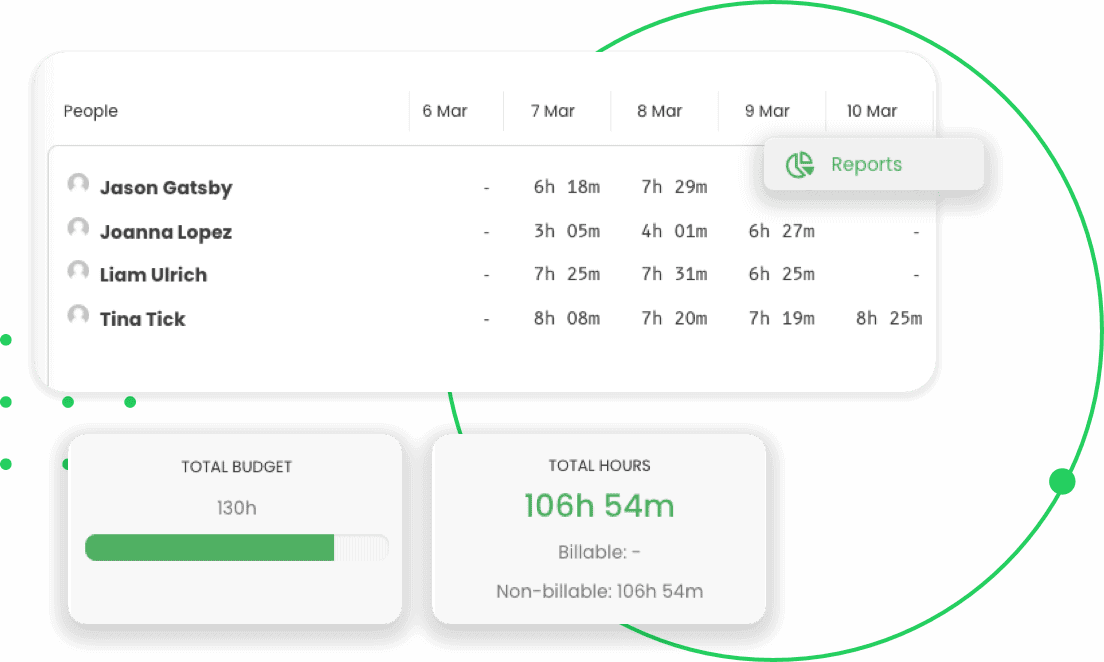 Source: hbr.org
 Source: Zippia.com
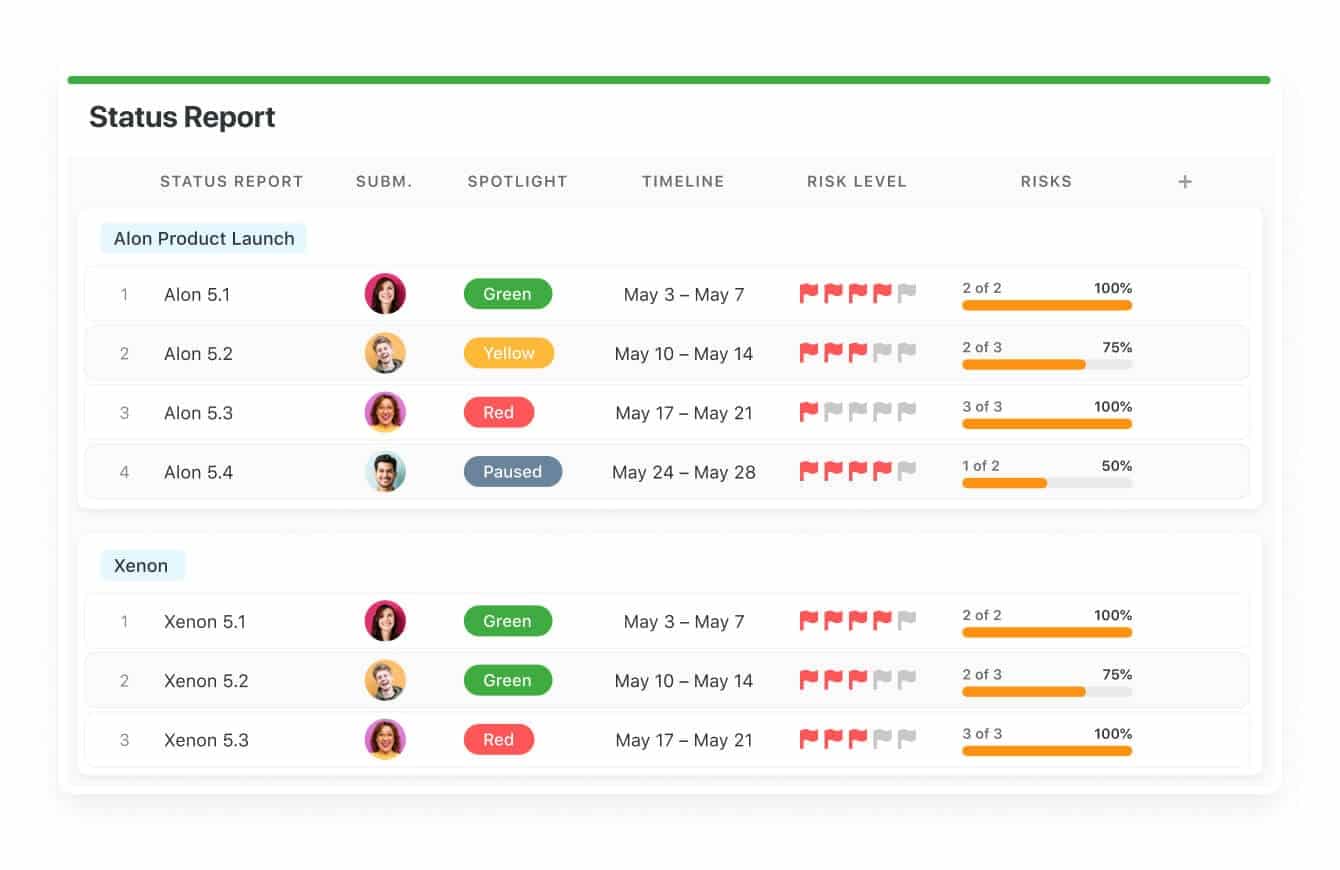 Encourage Feedback
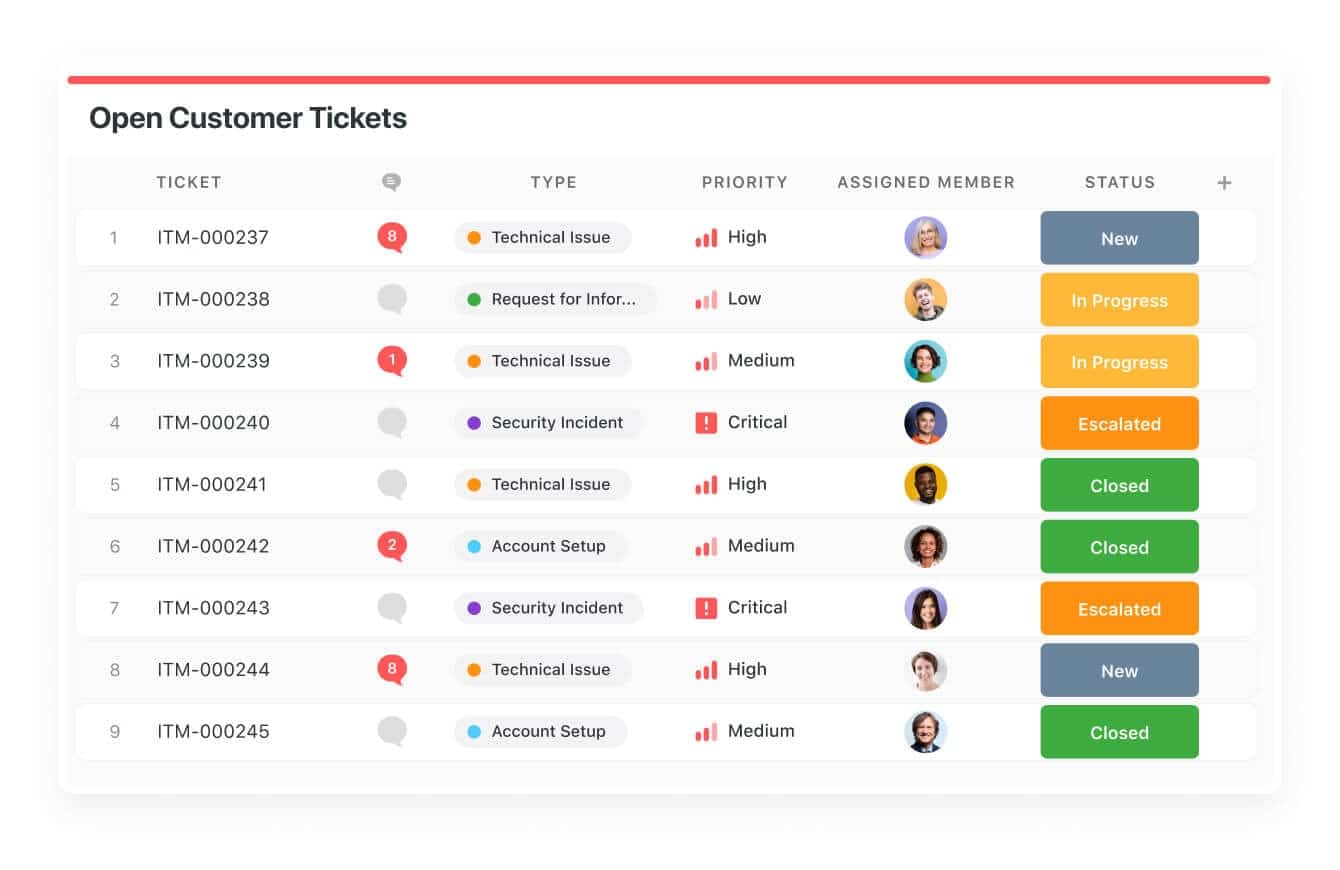 Process Automation
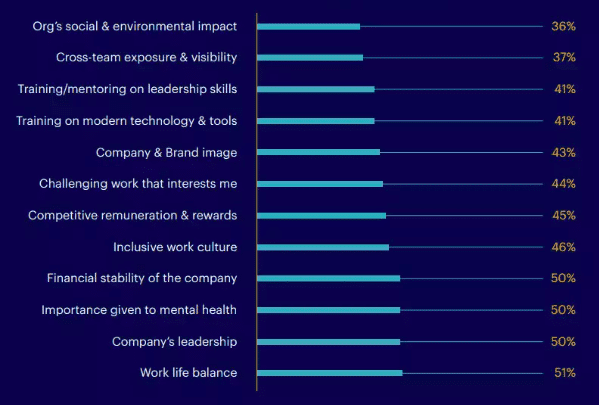
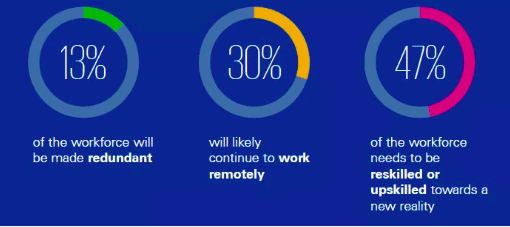
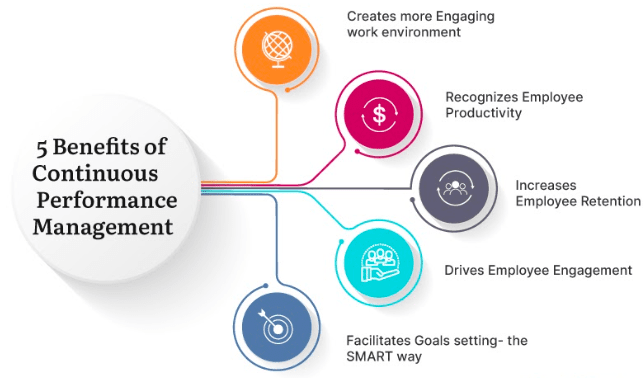 Source: Profit.co