Retain Talent with Predictive HR Analytics: Your Secret Weapon Against Turnover

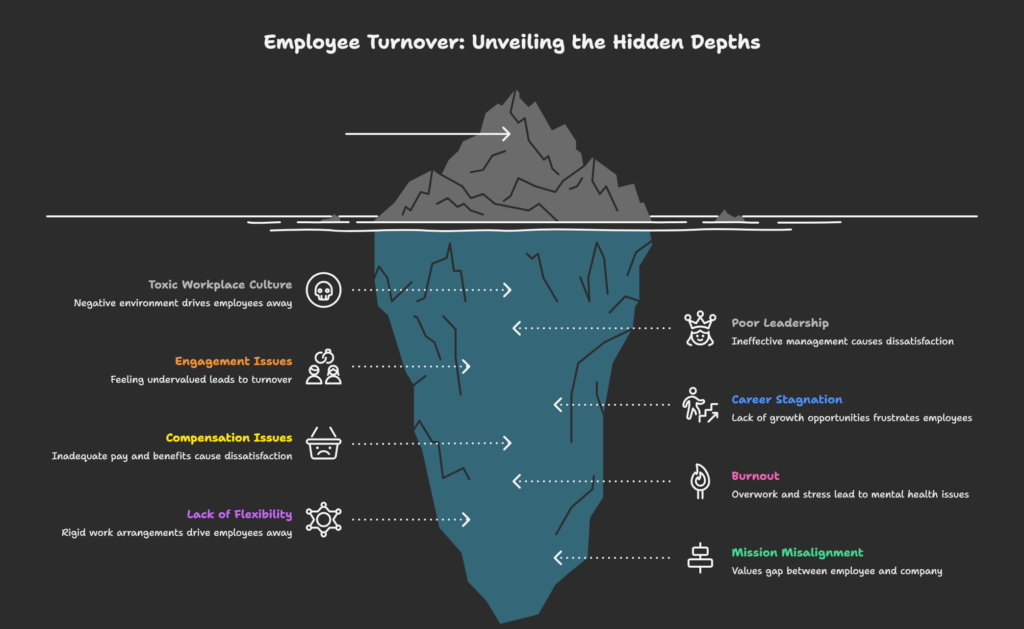
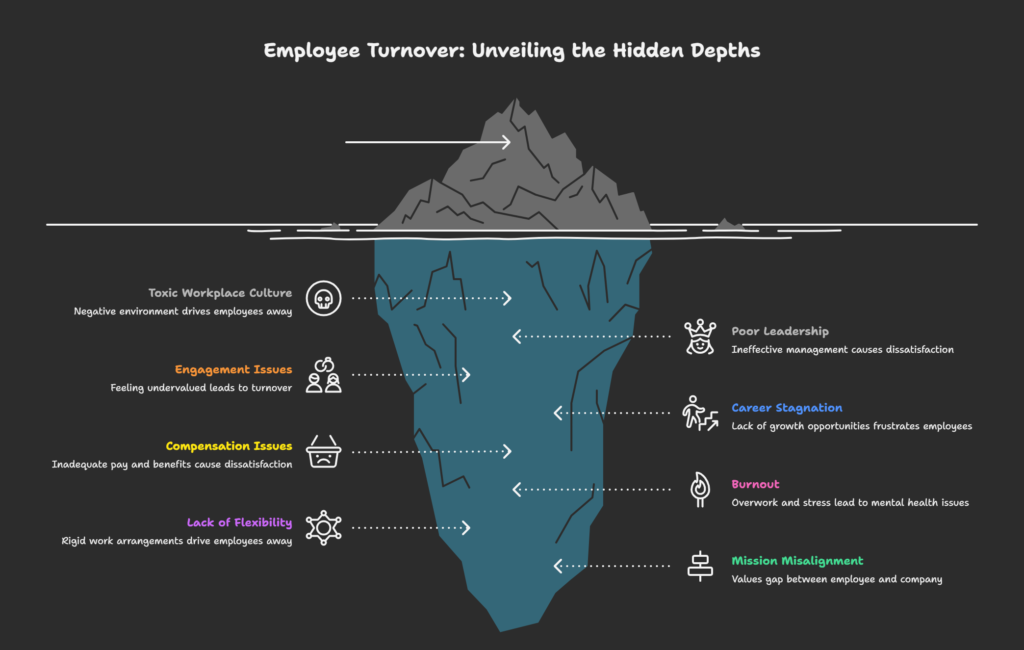
Employee turnover isn’t just a hassle; it’s hemorrhaging your budget. The average annual turnover costs companies $36,295 in lost productivity and recruitment expenses, with over 20% of organizations reporting this number climbs to $100,000 or more. But here’s the thing: 42% of employees who voluntarily left their organization report that their manager or organization could have done something to prevent them from leaving.

That’s where predictive HR analytics comes in. Instead of watching your best people walk out the door and wondering what went wrong, you can actually see it coming—and do something about it.

What Is Predictive HR Analytics (And Why Should You Care)?

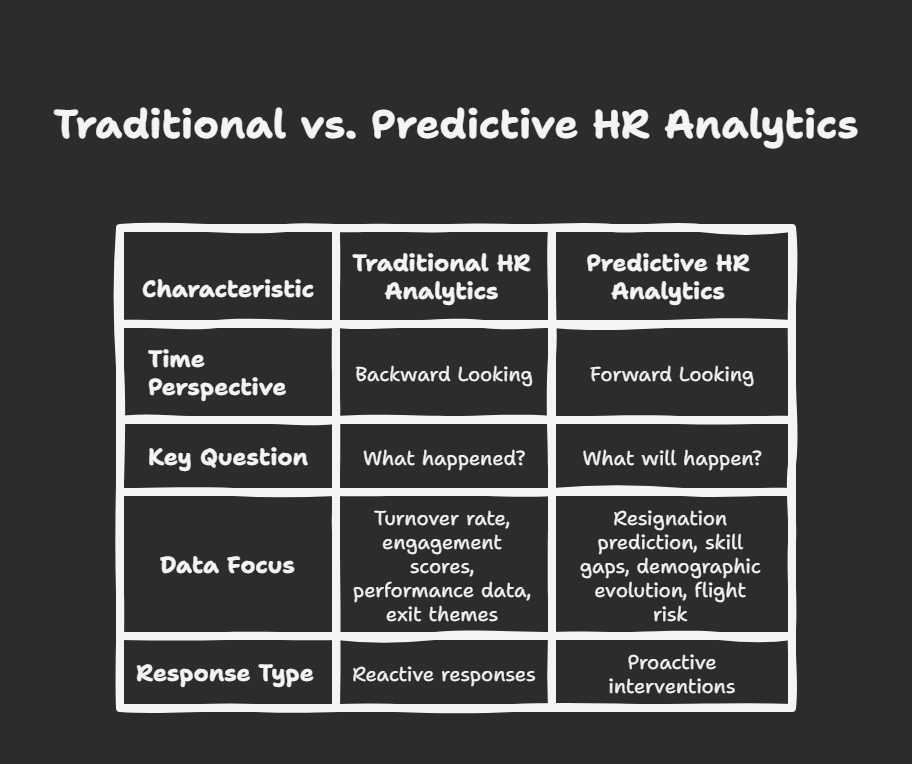
Think of predictive HR analytics as your workforce weather forecast. Traditional HR analytics tells you what already happened—like last quarter’s turnover rate or last year’s engagement scores. Predictive HR analytics uses historical data, statistical algorithms, and machine learning to show you what’s likely to happen next.

It answers questions like: Which employee is likely to resign in the next 6 months? Which skills will be in high demand based on company’s business priorities? How will workforce demographics evolve over the next 3-5 years?

The shift from reactive to proactive isn’t just nice to have—it’s becoming essential. According to a Deloitte survey, 70% of companies reported using data analytics to support HR decision-making in 2022, and by 2025, its use is predicted to exceed 80%.

The Real Cost of Getting Retention Wrong

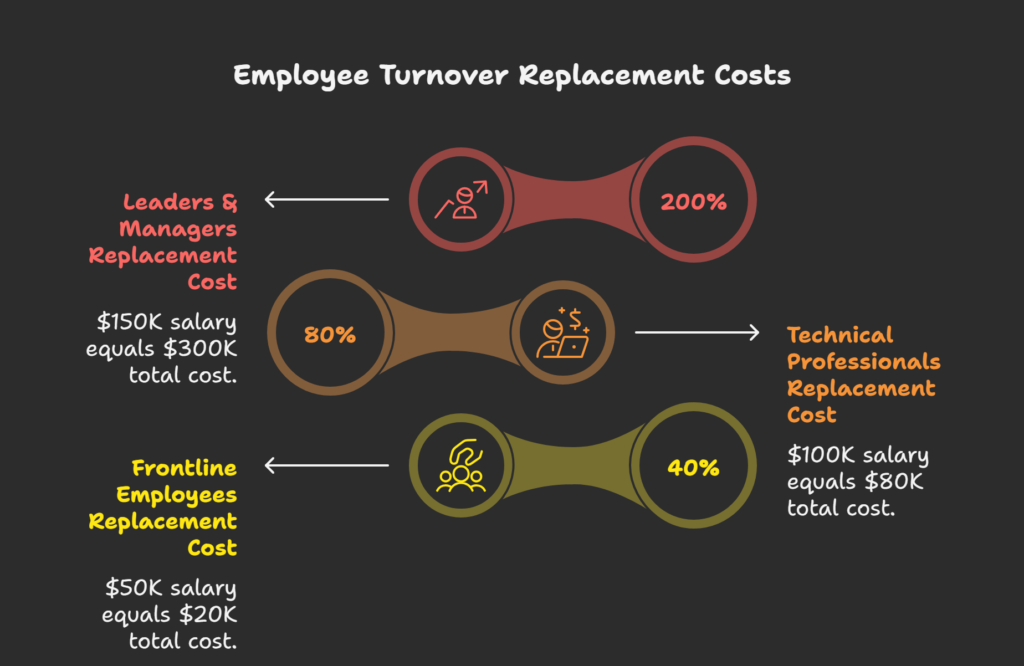
Before we dive into solutions, let’s talk numbers. Gallup estimates that replacing leaders and managers costs around 200% of their salary, professionals in technical roles 80% of their salary, and frontline employees 40% of their salary.

But the financial hit is just the beginning. You’re also losing:

Institutional knowledge that took years to build. When Sarah from finance leaves, she takes five years of process optimization and client relationships with her.

Team morale and productivity. About 73% of hiring decision-makers say employee turnover burdens existing employees. The people who stay end up carrying extra workload while you scramble to backfill roles.

Competitive advantage. More than 50% of all organizations globally have difficulty retaining some of their valued talents, and your competitors are actively targeting your best performers.

The labor market is volatile. According to Gallup’s Employee Retention and Attraction Indicator, 51% of U.S. employees—roughly 1 in 2 workers—are either actively searching for or watching for new job opportunities. That means half your team has one foot out the door.

How Predictive HR Analytics Actually Works

Here’s what makes predictive HR analytics different from the reports gathering dust in your HR dashboard. This is powered by the best HR analytics softwares that integrate multiple workforce data points.

From Reactive to Proactive

Traditional HR looks backward. Predictive HR analytics looks forward by analyzing patterns across multiple data points:

  • Engagement survey scores and trends over time
  • Performance review ratings and improvement trajectories
  • Absenteeism patterns and leave usage
  • Employee tenure and career progression timelines
  • Compensation relative to market benchmarks
  • Training completion rates and skill development
  • Manager effectiveness scores
  • Communication patterns and collaboration metrics

When these data points start trending in certain directions, the system flags potential flight risks before they hand in their resignation.

Real-World Application: HP and Google

Hewlett-Packard has used a predictive analytics program that uses statistical modeling and text mining to predict and prevent employee turnover successfully. They’re not waiting for exit interviews to learn why people leave—they’re catching problems early.

Google’s HR team (People Operations) uses predictive HR analytics to assess employees’ productivity and optimize people processes aligned with their work culture. When you’re competing for the best talent in tech, you can’t afford to lose people because of fixable problems.

Five Ways Predictive HR Analytics Transforms Retention

1. Identify Flight Risks Before They Job Hunt

The most powerful use case? Spotting employees likely to leave before they start updating their LinkedIn profile.

Predictive analytics can analyze patterns in employee data to identify flight risks or anticipate when new skill sets will be needed. Maybe engagement scores have been dropping for three consecutive quarters. Or someone’s manager effectiveness rating is consistently low. Or a high performer hasn’t received a promotion in three years while their peers advanced.

These patterns tell a story—and predictive HR analytics helps you read it before the final chapter.

The key is acting on these insights. Nearly half (45%) of voluntary leavers report that neither a manager nor another leader proactively discussed their job satisfaction, performance or future with the organization in the three months before leaving. The conversation doesn’t happen because managers don’t see the warning signs until it’s too late.

2. Optimize Your Hiring for Long-Term Fit

Predictive analytics allows HR teams to analyze historical hiring data and get insights into reliable and effective channels to get top talents. Which recruiting sources produce employees who stay longest? Which interview questions correlate with retention? Which managers have the best track record of keeping their teams intact?

Predictive analytics makes the hiring process smarter by analyzing patterns in employee data and demographics to identify potential top performers, ensuring the hiring process aligns with organizational goals.

Instead of filling seats, you’re building a sustainable workforce.

3. Anticipate and Address Skill Gaps

The business landscape is changing faster than ever. According to a report by Gartner, 49% of HR leaders had identified the future of work as a top priority, with 46% indicating an increased investment in future of work initiatives.

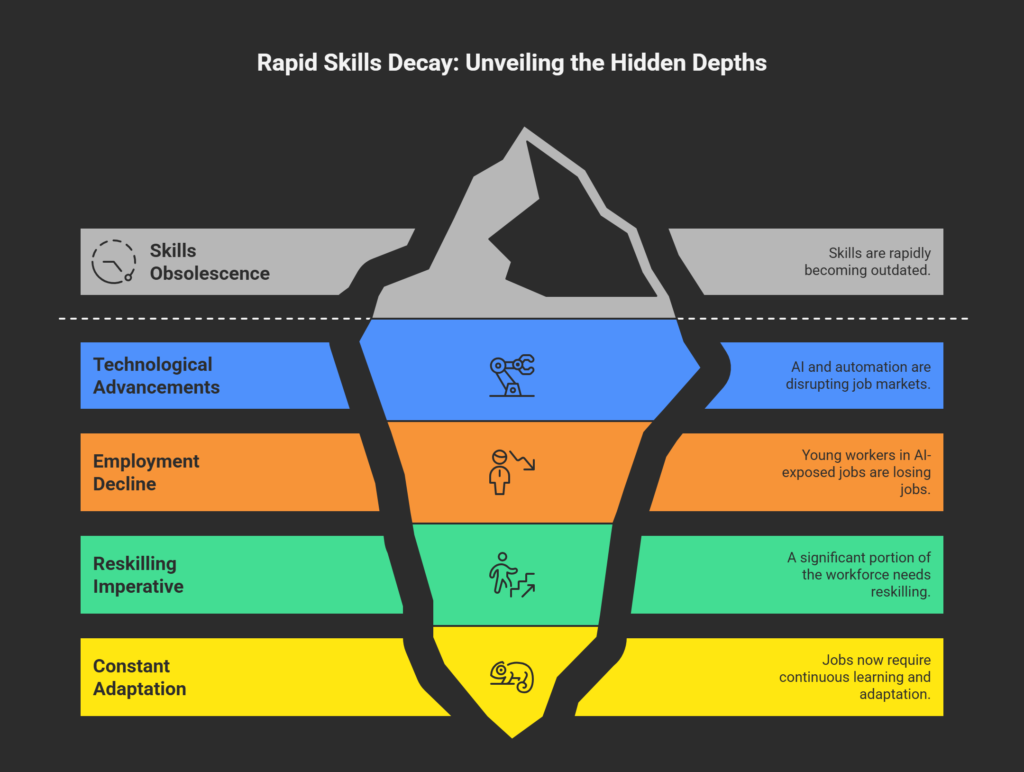
If a company anticipates a shift toward automation, predictive models can highlight which roles are most at risk and which skills will be in demand. This allows you to upskill current employees rather than losing them because their roles became obsolete.

Skills mapping isn’t just about filling today’s gaps—it’s about preparing for tomorrow’s needs. Employees who see a clear growth path are far more likely to stick around.

4. Personalize Employee Development

One-size-fits-all development programs are dead. Predictive HR analytics reveals what actually drives engagement and growth for different employee segments.

Maybe your engineering team values technical certifications while your sales team prioritizes leadership development. Perhaps early-career employees need mentorship while mid-career professionals want autonomy. Companies that utilize predictive analytics for human resources are 3x more likely to improve workforce planning and retention rates.

When you tailor development to individual needs, employees feel seen and invested in. That emotional connection is what keeps them engaged when recruiters come calling.

5. Improve Manager Effectiveness

Here’s an uncomfortable truth: managers are often the reason people quit. When asked what their manager or organization could have done to prevent them from leaving, the most common responses were providing additional compensation or benefits (30%), but 70% of preventable leavers reported actions more directly related to how they are managed daily such as creating more positive personal interactions with their manager (21%), addressing frustrating organizational issues (13%), or creating opportunities for career advancement (11%).

Predictive HR analytics can identify which managers consistently have high turnover on their teams, declining engagement scores, or poor employee development outcomes. Then you can intervene with coaching, training, or—when necessary—structural changes.

IBM artificial intelligence is now 95% accurate in predicting workers who are planning to leave their jobs, and much of that predictive power comes from analyzing manager-employee relationships.

The technology keeps getting smarter, and the applications keep expanding.

AI and Machine Learning Integration

According to a McKinsey report, 70% of HR leaders believe that leveraging HR analytics will be essential for gaining a competitive edge over the next five years. The global HR technology market is expected to soar from $40.45 billion in 2024 to $81.84 billion by 2032, showcasing a robust compound annual growth rate of 9.2%.

AI isn’t replacing HR professionals—it’s giving them superpowers. The algorithms can process millions of data points to surface insights that would take humans months to uncover manually.

Real-Time Analytics

The quarterly engagement survey is becoming obsolete. Modern predictive HR analytics platforms provide real-time insights into employee sentiment, collaboration patterns, and engagement levels.

This means you can catch problems when they’re small and fixable rather than waiting until your annual review cycle reveals mass dissatisfaction.

Predictive Analytics for Employee Experience

38% of HR teams are already leveraging artificial intelligence to enhance their operations, with predictive analytics becoming a cornerstone for anticipating workforce needs and improving employee retention.

The focus is shifting from predicting who will leave to predicting how to create experiences that make people want to stay.

Getting Started: Implementation Roadmap

Ready to move from reactive to proactive? Here’s how to begin.

Step 1: Audit Your Data

You can’t predict the future without understanding the past. Gather data on:

  • Turnover rates and patterns (by department, role, tenure, manager)
  • Engagement survey results over time
  • Performance review data
  • Compensation and promotion history
  • Exit interview themes
  • Time-to-hire and source effectiveness

The more complete your historical data, the more accurate your predictions will be.

Step 2: Define Your Key Retention Metrics

What matters most to your organization? High-value roles with long replacement times? Diversity in leadership pipeline? Early-career retention?

Different organizations have different retention priorities. Be clear about yours so you can focus your predictive models on the outcomes that matter.

Step 3: Choose the Right Technology

You don’t need to build everything from scratch. Modern HR platforms often include predictive analytics capabilities. Look for solutions that:

  • Integrate with your existing HRIS
  • Provide actionable insights, not just data dumps
  • Offer user-friendly dashboards for non-technical users
  • Include privacy and security safeguards for sensitive employee data

Step 4: Train Your Team

Predictive HR analytics requires a new skill set. Invest in training for:

  • Data literacy: Understanding what the metrics actually mean
  • Insight interpretation: Translating predictions into action
  • Privacy and ethics: Using data responsibly and transparently
  • Change management: Helping employees understand how data improves their experience

Step 5: Start Small and Scale

Don’t try to predict everything at once. Pick one high-impact use case—maybe identifying flight risks in your sales team or optimizing hiring for your engineering department.

Learn what works, refine your approach, and then expand to other areas.

Common Pitfalls to Avoid

Predictive HR analytics is powerful, but it’s not foolproof. Watch out for these mistakes:

Over-relying on algorithms without human judgment. Data shows correlations, not causations. A manager should always review predictive insights and apply context before taking action.

Ignoring data privacy concerns. Employees need to trust that their data is being used to help them, not spy on them. Be transparent about what data you collect and how it’s used.

Focusing only on retention without addressing root causes. If your model predicts someone will leave, the solution isn’t just throwing money at them. Figure out why they’re unhappy and fix the actual problem.

Forgetting the human element. When asked what their manager could have done to prevent them from leaving, employees cited more positive personal interactions with their manager, addressing organizational issues, and creating career advancement opportunities. Technology enables better decisions, but relationships retain talent.

The Bottom Line: Predictive HR Analytics Isn’t Optional Anymore

The organizations winning the war for talent aren’t the ones paying the most—they’re the ones being most strategic about retention.

HR data analytics has emerged as a crucial enabler in shaping the future of work and workforce planning, and predictive capabilities are at the heart of that transformation.

Your competitors are already using these tools. The global HR analytics market has demonstrated strong growth at a CAGR of 13.4%, projected to reach $9.9 billion by 2032. The question isn’t whether to adopt predictive HR analytics—it’s how quickly you can implement it effectively.

Start by identifying your biggest retention challenge. Use predictive analytics to understand the patterns driving that challenge. Take proactive action based on those insights. Measure your results and refine your approach.

The talent you save could be the difference between hitting your goals and watching your competitors eat your lunch.

FAQs

What is predictive HR analytics and how does it work?

Predictive HR analytics is the use of historical workforce data, statistical models, and machine learning to forecast future employee outcomes such as turnover, performance, or skill gaps.

It analyzes patterns across engagement scores, performance reviews, absenteeism, compensation history, and manager effectiveness. When specific trends emerge—like declining engagement combined with stalled promotions—the system flags potential risks. Unlike traditional HR reporting, which explains past events, predictive analytics helps leaders take proactive action.

How can companies predict which employees are likely to leave?

Organizations predict turnover risk by combining multiple data signals into a flight risk model. Common indicators include:

• Declining engagement survey trends
• Reduced performance trajectory
• Long tenure without promotion
• Pay gaps versus market benchmarks
• High absenteeism patterns

Advanced people analytics tools use machine learning to detect correlations that human reviewers may miss. However, predictions should always be validated with manager context and one-on-one conversations.

What data is needed to implement workforce forecasting successfully?

Effective workforce forecasting requires clean, integrated data from multiple HR systems. Key inputs include:

• Historical turnover rates by role and manager
• Performance and promotion history
• Compensation benchmarking data
• Skills inventories and training completion rates
• Engagement and pulse survey results

Integration with your HRIS ensures accuracy and reduces manual reporting errors. The more consistent and complete your data, the more reliable your predictive models become.

Is predictive HR analytics only useful for large enterprises?

Predictive analytics is not limited to large enterprises; mid-sized organizations can benefit significantly, especially in high-turnover industries.

Modern HR technology platforms offer built-in analytics dashboards that simplify implementation without requiring in-house data scientists. Even basic models—like identifying teams with rising attrition trends—can improve retention strategy. Starting with one use case, such as sales team turnover, allows smaller organizations to test ROI before scaling.

How do you measure the ROI of predictive analytics in HR?

The ROI of predictive HR analytics is measured by reduced turnover costs, improved retention rates, and stronger workforce planning accuracy.

Key metrics include:

• Reduction in voluntary attrition percentage
• Cost savings from avoided replacement expenses
• Improvement in engagement or manager effectiveness scores
• Shorter time-to-fill for critical roles

For example, preventing the exit of a high-performing manager—whose replacement may cost up to 200% of salary—can justify the investment quickly. Tracking before-and-after retention data strengthens your business case.

Ethics in Performance Management: Building Fair, Transparent, and Trust-Driven Reviews

Imagine an employee gives their all for an entire year, consistently exceeding expectations. Then comes review season, and they receive a lukewarm evaluation based on one recent mistake. Or worse—they’re rated lower than a colleague with similar performance, simply because their manager unconsciously favors people who remind them of themselves.

This isn’t just frustrating. It’s unethical. And it happens more often than you’d think.

A full 25% of employees feel their performance reviews were negatively affected by their supervisor’s personal biases. That’s one in four people who don’t trust the fairness of the system that determines their compensation, promotions, and career trajectory.

Here’s the reality: performance management isn’t just about tracking metrics and hitting goals. At its core, it’s about treating people fairly, transparently, and with respect. When ethics guide your performance management system, you don’t just create better reviews—you build trust, boost engagement, and retain your best talent.

Let’s explore why ethics in performance management matters more than ever, how bias sabotages even well-intentioned systems, and what you can do to build an evaluation process that’s genuinely fair.

Why Ethics in Performance Management Matters

Ethics in performance management is about ensuring fairness, transparency, and respect in evaluating employees. It’s not just about tracking metrics—it’s about recognizing people’s contributions in a way that motivates them to grow.

As Vinod Bidwaik, author and HR thought leader, puts it: “Transparency and openness are key to any effective performance management system.”

When your performance management system operates ethically, employees understand exactly how they’re being evaluated. There are no moving targets, no vague feedback, and no hidden agendas. Managers use clear, objective criteria instead of personal opinions or unconscious biases.

The impact? 77% of ethics and compliance professionals indicate their organizations now emphasize values rather than rules to motivate ethical behavior—a 27 percentage-point increase from 2016. This shift reflects a fundamental understanding: people perform better when they feel the system is fair.

The Business Case for Ethical Performance Management

Ethical performance management isn’t just the “right thing to do”—it’s a strategic imperative. Organizations with ethical performance systems see tangible benefits:

Higher Employee Engagement: When employees trust that performance reviews are fair, they’re more motivated to improve and contribute. 85% of employees report higher engagement levels through regular manager check-ins, especially when those conversations are transparent and development-focused.

Better Retention: Organizations emphasizing continuous feedback and development achieve 31% lower turnover rates versus traditional approaches. People stay where they feel valued and fairly treated.

Reduced Legal Risk: Biased performance reviews can lead to discrimination lawsuits, damage to your employer brand, and costly settlements. An ethical system protects both employees and the organization.

Improved Performance: When people trust the process, they’re more willing to receive feedback and act on it. Fair evaluations create a culture of continuous improvement rather than defensive posturing.

As Dave Ulrich, co-founder of The RBL Group, explains: “Good performance accountability is about having a positive conversation between manager and employee. A manager is a coach and communicator, not command and controller.”

The Hidden Cost of Bias in Performance Reviews

Bias is the silent killer of ethical performance management. Even well-intentioned managers bring unconscious prejudices into evaluations, distorting what should be objective assessments.

The numbers paint a sobering picture:

Women are 7 times more likely than men to internalize negative stereotypes like “emotional”, while men are 4 times more likely than people of other genders to be positively stereotyped as “likable”. These patterns don’t reflect actual performance—they reflect deeply ingrained social biases.

The impact extends across demographics: LGBTQ+ employees are 35% more likely to report that their supervisor’s personal biases negatively impacted their performance reviews, while for Asian employees, that number jumps to 54%.

Common Types of Performance Review Bias

Understanding bias is the first step to eliminating it. Here are the most prevalent forms:

1. Recency Bias This is probably affecting your organization right now. Recency bias happens when the employee’s most recent performance level skews the opinion of the total work for the cycle being evaluated. An employee who performed brilliantly for 11 months but struggled in month 12 gets rated as if they struggled all year.

Example: Sarah led three successful product launches in Q1-Q3, but her Q4 project hit delays due to supply chain issues beyond her control. Her manager, focused on recent events, rates her as “needs improvement.”

2. Halo and Horns Bias Halo bias is the tendency to give overall favorable ratings due to strong performance in only one or two areas, while horns bias is the opposite—one weakness colors the entire evaluation.

Example: Marcus is always the first person in the office, creating a “halo” that makes his manager overlook his missed deadlines and incomplete projects.

3. Similar-to-Me Bias We naturally favor people who remind us of ourselves—same background, similar interests, familiar communication style. This unconscious preference can dramatically skew evaluations.

Example: A manager who attended a prestigious university consistently rates fellow alumni higher than equally qualified employees from other schools.

4. Contrast Bias This occurs when managers compare employees to each other rather than against established performance standards.

Example: An employee meets all their goals and performs well by objective measures, but their manager rates them lower because they’re not quite as exceptional as the team’s superstar performer.

5. Gender and Affinity Bias White and Asian people are 2 times more likely to be positively stereotyped as “intelligent” compared to Hispanic/Latino and Black people. These systemic biases infiltrate performance reviews unless actively countered.

Example: A female manager is described as “aggressive” for the same assertive communication style that would earn a male manager praise for being “decisive” and “strong.”

Building an Ethical Performance Management System

Creating an ethical performance management system isn’t about perfection—it’s about intentional design, ongoing vigilance, and commitment to fairness at every level.

1. Establish Clear, Objective Criteria

Vague evaluation standards invite bias. Instead, create specific, measurable criteria that leave little room for subjective interpretation.

What this looks like:

  • Define what “meets expectations” means for each role with concrete examples
  • Use competency frameworks that specify observable behaviors
  • Create rating scales with detailed descriptions for each level
  • Document examples of performance at different rating levels

Organizations that effectively build diverse teams at every level are 69% more likely than ineffective organizations to analyze performance ratings for bias against particular groups. The foundation? Clear standards that can be consistently applied.

2. Implement Continuous Feedback, Not Just Annual Reviews

Traditional annual reviews face rapid decline across industries, dropping from 82% of companies in 2016 to just 54% in 2019. There’s a good reason: annual reviews amplify bias and fail to support development.

Why continuous feedback works:

  • Reduces recency bias by documenting performance throughout the year
  • Creates opportunities for course correction before small issues become big problems
  • Builds trust through regular, transparent communication
  • Provides more data points, making it harder for one biased opinion to dominate

Companies that shifted to more frequent performance check-ins (two or more times per year) were associated with lower concerns about supervisor bias and enhanced clarity regarding advancement opportunities.

Practical implementation:

  • Schedule quarterly formal reviews with monthly check-ins
  • Use performance management software to document ongoing conversations
  • Train managers to give specific, timely feedback rather than saving everything for review season
  • Create a feedback culture where employees also share upward feedback

3. Use 360-Degree Feedback to Counter Single-Point Bias

Over half of organizations still rely only on an employee’s manager to evaluate performance, creating an absence of alternative perspectives and a single “point of failure” when it comes to identifying and interrupting bias.

The solution? Gather perspectives from multiple sources:

  • Direct manager
  • Peers who collaborate with the employee
  • Direct reports (for managers)
  • Cross-functional partners
  • Self-assessment from the employee

This crowdsourcing approach helps neutralize individual biases by bringing diverse viewpoints into the evaluation. When five people consistently observe someone’s strong project management skills, it’s harder for one biased manager to claim otherwise.

4. Train Managers on Bias Recognition and Mitigation

More than 90% of this year’s World’s Most Ethical Companies provide dedicated training for people managers, focused on their unique role in fostering a culture of integrity and psychological safety.

But here’s the critical point: anti-bias training alone is not enough. Research shows that required training alone can have mixed or even negative results. The key to improving the effects of training is to make it part of a wider program of change.

Effective training includes:

  • Interactive scenarios that help managers recognize their own biases
  • Practice sessions with peer feedback
  • Regular refreshers, not one-and-done workshops
  • Integration with accountability measures (like having managers’ reviews audited for bias)
  • Resources managers can reference during actual review writing

5. Leverage Data Analytics to Detect Bias Patterns

High-performing ethics and compliance programs are 2.1 times more likely to leverage data from a variety of sources to guide program focus and development.

Apply this same rigor to performance management:

What to analyze:

  • Rating distributions across demographic groups
  • Patterns in who gets promoted (and who doesn’t)
  • Differences in feedback language used for different groups
  • Correlation between ratings and subsequent outcomes
  • Manager-specific trends that might indicate bias

Example analysis: If your data shows that women consistently receive lower ratings than men in technical roles despite similar objective metrics (projects completed, code quality, etc.), you’ve identified a bias problem that needs addressing.

Technology can help. AI-powered tools can flag biased language in performance reviews, alert HR to unusual rating patterns, and provide managers with real-time suggestions for more objective feedback.

6. Create Transparent Performance Calibration Sessions

Calibration meetings—where managers discuss their ratings before finalizing them—are one of the most effective bias-reduction tools.

How they work:

  • Managers present their planned ratings for their team members
  • Peers challenge evaluations that seem inconsistent with evidence
  • HR facilitates discussion to ensure consistency across teams
  • Managers must justify ratings with specific examples
  • Group consensus helps identify and correct outliers

This process creates accountability. A manager who realizes they’ll need to defend their ratings in front of peers is more likely to evaluate carefully and fairly.

7. Make Development the Focus, Not Just Evaluation

Ethical performance management shifts the conversation from “How do I judge you?” to “How do I help you grow?”

As Rob Burn, President of L & L Solutions, states: “Performance should be an expectation of employment and it is the leader’s job to create an environment where maximum performance is possible.”

This means:

  • Starting every review conversation with strengths, not weaknesses
  • Co-creating development plans rather than dictating them
  • Providing resources and support for growth
  • Celebrating progress, not just endpoints
  • Recognizing that people develop at different paces and through different paths

When performance management is genuinely developmental, employees engage with feedback rather than defending against it. The process becomes collaborative rather than adversarial.

Red Flags: Signs Your Performance Management System Has Ethical Issues

Watch for these warning signs:

Lack of Trust: Gen Z employees report the lowest managerial trust levels, and E&C professionals report a 42-point disparity between executives and middle managers on ethical decision-making. If employees don’t trust the process, there’s likely a good reason.

Rating Compression: When every employee gets a rating of 3 out of 5 (or similar middling scores), managers might be avoiding difficult conversations or don’t have clear standards.

Demographic Patterns: If promotions consistently go to one demographic group while others remain stuck, your system has a bias problem.

Generic Feedback: When reviews are filled with vague platitudes like “needs to be more strategic” without specific examples, managers aren’t doing the work—or they’re avoiding honest assessment.

High Turnover After Reviews: If good employees regularly leave shortly after performance reviews, they’re likely getting feedback that feels unfair or demoralizing.

Lack of Documentation: If performance conversations happen verbally with no written record, there’s no accountability and no protection against bias or inconsistency.

The Path Forward: Creating a Culture of Ethical Performance Management

Ethics in performance management isn’t achieved through a single policy change or training session. It requires ongoing commitment, starting from the top.

The 2025 Ethics Premium—the margin by which publicly traded honorees of the World’s Most Ethical Companies designation outperformed a comparable global index over the previous five years—is nearly 8%. Ethical practices aren’t just morally right; they’re financially smart.

Here’s your action plan:

Immediate (Next 30 days):

  • Audit your current performance review process for bias risks
  • Survey employees about their trust in the performance management system
  • Identify quick wins (like moving to quarterly rather than annual reviews)

Short-term (Next 90 days):

  • Implement bias training for all people managers
  • Create clear, documented evaluation criteria for each role
  • Set up data tracking to monitor rating patterns by demographic

Long-term (Next year):

  • Transition to continuous feedback culture with supporting technology
  • Establish regular calibration sessions
  • Build 360-degree feedback into your standard process
  • Create accountability measures that tie manager effectiveness to fair evaluation practices

Remember Howard Schultz’s wisdom: “I think the currency of leadership is transparency. You’ve got to be truthful.” This applies equally to performance management. When leaders commit to transparency and fairness, employees notice—and they respond with increased engagement, loyalty, and performance.

The Bottom Line

Ethics in performance management isn’t a “nice-to-have”—it’s a fundamental requirement for any organization that wants to attract, develop, and retain talented people.

When employees trust that they’ll be evaluated fairly, they take risks, voice ideas, and invest themselves fully in their work. When they suspect bias, they disengage, job-hunt, and do the minimum required.

The choice is yours. Will you perpetuate systems that allow bias to flourish under the guise of “subjectivity”? Or will you build a performance management process grounded in fairness, transparency, and genuine development?

As 77% of ethics professionals have learned, emphasizing values over rules is what motivates ethical behavior. The same principle applies to performance management: clear values, consistent application, and visible commitment to fairness will always outperform complex rules that people find ways around.

Start today. Your employees—and your organization’s future—depend on it. If you’re rethinking how to make performance management more fair, transparent, and continuous, it may be worth requesting a demo to see how modern systems support this shift.

FAQs

What does ethics in performance management mean?

Ethics in performance management refers to evaluating employees fairly, transparently, and without personal bias. An ethical system uses clear criteria, consistent standards, and documented evidence rather than subjective opinions. It ensures employees understand how decisions about ratings, pay, and promotions are made. When reviews are ethical, employees trust the process and are more open to feedback. This trust directly impacts engagement and retention.

How does bias affect employee performance reviews?

Bias distorts performance reviews by prioritizing perception over actual contribution. Common forms include recency bias, halo or horns bias, and similar-to-me bias. These biases can cause strong performers to be undervalued or average performers to be overrated. Research shows one in four employees believes personal bias negatively affected their review, which erodes trust and motivation. Over time, biased evaluations lead to poor promotion decisions and higher turnover.

Why is ethical performance management important for retention and engagement?

Ethical performance management strengthens engagement because employees feel respected and fairly treated. When people trust their evaluations, they are more likely to act on feedback and invest in their development. Organizations with transparent feedback and continuous check-ins see significantly lower turnover rates. As leadership expert Dave Ulrich emphasizes, performance conversations should be coaching-oriented, not punitive.

What practices help reduce bias in performance evaluations?

Reducing bias requires intentional system design and manager accountability. Effective practices include:
• Clear, behavior-based performance criteria
• Regular check-ins instead of annual-only reviews
• 360-degree feedback to balance perspectives
• Calibration sessions to normalize ratings across teams
• Analytics to detect demographic or manager-level patterns

These steps limit subjectivity and create consistency.

How can organizations build a more ethical performance management system?

Organizations can build ethical performance systems by prioritizing transparency, development, and data-driven oversight. Start by defining objective standards for each role, training managers to recognize bias, and documenting feedback throughout the year. Use technology to track trends and flag inconsistencies. Thought leaders like Brené Brown note that unclear feedback is ultimately unkind. Ethical systems replace ambiguity with clarity and growth-focused dialogue.

13 ESG Metrics HR Leaders Should Use To Track Performance

Walk into any boardroom today and ESG is on the agenda. Not as a nice-to-have checkbox exercise, but as a fundamental business priority that directly impacts your bottom line, talent retention, and competitive positioning.

Here’s what the data tells us: companies with strong ESG practices see 24% less turnover in low-turnover industries and 59% less turnover in high-turnover organizations. That’s not marginal improvement. That’s transformational.

77.2% of S&P 500 companies now incorporate ESG performance into their executive compensation design, and 75% of HR leaders report that ESG strategies positively impact employee engagement. The message couldn’t be clearer: ESG metrics aren’t optional anymore. They’re essential for tracking organizational health and driving sustainable growth.

But here’s where most organizations stumble. They know ESG matters, but they don’t know which metrics to track or how to measure them effectively. They create dashboards full of vanity metrics that look impressive in presentations but don’t drive real change.

This guide cuts through the noise. We’ll walk through 13 ESG metrics that actually move the needle for HR leaders, complete with measurement methodologies, industry benchmarks, and practical examples you can implement immediately.

Why HR Owns ESG Performance

Before diving into specific metrics, let’s address the elephant in the room: why is HR responsible for ESG tracking?

86% of employees in organizations with strong ESG commitments say they feel proud to be part of their organization. That pride translates directly into retention, productivity, and employer brand strength. 19% of surveyed workers value ESG policies as much as or more than their salary, while 38% put compensation first but still consider ESG policies crucial in their job choices.

Dr. Dieter Veldsman, Chief HR Scientist at AIHR, captures this perfectly: “For ESG to have an impact, it has to speak to the hearts and minds of employees while also gathering the right commitment from executive teams. That way, ESG becomes practical, aligned to business goals, and helps instill the desired culture of accountability that the organization aims for.”

Your employees aren’t just looking for paychecks. They’re evaluating whether your organization’s values align with theirs. 40% of millennials and Gen Z workers prefer to work for companies with strong sustainability credentials. If you’re not tracking and improving ESG performance, you’re losing talent to competitors who are.

Environmental Metrics for HR

1. Remote Work & Commuting Emissions Reduction

Environmental sustainability might seem outside HR’s traditional wheelhouse, but your workforce policies directly impact your organization’s carbon footprint.

What to measure: Percentage of employees working remotely or hybrid, estimated carbon emissions saved from reduced commuting, and business travel miles per employee.

Why it matters: Transportation accounts for a significant portion of organizational emissions. When you shift 500 employees from daily commutes to hybrid work with three remote days per week, you’re not just offering flexibility. You’re potentially reducing annual carbon emissions by hundreds of metric tons.

How to measure it:

  • Track remote vs. on-site workforce distribution monthly
  • Calculate average commute distance (employee surveys)
  • Use EPA’s greenhouse gas equivalencies calculator to convert commuting patterns into CO2 savings
  • Monitor business travel bookings through your corporate travel system

Example calculation: If your average employee commutes 30 miles round-trip and works remotely 3 days per week, that’s 90 miles saved weekly. At approximately 404 grams of CO2 per mile for an average vehicle, each employee saves roughly 36 kilograms of CO2 weekly, or about 1,872 kilograms annually.

Benchmark: Companies implementing hybrid policies typically see 30-50% reduction in commuting-related emissions within the first year.

2. Sustainable Benefits Adoption

Your benefits package either supports or undermines your environmental commitments.

What to measure: Uptake rates of eco-friendly benefits including electric vehicle incentives, sustainable commuting stipends, green retirement fund options, and programs that reduce healthcare resource consumption.

Why it matters: 41% of employees say they’re more likely to stay with companies that offer ESG-focused benefits. But what truly matters is the gap between what you offer and what employees actually use. A comprehensive green benefits program with 5% adoption isn’t a sustainability strategy. It’s window dressing.

How to measure it:

  • Calculate enrollment rates for each sustainable benefit option
  • Track total dollar value of eco-incentives claimed
  • Survey employees on awareness and barriers to adoption
  • Compare adoption rates year-over-year

Red flag: If you’re promoting ESG constantly but your sustainable benefits have less than 15% adoption, you’ve got a communication problem or a program design problem.

3. Environmental Training Participation

94% of workers surveyed said training existing employees on sustainability-related skills would build trust in a company’s ESG commitments.

What to measure: Percentage of employees completing environmental sustainability training, hours invested per employee, and post-training behavior change indicators.

Why it matters: You can’t expect employees to contribute to sustainability goals they don’t understand. Training creates awareness, but more importantly, it creates agency. Employees who understand your environmental priorities can make better daily decisions that align with those priorities.

How to measure it:

  • Track completion rates for mandatory vs. optional sustainability training
  • Monitor participation in voluntary environmental initiatives
  • Measure knowledge retention through pre and post-training assessments
  • Track behavioral metrics like waste reduction or energy conservation post-training

Smart approach: Set a goal for 100% participation across the organization, starting with leadership. When executives complete environmental training first, it signals that sustainability isn’t just an HR initiative but an organizational priority.

Social Metrics for HR

4. Workforce Diversity Representation

This is your foundation metric. Everything else in social ESG builds on diversity representation.

What to measure: Demographic representation across all organizational levels including gender, ethnicity, age, disability status, and other relevant dimensions specific to your location and industry.

Why it matters: Companies at the top for gender diversity in the executive team are 25% more likely to have above-average profitability. Yet women of color account for only 4% of C-suite leaders, highlighting massive room for improvement.

How to measure it:

  • Calculate percentage of underrepresented groups at each level (entry, mid-management, senior leadership, C-suite)
  • Track representation in high-visibility projects and committees
  • Monitor promotion rates by demographic group
  • Analyze hiring pipeline diversity at each stage

Critical insight: Don’t just measure representation at entry level. The real story is in your promotion pipeline. If you’re hiring diverse entry-level employees but they’re not advancing, you don’t have a diversity strategy. You have a retention problem disguised as progress.

Example framework:

  • Entry level: Target mirrors community demographics
  • Mid-management: Target within 10% of entry-level demographics
  • Senior leadership: Target within 15% of mid-management demographics
  • C-suite: Target within 20% of senior leadership demographics

5. Pay Equity Ratios

Diversity without equity is performative.

What to measure: Pay gaps across gender, race, and other demographic dimensions, adjusted for role, tenure, location, and performance. Also track executive-to-median employee compensation ratios.

Why it matters: Pay equity directly impacts trust, engagement, and retention. Employees who discover they’re underpaid relative to peers don’t just feel undervalued—they feel deceived. That perception destroys psychological safety and tanks engagement.

How to measure it:

  • Conduct annual pay equity audits using regression analysis
  • Calculate median pay ratios by demographic group within same roles
  • Track CEO-to-median worker pay ratio (SEC requires public companies to disclose this)
  • Monitor pay disparity trends over time

What good looks like: Pay differences within same role and experience level should be within 5% across demographic groups. Any variance beyond that requires justification and correction plans.

Governance consideration: 77.2% of S&P 500 companies now incorporate ESG performance into their executive compensation design. Link executive bonuses to pay equity improvements to accelerate progress.

6. Employee Engagement & Satisfaction

Engagement isn’t just an HR metric. It’s a social ESG indicator that reflects how well you’re creating a workplace where people can thrive.

What to measure: Overall engagement scores, satisfaction with inclusion initiatives, psychological safety indicators, and net promoter scores (eNPS) for employer brand.

Why it matters: Employee engagement stands at 62.6%, almost 2% higher than before the pandemic. However, only 53.2% of employees say they understand the thinking behind executive decisions. That gap between engagement and understanding represents a massive opportunity for improvement.

How to measure it:

  • Conduct quarterly pulse surveys with consistent questions
  • Track eNPS: “How likely are you to recommend this company as a place to work?”
  • Measure inclusion-specific metrics: “I can be my authentic self at work”
  • Monitor participation in employee resource groups and voluntary initiatives

Insight: Employees who are recognized are 45% less likely to leave within two years. Recognition directly impacts engagement, which impacts retention. Connect these dots in your reporting.

7. Training & Development Investment

A company that doesn’t invest in employee growth isn’t building for the future.

What to measure: Total training investment per employee, hours of training per employee annually, percentage of employees accessing learning opportunities, and skills gap closure rates.

Why it matters: Training signals that you view employees as appreciating assets, not depreciating resources. Organizations offering robust professional development opportunities report 34% higher retention rates.

How to measure it:

  • Calculate total L&D budget divided by employee headcount
  • Track average training hours per employee per year
  • Monitor internal mobility rates (promoted employees vs. external hires for open positions)
  • Survey employees on career development satisfaction

Benchmark: Leading organizations invest $1,500-$3,000 per employee annually in training and development. If you’re below $1,000, you’re likely losing talent to competitors who invest more in growth.

8. Voluntary Turnover Rate

Retention is the ultimate referendum on your social ESG performance.

What to measure: Voluntary turnover rate overall and segmented by demographic group, tenure, performance level, and reason for departure.

Why it matters: People don’t leave jobs. They leave managers, cultures, and broken promises. High voluntary turnover, especially among high performers or underrepresented groups, signals deeper issues with inclusion, opportunity, or values alignment.

How to measure it:

  • Calculate monthly and annual turnover rates: (departures / average headcount) × 100
  • Segment by regrettable vs. non-regrettable turnover
  • Track time-to-turnover (how long employees stay before leaving)
  • Conduct exit interviews and analyze themes

Critical analysis: If your overall turnover is 12% but turnover among women or minorities is 18%, that’s not a retention problem. That’s an inclusion problem. Disaggregate your data to identify where your ESG commitments are failing.

9. Health & Safety Metrics

Employee wellbeing extends beyond mental health to physical safety.

What to measure: Total Recordable Incident Rate (TRIR), Lost Time Injury Frequency Rate (LTIFR), near-miss reporting rates, and mental health support utilization.

Why it matters: These metrics are increasingly viewed through an ESG lens as indicators of how much an organization values employee wellbeing. Investors and stakeholders evaluate safety performance as a proxy for operational excellence and cultural health.

How to measure it:

  • TRIR = (Number of recordable cases × 200,000) / Total hours worked
  • LTIFR = (Number of lost time injuries × 1,000,000) / Total hours worked
  • Track near-miss reports per employee (higher reporting indicates positive safety culture)
  • Monitor mental health benefits utilization rates

Counterintuitive insight: Rising near-miss reporting can actually be a positive signal. It means employees feel safe reporting potential hazards before they cause injuries.

Governance Metrics for HR

10. Ethics Training & Code of Conduct Compliance

Strong governance starts with clear ethical standards that everyone understands and follows.

What to measure: Percentage of employees completing ethics training annually, time to completion for new hires, reported code of conduct violations, and resolution rates.

Why it matters: Ethics training completion isn’t just about compliance. It’s about creating a shared understanding of organizational values and acceptable behavior. Ethics training completion rates, code of conduct violation reports, and whistleblower program utilization help assess the effectiveness of governance initiatives.

How to measure it:

  • Track mandatory ethics training completion within 30 days of hire
  • Monitor annual refresher training completion rates
  • Record code of conduct violations by type and severity
  • Calculate time-to-resolution for ethics complaints

Target: 100% completion for mandatory ethics training within first 30 days of employment, and 98%+ annual refresher completion.

11. Board & Leadership Diversity

Diversity at the top shapes organizational culture and decision-making.

What to measure: Demographic composition of board of directors and executive leadership team, diversity in succession planning pipelines, and representation in key committee roles.

Why it matters: When leadership doesn’t reflect workforce or customer diversity, you’re missing perspectives that drive better decisions. Companies at the top for gender diversity in the executive team are 25% more likely to have above-average profitability.

How to measure it:

  • Calculate percentage representation by gender, race, age on board and exec team
  • Track diversity in CEO and CFO succession plans
  • Monitor diversity of compensation and audit committee membership
  • Analyze demographic trends in leadership over time

Reality check: If your workforce is 40% women but your C-suite is 10% women, your promotion pipeline is broken. Measure the gap between each organizational level to identify where diverse talent is stalling.

12. Executive Compensation Linked to ESG

What gets measured gets managed. What gets tied to compensation gets prioritized.

What to measure: Percentage of executive variable compensation tied to ESG goals, types of ESG metrics included in incentive plans, and goal achievement rates.

Why it matters: When executive bonuses depend on ESG performance, sustainability becomes a strategic priority rather than a PR exercise. 42% of the variance in engagement is explained by the inclusion of ESG-focused compensation.

How to measure it:

  • Calculate percentage of short-term and long-term incentive compensation tied to ESG metrics
  • Track which ESG metrics are included (diversity hiring, emissions reduction, safety metrics, etc.)
  • Monitor goal achievement rates and payout levels
  • Benchmark against industry peers

Smart approach: Start with 10-15% of variable comp tied to ESG metrics and increase to 25-30% over three years as your measurement systems mature.

13. Whistleblower Protection & Reporting

A strong whistleblower program is essential for fostering a culture of integrity and catching misconduct early.

What to measure: Number of whistleblower reports filed, types of incidents reported, resolution time for cases, percentage of reports successfully resolved, and incidents of retaliation.

Why it matters: Employees need safe channels to report unethical conduct without fear of job loss or retaliation. A well-managed whistleblower program with transparent metrics strengthens governance and protects organizational reputation.

How to measure it:

  • Track total reports submitted through confidential channels
  • Categorize by incident type (harassment, fraud, safety violations, etc.)
  • Calculate average time from report to resolution
  • Monitor resolution outcomes and corrective actions taken
  • Survey employees on awareness and trust in reporting systems

What success looks like: Rising report volumes can indicate stronger trust in the system, not deteriorating culture. Focus on resolution quality and zero tolerance for retaliation.

From Metrics to Action: Implementation Framework

Tracking these 13 ESG metrics is just the beginning. The real value comes from using this data to drive organizational improvement.

Step 1: Establish Baselines Before you can improve, you need to know where you are. Audit your current data collection capabilities and identify gaps. Some metrics you can pull immediately from existing systems. Others will require new data collection processes.

Step 2: Set Realistic Targets Don’t aim for perfect scores overnight. Set 12-month, 24-month, and 36-month targets based on industry benchmarks and your baseline performance. Share these targets publicly to create accountability.

Step 3: Integrate with HR Technology Your HRIS, ATS, and performance management systems should generate most of these metrics automatically. If you’re manually pulling data from multiple sources each month, you need better integration.

Step 4: Create a Reporting Cadence Report on ESG metrics quarterly to leadership and annually to all employees. Transparency builds trust. Share both wins and areas where you’re falling short.

Step 5: Connect ESG Performance to Business Outcomes Show leadership how improvements in these metrics correlate with reduced turnover costs, improved productivity, enhanced employer brand, and ultimately, better financial performance.

Common Pitfalls to Avoid

Vanity Metrics Over Impact Metrics: Tracking metrics that look good but don’t drive behavior change is useless. Focus on metrics that connect to business outcomes.

Measurement Without Action: If you’re measuring pay equity gaps but not closing them, employees will notice the hypocrisy. Measurement must lead to intervention.

Lack of Disaggregation: Overall scores hide problems. Always segment data by demographic group, department, and tenure to identify where issues exist.

Inconsistent Definitions: If you change how you measure diversity or engagement year over year, you can’t track progress. Maintain consistent methodologies.

Missing Employee Voice: These metrics shouldn’t be determined in a conference room. Survey employees on what ESG issues matter most to them.

The Bottom Line

ESG metrics aren’t about checking boxes for investors or creating impressive presentations for the board. They’re about building organizations where people want to work, where they can grow, and where they feel proud of their contributions.

Companies with strong ESG practices see 24% less turnover in low-turnover industries and 59% less turnover in high-turnover organizations. That’s the business case right there. Better ESG performance directly correlates with better retention, which means lower hiring costs, preserved institutional knowledge, and stronger team performance.

Start with the metrics that align with your biggest challenges. If you’re struggling with retention, focus on engagement, pay equity, and development investment. If you’re facing talent acquisition challenges, prioritize diversity representation and environmental initiatives that appeal to younger workers.

The organizations winning the talent war aren’t just talking about ESG. They’re measuring it, reporting on it, and holding leaders accountable for improving it. Your competitors are already tracking these metrics. The question isn’t whether to start. It’s how quickly you can catch up.

FAQs

What are ESG metrics and why do they matter for HR?

ESG metrics are measurable indicators used to track an organization’s environmental, social, and governance performance.

For HR teams, these metrics connect people strategy to business outcomes such as retention, engagement, and employer brand strength. Examples include diversity representation, pay equity ratios, turnover rates, ethics training completion, and executive compensation linked to sustainability goals.

Strong ESG performance has been linked to lower attrition and higher employee pride. Internal linking idea: guide to HR analytics dashboards.

Which ESG KPIs should HR prioritize first?

HR should prioritize metrics that directly influence retention, culture, and risk exposure. High-impact starting points include:

• Workforce diversity representation across levels
• Pay equity analysis within similar roles
• Voluntary turnover rate (segmented by demographic group)
• Employee engagement or eNPS scores
• Ethics training completion rates

These ESG KPIs are measurable through existing HRIS and performance systems. Begin with 3–5 baseline metrics before expanding your reporting framework.

How can companies measure the “S” in ESG effectively?

The “Social” pillar is measured through workforce data and employee experience indicators.

Key metrics include diversity ratios, promotion rates by demographic group, training investment per employee, health and safety indicators (TRIR, LTIFR), and engagement survey scores. Disaggregating data by tenure, gender, and department is critical to uncover gaps.

Tools such as HR analytics platforms, pulse surveys, and compensation audits help quantify social impact.

How do ESG metrics tie into executive compensation?

Linking executive pay to ESG performance ensures accountability at the highest level.

Organizations typically allocate 10–30% of variable compensation to ESG-related goals such as emissions reduction, pay equity improvement, safety performance, or diversity hiring targets. Research shows engagement improves when leadership incentives align with sustainability outcomes.

Tracking goal achievement rates and bonus payouts tied to ESG creates transparency and reinforces governance credibility.

What are common mistakes in ESG reporting and measurement?

Common pitfalls include tracking vanity metrics, failing to segment data, and measuring without acting on results.

For example, reporting overall diversity numbers without analyzing leadership representation hides structural gaps. Similarly, conducting pay equity audits without correcting disparities damages trust.

Effective ESG reporting requires consistent definitions, quarterly review cycles, leadership accountability, and integration with HR technology systems. Focus on metrics that influence retention, productivity, and risk management—not just board presentations.

Employee Feedback Management Solution: 2025 Guide to AI-Powered Listening

Here’s a reality check: only 1 in 5 employees get feedback weekly, yet about half of managers believe they give it often. That’s not just a miscommunication problem—it’s a crisis in how organizations handle employee feedback management.

The stakes? 41% of employees have left a job because they felt they weren’t listened to and received little or no feedback. In a talent market where every resignation costs companies thousands of dollars and months of productivity, can you really afford to get feedback wrong?

Welcome to a new era where employee feedback management isn’t just about annual surveys anymore. It’s about AI-powered listening platforms that capture sentiment in real time, predict turnover before it happens, and turn employee voices into actionable intelligence.

If you’re still relying on spreadsheets and once-a-year check-ins, you’re not just behind—you’re losing people.

Let’s explore how modern employee feedback management solutions are revolutionizing the way organizations listen, learn, and lead.

Why Traditional Employee Feedback Management Is Failing

Before we dive into solutions, let’s address what’s broken. The numbers tell a sobering story.

98% of employees disengage from their work when they receive little or no feedback. That’s almost everyone. Meanwhile, 77% of HR executives believe that annual performance reviews don’t accurately represent employee performance.

So we have a system that:

  • Employees don’t trust (because it’s outdated and infrequent)
  • Managers don’t believe in (because it doesn’t reflect reality)
  • HR knows doesn’t work (because the data proves it)

Yet many organizations keep using it. Why? Because they lack a better employee feedback management framework. Exploring the best employee feedback softwares can help organizations modernize this framework effectively.

As Elon Musk wisely notes: “I think it’s very important to have a feedback loop, where you’re constantly thinking about what you’ve done and how you could be doing it better.”

The old model of employee feedback management treated feedback as an event—something that happened quarterly or annually. The new model treats it as a continuous conversation, powered by technology that makes it effortless, insightful, and actionable.

The Business Case for Modern Employee Feedback Management

Still wondering if upgrading your employee feedback management system is worth the investment? Let the ROI speak for itself:

Engagement Impact: 80% of employees receiving meaningful weekly feedback report full engagement. Compare that to the disengagement crisis plaguing most organizations.

Retention Benefits: Companies that conduct regular strength-based feedback reduce turnover by 14.9%. When the average cost of replacing an employee ranges from 50-200% of their salary, that’s massive savings.

Performance Gains: Highly engaged teams show 21% greater profitability, and this engagement is directly tied to consistent, quality feedback.

Recognition Matters: Employees who receive recognition from management are 69% more likely to perform better.

The message is clear: effective employee feedback management isn’t a “nice-to-have.” It’s a business imperative that directly impacts your bottom line through improved engagement, reduced turnover, and enhanced performance.

What Is Employee Feedback Management (And What It Isn’t)

Let’s get clear on terminology. Employee feedback management is the systematic process of collecting, analyzing, and acting on employee insights to improve workplace experiences, performance, and organizational outcomes.

It’s NOT:

  • Just annual performance reviews
  • Only top-down communication from managers
  • A way to catch employees doing things wrong
  • A one-time project with an end date

Employee feedback management IS:

  • Continuous, multi-directional communication
  • A combination of structured and unstructured feedback channels
  • Data-driven insights that inform people strategy
  • A cultural commitment to listening and responding

As leadership expert Ken Blanchard famously said: “Feedback is the breakfast of champions”. Just like we need breakfast to fuel us through the day, organizations need continuous feedback to perform at their best.

The 3 Pillars of Effective Employee Feedback Management in 2025

Modern employee feedback management systems stand on three essential foundations:

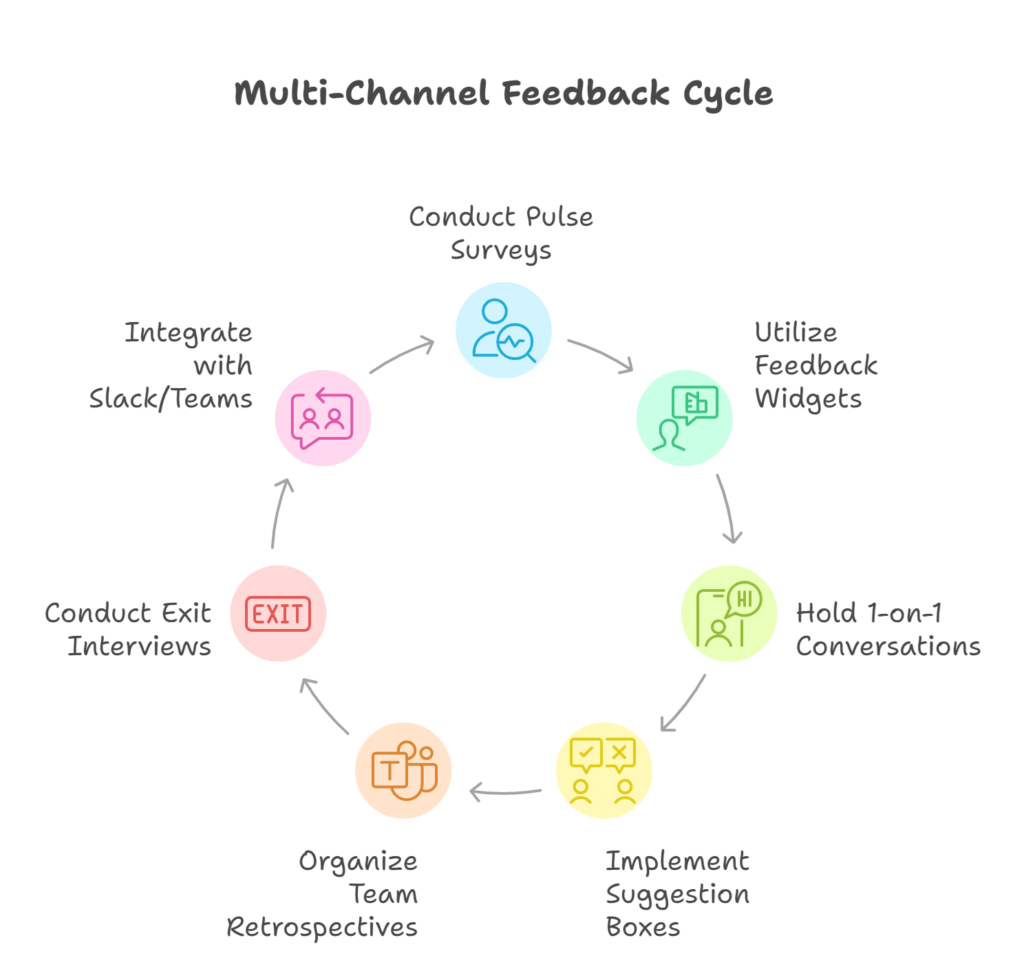
1. Multi-Channel Collection

Whether it’s a Slack poll, mobile pulse survey, or always-on feedback widget, smart employee feedback platforms let you collect insights across channels. The key is variety—because not everyone shares feedback the same way.

Collection channels include:

  • Pulse surveys: Quick, frequent check-ins (weekly or bi-weekly)
  • Annual engagement surveys: Comprehensive deep-dives into culture and satisfaction
  • Always-on feedback: Open channels where employees can share thoughts anytime
  • 1-on-1 conversations: Structured manager-employee dialogues
  • Exit interviews: Capturing insights from departing employees
  • Suggestion boxes: Anonymous feedback for sensitive topics
  • Team retrospectives: Collective reflection on what’s working and what isn’t

The mistake many organizations make? Relying on just one channel. 60% of employees would like to receive feedback daily or weekly, but not everyone wants to fill out a survey. Some prefer face-to-face conversations. Others feel safer with anonymous tools. Your employee feedback management system needs to accommodate all preferences.

2. AI-Powered Analysis

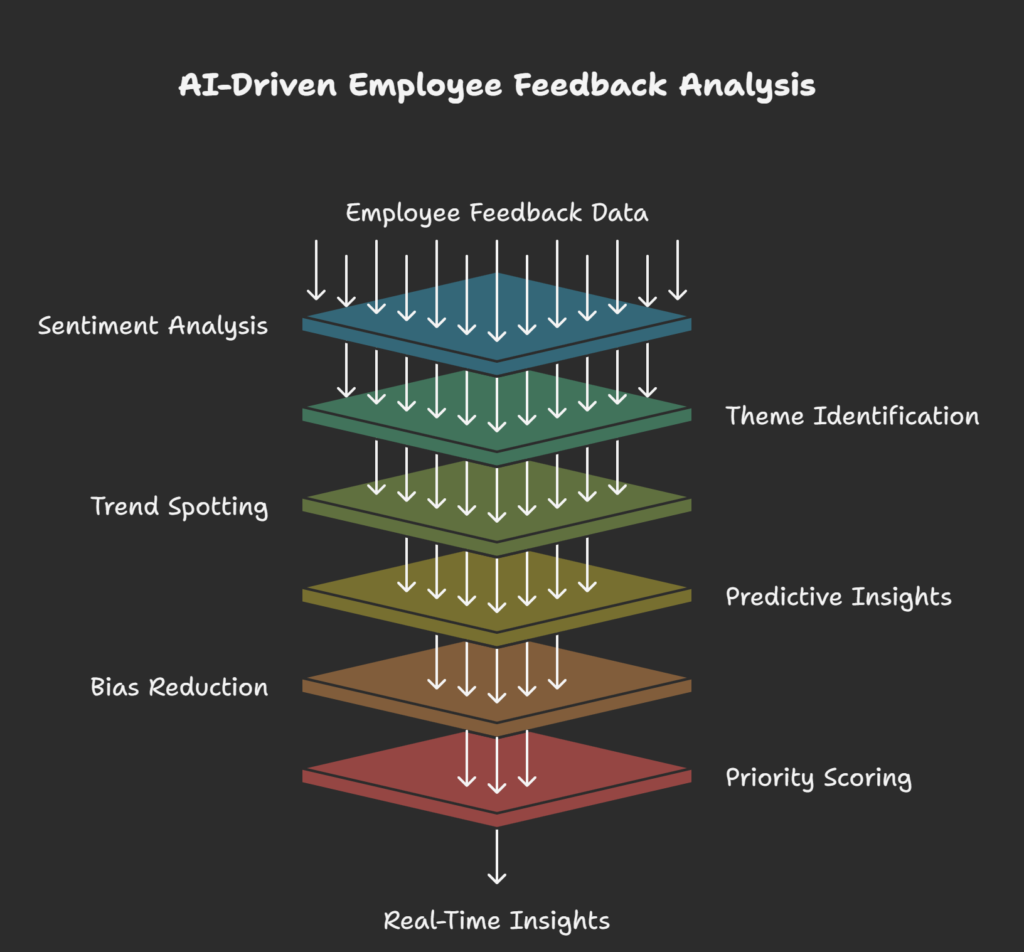
Here’s where 2025’s employee feedback management solutions truly shine. AI-powered employee feedback software helps decode sentiment, analyze feedback highlight themes, and detect patterns that manual reviews miss.

What AI brings to employee feedback management:

  • Sentiment analysis: Detects emotional tone in open-ended responses
  • Theme identification: Automatically categorizes feedback into topics (compensation, workload, management, culture)
  • Trend spotting: Identifies patterns over time and across departments
  • Predictive insights: Flags early warning signs of disengagement or turnover
  • Bias reduction: Ensures objective analysis free from human interpretation bias
  • Priority scoring: Ranks issues by frequency and emotional intensity

AI primarily analyzes text-based communications that employees are already creating, such as survey responses (especially open-ended ones), internal instant messages, email and comments on performance reviews.

The result? Instead of drowning in data, HR teams get actionable intelligence. Instead of waiting months to spot trends, they see issues in real-time. See how Engagedly brings AI into core people operations to simplify workflows, support data-informed decisions, and optimize talent management.

3. Action Loops and Accountability

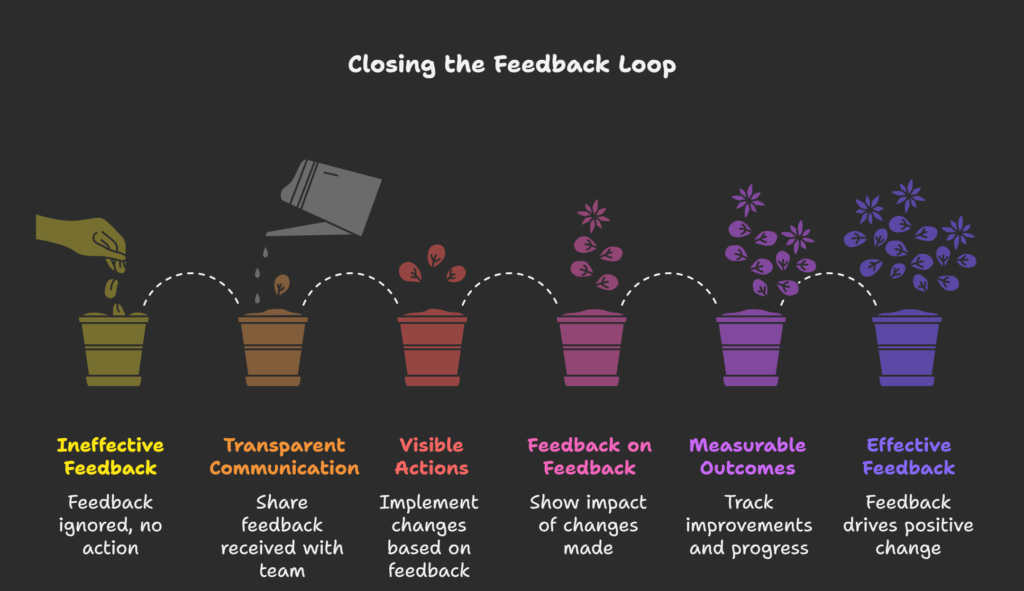
This is where most employee feedback management systems fail. They collect feedback beautifully, analyze it brilliantly, and then… nothing happens. Employees stop participating because they don’t see results.

Only 14% of employees think their employer uses employee feedback to improve the employee experience, and even less (12%) receive personalized feedback on their performance.

Effective employee feedback management requires:

  • Transparent communication: Sharing what you heard and what you’re doing about it
  • Visible actions: Implementing changes based on feedback
  • Feedback on feedback: Letting employees know how their input was used
  • Measurable outcomes: Tracking improvements and reporting back
  • Manager enablement: Equipping team leaders with insights and action plans

As Jack Canfield notes: “Leaders cannot work in a vacuum. They may take on larger, seemingly more important roles in an organization, but this does not exclude them from asking for and using feedback. In fact, a leader arguably needs feedback more so than anyone else”.

How AI Is Transforming Employee Feedback Management

The shift from traditional to AI-powered employee feedback management isn’t just incremental—it’s revolutionary. Here’s what’s changing:

Real-Time Insight Generation

Traditional employee feedback management: Wait 3-6 months for survey results, then spend weeks analyzing data.

AI-powered approach: Automation ensures you’re collecting insights in real time, empowering you to respond quickly to the needs of your workforce.

Example: An AI-powered employee feedback management platform notices a sudden drop in sentiment scores within your engineering team. Instead of discovering this months later in an annual survey, managers are alerted immediately and can address the issue before it escalates to resignations.

Predictive Turnover Prevention

By integrating AI, they can even predict when employees might disengage, giving you a heads-up to take action before issues escalate. Discover how Engagedly’s AI-powered platform streamlines HR processes, elevates performance outcomes, and enhances every stage of the employee lifecycle.

This is game-changing for employee feedback management. AI analyzes patterns in feedback, engagement scores, communication frequency, and other signals to identify employees at risk of leaving—sometimes weeks or months before they’ve made the decision themselves.

Personalized Employee Experiences

Whether it’s automating personalized surveys based on an employee’s journey or surfacing key trends in real time, technology allows you to keep your finger on the pulse of your organization.

Modern employee feedback management systems don’t send the same survey to everyone. They tailor questions based on:

  • Employee tenure (different questions for new hires vs. long-term employees)
  • Department and role
  • Recent events (promotion, project completion, team changes)
  • Previous feedback patterns

Sentiment Analysis at Scale

Incorporating AI-powered sentiment analysis into your feedback collection strategy can reveal even more. These tools analyze not just the responses but the emotional tone behind them, uncovering hidden patterns that might otherwise go unnoticed.

This means your employee feedback management system can detect:

  • Frustration even in seemingly neutral comments
  • Declining morale before it becomes visible
  • Department-specific issues that wouldn’t show up in aggregate data
  • Individual employees who need immediate support

Anonymous Feedback with Psychological Safety

Not everyone feels comfortable speaking up directly. Use employee feedback tools that offer anonymous options so people can be honest without fear.

AI-powered employee feedback management platforms can maintain anonymity while still providing useful aggregate insights to managers. Employees can share sensitive concerns without fear of retaliation, while leaders still get the information they need to improve.

Signs Your Employee Feedback Management System Needs an Upgrade

How do you know if your current approach to employee feedback management is falling short? Watch for these warning signs:

1. Declining Survey Participation

Low survey response rates usually mean employees are either tired of repetitive questions or don’t believe their input matters.

If your response rates are dropping year over year, your employee feedback management system lacks credibility. Employees have concluded that participating is pointless because nothing changes.

2. Manager Disconnect

If insights stay stuck in HR dashboards and never reach team leads, you’ve got a disconnect. Good feedback tools for management should translate data into clear next steps.

Employee feedback management fails when insights don’t reach the people who can act on them. Your system needs to democratize data, giving managers visibility into their teams’ sentiment and specific, actionable recommendations.

3. Annual-Only Approach

Annual surveys are too slow to capture real-time sentiment. If you’re still stuck in this cycle, your process lacks agility. In 2025, real-time feedback software is a must-have for spotting issues before they escalate.

The workplace moves too fast for annual check-ins. By the time you discover an issue, talented employees have already left or disengaged beyond recovery.

4. No Psychological Safety

If people avoid sharing honest feedback or only give surface-level answers, your system likely lacks anonymity or trust.

Effective employee feedback management requires psychological safety. Employees need to believe they can share concerns without negative consequences. If your feedback is all positive with no constructive criticism, that’s a red flag—not a success metric.

Building Your Employee Feedback Management Strategy: A Practical Framework

Ready to upgrade your approach? Here’s a step-by-step framework for implementing effective employee feedback management:

Step 1: Audit Your Current State

Start by honestly assessing where you stand:

  • What feedback channels do you currently use?
  • How often do you collect feedback?
  • What’s your average participation rate?
  • How long does it take from feedback collection to action?
  • Do employees feel heard?

Audit your feedback channels—Identify where unstructured feedback already exists (e.g., surveys, internal messaging apps, exit interviews).

Step 2: Define Clear Objectives

What do you want your employee feedback management system to achieve? Common goals include:

  • Reduce turnover by X%
  • Improve engagement scores by X points
  • Increase manager-employee conversation frequency
  • Identify and address issues before they escalate
  • Create data-driven insights for leadership decisions

Be specific. “Better feedback” isn’t a measurable goal. “Reduce voluntary turnover by 20% through earlier identification of at-risk employees” is.

Step 3: Choose the Right Technology

Choose the right AI tools—Look for platforms with strong NLP capabilities, customizable dashboards and data privacy safeguards.

Your employee feedback management platform should offer:

  • Multiple feedback collection methods
  • AI-powered sentiment and theme analysis
  • Real-time dashboards and alerts
  • Manager-friendly insights and recommendations
  • Integration with your existing HR tech stack
  • Mobile accessibility
  • Strong data security and privacy controls
  • Action-planning workflows

Step 4: Start Small and Scale

Start small—Pilot with a specific use case, such as analyzing open-ended survey responses.

Don’t try to revolutionize your entire employee feedback management approach overnight. Start with:

  • One department or team
  • One specific feedback channel (pulse surveys, for example)
  • One key metric to improve

Prove value, learn from challenges, and then expand.

Step 5: Train and Enable

Your employee feedback management system is only as good as the people using it. Invest in training for:

  • HR teams: How to interpret data and design interventions
  • Managers: How to access insights, have feedback conversations, and take action
  • Employees: Why feedback matters and how to provide constructive input

Step 6: Close the Loop Visibly

Act on insights—Demonstrate that feedback leads to meaningful change to build credibility and engagement.

After every feedback cycle, communicate:

  • What you heard (“Here are the top themes from this quarter’s feedback”)
  • What you’re doing about it (“Based on your input, we’re implementing…”)
  • How you’ll measure progress (“We’ll track these metrics and report back”)

This transparency transforms employee feedback management from a checkbox exercise into a powerful tool for cultural change.

Best Practices for Employee Feedback Management in 2025

Want to maximize the impact of your employee feedback management efforts? Follow these proven practices:

Keep It Continuous, Not Episodic

80% of employees want feedback at the moment rather than delivering aggregated feedback for an annual or bi-annual review.

The future of employee feedback management is continuous. Think ongoing conversation, not annual event. Implement:

  • Weekly pulse surveys (2-3 questions)
  • Monthly team check-ins
  • Quarterly engagement deep-dives
  • Annual comprehensive reviews

Make It Bi-Directional

Employee feedback management shouldn’t flow only one direction. Just 42 percent of U.S. employees report having a chance to formally provide feedback to their manager, and only 24 percent say they have formally rated their manager’s performance.

Create channels for:

  • Employees to give feedback to managers
  • Peers to recognize each other
  • Teams to share feedback with leadership
  • Cross-functional groups to collaborate on improvements

Prioritize Action Over Analysis

Data without action is worthless. Once insights are surfaced, HR teams can prioritize the issues they need to immediately address based on frequency and emotional intensity.

Your employee feedback management system should help you:

  • Identify high-impact, quick-win improvements
  • Assign ownership for action items
  • Set deadlines and track progress
  • Measure the impact of changes

Respect Privacy and Build Trust

A 2025 Stanford study found 78% of workers distrust AI tools handling personal feedback, fearing surveillance or misinterpretation.

Be transparent about:

  • What data you collect
  • How AI analyzes it
  • Who can see individual vs. aggregate feedback
  • How you protect employee privacy
  • That feedback won’t be used punitively

Integrate With Performance Management

Employee feedback management shouldn’t exist in isolation. Connect it to:

  • Goal-setting and OKRs
  • Performance reviews
  • Development planning
  • Compensation decisions
  • Promotion processes

This integration ensures feedback drives meaningful career outcomes, not just conversation.

The Future of Employee Feedback Management: What’s Next?

As we move deeper into 2025 and beyond, employee feedback management will continue evolving. Here’s what’s on the horizon:

Conversational AI Feedback

AI-driven tools, powered by natural language processing (NLP) are enabling real time, open-ended conversations via Slack or Teams. All designed to capture raw employee sentiments.

Instead of surveys, imagine AI chatbots that have natural conversations with employees, asking follow-up questions based on responses and capturing nuanced feedback in real-time.

Predictive Analytics

These systems don’t just collect employee feedback, they translate it into action plans to help predict burnout or turnover with up to 85% accuracy.

Future employee feedback management platforms won’t just tell you what employees are feeling now—they’ll predict how they’ll feel next quarter based on historical patterns and external factors.

Emotional Intelligence AI

The combination of AI and emotional intelligence provides unique insights and personalized support.

AI will become better at understanding context, detecting sarcasm, recognizing cultural nuances, and providing empathetic, personalized responses and recommendations.

Integration Across the Employee Lifecycle

AI-powered listening can be integrated across every stage of the employee journey. During onboarding, it can analyze feedback from new hires to improve training and ease the transition into the organization.

Employee feedback management will become seamless across:

  • Recruiting (candidate experience feedback)
  • Onboarding (new hire sentiment tracking)
  • Development (learning effectiveness)
  • Performance (continuous coaching)
  • Offboarding (exit insights)

Real-World Success: Employee Feedback Management in Action

Let’s look at how organizations are using modern employee feedback management to drive results:

Example 1: Retail Chain Reduces Turnover A national retail chain implemented an AI-powered employee feedback management platform with weekly pulse surveys and sentiment analysis. Within six months, they:

  • Identified store locations with low manager scores before turnover spiked
  • Provided targeted coaching to struggling managers
  • Reduced frontline employee turnover by 32%
  • Saved $2.4 million in recruiting and training costs

Example 2: Tech Company Improves Remote Culture A software company struggling with remote team cohesion deployed continuous employee feedback management with anonymous channels. Results:

  • Discovered remote employees felt excluded from decision-making
  • Implemented changes to meeting structures and communication norms
  • Increased remote employee engagement scores by 28 points
  • Improved retention of distributed team members by 41%

Example 3: Healthcare System Prevents Burnout A hospital system used predictive analytics within their employee feedback management platform to identify nurses at risk of burnout. Actions taken:

  • Proactively adjusted schedules for at-risk staff
  • Connected them with mental health resources
  • Reduced nurse turnover by 27% year-over-year
  • Improved patient satisfaction scores as staff wellbeing improved

Your Employee Feedback Management Roadmap

Ready to transform your approach? Here’s your action plan:

Month 1: Foundation

  • Audit current feedback channels and participation rates
  • Define 2-3 specific objectives for your employee feedback management initiative
  • Research and demo AI-powered feedback platforms
  • Build business case with projected ROI

Month 2-3: Pilot

  • Select one department or team for pilot program
  • Implement chosen employee feedback management platform
  • Train managers and participants
  • Launch with clear communication about goals and expectations

Month 4-6: Learn and Iterate

  • Collect feedback on the feedback process (meta, but important!)
  • Analyze results and identify quick wins
  • Demonstrate visible actions taken based on employee input
  • Refine processes based on lessons learned

Month 7-12: Scale

  • Expand to additional departments
  • Integrate with performance management and HRIS systems
  • Build manager capability with ongoing training
  • Measure impact on engagement, retention, and performance metrics

Ongoing: Continuous Improvement

  • Regular review of participation rates and data quality
  • Quarterly assessment of action item completion
  • Annual strategy refresh based on organizational priorities
  • Stay current with evolving AI capabilities in employee feedback management

Making Employee Feedback Management Work: Final Thoughts

Let’s return to where we started: the massive gap between how often managers think they give feedback and how often employees actually receive it. That disconnect isn’t just awkward—it’s expensive, demotivating, and completely avoidable.

Modern employee feedback management solutions powered by AI aren’t replacing human connection—they’re enabling it. They’re making it possible to listen at scale, understand nuance, predict problems, and take action before issues become crises.

92% of participants said constructive feedback helps them improve performance. Employees want feedback. They crave it. They’ll leave organizations that don’t provide it and thrive in cultures that do.

The question isn’t whether your organization should invest in better employee feedback management. It’s whether you can afford not to.

As George Bernard Shaw reminded us: “The single biggest problem in communication is the illusion that it has taken place.” Don’t let that be your organization’s epitaph.

FAQs

What is employee feedback management in modern organizations?

Employee feedback management is the continuous process of collecting, analyzing, and acting on employee input to improve engagement, performance, and retention. Unlike annual surveys, modern approaches use real-time channels such as pulse surveys, one-on-one check-ins, and always-on feedback tools. AI-powered platforms analyze sentiment and trends to surface actionable insights quickly. Effective feedback management closes the loop by communicating actions taken, building trust and psychological safety.

Why do traditional feedback methods fail to engage employees?

Traditional feedback methods fail because they are infrequent, one-directional, and slow to act on insights. Annual surveys and review cycles create delays that allow issues to escalate unnoticed. Employees disengage when feedback feels performative or leads to no visible change. Data shows nearly all employees disengage when feedback is scarce or ignored. Modern feedback management replaces episodic surveys with ongoing conversations supported by technology.

How does AI improve employee feedback management?

AI improves employee feedback management by transforming large volumes of unstructured input into real-time, actionable intelligence. It uses sentiment analysis to detect emotional tone, identifies recurring themes, and flags early warning signs of disengagement or turnover. Predictive analytics can highlight at-risk teams or individuals before resignations occur. This enables faster, targeted interventions instead of reactive fixes.

What features should you look for in employee feedback software?

The best employee feedback software combines flexibility, analytics, and actionability. Key features include:
• Multi-channel feedback collection (pulse surveys, anonymous feedback, 1-on-1s)
• AI-driven sentiment and theme analysis
• Real-time dashboards and alerts
• Manager-ready insights with action plans
• Strong privacy and anonymity controls

Platforms that integrate with performance management and HRIS systems deliver higher ROI.

How can organizations turn feedback into real action?

Turning feedback into action requires clear ownership, transparency, and measurable follow-through. After each feedback cycle, leaders should share what was heard, what will change, and how progress will be tracked. Assign action items to managers, set deadlines, and report outcomes back to employees. As Ken Blanchard notes, feedback fuels performance only when it leads to improvement.

AI in Performance Management: 11 Practical Applications To Guide You

Let’s be honest—traditional performance reviews aren’t exactly anyone’s favorite part of the job. Managers dread the paperwork, employees feel anxious about subjective evaluations, and HR teams struggle to extract meaningful insights from mountains of data. But here’s the good news: AI in performance management is changing all of that.

The performance management software market is exploding, projected to grow from $5.82 billion in 2024 to $12.17 billion by 2032. And there’s a reason for that surge—organizations are discovering that AI doesn’t just automate performance management, it transforms it entirely.

If you’re wondering how AI can actually help your team move beyond annual reviews and spreadsheets, you’re in the right place. Let’s explore 11 practical applications that are already making a difference in organizations today.

Why AI in Performance Management Matters Now

Before we dive into the applications, let’s address the elephant in the room: 82% of HR leaders say their current performance management systems aren’t meeting primary objectives, and 62% report these systems aren’t keeping pace with business needs.

That’s a massive disconnect. Meanwhile, 78% of organizations reported using AI in at least one business function in 2024—a substantial jump from 55% in 2023. The message is clear: businesses are racing toward AI adoption, and performance management can’t afford to lag behind.

As Sundar Pichai, CEO of Google, puts it: “AI is one of the most profound things we’re working on as humanity. It’s more profound than fire or electricity.” While that might sound dramatic, when you see how AI transforms performance management, you’ll understand why leaders are so excited. Discover how Engagedly’s AI-powered platform streamlines HR processes, elevates performance outcomes, and enhances every stage of the employee lifecycle.

11 Practical Applications of AI in Performance Management

1. Real-Time Performance Analytics

Remember when you had to wait until the annual review to discover performance issues? Those days are over. AI-powered platforms continuously analyze performance data, giving managers and employees instant visibility into progress., going beyond what generative AI can typically deliver.

How it works: AI algorithms track key performance indicators (KPIs) across multiple data sources—project management tools, CRM systems, communication platforms—and surface insights in real-time dashboards.

Real-world impact: Organizations implementing real-time metrics achieve double-digit improvements in employee productivity.

Example: A sales team using AI-driven analytics noticed that top performers made follow-up calls within 24 hours. The system flagged this pattern, allowing managers to coach other team members on this specific behavior, resulting in a 23% increase in conversion rates.

2. Bias-Free Performance Evaluations

Human bias in performance reviews isn’t just a problem—it’s a liability. We all have unconscious biases based on recency, similarity to ourselves, or even who speaks up more in meetings.

How it works: AI analyzes performance data objectively, focusing on measurable outcomes rather than subjective impressions. The system can flag potential bias patterns and ensure evaluations are based on actual performance metrics.

Why it matters: Companies using AI-driven tools report a 30% improvement in diversity hiring, and similar benefits extend to performance evaluations.

Example: One tech company discovered through AI analysis that employees working remotely were consistently rated lower than in-office workers, despite having better performance metrics. The AI flagged this discrepancy, leading to revised evaluation criteria that focused on outcomes rather than visibility.

3. Predictive Performance Insights

What if you could identify performance issues before they become problems? That’s exactly what predictive AI does.

How it works: Machine learning models analyze historical performance data, engagement scores, communication patterns, and other factors to predict which employees might be at risk of underperforming or leaving.

The advantage: Predictive analytics help identify employees at risk of underperforming before issues escalate, allowing managers to intervene with targeted support such as coaching or skill-building opportunities.

Example: A retail organization used predictive analytics to identify store managers showing early signs of burnout based on communication patterns and workload data. Proactive intervention—including additional support and schedule adjustments—reduced turnover by 40% in that role. See how Engagedly brings AI into core people operations to simplify workflows, support data-informed decisions, and optimize talent management.

4. Automated Goal Setting and Alignment

Only 44% of employees report updating their goals after significant changes in role expectations. That’s a recipe for misalignment. AI changes this dynamic entirely.

How it works: AI systems analyze organizational objectives, team goals, and individual roles to suggest personalized, SMART (Specific, Measurable, Achievable, Relevant, Time-bound) goals that ladder up to company priorities.

The benefit: Goals stay dynamic and aligned with business needs, automatically adjusting when priorities shift.

Example: When a software company pivoted its Q3 strategy toward customer retention, their AI-powered performance system automatically suggested updated goals for customer success teams, product managers, and support staff—all aligned with the new strategic priority.

5. Intelligent Feedback Generation

Writing meaningful feedback is time-consuming, and let’s face it—not every manager is great at it. AI can help.

How it works: AI tools help managers structure feedback by inputting situations, and the system suggests actionable feedback with specific examples and improvement recommendations.

Why managers love it: It saves time while ensuring feedback is specific, actionable, and development-focused rather than vague or punitive.

Example: A manager needs to address missed deadlines. Instead of generic criticism, the AI suggests: “During the last project, deadlines were not met due to missing milestones, which impacted the team’s ability to deliver results on time. Moving forward, let’s set more defined checkpoints at the project kickoff and check in weekly to ensure we’re on track.”

6. Continuous Performance Monitoring

Annual reviews are dying—data shows 82% of companies using annual reviews in 2016 dropped to just 54% in 2019. The shift is toward continuous feedback, and AI makes this sustainable.

How it works: AI-powered platforms enable ongoing performance conversations by prompting regular check-ins, tracking progress toward goals, and highlighting achievements or concerns in real-time.

The advantage: 41% of organizations have shifted toward frequent one-on-one meetings between managers and employees, and AI tools make these meetings more productive by providing data-driven talking points.

Example: An engineering team using continuous monitoring saw that developers were spending 60% of their time in meetings. The AI flagged this pattern, prompting leadership to implement “focus time” blocks, which increased code output by 35%.

7. Skills Gap Analysis and Development Recommendations

Bill Gates notes: “It is true that some workers will need support and retraining as we make this transition into an AI-powered workplace. That’s a role for governments and businesses”. AI makes identifying those training needs much more precise.

How it works: AI analyzes current skills, job requirements, performance data, and industry trends to identify gaps and recommend personalized development paths.

Real impact: 62% of companies utilize AI-powered platforms to monitor employee engagement and performance metrics, allowing for timely interventions and personalized development plans.

Example: An AI system identified that customer service representatives with problem-solving training resolved tickets 40% faster. The platform automatically recommended this training to other team members, improving overall team efficiency.

8. Sentiment Analysis from Communications

Understanding employee sentiment shouldn’t require annual surveys. AI can analyze communication patterns to gauge morale and engagement continuously.

How it works: Natural language processing (NLP) analyzes emails, chat messages, and other communications (with proper privacy protections) to detect sentiment trends, stress indicators, and engagement levels.

Why it’s valuable: It provides early warning signals about team dynamics, burnout risks, or cultural issues before they escalate.

Example: A marketing agency’s AI tool detected increasingly negative sentiment in team communications during a major client project. HR intervened with additional resources and support, preventing burnout and maintaining quality deliverables.

9. Automated Performance Review Generation

Writing performance reviews is nobody’s favorite task. AI can draft comprehensive reviews based on accumulated data throughout the year.

How it works: The system aggregates goal achievement data, peer feedback, project outcomes, skill development, and manager notes to generate a first draft of the performance review.

The time savings: Companies using AI in their processes experience a 40% reduction in time-to-hire, and similar time savings apply to performance review cycles.

Example: A financial services firm reduced performance review completion time from an average of 4 hours per employee to 45 minutes, allowing managers to spend more time on meaningful development conversations rather than paperwork.

10. Personalized Learning and Development Integration

In 2025, Learning Management Systems (LMS) integrate seamlessly with performance platforms to provide personalized upskilling recommendations based on regular feedback.

How it works: When performance gaps are identified—say, a need for public speaking skills—the integrated AI system immediately recommends relevant courses, mentorship programs, or stretch assignments tailored to the individual’s learning style and career goals.

The connection: This closes the loop between identifying development needs and actually addressing them.

Example: A project manager received feedback about delegation challenges. The integrated system immediately recommended a leadership micro-course, connected them with a senior mentor who excelled at delegation, and suggested a small team project to practice the skill in a low-stakes environment.

11. Predictive Career Pathing

AI doesn’t just assess current performance—it can map future potential and career trajectories.

How it works: Analytics can identify top performers who are ready for the next step in their careers by analyzing patterns in feedback, goal achievement, and peer reviews.

The retention benefit: Employees who see clear growth paths are far more likely to stay. AI makes these paths visible and data-driven.

Example: An AI system identified that a junior analyst consistently exceeded expectations on strategic projects but struggled with routine reporting. Rather than placing them on a performance improvement plan, leadership moved them to a strategy role where they thrived—all because AI highlighted their true strengths.

Implementation Best Practices: Making AI Work for Your Organization

Now that you see what’s possible, how do you actually implement AI in performance management successfully? Here are practical guidelines:

Start Small, Scale Smart

Don’t try to revolutionize your entire performance management system overnight. Start with one application—perhaps real-time analytics or bias detection—prove its value, and then expand.

Keep Humans in the Loop

As Geoff Woods wisely notes in “The AI-Driven Leader”: “Resist the temptation to outsource your thinking to AI. Use it as your Thought Partner, but always maintain your role as the Thought Leader”.

AI should augment human judgment, not replace it. Managers should always review AI-generated insights and recommendations before taking action.

Prioritize Transparency

Over half (56%) of workers are uneasy with AI assisting HR in hiring and performance evaluations. Combat this by being transparent about how AI is used, what data it analyzes, and how decisions are made.

Invest in Change Management

The technology is only part of the equation. Invest in training managers and employees on how to use AI tools effectively. Address concerns openly and demonstrate the benefits clearly.

Ensure Data Quality

AI is only as good as the data it analyzes. Ensure your systems capture accurate, complete, and relevant performance data. Garbage in, garbage out still applies.

Addressing Common Concerns About AI in Performance Management

“Will AI replace managers?”

No. AI handles data analysis and administrative tasks, freeing managers to focus on coaching, mentoring, and building relationships—the human elements that drive real performance improvement.

“What about privacy?”

Legitimate concern. Implement clear policies about what data is collected, how it’s used, and who can access it. Ensure compliance with data protection regulations and respect employee privacy.

“Can AI really be unbiased?”

AI can reduce bias significantly, but it’s not perfect. AI systems should be regularly audited for bias, and diverse teams should be involved in their development and oversight.

“What if employees game the system?”

This is true of any performance system. The key is focusing on outcomes and impact rather than just activities. AI can actually detect gaming behaviors by identifying patterns that don’t align with actual results.

The Future of AI in Performance Management

Looking ahead, the integration of AI in performance management will only deepen. We can expect even greater innovations, such as AI models that predict team dynamics or identify optimal project assignments based on employee strengths.

Sam Altman of OpenAI reflects: “I think it’s good that we and others are being held to a high standard”—a reminder that as AI capabilities grow, so does our responsibility to implement them ethically and effectively.

The organizations that thrive will be those that view AI not as a replacement for human judgment, but as a powerful tool that helps people perform at their best. They’ll use AI to eliminate busy work, reduce bias, provide timely insights, and personalize development—all while keeping human connection and growth at the center.

Your Next Steps

Ready to explore AI in performance management for your organization? Here’s where to start:

  1. Assess your current pain points: Where does your performance management system fall short? Identify 2-3 specific challenges AI could address.
  2. Explore solutions: Research platforms that address your specific needs. Look for vendors with proven track records and strong data security.
  3. Run a pilot program: Test AI tools with a single department or use case before rolling out organization-wide.
  4. Measure and iterate: Track specific metrics—time savings, employee satisfaction, performance improvements—and refine your approach based on results.
  5. Scale what works: Once you’ve proven value, expand AI capabilities gradually while maintaining focus on user adoption and change management.

The future of performance management isn’t about replacing human judgment with algorithms. It’s about empowering managers and employees with better data, clearer insights, and more time for the conversations that truly drive growth.

AI in performance management isn’t coming—it’s already here. The question is: will your organization harness its potential to create a fairer, effective, and human-centered approach to performance? The tools are ready. The question is whether you are. If you’re evaluating how to move beyond manual reviews and spreadsheets, it may be worth requesting a demo to see how AI-led performance management actually works in real environments.

FAQs

What is AI in performance management and how does it work?

AI in performance management is the use of artificial intelligence to analyze performance data, reduce bias, and enable continuous, data-driven feedback. Instead of relying on annual reviews, AI systems track goals, KPIs, feedback, and engagement signals in real time. They surface insights through dashboards, identify patterns humans may miss, and support managers with evidence-based recommendations. This approach shifts performance management from retrospective judgment to ongoing coaching.

How does AI reduce bias in performance evaluations?

AI reduces bias by focusing evaluations on measurable outcomes rather than subjective impressions. It analyzes performance data consistently across roles and flags anomalies, such as ratings that don’t align with actual results. For example, AI can detect patterns where certain groups are rated lower despite stronger performance metrics. While not bias-proof, AI provides transparency and accountability that manual reviews often lack. Leaders like Sundar Pichai emphasize AI’s role in augmenting human judgment, not replacing it.

What practical benefits do organizations see from using AI-driven performance tools?

Organizations using AI-driven performance tools see improvements in productivity, engagement, and managerial efficiency. Real-time analytics help teams course-correct quickly, while automated review drafts save hours of administrative work. Predictive insights allow early intervention before performance or burnout issues escalate. Many companies report double-digit productivity gains and faster review cycles as a result. These efficiencies free managers to focus on coaching rather than paperwork.

How does AI support employee development and skills growth?

AI supports development by identifying skill gaps and recommending personalized learning paths based on performance data and future role requirements. When gaps appear, the system can suggest targeted training, mentors, or stretch assignments instead of generic courses. As Bill Gates notes, businesses must actively support reskilling in an AI-powered workplace. This tight integration between performance insights and learning ensures feedback leads directly to growth.

Is AI in performance management safe and ethical to implement?

AI in performance management is safe and ethical when implemented with transparency, governance, and human oversight. Organizations should clearly communicate what data is collected, how it’s analyzed, and how decisions are made. Managers must remain accountable for final judgments, using AI as a decision-support tool. As Sam Altman has emphasized, higher standards and ethical use are essential as AI adoption grows.

Crucial Conversations : Strengthen Relationships & Contribute Better

From the leader’s desk on the importance of ‘crucial conversations‘ by Engagedly’s Director of Human Resources Preeti Mathur.

Jerry and Vilina were having an argument while on a zoom call. As participants tried to calm them down, they were becoming more and more unmanageable. The host decided to discontinue the meeting abruptly and the agenda remained incomplete.  

Haven’t we come across such scenarios in our day-to-day interactions? Be it professional or personal, many times simple conversations seem to take an ugly turn. This in turn has our relationships impacted negatively, some for a short period of time, while others to last forever! How can we then have conversations that still make sense, despite a difference in opinion? When stakes are high, can we still remain calm and think positively?

One such book that answers all these questions is Crucial Conversations by authors Patterson, Granny, McMillan & Switzler. The approach to handling such sensitive conversations with utmost presence of mind, yet keeping it simple and more grounded with facts, is the essence of the book.

Also Read: Create A Positive Workplace Culture For Your Employees

Engagedly’s book club members read the book and shared their thoughts from their practical experiences. The discussion felt like a journey, interesting to the ears as well as rich in learning. Managers could relate to the tough and sensitive conversations they’ve had with their team members. Team members, on the other hand, could recollect a few past conversations that went into an emotional loop or even strained relationships. One thing that emerged common as an outcome to handling such conversation was the art of ‘keeping cool and still staying alert to what your mind wants to speak

Most crucial conversations fail because one or both the parties weren’t able to have any control over their temper. Even if they did, their egos were too hurt as an aftermath of the conversation, and reconciliation was never undertaken as an option.   

Common Traps That Derail Crucial Conversations

Even when we enter crucial conversations with the right intentions, we can easily fall into traps that derail the entire discussion. Understanding these pitfalls helps us navigate conversations more skillfully.

The Rehash Trap: This happens when past issues—whether previously addressed or not—start flooding into the current conversation. You or the other person begins listing old grievances, turning what should be a focused discussion into an exhausting history lesson. The escape route? Focus on what you want moving forward, not what you don’t want anymore. Instead of saying “I don’t want you missing deadlines,” try “I need you to meet the Friday deadline for the next three projects. Let’s create a plan to make that happen.”

The Perception Trap: We walk into conversations assuming we know exactly why someone behaved a certain way or what they’re thinking. This trap is often fueled by resentment and leads to mind-reading rather than fact-finding. The fix is simple but powerful: address observed behaviors, not assumed intentions. Rather than “You don’t care about this project,” say “I noticed you’ve missed the last three team meetings about this project.”

The Passive-Aggressive Trap: You hint at problems without directly addressing them, expressing discontent through indirect remarks or silence. This usually stems from fear of fully confronting the issue or an expectation that “they should just know.” To avoid this, be direct: ask curious questions (“What’s preventing you from completing reports on time?”), share your perspective (“When reports come in late, it delays decisions for the entire team”), and make clear requests (“I need your reports submitted by 3 PM every Thursday”).

The Verbal Ping-Pong Trap: The conversation becomes a rapid-fire exchange of accusations and defenses, bouncing far from the original topic. This happens when someone triggers you—perhaps pointing out your own shortcomings or becoming irrationally defensive—and you both spiral into defending yourselves. The remedy? Set and return to a clear intention. Start every crucial conversation by stating: “My intention here is to discuss [specific issue] and find [specific outcome].” When the conversation derails, pause and restate that intention.

Being aware of these traps doesn’t make you immune to them, but it does give you the power to recognize when you’re falling into one—and the tools to climb back out.

To be able to handle a crucial conversation well, it’s important to first understand what it is. 

A crucial conversation is one in which:

  • Opinions vary
  • Stakes are high, and 
  • Emotions are strong

As a choice on facing a conversation, we can choose to do either of the three things – 

(a) Avoid the conversation, (b) Face the conversation and handle it poorly, or (c) Face the conversation and handle it well.

It is ultimately tuning your mind on how you want to approach a crucial conversation. 

The book talks about an interesting way to handle such crucial conversations. ‘Start from your heart’. As much as others may need to change, as much as you may want them to change, the only person you can continually inspire, prod, and shape is YOURSELF. Hence, we individually need to take charge of our brain and decide how ‘I’, as a person, want to react during a crucial conversation. An overwhelming urge to win or prove “I am right” or refraining from discussing an issue in the hope to remain “safe” will only lead to building a weaker me

Then how do we make a crucial conversation successful? 

The answer is by targeting the mutual purpose. Ask yourself, ‘Does the other person know that I care about his/her/their needs?’ If your objective is to simply get your way, then you won’t achieve the mutual purpose. You will genuinely have to strive to ensure that the needs of both sides are met.

Let’s assume you had the motives right, but how do you tackle emotions arising amidst crucial conversations? You and I play emotional story cards that claim we’re either victims, villains or just helpless. It is crucial to judge these behaviours early in the conversation and separate such stories from facts. Gather your facts right and communicate them clearly and respectfully. Ask for what the other person / people have to say. Listen to oppositions patiently and curiously watch behaviours before you respond further. Provide assurance where you agree and respectfully describe where & why you may want to differ. Don’t forget that you are still bound by results that are mutually binding / impacting. Hence, speak in the interest of the larger good.

Also Read: Importance Of Continuous Feedback In The Post Covid Era

Lastly, a focus on how we get to the final outcome / action is crucial too. You can arrive at a decision using either of the methods like command, consult, vote or consensus. The path you choose will depend on the power of authority and what level of ‘people buy-in’ you are looking for. 

  • If you choose to exercise the ‘command’ option, decisions that require speed are quicker to make, and people respond better if you explain why you made the decision.
  • You can consider the option of ‘consulting’ when you have others with relevant expertise, you want to increase buy-in from key people, when there are many options or when some options are controversial. Be clear that you gather input but decide yourself. Inform all those you consulted about the final decision and the reason why. Thank them for their input. Whenever there is time to consult others, it is best to do so. Outcomes are better when key people are part of the process.
Also read: Top 5 Common OKR Challenges
  • Generally, ‘voting’ is least preferable since it creates winners and losers. You may resort to this option when you think of a conversation not being very crucial. Also, voting methodology is undertaken when participants agree that any of the options up for vote would be acceptable.
  • The option ‘consensus’ is more welcoming when it’s to do with a team’s decision or at a leadership level when you want to have a consensus of being on the same page in order to drive specific business goals. The consensus method is more relevant when stakes are high, issues are complex and support for a decision is critical. This method may sometimes be time-consuming. Hence, it’s important to be sure that all understand that they are selecting a decision for the overall group. This method will see success only when participants commit to supporting the decision.
Also Read: 5 Essential Managerial Tips To Create Employee Engagement

Having understood what a crucial conversation is about and the components that affect its success or failure, we come to the question that most of us have in our minds even after having read the book. 

How do we practice the art of doing well during crucial conversations? 

Despite coming into a conversation with an open & positive mind, some of us weren’t able to have control over our temper, emotions, & anger. Some of us have tried telling ourselves several times that ‘I will not mess this up, I will stay calm and I will be a good listener too’. But we still fail and really are clueless on how to get this right. These behaviours sometimes do not allow us to come across as a mature person and leave us with strained relationships. Our climbing up the career ladder is impacted and sometimes we completely lose out a race and get into our hiding shell, not wanting to face a few people again. 

One reason we fail despite good intentions is that we’re not watching for the warning signs early enough. The moment you notice yourself or the other person getting defensive, bringing up past issues, or making assumptions about motives—pause. Take a breath. Acknowledge what’s happening: “I notice we’re starting to get defensive here. Let’s refocus on the actual issue.” This simple act of naming the trap can help both parties step back and reset. It’s not about being perfect; it’s about catching yourself before you’re too deep in the trap to climb out.

Then how do we get it right? 

While there are many suggestions around what you could do, it is best suggested that you pick your top three (low hanging fruits, that is easier to practice and achieve) of the laundry list and diligently practice these in the smallest of any crucial conversation. With persistence and consistency, you will gradually begin to see results emerging.

The indicator to watch out for is the change in your own behaviour. Traits like patience, better listening skills, your connection with the larger need/goal, the mutual buy-in factor and respect for the other party will get fine-tuned and you become more approachable. If you’ve been able to get this right, your emotional self will automatically take a back seat and you will come across as someone who makes sense and has a good sense of judgement. This will enhance the power you will wield from how much people will want to hear from you or know what you think.

What is the formula then to have meaningful crucial conversations? That’s simple.

  • Stay calm
  • Respectful and 
  • Think business rather than getting aggressive or angry

Personal & professional relationships improve if we can speak openly and effectively rather than using threats or silent fuming. Be alert for times when you can apply the content and skills. The more opportunities you miss, the more likely you will revert to your old habits.

FAQs

What is a crucial conversation in the workplace?

A crucial conversation is a discussion where opinions differ, emotions run high, and the outcome significantly impacts relationships or results. These conversations commonly occur during performance feedback, conflict resolution, or decision-making moments. What makes them challenging is not the topic itself, but the emotional and relational stakes involved. When handled well, crucial conversations strengthen trust and alignment; when mishandled, they damage relationships and productivity.

Why do crucial conversations often go wrong at work?

Crucial conversations fail when emotions override facts and intentions become unclear. Common breakdowns include bringing up past grievances, making assumptions about motives, avoiding directness, or turning discussions into personal attacks. These reactions often stem from fear, ego, or the desire to “win” the conversation. Without a clear purpose and emotional control, discussions quickly derail. Recognizing early warning signs—defensiveness, blame, or raised emotions—helps prevent escalation.

How can managers handle difficult conversations more effectively?

Managers can handle difficult conversations effectively by focusing on mutual purpose and observable facts rather than assumptions. Start by clarifying your intent, listening actively, and separating stories from facts. Use curiosity instead of judgment and ask open-ended questions to understand the other person’s perspective. Calm, respectful dialogue builds trust even when opinions differ. The approach outlined in Crucial Conversations emphasizes self-regulation as the foundation for productive dialogue.

What are common traps that derail sensitive conversations?

Sensitive conversations derail when people fall into predictable traps such as rehashing past issues, mind-reading intentions, passive-aggressive behavior, or verbal ping-pong. These patterns shift focus away from the real issue and increase defensiveness. The solution is to pause, restate the purpose, and redirect the discussion toward outcomes rather than blame. Naming the trap when it appears can reset the conversation and restore focus.

How do crucial conversations improve leadership and employee engagement?

Crucial conversations improve leadership effectiveness by building trust, clarity, and psychological safety. When leaders address issues calmly and transparently, employees feel heard and respected, even during disagreement. This strengthens engagement, reduces resentment, and improves collaboration. Over time, leaders who communicate well in high-stakes moments become more approachable and influential. These conversations also support better decision-making and alignment around shared goals.


Want to know how Engagedly can help you with employee engagement? Request for a demo!

Request A Demo

Engagedly Announces the 9th Annual Top 100 HR Influencers of 2025

The annual list celebrates visionary people strategists transforming the future of work

ST. LOUIS, Oct. 9, 2025 — Engagedly, the world’s most adaptable and connected Employee Experience platform, proudly unveils its ninth annual Top 100 HR Influencers of 2025, recognizing the most impactful voices driving change and innovation across the HR landscape.

Sri Chellappa, President and Co-Founder of Engagedly, emphasized the importance of this recognition, stating:

“HR professionals are critical to shaping the future of work—from fostering inclusive workplaces to leveraging technology to empower people. Our annual list celebrates those visionaries who are reimagining what it means to lead with purpose and impact.”

This year’s edition has been curated in partnership with Achieve Engage, underscoring a shared mission to celebrate those redefining how organizations engage, develop, and inspire their people.

Zech Dahms, President, Achieve Engagement, added:

“Partnering with Engagedly on this initiative reinforces our shared belief that great workplaces are built by great people. The leaders on this list are not only shaping HR innovation but also setting new standards for how organizations can elevate their people experience through empathy, data, and technology.”

Recognizing the Voices Shaping the Future of Work

As HR continues to evolve through technology, data, and human-centered design, Engagedly’s Top 100 HR Influencers celebrates the trailblazers driving this transformation. The global selection process drew over 500 nominations across industries and regions, evaluated on thought leadership impact, innovation, influence, and contribution to the HR community.

The final 100 honorees represent excellence across diverse categories — AI in HR & Workforce Automation, Employee Experience & Wellbeing, Employer Brand & DEI, HR Tech & Innovation, Leadership Development, Organizational Development, People Analytics & Workforce Strategy, Talent Acquisition, and Talent Management.

The full list of Top 100 HR Influencers for 2025 is available on the Engagedly website here.

About Engagedly

Engagedly is a leading AI-enabled talent management platform that unifies performance, engagement, learning, growth, and recognition into a single connected experience. With Marissa, its Agentic AI SuperAgent, Engagedly turns strategic intent into intelligent actions—eliminating silos and empowering leaders to drive measurable business outcomes through a people-first approach. Organizations worldwide trust Engagedly to boost engagement, improve retention, and develop high-performing teams.For more information, visit www.engagedly.com or follow us on LinkedIn, Facebook, or Twitter.

The Dos and Don’ts of Giving Negative Performance Reviews

“Caroline, you have failed to meet the deadlines way too many times this quarter, We expect more dedication from you this quarter.” How many of us are ready to face negative reviews about our work like this? Not all employees are usually open to negative performance review. Sometimes, it is demotivating to listen to negative performance reviews and employees also tend to get defensive at times.

Continue reading “The Dos and Don’ts of Giving Negative Performance Reviews”

Coaching vs. Managing: Key Differences, Benefits, and Manager Coaching Tips

The importance of managing a team or department efficiently is well-established. Top leaders recognize that they need effective management to achieve organizational goals. However, one significant aspect of effective management that is often overlooked is coaching. 

Coaching vs. Managing: A coach focuses on skill development, engagement, motivation, and a healthy work environment for employees. While managers are responsible for organizing the work, tasks, and processes of their team members.

Managers handle a lot of critical functions and convey confidential information to team members and employees. Hence, team members need to rely on managers for their direction. However, managers also need to ensure other important factors for a company, like employee engagement, motivation, and commitment to goals. They give direction on day-to-day activities and develop problem-solving skills by enabling employees to arrive at their own solutions. 

A successful leader needs to assess a situation and decide whether they need to manage or coach the employees. Hence, Managing and Coaching are not interchangeable. Let us discuss what is Coaching in management and how it differs from Managing.

Coaching 

Coaching is the act of guiding, engaging, assessing, influencing, and motivating your employees to contribute to organizational goals. It is a two-way process that benefits the management and the other team members. 

It serves as a useful means to reduce employee turnover by providing employees with recognition for their work. Coaching boosts employee engagement and increases their level of commitment to organizational goals. The workforce also benefits from the growth and learning opportunities presented to them in such a working environment. 

As per Harvard Business Review, direct experience accounts for 70% of employee development in comparison to formal training. Coaching differs from the traditional directive and authoritative approach. The employees are encouraged to come up with innovative solutions. The managers provide the required guidance and support to steer them towards the desired outcome. Although coaching differs from managing in many ways, it can become instrumental to sound management practices. 

Managing 

Management is the art of getting things done with the help of others. Traditionally, managers are solely focused on achieving a set of outcomes for the organization and give clear and specific instructions to the employees to achieve such goals. 

Management involves delegating a task, assigning responsibility, giving direction, and supervising employees. The accurate measure of successful management is the results obtained. These outcomes are often evaluated through structured performance reviews. However, the absence of coaching can cause employees who rely on the managers to solve every problem they encounter. 

Difference Between Coach and Managers

Coaching and managing are two complementary skills. Once a manager understands the difference between coaching vs. managing, they can hone the skills of managing and coaching as and when needed. 

Some key differences between coaches and managers are as mentioned below. 

Goal-oriented vs. growth-oriented

Managing is a goal-oriented process that ensures that the required outcomes are achieved within the preset deadlines. On the other hand, coaching involves making employees feel valued by enabling them to find solutions through critical thinking. The first step to coaching is to ask a series of questions to help your employees set goals. Hence, facilitating the growth and development of employees.
 

Authority vs. autonomy

Managers have power over their employees, and they direct such authority to control the work of team members. On the contrary, coaching is based on the premise of having a strong relationship that increases your collective power to achieve long-term growth and success.

While managing is about authority to get things done, coaching provides autonomy to the members of a team. 

One-to-many vs. one-to-one relationship

Managing involves leaders instructing an entire team. Coaching, on the other hand, encourages one-to-one relationship building and communication. Many organizations also incorporate multi-rater feedback to strengthen feedback quality.

Instructions vs. conversation

Managing focuses on giving instructions, supervising performance, and issuing feedback as and when necessary. Hence, managing involves one-way communication. 

On the other hand, coaching is a conversation between the managers and the employees. The employees can communicate their objectives, goals, and problems to the employer, who, in turn, can provide their support and guidance. 

Crisis management vs. long-term goals

Managing can be suitable for faster decision-making in a crisis. Clear instructions from managers can enable quick execution and remove any room for error. The manager’s experience serves as a valuable resource in crisis management and achieving desired objectives.

Coaching is primarily focused on the long-term goal of both employees and the entity through collaboration and skill development. The employees can communicate their personal growth objectives when managers ask relevant questions and act as a facilitator. 

Certainty vs. creativity

 Managers use time-tested plans and proven methods to combat a situation and achieve their targets, whereas coaching provides room for creativity and innovation. The employees can come up with their own methodologies to overcome a challenge.  

These are some differences between coaches and managers. A successful leader needs to use a mix of these approaches as the situation demands. 

 However, in some circumstances, it can become difficult to decide between the two alternatives. In such a situation, the 3 Ds of management serves as a useful framework to put an end to the dilemma of coaching vs. managing. 

Also read: Employee Wellbeing And Absenteeism At Work


Benefits of Manager Coaching

Manager Coaching

Manager coaching helps employees feel valued and empowered. It leads to better engagement, higher retention rates, and improved productivity. By focusing on manager coaching, leaders can foster a culture of growth and development, resulting in long-term organizational success.

  1. Increased Employee Engagement
    • Manager coaching helps employees feel valued, improving engagement and reducing turnover rates.
    • Coaching fosters open communication and trust between managers and employees.
  2. Improved Productivity
    • Through effective manager coaching, employees gain confidence and become more self-reliant, leading to increased productivity.
    • Coaching helps employees develop problem-solving skills, contributing to more efficient task completion.
  3. Personal and Professional Growth
  4. Enhanced Leadership Development
    • Coaching empowers managers to develop future leaders within their teams by honing decision-making and leadership abilities.
    • It fosters an environment of autonomy where employees take ownership of their roles and growth.
  5. Increased Retention Rates
    • When employees feel supported through coaching, they are more likely to remain loyal to the organization.
    • Manager coaching promotes a positive work environment, contributing to higher job satisfaction and retention.

Three Ds of successful management

Direct 

Directing is a management activity that involves giving clear instructions to the employees about their work, expected results, methodologies to be used, and the deadline for the project. The roles are defined in writing to act as future references, both during and after the task. Templates and examples can also be used to clear out any doubts. 

Directing can be helpful when employees have limited experience and competence to complete a task. The situation that requires leaders to direct are: 

  • When an employee is new to the organization.
  • When they need to handle a new client or customer.
  • When an employee is assigned a new job role and responsibility.
  • When they have a different way of working.
  • When you need to execute a new strategy or plan of action. 

Delegate 

The delegation represents a mix of managing and coaching. It can work in situations where employees are experienced and have a proven record of competence. 

The leaders need to clearly define the expected result and goals. However, the employees should be allowed to choose their own methodologies to arrive at the desired outcome. The role of the manager, in such a case, involves monitoring progress and providing feedback as and when necessary. 

Leaders can choose delegation: 

  • When the employee is skilled and confident of their abilities.
  • When they have the experience and competence to perform the required job role.
  • When employees are dealing with a sensitive client.
  • When they have a similar approach to working.

Develop 

Developing is a manager coaching activity, where you define the objective and let employees take care of the rest. The leaders do not monitor or control the activity. On successful completion, the employees are appreciated to make them feel valued for their contribution.

The leaders then identify new challenges for the continual growth of the employees. Developing is more suitable for employees who are highly experienced, competent, and committed to their job role. You can choose to develop:

  • When dealing with a highly skilled and competent workforce.
  • When employees have performed similar roles and dealt with similar clients.
  • When employees are focused on developing new skills and competencies.
Also read: 7 Ways To Curb Workplace Negativity

Tips for Managers to Improve Their Coaching Skills

As per Gallup, a highly motivated workforce that is aware of their strength can lead to 10% to 19% increased sales and 14% to 29% increased profits. Hence, coaching is quintessential to business success. Some tips that can help managers to improve their coaching vs. managing skills are as mentioned below.

An active listener

As a manager, you should motivate the employees and provide them space to put forward their views. A good manager coaching session involves listening carefully to employees and avoiding any chances of miscommunication.

However, if you are too focused on your inner dialogue, you cannot understand their perspective on the situation, and the conversation becomes futile. Hence, a manager needs to inculcate active listening skills.

A constant source of motivation

A successful manager keeps the employees motivated and provides them with a sense of purpose in the organization. When employees feel they are heard and valued, they are more likely to commit to organizational goals and objectives.  

To develop self-confidence, the manager should help employees in improving their skills and provide constructive real-time feedback when required.

Growth mindset

A good manager should aim to create an organizational culture where each employee is provided with the space to learn and grow. From time to time, the managers need to shift the focus from end results to the process of achieving those outcomes.

 Ask a question and understand any challenges that the team members are encountering. Encourage your employees to come up with their own solutions. This will help them develop their skills and also contribute to organizational growth. 

Coaching vs. Managing: Conclusion

Coaching and managing are two management activities that complement each other. For a successful organization that focuses on growth and development, finding a balance between coaching vs. managing becomes critical.  

Managing employees requires strategic thinking, clarity of vision, and good communication. The managers should be assertive and authoritative. However, to coach your workforce, you need to have two-way communication where employees are encouraged to pursue their own growth objectives. The managers act as a support mechanism and a guiding force to steer them to success. 

When manager coaching is part of the organization’s culture, managers can work alongside employees to achieve unprecedented growth and success. If you’re looking to make coaching and performance management more structured and scalable across teams, you can request a demo to see how it works in practice.

Employee Engagement

FAQs

What is the difference between coaching and managing?

Coaching and managing are complementary leadership approaches with different focuses. Managing is task-oriented and centers on assigning responsibilities, setting deadlines, and ensuring outcomes. Coaching is growth-oriented and focuses on developing employee skills, engagement, and long-term potential.

Managers give instructions and supervise performance, while coaches ask questions, guide reflection, and foster autonomy. Effective leaders know when to shift between the two depending on the situation.

When should a leader coach instead of manage?

Leaders should coach when the goal is long-term development rather than immediate task execution. Coaching works best when employees are capable but need support refining skills, building confidence, or solving complex problems.

For example, during career development discussions or performance improvement conversations, a coaching mindset encourages ownership and critical thinking. In contrast, crisis situations or tight deadlines often require directive management. Assess urgency, employee experience level, and risk before deciding.

What are the 3 Ds of management and how do they work?

The 3 Ds of management—Direct, Delegate, and Develop—provide a framework for deciding how to lead in different situations.

  • Direct: Provide clear instructions when employees are new or inexperienced.
  • Delegate: Define outcomes but allow employees to choose methods when they are skilled.
  • Develop: Focus on growth and autonomy for highly competent team members.

This model helps leaders balance authority and empowerment. It ensures employees receive the right level of guidance based on competence and commitment.

How does manager coaching improve employee engagement?

Manager coaching improves engagement by making employees feel heard, valued, and supported in their growth. When leaders actively listen and provide constructive feedback, employees are more likely to stay committed to organizational goals.

Research shows that strength-based development can increase sales performance and profitability. Coaching builds trust, psychological safety, and ownership, which directly impact retention and productivity metrics.

Can coaching and managing be supported by performance management tools?

Yes, modern performance management platforms help integrate coaching into daily workflows. Tools that support goal tracking, feedback loops, and one-on-one documentation make it easier for managers to shift from directive management to developmental conversations.

For example, platforms like Engagedly enable structured check-ins, continuous feedback, and development planning. These systems provide data-driven insights while preserving the human element of leadership.


What are the Best 5 HR Machine Learning Use Cases?

HR is transforming, and with the latest technologies paving the way, the HR industry is on the cusp of a significant evolution. As the machine learning market is projected to skyrocket from 140 billion dollars to approximately 2 trillion dollars by 2030, the potential impact on HR becomes increasingly evident. Amidst the myriad possibilities, a pressing question emerges: How will technologies like “machine learning” help HR advance in the future?

This exploration uncovers the top 5 machine learning use cases shaping HR departments. Focusing initial efforts in these strategic areas allows organizations to optimize processes, gain valuable insights into employees and talent, identify at-risk individuals, and enhance the overall employee experience. As machine learning transforms HR practices, these practical starting points offer companies a gateway to initiate their machine learning journey, empowering their workforce and driving transformative change. Let’s dive into each use case, unveiling how machine learning can be applied today to bring empowerment and innovation to your people and business.
Also read: Engagedly’s Brand New Indigo Design System

What is Machine Learning?

Machine learning, a branch of artificial intelligence, powers the personalized recommendations we receive on platforms like Netflix and Amazon, suggesting movies or series tailored to our preferences. Employing algorithms trained on extensive datasets, machine learning enables the creation of models that outperform humans in tasks such as photo classification, data analysis, and price forecasting. Widely integrated into digital products and services, machine learning stands as a prevalent and transformative force within the realm of artificial intelligence, influencing our daily digital experiences.

This technology enables computers to learn from historical data, constructing mathematical models to predict future outcomes based on past information. Its applications span a multitude of areas, including recommendation systems, email filtering, Facebook auto-tagging, image recognition, speech analysis, and even machine learning in the manufacturing industry. To understand its impact on Human Resources, let’s explore how ML is harnessed in this context.

Also read: HR Virtual Summit – Everything You Need to Know

Machine Learning in HR – Benefits

Machine Learning (ML) offers numerous advantages in HR processes, ranging from substantial time savings and reduced decision-making risk to maintaining a balanced workforce.

  • In talent acquisition, AI assists in identifying relevant skills and traits by analyzing multiple CVs and job descriptions. Moreover, it streamlines communication with candidates, allowing chatbots to schedule interviews efficiently.
  • AI/ML tools significantly enhance routine tasks such as sending emails, generating interview questions for technical positions, and monitoring process evolution. The application of machine learning in HR ensures swift documentation of interviews, audio files, and videos.
  • In the era of personalized interactions and instant responses, ML meets expectations by providing real-time access to HR resources. It goes further by delivering customized training and career path recommendations to employees, fostering effective communication within the organization.

5 HR Machine Learning Use Cases

Machine learning continues to evolve within the HR industry, with early adopters leveraging the technology to enhance business outcomes and streamline operational processes. By minimizing routine tasks through ML, HR professionals can allocate more time to focus on people-centric initiatives, refining strategies to attract, develop, and retain talent. Let’s explore how ML is changing the landscape of HR operations.

1. Hiring the Best Talent

Many businesses now leverage machine learning tools to enhance their ability to identify qualified candidates. Employing cutting-edge intelligent algorithms, platforms like Indeed, Glassdoor, and LinkedIn successfully harness machine learning to streamline searches and identify well-suited applicants.

HR chatbots proactively engage with applicants, posing preliminary screening questions and collecting candidate data. Machine learning then utilizes this information to assess applicants, presenting the results to recruiters. This integration of ML assists recruiters in selecting candidates with the highest caliber while aiding applicants in quickly and effortlessly discovering suitable opportunities.

Furthermore, machine learning can conduct background checks or additional research to verify that prospective candidates meet the requirements. By analyzing the traits of potential candidates, ML facilitates the provision of job opportunities aligned with their abilities, experiences, and personalities.

2. Increasing Employee Engagement

HR employs machine learning (ML) to delve into numerous employee data signals, enabling more personalized communication with employees. The system analyzes hundreds of unique data points related to employee engagement across the organization, a task that could take humans days or weeks but is efficiently processed by ML in the HR system.

These algorithms aggregate information from diverse sources, including surveys, HRIS systems, and more, to determine factors influencing employee engagement—such as workload, satisfaction, pay, management relationships, and time off. Machine learning employs predictive analytics and real-time monitoring to identify patterns contributing to employee turnover.

By anticipating staff turnover ahead of time, HR teams gain insights to pinpoint breakdowns and strategically focus efforts to enhance employee engagement and reduce attrition rates proactively.

Employee Engagement

3. Minimizing Biases in Hiring Decisions

While human interaction remains essential in AI usage, the integration of machine learning in HR provides precise and valuable insights, enhancing hiring efficiency. Notably, it plays a crucial role in mitigating human biases that might impede your business from selecting the most qualified applicants.

Machine learning simplifies the candidate assessment process for hiring managers by concealing bias-prone personal information, such as last names, regions of residence, family backgrounds, etc. It also assists in crafting unbiased job descriptions to attract a diverse pool of skilled candidates. ML algorithms further ensure equitable compensation for hires at the same level, eliminating manual biases.

While machine learning acts as a check against potential biases within HR teams, it’s imperative for HR leaders to proactively address potential biases within ML algorithms. Human oversight becomes essential in identifying intrinsic biases in these tools and scrutinizing their decisions and predictions.

Also read: How an LMS Makes HR Tasks Simpler and Easier

4. Enhancing Diversity and Inclusion

Many organizations prioritize fostering diversity and inclusion, and machine learning algorithms offer invaluable assistance to HR teams in identifying discrimination and biases within hiring, performance reviews, and promotion processes. These algorithms, for example, can detect language that may unintentionally convey bias or prejudice against specific demographic groups based on age, skin color, or other characteristics. In HR, ML also plays a role in pinpointing employees who may not have actively contributed to decision-making or engagement initiatives, prompting managers to encourage their involvement.

To maximize the impact of this technology, those working with ML systems must actively train them to be inclusive, taking into account gender roles and diversity considerations to enhance workplace diversity. Leveraging ML for better decisions in hiring, salary, promotion, and retention will inherently contribute to promoting a culture of inclusion and diversity.

5. Workforce Optimization and Planning

To achieve their business goals, firms must prioritize effective workforce planning. Leveraging AI and ML algorithms can optimize scheduling and resource allocation by considering personnel availability, skill sets, workload distribution, and business requirements. This approach can lead to more effective staffing, increased output, and a more efficient use of human resources. Furthermore, workforce management can utilize machine learning to automate routine tasks, analyze data using talent analytics and mobility insights, and forecast future requirements. As a result, businesses can operate more successfully, and employee performance is likely to see improvement.

Machine learning algorithms can assess historical data, current labor demographics, and market trends to forecast future personnel requirements. This equips HR departments with better insights for decision-making in hiring, succession planning, and skill development, ensuring the right individuals are placed in suitable positions at the right time.

Also read: Engagedly launches Growth Hub to Empower Career Development with Marissa AI

Emerging Use Case: Performance Review Calibration & Feedback Enhancement

Another fast-growing area is using ML to support more fair, consistent performance reviews and feedback cycles. Here’s how:

  • ML tools can analyze past ratings, identify manager bias (e.g. leniency / severity, central tendency), or anomalies in review distributions across teams.
  • During calibration meetings, these analytics help flag skewed rating patterns or inconsistent descriptions.
  • ML‐based feedback tools can suggest improvement points or learning paths for employees based on performance data, peer feedback, and self-assessment, helping make feedback more actionable.
  • Real-time feedback systems with ML can monitor employee sentiment, engagement, and flag potential issues early.

Risks, Ethical Considerations & Compliance

Using ML in HR offers many advantages, but it also comes with responsibilities. To use ML well, HR needs to guard against potential pitfalls and ensure the system is fair, transparent, and compliant. Key considerations include:

  • Bias in training data and model outputs — If historical data reflects past biases (e.g. in gender, race, educational background), ML may perpetuate those unless carefully audited.
  • Explainability and transparency — Employees and managers should understand how ML-based suggestions are made (features, weights, data used) and have recourse if something seems unfair.
  • Data privacy & security — Sensitive employee data (performance, demographics) must be collected, stored, and used according to applicable laws (GDPR, local privacy laws), and with informed consent.
  • Model drift & relevance — ML models may degrade over time if the job market, roles, skills expectations, or organizational strategy change; regular retraining and validation are essential.
  • Human oversight & hybrid decision-making — ML suggestions should assist, not replace, human judgment; soft skills, cultural fit, context are things machines can’t fully capture.
  • Regulatory risks, ethical audits — As governments regulate AI more strictly, companies should be mindful of regulations, potential legal liabilities, and ethical frameworks (e.g. having ethics boards or AI governance committees).

Summing Up

Machine learning in HR is reshaping talent acquisition, employee engagement, and decision-making processes, ushering in a transformative era for the HR industry. By harnessing data and sophisticated algorithms, human resources departments can elevate productivity, enrich employee experiences, and enhance overall business outcomes. 

The applications of machine learning in HR are diverse and impactful, spanning from automating resume screening to identifying attrition risks. ML-powered applications generate predictions that complement human judgment, enabling more informed decision-making. However, the success of ML relies on trust, and such trust can only be established through adherence to ethically sound business practices.

Talent Management Software

Frequently Asked Questions

How are AI and ML used in HR?

In HR management, Artificial Intelligence and Machine Learning technology are now utilized to enhance the effectiveness of HR operations, including facilitating decision-making, automating processes, simplifying onboarding, improving the employee experience, providing strong support for decisions, and more.

Can performance evaluation procedures be made better by machine learning?

Yes, machine learning may enhance performance reviews by examining performance data and locating key performance indicators (KPIs) associated with success, resulting in more objective and focused evaluations.

How does machine learning predict employee attrition?

Machine learning predicts employee attrition by examining multiple data points, such as employee demographics, job satisfaction surveys, and performance indicators. This enables HR departments to take preventative action by identifying employees who are more likely to leave.

The Key Differences Between Transactional and Strategic HR: A Comprehensive Guide

Human Resources (HR) is an integral organizational unit that manages employee-related tasks and contributes to corporate strategies. HR deals with recruitment, training, performance reviews, and staff welfare. This field has evolved into two main approaches – transactional HR and strategic HR – often working together within the same organization.

Transactional human resources deals with the daily administrative functions, which include payroll, compliance issues, and employee benefits. Their focus is on efficiency, and they are in charge of regular operations, which are crucial in keeping organizations going.

Strategic HR aims to integrate HR policies and practices with the organization’s strategic goals. It emphasizes talent management, leader development, and building a culture that promotes innovation and competitive strength.

While both approaches are necessary, distinguishing and integrating them tightly is essential to creating a successful HR strategy. What is the difference between transactional HR and strategic HR? Let’s find out.

Also read: Enhancing Human Resource Processes with HR Chatbots | Engagedly

Transactional HR

Transactional HR is considered the foundation of human resources management because it concerns routine and regular administrative tasks vital for any enterprise’s seamless operation. This approach guarantees that basic HR requirements are met in a responsive, timely, and compliant manner.

Key Functions of Transactional HR include:

  • Recruitment and Onboarding of New Employees: The processes of posting and managing job ads to determine the administrative steps to bring more employees to the organization are involved. Onboarding employees to make their transition into the organization smooth is also involved.
  • Payroll Processing and Benefits Administration: This critical function encompasses the issuance and disbursement of salaries and the management of benefits, including health insurance, retirement plans, and employee perks.
  • Performance Reviews and Disciplinary Actions: HR with a transactional orientation would handle initial performance reviews and standardized disciplinary measures before escalating these processes.
  • Maintaining Employee Records: Maintaining up-to-date and well-organized records to include each employee’s personal information, work performance, and employment history is vital for meeting both legal requirements and operational needs.
Also Read: The Culture Code: How Core Values Shape Thriving Workplaces

Benefits of Transactional HR

  • Streamlines Operations: Automation of simple tasks and transactions through transactional HR enables the organization to work smoothly, reducing errors and ensuring that the company always complies with the latest laws and standards.
  • Ensures Compliance with Regulations: Establishing current knowledge about labor laws and regulations is an essential part of transactional HR, which helps the organization prevent legal challenges and punishment.

Limitations of Transactional HR

  • Repetitive, Reactive Approach: Transactional HR deals with the same set of procedures without using much creativity or innovation. It adopts the strategy of dealing with current problems as they arise rather than planning for the future.
  • Lacks Focus on Long-term Goals: Though the transactional approach might be necessary, it often ignores the broader organizational and strategic goals such as employee engagement, succession planning, and encouraging innovation, which are integral parts of an organization in the long run to help it compete and succeed.
Also read: How Global Companies Can Attract and Retain Their Top Talent in 2024

Strategic HR

Strategic HR extends beyond the administrative scope of traditional human resources, aiming to integrate HR policies and practices with broader strategic goals. This approach is designed to ensure that the workforce is well-managed and aligned with future organizational objectives.

Key Functions of Strategic HR include:

  1. Developing Talent Management Programs: Strategic HR focuses on crafting comprehensive talent management strategies that encompass employee engagement, retention, and succession planning. It ensures that the organization has a continuous pipeline of highly skilled personnel.
  2. Designing Training and Development Opportunities: By identifying skill gaps and forecasting future industry trends, strategic HR invests in the professional growth of employees through targeted training programs. This enhances the workforce’s overall capability.
  3. Fostering a Positive and Productive Work Culture: This function involves creating an organizational culture that promotes innovation, accountability, and inclusiveness, which are essential for sustaining employee motivation and productivity.
  4. Analyzing Workforce Data to Make Informed Decisions: Utilizing data analytics, strategic HR gathers and interprets data related to workforce data through 360-degree feedback, helping the organization make informed decisions that can lead to better management and strategic adjustments.
  5. Partnering with Business Leaders to Identify Talent Needs: Strategic HR collaborates closely with department heads and senior management to forecast and plan for future talent requirements.
Also  Read:  Actionable Strategies to Design a Fulfilling Career Path

Benefits of Strategic HR

  • Boosts Employee Engagement: By aligning employee goals with organizational objectives, strategic HR increases job satisfaction, loyalty, and productivity among staff.
  • Improves Performance: Targeted development and training opportunities enhance employees’ skills, leading to improved performance and efficiency.
  • Creates a Competitive Advantage: A well-managed and strategically aligned HR function attracts and retains top talent, fostering innovation and giving the company a competitive edge in the market.

Limitations of Strategic HR

  • Requires Strong Leadership and Long-term Vision: Implementing an effective strategic HR approach demands foresight, robust leadership, and a clear understanding of the organization’s long-term goals, which can be challenging to maintain consistently.
  • Resource-Intensive: Strategic HR initiatives often require significant investment in time and financial resources to develop and sustain, posing a challenge for smaller organizations or those in highly competitive environments.

How Modern Technology is Redefining Transactional HR

Transactional HR is no longer purely manual administrative work. Technology is transforming many of its elements, making them faster, more accurate, and less burdensome. Here are some modern shifts:

  • Automation of routine tasks – things like payroll processing, benefits administration, absence / leave tracking are increasingly automated, reducing errors and freeing HR to focus on higher-value work.
  • Self‐service platforms – employees access leave request, policy documents, and onboarding information themselves via HR portals or apps. This lowers bottlenecks and improves transparency.
  • AI-assisted compliance & analytics – systems that flag regulatory changes, help manage data privacy, or even predict risk (e.g. for workforce non-compliance) are enabling proactive handling of some transactional duties.

Because of this, transactional HR today is less about rote work and more about enabling efficiency. This redefinition makes the gap between transactional vs strategic more bridgeable — organizations that embrace tech can shift faster into strategic roles.

Emerging Strategic HR Priorities in 2025
As more organizations shift toward strategic HR, certain priorities are rising to the top. Here are what modern strategic HR teams are focusing on:

Responsible Use of AI & Data
As HR tools get more powerful, strategic HR must ensure tools are fair, transparent, secure, and ethical. Data privacy, avoiding bias, and ensuring accountability are essential.

Employee Experience & Mental Well-being
Beyond performance and engagement metrics, caring for mental health, psychological safety, work-life flexibility, and creating belonging are central to strategic HR.

DEI, ESG & Ethical Practices
Diversity, equity, inclusion, and environmental/social governance are no longer side concerns. Strategic HR is integrating these into employer branding, talent development, compensation policies, and decision-making.

Skills & Learning Agility
With rapid changes (AI, automation, global shifts), strategic HR invests in continuous learning, upskilling/reskilling, agility of roles, and in helping employees build future-ready skills.

People Analytics & Predictive Insights
Using data to forecast turnover, identify skill gaps, measure sentiment, and drive decisions. Strategic HR uses this not just for reporting, but for anticipating challenges.

Hybrid/Flexible Work Models & Remote-First Thinking
Strategy now includes policies around where, when, and how work gets done; ensuring remote/hybrid employees get equal visibility, access, and inclusion.

Also read: How to Upskill Your Workforce for the Future of Work – Engagedly

Comparison Chart: Transactional vs. Strategic HR

Below is the difference between transactional HR and strategic HR.

AspectTransactional HRStrategic HR
FocusDay-to-day administrative tasksAligning HR practices with organizational strategy and goals
Activities
  • Recruitment and onboarding
  • Payroll processing
  • Performance reviews
  • Maintaining employee records
  • Developing talent management programs
  • Designing training and development opportunities
  • Fostering a positive work culture
  • Analyzing workforce data
  • Partnering with business leaders
Benefits
  • Streamlines operations
  • Ensures compliance with regulations
  • Boosts employee engagement
  • Improves performance
  • Creates a competitive advantage
Limitations
  • Repetitive, reactive approach
  • Does not focus on long-term goals
  • Requires strong leadership and vision
  • Resource-intensive
Also read: Insights and Challenges in the “Day-to-Day Role of an HR Manager”

Why You Need Both

To achieve a well-rounded HR strategy, organizations must integrate both transactional and strategic HR. These two approaches are not mutually exclusive but are complementary, each fulfilling distinct but interconnected roles within the human resources framework.

Transactional HR 

  1. It lays the foundational groundwork for any HR department.
  2. By handling routine administrative tasks such as payroll processing, recruitment logistics, and employee records management, transactional HR supports the necessities that keep an organization functional daily. 
  3. It maintains order and efficiency, allows for enforcing HR policies, and ensures that employees’ needs are met promptly.
Also read: Empowering Employees, Streamlining Processes: The Game-Changing Impact of HR Tech

Strategic HR 

  1. It takes foundational elements and builds upon them to align human resources with the organization’s long-term goals.
  2. This approach involves planning and implementing HR practices that cultivate a skilled, engaged, and committed workforce, which is crucial for achieving sustained organizational success. 
  3. Strategic HR focuses on broader aspects such as talent management, employee development, and organizational culture, which drive innovation and competitive advantage.

Together, these two facets of HR ensure that the immediate needs of the organization and its employees are met while also planning for future growth and challenges. While transactional HR keeps the engine running, strategic HR steers the organization toward its larger objectives. Therefore, a balanced emphasis on both transactional and strategic HR is essential for a dynamic and successful human resources strategy.

Also read: Top 7 Unique Employee Engagement Strategies for HR Success

Challenges / Common Pitfalls in Shifting from Transactional to Strategic HR

Challenges & Pitfalls in Moving from Transactional to Strategic HR
Transitioning well is harder than just wanting it. Here are common pitfalls and how to avoid them:

PitfallWhat tends to go wrongMitigation / Best Practice
Lack of time or capacityHR teams often remain overwhelmed by transactional load; without offloading/admin automation, strategic plans get postponed.Invest in technology, process automation, or even outsource parts of transactional HR so HR can free up bandwidth.
Insufficient skills or mindsetStrategic HR requires business acumen, data literacy, change leadership — not all HR practitioners have these yet.Training; hiring for combo skill sets; partnering with other functions (finance, operations) to build understanding.
Poor stakeholder buy-inLeadership or managers may not see HR as strategic, or may resist change.Clear communication of value, small pilot projects, showing early wins.
Over-relying on tools without human judgmentAI/data tools are helpful, but if used blindly, may ignore context or cause bias.Build in human oversight, review of tool outputs, feedback loops, ethical checks.
Neglecting culture & well-beingFocusing on strategy/metrics but ignoring employee experience risks burnout, reduced trust, turnover.Keep people at the center; include well-being, psychological safety; solicit employee feedback through continuous real-time feedback regularly.

Recognizing these pitfalls early helps organizations move more smoothly from doing merely the essentials to accomplishing strategic impact.

It’s helpful to think of transactional vs strategic HR not as an either/or, but as a spectrum. Even highly strategic HR teams will always need solid transactional foundations. The goal is to progressively shift the balance, enabled by culture, leadership, tools, and continuous feedback.

Summing Up

In conclusion, understanding strategic and transactional human resource management is fundamental in shaping the role of human resources within modern organizations. Transactional HR focuses on administrative functions and day-to-day operations, ensuring compliance and efficiency. In contrast, strategic HR is pivotal in aligning HR policies with long-term business goals, fostering organizational growth and competitive advantage through talent management and workforce development. Understanding and implementing both dimensions can enhance an organization’s adaptability, employee satisfaction, and success in today’s dynamic business environment.

If you’re looking to move beyond administrative HR and build a more strategic, data-driven people function, it may be worth requesting a demo to see how leading organizations are doing it.

Talent Management Software

Frequently Asked Questions

  • How can HR professionals transition from transactional to strategic roles?


    HR professionals can transition from transactional to strategic roles by gaining a deeper understanding of business operations, developing strategic thinking skills, and building relationships with key stakeholders. They can also pursue additional education and training in areas such as organizational development, talent management, and leadership.
  • What role does technology play in enabling strategic HR?


    Technology plays a crucial role in enabling strategic HR by providing access to data and analytics that can inform decision-making, automating routine tasks to free up time for strategic initiatives, and facilitating communication and collaboration across the organization. HR professionals can leverage technology to streamline processes, enhance the employee experience, and drive organizational performance.
  • How can organizations measure the effectiveness of their strategic HR initiatives?


    Organizations can measure the effectiveness of their strategic HR initiatives by tracking key performance indicators (KPIs) such as employee engagement levels, turnover rates, productivity, and the ability to attract and retain top talent.

Job Leveling Explained: What It Is and How It Works

In today’s corporate landscape, organizations are continuously looking for ways to attract and retain top talent. One critical aspect of achieving this goal is through job leveling. Job leveling is a process used by companies to define and group roles based on their responsibilities, scope, and impact within the organization.

It helps create a clear career path for employees and enables them to understand how they can progress in their careers within the company. In this blog post, we will delve into what exactly job leveling entails, its benefits for both employees and organizations, and how you can effectively implement it in your own organization. So if you’re curious about job leveling or want to improve your current practices, read on!

What is Job Leveling?

Job leveling matrix is the process of assigning job roles and responsibilities into defined categories or levels with the aim of promoting efficiency, consistency, and fairness in the workplace while also providing clear pathways for career progression. The grading helps understand what the company expects from employees, depending on their role. It will help them get a promotion if they act according to their specific job role.  

Why Develop Job Leveling Matrix in your Organization?

  • Consistency in HR programs 


HRs can use a standard job evaluation system to discuss job structure with employees. If you are consistent with this program, it helps employees and managers understand the importance of job leveling matrix and job roles comprehensively. This systematic approach helps determine how one job role differs from the other. It should include factors like:

  1. Interaction 
  2. Problem-solving 
  3. Knowledge and its application 
  4. Accountability 
  5. Impact of decision making 

On evaluating the job roles, it becomes easy to assign jobs to people as per the hierarchy.


job evaluation methods

  • Provide opportunities for advancement in your career


Offering career opportunities with supporting infrastructure should be one of the priorities of an organization to boost employee engagement. It should pave the way for abundant career opportunities that employees search for in an organization. Therefore, the job leveling framework serves as the best framework for employees to see how their jobs can offer better growth opportunities. Career pathing is helpful for leadership, employees, and the organization as a whole to increase mobility. Therefore, with this framework, HR leaders can focus on effective planning.      

  • Handling administration better 


HR departments are continually trying to find effective ways to administer HR activities. The job-leveling structure can become the focal point for increasing efficiency and streamlining decision-making about employees and job roles. Some of the instances are:

  1. a) Make job titles uniform
  2. b) Talking about pay grade and salary
  3. c) Eligibility and rewards in the short and long term
  • Get fair pay for equal work


Job leveling enables an organization to practice a meaningful pay scale for similar job responsibilities. Legal pay is necessary and is a fundamental right of every employee. People with similar work should get equal pay, be rated under similar job value, and given equal value for skills, effort, and decision-making.

  • Helps retain employees 


Employees are offered new job roles depending on their performance and compensated for the same. How well the compensation is and how much better it is when compared to their peers is often compared. It often determines the paths to success and the scope of opportunity for an employee in any organization. As per studies, when employees see no progression to better and higher job roles in their organization, they look for an opportunity elsewhere. The job leveling should show the required expectations that the company has from each job role. Therefore, every manager can help an employee understand how to progress in the organization and achieve the next higher level. 

Therefore, consistency, alignment, connection, and equity are the tools to be maintained in an organization. It offers short-term and long-term benefits to a company that gives value to each job role in the business and takes time to level it properly. It can also reduce the chance of employee turnover in an organization. When an organization follows job leveling thoroughly, it establishes a clear connection between one position to another.

Also Read: Top 10 Employee Retention Strategies to Keep Your Best Talents

Importance of Mapping Job Functions 

Job function, also known as job family, is clubbing together jobs that include similar work and require adequate training, knowledge, skill, and expertise for the position. Depending on the organization, the job functions should map the roles from one department to another, such as marketing, engineering, sales, and others. When creating a framework, it is about assigning a job or title of your company into a job function or level, grouping similar jobs. 

How Does Job Leveling Matrix Work?

Job leveling is a critical element used by employers to define corporate goals that include recruiting, engaging, and motivating employees. It helps the employees give their best, resulting in the company’s growth and better management of costs and risks. Benefits to the company include:

  • Setting a reward and career growth structure aligned with the company’s needs, strategy, and value of the team
  • Career goals, job requirements, and strategic performance goals aligned with OKRs and goals should be clearly defined
  • It helps establish a connection between the organization and the skills required for a role
  • Assess external data using talent analytics and focus on job mapping in detail
  • It helps get a cost-effective design and handle talent management with compensation programs
  • Job leveling helps with internal equity

As organizations evolve, so do the expectations around job leveling. Here are a few trends shaping how modern frameworks are designed:

  1. Skills-first models & dynamic leveling
    Instead of rigid hierarchy-based levels, many companies now favor skills-based leveling where progression is tied to mastery of capabilities, cross-domain mobility, and project-based contributions rather than fixed tenure.
  2. Equity, pay transparency & DEI integration
    Leveling frameworks increasingly integrate equity audits, transparency (sharing leveling criteria with employees), and mechanisms to identify and address bias. This ensures that leveling is trusted and seen as fair across gender, race, background, etc.
  3. AI augmentation & changing role boundaries
    The rise of generative AI and automation is shifting role boundaries and blurring task definitions. Many frameworks now account for how AI tools change the weight of “decision-level vs. execution-level tasks,” or how employees “manage AI outputs.”
    (For further reading: studies on how GenAI is reshaping role expectations in job crafting)
  4. Flexible / dual career paths
    More frameworks now support technical or individual contributor paths alongside managerial trajectories, giving equally valued advancement for deep expertise (not just people leadership).
  5. Adaptive job architecture
    Leading practices call for job leveling to be embedded in a future-ready job architecture—a structure that can flex with changing business models, new capabilities, and evolving responsibilities.

These trends don’t replace the fundamentals, but when you build or update your framework, factoring them in ensures your leveling remains relevant and resilient.

Customized Job Leveling Plan for Business

If you plan to deploy a job leveling mechanism, choose the structure that proves effective for your organization. Hiring managers should set the scorecard right to determine why they need to hire for a particular position and whether the hired person matches the desired expectations. Also, focus on desired outcomes, key competencies to look for in the person to be hired, and how successfully the hired person can contribute to the particular role in the business. Depending on this, you have to design an interview structure that reflects how the hiring scorecard is necessary.

Any job role has specific requirements for a company. Check out what qualities you should look for in an employee that make them a good fit for the company. Rather than focusing on a solution for every problem, focus on accomplishing it. When a team is clear on such goals, it helps the team work together in hiring employees and others.

Things to Consider for Job Leveling

When creating job leveling according to the requirements of an organization, try to make sure that the strategy is easy to understand and communicate to your managers. It helps everyone in the organization know the roles, their importance, and how they can directly impact the team and supervisors. To create a job-grading framework for your organization, try the following tips:

  • Slotting: It is a way of categorizing the job title, description, and salary range.
  • Market Comparison: Depending on the job title, it ranks against similar positions in an organization across the departments.
  • Job ranking: Compare the different job roles and their responsibilities and how one should develop oneself for a particular job role to stay ahead of the competition.

Common Pitfalls & How to Avoid Them

Even well-intentioned job leveling efforts can run into problems. Here are frequent pitfalls and tips to sidestep them:

PitfallWhy It HappensHow to Mitigate
Overly complex frameworksToo many levels, sublevels, or criteria make the system unwieldyStart with a lean model (e.g. 4–6 levels), test internally, iterate before expanding
Inconsistent application / “gap syndrome”Managers interpret criteria differently across teamsProvide calibration sessions, training, scoring guidance, peer review
Lack of transparencyIf employees don’t see how decisions are made, trust erodesShare the leveling criteria and process (not necessarily individual salary data)
Ignoring external benchmarkingInternal alignment only leads to drift from marketPeriodically refresh market data and adjust bands
Stale frameworks / no refreshAs the business evolves, roles shift; a static framework becomes outdatedPlan for regular reviews (e.g. annually) and revision cycles

By being aware of these pitfalls up front, you can embed guardrails into your design process and communication plan.

Comprehensive Guide on Job Leveling: Steps to Follow

The time taken to create the structure of job leveling will depend on the company’s size. This process is worthwhile as it will help the company run the leveling efficiently. Although there are no such guidelines for job leveling, following some steps can make the task easier:

  • Focus on team building 


When focusing on a particular job level or role, try to have the right team. Involve your senior executives, HR, and managers to produce the required job roles and descriptions and plan how an employee can climb up to the upper hierarchy in the organization.  

  • Consider the big picture of the organization


Look at the organization as a whole, and consider the number of levels required and already present in the firm for effective job level planning. If you have employees to work at every level, try to build a system where leaders and managers can communicate to make decisions on big projects.

  • Build up relationships


After you have decided on every job role in your company, consider the organization as a whole as it helps to understand the lack of job levels. It also helps to find out how one role is connected to other and helps in effective relationship building. Whether the relationships in the organization are synergistic or straightforward, each job role should be structured in such a way that it helps build relationships and contributes to the collaborative decision-making process of the business.

  • Consider one role at a time 


At the time of job leveling, you should focus on one role at a time for its correct evaluation based on its need in the business. Start with facts like the present title of the role, the rank, the work responsibilities, and where to begin. Therefore, a job title and its level should be aligned with the organization’s goals so that it becomes easy to achieve them.  

  • Give importance to feedback


Ask for feedback on anything you deploy or implement in your organization aimed at your employees. You can accommodate their suggestion for a job title or role and understand the required changes in it. Once a job level structure is defined, distribute it among everyone in the organization and answer their queries. It will help assign the appropriate job role and its utility in an organization. Also, it will help in ensuring that the person assigned to a particular job role can carry out their responsibilities correctly.

Conclusion

HR plays a crucial role in mastering the art of job leveling. Through a meticulous evaluation of each job role, the HR department can seamlessly integrate it into the business. A poorly structured and vaguely defined job hierarchy can prove ineffective and costly for the organization. It’s essential to establish a well-executed procedure to enhance organizational efficiency and effectiveness while curbing expenses.

By implementing a correct job-leveling structure, organizations can cultivate an environment that nurtures employee success. This structured approach, crafted with insights from hiring managers, market comparisons, and employee feedback, ensures alignment with organizational needs and contributes to the establishment of a fair and equitable workplace. If you’re looking to make job leveling more structured, transparent, and aligned with performance and growth, it may be worth requesting a demo to see how leading organizations are doing it.

Talent Management

FAQs

What is job leveling and how does it work in an organization?

Job leveling is a structured process of grouping roles into defined levels based on responsibilities, scope, impact, and required competencies.

It works by evaluating factors such as decision-making authority, problem-solving complexity, accountability, and knowledge requirements. Organizations typically build a job leveling matrix or grading framework that maps roles into levels within job families (e.g., marketing, engineering, sales).

This creates clarity around career progression, compensation bands, and expectations.

How is job leveling different from job grading or job classification?

Job leveling focuses on defining career progression paths within a role or job family, while job grading and classification often emphasize compensation alignment and pay bands.

In practice, these terms overlap. A job grading framework may determine salary ranges, while leveling clarifies growth expectations and skills required to move from, say, Level 2 to Level 3.

Modern organizations integrate all three into a unified job architecture to ensure internal equity, pay transparency, and workforce planning alignment.

Why is job leveling important for employee retention and engagement?

A clear leveling structure improves retention because employees can see how to grow within the organization.

When expectations, competencies, and promotion criteria are transparent, employees are less likely to feel stalled. Research consistently shows that lack of career progression is a top reason for turnover.

A strong career progression framework also supports pay equity, skills-based advancement, and dual career paths (technical and managerial).

What are the key steps to building a job leveling framework?

To build an effective job leveling matrix, organizations typically:

• Define job families and map core functions
• Establish 4–6 clear levels with distinct scope and impact criteria
• Align compensation bands using market benchmarking
• Conduct calibration sessions to ensure consistency
• Communicate criteria transparently to managers and employees

Regular reviews are essential to prevent the framework from becoming outdated. Embedding skills-based progression and future-ready job architecture makes it more resilient.

How do modern trends like AI and skills-based models impact job leveling?
Emerging trends are reshaping traditional job hierarchy structures. Skills-first models now tie progression to capability mastery rather than tenure.

AI augmentation is changing task boundaries, shifting focus from execution to decision-level contributions and oversight of automated outputs. Companies are also integrating DEI audits and pay transparency into leveling frameworks to reduce bias.

Flexible dual career paths allow individual contributors to grow without moving into management. These trends make job leveling more adaptive, equitable, and aligned with long-term talent strategy.


The Impact of HR Policies on Employee Well-being: A Comprehensive Overview

In the current dynamic work environment, the importance of employee well-being for business success can not be overstated. With the progress of technology and changes in business dynamics, good mental and physical health is crucial for productivity and the creation of a positive workplace culture. However, it can sometimes take a hit because of internal or external factors.

HR policies and practices are a central element in shaping employees’ well-being. These policies embody a variety of livelihood approaches, such as work-life balance strategies, mental health support, physical wellness programs, and ergonomic workstations. Effective HR policies not only assist in talent attraction and retention but also create an adaptable workforce that can handle changing workplace dynamics.

The role of human resources (HR) policies in employee well-being may be positive or negative. The formulation and implementation of creative HR strategies are essential for fostering an all-encompassing approach to health and happiness within workplaces. What is the impact of HR policies and practices on employee job satisfaction? Let’s find out.

Also read: Top 7 Unique Employee Engagement Strategies for HR Success

According to a 2025 Workant study, 81% of companies have made employee well-being a strategic priority, not just a benefit.

New research on Employee Well-Being in the Age of AI finds that while AI has benefits, employees often report concerns with job security, fairness, and privacy; HR policies that do not address these lead to decreased trust and increased stress.

In India, Infosys recently introduced an HR policy that sends automated warning emails to employees working more than 9 hours 15 minutes per day (for remote/hybrid settings), aiming to enforce work-life balance and mitigate burnout.

What are HR Policies?

HR policies are formal guidelines and rules established by an organization to manage its employees and ensure consistent, fair treatment. These policies cover various aspects such as recruitment, onboarding, compensation, benefits, performance management, conduct, and workplace safety. They help in maintaining compliance with laws and regulations while promoting a positive work environment.

HR policies also play a crucial role in defining the company culture and setting expectations for employee behavior and performance. They provide a framework for addressing issues such as discrimination, harassment, and conflicts, ensuring that all employees are treated with respect and dignity. By clearly outlining procedures and standards, HR policies help prevent misunderstandings and disputes, fostering a more harmonious and productive workplace. Additionally, these policies support strategic goals by aligning employee actions with the organization’s mission and values, ultimately contributing to overall business success.

Positive Impacts of HR Policies on the Workplace

How do HR management practices affect employee well-being? Here are a few positive ways:

  • Work-life Balance


Human resources policies aimed at promoting work-life balance may include flexible work arrangements, paid time off, and comprehensive parental leave.

The provision of flexible work hours and the option of working remotely relieve employees from commuting and adhering to strict office schedules, allowing time for personal and family needs. By taking paid time off, employees will be able to take breaks not only for rest and recovery but also to foster better interpersonal relationships, which ensures good mental and physical health. Parental leave policies empower new parents to manage their families without having to worry about job security.

These policies will help employees effectively deal with stress, resulting in better harmony in their personal lives and work responsibilities.

Also read: LMS vs LXP: Understanding the Key Differences and Benefits for Your Organization
  • Supportive Work Environment


One of the most important HR functions is providing a supportive working environment. Policies such as open communication, recognition programs, and strong anti-discrimination measures create an environment where workers are happy, creative, and productive.

Open communication channels allow employees to share their grievances and feedback without reprisals, hence building a climate of trust. Recognition programs acknowledge employees’ work and efforts while boosting morale, which is directly proportional to motivation. Anti-discrimination practices form the basis of a fair and equitable work atmosphere that provides a diversity- and inclusion-friendly environment and boosts employee well-being by making all people feel safe.

Also read: Matrix Organizational Structure: Meaning, Types and Benefits
  • Professional Development


HR policies that facilitate professional development—such as training and development programs, tuition reimbursement, and clear pathways for career advancement—play a significant role in empowering employees. These opportunities allow employees to acquire new skills and knowledge, which can lead to increased job satisfaction and a reduced sense of detachment.

Continual learning and development make work more engaging and rewarding, providing employees with a sense of progress and achievement. When employees see that their employer invests in their career growth, it can also increase loyalty and long-term commitment to the company.

Also read: DEI in Manufacturing: Challenges & Strategies for Inclusion
  • Health and Wellness


Effective HR policies also focus on health and wellness by offering on-site wellness programs, comprehensive health insurance benefits, and accessible mental health resources.

On-site wellness programs might include activities like yoga classes, health screenings, and fitness centers that encourage employees to adopt healthier lifestyles. 

Comprehensive health insurance removes the stress and financial burden associated with medical needs. Additionally, providing access to mental health resources such as counseling services and stress management workshops emphasizes the importance of mental health. These initiatives demonstrate an organization’s commitment to the holistic well-being of its employees.

Employee Engagement

Negative Impacts of HR Policies

  • Unrealistic Workloads and Long Hours


Demanding workloads and the absence of appropriate regulations for overtime can severely impact employee well-being, leading to stress and burnout. When employees are consistently expected to meet high work demands without adequate compensation or time to recover, they experience chronic stress and exhaustion, diminishing their productivity and overall health.

The lack of attention to reasonable workload limits can also foster a culture where long hours are glorified, marginalizing those who prioritize work-life balance and leading to an unsustainable work environment.

Also read: People Strategy: What Is It and How to Make One?
  • Lack of Flexibility


Rigid work schedules and limited leave options pose significant challenges for employees trying to balance their professional responsibilities with their personal lives. When employees are unable to adjust their working hours to accommodate personal matters, such as medical appointments or family obligations, it can create significant stress and conflict.

Additionally, insufficient leave policies can discourage employees from taking time off, potentially leading to a decline in mental and physical health as they might continue working without a break and even when unwell.

Also read: Handling Workplace Conflicts Like a Pro: New Manager Edition
  • Unfair Treatment and Discrimination


Unfair HR practices, including biased promotions, unequal pay, and discrimination, can create a toxic work environment. These practices undermine trust and respect in the workplace, fostering resentment and insecurity among employees.

Experiencing or even witnessing discrimination and unfair treatment can lead to anxiety, decreased job satisfaction, and low morale. Over time, this can erode the organizational culture and lead to higher turnover rates, as employees will seek more equitable and supportive environments elsewhere.

Also read: What Is Dotted-Line Reporting in Organizations?
  • Lack of Support for Mental Health


When HR policies do not offer adequate mental health resources, employees may feel neglected and unsupported, particularly those dealing with mental health issues.

Lack of access to counseling services, mental health days, and stress management programs can prevent employees from obtaining the necessary help. This oversight can exacerbate mental health conditions, contribute to an increase in absenteeism, and reduce productivity.

Also read: How to Prevent the Cost of Fraud in HR? – Engagedly

Creating a Well-being-Focused HR Strategy

Now that we have understood the impact of HR policies on employee well-being, let’s explore how to create good policies that support employee well-being.

Tips for Developing Well-being-Focused Policies

  1. Regular Employee Surveys: Conduct anonymous surveys regularly to gauge employee satisfaction, stress levels, and well-being needs. Use these insights to identify gaps in current HR policies and design initiatives that address specific concerns such as workload, mental health support, and work-life balance.
  2. Open Communication Channels: Establish and maintain open lines of communication where employees feel safe to express concerns and make suggestions without fear of repercussions. This can include regular town hall meetings, suggestion boxes, and forums where employees can directly communicate with HR and senior management.
  3. Data-Driven Decision-Making: Utilize data from employee feedback, health claims, and productivity metrics to make informed decisions supported by CXO-level insights about which well-being initiatives are most effective. Analyzing trends over time can help HR refine strategies and allocate resources more effectively to support employee health.
  4. Comprehensive Health and Wellness Programs: Develop and implement a range of health and wellness programs that address physical and mental health. These could include partnerships with fitness centers, on-site medical check-ups, mental health days, and access to counseling services.
  5. Flexible Working Arrangements: Promote flexible work policies that allow employees to choose their working hours or work from home according to their needs. Flexibility is key to helping employees manage their personal lives alongside their professional responsibilities, which in turn can reduce stress and burnout.
Also read: Your Guide to Encouraging Employees to Apply for Internal Jobs

Benefits of a Well-being Focused Approach

A well-being-focused HR strategy benefits both the employees and the company in numerous ways. For employees, these policies enhance job satisfaction, reduce stress levels, and promote a healthier lifestyle both mentally and physically. This personal well-being translates into increased engagement and productivity at work, as employees are better equipped and more motivated to excel.

Benefits for the company include reduced turnover rates, as employees are more likely to stay with an organization that values their health and well-being. Another key benefit is a reduction in absenteeism, as healthier and happier employees tend to take fewer sick days. Additionally, a well-being-focused approach improves the employer brand, making the company more attractive to potential talent who values supportive and progressive workplace cultures.

Summing Up

As companies increasingly recognize the correlation between well-being and performance, investing in comprehensive, thoughtful HR policies is not just ethical but economically prudent. Effective HR strategies, encompassing aspects like flexible working arrangements, fair performance evaluations, and supportive workplace environments, significantly boost employee morale and productivity. Therefore, organizations must prioritize and continually refine their HR approaches to foster an engaged, healthy, and highly motivated workforce.

If you’re looking to bring more structure and visibility into employee well-being, engagement, and performance, it may be worth requesting a demo to see how leading organizations are doing it.

Performance Reviews

Frequently Asked Questions

How do HR policies impact employee well-being?

HR policies directly influence employees’ mental, physical, and emotional health by shaping workload expectations, flexibility, benefits, and workplace culture.

Supportive policies—such as flexible work arrangements, paid time off, mental health resources, and fair performance management—reduce stress and improve job satisfaction. On the other hand, unclear expectations, excessive overtime, or biased promotion practices can increase burnout and disengagement.

When aligned with business goals aligned with OKRs and goals, HR management practices create a stable, respectful environment that boosts morale, productivity, and long-term retention.

What are examples of HR practices that support workplace well-being?

Well-being-focused HR practices are structured initiatives designed to improve employees’ overall quality of work life.

Common examples include:
• Flexible work hours and hybrid work models
• Comprehensive health insurance and wellness programs
• Mental health days and counseling access
• Recognition and reward programs
• Clear anti-discrimination and grievance policies

These initiatives strengthen employee engagement and foster psychological safety. Organizations that combine policy clarity with leadership accountability tend to see measurable improvements in productivity and retention rates.

Can poor HR policies increase burnout and turnover?

Yes, ineffective or rigid HR policies can significantly contribute to burnout and higher attrition.

Unrealistic workloads, lack of flexibility, and insufficient mental health support create chronic stress. Over time, this reduces engagement and increases absenteeism. Biased evaluations or unequal pay can further erode trust and morale.

When employees feel unsupported, they are more likely to seek opportunities elsewhere. Monitoring turnover rates, exit interview data, and employee satisfaction surveys can help HR leaders identify policy gaps before they escalate into larger organizational issues.

How can companies design a well-being-focused HR strategy?

A well-being-focused HR strategy prioritizes employee health while supporting business performance.

Effective steps include:
• Conducting regular anonymous employee surveys
• Using data-driven insights from engagement and productivity metrics
• Offering flexible work arrangements
• Expanding access to mental health and wellness programs
• Ensuring fair and transparent performance evaluations

continuous real-time feedback loops help refine policies over time. Aligning well-being initiatives with company values and leadership behaviors ensures long-term sustainability rather than short-term compliance efforts.

What business benefits come from prioritizing employee well-being?

Organizations that prioritize employee well-being often experience measurable performance gains.

Benefits include:
• Higher employee engagement and motivation
• Reduced absenteeism and healthcare costs
• Lower turnover rates
• Stronger employer branding
• Improved productivity and profitability

When employees feel supported through fair policies and wellness initiatives, they are more committed and resilient. Over time, this creates a competitive advantage, as a healthy workforce contributes directly to innovation, customer satisfaction, and sustainable business growth.

HRM vs HRD: Key Differences and Insights for HR Leaders

Human resources play a crucial role in the success of any organization. They are responsible for recruiting, hiring, training, and managing employees to ensure that the organization runs smoothly and efficiently.

However, within the realm of human resources, there are two distinct fields that often get lumped together: Human Resources Development (HRD) and Human Resources Management (HRM).

AspectHRMHRD
DefinitionManages current workforce, focusing on recruitment, payroll, and compliance.Develops employees through training, mentoring, and career growth.
FocusCurrent workforce, operational efficiency, and compliance.Future workforce, skill development, and personal growth.
Key ActivitiesRecruitment, onboarding, training, compliance, and performance management.Learning, mentoring, career development, and leadership coaching.
OutcomeImproved productivity, compliance, and risk reduction.Enhanced adaptability, innovation, and employee engagement.
GoalMaximize employee productivity and meet immediate organizational needs.Equip employees with future skills for long-term organizational success.


While both are essential components of a successful HR department, they serve different functions and have distinct goals. In this blog post, we will explore the differences between HRD and HRM, and why understanding these distinctions is crucial for any organization looking to maximize the potential of their workforce.

So, let’s dive in and unravel the complexities of HRD and HRM!

AI & HR Analytics Integration: HRM is increasingly using predictive analytics for workforce planning, attrition forecasting, and identifying training needs. HRD is using analytics to personalize learning paths and measure learning impact.

Hybrid / Remote Work Impacts: HRM must manage compliance, monitoring, remote onboarding, and wellness for distributed teams. HRD must adapt by offering remote-friendly learning: virtual mentoring, micro-learning, digital skill development.

Continuous Learning & Lifelong Development: Rather than periodic training, HRD programs are shifting toward continuous, just-in-time learning — enabling employees to acquire skills dynamically as needs emerge.

DEI & Inclusive Development: Both HRM and HRD are more actively including diversity, equity, inclusion in their agendas—not just as a policy, but ensuring equitable access to development opportunities and removing bias in evaluation.

Employee Experience & Wellbeing: HRM’s administrative and compliance tasks are now balanced with employee satisfaction and mental health. HRD supports this by helping managers lead with empathy and offering skill development around resilience and adaptability.

HRM & HRD: Overlaps & How They Support Each Other

While HRM and HRD have distinct roles, they also overlap and reinforce each other. Here’s how:

  • Performance Management Feedback: Performance Management Feedback: HRM processes like performance reviews and KPIs identify gaps.. HRD steps in with training, coaching, or mentoring to close those gaps.
  • Talent / Succession Planning: HRM identifies who might succeed in key roles. HRD builds their readiness via development programs.
  • Policy & Culture for Learning: HRM policies (e.g., leave, rewards, time allocation) affect how much time people can spend in learning. If policies support development, HRD efforts are more effective.
  • Data Sharing: HRM holds much of the workforce data (turnover, performance metrics). HRD leverages that data to determine what skills are missing, what learning interventions to design.
  • Shared Accountability: Outcomes like employee satisfaction, retention, productivity are jointly influenced by both HRM (how well employees are managed) and HRD (how well they are developed).

Understanding the Core Functions

Human resources is a growing field. According to BLS projections, employment vacancies in human resources will expand by nearly 8% between 2021 and 2031, faster than the average for all occupations. Now, let’s understand the core functions of HR’s two important pillars, HRM & HRD:

HRM

HRM is a strategic approach to managing an organization’s people and culture, ensuring employees align with company goals. It covers everything from recruitment and payroll to employee well-being and development, focusing on fostering productivity and engagement. Many organizations also incorporate multi-rater feedback for broader evaluation

As Peter Drucker famously said, “The most valuable asset of a company is its people.” This highlights the essential role HRM plays in nurturing and supporting employees to achieve organizational success.

HRM goes beyond basic tasks by investing in people’s growth, retention, and motivation, helping create a thriving workplace. Whether it’s hiring new talent or conducting exit interviews, HRM integrates essential HR functions with strategic decision-making.

One way organizations can streamline these functions is through the use of HRM software, which offers numerous benefits to enhance workforce management efficiency and productivity

HRD

HRD focuses on structured learning and growth opportunities within an organization. It aims to enhance both performance and personal development, ensuring employees are equipped for the future.

As Richard Branson once said, “Train people well enough so they can leave, treat them well enough so they don’t want to.” This perfectly captures the essence of HRD, where investing in employee potential drives both individual and organizational success.

HRD offers training, mentoring, and career development programs to build a skilled and motivated workforce. By investing in employee potential, HRD creates a culture of continuous learning, preparing the team to meet evolving challenges.

Creative methods like gamification and virtual reality training are part of HRD’s innovative approach to fostering talent.

Key Differences Between HRM and HRD: A Comparative Analysis

Some of the key differences between HRM and HRD are: 

Focus

HRM and HRD differ significantly in their core focus. HRM is concerned with managing the present needs of the organization and its workforce, whereas HRD is oriented toward the future, helping employees grow and evolve in line with organizational goals.

  • HRM:
    • The focus of HRM is on managing the current workforce by handling recruitment, payroll, and ensuring that employees are working efficiently and in compliance with regulations.
    • Example: An HR manager ensuring all payroll processes are handled smoothly and employees receive timely benefits.
  • HRD:
    • HRD focuses on developing employees’ potential to meet future needs through learning, coaching, and skill enhancement to ensure they are prepared for long-term success within the organization.
    • Example: Offering training programs to upskill employees for emerging technologies relevant to the business.

Key Activities

The activities carried out under HRM and HRD also differ in scope and purpose. HRM activities primarily revolve around the day-to-day functioning and compliance of the organization, while HRD initiatives aim at employee development and preparing the workforce for future challenges.

  • HRM:
    • HRM is focused on operational tasks such as recruitment, onboarding, employee relations, and managing compliance with legal regulations. To manage these tasks more effectively and improve overall efficiency, many organizations adopt HRM software, which plays a significant role in automating and streamlining key HR processes
    • Example: HRM ensures compliance with labor laws and handles administrative tasks like managing employee benefits.
  • HRD:
    • HRD is engaged in growth-oriented activities such as training, career development, and leadership coaching to enhance employees’ skills and capabilities.
    • Example: Conducting a leadership development program to prepare high-performing employees for future managerial roles.

Outcomes

The results of HRM and HRD efforts lead to different organizational outcomes. HRM typically yields immediate benefits like efficiency, compliance, and resource management, while HRD’s long-term impact is seen in employee development, innovation, and adaptability.

  • HRM:
    • HRM activities drive organizational efficiency by managing employee relations, ensuring compliance, and streamlining operational processes. Many organizations achieve these improvements by replacing outdated paper-based processes with HRM software, allowing for faster, more accurate management of HR tasks.
    • Outcome: HRM helps align employees with the company’s immediate goals, reduces operational risks, and enhances productivity. HRM helps align employees with the company’s immediate goals, reduces operational risks, and enhances productivity.Additionally, effective HR management plays a key role in driving business growth through strategic HR initiatives that foster employee engagement and innovation.
    • Example: A performance appraisal system ensuring that employees’ efforts contribute directly to achieving business goals.
  • HRD:
    • HRD initiatives contribute to employee growth and innovation by fostering continuous learning and encouraging skill development, which ultimately leads to a more dynamic and competitive workforce.
    • Outcome: HRD creates a proactive workforce that is ready to adapt to industry changes and enhances overall job satisfaction and engagement.
    • Example: A mentoring program that builds confidence and leadership abilities among employees, contributing to long-term organizational success.

In summary, HRM focuses on the present operational needs, while HRD looks at the future potential of employees and how their growth can align with and advance organizational objectives.


Shaping the Future Workforce: The Crucial Interplay of HRM and HRD

In the dynamic landscape of the future of work, HRM and HRD stand as pivotal pillars, indispensable for organizational triumph. Striking a nuanced balance between the two becomes imperative for sustained succss, with HRM ensuring present equilibrium and HRD fostering future workforce readiness.

Together, they cultivate a dynamic and adaptable workforce, well-prepared for the transformative challenges of the future workplace. Organizations can leverage effective and trending HR practices to stay competitive and ensure their HRM and HRD strategies align with the evolving needs of their workforce

Key Similarities: Bridging the Present and Future

  • Mutual Benefit: HRM’s adept resource management becomes the cornerstone for HRD’s forward-looking growth objectives in the future of work.
  • Integrated Employee Experience: Both collaborate seamlessly, orchestrating a unified employee journey from recruitment to development, strategically aligned with evolving business goals.
  • Communication Synergy: Ongoing communication between HRM and HRD becomes paramount, where insights from daily operations inform HRD’s adaptive strategies, fostering a synergistic approach propelling the organization into the future.

Navigating Tomorrow’s Challenges

  • AI-Driven Insights: As the future of work unfolds, HRM incorporates advanced analytics and AI-driven tools for predictive workforce planning. This ensures a proactive approach to talent development, motivation, and strategic placement, enhancing overall organizational resilience.
  • Continuous Learning Platforms: In the future, HRD leans heavily into continuous learning platforms, empowering employees with personalized development paths.These initiatives not only address current skill gaps but also prepare the workforce for the ever-evolving demands of emerging technologies and industries.

This forward-looking integration of HRM and HRD is vital in navigating the complexities of the future workplace, fostering a workforce that thrives on adaptability, innovation, and continuous growth.

Let’s Sum Up

HRD and HRM both focus on the development and management of the employees of a business. These programs use various methods to improve staff productivity and performance.

Although both appear to be the same, they differ in terms of development and administration. Understanding the differences and synergies between HRM and HRD is critical for firms looking to foster an efficient and productive workplace.

HRM is a broader concept than HRD. Its primary objectives are to plan, staff, create, maintain, monitor, manage, and evaluate. HRD, on the other hand, is a subset of HRM that focuses exclusively on employee development, including talent management, staff participation, professional growth, training, and empowerment through mentoring or coaching.

By effectively combining HRM and HRD, organizations may maximize their human resources, boost employee engagement and morale, and build a culture of continuous improvement. If you’re looking to align workforce management and development into a single, structured system, you can request a demo to see how it works in practice.

Talent Management Software

Frequently Asked Questions

What is the goal of HRM & HRD?

The goal of Human Resource Management (HRM) is to effectively manage and maximize the productivity of employees within an organization. Human Resource Development (HRD) aims to enhance employees’ skills, knowledge, and abilities to foster their professional growth and contribute to organizational success.

How do HRM and HRD contribute to organizational success?

HRM contributes by optimizing workforce efficiency, managing conflicts, and ensuring legal compliance. HRD plays a pivotal role by enhancing employee skills, promoting career growth, and aligning individual development with organizational goals.

How do HRM and HRD adapt to changing business environments?

HRM adapts by aligning workforce strategies with business goals, while HRD evolves through continuous learning programs, skill assessments, and anticipating future skill requirements to meet organizational challenges. They collectively ensure organizational resilience by fostering a dynamic and agile workforce capable of navigating the challenges posed by evolving business landscapes.

What Is A Weekly Check In? Definition and Tips

Weekly check-ins are a great way to touch base with your team. They give managers and employees a chance to get on the same page without the stress of the check-in being treated like an actual meeting. Moreover, effective managers will use weekly check-ins to gain insight into how the employee works, what does not work, and what needs to change. And, considering the current times when most of the employees globally are still working from home, it is crucial to have weekly check-ins.

Continue reading “What Is A Weekly Check In? Definition and Tips”

What Is Rater Bias and How Does It Affect Performance Reviews

In any organization, performance reviews play a crucial role in shaping career growth, employee morale, and overall productivity. However, the effectiveness of these reviews can be compromised by a common yet often overlooked issue: rater bias.

Rater bias occurs when personal opinions, assumptions, or prejudices affect the evaluation of an employee, leading to skewed performance assessments.

Whether it’s intentional or subconscious, bias can negatively impact the fairness of reviews, causing inaccuracies that affect both the employee’s development and the organization’s performance.

In this blog, we’ll explore what rater bias is, the various forms it can take, and how it can distort performance reviews. Understanding these biases is essential for ensuring that reviews are fair, accurate, and aligned with the true capabilities of employees.

What is Rater Bias?

Rater bias is defined as an error in judgment that can occur when a person allows their preformed biases to affect the evaluation of another. It is a common issue when it comes to performance reviews in organizations.

It can severely impact the effectiveness of a performance review as it can distort the ratings and result in inaccurate performance evaluations. It is a hazard to rating systems and cannot be truly eliminated.

There are many different kinds of rater bias in performance appraisal. The below list highlights the most commonly known ones that employees encounter during their performance review process.

Types Of Rater Bias In Performance Appraisal

Check out the below rater biases that can impact performance review and appraisal processes in an organization.

1. Leniency Bias

Leniency bias occurs when a manager gives overly positive ratings to an employee, often due to personal sympathy or reluctance to provide constructive criticism.

For example, a manager might give an employee consistently high ratings because they have a personal bond or out of fear that negative feedback could demotivate the employee.

This bias can lead to inflated performance appraisals, causing disengagement among other team members who feel their efforts go unnoticed, while the team’s overall productivity may decline due to unmerited praise.

2. Central Tendency Bias

Central tendency bias happens when raters avoid extreme judgments and give all employees average ratings, regardless of their actual performance.

For instance, a manager may rate all employees as “satisfactory” to avoid confrontation or making difficult decisions about individual performance.

This not only demoralizes high performers, who feel undervalued but also discourages underperformers from improving, as they receive no clear feedback about their shortcomings. Over time, this can diminish team performance and overall results.

3. Strictness Bias

Strictness bias occurs when a rater is overly harsh, giving consistently low ratings to employees, regardless of their true performance. A manager with this bias may focus excessively on small mistakes and overlook overall contributions, leading to lower ratings than deserved.

For example, an employee who achieves excellent results but makes minor errors may be rated poorly due to the manager’s critical nature. This can stifle creativity and discourage risk-taking, as employees fear harsh judgments for any mistake, leading to lower morale and innovation.

4. Contrast Bias

Contrast bias arises when an employee is evaluated in comparison to others rather than against a set standard.

For example, if a manager reviews a high-performing employee first, the next employee—who may be performing adequately—could receive a lower rating by comparison.

This bias distorts individual appraisals, as each employee is judged based on their peers’ performance rather than their own contributions, leading to unfair evaluations.

5. False Attribution Bias

False attribution bias occurs when a manager assumes that an employee has full control over their successes or failures, ignoring external factors that may have influenced the outcome.

For instance, if a project fails due to external market conditions, a manager with this bias may unfairly blame the employee leading the project, without considering the circumstances.

This bias can lead to frustration and resentment among employees who feel their efforts are not evaluated within the right context.

6. Similar To Me Bias

The similar to me bias occurs when raters rate people more positively simply because the person being rated is similar in personality and behavior to the rater.

Managers are often inclined to employees whose personalities, work methodologies, and approaches are similar to them. Hence, they tend to end up providing inaccurate reviews of employees’ performance.

7. Personal Bias

Personal biases, such as gender, race, religion, or political affiliation, can influence a manager’s ratings.

For example, a manager might rate male employees higher than female employees due to subconscious gender stereotypes.

These biases are particularly harmful because they have no bearing on an employee’s actual performance and can create a toxic work environment, leading to legal and ethical issues for the organization.

8. The Halo/Horns Effect

The halo effect occurs when a manager lets one positive trait overshadow all other aspects of an employee’s performance.

For example, an employee who consistently meets deadlines may receive high ratings in all areas, even if their teamwork skills are lacking.

Conversely, the horns effect happens when a single negative trait dominates the evaluation, such as an employee who makes a single high-profile mistake but is otherwise a strong performer.

Both halo and horns effects hamper the fundamentals of a performance review process. By focusing on only the good and the bad, raters tend to miss out on important aspects of employees’ performance.

How Does Rater Bias Affect Employee Performance Reviews?

Rater bias can skew performance reviews either negatively or positively regardless of an employee’s actual performance. And while an employee can control how they perform their job, they have no control over the rater’s bias.

It has been shown that the vaguer the questions in a performance review, the easier it is for raters to let their biases influence them. When raters have to answer specific questions, that are rooted in competencies or numbers, they are able to give answers that are relatively free of bias.

To learn more about actionable strategies for preventing rater bias, read this comprehensive blog here.

Conclusion 

As mentioned earlier, rater bias is inevitable but can be managed. Raters can be trained to approach performance reviews with greater self-awareness, questioning whether their judgments are influenced by bias and if the ratings truly reflect the employee’s performance.

Eliminating unconscious bias is a gradual process that requires patience and effort. However, this doesn’t mean fair evaluations are out of reach.

With proper training, open discussions, and structured review systems, employers can significantly reduce bias and foster a more objective, equitable performance review process. If you’re looking to build a more structured and bias-resistant performance management system, you can request a demo to see how it works in practice.


Employee Engagement


Frequently Asked Questions

Q1. What is rater bias?

Ans. Understanding rater bias is important for accurate employee evaluations. Rater bias includes halo bias, where a rater gives overly positive ratings based on strong performance; horns bias, where a rater gives overly negative ratings based on poor performance; and primacy bias, where a rater forms an opinion early in the evaluation process.

Q2. Why is rater bias a problem?

Ans. Rater bias can affect the validity and reliability of assessments, evaluations, and research studies. It can also lead to unfairness and discrimination in decision-making processes, particularly in areas such as hiring, promotion, and academic grading.

Q3. What are some common types of rater bias?

Ans. Some common types of rater bias include leniency bias (overrating performance), strictness bias (underrating performance), central tendency bias (rating most individuals as average), halo effect (generalizing positive or negative impressions across different aspects of performance), and recency bias (focusing on recent performance rather than overall performance).

Q4. How can we reduce rater bias?

Ans. There are several strategies that can help reduce rater bias, such as providing clear and objective criteria for evaluation, training raters on these criteria, using multi-rater feedback to reduce the impact of individual biases, monitoring and reviewing rater performance, and using anonymous evaluations to reduce the impact of personal biases.

5 Teamwork Challenges Every Team Encounters!

A study conducted by the i4cp (Institute for Corporate Productivity) Rob Cross, Edward A. Madden (Professor, Global Business at Babson College) found that top employers are 5.5 times more likely to promote individual, team, and leader collaboration in the organization.

Teamwork undeniably fosters creativity and enhances overall organizational productivity. However, amid these benefits lie unspoken challenges of teamwork that can lead to a frustrating collaborative experience. Many organizations resort to employee engagement software to address these teamwork-related issues effectively.

This article aims to shed light on common questions such as “What challenges do you typically encounter in teamwork within your organization? How do you approach overcoming them?” Delve into valuable insights to navigate and tackle the challenges of teamwork for a more harmonious and productive collaborative environment.

5 Challenges of Teamwork

There are multiple challenges of working in a team. As a leader, one has to be available for their team members and must understand their concerns to ensure that they stay productive and engaged. The following are some of the teamwork challenges and how one can overcome them.

5 Challenges of Teamwork

1. Role Uncertainty

Role uncertainty is one of the most common challenges of group work. There are a lot of differences between working as an individual employee and working as a part of a team. When you work with a team, your responsibilities are shared with other team members.

This culture of shared responsibilities might be a little hard to get used to if you have never worked with a team before. Working with many people can create confusion about your role in the team, resulting in multiple people taking up the same responsibility or leaving out some vital tasks. Asking the manager of the team clearly about your role in the team could help avoid these situations.

2. Lack Of Trust

When you work as an individual, you are used to making decisions and completing tasks individually. But when you work with a team, you have to trust your teammates and let them make a few decisions for the team.

Sometimes, team members make mistakes and it could be hard for you to trust them with any other decision. But as a team, it is important to trust your teammates and function. Building trust goes a long way in resolving the challenges of group work.

3. Unclear Goals

Some employees perform better when they function as a team, and some perform better than individual contributors. One reason for this could be setting the right goals. You can easily set the right goals for yourself as an individual contributor, but when you are a part of the team, you have to consider your teammates before setting goals.

One of the most common reasons for conflicts in teams is the ambiguity of goals. If you are not on the same page with your other teammates about your goals, it affects the productivity of the entire team, so communicate with the team/ manager and be clear about your goals.

4. Disengagement

Disengagement is one of the most common challenges of group work faced by everyone in the workplace. Teams tend to get disengaged when there’s a lack of proper direction or vision. Team members fail to understand their role in the bigger picture, which leads to lack of motivation.

Disengagement in teams is often a result of lack of clarity on team goals and how they contribute to the organization.

To learn more about addressing disengagement, read our detailed guide on Employee Disengagement and How To Fix It.

5. Talent Differences

Some employees contribute more to a team than the rest of the team. The reason is not always that they feel responsible for the team, the share of their contribution depends on their individual talent and efficiency. But sometimes, these talent differences cause conflicts between team members.

Some employees of the team could be slower and less efficient than the rest. This could decrease the overall productivity of the team which could be frustrating for the high-performers of the team causing conflicts within the team. To avoid this, the goals should be set based on their capability and skills.

6. Systemic & Structural Challenges

  • 6.1 Information Silos & Poor Knowledge Sharing
    • Problem description: Even in teams with good trust and clarity of role, information can get hoarded or trapped in silos — either because individuals are protective, or because there’s no shared system to document and share knowledge. This leads to duplication of work, misalignment, and frustration.
    • Impact: Redundant efforts, rework, wasted time, and reduced innovation.
    • Solution: Use a centralized knowledge management system (wiki, shared docs), enforce transparency (make docs and progress visible), and set protocols for what should be shared and when. Encourage open collaboration by default.

  • 6.2 Collaboration Overload / Burnout
    • Problem description: Ironically, too much collaboration can become a burden. When team members are constantly in meetings, expected to give feedback, attend calls, or be available for synchronous work, they may feel drained, leading to burnout.
    • Impact: Lower productivity, exhaustion, disengagement, resentment toward “collaboration as a requirement.”
    • Solution: Establish clear collaboration protocols. Define when synchronous meetings are needed vs asynchronous work. Encourage time-blocking, use project management tools, and audit the collaboration load regularly to prevent overload.
  • 6.3 Decision-Making Imbalance / Inequity
    • Problem description: In many teams, decision-making authority is concentrated in a few (e.g., extroverted people, dominant personalities, or formal leadership), while others feel excluded.
    • Impact: Team members disengage, feel undervalued, or stop contributing ideas. Innovation suffers; decisions may be biased.
    • Solution: Adopt decision-making frameworks (e.g., DECIDE model: Define, Explore, Consider, Identify, Decide, Evaluate), or use RACI (Responsible, Accountable, Consulted, Informed) matrix to clarify who contributes to decisions. Rotate decision roles, democratize inputs, ensure every voice is heard.

  • 6.4 Psychological Safety and Trust at the Cultural Level
    • Problem description: Team members may not feel safe to speak up, admit mistakes, or challenge ideas due to fear of judgment or blame. This lack of psychological safety suppresses honest communication and innovation.
    • Impact: Shallow conversations, suppressed creativity, unaddressed conflict, and slow learning.
    • Solution: Leaders should model vulnerability (share own failures), encourage feedback, and explicitly create norms where dissent is welcomed. Regularly check “safety levels” (e.g., via surveys), host reflection sessions, and reward speaking up.

  • 6.5 Social Loafing / Unequal Participation
    • Problem description: Some team members contribute less (free riding), assuming others will pick up the slack — social loafing.
    • Impact: Resentment, burnout among high performers, and reduced fairness.
    • Solution: Make individual contributions visible. Use peer feedback, set individual accountability, clarify roles, and ensure that tasks are fairly distributed. Reward both team and individual performance.

  • 6.6 Structural / Organizational Complexity
    • Problem description: In large or hierarchical organizations, complexity in structure (multiple sub-teams, departments) makes collaboration hard. Teams might compete, priorities clash, and there’s misalignment.
    • Impact: Delayed decisions, conflicting goals, inefficient cross-team collaboration, duplication.
    • Solution: Introduce cross-functional governance, clarify team charters, define shared objectives, and align on KPIs. Use shared dashboards, regular cross-team syncs, and role clarity.

How To Overcome Teamwork Challenges?

1. Clarify Roles and Responsibilities

To combat role uncertainty, establish clear and defined roles for each team member. Make sure everyone knows their specific duties and how their tasks contribute to the overall project. Regularly review and update these roles as the project evolves.

Solution:

  • Clearly outline each team member’s responsibilities at the start.
  • Maintain an accessible document that tracks roles and responsibilities for easy reference.
  • Regularly review roles during meetings to ensure everyone stays aligned.

2. Build Trust

To address the lack of trust within a team, focus on fostering open communication and collaboration. Encourage a safe space where team members can share ideas, express concerns, and give feedback.

Solution:

  • Promote transparent and honest communication. Continuous real-time feedback helps reinforce trust and prevents issues from escalating.
  • Implement team-building activities that encourage cooperation.
  • Recognize and celebrate individual and team achievements to build confidence in each other’s capabilities.

3. Set Clear Goals

To tackle unclear goals, set SMART (Specific, Measurable, Achievable, Relevant, and Time-bound) goals that all team members understand and agree upon. Ensure everyone is on the same page with what is expected and how success is defined.

Solution:

  • Define and communicate SMART goals to the team. Using structured frameworks like OKRs and goals ensures alignment across individuals and teams.
  • Engage team members in collaborative goal-setting to create buy-in.
  • Conduct regular goal check-ins to track progress and adjust as needed.

4. Increase Engagement

To overcome disengagement, ensure that each team member understands the value of their contributions and how their work ties into the bigger picture. Make sure the team feels connected to the mission and motivated.

Solution:

  • Clearly articulate the team’s vision and how individual tasks contribute to it.
  • Regularly acknowledge contributions and successes to boost morale.
  • Personalize tasks to match team members’ strengths and interests, making them feel more engaged.

5. Manage Talent Differences

To address talent differences, tailor task assignments based on each individual’s strengths and abilities. Ensure that high performers are not overburdened, while also providing growth opportunities for those with less experience.

Solution:

  • Assign tasks that align with team members’ strengths and skills.
  • Implement mentorship or cross-training programs to bridge skill gaps.
  • Foster a team-first mindset by encouraging collaboration rather than competition.

We hope this article helps you manage your team effectively. Do let us know about the ways you use to overcome teamwork challenges in your organization. Tell us about the challenges you face when working in groups in the comments below.

Leadership & Team Design Strategies to Prevent Challenges

Leadership & Team Design Strategies

  • Regular 1-on-1s Focused on Engagement & Trust
    • Leaders should hold consistent 1-on-1s not just for performance updates, but to check on team morale, psychological safety, and trust. Atlassian recommends asking open questions about how people feel, what worries them, and how their work contributes to purpose.
    • Use these conversations to spot disengagement early.
  • Transparent Collaboration Infrastructure
    • Make collaboration tools and document repositories accessible and “open by default” where possible. This reduces silos and increases knowledge sharing.
    • Establish norms around how and where work and decisions are recorded (e.g., shared digital workspace, wiki).
  • Design for Equity: Use Decision Frameworks
    • Implement a decision-making model (e.g., DECIDE) to ensure participation. Rotate roles (facilitator, decision-maker, reviewer) so no one person dominates.
    • Use a RACI matrix (Responsible / Accountable / Consulted / Informed) for clarity on roles in decisions and execution.
  • Team Charter & Norm Setting
    • At the start (or reboot) of a team/project, co-create a team charter: working norms, meeting cadence, communication style, decision rights, conflict resolution process.
    • For remote or hybrid teams, include time zone overlapping rules, expected response times, and meeting patterns. This echoes Mural’s advice to use a team charter.
  • Psychological Safety Mechanisms
    • Embed routines like “blameless post-mortems” or “retrospectives” where failure is discussed openly.
    • Leadership should model vulnerability — share learnings from what went wrong, not just victories.
    • Use surveys or pulse-checks to measure how safe people feel to speak up, then act on feedback.
  • Recognition & Accountability Systems
    • Introduce peer-recognition practices (shout-outs, rewards) so contribution is visible.
    • Combine team KPIs with individual KPIs, so both collective and personal effort is tracked.
    • Use peer feedback and 360 reviews to surface social loafing or over-contribution. Structured performance reviews help reinforce accountability while keeping feedback continuous and actionable.

Conclusion

Teamwork may be the backbone of every successful organization, but it doesn’t become effective by accident. From role ambiguity and trust issues to deeper structural challenges like information silos, collaboration overload, and psychological safety, teams face a complex mix of obstacles that can quietly undermine performance.

Leaders who want to build high-performing teams must go beyond surface-level fixes. That means designing teams with clarity, setting equitable decision-making processes, removing structural barriers, and building an environment where people feel safe to contribute, challenge ideas, and take ownership. When teams are supported with the right systems, frameworks, and cultural norms, collaboration becomes smoother, faster, and measurably more impactful.

If your organization is looking to address these challenges with a more scalable and consistent approach, Engagedly can help. Our platform enables role clarity, continuous feedback, recognition, team alignment, and engagement insights — all essential components of strong teamwork. If you want a more structured and scalable way to improve teamwork across your organization, request a demo and see how Engagedly brings clarity, feedback, and alignment together.

Frequently Asked Questions (FAQs)


What are the biggest teamwork issues at work?

Common teamwork challenges include unclear roles, lack of trust, poor communication, disengagement, and unequal contribution among team members.

Teamwork challenges are obstacles that reduce collaboration, productivity, and trust within a group working toward shared goals.

The most common issues include:
Role uncertainty where responsibilities overlap or remain unclear
Lack of trust among team members
Unclear goals that create confusion about priorities
Employee disengagement caused by lack of direction or recognition
Talent differences leading to uneven workload or conflict
These challenges often appear when teams grow quickly or communication structures are weak. When leaders establish clear roles, transparent communication, and shared goals, teams become more aligned and productive.

Why do teams struggle to collaborate?

Teamwork problems occur due to unclear responsibilities, communication gaps, conflicting goals, and lack of trust among team members.

Teamwork problems often arise when collaboration systems and expectations are not clearly defined.

Typical causes include:
Unclear responsibilities that create confusion about ownership
Poor communication between departments or individuals
Conflicting priorities across team members
Lack of psychological safety preventing honest discussion
Organizational silos that restrict knowledge sharing
For example, if two team members assume someone else owns a task, critical work may remain incomplete. Strong collaboration practices such as team charters, shared dashboards, and regular check-ins help prevent these issues and improve coordination.

How do managers fix teamwork problems?

Leaders overcome teamwork challenges by clarifying roles, setting shared goals, encouraging open communication, and building trust.

Leaders play a critical role in resolving teamwork challenges by designing systems that support collaboration and accountability.

Effective strategies include:
Clarifying roles and responsibilities so every member understands their contribution
Setting SMART goals that align team priorities
Encouraging open communication through regular check-ins
Building trust through transparency and recognition
Providing collaboration tools for shared visibility of work
For instance, a RACI framework can clarify decision ownership while weekly team check-ins improve alignment. When leaders create structured collaboration processes, teams can work more efficiently and avoid common conflicts.

What structural issues affect teamwork?

Structural teamwork barriers include information silos, collaboration overload, unequal decision-making power, and organizational complexity.

Structural teamwork barriers are systemic issues within organizations that prevent teams from collaborating effectively.

These barriers often include:
Information silos where knowledge is not shared across teams
Collaboration overload caused by excessive meetings or coordination demands
Decision-making imbalance where only a few voices influence outcomes
Organizational complexity across departments and hierarchies
For example, when teams operate in separate systems or departments, information gaps slow down decisions and innovation. Implementing shared documentation platforms, decision frameworks like RACI, and cross-team communication rituals helps reduce these structural obstacles.

How do organizations improve teamwork?

Organizations build stronger teams by improving trust, clarifying goals, encouraging psychological safety, and recognizing contributions.

Organizations can strengthen teamwork by creating an environment that supports transparency, accountability, and collaboration.

Key practices include:
Establishing clear team goals and shared KPIs
Creating psychological safety so employees feel comfortable speaking up
Encouraging knowledge sharing through collaborative tools and documentation
Recognizing team contributions to build motivation and trust
Combining individual and team accountability metrics
For example, companies often implement regular retrospectives, peer recognition programs, and shared knowledge bases to improve collaboration. When teams understand their purpose and feel safe contributing ideas, they work more effectively and innovate faster.

How to Close Workplace Skills Gaps: A Complete Step-by-Step Guide

Introduction

Workplaces are evolving at lightning speed. Artificial intelligence, automation, and hybrid work models are rewriting the rules of how we operate. That pace of change makes workplace skills gaps not just possible, but inevitable. The capabilities your team had last year might not be the ones they need today—or tomorrow.

Think of it like navigation: relying on an outdated GPS will only get you lost. You need a real-time system that updates as conditions change. Similarly, your talent strategy needs live guidance to keep employees aligned with business priorities.

The good news? Closing skills gaps isn’t about scrambling in panic. With the right approach, you can proactively identify gaps, create learning opportunities, and prepare your workforce for whatever comes next. In this guide, we’ll walk you through eight practical steps to close workplace skills gaps—and build a future-ready organization.

1. Revisit Your Organizational Strategy

Before diving into surveys and training programs, start with the big picture. Ask yourself: Where is the organization headed? Because if you don’t know your destination, you can’t map the skills needed to get there.

Here are a few quick tactics to reconnect with strategy:

Even if you’ve worked in the company for years, remember—strategies evolve, markets shift, and new opportunities appear. No one’s psychic, so this simple refresh ensures you’re planning for the skills of tomorrow, not yesterday.

2. Define the Skills You REALLY Need

Once strategy is clear, it’s time to translate it into skills. A handy framework to use is KSA: Knowledge, Skills, and Abilities.

  • Knowledge = What employees know (theory, concepts, facts).
  • Skills = What employees can do (technical or soft skills in action).
  • Abilities = How employees apply knowledge and skills in real situations.

For example:

  • A junior designer might know what Kubernetes is (knowledge).
  • They might practice basic deployments in a sandbox (skill).
  • But the ability to troubleshoot live system issues under pressure? That’s a higher-level ability.

By breaking down future needs into KSA, you can pinpoint the exact capabilities that will move the needle. This step also prevents over-generalization—because “we need people who understand AI” is too broad, but “we need analysts who can apply AI models to financial forecasting” is precise.

3. Audit Existing Capabilities

Now that you know what skills the future requires, it’s time to map what you already have. Think of this as taking inventory—not to judge, but to get clarity.

Here’s how to run a friendly, non-threatening audit:

  • Skill inventory tools: Use digital platforms that let employees self-rate their skills.
  • Self-assessments: Quick surveys where employees score themselves on a 1–10 confidence scale.
  • Manager check-ins: Encourage managers to validate skills during regular conversations.

Pro tip: Frame this as an optional superpower reveal, not a performance review. Employees are much more likely to be honest if they know the purpose is growth, not grading.

4. Analyze the Gap—Quantify What’s Missing

Once you’ve collected the data, the next step is comparing current capabilities with what’s needed. This is where a skills matrix becomes your best friend.

A skills matrix is essentially a grid showing:

  • Required skills for each role or project
  • Current proficiency levels (based on your audit)
  • Desired proficiency levels

Example:

  • Data analytics: Team average = 6/10 → Desired = 8/10
  • Public speaking: Team average = 4/10 → Desired = 7/10
  • AI model building: Team average = 2/10 → Desired = 6/10

This helps you see where the biggest gaps are and prioritize. And remember—scoring a 6/10 doesn’t mean crisis. It just means opportunity for growth.

5. Build a Strategic Upskilling Plan

Here’s where most organizations stop at “let’s add some courses.” But closing workplace skills gaps requires a deliberate, structured plan.

Here’s a roadmap to make it strategic:

  • Prioritize by impact: Start with the skills most directly tied to business ROI.
  • Set SMART goals: (Specific, Measurable, Achievable, Relevant, Time-bound). For example: “Increase team’s data literacy from 6/10 to 8/10 in six months.”
  • Mix learning methods: Blend microlearning, peer coaching, stretch projects, and formal courses.
  • Leverage technology: Platforms like Engagedly allow you to build learning paths, deliver quizzes, track progress, and align learning with goals.

The goal is to make learning continuous and integrated—not just a checkbox exercise.

6. Roll Out the Plan (Smartly)

The best strategy fails if execution feels clunky. Rolling out an upskilling plan isn’t about sending a single email with a course link—it’s about building momentum.

Here’s how to make it land:

  • Launch with intention: Announce the initiative with a kickoff event or town hall.
  • Communicate clearly: Explain why the skills matter, not just what employees need to do.
  • Secure manager sponsorship: Employees engage more when they see leaders modeling the behavior.
  • Treat it like a mini-campaign: Use reminders, success stories, and recognition to keep it visible.

Think of it as a cultural movement, not just a training program.

7. Measure Progress (and Adjust)—Make It Iterative

Upskilling is not a “set it and forget it” process. You’ll need to track, measure, and tweak.

Ways to measure progress:

  • Completion rates (are employees finishing learning paths?)
  • Competency increases (are confidence ratings improving from 6/10 to 8/10?)
  • Performance improvements (are new skills showing up in work quality and results?)

If something isn’t landing, don’t panic. Pivot.
Maybe employees ignore long e-learning modules—try video shorts or quick chat-based quizzes instead. Think of it like adjusting recipes: the ingredients stay the same, but the preparation changes.

8. Institutionalize Continuous Learning

Closing skills gaps once is good. Creating a system where gaps rarely happen? That’s game-changing.

To build a continuous learning culture:

  • Run monthly micro-pulses to spot emerging needs.
  • Host “skill swaps” where employees teach each other.
  • Recognize and reward employees who proactively upskill.

When learning agility becomes part of your brand, employees don’t see training as a burden—they see it as a brag-worthy badge.

Quick Recap Table

Here’s your eight-step roadmap at a glance:

  1. Revisit your organizational strategy
  2. Define the skills you really need
  3. Audit existing capabilities
  4. Analyze the gap—quantify what’s missing
  5. Build a strategic upskilling plan
  6. Roll out the plan (smartly)
  7. Measure progress and adjust
  8. Institutionalize continuous learning

Why This Matters for Engagedly Users

Engagedly makes closing skills gaps not just possible—but practical and measurable. Instead of juggling multiple tools, you can bring everything into one integrated platform. Our skills assessments and pulse surveys help you capture real-time insights into employee capabilities. From there, managers can design customized learning paths that target the highest-priority gaps, track progress through manager dashboards, and connect learning outcomes directly to business goals.

And it doesn’t stop with learning. Our gamified recognition system ensures employees stay motivated and rewarded for upskilling efforts. Imagine employees not only completing training but also earning recognition badges, leaderboard points, and peer appreciation along the way. That’s how you turn learning into a culture, not a checkbox.

In short, Engagedly empowers you to move from simply identifying skills gaps to One of our global retail clients faced a significant digital skills gap as they scaled their e-commerce presence. Traditional training approaches weren’t cutting it—employees felt overwhelmed, managers couldn’t track progress, and adoption lagged.

By implementing Engagedly’s framework, the organization built role-specific learning paths tailored to digital tools and customer engagement strategies. Managers used real-time dashboards to track progress and coached employees through weekly check-ins. Within just six months, the company achieved a 30% increase in cross-skill coverage across critical roles.

The results spoke volumes:

  • Employees reported higher confidence in using new technology.
  • Managers observed measurable improvements in productivity and agility.
  • The business adapted more quickly to market changes, giving them a competitive edge.

This case shows that closing skills gaps isn’t theoretical—it delivers tangible business results when powered by the right platform.

Final Thoughts

Closing workplace skills gaps is no longer optional—it’s a strategic necessity. Organizations that wait until gaps become critical risk falling behind, while those that take proactive steps create workforces that are adaptable, confident, and future-ready.

With the right strategy, tools, and mindset, skills development becomes part of your company’s DNA. Engagedly gives you everything you need to transform this vision into action: data-driven insights, personalized learning, manager enablement, and motivation baked into every step.

So, where will you start today?

Ready to See It in Action?

Discover how Engagedly can help you identify, close, and prevent workplace skills gaps with ease.
👉 Book a Free Demo Today and future-proof your workforce.

Frequently Asked Questions (FAQs)

What are workplace skills gaps and why do they happen?

Workplace skills gaps are the difference between the skills employees currently have and the skills required to meet business goals. They typically emerge due to rapid changes such as AI adoption, automation, digital transformation, and shifting market demands.

As strategies evolve, roles expand and require new technical and soft skills—like data literacy, adaptability, or strategic thinking. Without continuous learning systems, organizations risk misalignment between workforce capabilities and business priorities, leading to lower productivity, slower innovation, and reduced competitiveness.

How can organizations identify skill shortages within their teams?

Companies can identify skill shortages through a structured skills audit and gap analysis process. Start by aligning future business objectives with required competencies using frameworks like KSA (Knowledge, Skills, Abilities). Then:

  • Conduct employee self-assessments (1–10 proficiency scale)
  • Use manager evaluations during regular check-ins
  • Implement skills inventory or assessment tools
  • Build a skills matrix comparing current vs. desired levels

This data-driven approach highlights high-impact gaps and prevents guesswork, enabling targeted upskilling instead of generic training programs.

What is a skills matrix and how does it help close capability gaps?

A skills matrix is a visual framework that compares required competencies with current proficiency levels across teams or roles. It typically includes required skills, current ratings, and desired ratings for each role or project.

For example:

  • Data analytics: Current 6/10 → Target 8/10
  • AI modeling: Current 2/10 → Target 6/10

This structured comparison helps HR and leadership prioritize training investments, allocate resources effectively, and measure improvement over time. It transforms abstract development goals into measurable, actionable outcomes tied to business ROI.

What is the most effective way to build an upskilling strategy?

An effective upskilling strategy aligns learning directly with business impact. Instead of offering random courses, organizations should:

  • Prioritize skills linked to strategic goals
  • Set SMART development targets
  • Blend learning methods (microlearning, peer coaching, stretch assignments)
  • Track competency improvement and performance metrics

Using integrated learning and performance platforms ensures progress is measurable and connected to real business outcomes. Continuous reinforcement and manager involvement significantly increase completion rates and skill adoption.

How can companies create a culture of continuous learning?

Building a culture of continuous learning means making skill development ongoing, not reactive. Organizations can achieve this by:

  • Running monthly pulse surveys to detect emerging needs
  • Encouraging peer-led “skill swaps”
  • Recognizing and rewarding employees who proactively upskill
  • Linking learning achievements to career progression

When learning becomes visible, recognized, and tied to growth opportunities, employees view development as empowering rather than mandatory. Over time, this proactive approach reduces recurring skills gaps and strengthens workforce agility.

150 Best Performance Review Examples for Employees and Managers

In 2025, it’s more critical than ever for forward-thinking business leaders, like yourself, to conduct meaningful performance reviews or use structured yearly appraisal examples to ensure fairness, clarity, and consistency. A well-delivered performance review can inspire employees to grow, excel, and stay engaged, while a poorly executed one risks disengagement and even turnover. Conducting impactful reviews is a skill that requires practice and intention, but the good news is—we’ve put together this guide with eight engaging performance review examples to help you deliver more effective evaluations this year. These appraisal examples will also help managers maintain fairness and consistency across teams

What is a Performance Review?

Performance Review

A performance review, boiled to its essence, is a controlled assessment of employees conducted by managers. It often includes structured appraisal examples that guide managers in delivering balanced and objective evaluations. Performance reviews are supposed to identify an employee’s strengths and weaknesses, with the ultimate goal of providing them with the feedback and assistance they need to become better.

Every company, naturally, conducts its performance review differently, but they all share the same purpose. Annual employee reviews used to be in the past, but quarterly and even monthly performance reviews are becoming more common. 

A performance review, or a yearly appraisal sample supported by clear appraisal examples, is a controlled assessment of employees conducted by managers. When they’re done right, performance review sessions can be highly effective in boosting your employees’ morale and offering them the guidance they need.

However, if done wrong, a performance review could actively damage morale and cause them further anxiety. For this reason, correctly doing a performance review is vital for managers. 

As a productive business manager, you need to perform the best performance reviews. Doing so will let you identify and correct your employee’s problems as early as possible, along with improving their morale. The following performance review examples will help you with that. 

Annual employee reviews, often guided by a yearly appraisal sample, used to be common, but quarterly and even monthly performance reviews are becoming more frequent.

150 Phrases To Use in a Performance Review

These 150 performance review phrases are what you need to adopt to improve your performance management skills today.  Using well-crafted appraisal examples alongside these phrases can make evaluation conversations clearer and more actionable.

1. Creativity and innovation

Creativity is vital in the modern workplace. You have people as your employees and not as robots for that reason. You need to encourage your employee’s creativity during your review sessions. So, you should use performance review phrases similar to these 

Positive:

  1. “You consistently bring innovative ideas to projects, finding solutions that others may overlook. Your creativity is a major contributor to the success of our initiatives.”
  2. “Your ability to think outside the box has led to several process improvements that saved the team valuable time.”
  3. “You inspire colleagues by encouraging fresh perspectives and helping the group approach challenges in new ways.”
  4. “Your original thinking adds a unique dimension to our brainstorming sessions, driving innovation across the team.”
  5. “You balance creativity with practicality, ensuring that your ideas are not only imaginative but also actionable and effective.”
  6. “You regularly challenge existing assumptions, pushing the team to think differently and avoid complacency.”
  7. “Your brainstorming sessions often generate unique perspectives that lead to breakthrough ideas.”

Critical:

  1. “There are times when your solutions lean heavily on conventional methods. Let’s work on stretching your creative boundaries more often.”
  2. “You sometimes hesitate to share ideas in group settings. Building confidence in your creativity could add more value to team discussions.”
  3. “Your creativity shines in some areas but can be applied more consistently across all tasks.”
  4. “At times, your ideas lack the necessary follow-through. Developing a plan to execute them effectively will strengthen your impact.”
  5. “You could benefit from collaborating more with peers during ideation sessions to expand your creative range.”
  6. “Sometimes your creative ideas are presented without considering practical constraints. Balancing vision with feasibility will improve adoption.”

2. Communication

Effective communication with supervisors, colleagues, and clients is vital for success in any industry. You need to encourage your employees to improve their communication with these examples. 

Positive:

  1. “You communicate clearly and concisely, ensuring everyone understands expectations and objectives.”
  2. “Your ability to listen actively and respond with empathy builds trust and fosters open dialogue.”
  3. “You adapt your communication style effectively, whether you’re addressing executives or teammates.”
  4. “Your presentation skills make complex information easy to understand for all audiences.”
  5. “You handle sensitive conversations with professionalism and tact, maintaining strong relationships.”
  6. “You adapt your communication style effectively depending on your audience, ensuring both senior leaders and junior team members clearly understand your message.”
  7. “Your written communication is clear, well-structured, and leaves little room for misinterpretation, which improves team efficiency.”


Critical:

  1. “You sometimes provide updates later than needed, which can affect team coordination. More timely communication would improve efficiency.”
  2. “Your written communication occasionally lacks clarity. Focusing on more concise language will help.”
  3. “There are moments when active listening is overlooked, leading to misunderstandings with teammates.”
  4. “You could work on being more vocal during group discussions, ensuring your insights are heard.”
  5. “Nonverbal communication, such as tone and body language, could be improved to avoid misinterpretation.”
  6. “You sometimes provide updates that are too brief, leaving out critical context. Adding more detail would ensure smoother handoffs.”

Also read: Communication Is The Key Through Any Crisis

3. Productivity and quality of work

Increasing employee productivity is vital for advancing your company’s goals. You need to encourage your employees’ productivity with these performance review examples: 

Positive:

  1. “You consistently exceed productivity targets, delivering work on time without sacrificing quality.”
  2. “Your ability to juggle multiple projects while maintaining high standards is impressive.”
  3. “You demonstrate strong focus, completing tasks efficiently even under tight deadlines.”
  4. “Your proactive approach to prioritizing high-value work contributes greatly to team success.”
  5. “You help improve overall team productivity by streamlining workflows and sharing best practices.”
  6. You consistently find smarter ways to complete routine tasks, which increases both speed and quality.”
  7. “Your focus on outcomes ensures that your work has a meaningful impact on the team’s overall success.”

Critical:

  1. “There are times when task prioritization could be improved, leading to delays in high-priority projects.”
  2. “You occasionally take longer than expected to complete assignments. Developing stronger time management strategies could help.”
  3. “Distractions sometimes interfere with your productivity. Finding strategies to stay focused may be beneficial.”
  4. “You would benefit from setting a more structured schedule to ensure deadlines are consistently met.”
  5. “Delegation is an area to develop — leaning on teammates for support could improve efficiency.”
  6. “Sometimes attention to detail is sacrificed for speed. Balancing efficiency with accuracy will enhance results.”

4. Cooperation

Workplace cooperation is the secret to synergy. As the manager, you need to encourage all your employees to work together. These performance review questions will help you achieve just that. 

Positive:

  1. “You work well with colleagues and contribute meaningfully to team goals.”
  2. “Your willingness to collaborate and share credit creates a supportive work environment.”
  3. “You handle differing opinions respectfully, fostering healthy discussions.”
  4. “You consistently put team success ahead of individual recognition, strengthening team morale.”
  5. “You are flexible when priorities shift, ensuring collaboration remains seamless.”
  6. “You proactively offer assistance to colleagues who are overloaded, which builds a strong sense of support.”

Critical:

  1. “There are times when you seem hesitant to participate actively in group work. Engaging more could add value to team outcomes.”
  2. “You sometimes struggle with conflict resolution. Developing stronger strategies in this area will help cooperation.”
  3. “At times, you focus heavily on personal tasks at the expense of team objectives. Balancing both will benefit everyone.”
  4. “Being more open to receiving feedback from colleagues could strengthen teamwork.”
  5. “Sharing credit more consistently for team successes will foster greater collaboration.”
  6. “There are times when you rely too heavily on others to resolve conflicts. Taking more ownership will strengthen collaboration.”

5. Learning Ability

Positive:

  1. “You have an impressive ability to learn new concepts quickly and apply them effectively.”
  2. “Your curiosity drives continuous growth, keeping you at the forefront of industry trends.”
  3. “You embrace new technologies and adapt to change with ease.”
  4. “You learn from mistakes and use them as opportunities to improve performance.”
  5. “You actively seek out training and development opportunities, setting a strong example for others.”
  6. “You eagerly share what you’ve learned with the team, turning individual growth into collective progress.”

Critical:

  1. “You sometimes resist adopting new methods. Being more open to change will support your growth.”
  2. “You could benefit from asking more questions when learning new concepts to avoid confusion later.”
  3. “Applying newly learned skills consistently will help strengthen your performance.”
  4. “At times, your follow-through on development opportunities has been limited. Let’s make this a priority.”
  5. “You could expand your growth by actively sharing what you learn with colleagues.”
  6. “Occasionally, you rush through new material too quickly. Slowing down will ensure stronger mastery.”

6. Problem-solving

Problem-solving is among the most invaluable skills for employees. You need to cultivate problem-solving abilities with these annual review examples for employees. 

Positive:

  1. “You analyze challenges effectively and propose creative, practical solutions.”
  2. “Your calm demeanor under pressure helps you solve issues without escalating them.”
  3. “You consistently consider multiple perspectives before making decisions.”
  4. “Your resourcefulness ensures that even unexpected problems are resolved quickly.”
  5. “You identify risks early and address them proactively.”
  6. “You analyze problems from multiple perspectives before deciding on the best solution, which leads to stronger outcomes.”
  7. “You consistently remain calm under pressure and apply logical reasoning even when timelines are tight.”

Critical:

  1. “You sometimes jump to conclusions too quickly. Taking more time to analyze could improve results.”
  2. “You could involve teammates more often when solving complex problems.”
  3. “At times, you focus on surface-level fixes rather than root causes. Let’s work on digging deeper.”
  4. “You sometimes delay decisions due to overanalyzing. Striking a balance would help.”
  5. “Using more data to support your decisions could make solutions stronger.”
  6. “Occasionally, you rush to a solution without fully considering alternatives. Taking more time to evaluate options would improve results.”

7. Dependability

Positive:

  1. “You consistently follow through on your commitments, ensuring that projects are completed accurately and on time. Your reliability makes you a trusted member of the team.”
  2. “Colleagues know they can count on you when deadlines are tight, and your ability to remain steady under pressure is invaluable.”
  3. “Your dependability gives the team confidence that tasks will be handled without constant oversight.”
  4. “You take ownership of your responsibilities and deliver predictable, high-quality results every time.”
  5. “Your reputation for dependability strengthens team trust and improves overall efficiency.”
  6. “You often take initiative to follow up on tasks without needing reminders, ensuring nothing falls through the cracks.”

Critical:

  1. “There are times when deadlines are missed or tasks are incomplete. Building stronger follow-through habits will improve dependability.”
  2. “Occasionally, you require reminders to complete assignments. Developing more consistency would strengthen trust with colleagues.”
  3. “At times, updates on task progress are delayed. Being more proactive in communication will improve team coordination.”
  4. “You sometimes struggle with balancing multiple priorities, which affects reliability. Improved prioritization can help.”
  5. “Your dependability is strong in some areas but inconsistent in others. Let’s focus on achieving reliability across all responsibilities.”
  6. “At times, unexpected absences affect delivery. Improving reliability in attendance would strengthen dependability.”

8. Efficiency & Time Management

Productive employees show up on time. You need to convey to your employees that you expect them to be punctual and come to work regularly. These performance review examples let you achieve just that: 

Positive:

  1. “You consistently manage your time well, meeting deadlines without sacrificing the quality of your work.”
  2. “Your ability to prioritize effectively allows you to focus on high-impact tasks, boosting productivity for the entire team.”
  3. “You balance multiple assignments seamlessly and ensure projects move forward smoothly.”
  4. “Your scheduling and planning skills help prevent last-minute challenges, which benefits the whole team.”
  5. “You proactively identify time-saving strategies that improve efficiency for both yourself and your colleagues.”
  6. “You regularly create efficient workflows that minimize duplication of effort, saving time for the whole team.”

Critical:

  1. “There are times when prioritization could be improved. Working on distinguishing urgent versus important tasks will strengthen outcomes.”
  2. “You occasionally underestimate the time required to complete assignments. Building more realistic schedules would help.”
  3. “Some tasks take longer than expected due to multitasking. Focusing on one task at a time may improve efficiency.”
  4. “You sometimes spend time on lower-value activities. Streamlining your workflow could help focus on critical work.”
  5. “Being more consistent with planning tools and checklists could help ensure deadlines are consistently met.”
  6. “You occasionally push tasks too close to deadlines, creating unnecessary pressure. Better pacing would improve outcomes.”

9. Job Knowledge

Positive:

  1. “You demonstrate a deep understanding of your role and consistently apply your expertise to achieve excellent results.”
  2. “Your technical knowledge allows you to solve problems quickly and provide guidance to others.”
  3. “You stay up to date with industry trends and bring fresh insights that improve team performance.”
  4. “Your mastery of job-related skills makes you a valuable resource for colleagues who seek support.”
  5. “You are proactive about learning new tools and methods, ensuring your knowledge remains current.”
  6. “You apply your knowledge in ways that simplify complex issues, making it easier for others to contribute.”

Critical:

  1. “There are areas within your role where your understanding could be stronger. Let’s work on developing these skills together.”
  2. “At times, you’ve had difficulty applying your knowledge in new or unfamiliar situations. Additional practice could help.”
  3. “You could benefit from more cross-training to expand your expertise beyond your current responsibilities.”
  4. “Your ability to connect job knowledge with business goals could be improved for greater impact.”
  5. “You sometimes rely on others for information that falls within your scope. Building more independence will strengthen performance.”
  6. “You sometimes hesitate to expand beyond your current expertise. Proactively learning adjacent skills would boost effectiveness.”

10. Accountability

Positive:

  1. “You take ownership of both your successes and mistakes, demonstrating a high level of accountability.”
  2. “Your transparency when addressing challenges fosters trust and creates a culture of responsibility.”
  3. “You consistently set clear goals and hold yourself accountable for achieving them.”
  4. “Your willingness to own errors and correct them quickly shows professionalism and integrity.”
  5. “You lead by example, inspiring others to take greater accountability for their own work.”

Critical:

  1. “There are times when you shift blame rather than accepting responsibility. Owning outcomes more fully will help you grow.”
  2. “You sometimes avoid acknowledging mistakes promptly. Addressing them faster would improve accountability.”
  3. “You could work on following through with self-assigned goals more consistently.”
  4. “Progress tracking could be more transparent. Regular updates will help demonstrate accountability.”
  5. “Occasionally, you take action without clarifying expectations. Asking for alignment beforehand will strengthen accountability.”

11. Emotional Intelligence

Positive:

  1. “You show great empathy for colleagues, making others feel supported and understood.”
  2. “Your ability to remain calm under stress helps maintain a positive atmosphere during challenging times.”
  3. “You handle conflict with emotional maturity, ensuring respectful and constructive resolutions.”
  4. “Your self-awareness allows you to adjust your behavior when needed, maintaining harmony within the team.”
  5. “You promote an inclusive environment by respecting and understanding diverse perspectives.”
  6. “You notice when colleagues are disengaged and take steps to re-engage them with empathy and encouragement.”

Critical:

  1. “There are times when frustration shows in your tone or body language. Managing these emotions more effectively would help.”
  2. “You could work on showing greater patience when others struggle under pressure.”
  3. “Occasionally, emotional reactions cloud your judgment. Developing stress management techniques will help.”
  4. “You sometimes overlook how team morale is affected by your words. Being more mindful will strengthen relationships.”
  5. “Conflict resolution can be improved by focusing more on empathy during tense situations.”
  6. “You sometimes misread others’ non-verbal cues, which can cause misunderstandings. Paying closer attention will strengthen communication.”

12. Leadership / Initiative

Positive:

  1. “You step into leadership roles naturally, guiding projects with confidence and clarity.”
  2. “Your initiative ensures that challenges are addressed quickly, often before they escalate.”
  3. “You inspire colleagues by leading with both action and accountability.”
  4. “You willingly take on additional responsibilities, demonstrating commitment to team success.”
  5. “Your ability to motivate others and delegate effectively strengthens the entire group.”
  6. “You mentor less experienced colleagues, offering guidance that strengthens their skills and builds overall team capability.”
  7. “Your ability to inspire confidence encourages others to step up and take initiative as well.”

Critical:

  1. “There are times when you hesitate to step into leadership roles. Building more confidence here will expand your influence.”
  2. “You could be more proactive in volunteering for projects that require initiative.”
  3. “Delegation is an area for improvement — relying too much on yourself limits team growth.”
  4. “You sometimes wait for direction instead of taking initiative. Anticipating needs could improve outcomes.”
  5. “Greater involvement in strategic discussions would help develop your leadership presence.”
  6. “Occasionally, you avoid giving difficult feedback to team members. Developing this skill will improve leadership effectiveness.”

13. Innovation

Positive:

  1. “You bring a fresh perspective to existing challenges and often identify creative solutions others may not see.”
  2. “Your willingness to experiment with new tools and processes improves our workflows.”
  3. “You encourage others to think innovatively, creating a culture of continuous improvement.”
  4. “You not only generate innovative ideas but also follow through with actionable plans.”
  5. “Your ability to connect innovation with practical business outcomes makes your ideas highly valuable.”
  6. “You actively encourage experimentation, creating space for the team to test new ideas without fear of failure.”
  7. “Your openness to blending traditional methods with innovative approaches often creates balanced, practical solutions.”

Critical:

  1. “You sometimes hesitate to present unconventional ideas. Developing confidence here will encourage more innovation.”
  2. “There are times when your suggestions need more detailed planning to be actionable.”
  3. “You could work on balancing innovation with feasibility to ensure ideas are practical.”
  4. “You occasionally resist change when new processes are introduced. Greater openness will support growth.”
  5. “Following through on your innovative proposals more consistently would enhance your impact.”
  6. “Occasionally, your innovative ideas require more testing before implementation. Building in pilot phases would help.”

Engaging Performance Review Types

Engaging Performance Review


While there are many models for performance reviews, we’ve listed 8 of the most engaging employee evaluation types for you. These formats work especially well when paired with specific appraisal examples tailored to each role.

1. Bar Graph Visual

A bar graph can be used to present the percentage of goal completion employees have achieved. Each bar would be filled to the extent that the intended goal has been completed, offering an easy visual representation of the employee’s progress. Bar graphs are both practical and effective.

You can divide your bar graph according to areas of concern or different aspects of work, such as productivity, time management, communication skills, etc. It’d be wise to include between 5 to 10 categories, but no more because that might overwhelm the employees. The goal of using bar graphs is to provide a neat and tidy perspective of your employees’ overall productivity.

Also, strategically construct your bar graph in a way that your employee’s most positive traits are at the start. Doing so will provide them with an overall positive perspective of their profile and help them maintain morale. When discussing the graph with your employees, try to focus on the positives and offer encouraging advice on how to correct the areas of concern.

2. Box Grade Scorecard

If you’ve ever traded baseball cards, you’ll precisely know what a scorecard is. You’ll also know just how effective scorecards are at communicating the overall profile of a person. Give every employee a scorecard on a 100-point scale and provide them with rankings for each of their abilities.

You have the different categories color-graded to represent their current performance. The higher an employee scores, the better they are at that specific behavior. For instance, you could have an employee’s communication skills score colored green and 90, indicating that this employee possesses excellent communication skills.

The benefit of conducting a performance review with color-coded scoreboards is that it gamifies your performance review and offers a simple yet effective way to demonstrate your employee’s abilities. Another benefit is that scorecards are intuitive and make sense, reducing the chances of any ambiguities developing.

3. Short KPI-Based Review

Depending on the industry you’re in, you may find a holistic performance review redundant for some employees. These would be those employees that are the most specialized in their skills and completely very specific tasks that other employees don’t. Nearly every company will have, at least, a few such individuals whose work is hyper-specific.

You need to test them using key performance indicator (KPI) metrics with these employees. A KPI is a specific and objective metric that can judge an employee’s performance in a specific field. For instance, the KPI of a salesperson could be the number of calls they make, the percentage of successful calls they make, and the revenue they generate for your company.

KPI reviews are particularly well-constructed for more regular performance reviews, like weekly or monthly ones. You’d also benefit from the objective and analytical nature of KPI-based reviews since they elegantly highlight your employees’ proficiency in very specific skills.

Also read: Goal Setting Processes: KPI VS OKR

4. Self-Evaluation Performance Review

Sometimes, it’s best to have your employees rate themselves. The benefit of a self-evaluation performance review is that it provides you with your employees’ perspectives. You learn what they think and how they feel about their performance and current skill level. Self-evaluation performance reviews also clarify any misconceptions between you and your employees regarding their performance.

To conduct a self-evaluation performance review, you need to provide your employees with a short questionnaire where they can indicate their perceived performance level. You could offer them a point scoreboard, a bar graph they could, or any other way to quantitatively represent their performance.

It’s important to ask effective questions to make sure your employees fully understand the evaluation. You also need to inform your employees that they need to answer these questions as honestly as possible. The data must be as accurate as possible to ensure a good performance review.

5. Comprehensive Long Performance Review

A comprehensive long performance review is useful for annual performance reviews, often conducted with the help of a yearly appraisal sample. This type of performance review involves conducting a long series of questions and evaluations with an employee to develop a holistic perspective of their long-term contributions.

Comprehensive long performance reviews are conducted mostly for appraisal and promotion purposes.This type of review, commonly seen in yearly appraisal samples, generates a long-term perspective of your employee’s abilities and it can help you decide whether a particular employee deserves to be promoted.

To conduct a comprehensive long performance review, you need to create infographics of your employee’s abilities and request comments from supervisors, colleagues, and clientele the employee interacts with. Next, thoroughly analyze this information before finally presenting it to the employee to judge their response.

6. Section-wise Percentage Review

Section-wise percentage reviews are excellent for short-interval performance reviews. The benefit of this kind of performance review is that it offer a quick and easy way to show your employees how they’re doing.

To conduct a section-wise percentage review, you need to develop a list of sections, ranging from communication skills to attendance, etc., and color-code or express them in percentage formats. For instance, you could have the attendance section expressed as a percentage of 85% for an employee who has only been absent from work a few times.

Creating accurate percentage-wise percentage reviews involves collecting accurate data and statistics about your employees.

7. Quadrant-Based Performance Review

Quadrant-based performance reviews are used to judge an employee’s performance quarterly. This is a great type of short-term performance review that can accurately express an employee’s short-term performance.

A quadrant-based performance review will typically involve a four-quadrant graph with a color and percentage scale to show an employee’s quality of work. When conducting a quadrant-based performance review, your managers will point out performance levels in each area and inform employees of where they’re lacking.

This is an excellent format for conducting short-term performance reviews since it involves a very intuitive approach that expresses an employee’s performance and provides constructive feedback.

8. Generic Format

The generic format is employed by most organizations around the world as the standard employee review format. It involves a black-and-white chart with different sections consisting of the various areas in an organization measures employee performance. Examples could include overall abilities, attendance, demonstration of core values, commitment to goals, etc.

The performance review would conclude with comments made by the manager on the employee’s performance, in addition to offering advice to the employee on how to improve. This is a great formal because of its simple yet intuitive nature.

Final Thoughts

In conclusion, conducting effective performance review sessions is vital for your organization. However, it’s not easy to make proper performance reviews, so we’ve listed the 8 most engaging performance review examples and practical appraisal examples you can use in 2025. With these employee evaluation examples, you’ll improve your performance review abilities in no time!

Performance Management Tool

Frequently Asked Questions (FAQs)

What is an example of a performance review?

Performance review examples are sample phrases, comments, and formats managers use to evaluate employee performance clearly and fairly.

Performance review examples are ready-to-use comments, templates, and evaluation formats that help managers assess employee performance more effectively.
They usually include:
positive and constructive feedback phrases
examples by skill area, such as communication or productivity
review formats like KPI scorecards or self-evaluations
comments for annual, quarterly, or monthly reviews
These examples make appraisal conversations more consistent and less subjective. For instance, instead of saying “good job,” a manager can say, “You consistently meet deadlines and communicate project risks early.” That gives the employee clearer direction. Well-written review examples improve fairness, reduce ambiguity, and make performance conversations more actionable for both managers and employees.

How do I write a good appraisal comment?

An effective employee review comment is specific, balanced, and focused on observable performance, outcomes, and improvement opportunities.

An effective employee review comment explains what the employee did, why it mattered, and what should happen next.
A strong comment should be:
specific, not vague
balanced, with strengths and development areas
evidence based, tied to results or behaviors
actionable, with a clear next step
For example, instead of writing “needs better communication,” say, “Your updates are helpful, but adding more context earlier would improve team coordination.” This gives the employee something they can act on. Managers often get better results when they use measurable examples, such as missed deadlines, client feedback, or project outcomes, rather than general opinions.

What are good positive review comments for employees?

Positive performance review phrases highlight strengths such as communication, productivity, accountability, leadership, and teamwork with specific examples.

Positive performance review phrases help managers recognize employee contributions in a way that feels credible and useful.
Common examples include:
“You consistently deliver high-quality work on time.”
“You communicate clearly and keep stakeholders aligned.”
“You take ownership of challenges and follow through reliably.”
“You bring creative ideas that improve team outcomes.”
“You collaborate well and support colleagues when priorities shift.”
The strongest praise is tied to actual behavior or business impact. For example, if an employee improved workflow efficiency or supported team morale during a busy period, mention that directly. Specific praise reinforces the right behaviors and makes recognition more meaningful during performance reviews.

What format should I use for a performance review?

The best review formats depend on the role, but common options include KPI reviews, self-evaluations, scorecards, and annual appraisals.

The best performance review format depends on how often you review employees, what type of work they do, and what data you track.
Popular formats include:
KPI-based reviews for measurable, specialized roles
Self-evaluations for employee reflection and alignment
scorecards or percentage reviews for fast, visual check-ins
comprehensive annual reviews for promotions and long-term evaluation
quadrant-based reviews for short-term performance snapshots
For example, sales roles often benefit from KPI metrics like calls, conversions, or revenue. Broader roles may need a more holistic format that includes collaboration, leadership, and job knowledge. Choosing the right format improves consistency and makes the review process easier to understand.

How do you make performance reviews fair?

Managers make reviews more fair and useful by using consistent criteria, specific examples, measurable data, and regular feedback.

Managers can improve performance reviews by making them more objective, consistent, and development focused.
Best practices include:
use the same criteria across similar roles
rely on examples and documented outcomes
include both strengths and improvement areas
support comments with KPIs, feedback, or observed behaviors
avoid saving all feedback for the annual review
For example, using monthly notes on communication, productivity, or accountability makes final reviews more accurate and less biased. Review tools such as scorecards, bar graphs, and self-evaluation forms can also improve consistency. Employees are more likely to trust the process when feedback feels specific, timely, and tied to real performance rather than opinions.

Top 10 Performance Review Software Solutions In 2025

What if the very system meant to boost employee performance is actually holding your company back? According to Deloitte, nearly half of executives believe their current performance review processes are fundamentally broken. Outdated methods not only fail to motivate employees but can actively contribute to burnout and disengagement.

The last few years have shown just how quickly businesses can adapt—shifting to remote and hybrid models, rethinking workflows, and embracing digital-first operations. Yet, performance review systems have lagged behind. A staggering 95% of HR professionals report that employee burnout is eroding retention efforts, according to Kronos research. Without modern tools, even the most innovative companies risk losing their top talent.

That’s where performance review software comes in. By providing structured, data-driven, and transparent evaluation processes, the right platform helps leaders turn reviews into opportunities for growth, recognition, and engagement.

This guide breaks down the top 10 performance review software solutions in 2025, exploring their features, benefits, and how they can transform your organization’s approach to performance management. Here’s what we’ll cover:

  • Understanding Performance Review Software
  • Why Performance Review Software Matters
  • Essential Features to Look For
  • The Leading Solutions in 2025

TL;DR – Top 10 Performance Review Software Solutions (2025 Guide)

  1. 15Five – Emphasizes managerial effectiveness and team engagement
  2. Leapsome – Integrates OKRs, feedback, and learning in a unified platform
  3. Reflektive – Excels in real-time feedback and engagement monitoring
  4. PerformYard – Data-driven platform for customizable review processes
  5. Betterworks – Goal-oriented tool with actionable insights and feedback loops
  6. Lattice – Comprehensive platform for reviews, engagement, and development
  7. 7Geese/Paycor – Integrated HCM with OKRs and coaching capabilities
  8. ClearCompany – Combines reviews, hiring, and workforce planning
  9. Small Improvements – Streamlined solution for continuous feedback and reviews
  10. Engagedly – AI-powered talent management with comprehensive review features

What is Performance Review Software?

Performance review software is a digital tool that helps organizations manage, track, and improve employee performance. Instead of relying on outdated annual appraisals, it enables continuous feedback, goal alignment, and fair evaluations. These capabilities are standard across the top performance review software for employee growth used by modern organizations.

How It Helps

  • Streamlines Reviews – Automates performance cycles, from scheduling and reminders to collecting feedback and ratings.
  • Encourages Continuous Feedback – Supports regular check-ins and 360° feedback so employees receive timely guidance.
  • Aligns Goals – Connects individual objectives with company priorities, ensuring everyone works toward shared outcomes.
  • Reduces Bias – Provides structured evaluation methods, rating scales, and calibration tools to ensure fairness.
  • Supports Growth – Identifies skill gaps, training needs, and development opportunities for employees.
  • Boosts Retention – Engaged employees who feel recognized and supported are more likely to stay and thrive.

In short, performance review software turns evaluations into a meaningful process—helping organizations build stronger teams, improve engagement, and drive long-term success.

Top 10 Performance Review Systems in 2025

Successful software implementation creates positive organizational ripple effects. It aligns workforce efforts with business goals while simplifying employee engagement and collaboration processes.

As numerous organizations advance toward digitalizing and modernizing their review systems, the following employee performance review software list will assist in selecting appropriate tools that match organizational needs and objectives.

1. Engagedly

Engagedly

Engagedly is an AI-powered talent management platform designed to help organizations build high-performing, people-first cultures. At its core is Marissa AI, an Agentic AI layer that automates repetitive HR tasks, delivers real-time insights, and empowers HR leaders, managers, and employees to focus on strategic, impactful work.

Built around the E3 framework—Engage, Enable, Execute—Engagedly seamlessly blends performance reviews, employee engagement, development, and recognition into one unified platform. From OKRs and 360-degree feedback to skill development and cultural alignment, every feature is designed to drive measurable outcomes.

What Sets Engagedly Apart:

  • Agentic AI Capabilities: Role-based AI agents handle tasks like onboarding, feedback nudges, learning recommendations, meeting summaries, and engagement analysis
  • Scalable & User-Friendly: Intuitive for both employees and HR teams, adaptable across organizations of all sizes
  • Proven Impact: Companies report 2.5× faster goal alignment, 60% reduction in review cycle time, and over 30% improvement in employee development completions

Key Solutions Offered:

  • OKR & performance review consulting
  • Comprehensive performance reviews & 360 feedback
  • OKR alignment, goal setting & tracking
  • Continuous 1:1 check-ins & project reviews
  • Leadership development & succession planning
  • Employee engagement surveys & analytics
  • Personalized learning & skill-building paths
  • Streamlined onboarding workflows
  • DEI & cultural alignment initiatives
  • AI-driven talent insights & recommendations

2. 15Five

15Five Performance

15Five is a technology-powered platform offering employee engagement, continuous performance reviews, and managerial effectiveness. The solution combines software, education, and community resources to develop effective managers and enhance employee performance.

Solutions offered by 15Five:

  • Boosting Engagement Levels
  • Enhancing Manager Effectiveness
  • Remote Team Development
  • Organizational Success Alignment
  • People Development Programs

3. Leapsome

Leapsome Performance

This software delivers continuous performance review cycles and personalized learning through features including OKR management, performance evaluations, employee engagement surveys, feedback systems, and recognition programs. It assists in aligning workforce efforts with organizational objectives.

Solutions offered by Leapsome:

  • Goals and OKR management
  • 1:1 and team meeting facilitation
  • Personalized learning and development paths
  • Engagement surveys with real-time analytics
  • Development frameworks for employee advancement

4. Reflektive

Reflektive Performance solutions

Reflektive is a comprehensive performance evaluation software that supports business growth through continuous improvement processes. The platform enhances productivity through constructive employee engagement and drives growth via high-performance teams.

Solutions offered by Reflektive:

  • Real-time feedback systems
  • Quick and easy employee recognition
  • Multiple user tagging capabilities
  • Performance and talent calibration
  • Employee engagement measurement through surveys

5. PerformYard

PerformYard

PerformYard is a scalable performance review platform providing intelligent workforce insights through data-driven features. It facilitates performance evaluations, frequent check-ins, real-time feedback, and organization-wide input collection.

Solutions offered by PerformYard:

  • Managing qualitative, quantitative, individual, and team OKRs
  • Supporting upward, downward, lateral, and external reviews
  • Comprehensive performance tracking and analysis

6. Betterworks

Betterworks Performance

Betterworks helps enterprises scale performance by providing intuitive and directional insights. This performance review tool creates vision through appropriate goal setting, reviews, and continuous employee feedback. Managers utilize features like reviews, check-ins, goal management, and continuous feedback for performance enhancement.

Solutions offered by Betterworks:

  • Goal deployment and progress tracking
  • Individual progress monitoring
  • Clear visualization dashboards
  • Intelligent performance insights gathering
  • 1:1 feedback mechanisms

7. Lattice

Lattice provides engaging features for enterprises while supporting employee growth and development. The software uses intelligent methodologies to combine performance reviews, employee engagement, and development into one comprehensive solution.

Solutions offered by Lattice:

  • OKR and goal management systems
  • Continuous performance tracking through 1:1 reviews, feedback, and recognition
  • Actionable people insights
  • Continuous employee development through growth planning

8. 7Geese/Paycor

This human capital management tool offers comprehensive services including HR & payroll management, talent management, workforce management, and employee experience enhancement. It builds engaging and collaborative cultures to boost organizational performance.

Solutions offered by 7Geese/Paycor:

  • 1:1 and feedback tools
  • Automated workflows eliminating repetitive tasks
  • Customizable coaching session dashboards
  • OKRs and goal management systems

9. ClearCompany

ClearCompany Performance review

ClearCompany provides a platform combining recruitment, onboarding, performance reviews, and workforce planning in one comprehensive system. It offers solutions helping organizations develop and nurture talent for enhanced performance.

Solutions offered by ClearCompany:

  • Workforce planning and analytics
  • Employee onboarding processes
  • Employee engagement tools and surveys
  • Comprehensive performance review systems

10. Small Improvements

Small Improvements

Small Improvements is a lightweight performance review platform built for growing teams. Used by companies like Duolingo, SoundCloud, and Zapier, it fosters cultures of continuous feedback, alignment, and development.

Key Features:

  • Customizable performance reviews & 360° feedback
  • Lightweight goals & objectives setting
  • Real-time feedback & recognition systems
  • 1:1 meeting agendas & notes
  • Pulse surveys & engagement insights
  • Integrations with BambooHR, Slack, and Google

Ideal for companies with 10–1350 employees, Small Improvements offers flexible, user-friendly toolkits to improve performance and employee experience.

Importance of Performance Review Software

Performance review software plays a critical role in aligning people, processes, and strategy. Its core purpose is to synchronize leadership, management, employees, and organizational resources with business objectives. By setting clear performance metrics and tracking progress, leaders can identify potential challenges early and respond proactively—ensuring the organization stays on course toward growth.

Modern approaches, such as Continuous or Agile Performance Reviews, go beyond annual evaluations. They help managers identify skill gaps in real time, provide targeted coaching, and build a more productive workforce through mentorship and training. In today’s competitive landscape, this shift is no longer optional—organizations that fail to evolve risk disengagement, higher turnover, and missed opportunities for improvement.

Key Benefits of Performance Review Software

1. Enhanced Employee Engagement and Productivity

According to Gallup, 85% of employees worldwide are disengaged at work, costing businesses trillions in lost productivity. Disengaged employees are less motivated, less innovative, and more likely to leave.

Performance review software helps combat this by fostering ongoing conversations between employees and managers. For example, a retail company could use monthly check-ins to recognize top performers, address workload concerns, and align tasks with team goals. This creates a culture of trust, accountability, and recognition, where employees feel valued and motivated to perform at their best.

2. Employee Skill Development and Career Growth

A LinkedIn Workplace Learning Report found that 94% of employees would stay longer with companies that invest in their learning and development. Younger workers, especially Gen Z, expect continuous growth opportunities, not just annual reviews.

Performance review platforms make this possible by linking reviews to learning programs, mentoring initiatives, or stretch assignments. For example, a tech firm could identify that a junior developer shows leadership potential during review cycles and then create a tailored development plan—including leadership training and mentorship opportunities. This not only boosts employee performance but also builds a pipeline of future leaders.

3. Improved Communication and Collaboration

Effective communication is a hallmark of high-performing teams. McKinsey research shows that improved communication can raise productivity by 20–25%, while CMSWIRE reports that 85% of employees now juggle multiple devices for work.

Features of Top Performance Review Software

When selecting performance review software, the goal is clear: simplify evaluation, boost engagement, and align employee growth with organizational objectives. The right solution should automate manual tasks, reduce errors, and provide leaders with meaningful insights. While many platforms offer partial solutions, Engagedly stands out as a complete, future-ready performance review system.

Key Features to Look For (and How Engagedly Delivers Them)

1. Continuous Feedback
Modern performance management isn’t about once-a-year check-ins—it’s about ongoing conversations. Engagedly enables managers and employees to share continuous, real-time feedback, helping identify performance gaps early and keeping projects on track without surprises.

2. 360-Degree Feedback
True performance insight comes from multiple perspectives. Engagedly’s 360° feedback feature collects input from peers, managers, and direct reports, offering employees a holistic view of their performance and work relationships. This unbiased approach helps build trust and accountability across teams.

3. Simple, Automated Experience
Engagedly’s intuitive design makes the process seamless. Automated reminders, customizable dashboards, and easy-to-use surveys eliminate delays and administrative bottlenecks, freeing HR leaders to focus on strategy rather than paperwork.

4. Advanced People Analytics
With Engagedly, performance reviews go beyond feedback. Robust analytics highlight workforce trends, identify top talent, and support smarter decisions in areas like succession planning and skill development. Leaders gain a data-driven edge in shaping their teams’ future.

5. Social Performance Reviews
Engagedly fosters connection in hybrid and remote workplaces through its social features. Employees can request real-time feedback, share ideas, and celebrate wins openly—bridging gaps caused by distance and strengthening collaboration.

6. Recognition and Rewards
Recognition drives retention. Engagedly integrates gamified recognition tools so employees can celebrate each other’s contributions. This boosts morale, strengthens engagement, and helps companies retain their top talent.

7. SMART Goal Setting
Clear goals fuel productivity. Engagedly enables managers and employees to set and track SMART (Specific, Measurable, Achievable, Relevant, and Time-bound) goals in real time. This ensures clarity, alignment, and accountability at every level.

8. Integrated Learning & Development
Performance reviews should lead to growth. Engagedly connects seamlessly with learning modules, enabling managers to assign courses or training plans directly from review outcomes. Employees can upskill while organizations build stronger future leaders.

9. Customization, Security, and Integration
Every organization is unique. Engagedly offers customizable modules, enterprise-grade security, and smooth integration with existing HR tech stacks—making it a flexible, reliable choice for companies of all sizes.

Why Choose Engagedly?

While many platforms promise better performance reviews, Engagedly delivers a complete ecosystem of performance, learning, and engagement tools—all in one place. From AI-powered insights to continuous feedback loops, Engagedly empowers organizations to build high-performing, future-ready workforces.

If your goal is to transform performance management into a driver of engagement, growth, and retention, Engagedly is the best option to make it happen.

Concluding Thoughts

In today’s rapidly evolving workplace, traditional performance reviews no longer meet the needs of agile, growth-driven organizations. Businesses require systems that provide continuous feedback, actionable insights, and personalized development pathways—all while aligning employees with strategic goals.

This is where AI-powered performance review software makes the difference. By leveraging advanced analytics and machine learning, platforms like Engagedly deliver unbiased feedback, identify hidden performance patterns, and provide managers with intelligent recommendations for coaching and talent development. AI transforms performance reviews from a reactive process into a proactive strategy for engagement and retention.
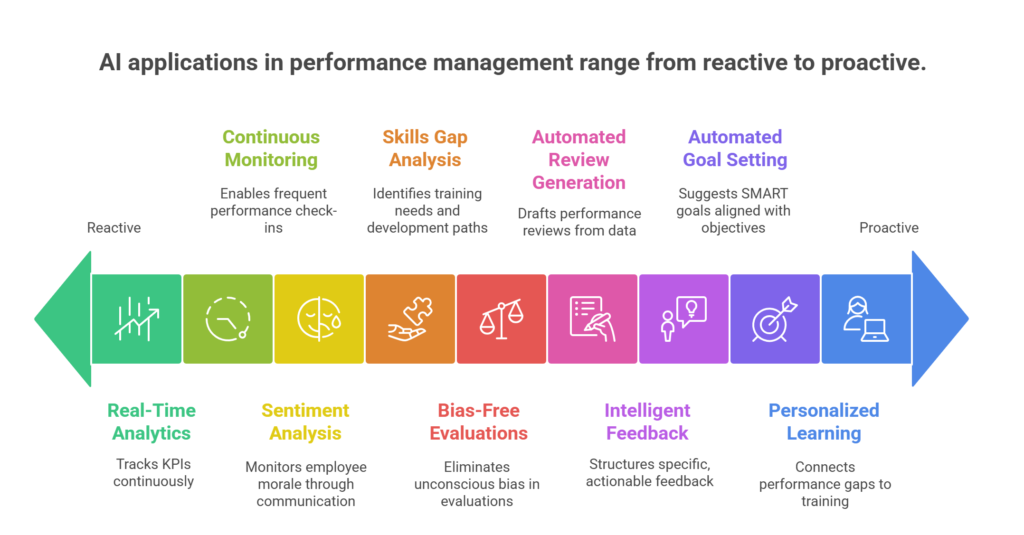
With features like 360° feedback, SMART goal tracking, real-time recognition, and integrated learning, Engagedly goes beyond basic evaluations to create a holistic performance ecosystem. Its AI-driven insights empower leaders to make data-informed decisions, minimize bias, and unlock the full potential of every employee.For organizations that want to move beyond outdated reviews and embrace the future of performance management, Engagedly offers the ideal blend of people-first design and AI innovation. It’s more than software—it’s a strategic partner in building a high-performing, future-ready workforce.
Frequently Asked Questions (FAQs)

What is performance review software and how does it work?

Performance review software is a digital platform that helps organizations manage employee evaluations, goal tracking, and continuous feedback in one centralized system. Instead of relying on manual annual appraisals, it automates review cycles, sends reminders, collects 360-degree feedback, and tracks performance metrics in real time.

Most platforms integrate goal management (OKRs or KPIs), employee engagement surveys, and analytics dashboards. This allows HR leaders and managers to monitor progress, reduce bias through standardized rating systems, and align individual performance with company objectives more effectively.

Why are traditional appraisal systems considered outdated?

Traditional appraisal systems are often annual, subjective, and disconnected from daily work. Research shows many executives believe these processes fail to improve engagement or productivity.

Common issues include delayed feedback, unclear performance metrics, and lack of development planning. In fast-moving hybrid workplaces, waiting 12 months to address performance gaps can increase burnout and turnover. Modern performance management systems solve this by offering continuous check-ins, structured evaluation frameworks, and real-time insights that keep employees aligned and motivated throughout the year.

What features should you look for in a modern evaluation platform?

A strong evaluation platform should combine automation, analytics, and employee development tools. Key features include:

  • Continuous feedback and 1:1 check-ins
  • 360-degree feedback capabilities
  • SMART goal tracking or OKR alignment
  • Advanced people analytics and reporting dashboards
  • Recognition and rewards integration
  • Learning and development connections

These features ensure performance discussions are data-driven, fair, and growth-oriented. Platforms that integrate engagement surveys and succession planning tools provide deeper workforce insights and long-term strategic value.

How does AI improve employee performance management?

AI enhances employee performance management by identifying patterns, reducing bias, and providing predictive insights. Instead of relying solely on manager opinions, AI analyzes feedback trends, goal progress, engagement data, and skill gaps.

For example, AI-powered platforms can recommend coaching actions, suggest learning modules, flag disengagement risks, or highlight high-potential employees for succession planning. This transforms reviews from reactive assessments into proactive talent strategies, helping leaders make smarter, data-informed decisions that improve retention and productivity.

Which performance review software is best for growing organizations?

The best solution depends on organizational size, goals, and complexity. Growing companies often need platforms that combine reviews, goal alignment, engagement tracking, and learning in one ecosystem.

Tools like Engagedly, 15Five, Lattice, and Leapsome offer strong continuous feedback and OKR capabilities. Enterprises may prioritize advanced analytics and integration with HCM systems, while mid-sized businesses often prefer user-friendly, scalable platforms with automation features. Evaluating customization, AI capabilities, reporting depth, and integration options will help determine the right fit.

Engagedly Ranked No. 1,514 on the 2025 Inc. 5000 List

We’re thrilled to share some exciting news—Engagedly has been ranked No. 1,514 on the 2025 Inc. 5000 list of the fastest-growing private companies in America!

This recognition is a huge milestone for us and a testament to the incredible work of our team, our customers’ trust, and our continued commitment to innovation in performance management and people enablement.

Why This Ranking Matters

Making it onto the Inc. 5000 list is no small feat. The companies recognized here represent the most dynamic segment of the economy—innovative organizations driving growth, creating jobs, and reshaping industries.

For Engagedly, this honor validates our mission: helping organizations align people performance with strategic execution to achieve measurable business outcomes. Since our founding in 2015, we’ve been passionate about building AI-powered solutions that empower HR leaders, managers, and employees alike.

Climbing the Inc. 5000 rankings—this year at No. 1,514—reflects not only rapid growth but also the real impact we’re making in workplaces around the world.

The Criteria We Met

To qualify for the Inc. 5000, companies must meet strict criteria:

  • Revenue Growth: Businesses are ranked according to their percentage revenue growth over a three-year period. Engagedly achieved an impressive 289% 3-year growth—demonstrating both resilience and scalability.
  • Independent & Private: Only privately held, independent companies qualify. Engagedly is proud to be founder-led and independently driven.
  • U.S.-based: Companies must be based in the United States. Our headquarters in Maplewood, Missouri continues to be a hub for innovation and customer success.

These standards ensure that recognition isn’t just about size but about consistent performance, agility, and entrepreneurial spirit.

A Journey of Continuous Growth

This isn’t the first time Engagedly has appeared on the Inc. 5000 list. Over the years, we’ve steadily climbed the ranks:

  • 2022: No. 2205
  • 2023: No. 3044
  • 2024: No. 4127
  • 2025: No. 1514 🎉

Each step upward represents our relentless focus on customer value, innovation in AI and engagement tools, and our incredible team’s drive.

Looking Ahead

Being recognized on the Inc. 5000 list is both a celebration of what we’ve achieved and a challenge to keep pushing boundaries. With AI transforming the way organizations manage performance and engagement, Engagedly is excited to continue leading the way.

To our customers, partners, and employees—thank you for being part of this journey. This recognition belongs to all of us.

Here’s to the next chapter of growth, innovation, and impact!