Are you looking for strategies to improve the employee experience for your remote or hybrid workforce? Look no further. Get valuable and insightful guidance here!
“A company is only as good as the people it keeps.” – Mary Kay Ash
This timeless adage sums up the core of employee empowerment—a management approach that goes beyond simple delegation to include releasing potential. Empowerment provides skills, confidence, and authority to make significant contributions to your company.
Today’s workplaces demand more than passive participation. They require proactive, involved staff members who feel appreciated and trusted. Here is when employee empowerment starts to revolutionize things. With a 2023 Gallup survey showing organizations with high employee engagement experience 23% more profitability, this shows its transforming power.
Why is empowerment so important? It raises workplace satisfaction, increases output, and stimulates innovation, producing a workforce that is strong and forward-looking. Empowering staff members is a means for success and a must for leaders to be competitive in an always-changing environment.
This article explores the actual meaning of employee empowerment, why it’s crucial, and how companies could apply it successfully. We will review what you need to know, from practical ideas to overcome obstacles to metrics measuring its performance to build an empowering culture in your company.
What Is Employee Empowerment?
At its core, employee empowerment is about trust. It’s about giving you the autonomy to make decisions within your area of expertise while providing the necessary tools, support, and accountability structure. Empowerment shifts the traditional top-down management style into one that values collaboration, creativity, and innovation.
Key Components of Empowerment
Authority: You’re given the right to make decisions that affect your work, fostering ownership.
Autonomy: Freedom to approach tasks in a way that suits your strengths and creativity.
Accountability: With empowerment comes responsibility—owning the outcomes of your decisions.
Support: Providing you with resources, training, and guidance to succeed.
Why Employee Empowerment Matters for Organizational Success
Employee empowerment is directly linked to critical business outcomes such as productivity, innovation, and retention. Let’s break this down:
1. Improves Job Satisfaction
You feel appreciated when you know you can make decisions, which greatly raises morale. 84% of respondents in Deloitte’s 2023 Well-being at Work survey said they wanted to prioritize their well-being; 74% of them said this was more important than furthering their professions. Empowerment helps employees find direction and increases their work engagement and job satisfaction.
2. Promotes Productivity
By making judgments on the fly without waiting for administrative clearance, empowered employees help simplify processes and reduce the chances of unnecessary delays in workflows.
3. Sparks Creativity
When you feel free to try without regard to failure, innovation blossoms. Empowerment helps you forward audacious ideas, which results in ground-breaking inventions. Businesses that prioritize empowerment find a two-fold increase in efforts at creative problem-solving.
4. Reduces Staff Turnover
According to Gallup, 42% of turnover is preventable but often ignored. Empowerment creates an environment in which one feels trusted and respected, which ultimately promotes loyalty.
5. Strengthens Organizational Resilience
In today’s ever-changing world, adaptability is essential. Employees who are empowered help firms grow stronger and more adaptable because they are better able to manage interruptions and seize opportunities.
Key Elements of Employee Empowerment
To create a culture of empowerment, organizations need to focus on several foundational elements:
1. Open Communication
Open communication guarantees that you really know your position, objectives, and how your efforts affect the company. Clarity helps employees and trust, thereby guiding their decisions.
2. Continuous Learning
Empowerment devoid of the means to achieve might backfire.Training programs help you to be ready for changing roles and give you the confidence to face fresh challenges.
3. Inclusive Leadership
Under leaders who guide rather than control, empowered employees flourish. Excellent leadership sets the scene where your ideas are appreciated.
4. Resource Accessibility
Employees need the correct tools and knowledge to be really empowered. Empowerment turns from an empty promise without these tools.
5. Recognition and Rewards
Appreciation helps employees realize that their efforts count. Whether it’s a formal award or a simple thank you, appreciation inspires dedication and drive.
6. Diversity and Inclusion
Inclusive workplaces magnify attempts toward empowerment. Diverse teams show the junction of empowerment and inclusion since they are 87% more effective in decision-making.
Strategies to Foster Employee Empowerment
Creating an empowered workplace requires deliberate, strategic actions. Here are actionable steps organizations can take:
1. Define Boundaries Clearly
Empowerment does not mean doing away with all structure. Clearly defined expectations and constraints guarantee that choices support business goals.
2. Train for Success
Training helps your staff members be competent and confident, reducing uncertainty and advancing growth.
3. Promote Ownership
Dealing with their own projects and decisions makes staff members more accountable and proud. Instead of micromanaging, managers should provide actual responsibility to enable staff members to create their own work rhythms and boost work efficiency.
4. Promote Collaboration
Cooperation sharpens empowerment. The company gains from different points of view when you are urged to cooperate across teams, share ideas, and help achieve group goals.
5. Offer Insightful Feedback
One cannot grow without feedback. Frequent, constructive comments support your ability to hone your abilities and subsequently raise performance, therefore strengthening empowerment. Implement 360-degree feedback to get a better overall idea of employee standings.
6. Celebrate Achievements
Celebrating achievements in public inspires individuals as well as the whole staff. Acknowledgment helps link empowerment with involvement.
Challenges to Employee Empowerment
Though it serves as a great tool, empowerment isn’t always easy to apply. Here are some typical challenges companies run across:
1. Resistance to Change
The encouragement of an empowered environment might be challenging if staff members grow accustomed to traditional management styles. Anxiety over increased responsibilities is another reason people object.
2. Lack of Trust
Efforts at empowerment will fail if teams lack trust in the corporate process.
3. Insufficient Resources
Empowerment devoid of appropriate tools and knowledge can create discontent and lower output.
4. Fear of Accountability
Greater independence comes with more responsibility, which might scare employees worried about the fallout from mistakes.
5. Inconsistent Implementation
Empowerment has to be used constantly on every team. Unequal application might breed resentment and compromise its potency.
Overcoming Challenges to Empowerment
To overcome these barriers, organizations should focus on these solutions:
1. Build a Culture of Trust
Empowerment is rooted in trust. Building trust requires open communication, fair policies, and continuous leadership.
2. Start Small
Start empowerment slowly by assigning less important decisions first, then increasing responsibility. This helps you to gain confidence and fit into the new surroundings.
3. Provide the Right Tools
Give staff members the tools they will need to be successful. The correct tools are crucial for anything from technology to mentoring to training.
4. Honor Progress
Acknowledge small successes to inspire more involvement. Celebrating development helps to build momentum and emphasizes the need for empowerment.
Measuring the Success of Employee Empowerment
Tracking important performance indicators (KPIs) helps companies evaluate the success of empowerment projects. Measures include:
Engagement Levels: Employ insightful job satisfaction survey questions to know how involved and satisfied employees are with their work.
Turnover Rates: A decline in turnover indicates increased loyalty and contentment.
Productivity Measures: Determine how teams are producing work.
Innovation Output: Track the number of ideas or projects originating from empowered teams.
Employee Feedback: Regular one-on-one meetings provide qualitative insights into empowerment’s impact on employee engagement, especially in remote environments.
According to Gallup, only 20% of the world’s workers were engaged in 2022, demonstrating the value of monitoring corporate metrics for evaluating overall employee engagement and satisfaction.
Conclusion
Employee empowerment is a commitment to fostering a culture where employees feel trusted, valued, and motivated to contribute their best. As organizations navigate the complexities of modern work environments, leaders must prioritize empowerment to create workplaces that attract and retain top talent. By integrating autonomy, recognition, and support into your culture, you cultivate a workforce that drives meaningful change.
To build an empowered and engaged workforce, you need tools that align with your vision. That’s where Engagedly comes in, which is a leading employee engagement and performance management platform designed to help you empower your teams through intuitive tools for feedback, collaboration, and goal setting.
Ready to transform your workplace? Book a demo today and unlock the full potential of your employees.
FAQs
1. What is employee empowerment?
It’s a management strategy that gives you autonomy, authority, and resources to make decisions while holding you accountable for the outcomes.
2. Why is employee empowerment important?
Empowerment drives productivity, innovation, and satisfaction, ultimately contributing to organizational success.
3. How can organizations empower employees?
By providing training, fostering collaboration, recognizing contributions, and ensuring access to resources.
4. What are the challenges of empowerment?
Common challenges include resistance to change, lack of trust, insufficient resources, and inconsistent application.
5. How do you measure empowerment’s success?
Through metrics like engagement scores, turnover rates, productivity levels, and employee feedback.
In any organization, a committed and highly motivated workforce is always challenging to maintain. It is the responsibility of major leaders and HR professionals to keep the workforce motivated and engaged; failing to do so would result in low productivity, high turnover rates, and dissatisfaction among your employees.
In this article, learn about efficient employee incentive programs and how you can avoid common mistakes in program implementation.
Top 10 Employee Incentive Programs
Incentives, or motivators, are factors that encourage motivation, growth, and productivity in your employees to achieve their set goals. These factors are important drivers for a consistent and committed team of performers. Here are the major employee incentive programs that you can implement for your workforce:
1. Performance-Based Bonuses
This system allows a tangible way to reward your employees for their continuous hard work and achievements. To make the bonus and reward system more interactive, you can offer a wide range of merchandise, gift cards, and even travel experiences to ensure your employees are valued and recognized for their work.
Performance-Based Bonus Structure Examples
Department
Bonus Criteria
Bonus Percentage/Amount
Example Calculation
Payment Frequency
Conditions
Sales Team
Achieve 110% of sales target
10% of total sales closed
$100,000 sales = $10,000 bonus
Quarterly
Must meet minimum quota to qualify
Marketing Team
Increase website traffic by 20%
$500 per milestone achieved
2 milestones = $1,000 bonus
Monthly
Based on Google Analytics report
Customer Support
Maintain 95% customer satisfaction
$200 for each month target met
3 successful months = $600 bonus
Monthly
Verified via CSAT scores
Development Team
Deliver project milestones on time
5% of project value
$50,000 project = $2,500 bonus
End of project
Project completion must meet quality standards
HR Team
Achieve 90% employee retention rate
$300 per quarter
4 successful quarters = $1,200 bonus
Quarterly
Based on employee retention reports
Operations Team
Reduce operational costs by 15%
8% of cost savings
$20,000 saved = $1,600 bonus
Bi-Annually
Requires detailed cost-reduction report
This type of employee incentive program can help build a positive work culture that encourages productivity, maintains performance quality, and reinforces employees’ sense of accomplishment.
2. Employee Recognition Programs
Humans tend to have an intense need for validation and acknowledgment of their work. You’re inculcating a sense of belonging when you provide employee recognition, formal awards, or even informal acknowledgments for their contributions. This leads to higher self-esteem and confidence in employees and more job retention.
Social recognition builds a strong sense of recognition in the work community and motivates everyone to perform well and enjoy being rewarded.
Recognize outstanding performance and contributions in a given month.
Certificate, gift card, or cash bonus
Monthly
High-performing employees
Exceeding KPIs, leadership, innovation
Peer-to-Peer Recognition
Encourage employees to nominate their peers for exceptional work.
Digital badges, shoutouts, or small prizes
Ongoing
Team collaboration
Supporting teammates, going the extra mile
Spot Bonus Awards
Instant rewards for exceptional work on projects or tasks.
Cash bonus, gift card, or vouchers
As needed
Exceptional achievements
Meeting tight deadlines, handling crises
Years of Service Awards
Celebrate employee loyalty and tenure milestones.
Personalized gifts, bonus, or vacation day
Annually
Long-term employees
1-year, 5-year, 10-year milestones
Innovation Award
Recognize creative ideas that improve processes or product innovation.
Cash prize, trophy, or public recognition
Quarterly or Annually
Innovators and idea contributors
Successful project implementation or new ideas
Team Achievement Award
Celebrate teams that exceed expectations or deliver outstanding results.
Team outing, dinner, or group reward
Quarterly or Project-based
Cross-functional teams
Successful project completion, teamwork
Wellness Champion Award
Recognize employees who promote health and well-being.
Fitness gear, wellness vouchers, or gym memberships
Quarterly
Health-conscious employees
Organizing wellness events or promoting mental well-being
Customer Hero Award
Recognize employees who deliver exceptional customer service.
Certificate, cash bonus, or experience voucher
Monthly or Quarterly
Customer-facing roles
Outstanding customer feedback or testimonials
Rising Star Award
Recognize new employees showing exceptional promise and dedication.
Certificate, mentorship opportunity, or development fund
Quarterly
New employees (< 1 year)
Strong performance, leadership potential
Volunteer Award
Celebrate employees actively participating in social causes or volunteering.
Donation to charity of choice or recognition plaque
Annually
Community-driven employees
Hours contributed to social causes
For example, Engagedly offers features where team members can give real-time praise and awards for exceptional employee performance. These immediate feedback and rewards make sure everyone’s more engaged at work.
3. Professional Development Opportunities
Investing in your employees’ professional growth, such as training, certification, and career advancement, shows your company’s deep commitment to workforce development and growth.
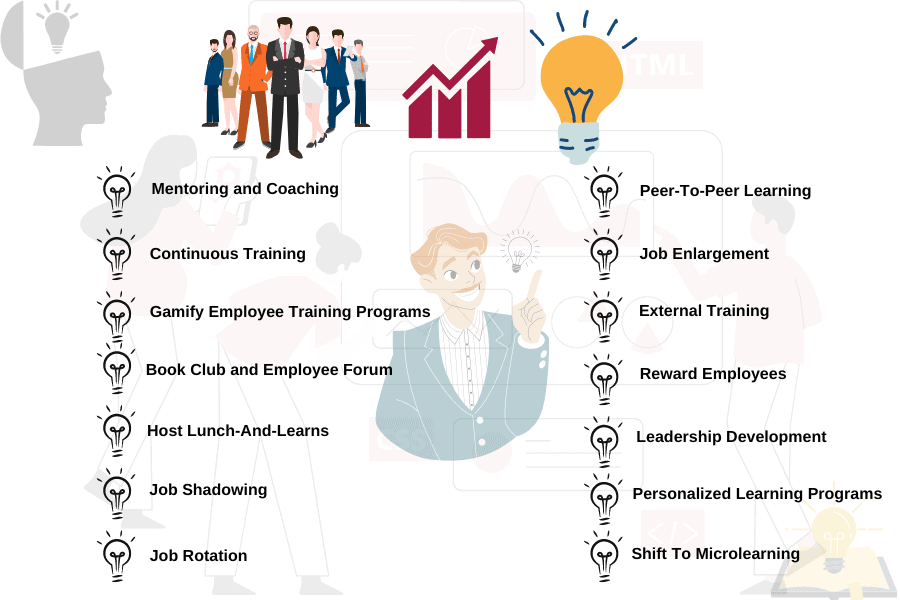
This also helps employees upskill and share knowledge, which encourages more promotions and ultimately benefits the whole organization’s growth. You can invest in customized L&D programs and mentoring sessions that can add to the professional development courses for your employees.
Professional Development Opportunities for Employees
Opportunity
Description
Ideal For
Key Benefits
Examples/Platforms
Online Courses & Certifications
Access to industry-relevant courses for skill development.
All employees, especially tech, marketing, and HR teams.
Flexible learning, skill enhancement.
Coursera, Udemy, LinkedIn Learning
Workshops & Seminars
Interactive training sessions focused on specific skills or industry trends.
Employees seeking hands-on experience.
Practical insights, networking opportunities.
Local workshops, industry events
Mentorship Programs
Pairing employees with experienced mentors for guidance.
New hires, emerging leaders.
Knowledge transfer, career guidance.
Internal mentorship programs
Leadership Development Programs
Specialized training to groom future leaders.
Mid-level managers, team leads.
Enhances leadership, decision-making skills.
Dale Carnegie, FranklinCovey
Job Rotation Programs
Employees switch roles or departments to expand skill sets.
Employees seeking cross-functional experience.
Broadens skills, fosters innovation.
Internal job rotation frameworks
Conferences & Networking Events
Events focused on industry knowledge sharing and professional connections.
Senior leaders, specialists, and emerging professionals.
Exposure to trends, partnership building.
SHRM, Gartner, SXSW
Internal Knowledge Sharing Sessions
Employees present key insights or skills to their peers.
All employees, especially team leads.
Enhances collaboration, builds expertise.
Monthly internal sessions
Book Clubs & Learning Circles
Employees read and discuss industry-relevant books.
Employees seeking self-paced learning.
Encourages thought leadership, team bonding.
Monthly book club meetings
Skill-Based Volunteering
Employees contribute their expertise to social causes.
Employees seeking meaningful engagement.
Enhances leadership, builds empathy.
Nonprofit collaborations
Tuition Reimbursement Programs
Financial support for employees pursuing advanced education.
Employees pursuing higher education or certifications.
Encourages continuous learning.
Company-supported MBA programs
Hackathons & Innovation Labs
Creative events where employees brainstorm and develop solutions.
Tech teams, product developers.
Boosts creativity, fosters teamwork.
Internal hackathons or innovation weeks
Soft Skills Training
Workshops to improve communication, emotional intelligence, and teamwork.
All employees, especially leaders.
Enhances workplace relationships.
Crucial Conversations, Dale Carnegie
AI & Automation Training
Upskilling employees in AI-driven tools and platforms.
Tech teams, HR professionals, managers.
Future-proofs skills for digital transformation.
Microsoft AI, Google AI certifications
Public Speaking & Presentation Training
Focuses on improving presentation skills and confidence.
Managers, sales teams, and aspiring speakers.
Enhances communication and influence.
Toastmasters, TEDx coaching
For example, Google provides a massive database of online courses and workshops and hosts conferences. This exposure to new skills helps in career development and job satisfaction.
4. Flexible Work Arrangements
Offering your workforce flexible work arrangements like remote work options, flexible work hours, or compressed workweeks can lead to higher productivity and increased job satisfaction.
Salesforce offers its employees the option to work remotely and create flexible schedules that suit their needs. This approach has led to higher job satisfaction and lower turnover rates.
5. Health and Wellness Programs
Promoting a healthier work-life balance and influencing lifestyle choices and fitness solutions is crucial to preventing your employees from dissatisfaction, a possible mental health issue, or burnout.
These programs offer employee incentives like healthy lunches, standing desks, fitness centers, and free mental health support services. Simple daily activities like quitting smoking programs or daily steps challenges can also ensure increased performance.
For example, Microsoft provides its employees with on-site fitness centers, menopause and maternity benefits, wellness programs, and mental health resources.
6. Paid Time Off (PTO) and Vacation Incentives
Providing paid time off and vacation incentives can help increase employee morale and avoid frequent burnout. Giving your employees time off regularly can help them recharge and come back with increased productivity and job satisfaction.
Program Type
Description
Eligibility
Key Benefits
Example Incentives
Standard PTO
Regular paid leave for vacation, sick days, or personal time.
All full-time employees.
Encourages work-life balance, reduces burnout.
Accrual system (e.g., 1.5 days per month) or annual lump sum.
Unlimited PTO
Employees can take time off as needed without a fixed limit.
Typically offered in tech and creative industries.
Builds trust, promotes flexibility.
Encourages ownership and accountability.
Vacation Bonus Incentives
Monetary bonuses or rewards for employees who take a full vacation.
Employees who use their earned PTO.
Encourages employees to unplug and recharge.
$500 vacation stipend or paid experiences.
PTO Buyback Programs
Employees can exchange unused PTO for cash.
Employees with unused PTO at year-end.
Provides financial flexibility.
Employees sell back up to 5 unused PTO days.
Sabbatical Leave
Extended paid/unpaid leave for long-term employees.
Employees with 5+ years of tenure.
Encourages rejuvenation and new skills.
1-3 months of paid leave.
Floating Holidays
Additional PTO days that employees can use for cultural, religious, or personal holidays.
All employees.
Promotes inclusivity and flexibility.
2-3 floating holidays per year.
Mental Health Days
Dedicated paid days off to support mental well-being.
All employees.
Reduces stress, improves focus and performance.
1-2 extra mental health days per quarter.
Volunteer PTO (VTO)
Paid time off for volunteering activities.
Employees interested in social impact.
Encourages community involvement.
1-2 paid VTO days annually.
Milestone PTO Rewards
Extra PTO awarded for tenure milestones.
Long-term employees.
Recognizes loyalty and dedication.
3 extra PTO days after 3 years; 5 extra days after 5 years.
‘Disconnect and Recharge’ Incentive
Extra PTO days for employees who achieve set performance milestones.
High-performing employees.
Encourages productivity and celebrates achievements.
Extra Friday off after exceeding sales targets.
For example, Netflix offers unlimited PTO to its employees as long as they can manage the assigned work on time. This policy lets employees take a breather, promotes a healthy work-life balance, and also displays trust in employees’ judgment. Google’s PTO incentives also allow employees the breather they need to spend time off work.
7. Referral Programs
Referral programs reward employees for referring qualified candidates who are hired by the company. This approach leverages employees’ networks and incentivizes them to help build a strong team.
Program Type
Description
Eligibility
Incentives/Rewards
Bonus Payment Timing
Key Conditions
Standard Referral Bonus
Employees refer candidates for open roles.
All employees excluding hiring managers.
$500 – $2,000 per successful hire.
Paid after 3-6 months of successful employment.
Candidate must meet job requirements.
Tiered Bonus System
Higher bonuses for harder-to-fill or senior roles.
All employees.
$1,000 for junior roles, $2,500 for senior roles.
Paid in stages (e.g., half at hire, half after 6 months).
Role-specific bonus criteria apply.
Fast-Track Bonus
Reward employees for referrals that lead to immediate hires.
All employees.
Additional $500 for referrals hired within 30 days.
Paid after the candidate’s first month.
Candidate must meet job requirements.
Diversity Referral Program
Incentivize referrals from underrepresented groups to promote diversity.
All employees.
Bonus + additional recognition for diversity referrals.
Paid after 3-6 months of successful employment.
Candidate must be from an underrepresented group.
Alumni Referral Program
Former employees refer potential candidates.
Former employees.
Cash bonus, gift cards, or charity donation.
Paid after the candidate’s probation period.
Alumni must maintain a positive departure record.
Referral Raffle Program
Every successful referral earns employees a raffle entry for grand prizes.
All employees.
Prizes such as vacations, tech gadgets, or vouchers.
Drawings held quarterly or annually.
More referrals = more entries.
Dropbox offers cash bonuses to employees who refer new hires. This program helps the company find top talent and encourages a sense of involvement and investment in the company’s success.
8. Team-Building Activities and Events
Organizing team-building activities and programs can strengthen employee relationships, create a positive space for competition, and improve morale. These activities can comprise team outings and retreats to workshops and social events, encouraging employees to connect and participate outside of the office work environment.
For example, Engagedly organizes interactive team-building solutions such as outdoor adventures, team lunches, community services, and volunteer activities. These activities help employees find creative solutions in stressful situations and develop critical thinking and problem-solving skills.
9. Performance Reviews and Career Advancement
Conducting regular performance reviews and guiding your employees toward clear career pathways helps build a strong employee incentive program. By ensuring your employees excel in the future, your programs offer professional growth, networking, and a supportive workplace environment.
Aspect
Description
Best Practices
Performance Reviews
Assess achievements, skills, and growth areas.
Use clear criteria, focus on feedback and goals.
Goal Setting
Align employee goals with company objectives.
Follow SMART goals or OKR frameworks.
Continuous Feedback
Ongoing check-ins for timely guidance.
Use 1:1s and real-time feedback tools.
Skills Development
Focus on training, mentorship, and learning.
Provide access to courses and mentorship.
Career Path Planning
Outline clear steps for growth and promotions.
Define skills, milestones, and timelines.
Promotion Criteria
Set transparent benchmarks for advancement.
Use performance metrics and skill assessments.
Recognition Programs
Reward top performers to boost motivation.
Use spot bonuses, awards, and public praise.
Improvement Plans
Structured support for underperformers.
Outline clear steps, timelines, and outcomes.
Stretch Assignments
Assign challenging projects for growth.
Offer leadership roles or cross-team tasks.
For example, many platforms provide effective tools for creating individual development plans (IDPs) and tracking progress. Employees can set and track their goals, aligning their personal aspirations with the organization’s objectives. This continuous feedback loop helps employees stay on track and make necessary adjustments to achieve their targets.
10. Travel Incentives
Offering your employees travel incentives works brilliantly as a way to acknowledge their work and perseverance. Around 81% of corporations quote that providing travel incentives is a major reason for employee retention in 2024. For example, providing travel reliefs such as fully paid vacations, travel vouchers, and weekend getaways helps your team relax and drain out their stress levels.
For example, your company rewards your top sales-performing team with surprise trip to a prime destination. This incentive leaves a strong positive impression on your employees and encourages all teams to work consistently to enjoy travel benefits.
Using various incentives to encourage your workforce helps reduce employee burnout and mental exhaustion. However, you must be careful in selecting the type of incentives, as not all options would work for your company. Some of the common mistakes are:
Launching Incentives Without a Plan or Inputs
Before deciding on what type of incentives suit your employees, you need to understand whether you offer aligns with what your employees actually need. When you know what your employees wish for, you can set clear goals and objectives for your employee incentive program. This way, the initiative will align with both your employees’ long-term growth and the company’s overall beliefs.
All-in-one Approach
You cannot use the same approach for a diverse set of employees with different growth perspectives. In order to make sure you get every employee to participate in such incentives, provide a range of incentives that cater to everyone’s motivational needs. For example, some employees might receive monetary-based bonuses, while others prefer professional development programs.
Inconsistent Incentives
When you implement incentives, make sure you’re communicating clearly about the program’s goals, rewards, and the entire process. Once the program ends, make sure everyone’s benefited from it, and the rewards are delivered on time.
Conclusion
By investing well in a strong employee incentive program, you’re building a deeply committed and motivated workforce. Addressing and understanding diverse employee needs helps you prepare a suitable incentive program, imperative to employee satisfaction and loyalty.
Remember, you must prepare a trustworthy and consistent employee incentive program to keep your workforce dynamic, motivated, and competent for changing market needs.
When you prioritize your workforce’s well-being and growth, you ensure a safe and productive environment, consistently working towards the organization’s goals.
FAQs
What is an employee incentive program?
An employee incentive program is a structured plan that is designed to motivate and reward employees for their performance and contributions. It includes various incentives such as bonuses, recognition, and professional development opportunities.
How can an employee incentive program improve retention?
A well-balanced employee incentive program can improve retention by improving job satisfaction and overall morale, and working towards employees’ growth and well-being. Employees prefer to stay with a company that values and rewards their contributions.
What are some common types of employee incentive programs?
Employee incentive programs include performance-based bonuses, recognition programs, professional development opportunities, flexible work arrangements, health and wellness programs, and employee stock ownership plans (ESOPs).
How can I measure the success of an employee incentive program?
You can measure the success of an employee incentive program by tracking major metrics such as employee engagement, retention rates, productivity levels, and overall job satisfaction. Regular feedback from employees can also provide valuable insights.
Why is offering professional development opportunities as part of an employee incentive program important?
Offering professional development opportunities is important because it shows employees that you are invested in their growth and career progression. This personal commitment can lead to increased loyalty, motivation, and retention.
Process mapping tools have radically transformed how companies visualize and optimize their operations. As Managing Expert Edward Deming noted, “If you cannot describe what you are doing as a process, then you do not know what you are doing.” These software solutions transform abstract workflows into workable plans.
Modern companies are increasingly under pressure to streamline their activities and increase efficiency. Process mapping tools help organizations document their workflows precisely and clearly. By converting complex processes into visual representations, teams can quickly identify areas for improvement.
Understanding and optimizing the entire business process is not optional in today’s highly competitive landscape. Process mapping tools serve as strong allies in identifying bottlenecks and inefficiencies. Whether you are a small team or a large corporation, these are basic tools for operational excellence and continuous improvement.
1. Key Benefits of Using Process Mapping Tools
Understanding the benefits of process mapping tools is essential for organizations that want to improve their performance.
1. Improved Efficiency
Process mapping tools significantly increase operational efficiency by helping organizations identify and address unnecessary steps and gaps in their workflow. These tools allow teams to rationalize their processes by reducing waste of time and operating costs while improving productivity. According to a Work Insight Report, Business Process Management (BPM) tools successfully automate tasks, reducing manual errors by 48% and increasing task completion speed by 42%.
2. Enhanced Communication and Collaboration
These tools provide a standardized visual language that improves understanding between departments and hierarchies. By providing real-time documents and collaborative features, they provide all stakeholders with access to current process information, reducing misunderstandings and improving team alignment.
3. Better Decision-Making
Process mapping tools support data-based decision-making, providing clear visibility to operational workflows. They allow leaders to try different scenarios, judge the impact of change, and reduce the risk of modification of the process.
4. Compliance and Risk Management
These tools allow organizations to document and standardize processes and, therefore, help organizations maintain regulatory compliance and minimize operational risks. According to a Munich-based survey by the Ifo Institute, the typical German white-collar worker spends 22% of their working hours dealing with bureaucratic processes. This gives a clean audit trail and helps to keep the execution of the process consistent.
5. Performance Monitoring and Continuous Improvement
Process mapping tools facilitate performance measurement and continuous optimization. They enable organizations to track key indicators, spot new opportunities for improvement, and work systematically on how to make a change, thus ensuring continuousimprovement of operations.
II. Types of Process Mapping Tools
The market offers various process mapping tools, each designed to address specific business needs and process visualization requirements.
1. Flowchart-Based Tools
One of the most widely used process mapping solutions is flowchart-based software including Lucidchart and Microsoft Visio. These tools present an easy way of creating visual representations of workflows in terms of standardized symbols and connectors. Great for documenting a simple workflow, for example, they stand out by showing successive steps and decision points in processes.
2. Value Stream Mapping Tools
Value stream mapping (VSM) tools are created to get rid of waste in the domains of manufacturing and software development. These tools divide processes into four main categories: material, information, and (generic symbols). In particular, they are very useful for optimizing an organization’s operation by analyzing the flow of components in creating products or delivering services.
3. Swimlane Diagrams
Swimlane diagram tools, also known as Rummler-Brache charts, allow us to visualize process responsibilities between different departments or individuals. These tools create process steps in parallel bands where the contents in each band belong to a given participant or division. The layout clearly reveals how the work passes between the different stakeholders and locates the separation points and probable gaps in communication.
4. BPMN (Business Process Model and Notation) Tools
BPMN tools use standardized notation to create detailed process maps. These instruments classify elements into four types: connecting objects, flow objects, swimlanes, and artifacts. With this standardization, process maps can be understood and consistent among organizations. Such processes with multiple stakeholders and decision-making points can be represented with BPMN instruments.
III. Top Features to Look for in Process Mapping Tools
When selecting a process mapping tool, it’s essential to consider features that align with your organization’s needs. According to Gartner, by 2025, low-code technology and other features would account for over 70% of process management systems, up from less than 25% in 2020, emphasizing the importance of adaptability and flexibility in these tools.
1. User-Friendly
A friendly interface is a key factor in determining success in process mapping. Ideally, the options for the tools should allow users to easily drag and drop the contents around. The user interface should also be easy to navigate and come with pre-made templates, allowing users to generate process cards without extensive training. The interface should enable effective collaboration among members of the team of technical experts in process mapping.
2. Collaboration Features
Modern process mapping tools should support real-time cooperation. This includes functions such as simultaneous editing, in-app chat functionality, a commenting system, and version control. According to industry reviews, instruments with strong cooperation opportunities average 4.4 out of 5 stars, stressing their importance in the team environment.
3. Adaptation and Flexibility
The tool should offer different types of diagrams and customization options to meet specific business needs. This includes different templates for different sectors, the ability to change shapes and symbols, and support for different process mapping techniques such as BPMN, SIPOC, and value flow mapping.
4. Integration with Other Software
Seamless integration capabilities provide process mapping tools that work effectively with existing business systems. This includes compatibility with productivity suites such as Microsoft 365, project management tools, and business intelligence platforms. Integration prevents data coverage and ensures a smooth flow of information across business applications.
5. Data Visualization Capabilities
Powerful visualization can help transform complex processes into clear, understandable diagrams. This includes support for different chart types, customizable visual elements, and the ability to produce data in multiple formats. This instrument should allow for easy-to-create professional schemes that effectively inform all stakeholders about process flows.
IV. Comparison of Best Process Mapping Tools
When evaluating process mapping tools, it’s crucial to consider their impact on operational efficiency. A report by McKinsey & Company states that agile companies are 20% more likely to outperform their peers financially, underscoring the value of tools that enhance agility and efficiency. Let’s examine four leading tools that consistently receive high ratings and offer stable features.
Comparison of Best Process Mapping Tools
Tool
Features
Pricing
Lucidchart
– Real-time cooperation with in-app chat – Drag and drop interface – Wide library of templates – Tracking version history – Smart-shaped libraries and connectors – Cross-browser and device compatibility – Cloud computing for easy access
Free version available; Professional plan starts $8/user/month
Microsoft Visio
– Comprehensive BPMN shape libraries – OneDrive integration – Extended process mapping options – Wide diagram templates – Real-time co-authoring – Data linking options – Built-in stencils and shapes
Starts $5/month (included in Microsoft 365 commercial plan)
Free version available; Advanced features start at $5/user/month
SweetProcess
– Unlimited access to all features – Policy and procedure documentation – Tracking and easy task delegation – No tier pricing model – Team collaboration tools – Progress tracking feature – Notification reminders
$99/month for a maximum of 20 active members
Trainual
– Team documentation and training – Individual user pricing model – Process tracking abilities – Seat-based scalability – Employee onboarding tools – Integration abilities – Easily customizable templates for workflow
Train Plan: $124/month for 10 users Scale Plan: $249/month for 20 users
Flowingly
– Minimum 20 users access – 50 process mapping abilities – 50 GB storage – Multi-platform integration – Real-time workflow mapping – Chat, phone, and email support available – Affordable option
Starts from NZD 669/month
Tool A: Lucidchart
Features:
Real-time cooperation with in-app chat
Drag and drop interface to easily create a diagram
A wide library of templates for various processes
Tracking Version History
Smart-shaped libraries and connectors
Cross-browser and device compatibility
Cloud computing for easy access
Pricing: Free version available; Professional plan starts $8/user/month
Tool B: Microsoft Visio
Features:
Comprehensive BPMN shape libraries
OneDrive integration for file sharing
Extended process mapping options
Wide diagram templates
Real-time co-authoring
Data linking options
Built-in stencils and shapes
Price: Starts $5/month (included in Microsoft 365 commercial plan)
Tool C: Canva
Features:
Adjustable whiteboard elements
Almost 400 flow chart templates
Dynamic flowchart connectors
Real-time cooperation tools
Drag-and-drop design interface
Custom branding opportunities
Visual asset management
Price: Free basic plan; Team plan $300 per year for the first five users
Tool D: Creately
Features:
Smart-shaped technology
Sector-specific templates
Multiple diagram view options
Real-time cooperation capacity
Extensive BPMN shape libraries
Visual canvas for mapping processes
One-click theme changes
Pricing: Free version available; Advanced features start at $5/user/ month
Tool E: SweetProcess
Features:
Unlimited access to all its features
Policy and procedure documentation
Tracking and easy Task delegation
No tier pricing model
Team collaboration tools available
Progress tracking feature
Notification reminders
Pricing: $99/month for a maximum of 20 active members
Tool F: Trainual
Features:
Team documentation and training
Individual user pricing model
Process tracking abilities
Seat-based scalability
Employee onboarding tools available
Integration abilities
Easily customizable templates for workflow
Pricing: Train Plan: $124/month for 10 users Scale Plan: $249/month for 20 users
Tool G: Flowingly
Features:
Minimum 20 users access
50 maps process abilities
50 GB storage
Multi-platform integration
Real-time workflow mapping
Chat, phone, and email support are available
Affordable option.
Price: Price starts from NZD 669/month
V. How to Choose the Right Process Mapping Tool for Your Business
Factor
Description
Evaluation of Your Business Needs
Assess process complexity, number of users, and diagram types required. Different industries may need specific features.
Ease of Use and Learning Curve
Tools with intuitive interfaces, drag-and-drop features, and pre-made templates ensure quick adoption. Prioritize usability for faster implementation.
Scalability and Integration
Choose a tool that can expand with your company and integrates well with project management tools, document management systems, and BI platforms.
Support and Customer Service
Reliable support ensures smoother implementation. Look for tools with extensive documentation, tutorials, and responsive customer service.
Conclusion
Process mapping tools are among the most crucial necessities of any contemporary commercial activity. For this reason, selecting the right tool could greatly improve workflow visibility, increase inter-team collaboration, and support the introduction and enforcement of standards.
Certain aspects of the tools can be examined in detail compared to the other options, given particular business requirements. Organizations can choose a process mapping tool that can improve operational efficiency. However, the best tool should provide an adequate range of functions and be easy to use, corresponding to the organization’s needs.
Frequently Asked Questions (FAQs)
What are process mapping tools and how do they work?
Process mapping tools are software solutions that visually document how a workflow or business process operates from start to finish. They use diagrams—such as flowcharts, swimlane diagrams, or BPMN models—to show tasks, decision points, handoffs, and responsibilities. By turning abstract processes into clear visuals, teams can better understand how work actually gets done. This clarity helps identify inefficiencies, bottlenecks, redundancies, and risks, making it easier to optimize workflows, standardize operations, and align teams around a shared understanding of processes.
How do process mapping tools improve operational efficiency?
Process mapping tools improve efficiency by making inefficiencies visible and actionable. When workflows are clearly mapped, teams can quickly spot unnecessary steps, delays, or duplicated work that slow execution. These tools also help standardize processes, reducing errors caused by inconsistent execution. Many platforms support scenario modeling, allowing teams to test changes before implementing them. Over time, organizations use these insights to reduce cycle times, lower operational costs, and improve productivity by ensuring work flows smoothly across departments.
Which type of process mapping tool is best for my organization?
The best process mapping tool depends on your process complexity and business goals. Flowchart-based tools work well for simple, linear workflows. Swimlane diagrams are ideal when responsibilities span multiple roles or departments. BPMN tools suit complex, cross-functional processes requiring standardized notation. Value stream mapping tools are especially effective for identifying waste in manufacturing or service delivery. Before choosing, assess factors like process complexity, team size, collaboration needs, and whether compliance or automation support is a priority.
What features should I look for in a process mapping tool?
An effective process mapping tool should be easy to use and flexible enough to adapt to different workflows. Key features to look for include:
Drag-and-drop diagram creation and ready-made templates
Real-time collaboration and version control
Support for multiple diagram types (flowcharts, BPMN, swimlanes)
Integration with productivity or project management tools
Strong data visualization and export options
These features ensure faster adoption, better collaboration, and long-term scalability as processes evolve.
How do process mapping tools support compliance and continuous improvement?
Process mapping tools support compliance by creating standardized, documented workflows that serve as clear audit trails. This helps organizations demonstrate adherence to regulatory requirements and internal policies. For continuous improvement, these tools enable teams to track performance metrics, monitor process changes, and regularly review workflows. By visualizing how processes evolve over time, organizations can systematically identify improvement opportunities, reduce risk, and build a culture focused on ongoing optimization rather than one-time fixes.
Employee recognition isn’t just a feel-good perk—it’s a business lever. A 2023 Gallup study shows recognized employees are 56% less likely to quit, and engaged teams drive 21% higher profitability. But size doesn’t matter—whether you’re a startup or a corporate giant, a well-executed recognition program can ignite motivation and loyalty.
The catch? Most programs flop because they’re generic or lean on tired tricks like gift cards and “Employee of the Month” plaques that barely move the needle. To work, recognition must be personal, tied to goals, and worth caring about. Done wrong, it’s a waste of time; done right, it’s a game-changer.
Here are 10 proven strategies to build a program your team will actually value—and keep coming back for.
1. Set Clear Goals
Define specific, measurable outcomes for your program—e.g., “cut turnover from 15% to 10% in six months” or “reduce absenteeism by 15% this year.” Start by tracking current metrics: average sick days (say, 6 per employee annually) or retention rates.
After launching, compare quarterly—e.g., if absences drop to 4 days, you’re winning. Use tools like Google Sheets or HR software (e.g., BambooHR) to log data. Review progress in Q1, Q2, etc., and tweak incentives if goals stall. Clear targets keep you accountable and prove ROI to leadership.
2. Track with Metrics
Pick KPIs tied to your business—sales per rep (e.g., $50K monthly), customer satisfaction scores (aim for 90%+), or tickets resolved (20 per week). Set recognition tiers: $50 gift card for top 10% performers, a shoutout for top 25%.
A 2024 SHRM report found 68% of companies using data-driven recognition see performance gains (vs. 41% without). Use a point system—e.g., 5 points per sale, 100 points = $50 bonus—to track year-long progress. Share results in team dashboards (e.g., via Slack or Trello) so everyone sees the link between effort and reward.
3. Offer Instant Small Rewards
Recognize wins fast—e.g., a $25 Amazon voucher after a client praise email or a $15 Starbucks card for a deadline met early. A 2023 Bersin study shows instant rewards boost motivation 34% more than year-end bonuses.
Example: After a sales rep closes a tough deal, send a team-wide “Great job, Mike!” email with a $20 lunch voucher. Keep a stash of low-cost items (pens, mugs) for spot recognition. Frequency trumps size—small, timely perks signal value better than rare big payouts.
4. Make It Social
Build a nomination process—e.g., a Google Form where peers submit “Best Team Player” picks monthly. Announce winners on Slack, Teams, or LinkedIn, tagging them with specifics (“Jane’s client demo crushed it!”).
A 2024 Workhuman survey says 72% of employees feel more valued with public praise. Offer tiered rewards: $50 gift card for “Monthly Star,” $100 event tickets for “Yearly MVP.”
Encourage winners to post about it online (e.g., “Proud to be recognized at [Company]!”). Social buzz boosts morale and attracts talent—double win.
5. Add Fun Elements
Launch a contest—e.g., “Most Innovative Idea” with a $30 prize or company hoodie. Host a quick trivia game at meetings (e.g., “Guess our Q1 revenue”) with candy for winners. A 2023 Gartner report says gamified programs lift participation 48%.
Example: A marketing team runs a “Caption This Ad” challenge—best entry gets a movie ticket. Keep rules simple and inclusive—overcomplicated games fizzle out. Fun cuts monotony and makes recognition memorable.
6. Tie It to Company Pride
Link recognition to big wins—e.g., “Thanks to Tom’s code fix, we landed a $200K client!” Share via a monthly newsletter (Mailchimp’s free tier works) or a 15-minute webinar recapping successes. A 2024 Deloitte study shows 63% of employees at pride-focused firms are more engaged.
Build an internal app (via Glide or Adalo) with a “Wins Wall” and event calendar. Update weekly—stale content kills interest. Example: Spotlight a team’s project milestone and tie it to the company’s mission. Pride fuels loyalty.
7. Gamify Performance
Assign points: 10 for a sale, 20 for a 5-star review, 50 for a team assist. Redeem at milestones—100 points = $25, 500 = a day off. Add leaderboards: one public (top 5 earners), one private (manager-only milestones).
A 2023 Aberdeen Group study says gamified recognition boosts engagement 31%. Example: A support team earns “Helper Badges” for fast resolutions, with a $50 quarterly prize for the top scorer. Dock points for slackers (e.g., -10 for missed deadlines) to keep it fair. Competition drives effort.
8. Include Recognition in Performance Reviews
In annual or quarterly reviews, ask: “What are you proudest of this period?” Recognize it—e.g., “Your Q3 campaign lifted conversions 15%, awesome work.” Pair with a $20 voucher or public nod. A 2024 Harvard Business Review study says this boosts satisfaction 27%.
Train managers to dig for specifics (not just “good job”). Example: A dev lists fixing a crash bug; the manager notes it in the review and shares it team-wide. It’s a natural motivator that ties recognition to growth.
9. Send Personal Notes
Write a quick, specific thank-you—e.g., “Hey Sam, your late-night prep for the pitch saved us. Thanks!” Handwritten cards beat emails, but both work. A 2023 O.C. Tanner study says 79% of employees feel valued with personalized praise.
Pair it with a $5 coffee card or a “You Rock” sticker. Example: After a retail worker handles a tough customer, the manager slips them a note and a candy bar. It’s cheap, fast, and shows you notice.
10. Show Gratitude Publicly
In meetings, call out effort—e.g., “Lisa’s extra shift last week kept us on track—huge thanks!” No budget needed. A 2024 Glassdoor survey says 81% of workers feel more loyal with public gratitude.
Example: A small firm names a “Week’s MVP” on a whiteboard—e.g., “Joe’s inventory fix saved $500!” On birthdays or milestones, add a $10 gift card and a team cheer. Public praise builds a culture of appreciation.
Key Takeaway
Recognition works when it’s frequent, specific, and tied to results. Gallup’s 2023 data shows only 36% of U.S. employees feel recognized enough—your program can close that gap. Start small, measure what sticks, and scale up.
Organizational success is reliant on the effective use of advanced tools and a skilled workforce. Achieving this accomplishment is significantly influenced by the effectiveness of the People, Process, and Technology (PPT) framework, which aligns personnel, workflows, and technical improvements to provide meaningful results.
The PPT framework is more than a theory; it is a purposeful strategy for ensuring company-wide harmony.
To an HR executive, this framework comprises fostering a collaborative culture, improving processes, and experimenting with new technology in order to efficiently fulfill business objectives.
In this blog, we will look at the People, Process, and Technology framework, including its components, history, and practical applications, as well as how it may revolutionize your HR strategy.
What Is the People, Process, and Technology Framework?
The People, Process, and Technology (PPT) framework is a strategic approach that helps firms balance and integrate three important factors of success:
People: Employees, leaders, managers, and stakeholders in charge of achieving organizational goals.
Process: The workflows, policies, operations, and systems that ensure the efficient completion of tasks.
Technology: The tools, technologies, advancements, and innovations that support and enhance people and processes.
The History of the PPT Framework
In the early 1960s, Harold Leavitt, a specialist in business management, presented the People, Process, and Technology framework in his article “Applied Organization Change in Industry.” The four components of Leavitt’s diamond model were initially people, structure, tasks, and technology.
It did not, however, take into consideration how these elements interacted with one another. People were the workers in this concept, structure was the way they were arranged, jobs were the things they did, and technology was the equipment they used.
Today, the PPT framework is widely applied in the domains of HR, IT, and project management. This allows organizations to steer through challenges that come with increasing digitalization and globalization.
The Essence of the People, Process, and Technology Framework
This framework focuses more on reality; business success depends on cutting-edge technology, operational systems, and skilled employees, and how all three work in a harmonious process.
With these three elements people, processes, and technology – organizations can find innovation, be efficient, and achieve business goals without a hassle.
Let’s look into each aspect closely:
1. People – The Driving Force Behind Success
People are the foundation of any organization. They are the creative and dedicated forces who contribute using their experience and expertise. In the PPT framework, people refer to the employees, leadership, stakeholders, and even customers who all work toward an organization’s objectives.
Why Do People Matter So Much?
It is simply because even the most sophisticated processes and technologies cannot function properly without motivated and competent employees. People build culture, implement strategies, and spur innovation.
How do you manage to keep the employees engaged and satisfied?
2. Process: The Blueprint for Efficiency
Processes are the organized flows, procedures, and approaches that guarantee repeatable and effective activities. An efficient process minimizes errors, reduces redundancy, and increases productivity.
Why Are Processes Important?
They create a guide toward achieving goals, so that teams work together in an integrated manner, hence, without waste. Processes also protect quality and compliance.
According to the Journal of Small Business Management, 71% of the fastest-growing organizations depend on an effective strategic planning process.
Another survey claims that 89% of employees report that an effective onboarding process enhances engagement at work.
Engaging Questions to ensure you have streamlined processes within the organization:
Do your workflows optimize efficiency?
Do your processes evolve with change?
How often do you update and perfect your operations?
3. Technology: To Empower People and Processes
Technology serves as an enabler in the PPT framework. It increases human effort while automating, analyzing data, and using superior tools to improve the process.
Why Is technology indispensable?
In today’s digital age, technology brings scalability and accuracy that no human effort can realize. It also equips with precision and data-driven decision-making in real-time. AI tools help automate repeating tasks and enable employees to spend more time on critical initiatives and even add creativity.
Nearly 9 out of 10 organizations worldwide are planning to increase their IT budgets in 2025. Of this, 51% of IT spending is projected to shift from traditional technologies to cloud-based infrastructure. Additionally, 58% of organizations have adopted IoT for automation in 2024, up from 38% in 2021.
Engaging Questions to ensure your organization is well-equipped with advancing technologies:
Are you realizing technology to its fullest potential?
Do your tools integrate seamlessly with your existing systems?
How do you ensure your technology investments deliver ROI?
Business Use Cases of People, Process, and Technology Framework
Here are some business use cases that depict how the people, process, and technology framework is implemented:
People: Engage your sales force in strong relationships with customers through the enhancement of soft skills, active listening, and empathy. Reward exceptional service to your customers for excellent service.
Process: Have a standard procedure for bringing a customer on board that does not confuse the customer or mistrust the system.
Technology:Use CRM systems to track customer interactions, provide personalized experiences using AI, and accurately forecast client needs using data analytics.
Issue 2: Meeting Project Deadlines
People: Provide employees with training on time management and productivity so that they are better able to deliver results by deadlines without sacrificing quality.
Process: Develop well-defined, actionable workflows that account for people’s roles and realistic timelines of deliverables.
People: Engage employees by encouraging them to design training programs in which they are likely to take an interest and commit.
Process: Use feedback tools to obtain employee input regarding the effectiveness of training and continually incorporate improvements.
Technology: Implement e-learning on interactive and gamified platforms to make it more engaging and easily accessible.
Issue 4: Resolving Internal Conflicts
People: Train the managing officers and team leaders in conflict resolution techniques so that they can mediate their teams’ disputes effectively.
Process:There should always be crystal-clear communication channels and policies about grievances.
Technology: Use tools for collaboration to ensure there is always open communication and no misunderstandings.
What Are the Challenges of Using the People, Process, and Technology Framework?
HR leaders often encounter the following challenges:
Natural Resistance from People: Introducing new processes or technologiesoften triggers resistance as employees fear job disruption and redundancy, which is a natural response to change.
Lack of Competence: Introducing new technology has its own skills. One would have to train or recruit people to integrate AI-based HR solutions.
Increasing Costs: Leveraging the PPT model could be capital-intensive. The use of advanced HR software can cost an arm and a leg, where return on investment expectations are not well defined.
Over-Reliance on Technology: Technological enablers can be misused to excess, leading to a neglect of the human factor and, therefore, reducing employee engagement and satisfaction.
Advantages of Leveraging the People, Process, and Technology Framework
Despite its difficulties, the PPT Framework presents transformational benefits to the HR leaders:
An approach based on people focuses on valuing the employees. Learning platforms customized according to individual aspirations promote employee morale and retention.
3. Scalability
The PPT framework offers a strong structure for growth. Expanding teams or global operations becomes hassle-free.
4. Data-Driven Decision-Making
With technology empowering real-time analytics, HR leaders can make better decisions. Predictive analytics might identify potential risks of attrition before they manifest.
Best Practices to Implement the People, Process, and Technology Framework
Best practices for HR leaders to successfully implement the PPT framework include the following:
1. Assess Organizational Needs
Conduct a thorough analysis to understand where the organization stands today and where it wants to go. Engage stakeholders to understand priorities and formulate a strategy that considers important aspects of the organization.
2. Prioritize People
The human element should be at the forefront of the framework. Employees should be involved in the planning stages and provided with the necessary training to embrace changes. Also, make sure to foster a culture of open communication where feedback is encouraged and valued, ensuring that employees feel supported and empowered throughout the transition.
3. Rationalize Existing Processes
Optimize existing processes to eliminate inefficiencies and document all workflows. Applications used for process mapping can be very helpful here. By leveraging these tools, you can visualize current workflows, identify bottlenecks, and implement improvements that enhance overall efficiency and alignment with organizational objectives.
4. Technology Investment
Constitute technologies that can grow with the organization. For instance, cloud-based HR technologies have more scalability than onsite technologies.
Consider technologies that align with the organization’s long-term goals and support its future growth. Choose tools that can evolve alongside the business, allowing for flexibility and adaptation as needs change.
5. Continuous Feedback
Set mechanisms for frequent feedback from employees and stakeholders. Use surveys, focus groups, and one-on-one interviews to gather considerable insights.
To Wrap Up
The PPT framework represents the roadmap to achieve sustainable growth and organizational excellence.
Prioritizing your people, optimizing processes, and embracing appropriate technologies can create an agile, resilient, and responsive organization. This can enhance employee engagement, manage project completion within deadlines, and even mitigate internal conflict situations.
As an HR leader, the next step is to implement the PPT framework in a manner that complements the company’s objectives, vision, mission, and goals.
At Engagedly, we specialize in helping an organization experience the power of the PPT framework. From innovative tools to expert guidance, we will help you empower your workforce, enhance efficiency, and harness technology to the fullest extent. Book a demo with us to learn more!
FAQs
What is the People, Process, and Technology framework?
The People, Process, and Technology framework is a strategic model for aligning employees, business processes, and technology to achieve organizational goals. People provide skills and leadership, processes create efficient workflows, and technology enables automation, collaboration, and data driven decision making.
Why is the People, Process, and Technology framework important?
The People, Process, and Technology framework is important because organizational performance depends on how effectively people, processes, and technology work together. Aligning these three elements can improve productivity, employee experience, operational efficiency, scalability, and business outcomes.
What is an employee engagement system?
It is the set of recurring management practices that produce engagement as an output: setting a few clear goals, running regular check-ins, giving continuous feedback, supporting development, and recognizing good work close to when it happens. Engagement is the result of that system running well, not a separate program you bolt on beside it.
What are the three components of the People, Process, and Technology framework?
The three components of the People, Process, and Technology framework are: People: Employees, managers, leaders, stakeholders, and other individuals who contribute to organizational goals. Process: Workflows, policies, procedures, and operating methods that guide how work gets done. Technology: Digital tools, systems, software, and emerging technologies that support people and processes.
How does the People, Process, and Technology framework work?
The framework works by aligning people, processes, and technology around shared organizational objectives. Organizations first identify their workforce and business needs, improve inefficient processes, and then select technology that supports those needs rather than treating technology as a standalone solution.
What is the role of people in the PPT framework?
People are the human element of the PPT framework. Employees and leaders provide knowledge, creativity, decision making, collaboration, and expertise. Effective implementation requires organizations to involve employees, provide appropriate training, encourage feedback, and help people adapt to changes in processes and technology.
What is the role of process in the PPT framework?
Process defines how work is performed across an organization. Effective processes create clear responsibilities, reduce unnecessary steps, improve consistency, support compliance, and help teams work efficiently toward shared goals.
What is the role of technology in the PPT framework?
Technology enables people and processes by providing tools for automation, communication, collaboration, data analysis, and decision making. The most effective technology investments support clearly defined business needs and integrate with existing workflows.
Meetings are essential for team alignment, decision-making, and project execution — but without a clear agenda, they often become unfocused and unproductive.. Without proper coordination and planning, meetings become a waste of time, causing frustration among team members and a loss of goals.
Research shows that bad meetings cost US firms about $37 billion a year, underlining the critical need for better meeting management.
The creation ofan effective staff meeting agenda is more than listing the discussion points. It’s about developing a strategic approach that ensures every minute you spend in meetings generates value for your team. Understanding the key elements of a successful agenda can turn meetings from time losers to strong organizational success drivers.
This comprehensive guide will cover how to establish and implement an effective staff meeting agenda that leads to results. You will discover tested strategies for structuring meetings, find the essential components that should be included in each agenda, and understand how to increase team engagement.
What is the Staff Meeting Agenda?
The staff meeting agenda is a structured document that sets out the main topics, objectives, and discussion points for team meetings. Let’s understand its main elements and its role in managing successful meetings.
1. Strategic Framework
A staff meeting agenda is a detailed plan that the attendees follow to ensure that topic flow is strategic and meetings are purposeful. It defines responsibility through such factors as stating time slots for each subject, who will be speaking, and making the expectations known about the outcomes expected from the meeting. This system helps prevent slippages in terms of efficiency and guarantees that everyone pays optimal attention to all potential problem areas.
2. Communication Instrument
The agenda serves as a medium of communication prior to the meeting since it enables the participants to prepare adequately for the meeting. It shall notify members of the teamof the topics ahead of time to help them gather relevant data and derive basic issues.This training ensures more productive negotiation and better decision-making during the meeting.
3. Documentation Support
In addition to direct discussions, the agenda serves as a reference document for monitoring decisions and the performance of duties. This provides a clear record of the discussion actions that groups may want to use after the meeting to guide their actions. This documentation helps to keep the responsibility and follow-up of major tasks.
4. Meeting Management System
The agenda serves as an efficient time management schedule, which regulates the speed and orientation of the meeting. It prevents discussions from going outside the circuit and helps to maintain meetings in their specified time slot. This approach is systematic, and the time of everyone involved is considered, and work is carried out effectively.
Benefits of a Well-Structured Meeting Agenda
Understanding the benefits of a well-organized staff meeting agenda can help teams increase their efficiency and bring value to organizations.
1. Productivity Growth
Office workers are only productive for 31% of their work day. A structured agenda helps here by allowing attendees to focus on important topics and avoid time-consuming, unplanned contact lines. This ensures an effective decision-making process while allowing participants to focus on discussions. The clear structure also ensures that the meetings meet the intended objectives without undue delay.
2. Time Optimization
Adequate agenda planning should ensure that meetings begin and end on time, respecting participants’ valuable time. It should also contribute to allocating sufficient time for each consultation point based on its importance and complexity. This systematic approach does not produce meeting exceedances and is efficient with time management.
3. Strengthening Communication
The program sets up a structure of who should participate and guarantees that all voices will be heard. It makes the information flow very clear by breaking the topics in a very logical manner. This organization promotes active engagement and significant contributions from all participants.
4. Strategic Alignment
A well-planned agenda keeps the team members focused on organizational objectives and priorities. This helps totrack progress in key initiatives while preserving the clarity of team responsibilities. The agenda-based meetings make it possible to constantly monitor the action points, and keep the dynamics of important projects.
Main Components of the Staff Meeting Agenda
Effective staff meeting requires organization and professional determination of how the meeting will be conducted and the aim of the meeting.
1. Title and Details of the Meeting
Each staff meeting should start with basic information, including the title of the meeting, date, start time and end time, and place (physical or virtual platforms such as Zoom / Teams), as well as a full list of participants with their roles. For virtual meetings, the meeting includes a link and the necessary access codes.
2. Clear Meeting Objective
72% of respondents in a survey felt that a clear meeting agenda is key for a successful meeting. Indicate the specific purpose and desired results of the meeting in advance. Your aim must be to identify the decisions to be taken and what you want to achieve.
For example, instead of “Q1 performance talks,” write “Review Q1 Sales Metrics and Decide on Q2 strategy adjustments.” This helps participants to understand what they must prepare and what decisions they will make.
3. Topics and Points of Discussion
List all cases to be dealt with, classified as priority. Each subject should have a specific, descriptive title, subject of discussion, or the necessary materials or the statement of the presenter, as well as the expected result (whether it be a decision, update, or point of action). This structured approach ensures that everyone knows what to expect and how to prepare.
4. Time Allocation
An average meeting lasts anywhere between 31 to 60 minutes. Give realistic time blocks to each item on the agenda to maintain the flow of meetings and ensure that all subjects receive adequate attention.
Break off the schedule in specific segments, such as Welcome and Updates (5 minutes), Q1 Performance Review (20 minutes), Team Challenges Discussion (15 minutes), and Next Steps Planning (10 minutes).
5. Review of Previous Action Items
Before diving into new topics, spend 5 minutes reviewing what was assigned at the last meeting. Who was responsible? What is the status? This creates continuity and accountability without requiring a separate follow-up meeting.
6. Points of Action and Responsibilities
Add a comprehensive section to track existing and new tasks. List pending action points from previous meetings, new tasks to be assigned, clear responsibility for each task, specific deadlines, and established follow-up mechanisms to ensure accountability and follow-up.
7. Time for Questions and Answers
Reserve time at the end of the meeting for questions, clarifications, team feedback, and additional discussion points. This gives participants space to raise concerns or topics that were not fully covered during the main agenda.
8. Supported Materials
Provide all relevant documents necessary for effective participation, including comments from previous meetings, reports or data for consultation, presentation slides, project updates, and all necessary reading material. Ensure that all material is easily accessible to participants.
Best Practices for Setting Up a Staff Meeting Agenda
Creating an effective staff meeting agenda requires careful planning and attention to detail. Here are the main practices for ensuring that meetings are productive and meaningful.
1. Involvement of Planning Participants
Request items on the agenda from team members three days before the meeting to ensure full coverage. Find active input on discussion topics, confirm the availability of key presenters, and gather feedback on time allocation for complex topics. Share a draft agenda for team evaluation, incorporate relevant suggestions to create buy-in, and ensure that all key topics are included.
2. Establishing Realistic Objectives
Each meeting focuses on 3-4 key aspects to maintain effectiveness. Ensure that each item on the agenda has a clear and feasible outcome in line with the team’s objectives. Consider the group’s capacity and work efficiency when planning discussions and choosing shorter, targeted meetings instead of long sessions that can lead to reduced commitment and productivity.
3. Effectively Prioritizes Topics
Structure your agenda to address critical decisions and high-energy points at the beginning of the meeting when participants are most alert. Group-related topics together for better flow and understanding. Plan complex discussions during peak team energy periods and maintain a balance between updates and interactive discussions to maintain high commitment during the meeting.
4. Divide the Agenda in Advance
Send the full agenda package at least 48 hours before the meeting to allow sufficient preparation time. Includes all supporting documents, mark the required pre-meeting preparation, and indicate which topics should be reviewed in advance. Send reminder notifications with the attached agenda to make sure everyone is prepared and ready to contribute.
5. Create Time Buffers
Develop flexibility in your agenda by adding small breaks between key topics and early buffer inclusion for unexpected discussions. Plan for possible technical issues in virtual meetings, give time for a smooth transition between presenters and make sure important decisions are not rushed due to time pressure.
6. Structure for Maximum Engagement
Start meetings with a short check-in or icebreaker to set a positive tone. Alternate between updates and interactive discussions to maintain attention. Includes variety in presentation styles, plans for active participation through different commitment methods, and always ends up with clear steps and action elements to maintain momentum.
How to Run a Staff Meeting (Practical Tips)
Writing a strong agenda is step one. Running the meeting well is step two. Here is what actually works:
Start on time, every time
Starting late punishes the people who showed up when they were supposed to. It also sends a message that the meeting’s own time limits do not really matter. Build the habit of starting at the scheduled time and late arrivals can catch up.
Assign a facilitator and a note-taker
These do not need to be the same person – and for most meetings, they should not be. The facilitator manages the flow, keeps discussions on track, and ensures everyone is heard. The note-taker captures decisions and action items in real time so nothing gets lost after the meeting ends.
Use the parking lot technique
When a valuable but off-topic discussion comes up, do not shut it down – park it. Maintain a visible “parking lot” list of topics that came up but were not on the agenda. At the end of the meeting, decide as a group whether each parked item needs a follow-up meeting or can be handled asynchronously.
Keep to the time blocks
If a discussion is still going when its time block ends, make a decision as a group:
Call it and move on, scheduling a follow-up for that specific topic
Briefly extend it and cut time from a lower-priority item
Escalate it to a separate decision-maker outside the meeting
What you should not do is let one item absorb the entire meeting while other items get skipped.
Close every meeting with a recap of action items
Before adjourning, spend five minutes reading back every action item that was assigned during the meeting. Confirm the owner and deadline for each one out loud. This reduces misunderstandings significantly and makes follow-up much easier.
Send a follow-up within 24 hours
Share meeting notes, a summary of decisions made, and the full action item log with every attendee (and anyone who was invited but could not attend) within 24 hours. The longer you wait, the more context fades.
Ask for feedback on the meeting itself
Periodically ask your team whether the meeting format is working. A simple post-meeting survey with two or three questions – Was this meeting necessary? Was the agenda clear? What would you change? – surfaces friction before it becomes resentment.
Common Mistakes to Avoid
Understanding common traps in the staff meeting agenda ensures more efficient meetings and better results.
1. Overloading the Agenda
Around 50% of the time in a meeting was considered time wasted by employees. Attempting to cover too many topics in one session creates discussions at the surface level and poor results. This includes dealing with multiple complex issues, not enough time for a good discussion, planning back-to-back items without interruptions, and including items that can be handled more efficiently via email or other communication channels.
2. Unclear Agenda Items
Bad clarity on the agenda leads to confusion and a waste of time. This includes the use of vague or generic theme descriptions, the non-specification of the desired results for each discussion point, the lack of key context that participants need to prepare, and the failure to indicate the required pre-meeting preparation or material assessment.
3. Bad Time Management
Ineffective time allocation can derail even well-planned meetings. Common issues include not assigning specific time slots to items, allowing discussions about assigned time to run, starting late or ending late, and running through important topics due to poor planning or insufficient time allocation.
4. Insufficient Follow-Up Planning
Failure to plan action after the meeting reduces the effectiveness of the measures. This does not include recording action items and owners, missing deadlines for assigned tasks, failureto document important decisions taken during the meeting, and failureto keep track of the progress of previous meetings.
5. Communication Problems
Poor communication around the agenda confuses and reduces the effectiveness of meetings. This means that the agenda is not shared sufficiently in advance, the key stakeholders are not included in the distribution lists, necessary supporting documents are not included, and new participants or team members are not provided with adequate context.
Staff Meeting Agenda Template
Below is a general-purpose staff meeting agenda template you can copy, download, and customize. It works for most recurring team meetings.
Pre-meeting prep: Each team member reviews their task list and notes any blockers before joining.
Monthly Staff Meeting Agenda
Best for: Whole-team monthly alignment, performance reviews, and planning
Recommended length: 60 to 90 minutes
Agenda:
Monthly Staff Meeting – [Month, Year]Objective: Review last month’s performance metrics, address team challenges, and set goals and priorities for the coming month.
Welcome and Announcements (5 min) – Manager/Facilitator
Company updates, personnel changes, key news
KPI and Performance Review (20 min) – Department Leads
Review of key metrics against targets
What worked, what did not, and why
Project Status Updates (20 min) – Project Owners
Progress on active initiatives
Risks or timeline changes
Team Challenges and Solutions (15 min) – All
Open discussion on recurring friction points
Collaborative input on fixes or process changes
Goals for Next Month (15 min) – Facilitator + Leads
Set measurable priorities for each team or department
Assign owners to key objectives
Action Items and Deadlines (5 min) – Facilitator
Q&A (5 min) – All
Pre-meeting prep: Department leads prepare a brief update (5 slides or fewer) covering their team’s metrics and project status.
All-Hands Meeting Agenda
Best for: Company-wide meetings covering strategy, culture, and organizational updates
Recommended length: 60 minutes
Agenda:
All-Hands Meeting – [Quarter/Date]Objective: Align all staff on company direction, celebrate wins, address pressing questions, and reinforce team culture.
Welcome and Framing (5 min) – CEO/Executive Lead
Purpose of the meeting and what to expect
Company Update: Performance and Strategy (15 min) – Leadership
Progress against annual goals
Any major strategic shifts or announcements
Department Spotlights (15 min) – Department Leads
2 to 3 minutes each: what their team is working on and any cross-team dependencies
Culture and Recognition (10 min) – People/HR Lead
Shoutouts, new hires, team milestones, values spotlights
Looking Ahead: Priorities for the Next Quarter (10 min) – Executive Lead
What matters most in the coming quarter and why
Open Q&A (15 min) – All
Live questions submitted anonymously or by hand
Note: For all-hands meetings with 50+ attendees, collect questions in advance using a tool like Slido or a shared Google Form. This prevents the Q&A from being dominated by a small group.
Department Meeting Agenda
Best for: Team-level functional meetings (marketing, engineering, finance, operations, etc.)
Recommended length: 45 to 60 minutes
Agenda:
[Department Name] Meeting – [Date]Objective: Align on active projects, address internal priorities, and resolve any department-specific blockers.
Action Item Review (5 min) – Department Lead
Status check on previously assigned tasks
Active Projects and Priorities (20 min) – Project Owners
Progress updates for each major initiative
Timeline status: on track, at risk, delayed
Resource and Capacity Check (10 min) – Department Lead
Workload distribution
Upcoming deadlines that may strain capacity
Internal Challenges or Process Issues (10 min) – All
What is creating friction within the team?
What process could be improved?
Upcoming Deadlines and Deliverables (5 min) – All
What is due in the next two weeks?
Action Items Recap (5 min) – Facilitator
Next Meeting Date Confirmed (2 min)
Project Kickoff Meeting Agenda
Best for: Launching a new project, aligning stakeholders, and establishing team norms
Recommended length: 60 to 90 minutes
Agenda:
Project Kickoff: [Project Name] – [Date]Objective: Align all stakeholders on project scope, roles, timeline, and communication protocols before work begins.
Introductions (5 min) – Facilitator
Who is in the room and what is their role on this project
Project Overview and Business Context (10 min) – Project Sponsor or Lead
Why this project exists
What problem it solves and what success looks like
Scope, Goals, and Deliverables (15 min) – Project Manager
What is in scope and what is explicitly out of scope
Key deliverables and milestones
Definition of done
Roles and Responsibilities (10 min) – Project Manager
Who owns what
RACI or responsibility matrix walkthrough (if applicable)
Timeline and Key Milestones (10 min) – Project Manager
High-level project schedule
Critical dependencies and deadlines
Risk and Assumption Review (10 min) – All
What risks have already been identified?
What assumptions are we making?
Communication and Working Norms (10 min) – Facilitator
Meeting cadence going forward
Primary communication channels
How decisions will be made and documented
Open Questions and Action Items (10 min) – All
Next Steps and First Sprint (5 min) – Project Manager
Pre-meeting prep: Project manager shares the project brief and any available background documents at least 48 hours before the kickoff.
Conclusion
The creation ofan effective staff meeting agenda is essential to maintain productive team discussions and achieve significant results. The above models and best practices provide a solid basis for the effective structure of meetings. By implementing these tools, you can transform your meetings from time-consuming obligations into valuable collaborative sessions.
Start by selecting the template that best suits your team’s needs, then customize it to meet specific requirements. Remember that a well-planned agenda shows respect for each other’s time and helps you stay focused on important objectives.
If you’re looking to make meetings more structured, outcome-driven, and aligned with team goals, it may be worth requesting a demo to see how teams are operationalizing this at scale.
Frequently Asked Questions (FAQs)
What is a staff meeting agenda?
A staff meeting agenda is a structured document that outlines what will be discussed during a meeting and what outcomes are expected. A typical staff meeting agenda includes:
• Meeting objective and purpose • Discussion topics in priority order • Time allocation for each agenda item • Assigned presenters or topic owners • Action items and responsibilities • Questions, feedback, and next steps Using a clear agenda helps teams stay focused, improve participation, and make meetings more productive.
Why is a staff meeting agenda important?
A staff meeting agenda improves meeting effectiveness by providing structure and direction before discussions begin.
Key benefits include: • Keeps discussions focused on priorities • Reduces time wasted on unrelated topics • Helps participants prepare in advance • Improves decision-making and accountability • Ensures meetings start and end on time • Creates clear ownership for follow-up actions Teams that consistently use agendas often experience better collaboration and more productive meetings.
What should be included in a staff meeting agenda?
An effective staff meeting agenda should contain the information participants need to prepare and contribute.
Include: • Meeting title, date, time, and location • Clear meeting objective • Discussion topics and priorities • Time assigned to each topic • Presenter or discussion owner • Review of previous action items • New action items and deadlines • Q&A or open discussion section • Supporting documents or reference materials These elements help ensure meetings result in decisions, alignment, and measurable progress.
How far in advance should a meeting agenda be shared?
Most organizations should distribute meeting agendas at least 24 to 48 hours before the meeting.
Sharing agendas early allows participants to: • Review discussion topics • Gather relevant data and updates • Prepare questions or recommendations • Complete required pre-work • Contribute more effectively during discussions For strategic planning sessions or leadership meetings, sharing the agenda several days in advance may be even more beneficial.
How do you create an effective staff meeting agenda?
Creating an effective staff meeting agenda starts with defining a clear purpose and expected outcomes.
Follow these steps: • Identify the meeting objective • Prioritize the most important topics • Assign owners to agenda items • Allocate realistic time blocks • Include action item reviews from previous meetings • Share the agenda before the meeting • Reserve time for questions and discussion • Document decisions and next steps
A well-structured agenda helps teams stay organized and achieve better results from every meeting.
What are common mistakes to avoid when creating a meeting agenda?
Several common mistakes can make meetings less productive, even when an agenda exists.
Avoid: • Including too many discussion topics • Using vague agenda item descriptions • Failing to define meeting objectives • Not assigning time limits to topics • Skipping action item reviews • Forgetting to document decisions • Sharing the agenda too late • Excluding supporting materials
Keeping agendas concise, specific, and action-oriented helps prevent these issues.
Managing up is a crucial skill that helps professionals improve their relationships with leaders. It helps them align their career goals and positively influence organizational performance.
Here are some workplace stats that should be seriously looked into:
85% of employees claim that they are not engaged within their workspaces, while only 15% claim that they are actively engaged.
77% of employees have experienced burnout in their current jobs.
These facts indicate the significance of mastering the ‘managing up’ skill in 2025, especially considering the extremely demanding and competitive environment.
What is Managing Up?
Managing up is creating a constructive relationship with your immediate manager or higher-level colleagues. It means adapting to their expectations and working style and understanding their goals, pressures, and preferences. Important elements of managing up are:
Understanding the challenges your boss faces and empathizing with organizational leaders.
Customizing your communication and work style to complement their preferences.
Anticipating needs and presenting solutions before issues arise.
What Managing Up Is Not
While managing up is a valuable skill, it is often misunderstood or misused. Here’s what it doesn’t involve:
Reporting problems without suggesting solutions. This creates tension rather than teamwork.
Focusing only on your work without considering managerial priorities.
Not keeping your manager informed of progress or challenges. This can create distrust.
Waiting for instructions instead of taking the initiative.
Acting beyond your role or undermining authority.
Why is Managing Up Important?
Managing up doesn’t revolve around simply pleasing your boss. It relates to an excellent workplace, where employees are recognized for all their contributions despite leadership challenges. It is about understanding the leader’s leadership style and projecting efforts toward organizational priorities.
Not ‘managing up’ can lead to poor communication, missed opportunities, and stagnation in career development. This guide will help you with key strategies for managing up, along with practical examples and risks to avoid.
The Primary Principle of Managing Up – Shared Objectives
Organizations have witnessed a 72% reduction in attrition, and employees are delighted with their managers.
The first step to ‘managing up’ is to learn about your boss’s priorities. This is knowing what he or she wants to achieve, what challenges the leader faces, and what vision he or she has for the team.
Here’s how to do that:
Ask the right questions and communicate effectively: Two-way, clear communication reduces misunderstandings and increases efficiency. Effective communication helps team members stay connected, and it enhances productivity by 25%.
Be proactive: Helping your boss succeed puts you in a position where you are seen as an essential part of the team.
Focus on results: Ensure contributions directly impact key objectives.
Demonstrate initiative, reliability, and leadership potential: Prioritize your boss’s success to climb the career ladder.
Challenges Associated with Managing Up
Managing up may have its pitfalls. Some of the key challenges are:
1. Miscommunication Risk
Misaligned communication can create misunderstandings and friction. The best way to avoid this is to confirm the understanding of tasks and expectations regularly.
2. Overstepping Boundaries
Taking too much initiative may lead to surpassing your manager’s responsibilities. Seek a middle ground and try to get approval when entering the unknown.
3. Creating Dependency
If managed poorly, managing up may result in the manager relying so much on your flexibility that it can kill your independence. It is important to establish boundaries for independence.
4. Neglecting Peer Relationships
Focusing just on upward relations might isolate teammates. Balance is essential; excellent peer relationships generate teamwork and victory.
Winning at Managing Up – Advance Your Career Using These Critical Techniques
Let us dive into the best practices and key strategies that will master managing up:
1. Build and Maintain Trust
Trust is the foundation for any effective working relationship. How to build it – show up, deliver what you promise, and be transparent about what you’re doing. Teams that have higher trust levels also experience 50% higher productivity.
This means that if you are honest and dependable, you become an essential player in the success of your manager. Here are some key actions that you can take:
Follow through on commitments without being reminded to do so
Over-deliver on the most important projects possible.
Don’t withhold bad news, no matter how adverse it is.
2. Communicate Effectively and Proactively
Effective communication is such that the manager will never be left in the dark. Share updates frequently, and use clear and crisp language while making sure that possible risks are raised early on. Important tips:
Identify potential problems early so that they can be addressed proactively.
3. Give Constructive Feedback
Giving feedback to your manager is not easy, but it is necessary for a healthy relationship. Do this with respect and tact. For instance, you could say, “Should we try a different approach for better results?” Constructive feedback is more likely to be accepted and appreciated. Here are some things you can try:
Ask for permission before sharing feedback (e.g., “Would you mind if I shared an idea?”).
Focus on solutions rather than problems.
Use examples, facts, or stats to support your feedback and keep it specific.
4. Adapt to the Leader’s Working Style
Everyone works differently, and managers are no exception. Some like detailed updates, while others appreciate high-level overviews. The better you understand their style, the better you will communicate and collaborate with them. Over time, you will strengthen your relationship. Key steps:
Observe their preference for communication and imitate it.
Ask them directly what their preference is for receiving updates.
Be flexible and change your style as per requirement.
5. Respect Confidentiality
Trust and professionalism should never be compromised. Divulging privileged information can severely damage your reputation and your working relationship with your manager. Follow these tips:
Conduct confidential talks as private conversations unless otherwise directed.
Never misuse confidential information to gain goodwill with others.
Assure the manager of confidentiality when they have confided in you.
6. Advocate for Team Insights
As someone close to the team, you’re uniquely positioned to share valuable insights with your manager. Highlight trends or concerns, such as morale issues or skill gaps, that they may not see directly.
Provide regular updates on team dynamics.
Offer actionable recommendations to address identified issues.
Use data to back up your insights for credibility.
Best Practices that Can Help in Managing Up
Here are some tips and best practices that you must follow to ‘manage up’ effectively:
1. Know Their Priorities
Knowing what your manager values most enables you to work toward their objectives. This way, you are working toward their success. You must make an effort to discuss their top priorities and be on the same page with their changing priorities.
2. Take Initiative
Managers like employees who take responsibility and solve problems ahead of time. For example, instead of just pointing out a delay, present a new timeline and explain the changes required to achieve it. Take responsibility for your tasks without being told to do so and offer to take on difficult tasks to demonstrate initiative.
3. Plan Regular Sessions
Indulge in progress discussion, current updates, and advice during integral check-ins. Always prepare an agenda before the check-in and handle action-type items to make the session productive. You must also send a summary email or Minutes of the Meeting that captures important points.
Record your critical discussions, holding yourself and others accountable to avoid miscommunication. This is specifically beneficial for people working in different geographies or hybrid scenarios.
6. Show Empathy and Emotional Intelligence
Acknowledge the challenges of your manager and thus have a closer relationship. Basic gestures of empathy, such as showing them their workload, would go a long way in the rapport. Show empathetic language during stressed moments, for example, “I understand this must be challenging”. Be willing to share some workload and avoid taking negative reactions personally.
7. Be a Positive Influence
Be the team player who lifts others. Report team morale and share your observations about what should be actioned. Promote coordination and cooperation on the part of team members. You must also address workload disproportion ahead of imbalances arising.
Case Studies and Examples of Managing Up
Here are some examples that demonstrate what managing up is and how it is done!
1. Determining What Motivates Micromanagers
In a case study, an employee resolved the problem posed by a micromanager on wasted time through a change of strategy. Here are key initiatives taken by the employee:
He kept the manager informed and updated him on projected timelines.
He shared meeting agendas before the discussion for easier conversations.
The outcome was better trust and decreased unnecessary interventions.
2. Pulling Clarity from Vague Bosses
Use Peter Drucker’s Management by Objectives (MBO) structure when dealing with bosses who give out vague instructions. You can draft a short letter that captures objectives and standards as they are. Present the draft and seek the leader’s opinions to converge into actionable steps. This will give you greater clarity on goals and mutual responsibility.
3. Managing Multiple Bosses with Organization Tools
In another example, an employee handling two managers’ work used a weekly to-do list to:
Break down tasks and deadlines.
Maintain transparency of progress.
Streamline workflows and manage expectations.
4. Using an Engagement Survey
Nuspire is one of the global leaders in managed security services with more than 1,000 employees. The organization experienced low employee morale and engagement. In 2022, Nuspire partnered with Engagedly to implement the E10 Engagement Survey. The survey revealed overall gaps in morale, loopholes in performance management, and lack of employee recognition.
Within three years, Nuspire realized a 15% increase in employee engagement. Automated processes by Engagedly have replaced manual work, allowing leaders and employees to focus on strategic initiatives rather than mundane administrative tasks. Initiatives based on survey insights created a boost in morale and empowered employees to engage actively in personal development.
5. Presenting Solutions, Not Problems
When pointing out inefficiencies, bring a proposed solution to your manager. For example:
Offer to implement the solution, showing initiative. This helps build trust and positions you as a problem-solver.
Conclusion
Managing up is not merely a career booster-it is one of the most important skills that can transform your profession and career. Managing up can be described in one word – understanding.
You must understand your leaders’ needs, goals, and challenges and proactively align your efforts to better support them. The relationship encourages mutual growth and success.
Managing up can be your new source of opportunities in your career development. It can boost your reputation as a dependable and resourceful team member and can contribute to a better work environment in general.
At any stage of your career, you must enhance collaboration and leadership through integral tools and resources. Using such professional help and expertise can advance your professional development.
Visit Engagedly for innovative solutions designed to empower you. The platform will help you thrive in your career and master the art of managing up.
FAQs
1. What does it mean to manage up and across?
Managing up and across requires collaboration, which means working not just with your boss but also with colleagues on other teams. It requires developing trust and mutual objectives toward improved efficiency within a team.
2. How should you initiate managing up with your leaders?
You can bring up a substantial subject, challenge, or task from a team and suggest proactive solutions. You can also emphasize improving how things are done better, with mutual benefits.
3. How does managing up help your career?
‘Managing up’ shows leadership, communication, and problem-solving skills. These characteristics make you more valuable to your organization. Thus, it can help in increasing your chances of career advancement.
4. What tools are helpful in effectively managing up?
Use organizational tools such as project management software, employee mentoring tools, or communication aids that can help streamline the workflow. You must ensure that such resources comply with organizational policies and fit into your manager’s preferences.
Handling disgruntled employees is one of the most challenging tasks any leader can face.
The latest studies show that about 70% of global employees are discontentedwith their work. This means that even today, millions of people go to work dissatisfied, disengaged, or actively discontented. This can break the organization’s rhythm, create productivity hindrances, and affect workplace morale.
Some of the key reasons behind disgruntled employees are lack of recognition, unclear communication, and work-life balance issues.
This guide explores causes, signs, and solutions related to disgruntled employees in the workplace. Let’sget exploring!
Who Is a Disgruntled Employee?
A disgruntled employee is someone who feels dissatisfied or unfulfilled in their role, often due to issues with the workplace or their employer. This dissatisfaction can stem from various factors, such as unmet expectations, perceived unfair treatment, or unresolved conflicts.
If such issues are not addressed, disgruntled employees may reduce productivity, be absent more frequently, increase attrition, or actively work against team efforts.
Let’s look at some integral facts:
Disengaged or disgruntled employees cost approximately $8.8 trillion in lost productivity.
75% of employees quit their jobs because of their leaders, while 79% leave because of a lack of appreciation.
Organizations that encourage and build well-connected teams can enhance productivity rates by 20-25%.
Thus, it becomes imperative for organizational leaders to identify the causes of dissatisfaction among disgruntled workers. They must take proactive action to convert disengaged employees into engaged contributors, bringing out the best in them for a more productive work environment.
How to Identify Disgruntled Employees?
Identify disgruntled employees as early as possible to prevent a greater workplace disruption.
Here are five ways leaders can identify dissatisfaction in their team:
1. Employee Surveys
Anonymous employee surveys are the best tools for getting honest feedback. Allow employees to share their feelings on management, working conditions, and team dynamics. Analyze the responses for recurring dissatisfaction themes.
2. Pulse Polls
Organize pulse polls that are brief and targeted questionnaires to obtain an employee sentiment check at the current moment. Use questions such as “Are you satisfied with your current job?” or “Do you feel appreciated at work?” which can help identify latent issues.
3. Change in Behavior Patterns
Observe behavioral changes. This could be disinterest, absenteeism, poor performance, or avoidance of group activities. Such changes indicate that something deeper is amiss.
4. One-to-One Meetings
In one-on-one meetings, one can often be candid with an employee. This helps in creating trust with the leaders as well. It helps resolve problems that may cause their dissatisfaction to aggravate.
5. Exit Interviews
This is normally at the time when an employee’s tenure comes to an end. Conducting exit interviews and asking relevant questions helps bring out some organizational issues causing them to leave their jobs.
11 Best Practices to Improve and Avoid Disgruntled Employees from Being Dissatisfied
Here are 11 actionable practices aimed at fixing and preventing workers from becoming disgruntled employees:
1. Define Communication Lines
Poor communication costs businesses approximately 18% of total salaries paid out annually.
Communication is the foundation of a healthy workplace. Employees should feel that their voices are heard and that their issues are taken seriously.
Maintain communication transparency to build trust and reduce misunderstandings that often lead to dissatisfaction.
2. Build a Culture of Recognition
A lack of recognition is the most obvious reason people leave their jobs. Studies show that 69% of employees claimed that they would make an extra effort at work if they were appreciated by their bosses.
Recognition and appreciation are effective motivators. When employees’ efforts are recognized—either through verbal appreciation, awards, or bonuses—they feel appreciated and valued in the organization.
3. Provide Transparent Growth Opportunities
Ambitious employees need to have clear career development avenues. Here are some tips:
Frame structured development plans, mentorship programs, and opportunities for building up skills.
Build transparent promotion criteria that prevent favoritism perceptions and create an equal environment in which everyone feels they have a fair shot at success.
Organizations must invest in continuous training programs and must provide access to the necessary tools, such as updated technology and clear process guidelines.
4. Hold Regulated One-to-One Sessions
The one-to-one system creates a private room for employees to voice their opinions, recommendations, or even concerns about their career aspirations.
Managers can use these sessions to identify early signals of dissatisfaction and give constructive feedback. These sessions also create an opportunity for employees to feel cared for at a personal level while reducing possible frustration.
5. Pay Competitive Compensation and Benefits
Companies with an equitable pay strategy enjoy 26% higher employee engagement. Pay is one of the key job satisfaction drivers. Here are some actions that leaders can take:
Pay scales must be reviewed and adjusted periodically to meet or surpass market levels.
Offer extensive benefits such as health insurance, retirement planning, and wellness initiatives to show that the company cares about its employees’ general welfare.
6. Implement Work-Life Balance
75% of employees and 63% of managers encounter burnout that requires work-life balance programs.
Workplace burnout is among the leading causes of dissatisfied employees in the workplace. Leaders can effectively fight this issue by implementing flexible scheduling, providing remote work capabilities, and telling employees to take a break when needed.
7. Address Issues Promptly
The more a manager ignores employee complaints, the worse the dissatisfaction gets. Leaders need to address issues quickly while being transparent with the employees involved. This resolves the immediate problems and shows the organization cares for its employees.
8. Encourage Inclusivity and Diversity
A diverse and inclusive workplace enriches organizational culture through creativity and mutual respect. Policies focusing on diversity, cultural competency training, and celebrations of different perspectives help ensure all employees feel valued.
9. Lead by Empathy
Empathy helps leaders reach out to the employee on a human level. Recognizing their difficulties, listening to them, and then responding with sympathy makes them loyal and trusting. The environment in which the employee feels cared for reduces dissatisfaction by empathetic leadership.
10. Empower Employees with Autonomy
Micromanaging discourages creativity and breeds frustration. Empowering workers by giving them the autonomy to own their tasks would make them own their work. When employees feel that they are trusted to make certain decisions, they will be more attached to and satisfied with their work.
11. Adopt a Zero-Tolerance Policy to Workplace Negativity
Some examples of toxic behaviors are office bullying, office politics, gossip, or discrimination. This can make the workplace an unfriendly and hostile environment.
Organizations must have a positive and productive workplace by enforcing a zero-tolerance policy and promoting a culture of respect where employees feel safe and supported.
Why Should Organizations Deal with Disgruntled Employees?
Here are some significant reasons for dealing with disgruntled employees:
1. Improved Workplace Morale
This gives employees a sense of belonging and trust. High morale in the workplace promotes teamwork, creativity, and a positive attitude, and this reduces further dissatisfaction.
2. Increased Productivity
Unhappy employees are likely to disconnect and thus decrease their output. This action will re-engage them and make them contribute to the best of their abilities. Happy employees are more focused, motivated, and willing to put in extra effort for the organization.
3. Lower Turnover Rates
High turnover interferes with workflows and incurs higher recruitment costs. By addressing dissatisfaction, organizations can retain valuable employees, preserve institutional knowledge, and maintain continuity within teams.
4. Improved Employer Brand
A company that focuses on employee satisfaction develops a strong reputation as an employer of choice. This attracts top talent and enhances the organization’s brand image, making it more competitive in the marketplace.
5. Increased Employee Engagement
Engaged employees are more aligned with the organization’s goals. Redressing grievances helps employees connect with their roles and the company’s mission, leading to better overall performance.
6. Prevention of Legal Issues
Unaddressed dissatisfaction may result in formal complaints or legal action, which can be expensive and detrimental to the organization’s reputation. Proactive grievance management reduces this risk and ensures compliance with labor laws and ethical practices.
Final Words
Disgruntled employees are hard to handle; however, they also offer opportunities for growth and improvement within the organization. Leaders must recognize and resolve the root causes of discontent among employees to create a transparent and collaborative workplace culture.
By implementing regular employee engagement surveys, one-on-one discussions, and behavioral changes, you can reduce workplace disruptions and effectively re-engage your employees.
In this regard, you can transform your leadership approach with Engagedly. Our platform provides comprehensive employee engagement measurement tools, seamless feedback capabilities, and a culture-centered approach to employee well-being.
Request a demo to empower your team, elevate your organization, and drive lasting results today.
FAQs
How should leaders balance disgruntled employees without rocking the boat?
Leaders should be able to address employee issues without drawing attention to the individual’s issue. They must ensure that other team members are not affected. They should also encourage open dialogue and stress collective organizational goals.
How does company culture reduce employee dissatisfaction?
A positive company culture, built on transparency, recognition, and growth opportunities, greatly reduces the possibility of employee dissatisfaction.
Is technology helpful in identifying dissatisfied employees?
Absolutely! Leaders can use surveys, polls, sentiment analysis, employee engagement platforms, and predictive analytics to recognize patterns and signs of dissatisfaction in the workplace.
What are some mistakes leaders commit when handling disgruntled employees?
When employers fail to take serious action, theyapply general applications and openly discuss employee grievances. It’s best to solve each case confidentially and humanely.
OKRs or Objectives and Key Results are a collaborative goal-setting tool employed by sales teams and other departments to line challenging, ambitious goals with measurable results. OKRs are often a superpower for creating an environment where employees are able to work with purpose. The OKR framework is simple and when appropriately used, OKRs are helpful to HR leaders to create things like high output management, team alignment, and increased communication.
Functions of OKRs & Employee Engagement Rates
The latest Pew Research data shows that although 64% of workers are happier to work from home because of the COVID-19 pandemic, an identical 60% of workers feel more disconnected from their colleagues. The challenge for human resource managers today is to bring a method of connection and community to a distant team and keep everyone on the identical page regarding the company’s overall vision and goals.
One way to keep your team engaged is by employing a goal-setting framework like the OKR methodology. The best OKR softwares make it easier to implement and scale this framework across teams. OKR and employee engagement software can help boost employee motivation and employee retention.This framework could be a goal-setting procedure utilized by industry-leading companies of all sizes to target their most significant goals, measure progress throughout the quarter, and achieve targets more efficiently.
The drivers of employee engagement vary from organization to organization and employee to employee. They also switch over time with all kinds of changes in management, culture, or external factors.A contemporary approach to employee engagement requires understanding what drives team members, whilst they shift to a platform that details a comprehensive view of the employee experience, which is the most important thing to measure and monitor the drivers at scale and in real-time.
The key drivers of employee engagement include setting a clarity of purpose by understanding the vision, mission, road map, and direction of the organization. Employees desire a clear sense of what their organization stands for and desires to accomplish. They want to understand their exact roles and responsibilities and also the roles of others within the organization. With clarity, everyone is going to be more willing to tug together for a standard cause.
Benefits of OKR Software
Agility – OKR software enables the team to stay agile, even when setting ambitious goals and transparently tracking progress throughout the quarter or year.
Higher team engagement – Employee OKRs encourages a sense of responsibility for all parties to achieve business goals. The team always stays focused and engaged in the organization’s success with OKRs because they can see how their daily tasks affect the company’s overall success.
Clear short-term objectives– OKRs enable cascading and rolling up OKRs, which helps break down company-level key results into department-level objectives, department-level key results into the team and individual-level objectives, and so on for the employees and teams. These ways are more tangible for the progress toward long-term goals.
Visualize your goals – OKR software offers a dashboard view of how the team works, using data generated from everyday business activities. With the software, the team can use interactive graphs to track all activities contributing to your business goals.
Greater transparency – With clear, measurable business goals publicly visible to everyone in the organization, OKRs give the team a clear view of the company’s priorities and the specific role they play in the business’s success.
How to Set Meaningful Employee Engagement OKRs
Employee alignment with company goals and values
You need to be crystal clear and compelling when communicating the corporate goals and values. Use the employee newsletter to spotlight the team accomplishments, circulate exciting company news, and the rest of the accounts that echoes the identity and mission of your brand.
Employee productivity
Productive employees continuously think about new solutions to business problems and go above and beyond in their tasks. This includes being creative, innovative, passionate, and most of all, engaged in the work that results in better business productivity.
Enhance employee wellbeing
Use an employee wellness pulse survey to get employees to rate their current state of well-being and offer anonymous suggestions on what can help.
Improve employee safety
Employee safety is a paramount employee engagement goal. It can be achieved when employees are invested in the company’s success and understand their role clearly. Begin by focusing on effective communication. It helps to understand if employees are on the same page about safety protocols.
Align employees and management
Establish a reliable channel for the aim of surveys and feedback that features managers and employee feedback from managers. The employee engagement survey goals should be focused on receiving honest and authentic feedback, which supplies an improved approach for future employee engagement ideas.
Increase customer success and satisfaction
Brand reputation and loyalty are built by satisfied customers. This begins with engaging employees with the corporate vision and values, which is required within long-term commitment and in internal marketing strategy.
Create high performance management culture
Creating a culture of high performance includes every employee engagement drive, from employee motivation to alignment with company goals values. When employees see that the organization is continuously succeeding, they want to get engaged and be part of that success.
Employee Engagement Metrics
Employee engagement describes an employee’s dedication to the organization and commitment to their work. Employee engagement metrics, thus, indirectly or directly measure the way to engage employees.
Voluntary employee turnover rate – Highlyengaged employees are less likely to go away voluntarily, which reflects in the voluntary employee turnover rate. Turnover is one of the best costs for any organization, and a lower turnover results in less disruption, greater productivity, and more cohesion. The more satisfied an employee is, the less likely they’re to resign.
Employee retention rate – A good employee retention rate cuts down on the prices of onboarding a brand new employee. It also increases productivity – the longer someone is with a company, the higher their understanding of internal processes is. This enables employees to try and do things faster and with greater accuracy.
Absenteeism –Absenteeism may be a behavior that may even have a severe outcome. The absenteeism rate leads to a greater workload for employees, which causes stress and lowers employee satisfaction score.
Employee Net Promoter Score (eNPS) –Organizations use the Employee Net Promoter Score (eNPS), which is a well-known HR metric that helps to rate employee engagement and is sometimes measured through an employee engagement survey.
UWES & Gallup Scales –There are some known employee engagement scales that can be used. The higher scores obtained on these well-known scales reflect superior business outcomes.
Cost per hire – Cost per hire is among the foremost valuable metric used in HR department. It helps to forecast what budget is ready to rent over the following period. This metric helps HR professionals optimize the recruitment process by investing their resources in recruitment channels to recruit high-performing candidates. Moreover, it reduces spending on methods that aren’t bringing in a high ROI.
Internal mobility rate – Internal mobility rate is the percentage of employees that move through a company through promotions, transfers, and demotions. The larger a corporation is, the upper internal mobility it’ll have, as there are generally more positions available.
Cost of HR employee – The value of HR per employee refers to the overall cost a corporation spends on Human Resources per full-time employee.
Conclusion
OKRs establish a high-performance work culture by focusing on and creating corporate commitments. This method ensures productive communication by positioning targeted goals with proper implementation, thereby driving the organization to achieve success.
Frequently Asked Questions (FAQs)
What are OKRs and how do they improve employee engagement?
OKRs (Objectives and Key Results) are a collaborative goal-setting framework that aligns ambitious objectives with measurable outcomes. In HR and people management, OKRs create clarity around company vision, team priorities, and individual responsibilities.
By connecting daily tasks to strategic goals, employees see how their work contributes to business success. This transparency increases motivation, accountability, and engagement. When combined with employee engagement tools like pulse surveys and performance dashboards, OKRs help organizations track progress in real time and build a high-performance culture rooted in purpose and measurable impact.
How do OKRs align remote teams with company goals?
OKRs help remote teams stay aligned by clearly defining objectives and measurable key results at company, department, and individual levels. This cascading structure ensures everyone understands how their work contributes to broader organizational goals.
In distributed environments, where employees may feel disconnected, OKR software provides shared visibility through dashboards and progress tracking. Regular check-ins, quarterly reviews, and transparent updates reinforce alignment and accountability. This structured approach reduces ambiguity, improves communication, and strengthens engagement—especially when teams are not physically together.
What are the most important employee engagement metrics to track?
Key employee engagement metrics include:
Employee Net Promoter Score (eNPS) to measure advocacy
Voluntary turnover rate to assess retention risk
Employee retention rate to evaluate workforce stability
Absenteeism rate as an early signal of disengagement
Internal mobility rate to track growth opportunities
Organizations also use engagement scales like UWES and Gallup surveys for deeper insights. Tracking these metrics alongside OKRs helps HR leaders connect engagement levels to business outcomes such as productivity, customer satisfaction, and recruitment efficiency.
How does OKR software improve performance management?
OKR software enhances performance management by making goals visible, measurable, and time-bound. Instead of relying on annual reviews alone, teams can monitor progress continuously through dashboards, automated tracking, and quarterly evaluations.
This approach supports agile goal-setting, encourages accountability, and reduces misalignment between teams. Features like cascading objectives and real-time reporting help managers identify performance gaps early. By integrating OKRs with engagement surveys and productivity metrics, organizations create a data-driven system that supports coaching, transparency, and sustained high performance.
What are examples of employee engagement OKRs?
Employee engagement OKRs focus on improving alignment, wellbeing, productivity, and workplace culture. Examples include:
Objective: Improve employee alignment with company values
Key Result: Increase eNPS score by 15%
Key Result: Achieve 90% participation in quarterly town halls
Objective: Enhance employee wellbeing
Key Result: Launch monthly pulse survey with 80% response rate
Key Result: Reduce absenteeism by 10%
These examples connect engagement initiatives to measurable outcomes, ensuring HR strategies drive real business results rather than abstract goals.
Acknowledging an employee’s achievements can have an excellent impact on return on investments. Not only does it improve productivity levels, but it also boosts business outcomes. This itself is a good reason for organizations to focus on employee recognition programs.
But it is a tedious process and not a one-day activity. An organization needs to plan for the right and effective programs and recognition ideas in order to achieve the best possible outcome.
Effective recognition strategies can help enhance engagement levels and boost employee morale. Before we look into tips to create employee recognition programs, let us understand more about employee recognition.
An employee recognition program is mainly about acknowledging the dedication and effort an employee puts in as an individual or as a team member. Based on this, one’s contribution to the organization gets evaluated and an employee gets suitably rewarded, which consequently helps build a motivated workforce.
This involves establishing an emotional connection between employee and the company, supporting their work and contribution towards the company as long as they maintain the company’s standards. The idea behind an employee recognition program is to make the employees feel that they are valued in the organization.
Why are employee recognition programs important?
The employee recognition initiatives should have that spark and element of surprise to appreciate the contribution of employees and talk about their subjective behavioral approach. Intangible reward and recognition programs create a lasting impression on an employee and create memories better than monetary benefits. It drives value and impacts company culture, with better employee engagement. Many organizations are now investing in the best employee recognition software to scale these efforts effectively across distributed teams.
What are the benefits of recognition programs?
The more satisfied an employee feels, the higher his performance would be, which impacts productivity. Increase the positive mindset among workers and encourage them to notice each other’s accomplishments. It improves work culture, contributes to the success of the organization, and promotes a healthy work environment. Other than that, it is a key component in building a successful team.
Boosts Morale
A well-thought-out employee appreciation program is sure to boost employee morale, especially after difficult times. Recognizing an employee’s contribution at any point in time is advantageous for the company. It motivates them to put in their best.
Higher engagement
Engagement states the emotional commitment of an employee with organization and dedication to achieve goals. When an employee feels valued at work, it will increase the desire to go the extra mile for the company and accomplish his mission, boosting the engagement level with the company.
Helps Perpetuate Company Culture
Employee recognition program helps perpetuate a positive work culture. New talent value workplaces that focus on culture along with the financial benefits. A culture of rewards and recognition creates a culture where employees are valued for their hard work.
Lowers turnover
Bad bosses are often the reason for employees to leave a team or company. This potentially impacts overall turnover, which can be rectified by working on employee-manager relationships. Employee recognition initiatives can revive the lost spark with appreciation and communication. It is certain to help the employee decide on staying.
Tangible rewards with financial value are more appreciated by employees, however, money alone cannot make up for a memorable company recognition program. Intangible rewards are also appreciated in the organization, and turn out to be a memorable moment. To make it significant, adding cash rewards can help.
According to the study, ‘Getting Beyond Money’ it is praiseworthy to note that rewards and recognition from managers motivate and work wonders. An organization has to think creatively to appreciate employees’ hard work and plan for recognition or reward programs, adding monetary benefits to it. The main reason for investment is to get a good ROI initiative.
How to plan for employee recognition programs?
Employee recognition initiatives should be impactful, and engaging and ultimately help in improving retention. This would help employees to connect with rewards, knowing their personal contribution and the value it brings to the company.
Have a standard framework for rewards and recognition approved by the leaders
Try to plan for the employee recognition program on a consistent and regular basis to keep up employees’ motivation
Employees should know the criterion for recognition and rewards
Don’t settle on a one-size-fits-all approach
10 Employee recognition program ideas
Some innovative employee appreciation programscan make your employees feel loved and cherished for the work they have done for your organization.
1. Spot bonus
When an individual meets goals, do something admirable on the spot, beyond what they could imagine. It is to appreciate their effort, with something more than just words of praise. This is where a spot bonus works the best. It is a great option to appreciate and encourage teams for their collaborative approach, and it especially means a lot for a distributed team.
2. Employee care package
Reward employees with a suitable care package filled with items that show how much the organization cares for them. It should include gifts, certificates, notes, wholesome snacks, games, and others. The items should be carefully selected and lovingly arranged to deliver an impact that turns out to be bigger than any other gift.
You can also prepare packages to be sent to employees via logistics service and get customized ones that suit your requirements. This makes it a lot easier to prepare for a care package and will have a great impact on the recognition of employees.
3. Peer-to-peer appreciation
Recognition from leaders is as important as from colleagues and peer-to-peer recognition and works as the key to engagement and retaining it, impacting a positive work culture. Make peer-to-peer recognition an easy thing to encourage with Engagedly’s recognition and rewards tool.
Give badges and value points to drive attention, and appreciate hard work in the best way possible. Encourage employees to appreciate any instance of positive contribution.
Given the present situation, working from home is not an easy thing to do. With extended work time boundaries, work-life balance can be challenging. However, when it is time for employee recognition in such situations, giving a surprise day off is the best thing you can do to appreciate one’s hard work. The benefits enjoyed by this make it one of the best virtual recognition ideas to value an employee.
5. Performer’s HAT
A performer’s HAT, or a badge, can be gifted to top employee performers and show them respect and value. It is a proud moment for the achiever and other employees will feel motivated to get the HAT in the future.
6. Give a shout-out
Given the present virtual mode of work, shout-outs on social platforms can be impactful. Try to send a note written in heartfelt words, and it is a super effective way to recognize employees. The congratulatory announcement should have elements of surprise, making the employee or the team happy and they are grateful to the company for recognition of their victory.
In-house recognition is definitely special, but digital recognition can also do wonders. Technology helps you recognize an employee’s hard work in such a way that customers also get to know about the achievement.
Other than having leaders’ names on company websites, including a section to mention names of top performers, showcasing their achievements is good to recognize them. This is a great option for digital recognition that acts as a powerful motivator for an employee.
8. Create a virtual wall of fame
It increases the chance of social recognition of an employee by publishing rewards for the employee. Try to create a live feed section where employees and colleagues can post about success stories of achievement and congratulate each other virtually. Social participation through likes and comments will make the recognition worth it.
9. Help set up Employees Workspace
It is both a fun-filled and practical approach to celebrate victory and value them for employees. Try to get something for a workspace and it is a daily reminder of how much they are valued and appreciated for hard work. To boost up the overall sentimental effect of gifting the person, try customized options.
10. Take advantage of the employee recognition platform
Incorporating Engagedly’s recognition platform is an excellent way to practice recognition in the workplace. A good platform makes social recognition smooth and it can become fun and hassle-free with these mobile-friendly platform options.
Try to showcase the recognition in such a way that it highlights the positive behavior of the employee. It can boost the result by allowing employees to add and contribute to colleagues’ recognition for better appreciation.
How creative feedback can motivate employees?
If you have received it once, you must know its magic and how it can work wonders on an employee. Try to give feedback publicly as it is a great motivator for employees and helps them earn confidence in what they have succeeded and achieved for the company. Creative and consistent feedback to employees will help them know where they actually stand and where they should improve.
Besides, it gives direction to a team to understand how much they have progressed towards their goal. It can encourage an employee, motivate him, and help him identify his strengths better. Focusing on result-oriented feedback can develop better connections and thus, a good choice for recognition program ideas.
How can rewards be a part of an employee recognition program?
One should understand the value of rewards for encouraging employee motivation. Rewards, more than monetary benefits, can drive people to contribute more and get effective results from recognition programs. As rewards are directly connected to productivity and achieving goals, it spurs one to dedicate effectively and try to be productive.
People will be happy to work hard when they get appreciation via excellent recognition plans, and study states the same. It also results in high morale. And a happy employee will maintain the productivity level and put in more dedication to achieve success at work.
List of reward programs for employees
1. Custom-made option
Standard rewards are good to appreciate, but customized rewards have a higher chance to motivate. It can be something of specific interest to the employee and the HR team has to keep a close watch on every individual in the team and reward accordingly.
2. Creative reward
A creative approach to appreciating efforts and hard work always creates lasting impressions and keeps one motivated. A creative way to reward is to show the caricature of an employee’s achievement and mood.
3. Monetary incentive
Monetary incentive is always a lucrative option and boosts employment engagement greatly. A well-thought-out incentive program can boost performance levels to a great extent.
If an employee helps increase the sales funnel or cut expenditures, part of the benefit should be shared with the performer. This incentive program should reward the contribution of the person who will be motivated to perform well and drive future goals for the company.
4. Development and learning event
Encourage and arrange for scopes of learning and development events for employees as part of reward programs. If they are part of an online developmental course, it will motivate them and can become competent people, contributing positively to the company. However, this motivates the employees to take up bigger responsibilities for the good of the company.
5. Personalized gifts and gift cards
As rewards can have lasting and personal impressions, a custom-made gift item or card can be the best option. In this virtual organization setup, gift cards are sure to work the best. They will have the option to encash it from their favorite e-commerce site.
Therefore, rewards and recognition are an excellent approach on part of HR’s strategy and boosts the organization’s culture. An employee’s motivation and interest will make him dedicated to work. Given the present work mode and culture, this emerges as an effective tool and helps with enhanced participation, increases motivation, helps improve team efficacy, and helps organizations to foster a better work culture.
Final thoughts
In conclusion, implementing effective employee recognition programs is more than just a feel-good initiative—it’s a strategic move that directly impacts organizational success. From boosting morale and engagement to reducing turnover and fostering a positive work culture, recognition plays a vital role in creating a motivated and high-performing workforce.
Organizations must prioritize consistent and thoughtful recognition strategies tailored to their unique culture and employee preferences. Whether through monetary rewards, creative recognition ideas, or leveraging digital tools, the key is to make employees feel genuinely valued for their contributions.
By investing in well-planned recognition programs, businesses not only enhance productivity and ROI but also build a thriving workplace where employees are inspired to give their best. Recognition isn’t just about acknowledgment—it’s about creating lasting impressions and fostering loyalty, ultimately leading to a more cohesive and successful organization.
Frequently Asked Questions (FAQs)
What is an employee recognition program?
An employee recognition program is a structured approach to acknowledging and appreciating employees for their contributions, efforts, and positive behaviors at work. It goes beyond rewards by creating an emotional connection between employees and the organization. Effective programs recognize both individual and team achievements and reinforce behaviors aligned with company values. When done consistently, recognition helps employees feel valued, motivated, and engaged, which directly influences morale, productivity, and long-term commitment to the organization.
Why are employee recognition programs important for businesses?
Employee recognition programs are important because they directly impact engagement, performance, and retention. When employees feel appreciated, they are more likely to stay motivated, collaborate effectively, and go the extra mile. Recognition also strengthens company culture by reinforcing desired behaviors and values. Organizations that prioritize recognition often experience lower turnover, improved employee-manager relationships, and a more positive work environment—ultimately leading to better business outcomes and higher return on investment.
How are rewards and recognition different?
Rewards and recognition serve different but complementary purposes. Recognition focuses on appreciation and acknowledgment, often emotional or social, such as praise, shout-outs, or badges. Rewards are tangible incentives with monetary or material value, such as bonuses, gift cards, or prizes. While rewards can motivate performance, recognition creates lasting emotional impact and strengthens engagement. The most effective programs combine both—using recognition to reinforce values and rewards to incentivize exceptional contributions.
What are some effective employee recognition ideas?
Effective employee recognition ideas are timely, meaningful, and tailored to employee preferences. Popular options include spot bonuses, peer-to-peer appreciation, public shout-outs, surprise time off, and virtual walls of fame. Personalized gifts, learning opportunities, and workspace upgrades can also leave a strong impression. The key is variety and consistency—recognition should feel genuine, inclusive, and aligned with company culture rather than a one-size-fits-all or occasional activity.
How can companies build a successful employee recognition program?
To build a successful employee recognition program, organizations should start with a clear framework approved by leadership and communicate transparent criteria for recognition. Programs should be consistent, inclusive, and flexible enough to accommodate different employee preferences. Combining peer-driven and manager-led recognition increases participation and impact. Leveraging digital recognition platforms can simplify execution and visibility. Most importantly, recognition should highlight meaningful contributions and reinforce behaviors that support organizational goals and values.
Like labor relations trends, the human resources function continues to evolve with time and technology. In an era where work is done entirely or partially from home, modern HR has become a critical strategic pillar for business success, shifting its focus to a more human-centric approach to employee wellness.
To effectively address these evolving challenges, organizations are increasingly adopting advanced HCM tools. These tools enhance operational efficiency, enable quicker decision-making, and boost employee satisfaction—transforming HR from a support function into a key driver of change, empowering organizations to build agile and future-ready workforces.
This blog will explore the top ten HR management tools changing the landscape. Key features of these tools include addressing the “big” HR challenges from payroll processing to talent management optimization. Let’s dive in!
10 Game-Changing HR Tools to Transform the Workforce of Tomorrow
But how do you identify the tools worth investing in? We compiled this list of 10 HR management tools you must consider when creating a productive and significantly engaged workforce.
1. Engagedly (The HR Tool That Brings Employees Together)
Saving the best for the last, we have Engagedly.
Well-known for its employee engagement and performance management features, Engagedly offers a holistic approach. It concentrates on the core of any organization: its people. This tool promotes a culture of engagement, cooperation, and continuous feedback.
Key Features:
Real-time feedback and performance management
Employee recognition tools
LXP platform
Why it’s worth your attention: Engagedly stands out for its commitment to fostering engagement and growth within the workplace. It’s more than just an HR tool—it’s a way to nurture your workforce, ensuring that employees are continuously developing, recognized, and motivated.
In a world where employee retention is critical, tools like Engagedly can help create a culture of loyalty and growth.
2. BambooHR (The HR Tool That Knows You Like a Friend)
BambooHR is a human resources tool designed for small and medium-sized businesses. It specializes in simplifying HR processes and covers all aspects, from employee records to performance management. It’s like HR at your fingertips—minus the paperwork!
Key Features:
Employee self-service for easy record updates
Performance management tools to keep your team on track
Time-off tracking that’s simple to use
Why it’s worth your attention: BambooHR makes HR management look easy. With more than 25,000 customers worldwide, the company has earned a leading position in its field. Can the tool be easy to use and do the heavy lifting? That’s Bamboo HR for you.
3. Workday (Powering Enterprise HR with Precision)
When you hear Workday, think of a robust, scalable HR solution. This enterprise-level HR management tool helps large companies precisely manage everything from finance to workforce planning.
Key Features:
Real-time analytics and reporting
Global compliance tracking
Talent management and recruiting tools
Why it’s worth your attention: Workday is a dream come true if you’re managing a large, diverse workforce. It helps businesses stay ahead of the competition effortlessly by offering sophisticated automation and intelligence to handle even the most complex HR requirements. Although a little more expensive, it’s a dividend-paying investment for large corporations.
4. ADP Workforce Now (HR Made Simple for the Complex Workforce)
When you think of trusted names in HR, ADP likely rings a bell—and for good reason. With decades of experience, they’ve mastered simplifying complex processes. Their Workforce Now platform is like having a dependable teammate who handles everything.
Need to sort out payroll? Done. Want to manage benefits effortlessly? Covered. Time tracking, hiring, or just making sure everything runs smoothly? Workforce Now makes it all feel smooth, leaving you free to focus on what matters—your team.
Key Features:
Easy payroll and tax compliance
Employee benefits management
Workforce scheduling and time tracking
Why it’s worth your attention: ADP Workforce Now is a trusted, comprehensive platform that simplifies payroll, benefits, and compliance. It offers decades of expertise to businesses of all sizes.
5. Gusto (The Friendly HR Tool for Small Businesses)
Are you looking for an HR management tool that isn’t too complicated for your team? Gusto is the perfect solution. It’s easy to use and practical, like having an efficient HR. In addition, it manages your payroll, benefits, and compliance all in one place, making it all seem easy.
Key Features:
Easy payroll processing and tax filing
Benefits administration
Employee onboarding and document management
Why it’s worth your attention: Gusto is ideal for small businesses that want to manage HR without all the hassle. It’s affordable, easy to use, and brings a human touch to everything it does. Small teams can easily know payroll, benefits, and taxes are handled without stress.
6. Zoho People (The HR Tool with a Personalized Touch)
Zoho People provides an excellent balance of adaptability and customization, making it an appealing alternative for HR professionals looking for a tool that adapts to their company’s specific requirements. This distinguished HR platform offers tailored solutions for optimizing onboarding, managing time off, and evaluating performance.
Key Features:
Customizable workflows
Time tracking and leave management
Performance management tools
Why it’s worth your attention: Zoho People’s increased personalization levels set it apart. Plus, it integrates exceptionally with other Zoho tools, which can be a considerable bonus if you’re already using their suite.
7. Rippling (The All-in-One Solution for HR, IT, and More)
Rippling is the definition of an all-in-one tool. While it primarily focuses on HR functions, its ability to handle IT tasks like device management and app provisioning sets it apart from many other HR tools. Talk about multitasking!
Key Features:
Employee lifecycle management
Automated payroll and benefits
Integrated IT management tools
Why it’s worth your attention: If you’re running a business where HR and IT intersect (which, let’s face it, is pretty much every business these days), Rippling has you covered. It’s the Swiss Army knife for managing everything from payroll to employee devices—all in one place.
8. Namely (The HR Tool That Grows With You)
As your company grows, your HR needs evolve, and Namely is here to help. This HR management tool is specifically designed for mid-sized businesses that need something flexible, comprehensive, and easy to use. It’s like having a partner who helps you scale your HR operations without losing that personal touch.
Key Features:
Employee directory and profiles
Performance management and 360-degree feedback
Benefits and payroll integration
Why it’s worth your attention: Namely offers all the HR tools you need in a sleek, user-friendly platform. It’s the perfect choice for companies that want to grow and need a tool to keep up with them. The interface is highly intuitive, so non-HR staff can easily navigate it.
8. SAP SuccessFactors (HR Management with Global Reach)
SAP SuccessFactors is a formidable contender for enterprise-grade organizations seeking a global HR solution. This tool offers various capabilities for managing global talent, performance, and workforce analytics.
Key Features:
Recruiting and onboarding capabilities
Performance management and employee development
Workforce planning and analytics
Why it’s worth a look: SAP SuccessFactors is best for multinational companies.
One main reason HR service providers are used is that they help enable HR to simplify processes across a broad spectrum, keep the workforce engaged, optimize performance, and manage talent across countries. Strong analytics give HR teams valuable insights to make sound decisions.
10. Ceridian Dayforce (Streamlined HR in the Cloud)
Ceridian Dayforce is another prominent HR tool that integrates payroll and talent management into a unified platform. By allowing real-time access to key information, this tool allows your team to respond more quickly and efficiently to employees’ changing needs.
Key Features:
Real-time data analytics
Payroll and workforce management integration
Talent management tools
Why it’s worth your attention: Given the rising competition in the modern business world, remaining up-to-date with real-time data is imperative. Ceridian Dayforce allows you to skim through workforce trends quickly, helping you remain one step ahead in managing your workforce.
5 Types of HR Tools Every Company Needs
Organizations need the right set of HR tools to build an efficient, productive, and engaged workforce. From recruitment to performance management, having the right systems in place can streamline operations, improve employee satisfaction, and drive business success. Below are five essential HR tools that every company should consider:
1. Applicant Tracking System (ATS) – For Efficient Hiring
Recruiting the right talent is critical to business success. An Applicant Tracking System (ATS) automates and streamlines the entire hiring process, from job posting to onboarding, ensuring a seamless recruitment experience.
Example:
Imagine a company receiving 500+ applications for a single job opening. With an ATS, HR can quickly filter resumes based on qualifications, schedule interviews automatically, and generate reports on hiring trends—saving hours of manual effort.
Key Features:
Customizable Workflows: Adapt recruitment stages to fit your organization’s unique hiring process.
Integration Capabilities: Connect with HRIS, payroll, and third-party job boards to ensure smooth data flow.
Advanced Candidate Search: Use AI-driven filters to identify the most suitable candidates quickly.
Customizable Reporting and Analytics: Track metrics like time-to-hire and source effectiveness to improve hiring strategies.
2. Leave Management System – For Seamless Workforce Planning
Managing employee leave requests manually can lead to scheduling conflicts and operational disruptions. A Leave Management System automates leave tracking and approvals, ensuring smooth operations.
Example:
A retail company can avoid understaffing during peak seasons by leveraging real-time leave dashboards and automated approval workflows.
Key Features:
Customizable Leave Policies: Configure leave types such as vacation, sick leave, and parental leave according to company policies.
Advanced Approval Workflows: Set up multi-level approvals and automated notifications for quicker processing.
Employee Self-Service Portal: Allow employees to check leave balances and apply for time off without HR intervention.
Integration with HRIS: Sync leave data with payroll for accurate salary calculations.
3. Performance Management System – For Employee Growth
A robust Performance Management System (PMS) helps set clear goals, provide continuous feedback, and align individual performance with organizational objectives, fostering a culture of excellence.
Example:
A tech company using PMS can set quarterly goals, track progress through real-time dashboards, and conduct 360-degree performance reviews to support employee development.
Key Features:
Customized Performance Reviews: Set review cycles that include self-assessments, peer feedback, and manager evaluations.
Goal Setting and Tracking: Align individual goals with business objectives and monitor progress.
360-Degree Feedback: Collect feedback from multiple sources for a comprehensive evaluation.
Development Planning: Recommend personalized learning paths based on performance insights.
Measure and track employee performance with Engagedly PMS.
4. Employee Management System – For Accurate HR Records
Keeping employee records organized is crucial for compliance and smooth HR operations. An Employee Management System centralizes all employee-related data, ensuring accurate and up-to-date information.
Example:
An organization with multiple offices across the globe can use an employee management tool to track employee data, from job history to performance appraisals, in one centralized platform.
Key Features:
Customized Employee Profiles: Store detailed records including skills, certifications, and performance data.
Document Management: Organize and access important HR documents with ease.
Reporting and Analytics: Gain insights into workforce trends and track key HR metrics.
Integration with Payroll and Benefits Systems: Ensure seamless data flow between HR functions.
5. OKR (Objectives and Key Results) Tool – For Goal Alignment
OKR tools help businesses align their workforce with strategic goals, ensuring everyone is working towards the same objectives and improving accountability.
Example:
A marketing team can set quarterly objectives such as “Increase lead generation by 30%” and track key results like campaign performance and conversion rates in real-time.
Key Features:
Customizable Objective Setting: Define goals that align with company vision and track progress effectively.
Key Results Tracking: Monitor achievements through real-time data updates.
Collaboration and Transparency: Foster teamwork by sharing OKRs across departments.
Analytics and Reporting: Gain insights into goal achievement and areas needing improvement.
Align your team’s objectives with business goals using Engagedly OKR.
Beyond Basics: Trends in HR Tech to Watch Out For
A report reveals that 41% of HR leaders plan to increase their tech budgets by 2025. Advanced tools are no longer a luxury—they’re the backbone of thriving, agile organizations.
Here are three HR tech trends that are shaping the industry and how these tools are gearing up to meet those changes:
1. Artificial Intelligence in HR
AI is no longer a buzzword; it’s revolutionizing HR teams’ operations. HR management tools lead the charge by incorporating AI-driven analytics to predict workforce trends, automate mundane tasks, and suggest personalized employee learning paths.
Why it matters: Imagine an HR tool proactively suggesting ways to improve team productivity or identifying employees at risk of burnout before it happens. This isn’t just automation—it’s innovation with empathy.
2. The Rise of Employee Experience Platforms (EXPs)
Platforms like Engagedly and Zoho People emphasize functionality and how employees interact with these tools. Features like gamification, employee recognition, and easy-to-navigate interfaces make them more engaging and less like another software to “deal with.”
Why it matters: Happy employees equal productive teams. An intuitive, enjoyable experience with HR tools can directly impact retention and satisfaction.
3. Mobile-First Approach
Today’s workforce is not tied to a desk. And your HR tools shouldn’t be tied to your desk, either. Mobile-friendly platforms give employees and managers access to their needs anytime, anywhere. Everything is done with one tap, whether approving a vacation request or submitting a payroll.
Why it matters: Flexibility is no longer a luxury—it’s a necessity. HR tools that adopt mobile-first designs cater to the demands of a digitally connected workforce.
The Human Touch in HR Technology
Every effective HR tool is all about people. Technology might smooth processes, but nurturing a human connection within teams remains irreplaceable.
1. Focus on Collaboration
Many HR management tools go beyond traditional HR functionalities, offering features that encourage collaboration, such as shared projects, feedback loops, or recognition platforms. This fosters a sense of camaraderie, even in remote or hybrid setups.
2. Celebrating Milestones
Birthdays, work anniversaries, and big wins—tools like Engagedly take these celebrations seriously. Automated reminders and recognition programs ensure no milestone goes unnoticed, adding a personal touch to mundane work routines.
3. Employee Wellness at the Core
HR tools are also doubling up as wellness champions. They offer features that analyze workforce data to promote work-life balance, while benefits often include wellness perks like gym memberships or mental health support.
How to Choose the Right HR Tool for Your Business
With so many impressive options, how do you pick the perfect one for your organization? Here’s a step-by-step guide to help:
Step 1: Identify Your Pain Points
Start by listing the most significant HR challenges you’re facing. Is it payroll complexity? Employee engagement? Compliance headaches? Knowing your needs is half the battle won.
Step 2: Think About Scale
Are you a growing startup or an established enterprise? Tools like Gusto cater to small teams, while Engagedly or SAP SuccessFactors shine for more extensive, multinational corporations. Choose a tool that fits your current scale but can grow with you.
Step 3: Test It Well
Most tools offer free trials or demos. Use them! Get your HR team involved and gather feedback from potential users to see if the tool aligns with your workflow.
Step 4: Budget Smartly
While choosing a tool with all the bells and whistles may be tempting, ensure it’s cost-effective for your business. Remember, the right tool should save time and money in the long run, not break the bank upfront.
Step 5: Support and Training
A fancy tool is useless if your team can’t use it effectively. Look for options with strong customer support, training resources, and an intuitive interface.
Wrapping It Up
Selecting the best HR management tool is like choosing the right pair of shoes—it must fit perfectly, look good, and last long. While each of the tools mentioned above offers unique strengths, the best one is the one that aligns with your business’s unique DNA.
Take your workplace to the next level with Engagedly—a tool that doesn’t just manage HR but brings your people together. From real-time feedback and recognition to performance management, it’s designed to make your team feel valued and empowered.
Book a demo with Engagedly today and see the difference it can make!
FAQs
1. What are HR Management Tools?
HR management tools are software programs that assist companies in automating and streamlining various HR tasks, such as hiring, onboarding, payroll, performance evaluation, and employee engagement.
2. Why are HR Management Tools Important?
These tools help HR departments make more effective choices by increasing productivity, minimizing administrative workloads, improving data accuracy, and offering insightful information about workforce trends.
3. What are some key features to look for in HR Management Tools?
Some key features include applicant tracking systems (ATS), onboarding modules, payroll processing capabilities, performance review tools, and employee self-service portals.
4. How can HR Management Tools help build a modern workforce?
By automating tasks, HR teams can concentrate on strategic initiatives like employee development, improving company culture, and fostering a more productive team.
The workplace has changed dramatically in the blink of an eye. HR managers are now at the crossroads of technological disruption, a changing workforce, and unprecedented organizational challenges.
According to Gartner’s 2023–2024 surveys, employee experience has become a top strategic priority for over 80% of organizations, underlining the critical role of HR managers in navigating this complex landscape.
To address these priorities, HR managers must move beyond traditional personnel policies. They need to adopt a forward-looking approach that anticipates change, leverages advanced technologies, and develops adaptive strategies to meet the needs of both employees and organizations.
With AI reconstructing roles in the workplace and employees’ changing expectations, HR managers must become architects of innovation that will build bridges between technological advancement and human potential. How can they do this to ensure the most effective, flexible, and creative execution of teams tomorrow’s challenge?
The Current HR Landscape
The HR function has undergone a huge shift in the digital age, forcing HR managers to reconsider their role in a more complex and technical workspace.
Current HR professionals face issues like:
1. Increased Technology Dependency
The reality is that AI and machine learning change how HR processes are administered.
AI is being used to improve hiring efficiencies and use technology for predictive analytics for talent management. This demands HR managers to keep a good eye on responsible AI implementation, ensuring the tools are more like a win-win partnership rather than completely making anything redundant.
2. Remote and Hybrid Workforce Management
The workplace as we know it does not exist!
HR managers must get a leg up on advanced virtual leadership, creating strong communication channels and engaging beyond a physical presence. This means developing new competencies in remote team building and digital collaboration will be very handy.
3. Welfare and Involvement of Employees
HR managers no longer count attendance and payroll but take a much wider holistic view of employee experience, which now also encompasses flexible work arrangements, mental-emotional support, and environments-aligned personalization to the new-age expectations of those of this generation.
4. Diversity, Skills, and Continuous Learning
Managing a diverse and integrated workforce entails developing skills and closing skills gaps, devising work practices and environments that promote diversity and integration, and ensuring that workers possess the requisite skills to cope with rapidly advancing technology.
In addition, they should indicate an appropriate balance in training programs that can serve the needs of the employees and the organization.
5. Evolving Legal Framework
The HR manager would most probably be aware of the changed regulations, which involve compliance with the Americans with Disability Act and a lot more other changes, like policies for monitoring social media and anti-discrimination laws.
Following these changes would result in a continuous updating of policies and measures in the workplace to align both compliance and employees’ rights.
Key Responsibilities of Future-Ready Human Resources Managers
Although organizations continue to develop, human resources managers are crucial in driving complex workplace changes and promoting strategic success.
1. Driving Organizational Strategy
The importance of people analytics is always increasing. Depending on computation, about 50% of the tasks that people do at their workplace can be completed through computation. That is why there is a need for strategic planning in the allocation of workforce in any organization.
Leverage technology and staff analytics to predict talent needs, identify skills gaps, and develop proactive talent management strategies that support long-term organizational goals.
Implement organizational design techniques that transform roles, structures, and processes to meet dynamic business requirements so that the HR function remains adaptable and forward-thinking.
2. Promoting a Positive Employee Experience
Employ a personalized approach to incorporating employee involvement that will address different bases for each individual, given their needs and career aspirations. Empirical research shows that firms with top-quartile cultures outperform their peers by large margins in shareholder returns, among other metrics.
Create an “always-on” digital interface with employees that is very interactive regarding experiences, leading them toward satisfaction, productivity, and retention.
Revamp performance management by disconnecting pay from development conversation, focusing on coaching, and using analytics to make performance check-ins more meaningful and growth-promoting.
3. Adapting to Workforce Diversity
Develop holistic strategies to ensure your culture accepts and encourages various views, backgrounds, and work styles.
Create recruiting and internal talent development programs that intentionally engage many diverse people who think differently with the right goals and outcomes in mind. This will lead to organizational creativity and resilience.
Being aware of global work dynamics can help you bridge the cultural gap. You can also apply frameworks like the 7 Dimensions of Culture to build cooperative and effective teams.
4. Managing Risk and Compliance
Anticipating risks of employees through scenario planning and regulatory compliance.
Ensure ethical data use and privacy protection in HR operations.
Develop crisis management strategies for unexpected workplace disruptions.
5. Leading Digital Transformation
Guide employees through technological changes and hybrid work models.
Implement HR technology ecosystems across the employee lifecycle.
Drive continuous learning initiatives using innovative digital platforms.
The Major Strategies for HR Future – Proofing
Considering the changing environment of the contemporary workspace, HR specialists should be equally agile to lead organizational success and employee advancement.
1. Embrace Technology and Data Analytics
HR technology platforms such as Human Capital Management systems (HCM) transform administrative burdens so HR managers can focus on strategic initiatives. According to a study, HR technology enables HR to spend more time on high-quality activities that stimulate business performance.
AI tools facilitate phenomenal recruitment and permit automated screening, predictive analytics, or improved candidate matching. However, honesty and transparency must be the watchwords of ethical AI practices.
2. Prioritizing Continuous Learning and Upskilling
The OECD predicts that by 2030, more than 1 billion people will need reskilling, underlining the importance of robust learning programs.
Create accessible and personalized staff training programs for HR skills development to fill emerging talent gaps. Possible learning opportunities should include workshops, online courses, and even some interactive courses to put the employees on an equal footing in terms of competition and adaptability.
3. Enhancing Employee Well-Being
The IBM study showed that organizations that provide a high employee experience generate almost triple returns on assets compared to companies with lower performance. Comprehensive mental health, work-life balance, and flexible systems are essential to maintaining employee commitment and productivity.
4. Developing Agility and Adaptability
HR managers must cultivate a change-centric work culture that encourages collaborative, multidisciplinary workflow and differentiated skill set hiring. Attracting talents rich in such attributes, combined with an acute strategic eye in the design of training, can deliver an organization a future-ready workforce built to withstand the difficulties ahead.
Emerging HR Roles and Responsibilities
The fast pace with which workplace dynamics change is leading to a change in the HR manager’s toolkit, which is now more strategic and technology-driven.
1. Integration of New Roles
Forbes reports that more than 60% of C-Suite executives view HR as work primarily done as an administrative function and that HR must be placed at the center of a strategic transformation.
The function changes from an earlier recurrent transactional role to a setup that drives organizational performance. Also, complex new-age workforce challenges are giving birth to new specialized roles such as HR data scientists, AI and automation ethics officers, and workforce planning strategists.
Today, HR needs a broader set of skills that combines traditional HR expertise with data analytics, technology integration, and strategic insight.
2. In-Leading Change Management
HR leaders have become crucial in bridging and helping organizations to adapt to the many transitions with more advanced change management techniques.
Effective communication and engagement approaches need to be developed by HR to manage employee uncertainties around technological disruptions and organizational restructuring.
Expectations from HR managers include the ability to foster highly adaptable work environments capable of integrating newly introduced technologies and/or working practices.
3. Innovation and Change Leadership
Change Management Experts: HR managers develop and execute transition strategies for technological changes and organizational restructuring.
Workplace Innovation Leaders: These specialists design future-ready work environments, balancing technology integration with human-centric practices.
4. Strategic Communication
HR managers develop comprehensive communication frameworks for organizational changes.
They create engagement strategies that maintain workforce stability during transitions while supporting long-term business objectives.
Optimizing the Use of People Analytics in Planning Business Strategies
HR managers find that analytics helps them make important decisions about their staff, thus changing how talent management is achieved.
Improved Decision-Making: Organizations using analytics are three times more likely to improve decision-making accuracy, according to a PwC survey of over 1,000 senior managers.
Retention Strategies: HR managers can predict risks of personnel turnover, understand underlying factors that affect employee departure, and develop targeted retention plans by analyzing comprehensive workforce data.
Performance Optimization: Through assessing measures such as revenue per employee, examining performance appraisal scores, evaluating learning curve durations, and determining skill deficiencies, HR managers can design enhanced performance development interventions.
Diversity and Inclusion Insights: Analytics helps HR managers compare employees’ pay in different categories, the proportionality of their representation in various jobs, and the frequency of promotion to counteract biased workplace cultures.
Workforce Planning: They include generational analysis, predictive retirement modeling, and succession planning, by which HR managers can forecast the workforce’s future composition and probable talent deficiency.
Engagement Measurement: This knowledge allows HR managers to augment organizational culture by tracking internal promotion rates, measuring employee absence rates, and analyzing average employee tenures and factors influencing workplace satisfaction.
Overcoming Resistance to Change
Understanding and addressing employee concerns becomes critical to successful implementation as HR managers navigate technological transformations.
Challenges in Implementing New HR Technologies:
Workers’ fears stem from fear of relocation, with companies missing a clear AI strategy, creating uncertainty about technological change.
Resistance usually involves emotional aspects such as fear, concern about learning new applications, and perceived threat to one’s job.
Lack of employee engagement (as we currently stand at 23% globally) increases the problems in technology acceptance.
Actionable Steps for HR Managers:
Communicate Transparent Value: Explain how existing capabilities will build on the new technologies rather than providing an alternative. Focus on general efficiency; for instance, AI increases productivity at the workplace by 40%.
Develop Comprehensive Training Programs: To create structures that foster personalized learning interaction acceptable to the learners according to their capability level and acceptance of technology-based assistance.
Implement Phased Rollouts: Introducing new technologies over time makes it easier for the workers to adjust and offer feedback.
Involving Employees in the Change Process: Involve team members in decision-making and show their insights and concerns, which are important.
Continuous Provision Support: Providing ongoing resources, including special helpdesks, interactive training, and accessible documentation.
Conclusion
HR managers have evolved into strategic leaders, driving organizational transformation.
By embracing continuous learning, technological adaptability, and a human-centric approach, they harness the true potential of their workforce. The future belongs to those who seamlessly blend innovation with empathy, shaping technologically advanced and deeply human workplaces.
Ready to transform your HR strategy? Discover how Engagedly, a leading performance management platform, can help HR managers create thriving, future-ready workplaces.
Hiring the right HR Assistant is never about finding someone to manage employee documents or handle recruitment. It’s more about getting the right person to make all HR operations a lot easier and build a team that works like a well-oiled machine.
Hence, it becomes imperative to find an HR assistant with the right qualities to take your business to a new level.
This guide will help you with the 10 best qualities to consider while looking for an HR Assistant.
Below are the top 10 qualities you must focus on when recruiting an HR assistant for your organization.
1. Outstanding Communication Skills: The Power of Words
Communication is key for HR teams as it involves listening, understanding the issue and delivering the correct information at the right time.
A human resources assistant’s communication can directly affect employee morale and productivity. A recent report highlighted that companies with strong communication have 25% more productive employees. So, an HR Assistant who communicates well can impact the entire team’s performance.
Quick Tip: Go for an HR assistant who is a good listener first, then a good speaker.
2. Organization Skills: The Backbone of HR
Consider handling a dozen tasks simultaneously, including grievance procedures, payroll processing, hiring new employees, and interview scheduling. It sounds overwhelming, doesn’t it?
A well-organized HR assistant can help with that. They can help keep confidential information to themselves and make proactive decisions. Without adequate organizational aptitudes, things can quickly become chaotic.
A study by an HR Technology Survey found that 89% of organizations rely on technology to stay organized in their HR processes. So, an assistant who’s tech-savvy and organized can save time and reduce the risk of human error.
Quick Tip: When speaking with candidates, notice how they manage their time during the interview. Find out if they are punctual, prepared, and able to keep track of conversation points.
3. Problem-Solving Abilities: Turning Issues into Opportunities
HR isn’t just about processes; it’s about people, and people don’t always follow the rules. A human resources assistant who can think on their feet and resolve issues effectively will keep the workplace running like clockwork. The best HR assistants solve problems before they escalate, preventing them from affecting productivity.
Quick Tip: Inquire about the time when an HR assistant resolved a major issue and how they handled it. Their reply will allow you to understand their problem-solving strategies better.
4. Emotional Intelligence: The Heart of HR
The role of an HR is about managing people—understanding, empathizing, and guiding them. This is why developing Emotional Intelligence is a must. A human resource assistant with higher emotional intelligence can figure out if something is off with an employee.
Whether it’s dealing with an upset employee or navigating conversations about performance, EI allows them to manage relationships effectively.
Employees don’t just need answers—they need understanding. As per recent findings, organizations with high employee engagement see 21% higher productivity.
A human resources assistant who can empathize with employees is key to fostering a positive workplace culture. The more emotionally intelligent they are, the more trust they’ll build across the company.
Quick Tip: Closely observe how candidates perform under challenging situations. Do they remain calm? Are they empathetic? Those are signs of strong emotional intelligence.
5. Confidentiality and Integrity: The Foundation of Trust
HR assistants usually remain in charge of confidential details, such as remuneration details and private employee issues. As a result, they must focus on confidentiality. Your HR Assistant needs to be someone who can keep information private and always make trustworthy decisions.
Employees count on HR with their confidential data, and infringing that trust can have devastating repercussions. An HR assistant with a good reputation for respecting privacy builds a productive and trusting work environment. Your workforce will rest assured knowing that HR will handle confidential matters respectfully and honestly.
Quick Tip: During the interview, ask how they’ve handled sensitive information and listen carefully to their response.
6. Adaptability: Evolving with the Times
HR world is continuously expanding. With legal regulations and workplace dynamics changing daily, your HR Assistant must be flexible enough to remain well-versed. They should be able to transition quickly and understand new tools and technologies.
Additionally, companies that adjust swiftly to these changes stay ahead of the competition. They will guarantee a smooth transition, whether switching recruitment tactics or implementing new HR software.
Quick Tip: Ask candidates how they’ve dealt with change in past roles. The more adaptable they are, the more valuable they’ll be to your HR team.
7. Tech-Savviness: The HR Assistant of the Future
Modern human resource managers and executives depend massively on technology. Hence, you must always be on the lookout for a person who is comfortable using HRIS (Human Resources Information Systems), scheduling software, and data management tools.
Having the required technical aptitudes can help facilitate HR operations, automate redundant jobs, and reduce the odds of manual errors. Whether managing payroll, recruiting candidates, or updating employee records, a tech-savvy HR Assistant can save you much time and energy. In fact, 90% of organizations leverage HR technology to improve processes and enhance productivity.
Quick Tip: Ask candidates about their technical proficiency with different HR tools and how comfortable they are with learning new technologies.
8. Time Management: The Art of Balancing Multiple Priorities
Human resources assistants have a variety of tasks to complete. They plan employee interviews and resolve queries, making sure everything runs effortlessly. If they don’t plan their time well, mistakes can happen, important chances can be missed, and employees may not be happy. A well-thought-out HR Assistant ensures that no task gets overlooked, which keeps your workforce functioning at its best.
Quick Tip: Talk to prospective candidates about how they handle their workload. If they can show how to prioritize tasks, you’ve found someone with exceptional time management skills.
9. Attention to Detail: Small Things, Big Impact
In HR processes, even little errors can cause considerable trouble. Thus, you must always hire an HR assistant who pays close attention to detail.
Quick Tip: Ask for examples of how the candidate has caught mistakes in the past or how they ensure their work is accurate. If they’re detail-oriented, they’ll have a method for checking their work.
10. Interpersonal Skills: Building Strong Relationships
Your HR Assistant is a people person—no doubt about it. Whether they welcome new employees, settle conflicts or support leadership, they must be approachable and personable. Strong interpersonal skills are crucial for building trust and fostering collaboration across teams.
A human resources assistant with excellent interpersonal skills can bridge the gap between employees and management, making the HR department feel more accessible and less intimidating. Strong relationships within the company lead to better communication, fewer conflicts, and a more cohesive work environment.
Quick Tip: Pay attention to how candidates engage with you during the interview. Are they warm, approachable, and friendly? Those are the qualities you want in your HR Assistant.
Conclusion: Building a High-Performing HR Team
Hiring an HR Assistant is about more than just filling a position. It’s about finding a key player who can help shape a productive, positive, and high-performing team.
When you hire someone who possesses the qualities above—communication, organization, problem-solving, emotional intelligence, confidentiality, adaptability, tech-savviness, time management, attention to detail, and strong interpersonal skills—you’re not just filling a role. You’re setting your team up for success.
Looking to empower your HR team with skills that matter? With Engagedly, you can nurture the qualities that make a top-notch HR Assistant—from communication and organization to tech-savviness and emotional intelligence.
With customizable learning paths and practical training modules, Engagedly ensures that HR professionals are equipped to meet modern workplace challenges. Take the first step toward building a stronger HR team—schedule a demo today!
FAQs
1. What makes a great HR assistant stand out?
A great HR assistant is the perfect blend of empathy, organization, and adaptability. They’re the unsung hero who keeps everything running smoothly, from resolving conflicts to managing recruitment seamlessly.
2. How can an HR assistant help improve team morale?
An exceptional human resources assistant actively fosters a positive work environment by recognizing achievements, supporting personal well-being, and ensuring every team member feels heard and valued.
3. Is technical know-how important for an HR assistant?
Absolutely! A modern HR assistant should be tech-savvy, navigating HR software and digital tools like a pro, making recruitment, payroll, and employee engagement more efficient and streamlined.
4. Can a good HR assistant really impact company culture?
Yes, they can! A talented HR assistant is a culture champion—designing onboarding experiences, handling conflicts with care, and helping shape an inclusive, positive atmosphere in the workplace.
5. What’s the secret to setting up an HR assistant for success?
The secret lies in providing clear expectations, ongoing training, and the freedom to make decisions. Empowering your HR assistant sets them up to thrive and, in turn, benefits the entire team.
Did you know that, according to the World Health Organization, mental health issues cost companies $1 trillion in lost productivity annually worldwide? Investing in employee wellness is no longer a choice. Employee well-being in terms of mental, emotional, and financial health is paramount. It has become imperative for organizations to take initiatives that can retain the best talent, enhance productivity, and retain the best performers.
An Employee Assistance Program is a workplace initiative in which the organization provides comprehensive and confidential support to employees. These initiatives are particularly helpful for those dealing with personal or work-life issues.
According to a recent research publication, more than 53% of employees have access to EAPs to address stress, mental health problems, and work-life balance. This trend is observed globally, and various studies indicate that organizations with EAPs have seen a reduction in employee absences and an increase in productivity.
Let’s delve into what Employee Assistance Programs are, their benefits and costs, along with return on investment!
An Employee Assistance Program is a workplace advantage or initiative that provides employees with access to support, counseling, tools, and resources to manage or overcome personal and work challenges.
EAP aims to reduce stress, mental health problems, concerns, financial problems, problematic relationship issues, addiction, as well as problems at the workplace through confidential professional support.
Employee Assistance Program initiatives usually include:
Counseling sessions are conducted one-on-one with a group or online sessions with any certified professional.
Help with budgeting, debt management, and legal matters.
Resources for child care, elder care, and overall life management.
Support in cases of traumatic events like workplace accidents or natural disasters.
Top Advantages of Employee Assistance Programs (EAPs)
Here are key reasons and benefits why every organization must have an Employee Assistance Program:
1. Better Mental Health
67% of employees want their organizational leaders to help them deal with stress and anxiety.
EAPs offer professional mental health help. This includes counseling and therapy services to assist employees cope with anxiety, depression, stress, and other psychological concerns. The early treatment of psychological problems prevents the acceleration of symptoms and promotes greater well-being among employees.
EAPs provide employees with a confidential, non-threatening environment where they can seek help, which can significantly improve their mental health.
2. Improved Productivity
Workers who take advantage of EAP services such as professional counseling, financial counseling, or even attending workshops for stress management are much more active, focused, and inspired to do work.
Dealing with personal and professional problems helps employees redirect their mental energy to professional objectives, increasing efficiency and concentration. Research has shown that companies have reported a 31% increase in productivity due to EAPs, resulting in increased project completion rates and overall performance.
3. Reduced Absenteeism
Employees can address personal issues and professional challenges before they exacerbate them. Stress, family problems, and health problems cause many employees to be absent from work.
EAPs provide early intervention, and challenges can be resolved before they get worse. According to a report, EAPs have decreased absenteeism by up to 27%.
4. Lower Turnover Rates
An EAP proves an organization’s commitment to employee well-being, as it enhances loyalty and satisfaction with work. Companies that adopt this approach can experience much stronger employee retention than those that don’t.
Organizations with strong employee assistance programs have 34% higher retention rates and 15% better engaged employees. Organizations with higher turnover rates due to unsolved stress and burnout will see a reduction in such incidents using an EAP.
5. Cost Savings
Employee assistance programs (EAPs) are the most inexpensive intervention for addressing mental health and personal concerns at work. Since they intervene early on, they can prevent costly healthcare claims and other productivity losses.
Findings from research work conclude that untreated mental illness contributes to a higher expenditure towards medical and absenteeism, and companies with an employee assistance program have healthy, productive employees, saving them major expenses.
According to the Employee Assistance Society of North America, for each $1 invested in EAPs, companies will yield an average of $3-$5 through savings in the absence of reduced healthcare expenditure and greater productivity.
6. Work-Life Balance Support
EAPs provide resources and tools to help employees deal with the intricacies of work-life responsibilities. These may include family counseling, time management support, and childcare referrals. According to research, organizations implementing employee assistance programs witnessed a 45% improvement in the work-life management of employees.
The employee who is capable of balancing work and life responsibilities experiences increased job satisfaction and less stress for the benefit of both the employee and the organization.
EAPs provide immediate crisis support to employees during organizational and personal crises. Some illustrations include trauma counseling after accidents at the place of work, financial crises, or natural disasters.
Organizations that implement EAPs during crises are well-led and focused on improving employees’ welfare. Employee assistance programs can boost morale and build trust among employees during difficult times.
8. Organizational Culture Betterment
EAPs increase trust, communication, and cooperation, ensuring a healthier and more supportive work environment. When employees feel appreciated and valued, they are more likely to be positively engaged.
A positive organizational culture that is influenced by EAPs will encourage open discussions regarding mental health, reduce stigma, and promote teamwork.
9. Improved Employee Morale
High morale contributes to lower stress and increased productivity, among other things. A high-morale workplace tends to be more relaxed and enjoyable.
Employee assistance programs can address the root causes of dissatisfaction and burnout, such as financial stress, mental health concerns, and family problems, leading to happy workers.
Here are different kinds of employee assistance programs that organizational leaders can implement:
1. On-Site Work-Based EAPs
On-site programs are directly sponsored by the company, with access for employees to counselors and other wellness resources. These are conducted through workshops and different ways of access at work. For example, routine mental health workshops or on-site counseling through company facilities.
2. Third-Party EAPs
Employee assistance programs are provided by third party vendors, who assure and warrant confidentiality as well as provide professional assistance. Partner with a third-party counseling service providing 24/7 Employee Services.
3. Technology-Enabled EAPs
EAPs are administered through digital platforms, mobile applications, and virtual counseling. These are some of the easy and accessible resources, especially for remote or hybrid teams. Some of the most common examples include video therapy sessions, virtual apps that lead the mind to meditation, and web-based self-evaluation programs.
4. Hybrid EAPs
Hybrid models involve virtual and on-site support structures to provide services that accommodate varied demands by employees for better convenience and flexibility. For example, in-person training activities can be provided in addition to offering virtual counseling programs.
Cost of Employee Assistance Programs
The cost of EAP is relative and determined by various factors, including the organization’s size, scope of service, and provider. However, the financial and operational benefits of using EAP exceed the expenses in all respects.
Cost: The average cost of an employee assistance program is approximately $10 to $50 per employee annually, depending on the plan type and business size.
ROI: For every dollar spent, businesses can reap an ROI of $3 to $6 in terms of absenteeism reduction, healthcare savings, and productivity benefits.
How to Measure the ROI of an Employee Assistance Program
The ROI of an Employee Assistance Program is not only monetary; it also encompasses measurable enhancements in employee well-being, retention, and performance. For effective ROI analysis, organizations can use the following tips to evaluate their EAP’s success over time.
1. Reactive Stage
At the initial stage, the EAP primarily deals with immediate employee problems as they arise.
ROI: Organizations can see a reduction in absenteeism and an improvement in crises.
ROI: Healthcare savings, productivity, and higher workforce engagement.
3. Integrated Stage
At the integrated stage, EAP becomes an integral part of the culture and operations of the organization.
ROI: Major cost-cutting measures, better retention, and a more productive, living organization.
4. Strategic Stage
In the last stage, EAP becomes an integral part of the organization’s structure and functions. It becomes operational, driving business outcomes.
ROI: Maximum ROI through cutting health expenditure, increasing profit margin, and sustainable employee performance.
Case Studies of Effective Employee Assistance Programs
Healthcare Information and Management Systems Society Inc. (HIMSS) is a global not-for-profit organization based in Chicago that is transforming healthcare through information and technology. In partnership with Engagedly, HIMSS implemented a values-driven performance management approach that encouraged continuous feedback, recognition, and goal alignment. Within the first year, it saw a 35% increase in employee participation and even recognized 91% of employees for accomplishments related to company values and engagement.
Google provided an EAP integrated with their existing platform of health and wellness, having counseling, workshops, and references. The effects were Improved employee satisfaction scores and reduced turnover costs.
Chevron conducted EAP on work-life balance, financial counseling, and mental health awareness in efforts to deal with stress among oil field workers. There was a reduction in the cases of workplace injuries and absenteeism, and returns were improved through increased productivity.
Deloitte’s EAP, Well-Being at Work, offers various services to cater to the different needs of its employees. The program includes confidential counseling available 24/7, mental and health care, first aid training, and resilience-building workshops.
Introducing a proper Employee Assistance Program takes lots of planning, proper communication, and effective execution. A step-by-step approach that goes as follows:
Select an EAP provider that fits with the goals of your organization and the needs of your employees. Consider the following factors:
Services offered like counseling, financial and legal assistance, wellness programs, etc.
Accessibility in terms of 24/7 availability, support in multiple languages, and virtual access.
Cost structure and fees are based on employee usage or a flat rate.
Confidentiality to protect employees’ privacy.
3. Formulate Policies and Procedures
Document policies on how the employees are entitled to access the EAP. Communicate scope, and confidential guidelines, and explain how employees can access these with confidence.
4. Promote the Employee Assistance Program
An EAP can only be functional if the employees know of its existence. A proper communication approach may include:
Workshops/webinars on informing employees on how an EAP works.
Email, posters, handbooks-which detail services.
Coach managers and HR teams to solicit employee utilization of the EAP.
5. Monitoring and Measuring Success
Monitor the impact of your EAP on your organization regularly. Track metrics including:
Usage rates by employees
Changes in absenteeism and turnover
Employee satisfaction surveys
Healthcare cost savings.
Conclusion
An Employee Assistance Program is a powerful organizational tool that enhances employee well-being and productivity and reduces turnover. By addressing personal as well as professional challenges through confidential and supportive programs, EAPs create healthier, more engaged workforces while delivering great ROI.
An Employee Assistance Program (EAP) is an employer-sponsored benefit that provides confidential support for employees facing personal or work-related challenges. EAP services typically include mental health counseling, financial and legal guidance, stress management, work-life balance resources, crisis support, and wellness programs. The goal is to improve employee well-being, productivity, and overall workplace performance.
What are the main benefits of an Employee Assistance Program?
An Employee Assistance Program benefits both employees and employers by improving mental health and workplace performance. Key advantages include:
Better mental and emotional well-being Higher employee productivity and engagement Reduced absenteeism and presenteeism Lower employee turnover Improved work-life balance Crisis intervention and trauma support Lower healthcare and recruitment costs Stronger workplace culture and morale
Organizations that invest in EAPs often see measurable improvements in employee retention and overall business performance.
How does an Employee Assistance Program improve workplace productivity?
Employee Assistance Programs improve productivity by helping employees resolve personal and professional issues before they impact job performance. Access to confidential counseling, stress management resources, financial guidance, and wellness support reduces distractions, burnout, and absenteeism. Employees who receive timely support are typically more focused, engaged, and motivated at work.
What services are typically included in an Employee Assistance Program?
Most Employee Assistance Programs include a combination of wellness and support services, such as:
Confidential mental health counseling Stress and anxiety management Financial and legal consultation Substance abuse support Family and relationship counseling Childcare and eldercare referrals Career coaching Crisis intervention after traumatic events Work-life balance resources
The exact services vary depending on the EAP provider and organizational needs.
How much does an Employee Assistance Program cost?
The cost of an Employee Assistance Program generally ranges from $10 to $50 per employee annually, depending on the organization’s size, the services included, and the provider. While pricing varies, many organizations find that the long-term savings from improved productivity, reduced absenteeism, and lower healthcare costs outweigh the initial investment.
What is the ROI of an Employee Assistance Program?
Employee Assistance Programs typically generate a positive return on investment (ROI) by reducing healthcare expenses, absenteeism, turnover, and productivity losses. Many organizations report an estimated ROI of $3 to $6 for every $1 invested, driven by healthier employees, higher engagement, and improved organizational performance. Actual returns vary based on utilization rates and program effectiveness.
How can companies measure the success of an Employee Assistance Program?
Organizations can evaluate the effectiveness of an Employee Assistance Program by tracking key HR and business metrics, including:
Employee utilization rates Absenteeism and presenteeism Employee engagement scores Retention and turnover rates Healthcare and insurance costs Employee satisfaction surveys Productivity and performance metrics
Reviewing these KPIs regularly helps organizations improve their EAP strategy and maximize business impact.
How can organizations successfully implement an Employee Assistance Program?
To implement an effective Employee Assistance Program, organizations should:
Assess employee well-being needs. Select a trusted EAP provider. Develop clear policies and confidentiality guidelines. Communicate available services to employees. Train managers to encourage appropriate utilization. Measure outcomes using HR and business performance metrics.
A well-promoted and accessible EAP encourages higher participation and delivers greater long-term value.
Employee Appreciation Day is more than a date on the calendar—it’s an opportunity to honor the heart and soul of your organization: your employees! While balloons and streamers add flair, why not take it a step further with decorations that inspire and motivate? Here are 7 creative decoration ideas to show your appreciation and keep the workplace energy buzzing.
Why Employee Appreciation Matters
Before we dive into the ideas, let’s look at the impact of recognition. Post-pandemic, with remote work becoming the norm, 64% of employees say they value appreciation and recognition more than ever (Source: O.C. Tanner).
Recognized employees are 8x more engaged and contribute to boosting business productivity by up to 31% (Source: Reward Gateway). Deloitte highlights that strong employee engagement, driven by recognition, directly improves job performance and business outcomes (Source: Deloitte).
1. Personalized Workstations: A Touch of Individuality
Imagine that you show up to work ready for your usual desk covered in sticky notes, plus a random coffee stain you could have sworn wasn’t yours. Instead, your workstation has been repurposed — it’s you in desk form! Personalized workstations can truly make employees feel acknowledged and appreciated.
How about adding a favorite quote in a chic frame, a miniature incarnation of their pet, or even items that represent a favorite pastime, such as a mini-LEGO set or a jar of exotic tea blends?
Why does this work?
Because it shows that the company appreciates you, not “Employee #27”. Transforming desks into individual retreats means making a place where staff genuinely want to sit.
Motivation? Check. Productivity?
Double-check. Oh, and don’t forget the plants — those little succulents are the language of love in office décor.
Case Study: GitLab—the Remote Workspace, Remained
GitLab, a trailblazer in remote work, knew that personalization didn’t stop at the office desk. For employee appreciation day decoration ideas, the company sent curated “workspace kits” to its globally distributed team.
Each kit included custom mouse pads with quirky inside jokes, mugs personalized with employees’ favorite colors, and plants specifically chosen for the recipient’s climate. They even added handwritten notes from team leads expressing gratitude.
The results?
Employees posted their revamped workspaces all over social media, showcasing their joy and appreciation. GitLab saw a spike in employee satisfaction surveys, with 92% of the team saying they felt more valued than ever before. Now, that’s a desk job anyone could love.
2. Interactive Appreciation Walls: A Canvas for Gratitude
Let’s be honest — we all love a little love note every so often, even if it’s written on a little sticky note. Interactive appreciation walls are not just any walls, they are walls of communal love letters filled with employee-written thank-YOUs (or hilariously sarcastic messages) to one another. It’s like your office’s gratitude diary, but it’s a lot more colorful.
But let’s raise the level of the idea. Everyone has heard of sticky notes, but why not a digital wall on which messages appear immediately on a large screen? Or a photo collage wall in which employees stick up Polaroids of their favorite team moments?
Case Study: Trader Joe’s—Gratitude, Aisle 5!
Trader Joe’s is beloved for its customer service, but the company knows how to treat its employees too. For employee appreciation day decoration ideas, they turned the break room into an “Appreciation Market.”
One wall became a giant chalkboard where employees could write notes to each other. Another section featured a gratitude jar where people could drop anonymous compliments, and HR would read them out during lunch.
One employee’s note read, “To Mark in produce: Thanks for always keeping the avocados perfectly ripe!” Another: “Sarah, your playlists keep the energy alive in the freezer section!”
The project didn’t just generate smiles; it sparked deeper connections. The camaraderie improved retention rates, with employees citing the fun and supportive atmosphere as a reason to stay.
The wall became a permanent fixture in the break room, evolving into a central hub of positivity. Customers may get the perfect snack, but employees got something even better: appreciation that stuck. (Pun intended!)
3. Themed Office Décor: A Passport to Workplace Paradise
Who needs a plane ticket when you can convert your office into a portal to another world? Themed office décor is your opportunity to escort employees out of spreadsheets and Slack notifications into an immersive experience that’ll have everyone saying, “Wait, we’re still at work?”
Whether it’s a tropical paradise with faux palm trees and a piña colada station, a retro ‘80s arcade complete with neon lights and Pac-Man galore, OR a cozy coffeehouse vibe with beanbags and artisanal brews, the sky’s the limit.
Themes allow your team to break away from the ordinary and into the extraordinary. They inspire creativity, raise morale, and offer endless Instagram possibilities. Pro tip: Give your crew tiny props (leis, game tokens, coffee vouchers) to be fully engaged.
4. Digital Displays of Recognition: Celebrating Virtually
Let’s be honest: in the era of smartphones and smart TVs, if it’s not on a screen, did it even happen? Digital displays of recognition move love from the suggestion box to the big screen — literally.
Just imagine: workers strolling into the office, greeted by a revolving slideshow of accomplishments, team shout-outs, and a few cheeky inside jokes sprinkled for good measure. Recognition becomes a public (and extremely visual) affair.
Here’s a pro tip: skip the generic “Employee of the Month” photos. Create dynamic content like animations, employee milestones, or even a leaderboard for competitive teams.
Squeeze in motivational quotes that sound less like they’re from a self-help book and more like they’re from a friend who knows your vibe: “Crush this Monday like your inbox after a long weekend!”
Case Study: Basecamp—Recognition on a Big Screen
Basecamp, the project management software company, took its digital recognition to the next level. They installed large digital boards in common areas that featured a “Gratitude Reel.”
Throughout Employee Appreciation Day, team leaders and peers uploaded messages of thanks, highlighting everything from project successes to hilarious mishaps like “Thanks, Chris, for saving us from the 2 AM Slack meltdown!”
But Basecamp didn’t stop there. They integrated their boards with real-time updates. If someone gave a virtual high-five through their internal app, it popped up instantly on the displays. Employees reported feeling a sense of pride and joy seeing their contributions recognized not just by their teams but by the whole office.
The result?
A 20% uptick in engagement surveys, with employees citing the Gratitude Reel as a motivating factor. And yes, Chris probably still hears about that 2 AM save every Employee Appreciation Day.
5. Collaborative Art Projects: Creating Together
Collaborative art projects are one of the best employee appreciation day decoration ideas, they are the ultimate workplace icebreakers. It’s like group therapy, but instead of sharing your feelings, you’re sharing paintbrushes or glue guns.
Making something together — a mural, a quilt, or even a quirky sculpture — does more than just brighten up the office; it creates bonds that no dazzling team-building PowerPoint presentation can ever replicate.
Think of a mural of inside jokes, inspirational quotes, and doodles of office mascots(like that one plant no one ever waters, but somehow still thrives). Or a quilt whose patchwork represents a tale only told by the experiences of your team. It’s not only art; it’s a representation of your team’s personality.
Case Study 1: Zappos—the Wall That Talks
Zappos, the online retail giant known for its quirky culture, went all in on collaborative art. They invited employees to design a massive wall mural reflecting their core company values.
Armed with paint, stencils, and a whole lot of caffeine, teams transformed a blank wall into a vibrant masterpiece featuring bold patterns, inspiring phrases, and even caricatures of beloved co-workers.
The result? Employees said they felt like their contributions became part of the workplace. The mural became a self-hotspot, creating social media buzz and reinforcing Zappos’ reputation as a people-first brand. Bonus: The shared laughter during the painting sessions became a memory employee carried long after the brushes were cleaned up.
6. Sensory Experiences: Let’s Get All Five Senses Involved
Why settle for visual embellishments when you can create a feast for all the senses? Add soothing scents, uplifting sounds, delectable tastes, and even cozy textures to Employee Appreciation Day.
Imagine diffusers wafting the air with floral lavender, a playlist of everyone’s favorite jams (except that one guy who swears he always listens to death metal in meetings), and one of those bar snacks that would make a foodie cry.
Imagine moving from station to station to experience varying forms of sensuality: a station with hand massages, another with chocolate tasting, and one featuring soft throw blankets to lounge in. Don’t just refer to employee recognition as an event; rather it should be an experience which has the power to leave employees feeling refreshed and valued.
7. Memory Lane Displays: A Trip down Nostalgia Boulevard
Memory lane displays are a great way to pay homage to the past while motivating the future. Arrange photo boards, timelines, or memorabilia that celebrate milestones and describe major accomplishments. Add some humorous details on top of that, such as when the company picnic became an accidental sprinkler battle. Nostalgia, after all, is a great motivator.
Case Study 2: HubSpot—the Hall of Legends
HubSpot, the inbound marketing powerhouse, curated a “Hall of Legends” to celebrate their longest-standing employees. The display featured not just headshots but anecdotes from co-workers, old project photos, and even quirky memorabilia like an ancient laptop someone saved “just in case.”
To make it interactive, they added QR codes to each legend’s profile, leading to a video interview where they shared career wisdom and memorable moments. The initiative didn’t just honor loyalty; it inspired newer employees to envision their future at the company. It became such a hit that the display earned a permanent spot in the lobby, proving that celebrating your people is never out of style.
Conclusion
Employee Appreciation Day is more than just throwing up a few streamers and calling it a day — it’s your opportunity to be the magician behind the magic in the workplace! Consider these employee appreciation day decoration ideas to be your way of rolling out the carpet for your employees, so they feel like the rock stars they are!
With these imaginative decoration ideas, you’re not just sprucing up the workplace; you are creating an experience that says, “We see you. We value you. “Now enjoy this cheese platter and this mural.’
It is not about perfection; it’s about connection. Through bespoke workspaces, sensory overloads of gourmets, lavender diffusers, or a Memory Lane display that will have ’emu weeping like children (in a good way of course), your mission is to turn your team into more than colleagues — they’re family!
And here’s the kicker: When people feel appreciated they tend to be happier, more motivated, and, who knows, maybe they’ll volunteer to clear the copier jam. I mean, isn’t that worth the effort?
FAQs
What is the need for personalizing decorations for Employee Appreciation Day?
Personalization will let the employees know that the company and employers value their work, skills, effort, and individuality to motivate and nurture their sense of belonging.
How interactive appreciation walls are beneficial to the organization?
It cultivates the culture of recognition and gratitude enabling the team to acknowledge one another’s work and performance publicly to boost team cohesion.
What are the few go-to themes for office decor on Employee Appreciation Day?
You can try out ‘Cozy Coffeehouse’, ‘Retro Arcade’, or ‘Global Adventure’ to resonate with the employees and team and make their day very special and memorable.
How does sensory experience improve Employee Appreciation Day?
Involving multiple senses will offer a more enjoyable and memorable experience to promote the overall well-being of the employees.
Why do you need to create memory lane displays?
Celebrating and cheering for employee milestones along with the company’s journey is a tribute to the past achievements and hurdles that you overcome as the team to encourage future contributions, by reinstating a state of continuity and pride.
In the context of corporate success of all shapes and sizes, employee engagement is not merely a thread in that tapestry—it’s the vibrant hue that brings the entire picture to life. Envision a work environment where employees are not just showing up to input hours — but they believe in what you stand for bring new ideas willing to dive in.
Sounds like a utopia? Well, it’s probably more achievable than you realize. So, let us take you on a little journey on building an employee engagement framework that is not only keeping talent in-house but also igniting innovation!
The Essence of Employee Engagement
First, let’s get to the very basic question: What is employee engagement? Is it free snacks or casual Fridays? While perks are attractive, they are merely the top layer of the system.
It is the emotional relationship of the employee toward the organization and how that drives the willingness of the employee to go the extra mile in work. In a nutshell, engaging the employees simply means your workforce cares about their jobs as much as you do.
According to David Packard, “A group of people get together and exist as an institution we call a company so they are able to accomplish something collectively that they could not accomplish separately – they make a contribution to society, a phrase which sounds trite but is fundamental.”
He believes in integrity and inclusion while supporting the concept of employee engagement. When employees feel seen and heard, they are likely to provide great contributions towards the betterment of the company – simple!
Crafting Your Employee Engagement Framework
An effective employee engagement framework is like a house. You need a strong base, with supporting pillars, and a ceiling to tie it all together. Let’s break it down:
1. Vision and Values Alignment
Who wants to wake up and spend eight hours doing work for something they don’t care about? That is why the most important foundation for engagement is ensuring your employees’ personal goals are in agreement with your organization’s vision and values.
Recalling Simon Sinek’s hit book: Start with Why? When employees grasp why the organization exists and also how their roles fit into a larger purpose, the magic happens.
Now suddenly those once boring tasks seem to be stages leading up to something significant. But don’t just stick a mission statement on your website and forget about it; make it part of your culture.
2. Leadership Commitment
Engagement starts at the top. The tone of the entire organization is set by leaders, if their attitude is enthusiastic, transparent, and committed; those vibes will ripple through the workforce.
Leaders are essentially mirrors; employees reflect everything, like attitudes or behaviors, that the leaders exhibit. A leader who shows genuine interest in the objectives of the organization can ignite similar inspiration to their team.
3. Employee Development
Nobody wants to stand still; employees need progression. Providing opportunities for professional development (i.e., workshops, certifications, and conferences) communicates that you care about their future. If employees can see a clear pathway to growth, they will remain and engage as meaningful contributors.
Recognition and Rewards
We are all human and we love appreciation. Big wins and small victories can transform a workplace. Whether in the form of a shout-out during an all-team meeting or even a handwritten note announcing, thank you for your contributions to XYZ project, these actions indicate to employees that their hard work is recognized.
But one size doesn’t fit all. Some employees may prefer to receive a bonus whereas others may value additional time-off or flexible work arrangements. By customizing incentives to better fit the individual ensures that your recognition efforts genuinely resonate, boosting morale and motivation.
Work-Life Balance
The era of perpetual overtime being worn as a badge of honor is over. Flexibility is all what you need for today’s employees. That means offering remote work options, compressed workweeks, or flexible hours. Employees are more engaged and productive when they know you trust them to manage their agenda on their own.
Keep in mind, mental health support. We live in a high-stress, high-pressure work environment, and giving employees access to counseling services, mindfulness programs or stress-relieving workshops is critical.
Good and proper work/life balance includes the normalization of mental health days as those indicate caring about employee well-being rather than just considering them a mere backup plan.
Feedback Mechanisms
You have to foster open lines of communication to drive engagement and create avenues where the employee can speak his mind. Providing employees with a voice is imperative, whether through suggestion boxes, anonymous surveys, or informal conversations.
But listening is not enough, it requires action. Showing employees that you are implementing actionable tips and keeping them abreast of any developments is a validation of their voice.
If employees can be seen shaping ideas that help create company policies, it creates a sense of ownership and pride amongst the ranks which leads to greater engagement all the way around.
Best of Employee Engagement Frameworks
The success of a company depends on employee engagement significantly. Engaged workers will provide enhanced customer service, and they are also more efficient. It will be possible to establish a positive work environment with their help.
You can enhance employee engagement by using some established frameworks. All of these will provide unique strategies as well as insights. Here, we have mentioned several of the most effective models available on the market.
1. Gallup’s Q12 Framework
This particular framework is a popular employee engagement model. Gallup’s Q12 Framework is intended to gauge the core elements driving employee engagement. The framework is likewise based on extensive research.
This framework comprises as many as 12 questions. Each question targets a particular aspect of the work environment. These can be receiving recognition and comprehending job expectations.
Employers can identify areas for enhancements as well as strengths in their engagement techniques by using these questions. Many companies prefer using the Q12 because of its emphasis on actionable perceptions.
2. The Job Demands-Resources (JD-R) Model
This model focuses on the balance between job resources and demands. Resources happen to be aspects that aid in minimizing job demands, achieving work objectives, or stimulating personal development.
On the contrary, job demands indicate the psychological, physical, organizational, or social aspects of a particular job that need sustained effort. These aspects are also related to psychological and physiological expenses.
It has been suggested by the JD-R model that it is more likely for the employees to become engaged when resources fulfill or exceed job demands. Nevertheless, burnout can result because of a deficit of resources compared to demands.
3. The AON Hewitt Model
This model emphasizes Say, Stay, and Strive, the three primary engagement drivers. These elements showcase the intention of the workers to stay with the organization, their wish to speak highly of the business, and their inspiration to exercise additional effort. This model focuses on the significance of matching employee engagement techniques with the general business strategy.
4. The Zinger Model
The employee engagement model of David Zinger happens to be a comprehensive framework consisting of as many as 12 elements that have been categorized into 3 sections.
These are Engaging Others, Engaging Work, and Engaging Results. These elements incorporate aspects like opportunities for development, meaningful work, recognition, as well as clear expectations regarding performance.
This model highlights the significance of promoting collective and individual engagement endeavours within a company.
5. The Kahn Model
This employee engagement model of William Kahn is based on the psychological conditions of safety, availability, and meaningfulness. It suggests that workers are more involved if they believe that their work is meaningful and they can express their genuine selves without getting scared of negative results. They will likewise have the emotional, physical, and psychological resources to execute their work.
6. The Maslow Model
The hierarchy of Needs belonging to Abraham Maslow happens to be a psychological theory intended to comprehend employee engagement. Maslow has asserted that people have a hierarchy of requirements that can be social belonging, safety, self-actualization, and basic physiological requirements.
Businesses ought to make certain that these requirements are fulfilled when it comes to employee engagement. For example, employee engagement can be improved by offering a comfortable and safe work environment. It can also be done by identifying achievements and providing opportunities for career advancement.
7. Deloitte’s Simply Irresistible Model
This model emphasizes establishing an irresistible company capable of drawing and retaining top talent. There are 5 elements on which this model is based.
These happen to be a positive work ambiance, a meaningful job, opportunities for development, supportive management, as well as faith in leadership. For instance, growth opportunities might consist of offering ongoing career development programs.
On the contrary, meaningful work might involve making sure that workers are able to comprehend how the mission of the company can be achieved by the role played by them in the business.
8. The SCARF Model (David Rock)
This particular model of David Rock is a brain-based framework. It recognizes 5 domains of human social experience. These are Status, Certainty, Autonomy, Relatedness, as well as Fairness. Rock has asserted that these aspects will impact the motivation and engagement of an employee considerably.
For example, workers will be more engaged when they believe that the company recognizes their status and when they are independent in performing their work.
This aforementioned model offers a neuroscientific insight into engagement while focusing on the significance of comprehending and addressing the emotional and social requirements of the workforce.
Measuring Success Employee Engagement Framework
Building a framework is only the first step; measuring how effectively it works is the second. This is where employee engagement metrics come in. These are measurable metrics to evaluate your company engagement.
1. Employee Net Promoter Score (eNPS)
The employee net promoter score is like a quick pulse check for your company’s health. And it starts with one simple yet revealing question “On a scale from 0 to 10, how likely are you to recommend this company as an employer?”
This isn’t simply a statistic; it’s an indication of your employees’ connection, satisfaction, and alignment. When you have a bunch of enthusiastic promoters (people who score 9–10), you are on the right track. However, watch out for the detractors (0–6), as their disengagement can create a dissipation effect throughout the organization.
2. Turnover Rate
Turnover is not just employees exiting, it is valuable talent and institutional knowledge slipping away. High employee turnover should be a red flag, indicative of larger concerns ranging from bad leadership to broken promises. Don’t just play the number game, understand what is causing the numbers.
This is where all those exit interviews you’ve been conducting come into play. Leverage these frank discussions to expose trends and issues. Are employees leaving for better growth-oriented organizations, or are they being pushed out by workplace culture?
If you tackle these insights first hand, you can build a retention strategy that ensures your best talent sticks with you for the long haul
3. Absenteeism
Ah, those horrible no-show days. Regular absenteeism implies something more – be it discontentment, burnout, or disengagement from the work. Absenteeism rates are more than a bureaucracy; they offer insight into the state of employee mental health. Analyze the patterns: Is a department falling behind? Are Mondays suspiciously barren? As soon as you see the patterns, address them immediately.
4. Employee Satisfaction Surveys
Think of satisfaction surveys as the thermometer for your workplace climate. Listening to employees on a consistent basis allows you to identify potential emerging problems that could grow into larger issues. Explore every aspect from leadership and career development to work-life balance.
But it doesn’t end there—share your findings and, most importantly, use them to take action. If employees think their feedback just goes into a black hole they will never take your surveys seriously.
5. Productivity Metrics
Productivity is not merely about the quantity of work performed, it is rather about how much effort is taken to achieve desired results. When employees are engaged, they typically do better than when they are disengaged because disengagement is often due to a lack of care about what one is doing. Analyze outputs against inputs to see if your team is firing on all cylinders. Is a top performer now lagging? It might be time to check-in.
6. Quality over Quantity
Yeah sure, churning work at light speed looks nice on paper but the results are subpar. Focus on the quality of work. Inspire employees to own even the smallest task. Celebrate excellence and see productivity less as a number, but rather as a culture.
The Role of Technology in Engagement
In the digital world, technology can be your best friend for engagement.
Collaboration Tools
a. Breaking down Silos
Tools such as Slack, Microsoft Teams, or Trello have transformed how teams communicate and collaborate. Such tools ensure no one falls out of the circle even when working with remote or hybrid teams, reducing the dreaded “out of the loop” syndrome.
b. Real-Time Communication
No waiting for hours to get a reply to an email. Workflows benefit from real-time chats and instant file-sharing, making the process more fluid and engaging.
Employee Feedback Platforms
a. Feedback Made Easy
Platforms like Culture Amp or Survey Monkey make it easier to collect feedback from employees. They have customizable surveys and analytics that will help you spot trends or areas of improvement.
b. Regular Pulse Surveys
“Pulse surveys” conducted frequently provide a quick snapshot of employee sentiment, so any unrest in the ranks can be nipped in the bud.
Learning and Development Portals
a. On-Demand Learning
Learning platforms like Udemy for Business, LinkedIn Learning, or even Courser allow employees to up skill at their own pace. Personalized learning paths help individual development resonate with the ideas of organizations.
b. Gamification of Learning
Make training fun! Gamification with rewards like badges or certificates motivates employees towards active participation.
Wrapping It Up with a Bow
Building an employee engagement framework that fosters retention and innovation isn’t a luxury—it’s a necessity in today’s competitive business world.
By aligning your vision, securing committed leadership, investing in employee development, and measuring success through engagement scores, you create a workplace where people feel valued, motivated, and inspired to give their best.
Pair this with robust technology and a culture that embraces innovation, and you’re well on your way to creating a company that doesn’t just survive but thrives in the long run.
Ready to take your employee engagement to the next level? Explore how Engagedly can help you build a thriving workplace with cutting-edge tools and strategies tailored to your business goals. Let’s grow together!
FAQs
What is an employee engagement framework?
An employee engagement framework is a structured approach to fostering employee commitment and enthusiasm. It includes strategies like leadership involvement, feedback mechanisms, and recognition programs to enhance workplace satisfaction and productivity.
How can employee engagement metrics help businesses?
Employee engagement metrics, such as eNPS and turnover rates, provide insights into employee satisfaction and identify areas needing improvement. These metrics help businesses make data-driven decisions to boost morale and retention.
Can technology enhance employee engagement?
Absolutely! Tools like collaboration platforms, feedback systems, and learning portals streamline communication, provide growth opportunities, and ensure employees feel connected, even in remote settings.
Why is employee engagement important for innovation?
Engaged employees are more motivated and confident to contribute ideas. A culture that values engagement creates a safe space for experimentation, leading to increased creativity and innovation.
What challenges might arise in implementing an engagement framework?
Common challenges include resistance to change, lack of buy-in from middle management, and difficulty measuring intangible aspects of engagement. Address these with transparent communication, training, and a mix of quantitative and qualitative feedback methods.
Employee recognition, often overlooked or misunderstood, has transformed into a powerful tool for driving performance and engagement. It’s no longer just a casual “good job” or pat on the back—it’s about intentional strategies that make employees feel valued and appreciated.
By embracing innovative recognition practices, organizations can cultivate a performance-driven culture while creating a workplace where employees truly feel they belong.
Let’s explore 8 impactful employee recognition examples that can transform your workplace from “just another job” into a space where people love what they do and feel inspired to excel.
1. Peer-to-Peer Recognition Programs: Letting the Team Applaud
Everyone loves a Co-worker shout-out, especially when they understand the value of your achievement. Unlike top-down praises, peer-to-peer is about letting co-workers applaud each other’s effort & doing so enables every employee to honor teammates for their work ethic and achievements. Appreciation becomes more impactful when it comes directly from your peers working beside you.
Why It Works
Peer-to-peer recognition is more than cheers; it creates a jungle the place where everybody feels acknowledged. These programs allow staff to lift each other up, increasing morale and developing a friendly workplace. Recognition from peers is proven to be up to 2 times more effective than recognition from a manager because it feels personal and sincere.
How It Works
Companies have used platforms like Kudos, Engagedly, or even separate slack channels for shootouts and more. It can range from a simple “You killed it with that presentation!” To a formal monthly peer award.
Some even add small incentives like – a cup of coffee, lunch voucher, or an acknowledgment in the company newsletter for the ‘most-applauded employee of the month’.
Real-Life Case Study: Zappos
A great employee recognition example would be the online retailer Zappos, who introduced a peer-recognition system where employees can celebrate one another’s contributions. Those who receive multiple shout-outs are even rewarded with a financial bonus. This approach has cemented Zappos’ reputation as a fun, inclusive workplace where employees genuinely enjoy supporting each other’s success.
2. On the Spot Awards: Seize the Moment
Why wait for annual reviews after someone’s done something awesome? Catch people in the act and reward them for their contribution with On-the-Spot awards. You might as well say “Hey, that’s dope! You should get noticed…like right now!
Why It’s Effective
Recognizing employees immediately helps reinforce positive behavior, and maintains that momentum of keeping your employees engaged the same way. Recognition in the moment, feels more appropriate and significant while simultaneously raising morale to make employees want to continue doing what they are designed to.
Practical Ideas for Implementation
Managers can store gift cards, and coupons, or store a few bucks as rewards that are to be given out spontaneously. Acknowledge the employee’s good work with instant awards or shout-outs in team meetings that everyone can appreciate. These awards are also helping some companies to push for wellness, like giving out a gym pass on mental health day, or an hour off on Fridays.
Real-Life Case Study: Ritz-Carlton Hotels
Known for legendary customer service, Ritz-Carlton empowers its staff to spend up to $2,000 per guest to improve customer experience. Managers at Ritz-Carlton also apply this “instant recognition” approach internally, rewarding employees immediately for exceptional service. This practice has helped Ritz-Carlton maintain its elite reputation and contributed significantly to employee satisfaction.
3. Work Anniversary Celebrations: Highlighting Milestones
What if they celebrated your work anniversary as enthusiastically as your birthdays? A work anniversary, celebrated annually after an employee has been with the organization for 1 year or more, acknowledges the employee’s hard work and loyalty towards the company. This is more than just a simple mention at the stand-up meetings, it makes the employee feel they have contributed to something that has value.
Why It’s Powerful
Celebrating these accomplishments also reminds employees that their loyalty is not in vain and the hard work they put into your company has made a difference over time. Work anniversaries are also an amazing opportunity to allow employees reflect on individual accomplishments, fuelling their stake in the company’s narrative.
Creative Recognition Ideas
Show love to your team by hosting a lunch, gifting personalized items like engraved company swag, or even creating a “career timeline” displaying all the employee’s contributions in his journey. For significant milestones, like 5 or 10 years, you can go the extra mile with memorable experiences like—dinners, concert tickets, or even a day off.
Real-Life Case Study: Salesforce
Salesforce is known for its elaborate recognition program that celebrates employees’ anniversaries in meaningful ways. Leaders often give personalized gifts or share reflections on an employee’s contributions. These celebrations have become a part of Salesforce’s culture; enhancing loyalty and making employees feel deeply appreciated.
4. Values-Based Recognition: Aligning Praise with Core Beliefs
Values-based recognition is different than a performance metric, it’s designed to reward employees who embody the core characteristics of your company. This approach creates a culture where recognition is not only about “getting the job done” but how it contributes to company values and standards. That brings values to life and builds a work environment where the mission statement isn’t just some poster hanging on the wall.
Why it resonates
The more that your employees realize what it means to resonate with the company values, the better they will invest in their work. When employees receive acknowledgment for aligning with company values, it establishes a culture where the mission is genuinely lived and adhered to.
Putting It into Practice
Companies could offer a “Values Champion” award or highlight stories of value-based contributions in the office newsletters. One other idea is to quarterly recognition spot awards for employees who personify things such as ‘customer first’ or ‘innovation’. It can also motivate others when these stories are pinned on the website or featured on social media channels.
Real-Life Case Study: Airbnb
Airbnb’s “Core Values Award” celebrates employees who embody its mission of helping people feel at home anywhere. Each year, Airbnb honors employees who demonstrate values like inclusion and belonging, reinforcing a sense of commitment to a shared purpose. This recognition strategy has built a culture of deeply connected, values-driven employees.
5. Flexible Recognition Rewards: Let Employees Pick
The idea of a “reward” looks different for each one of us. To some a fancy dinner, to others spoiling with spa time or maybe a new gadget. Why not just let employees pick? The reward of recognition here is flexible, it lets employees choose what feels more rewarding to them, which makes it a more meaningful experience.
Why It Works
Care enough to learn what motivates your team, because not everyone values the same things. When their reward matches what they value, employees are more likely to be motivated and engaged. And companies can harness the power of this type of recognition system as it becomes memorable and effective for each individual.
How to Implement It
Create a point-based system where employees can earn points they later redeem for different rewards; this can be from extra time off work to professional development courses. Or simply create a list of a catalogue of potential rewards from which employees can choose on their own.
Real-Life Case Study: Google’s “G Thanks” Program
Google’s G Thanks program allows employees to send e-gifts to one another using points they earn. From charitable donations to tech gadgets, the range of choices lets employees pick rewards that matter to them. This flexibility helps employees feel both valued and empowered, adding a customizable and enjoyable layer to recognition.
6. Team Lunches and Outings: Celebrating Together
Recognition at an individual level is a cornerstone, and team events can further solidify that successes are most often achieved by working together. A team lunch, an after-work celebration, or even a virtual happy hour can provide employees with a much-needed break and fuel stronger connections.
Tips for Successful Team Outings
Select a group-oriented activity, like lunch at the cafe down the street, an escape room game, or a cooking class. In fact, some companies merge the outing with reward ceremonies — they make sure every one of them gets noticed in an informal and pleasant environment.
Real-Life Case Study: LinkedIn’s “In Days”
A great employee recognition example here would be from the ‘Corporate Social Media Channel’ LinkedIn. They hold monthly “In Days,” where employees take time off their usual tasks to connect as a team, focus on innovation, or give back to the community. These regular days encourage team-building while promoting LinkedIn’s core value of collaboration and fostering a sense of belonging.
7. Professional Development Opportunities: Invest in Growth
Professional development as recognition is not just about training: It’s an acknowledgment of potential, and investing in an employee’s future. One way to do so is by giving employees opportunities to take courses that are relevant, attend industry events, or even get access to leadership coaching which tells them the company values their growth as much as their current role.
Ways to Start
Offer course-based stipends or free access to specialized learning platforms. You could also fund a mentorship program, so employees can learn from senior leadership in your company. It can raise spirits but also be a chance to develop employee skills; a win-win for everyone.
Real-Life Case Study: IBM’s “Think40”
IBM’s Think40 program encourages employees to complete at least 40 hours of professional development each year, fully supported by the company. IBM offers workshops, courses, and coaching as part of the program, showing its commitment to long-term career growth. This investment in skills has helped IBM retain and develop top talent in the competitive industry.
8. Personalized Thank-You Notes and Recognition Boards
Sometimes, a handwritten thank-you note speaks louder than any gift ever could. Acknowledgments that are personalized and heartfelt; can be as simple as cards, emails, or a digital board. There is nothing better for an employee than believing that their work has not gone unnoticed, especially if the praise comes personally and directly from top (or middle) management.
How to Make It Unique
Get managers to write a personal and specific thank you note for individual contributions. Create a recognition board in the office or on a shared digital workspace to shine light on all achievements of the employee in focus.
Real-Life Case Study: Hub Spot’s “Recognition Wall”
Hub Spot has a digital “Recognition Wall” where employees can post shout-outs to colleagues. These posts are visible across the company, creating a culture of gratitude and support. By sharing these wins publicly, Hub Spot strengthens employee relationships and creates an atmosphere of appreciation.
Conclusion
It goes without saying how crucial the employee recognition system is: a recognized employee would be motivated, loyal, and engaged. The employee recognition examples above show that recognition need not be complicated or expensive, it should simply be sincere and timely with what the employee values the most.
By building a performance-first culture with creative recognition, companies foster workplaces that not only reward hard work but also build a lasting sense of community and belonging.
FAQs
Why is employee recognition so important?
Employee recognition boosts morale, productivity, and loyalty, showing employees that their hard work is valued, which drives engagement and performance.
What are some affordable recognition ideas?
Handwritten thank-you notes, flexible work hours, and peer shout-outs are simple, cost-effective ways to show appreciation without breaking the budget.
How does recognition influence company culture?
Consistent recognition creates a culture where achievements are celebrated, inspiring others to strive for success and fostering a positive work environment.
How can we make recognition more personal?
Involve employees in choosing their rewards or tailor acknowledgments to their personal contributions. Personalized gestures show genuine appreciation.
What should I avoid in employee recognition?
Avoid generic, delayed, or overly formal recognitions. Meaningful recognition is timely, specific, and sincere—it’s about making employees
Improving employee productivity can be a challenge, especially when most of the employees are newcomers who are also new to the industry. In fact, according to a study by Academia, the employee productivity rate is decreasing day by day, which has created an atmosphere of panic for employers. But you don’t need to worry, as there is a solution to this problem.
There are many tried-and-tested ways to improve productivity that are quite effective. In this blog, we’re going to reveal five such ways that will help you improve employee productivity.
What is Employee Productivity?
Before we begin to learn about ways to improve productivity, we need to know what employee productivity is. It is not just a way to evaluate employee performance but also to know if the employees are working to their full potential. Business leaders want their companies to compete with others in their industry. For them to do so, they need an engaged workforce that will increase productivity.
As a general rule of thumb, it’s best to find ways for your employees to feel like they’re spending their time working toward something meaningful. This can make employees feel like they’re a part of something bigger than themselves. In that case, it is likely to have a positive impact on productivity. Encourage a positive work culture and team engagement. Tracking each employee’s performance so that you can share the feedback with them will go a long way toward enhancing their growth and development in the company.
Before you even think about improving workforce productivity, you need to ensure that you can measure your employees’ performance in a meaningful way. There are multiple ways to measure an employee’s productivity; for example, you can track how many files are processed or what percentage of clients have been contacted per day. You need to clearly identify what you want your employees to do and then build a way to measure it. Otherwise, you will never know if they are achieving their targets.
Why Employee Productivity Might Be Low?
In today’s day and age, organizations have to fight common contemporary factors that often hurt employees’ productivity levels. Factors such as long working hours and irregular shifts can cause mental health issues among employees. While these factors might not affect every individual who works within an organization, they do play a pivotal role in lowering the productivity levels of individuals.
It’s essential to understand what caused your low productivity before improving it. Chances are, several factors contributed to the problem. At times, when employees are working remotely, they can feel disconnected from their workplace, and can be challenging to supervise—and that can hamper their performance. It can also be due to a lack of clear objectives or expectations. Time management can also be an issue, for example, some people need more structure than others and may struggle with setting their schedules or meeting deadlines without some guidance from you.
Managers spend a lot of time working on an employee’s growth and development. Still, sometimes they lack concrete tools to help them achieve their goal. If you are having productivity issues, here are five tried-and-tested ways to improve your employees’ productivity:
1. Increase Visibility and Access
You can encourage your employees to be more productive by increasing their visibility and access to resources. It’s pretty easy to get into a rut where employees are frustrated with limited software or equipment access, but it’s just as easy to change that.
Bring in a consultant if you need assistance in helping your staff upskill themselves. Then, work with them on creating a timeline for training. The end result is an engaged workforce aligned with the organization’s vision, with increased motivation and overall productivity.
2. Set Clear Expectations
As a leader, it’s up to you to set clear expectations. Connect with an individual employee or a group to assess their career goals and figure out areas of improvement.
Some companies have structured annual reviews that are handled by managers. If your company handles performance reviews more informally than that, then your first step should be setting clear expectations about where people should focus their attention and how they can improve.
3. Goal-Setting and Tracking
Delegating tasks is a tried and tested way to get employees up to speed. Encourage your employees to take on as much responsibility as they can handle and learn from their mistakes along the way. You could say that managing smart employees is really about managing their development, which requires some investment of time and resources. Ultimately, it will improve employee performance and productivity in leaps and bounds.
The key here is to trust your team. When you do, you’ll see employee engagement and satisfaction increase dramatically, which should translate into increased output over time as well. Don’t try to be everything for everyone—it may seem like a lot of work at first, but it pays off in employee engagement in terms of encouraging your team’s productivity over time.
5. Use Employee Productivity Tools
Learning how to improve employee productivity is all about having access to good tools. This can be in-house software or off-the-shelf applications that are available online. All of these offer ways to get more work done and improve processes, allowing you to spend less time on manual work and more time focusing on activities that help boost your bottom line.
If you can find tools that can better connect employees and empower them at every level, you’ll notice a real increase in their productivity. Invest in those tools that have proven value for your specific business needs and goals.
6. Measure Performance Periodically
It’s not always easy to find that one sure thing that makes employees more productive; there are usually a number of factors involved. However, if you take a look at any employee review website and search for tips on improving employee performance, you’ll notice that most revolve around giving employees room for improvement.
Make sure you share feedback with them on a regular basis and try to avoid looking at mistakes as signs of failure. Pay attention to each little detail. Just remember—don’t rush things! It takes time for new hires to become familiar with your company culture and standards.
Scaling Up Productivity
Businesses frequently look for strategies to motivate staff to work harder in an effort to increase productivity. The use of bonuses and commissions is one of these strategies. You’ve probably dealt with performance-based incentives if you’ve worked in sales or customer service. Although these techniques may be useful in some situations, they aren’t always reliable. In fact, if something looks too good to be true, it probably is, as with many other things.
According to a recent Stanford University study, offering a small wage raise has a greater impact on productivity and job satisfaction than introducing commission-based compensation systems. In the end, commission-based pay is less effective than simply paying people what they earn based on their time spent at work because it may appear like an easy method to inspire employees—especially those who don’t feel personally motivated by their professions. Naturally, employing wage raises doesn’t imply you should stop using any other employee motivation strategies; instead, think about how each strategy fits into your overarching strategy for enhancing employee satisfaction and productivity.
Conclusion
There is no universal way to boost employee productivity. But if you use these five tried and tested ways that we have shortlisted, you will be able to help your employees enhance their productivity and boost their career growth.
While no one can say for sure which method is best for you and your team, we believe in practicing what we preach. We’ve seen first-hand how rewarding it is to invest in individual development of our employees.
Everyone comes to work excited and ready to take on new challenges, because they know their manager believes in them and their growth potential. When people feel appreciated and valued by those around them, they want to keep those relationships strong. So invest in employee development!
Ever wonder what’s really going through your employees’ minds as they navigate their day-to-day tasks? Spoiler alert: it’s not just about the free coffee or the ping-pong table in the break room. Beneath the surface perks lies a complex mix of motivations, concerns, and sometimes frustrations that, if left unaddressed, can quietly drain morale, productivity, and even retention.
Creating a thriving work environment means more than just keeping things running smoothly on the outside—it’s about understanding and addressing the hidden factors that impact job satisfaction. But how do you get employees to open up about their genuine experiences and pain points without simply scratching the surface? This is where the right questions come in.
In this article, we’ll share eight powerful job satisfaction survey questions designed to uncover insights that standard surveys might miss. Ready to play detective and get to the core of your workplace culture? Let’s begin.
What is a Job Satisfaction Survey?
A Job Satisfaction Survey is like a pulse check for your team, helping companies see how happy and engaged employees are with different parts of their jobs.
These surveys usually cover topics like work-life balance, career growth, compensation, company culture, and how well management communicates. By asking the right questions, organizations get valuable insights into what’s working and where there’s room for improvement.
These surveys are crucial because they uncover employees’ needs, highlight potential issues, and bring hidden concerns to light—things that could impact productivity, morale, and retention. Done right, a job satisfaction survey isn’t just about collecting data; it’s a way to open up communication between employees and management, build a supportive work environment, and encourage growth and job fulfillment.
The Art of Asking the Right Questions
Before we jump into the specific survey questions, let’s take a moment to understand why asking the right questions is so crucial. Crafting a job satisfaction survey isn’t as simple as jotting down the first questions that pop into your mind. It requires carefully selected, strategic questions that encourage employees to provide honest, valuable insights. After all, what’s the point of a survey if it doesn’t deliver actionable feedback?
Why Generic Questions Don’t Cut It
Generic questions tend to yield vague or overly polite responses that don’t reveal much. Asking, “Are you happy at work?” might get a polite “yes,” but that doesn’t really tell you what’s going on under the surface, does it? To get meaningful insights, you need to go beyond the usual surface-level questions and dig a little deeper.
1. How Do You Feel About Your Work-Life Balance?
The Elusive Work-Life Balance
Work-life balance—an idea that often feels as mythical as Bigfoot or unicorns, but is it really? For many employees, juggling personal and professional lives is a constant challenge. By asking this question, you’re not only acknowledging that employees have lives beyond work, but you’re also showing that you care about their well-being.
The Impact on Productivity
Here’s an interesting fact: 72% of workers believe that work-life balance is a crucial factor when choosing a job.
By prioritizing balance, you’re helping to create a healthier, more productive team. So, how does your team feel about their balance?
Case Study: Patagonia’s Balancing Act
Let’s take a leaf out of Patagonia’s book. The outdoor clothing company recognized early on the importance of work-life balance. They offer on-site childcare and flexible working hours, understanding that employees perform better when their personal lives are respected. This approach has led to high employee retention rates and a strong, committed workforce. Not too shabby, right?
2. Do You See Opportunities for Career Growth?
The Climb Up the Corporate Ladder
Let’s be honest—no one wants to stay stuck in a dead-end role. Employees crave opportunities for both personal and professional growth, and they’re motivated by clear paths to advancement. By asking this question, you’re opening the door to discussing their aspirations, potential promotions, training programs, and development opportunities.
Identifying the Roadblocks
Many barriers to career growth aren’t always visible. Maybe mentorship programs are lacking, or key resources aren’t accessible. This question helps you uncover any hidden roadblocks and address them proactively, ensuring your team feels supported and empowered in their career journey. It’s time to find out what’s standing in the way and how you can help them overcome it!
3. How Would You Rate Communication Within the Company?
The Communication Conundrum
Communication is the lifeblood of any organization. Without it, confusion and frustration quickly take over, leading to endless “I thought someone else was handling that” situations. Sound familiar? When communication breaks down, so does teamwork and productivity.
Bridging the Gap
Effective communication isn’t just about relaying information; it’s about ensuring everyone feels informed, understood, and heard. Does information flow smoothly across departments? Are employees’ voices reaching management? These are critical issues to address in your job satisfaction survey to uncover where communication may be falling short and how it can be improved.
4. Are Your Skills Being Utilized Effectively?
The Hidden Gems in Your Team
Imagine hiring a top chef and assigning them to dishwashing duties all day. Ridiculous, right? Yet, many companies unintentionally overlook the full potential of their employees, missing out on valuable skills and expertise.
Unleashing Talent
By asking employees if they feel their skills are being fully utilized, you open the door to discovering hidden talents and potential innovations. You might find team members with capabilities that could drive the company forward or inspire new ideas. Who knows? The next big breakthrough might be just around the corner, waiting to emerge from an untapped skillset in your team.
5. Do You Feel Recognized for Your Contributions?
The Appreciation Equation
Let’s face it—everyone enjoys a little recognition now and then. Acknowledging contributions boosts morale, loyalty, and even productivity. So, are you giving enough kudos to your team?
Beyond Employee of the Month
Recognition doesn’t require a formal program. Sometimes, a simple “Great job on that project!” can make a big difference. By asking this question, you can find out if your team feels valued or if they’re craving more appreciation for their hard work. It’s time to check in and see if they feel truly recognized.
6. What Do You Think About the Company Culture?
Decoding the Company’s DNA
Company culture goes far beyond office perks or dress code policies—it’s the core set of values and behaviors that shape how work gets done. It’s the “vibe” of the workplace and the ethos that drives interactions and decisions.
Aligning Values and Actions
Does the company’s mission and values align with day-to-day operations? When there’s a disconnect between stated values and actual practices, employees can feel disengaged or out of sync. By asking about company culture, you can identify any gaps between intention and reality, helping ensure that the workplace feels authentic and supportive for your team.
7. How Satisfied Are You With Your Compensation and Benefits?
The Compensation Conversation
Money talks—but are you listening? While compensation isn’t the only factor that drives job satisfaction, underpaying employees can lead to resentment, disengagement, and high turnover. This question gives you valuable insight into whether your team feels fairly compensated for their work.
The Perks Factor
Beyond salary, benefits like health insurance, retirement plans, and paid time off play a huge role in overall satisfaction. These perks reflect the company’s commitment to supporting employees’ well-being and future. How competitive and comprehensive are your benefits? Finding out where you stand can help you make adjustments that improve retention and morale.
8. Would You Recommend This Company to a Friend?
The Referral Litmus Test
This question is the ultimate gauge of employee satisfaction. If your team members wouldn’t recommend the company to friends—or even their worst enemy—you’ve got some work to do. Employees’ willingness to refer others speaks volumes about their own satisfaction and loyalty.
The Net Promoter Score (NPS)
Incorporating NPS into your job satisfaction survey provides a straightforward metric of employee loyalty and engagement. High scores signal a positive environment, while low scores can highlight areas in need of improvement.
Case Study: Employee Advocacy at Atlassian
Consider Atlassian, the Australian software company known for products like Jira and Confluence. They included this question in their job satisfaction survey and found room for improvement. By focusing on transparency and employee development, they increased their employee Net Promoter Score significantly over the following year. Talk about a turnaround!
Taking Action on Feedback
Turning Insights into Improvements
You did it! You have successfully collected all that incredible data from your job satisfaction survey. Fantastic! But getting feedback is only the starting line, not the finish. The real trick is to turn those insights into action. Your survey results are like a treasure map — you have it, so what are you going to do with it?
Begin by diving into the responses. Observe patterns or trends. If there are multiple employees saying that they feel overwhelmed from the stress at work and no growth opportunities. That is not just complaints, those are directives showing you the way to the areas that need your attention. Confronting these head-on will radically alter the state of morals and production.
Prioritizing Issues
Let’s be realistic—you can’t fix everything at once. Instead, prioritize the most pressing concerns that are impacting your team’s well-being and affecting business outcomes.
Write down all of the worries you have and rank them based on criteria such as “which is most urgent” and “how many employees are actually impacted by this issue” Does it align with the company goals?
You should come up with a step-by-step action plan that deals mainly with these high-priority areas. This focused strategy will help you utilize your resources most efficiently and demonstrate to employees that their highest priorities are being targeted for action.
Communicating Changes
Transparency is key here. Make sure your employees hear loud and clear that their voices have been listened to. Share the Survey results (Anonymously of course) and what steps you plan to take. This is not merely a way to congratulate yourself, but also establish trust and create an atmosphere where open communication is appreciated.
Hold a company-wide meeting or send out a detailed email update. It’s not about the method, as much as it is about the message“We hear you and we are taking action” Doing so not only increases morale but also provides invested participation in future surveys. Who doesn’t enjoy being heard and seeing their voice makes a difference?
Ready to Uncover Those Hidden Concerns?
And there you have it – eight essential questions to include in your next job satisfaction survey. By asking these, you’re sending a powerful message: “We’re not just collecting answers; we’re genuinely listening and ready to make a difference.”
So, what’s holding you back? Grab that proverbial magnifying glass and start uncovering the insights that will shape a stronger, more engaged team. Happy employees lead to happy customers, and ultimately, to a thriving business. It’s a ripple effect that starts with valuing and addressing the needs of your people.
Remember, a job satisfaction survey is more than just a checklist. It’s a powerful tool for growth and transformation. Use it wisely, and you’ll unleash the full potential of your workforce.
FAQs
What is a job satisfaction survey?
A job satisfaction survey is a structured questionnaire that measures how employees feel about different aspects of their work, including leadership, work life balance, career growth, compensation, company culture, communication, and recognition. Organizations use these surveys to identify employee concerns, improve workplace experiences, and increase engagement and retention.
Why is a job satisfaction survey important?
A job satisfaction survey helps organizations understand employee needs, identify workplace challenges, and make informed decisions that improve engagement, productivity, and retention. Regular surveys also strengthen communication between employees and leadership by giving employees a safe way to share honest feedback.
What questions should be included in a job satisfaction survey?
An effective job satisfaction survey should include questions about work life balance, career development, communication, manager support, recognition, company culture, compensation and benefits, workload, employee wellbeing, and overall job satisfaction. Including open ended questions also helps uncover deeper insights that rating scale questions may miss.
How often should companies conduct a job satisfaction survey?
Most organizations conduct a job satisfaction survey once or twice a year, with shorter pulse surveys conducted quarterly or monthly to monitor employee sentiment. Frequent feedback helps organizations identify issues early and respond before they impact engagement or retention.
How can organizations improve job satisfaction after a survey?
Organizations should review survey results, identify recurring themes, prioritize the most significant issues, communicate findings with employees, and create action plans with measurable goals. Following up on employee feedback demonstrates that leadership values employee input and is committed to continuous workplace improvement.
What is the difference between a job satisfaction survey and an employee engagement survey?
A job satisfaction survey focuses on how satisfied employees are with their roles, compensation, work environment, and overall experience. An employee engagement survey measures emotional commitment, motivation, connection to organizational goals, and willingness to contribute beyond basic job responsibilities. Both surveys provide valuable insights and work best when used together.
How does a job satisfaction survey improve employee retention?
A job satisfaction survey helps organizations identify factors that may cause employees to leave, such as limited career growth, poor communication, lack of recognition, or workload concerns. By addressing these issues proactively, organizations can improve employee satisfaction, strengthen loyalty, reduce turnover, and build a more positive workplace culture.
Employee development is a crucial part of creating a culture of continuous learning within your organization.
When companies consider employee growth and development, there are several ways to motivate and interact with employees in business and related activities. Effective employers take advantage while understanding the need for a growth process within a corporation for future benefits.
Individuals’ growth must be continuous; anything stagnant loses value and deteriorates. Employee development keeps corporations alive and thriving, increasing productivity and improving individual functionality. Constant training instills confidence and boosts performance.
Explore the strategies for employee development in this insightful video.
How to Create an Employee Development Plan?
Employers who deliver time in staff development add more value to the work they do andpositively impact their business. This enhances the culture of learning anddevelopment to improve employee engagement aligned with OKRs and goals and equip them for their current roles.
Competition
The covid – 19 pandemic led to work from home (WFH) scenario for most of the employees, which reversed the definition of jobs. Since many employees started to work remotely globally, the market for good talent has become increasingly competitive. Astaggering 83% of HR professionals in a study reported continuing difficulty inrecruiting.
Talent Development
According to ClearCompany, 74 percent of employees say that a lack of professionaldevelopment is preventing them from reaching their full potential. Investing inemployee development not only allows your employee to feel good about growing theirskills, but these learning opportunities can also translate into integral promotions thatallow you to retain top talents.
Culture of Learning
Continuous learning can be part of a rewards program that helps to retain employeesbecause they value self-development and advancement.
14 Proven Employee Development Ideas to Drive Success
The following growth ideas for employees form the benchmark for every organization.
1. Employee Mentoring and Coaching
Mentorship is the key to helping employees grow and be the best at their work.Staying competitive with others in their industry build a good reputation for employeegrowth and boost them to adapt to be quick learners in the changing businessstructure and models.
2. Regular And Continuous Training
An effective training program increases efficiency in the company’s work and gains aprofitable output. Moreover, it reduces the investment in the program and helps the employees to excelin soft skills training, thereby improving employee behavior and interaction with their colleagues.
To further improve employee growth and performance, explore these performance review examples to understand how regular appraisals can contribute to development goals.
Microlearning is a revolutionized method of learning that chunks overwhelminginformation into digestible, bite-sized modules. This will help employees to troubleshootproblems, overcome obstacles, and broaden their knowledge. Moreover, it saves time andmoney and improves workplace productivity more rapidly and efficiently.
4. Gamify Employee Training Programs
Infusing gamification elements into your learning content will excite your learners and sustain their interest in participating and completing their mandatory training courses.
Typical eLearning courses only have completion rates of 20%. However, gamification creates an engagement of up to 90% and raises them towards completion.
5. Organize A Book Club and Employee Forum
Employees can select a book, article, or topic and meet regularly – in person or viavideoconference – for discussion. This is a fun way for employees to share the latestideas and trends in their industry or their roles, or learn more about critical talentsand skills.
6. Host Lunch-And-Learns
Many companies were successful in arranging an over-lunch educational program in both remote and office work environments. The lunch-and-learns program became a new and fresh development opportunity after bringing the employees back on-site in the post-pandemic era.
7. Job Shadowing
Shadowing is a term used when an employee follows another member of staff to observe and learn from that person. Shadowing can be an easy way to learn new skills like aligning to organizationalstrategy, fitting in the organization’s needs, and gaining a much greaterunderstanding of other people’s roles.
8. Job Rotation
Rotation of jobs is the perfect way to acquire specific skills, learn, gather knowledge, and competencies. This helps new hires understand the different facets of business andget to know their colleagues. This can challenge and reinvigorate employees,encouraging them to flex different muscles and approach their roles from a newperspective.
9. Peer-To-Peer Learning Opportunities
peer-to-peer learning supported by 360-degree feedback is an approach to teaching where learners teach each other bybuilding teamwork and collaboration in the workplace. With this method, employees canlearn knowledge sharing, and social learning skills like strategic thinking, and leadership, andimprove team building.
10. Job Enlargement
Job enlargement is another definite possibility whereby expanding employees’responsibilities within their current jobs, can help them to increase their knowledgeand skill sets. An idea is a good option for an employee who is keen and happy to take on new duties. This builds the impression that the company trusts them and values them.
11. Promote External Training
External training programs play a significant role in strengthening the confidence of the individuals. It is specially designed for workforce play and its benefits in creating a change in the environment. It proves to be efficient in the use of digital tools and provides a unique approach to teaching tactics.
Amazon runs multiple training programs like Associate2Tech under the AmazonTechnical Academy to prepare non-technical employees to move into software engineering profiles. It is an ingenious way to assist employees move to their desired career goals.
12. Reward Employees Suitably
Rewarding and recognizing play a key role in boosting employee morale. The employees generate motivation to work hard for new challenges and evolve better in team building that brings out the best performances with efficiency and effectiveness. This benefits both the company and the employee to grow and learn together and functions as a key factor in the employee development program.
Leadership development focuses on enabling the current employees to be the leaders of tomorrow. It helps in developing skills that are important for effectively leading the organization and ensuring succession planning. Leadership skills like decision making, problem solving, innovative and creative thinking, and project management are imparted to employees to help them scale the career ladder.
14. Personalized Learning Programs
Personalized learning programs focus on individual abilities, skills, strengths, weaknesses, and aspirations. It offers training based on the needs of employees and thereby helps them perform their job duties efficiently. Every employee is unique, and they all grow at a different pace. Having personalized development programs enables employees to be committed to their learning journey and makes them more accountable towards their jobs.
Conclusion
Fostering employee development is essential for the continuous growth and success of an organization. We trust that the innovative professional development ideas highlighted in this blog will provide valuable insights for implementing growth ideas for employees in your organization. We are eager to learn about the employee growth strategies that you employ within your company. If you’re looking to build a more structured and scalable approach to employee development, it may be worth requesting a demo to see how leading organizations are doing it.
Frequently Asked Questions
What is employee development?
Employee development is the continuous process of improving employees’ knowledge, skills, and abilities through training, coaching, mentoring, job experiences, and learning opportunities. It helps employees grow professionally while enabling organizations to build a more skilled, engaged, and future-ready workforce.
Why is employee development important?
Employee development improves employee performance, engagement, retention, and job satisfaction. It also helps organizations close skill gaps, prepare future leaders, increase productivity, support succession planning, and remain competitive in a rapidly changing business environment.
What are the most effective employee development strategies?
Some of the most effective employee development strategies include: Mentoring and coaching
Continuous learning and training programs Microlearning Job rotation and job shadowing Leadership development Peer-to-peer learning Personalized learning plans External certifications and workshops Stretch assignments Regular performance feedback
Combining multiple development methods creates a more engaging and impactful learning experience.
How do you create an employee development plan?
To create an employee development plan:
Assess employees’ current skills and career goals. Identify skill gaps and development opportunities. Set SMART development goals. Choose appropriate learning activities and training. Assign mentors or coaches where needed. Track progress through regular check-ins. Update the plan as business needs and career goals evolve.
What is the difference between employee training and employee development?
Employee training focuses on helping employees learn the skills needed for their current roles. Employee development has a broader, long-term focus that prepares employees for future responsibilities through continuous learning, leadership development, mentoring, and career growth opportunities.
How does employee development improve retention?
Employees are more likely to stay with organizations that invest in their professional growth. Providing learning opportunities, career advancement pathways, mentoring, and leadership development increases job satisfaction, strengthens employee engagement, and reduces voluntary turnover.
2020 has been a busy and difficult year for everyone! While employees were busy settling down with the idea of remote work, HR leaders were busy in making this transition seamless.
For many of us, the transition from a physical workspace to a remote one has been palatable. Work from home has its own benefits for the employees and the organization. It helped companies reduce their costs and recruit a global workforce. Similarly, employees have gained the flexibility to work from anywhere around the world.
However, recent studies and reports suggest otherwise. They highlight that continuous work from home has resulted in increased stress, anxiety, and feelings of isolation among employees. It has affected their mental and physical health and has increased disengagement.
The health and wellness of an employee have a direct impact on an organization’s productivity. Companies and HR leaders must treat employee health as a top priority and realign, and change the existing employee wellness initiatives to support remote employees.
Here are four employee wellbeing initiatives that we expect to see in 2025.
Employee Wellbeing Initiative #1: More Importance To Work-Life Balance
With employees working from home, they often tend to spend more time in front of their screens. They tend to overwork without even realizing it. This leaves the employee stressed and exhausted, which ultimately affects their productivity. Moreover, they get less time to spend with their families. Gallup, in their recent research, highlights that employees who report burnout are 2.6 times more likely to look for a new job.
Employees should know when to switch off, and organizations must understand the importance of work-life balance. Having a work-life balance is as important as having a good salary, job satisfaction, security, employee benefits and perks, etc.
Employee Wellbeing Initiative #2: Address Employee Mental Health
According to the U.S. National Comorbidity Survey for Americans ages 15 to 54, 18% of employed individuals experienced symptoms of mental health issues.
While discussing workplace issues, almost every article or survey revolves around topics such as bullying, bad managers, workplace biases, and work-life balance. However, the topic of mental health is often overlooked. The mental health issue is one serious issue that needs to be given importance like any other.
Working from home has allowed employees to work from anywhere and flexibly at any time. However, it has led to other issues such as insomnia, anxiety, and isolation. As a manager or an HR, you cannot act as a therapist or a shrink, but you can take a series of steps to ensure that your employees are doing good.
Have informal conversations with them from time to time to understand how they are doing
Conduct anonymous surveys
Give equal importance to mental health as physical health
Give every employee training so that they can identify their mental health issues because often the signs are ignored
Make online therapy and counseling sessions a part of employee benefits and perks
Employee Wellbeing Initiative #3: Your Employees Need To Be Physically Fit Too
While we cannot undermine the importance of mental health, physical well-being is important too. When employees were working out of the office they had access to ergonomically designed workstations, gyms, healthy eating options, etc. But with work from home, many of us have the habit of working from the couch or bed. Additionally, there is no fixed routine for work or breaks. It leads to obesity and fatigue, which ultimately affects the productivity of the employee.
Here are a few things that you can do to ensure your employee’s physical well-being:
Invest in their remote workspace set-up
Conduct exercise and yoga sessions online and encourage your employees to take part
Gift your employees’ smart bands to track their steps
Offer incentives to your employees for calories burnt
Employee Wellbeing Initiative #4: Communication Is The Key
In the remote workspace, employees often feel disconnected and isolated from their teammates and the organization because of a lack of communication. Whether casual or formal, it helps employees to stay connected. Connect with your team over a one-on-one or in group meetings to hear their concerns. Let them know that you are there to help them out if they face any difficulty working remotely. Encourage your employees to block time for virtual water cooler breaks so that they can have a casual discussion with their colleagues. Additionally, ensure that they have the tools and software required to make communication and collaboration easy. Some of the most commonly used tools are:
Engagedly– for real-time performance management, feedback, rewards, and gamification
Slack, Google Meet, and Skype- for communication and easy collaboration
Asana, Basecamp, and Trello- for Project Management
Your employees are your assets! Have you started taking care of them yet?
Do you want to know how Engagedly can help you with Employee Engagement and Employee well-being? Request for a live demo.

























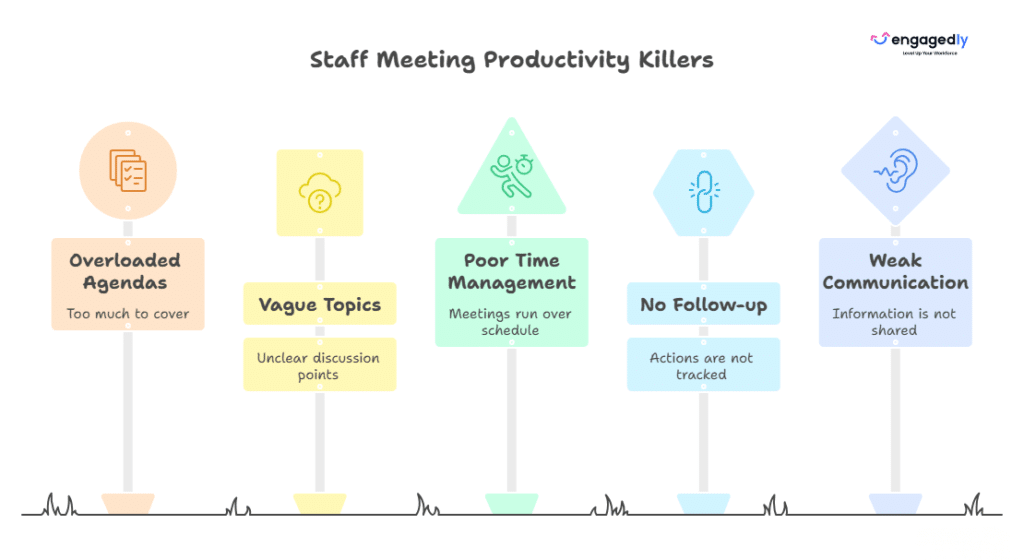













 Organizations need the right set of HR tools to build an efficient, productive, and engaged workforce. From recruitment to performance management, having the right systems in place can streamline operations, improve employee satisfaction, and drive business success. Below are five essential HR tools that every company should consider: