



The Ultimate Checklist for Buying Performance Management Software

In today’s fast-paced corporate landscape, effective performance management is not just a necessity but a strategic imperative. Aligning your workforce, resources, and systems is key to achieving organizational goals, and performance management plays a pivotal role in this process.

As businesses recognize the increasing significance of performance management in the dynamic modern environment, the demand for transparent and efficient digital solutions is on the rise. In this blog, we will delve into the crucial aspects of selecting the right performance management software. From streamlining processes and saving valuable time for both employees and organizations to fostering employee growth and retention, a well-implemented system is integral to meeting the evolving demands of the business sector.

Why does Performance Management Matter?


  • Employee Growth and Motivation


Performance management is important to evaluate the employee’s growth. It points out areas for improvement in the employee’s performance. Using the performance evaluation data, training and development programs can be customized. It allows staff members to upskill themselves and contribute more to the company.

An impactful performance management system not only facilitates open communication between managers and their teams but also enhances overall team engagement.


  • Ensuring Company Goals


A robust performance management system plays a pivotal role in assessing an employee’s contribution to the company’s overarching goals. Through a well-designed system, managers and employees can align individual objectives with the broader goals of the department. This alignment fosters a sense of purpose, as employees become more willing to contribute to shared organizational objectives when they understand the direct impact of their efforts on the big picture.


  • Improved Employee Retention


Tailoring strategies to enhance employee retention is a fundamental aspect of team management. Performance management acts as a catalyst, enabling employees to consistently pursue goals, embrace autonomy, and pinpoint areas for development. This empowerment becomes a driving force behind their enduring commitment to the team.

Also Read: A Complete Guide to Improve the Performance Appraisal Process

What is Performance Management Software?

Performance management software implies a technology meant to assist organizations in understanding, analyzing, and rating the performance and productivity of their personnel. It enables management to monitor, assess, and rate their workforce, ensuring objectives are accomplished and problems are quickly resolved.

The resulting performance management data can be used to make informed decisions about hiring, performance evaluations, compensation, career trajectories, organizational goals, and more.

Benefits of Using Performance Management Software

Performance management systems are essential for streamlining evaluation processes, enhancing communication between managers and employees, tracking individual and team progress, and ultimately optimizing overall organizational performance. It further helps organizations in the following ways:

  • One of the most important benefits of using performance management software is that it clarifies employees’ expectations. Clarity helps employees concentrate on tasks that improve their performance and the organization’s success by eliminating uncertainty or ambiguous expectations.
  • By catalyzing opportunities and plans for development and improvement, performance management software indirectly contributes to employee job satisfaction.
  • Performance management software gives fair, data-based insights into what is required to fill the knowledge gap. This helps the organization plan training sessions for every employee to increase overall productivity.
  • Fair and transparent evaluations are a direct benefit of using performance management software. The platform eliminates all biases and discrimination when evaluating employees, increasing employee confidence in the organization. In turn, this trust impacts employee retention.
  • Performance management software efficiently streamlines HR processes through automated assessments and evaluations. By automating time-consuming paperwork and manual tasks, it significantly reduces the administrative burden on HR, saving valuable time and effort.
  • Finally, performance management software improves business efficiency by focusing on continuous performance monitoring and facilitating data-driven decision-making.

Checklist to Buying Performance Management Software

Using the right people analytics software can increase employee productivity and engagement. It can help you manage your company’s talent to ensure the achievement of business goals. The following checklist highlights the important features you should consider while planning to buy a performance management platform.


  • Easy-to-Navigate


User-friendliness is a feature that cannot be stressed enough. An easy-to-navigate interface will increase user adoption and engagement. A scalable and visually appealing design improves the user experience. Easy navigation also ensures quick data access and effortless information sharing. It reduces errors and ensures an efficient workflow, streamlining the performance management process.


  • Easy to Integrate with Other Platforms


Performance management software that integrates easily with other software solutions ensures a smooth-running workflow. This helps in easy data flow between performance management platforms and other management tools such as HRIS (human resources information system), payroll, training, etc. 

Easy integration also enhances the possibility for comprehensive reporting and advanced analytics, providing deeper insights into employee performance and organizational trends. By enabling centralized data storage, all pertinent information is accessible and updated on a single platform. Integration, thus, makes data management more effective.


  • Real-Time Data Reporting and Analysis


Real-time data reporting and analysis allow an organization to be responsive to trends and issues as they arise. It helps managers make important decisions swiftly. Moreover, real-time analysis enables organizations to quickly adopt innovative strategies and processes based on current performance metrics. This feature can also help managers detect potential performance issues early on and allow them to intervene with the required resources. Thus, real-time data reporting and analysis are crucial features of any performance management software.


  • Mobile-Friendly


In an era where a single finger swipe can schedule interviews and app notifications keep us constantly informed, the importance of accessible and mobile-optimized performance management systems cannot be overstated. This ensures that employees and managers can effortlessly access crucial performance-related information, whether they are on the move, traveling, or working remotely. The flexibility of mobile accessibility allows for seamless connectivity, empowering individuals to stay in tune with performance metrics regardless of their location or working setup.

Users can monitor and update performance goals, leave feedback and comments, and complete evaluations from smartphones or tablets. It encourages a more adaptable and fluid work environment. Since mobile phones are more accessible and widely used, mobile-friendly interfaces can potentially enhance user engagement.

Also Read: How To Conduct Performance Appraisal For Remote Employees

  • Succession Planning


Succession planning empowers management and HR teams to identify critical roles and formulate strategic plans to ensure a consistent pool of qualified candidates for these positions. It plays a pivotal role in aligning a company’s talent management strategy with its overarching long-term business goals. By implementing a robust internal succession plan, organizations can reduce their dependence on external recruitment and the associated costs, fostering a more sustainable and cost-effective approach to cultivating talent from within.

Internal promotions increase employee enthusiasm and loyalty, which boosts retention rates. Thus, succession planning is a key component of thorough performance management software.


  • Reward and Recognition Program


While some organizations may perceive rewards and recognition as elaborate and perhaps superfluous HR concepts, the truth is that these acknowledgments can be remarkably simple, such as sending a brief “Good job!” email or granting well-deserved time off to a diligent employee or team.

In the realm of performance management software, a robust reward and recognition program is essential. Such a program serves as a morale booster by genuinely appreciating the efforts and hard work of employees. This not only cultivates a positive work culture but also fosters an environment where employees are motivated to excel and collaborate with their colleagues. Furthermore, tying reward programs to specific opportunities for professional growth creates a powerful incentive for continuous development and skill enhancement.


  • Actionable Insights


A pivotal component of effective performance management software is the inclusion of actionable insights. It is imperative that such software furnishes employers with actionable data pertaining to crucial aspects of employee evaluations, encompassing metrics such as hours worked, targets achieved, and skills developed.

The reporting tool’s dashboard should be intuitive, ensuring seamless and daily access to valuable information for both management and employee-specific decision-making. The incorporation of actionable insights not only enhances organizational performance but also contributes significantly to the overall expansion and success of the company.


  • Customizable Reporting


This feature empowers users to craft reports customized to fit seamlessly into their organizational structure and performance management protocols. It offers enhanced flexibility in presenting data, allowing for a more tailored and nuanced approach. By generating reports that cater to the specific information needs of diverse stakeholders, managers, and leaders, this capability ensures not only improved comprehension but also promotes better alignment throughout the organizational hierarchy.


  • Multilayered Feedback on Employee Performance


Incorporating multilayered feedback into performance management software is crucial. This feature establishes a comprehensive feedback system that integrates insights from managers, peers, subordinates, and external stakeholders. Through this 360-degree feedback loop, employees receive a thorough evaluation of their strengths and areas for potential growth. This not only fosters an environment of open communication but also empowers employees to develop holistically, gaining a well-rounded perspective on their performance and areas for improvement.

Summing Up

In summary, performance management plays a pivotal role in fostering employee development, motivation, and engagement. Leveraging performance management software enhances the process by ensuring fair evaluations, establishing goal clarity, and improving overall business efficiency. Key features such as user-friendly navigation, real-time data reporting, mobile accessibility, succession planning, and multilayered feedback contribute to the effectiveness of the software. By adopting an automated system, businesses can elevate productivity, cultivate a positive work environment, and ensure that employee efforts align seamlessly with company objectives.

Frequently Asked Questions

Q.1 How do reward and recognition programs in performance management software benefit a business?

Reward and recognition programs in performance management software benefit a business by boosting employee morale, increasing motivation, and fostering a positive workplace culture. They also contribute to higher employee engagement, retention, and overall organizational success.

Q2. Why are real-time data analysis and reporting crucial components of performance management software?

Organizations can react swiftly to new trends and problems thanks to real-time data reporting and analysis. It improves efficiency by empowering managers to develop ideas, identify performance concerns, and react with the appropriate resources.

Q3. What is a performance management system?

A performance management system tracks employee performance consistently and quantitatively. The system combines technology and techniques to ensure everyone supports and contributes to the company’s strategic goals.

Culture Accelerators: How CEOs Drive Successful Financial Performance

The latest data from Heidrick and Struggles reveals that nearly 71% of CEOs consider culture a key element for driving a company’s financial performance. In recent times, CEOs are increasingly focusing on aligning culture with the bottom line.

CEOs are devising strategies to engage employees’ mindsets and finding ways to achieve business outcomes to propel financial performance. Company culture cannot be considered separate from business strategy. The two are inextricably linked and result in significant financial returns. There is enough data to support this. Read ahead to learn how CEOs integrate culture into workplace strategies to boost employee engagement and performance.

How do CEOs Drive Organizational Culture?

Investing in your employees is worthwhile. It creates a dynamic organization well-positioned to thrive in a rapidly evolving business environment. Building and maintaining a strong company culture enhances productivity, morale, and talent selection. Most leaders have understood the role of corporate culture and have already started taking advantage of opportunities to align culture with financial performance.

Also read: The Importance of Workplace Environment in Employee Engagement

CEOs who dedicate themselves to shaping the culture and prioritizing its role in driving organizational financial performance are often referred to as “culture accelerators.” These leaders firmly believe in the symbiotic relationship between culture and strategy. Notably, a survey by Heidrick and Struggles reveals that these culture-centric CEOs consistently outperform their counterparts, achieving a higher Compound Annual Growth Rate (CAGR). Here are six strategies through which CEOs can actively shape and transform company culture to enhance overall performance:

  • Create a Pathway to Success

Leadership sets the tone for acceptable behavior and employee expectations. If the leader shows that mistakes are opportunities for success, it is reflected in the organization’s culture. It also helps if they cultivate a growth mindset and demonstrate the same through their actions.

CEOs who allow their employees to experiment and learn from their mistakes and experiences create pathways for success and opportunities for the workforce to prosper. They can create a culture that allows employees to be aligned and oriented in a unified direction to achieve the organizational vision and mission. Through their actions, leaders demonstrate to employees how important their contribution is toward achieving the organization’s goals.

  • Drive Influence

Leadership behavior and style greatly impact a work environment. The autocratic leadership style no longer resonates with employees. Leaders demonstrating participative and empathetic styles are far more impactful in today’s corporate world. Their understanding and empathetic natures promote a great sense of belonging among employees and the capacity to build shared values.

The purposeful leadership style is responsible for showcasing to employees how much they are valued and appreciated for their participation.

  • Evolve with Global Changes

CEOs at large companies are expected to know in-depth how the organizational engine functions. They should have their finger on the pulse to use relevant knowledge and approaches to run this engine smoothly.

With the workplace demographic changing rapidly, a leader should be able to evolve with the changes and expectations. They should understand that employee engagement and experience are pivotal to organizational growth. Taking cognizance of the shifting expectations to shape company culture helps them keep the culture relevant.

CEOs can drive organizational success by understanding and catering to employee needs, fostering an ecosystem that promotes collaboration, and building processes that reflect company values. Moreover, the culture should welcome and succeed in the ever-changing work models.

  • Incorporate Agility into the Organizational DNA

CEOs play a pivotal role in cultivating a thriving workforce within an agile work environment, fostering continuous learning, and providing avenues for improvement. Here are key strategies for CEOs to instill an agile work culture:

  • Establish a clear and compelling vision.
  • Encourage problem-solving and decision-making.
  • Encourage open and transparent communication.
  • Demonstrate flexibility and adaptability.
  • Foster a collaborative work environment.
  • Offer continuous feedback.

For CEOs to lead culture change in the workplace, they should be able to align culture with success. CEOs should carefully craft company culture to ensure it drives the behaviors that make the organization successful.

Employees tend to follow the direction of their leaders. Without clearly communicating cultural goals, objectives, and priorities, and linking them to success drivers, there’s a risk of individuals relying on their assumptions and inventions to fill the void.

CEOs must maintain consistent communication with the team responsible for managing organizational culture. Active involvement, where CEOs contribute their insights and experiences to the process, is crucial to ensuring the effective implementation of cultural initiatives.

  • Participate Actively in Cultural Transformation

Recognizing the continuous evolution of your culture is a key aspect of effective culture management. This means embracing ongoing culture-change initiatives, even those that may be minor or imperceptible.

Your employees must see your active support for these efforts. As a CEO, maintaining a visible presence is essential. Have you considered regularly hosting “town hall” style gatherings with your staff? If not, it’s worth considering as a focused effort to enhance your organizational culture.

  • Implement Training and Development Programs

The implementation of effective training and development programs represents a crucial strategy for CEOs aiming to shape and transform company culture. These programs serve as a structured pathway for employees to acquire the skills, knowledge, and attitudes that align with the desired cultural attributes.

By integrating cultural values into training initiatives, CEOs ensure that employees not only understand the principles but also have the tools to incorporate them into their daily work. This might involve workshops, seminars, or online courses specifically designed to reinforce the importance of cultural elements, fostering a shared understanding throughout the organization.

Also read: 7 Proven Ways To Become A Better Leader In The Workplace

How Does Corporate Culture Drive Financial Performance?

Work culture and financial performanceA survey by Gallup found that a strong corporate culture helps attract and retain top talent while aligning them with business goals. It also boosts the workforce’s performance and productivity.

Company culture stands as a cornerstone for fostering engagement. When the CEO actively cultivates a robust and inclusive culture, the organization not only thrives but also expands in today’s highly competitive business environment. A well-defined company culture not only enhances employee satisfaction, productivity, and morale but also plays a crucial role in mitigating employee turnover.

Research by Deloitte indicated that the companies that performed financially well had a solid corporate culture. These organizations were found to have a strong set of core managerial values that defined how an organization must work.

That being said, here are three ways company culture drives financial performance:

  • Employee Productivity and Satisfaction:

A positive company culture contributes to higher levels of employee satisfaction and engagement. When employees feel a strong sense of purpose, alignment with organizational values, and a supportive work environment, they are more likely to be motivated and committed.

This heightened motivation translates into increased productivity and efficiency. Happy and engaged employees tend to be more creative, collaborative, and willing to go the extra mile, which directly impacts the quality and quantity of their work. In turn, improved productivity positively influences the overall financial performance of the company.

  • Talent Attraction and Retention

An appealing company culture becomes a magnet for top talent. Organizations with a positive and inclusive culture tend to attract high-caliber professionals who are not only qualified but also culturally aligned with the company’s values. Retaining talent is equally crucial, as turnover can be costly. A strong company culture that prioritizes employee well-being, professional growth, and a positive work-life balance helps retain valuable employees.

The cost savings from reduced turnover and the enhanced productivity of a stable, engaged workforce contribute significantly to the company’s financial performance.

  • Adaptability and Innovation

A dynamic and adaptive company culture fosters innovation. In today’s rapidly changing business landscape, companies need to be agile and innovative to stay competitive. A culture that encourages creativity, risk-taking, and continuous learning enables employees to adapt to new challenges and contribute innovative ideas. This adaptability is essential for staying ahead of the curve and responding effectively to market changes. Ultimately, the ability to innovate and adapt contributes significantly to a company’s sustained financial success.

Also read: The Impact Of Employee Engagement On Productivity

Summing Up

A robust and purposeful culture is a competitive advantage. However, building company culture is a long and tedious process. The values possessed by a CEO are reflected in the organization’s culture. Hence, CEOs must understand their role as a culture accelerator. They should strive to build and maintain a strong company culture. 

Engagedly offers an all-in-one platform that helps organizations streamline their HR practices, internal communication, and goal-setting, and create a resilient company culture. It is a cloud-based software that aims to boost transparency, accelerate operational efficiency, and promote internal communication. Book a personalized DEMO to learn more about Engagedly.

Frequently Asked Questions

  • What does the term ‘CEO syndrome’ mean?

CEO syndrome is the workplace phenomenon when the leader or CEO refuses to listen to their employees. CEO syndrome occurs when a leader’s externally inflated ego does not let them accept suggestions and opinions from their employees. It leads to reduced internal communication in the organization.

  • How does automating HR processes and functions improve company culture?

Automation of HR functions improves employee engagement and performance management, promotes transparency, and creates clear roles for employees. This makes businesses efficient and gives HR personnel time to leverage employee skills to improve the workplace.

  • What is the authoritarian style of leadership?

The authoritarian leadership style refers to the management style wherein leaders assert absolute control over their subordinates. There is no two-way communication between the leader and the employees. Hence, the leadership style promotes a feeling of mistrust and a low level of workplace engagement.

7 Modern Performance Appraisal Types that Create a Winning Culture

Performance appraisal is a vital process for businesses to increase employee productivity and outcomes and evaluate an employee’s strengths and weaknesses. In the past, they primarily used the process as a benchmark for promotions and salary increases. Now, modern methods offer more comprehensive and holistic evaluation tools that allow companies to track an employee’s performance more effectively. 

While some employees may have negative perceptions of the appraisal process due to a fear of criticism, it is crucial for companies to provide constructive feedback and train their supervisors and managers to handle the process tactfully. There are many ways that companies can conduct a performance appraisal, including annual or bi-annual review meetings based on company policies.

Before diving into the modern performance appraisal types, let us first understand what modern methods of performance appraisal are and why they are necessary in today’s business environment.

What is Performance Appraisal?

Employee appraisal type for a winning culture

Performance evaluation is the practice of analyzing an employee’s performance over a period. In the workplace, it is typically manifested as an annual or quarterly procedure that entails reviewing each employee’s performance and productivity.

The modern performance appraisal process can be incredibly advantageous for the organization. It helps to modify the performance appraisal processes to be more flexible to accommodate modern demands. This, in turn, helps in the following ways:

  • Setting clear company goals 
  • Provide real-time feedback to all the employees in the workforce
  • Increase individual employee performance and productivity
  • Figure out the needs for professional training needs
  • Offer the employees accurate insights into counter-productive tasks 
  • Encourage employees to participate in team-building activities
  • Enhance employee retention
  • Align individual employee performance with the company’s business goals

What is the Purpose of the Performance Appraisal Method?

As per reports, 94% of employees believe that managers and team leaders should address mistakes in real-time instead of once a year. (source) The modern appraisal process has proven to be a win-win situation for both companies and employees alike. 

Employees can use performance evaluation to understand how their performance affects corporate success. It also helps identify the good and bad performers and identify training and developmental needs..

Advantages for businesses

  • Determine departmental concerns that have an impact on job quality
  • Motivate your employees’ talents to boost production
  • Find ways to improve the working environment
  • Assist with strategic decisions on expansion planning, layoffs, and so on

Advantages for employee

  • Recognize an employee’s successes
  • Determine the potential for job advancement
  • Identify performance gaps

Need for Modern Performance Appraisal Methods

Workplaces have changed dramatically as a result of sophisticated technologies, and offices now require a better and more transparent appraisal approach. In general, older appraisal systems place a greater emphasis on grading an individual’s personality attributes, whereas the modern performance appraisal method places a greater emphasis on an employee’s accomplishments.

A Gartner survey shows that about 59% of employees consider traditional performance reviews to have low to no impact on their performance (source). That is why the modern method was created to address problems in traditional performance management.

These traditional methods, rather than focusing on future performance and effort, are more concerned with an employee’s past. Many employers regard the entire procedure as pointless! 

On the other hand, current approaches have a good impact on appraisal system employees, and they can now confront the appraisal meeting with greater confidence and without feeling burdened by it. These innovative processes can readily satisfy modern company and employee demands. Companies now utilize the most recent method to ensure that the evaluation process is neutral. As per a Harvard Business Review report, about 70% of multinational companies are moving toward this. (source)

Importance of Modern Approach to Performance Appraisal

  1. Improved communication: Continuous feedback, goal-setting, and 360-degree feedback encourage ongoing communication between employees and their supervisors. This helps to foster a culture of open and honest communication, which is essential for a healthy and productive workplace.
  2. Developmental focus: Modern methods focus on helping employees reach their potential and develop their skills, rather than just evaluating their past performance. This helps to create a culture of learning and development, which can lead to increased productivity and retention.
  3. Alignment with business goals: By setting clear goals and regularly reviewing progress towards those goals, modern performance appraisal methods help to ensure that employees’ efforts are aligned with the organization’s overall goals. Ithelps to drive business success and create a more cohesive and effective team.
  4. Improved employee engagement: When employees feel that their efforts are valued and that they have opportunities to learn and grow, they are more likely to be engaged and motivated. It helps to create a positive work environment.
  5. Increased fairness: Traditional performance appraisal methods can be subjective and may not accurately reflect an employee’s contributions. Modern methods, such as 360 degree feedback, help gather feedback from multiple sources, which can help create a more fair and accurate assessment of an employee’s performance.

7 Modern Performance Appraisal Types That any Organization can Follow

1. Management by Objective (MBO) 

This method allows managers and employees to collaborate,identify, organize, and strategize the success objectives for the organization. The management outlines the intended objectives to be met, giving the employee a significant amount of responsibility for the results that are expected of them. The manager and employee review progress at regular touchpoints. The company can then use these progress indicators as a guide to determine the employee’s  contribution.

While effective in assessing productivity rates, this technique typically stresses career-oriented and measurable goals. As a result, intangible aspects of an employee’s success, such as interpersonal skills or professional devotion, are sometimes overlooked. 

2. BARS (Behaviorally anchored rating scale) 

In this method, both qualitative and quantitative gains are achieved from the performance appraisal process. The Behaviorally Anchored Rating Scale (BARS) approach compares employee performance to particular behavioral examples that are numerically rated.

BARS excel in giving clear standards, improving feedback, and delivering accurate performance evaluation and continuous evaluation since it accesses both quantitative and qualitative types of measurement while also adding intangible traits of employees into the rating system. However, when done manually, this method is often affected by bias.

3. Critical Incident Method 

In this system, the employer assesses the performance of an employee based on specific events called “critical incidents.” As per these critical incidents, an individual either excels or fails in any given activity. Throughout the procedure, the evaluator keeps a digital or physical diary in which the information from the many episodes is recorded.

This method, while labor-intensive, is beneficial to employees’ personal development. Employers can provide specific feedback to employees by keeping detailed records of both positive and opportunity-area milestones in their career trajectory. This improves the prospects for future development. During the scheduled progress or 1:1 meeting, these metrics can be easily reviewed.

4. Assessment Centre Method 

This approach to performance evaluation evaluates employee performance in social circumstances. Employees are requested to participate in situational exercises such as simulations, role-playing exercises, or workgroups that are designed to emphasize their potential success in various positions and responsibilities.

This process is beneficial in terms of providing insight into the employee’s personal traits and characteristics that can influence their success. These characteristics are: 

  • Problem-solving skills
  • Work ethics
  • Tolerance
  • Adaptability
  • Judgement
  • Introversion or extroversion
  • Collaboration

However, this method can lead to unhealthy competition among employees. Furthermore, because of the social aspect of the assessment, it has the potential to have negative consequences for low achievers.

5. Psychological Appraisals 

This method is especially beneficial for discovering an employee’s hidden potential because it focuses on analyzing an employee’s future performance rather than previous work. Qualified psychologists conduct a number of tests on employees. In-depth interviews, psychological exams, and private discussions are a part of this performance appraisal appraoch. These tests are designed to assess an employee’s emotions, cognition, and other associated characteristics that may affect their future performance.

Although this method is thorough and insightful, it is clearly a time-consuming, complex, and costly process. Furthermore, the quality of the results is dependent on the psychologist who conducts the technique as well as a range of other influences that may affect the employee during testing (e.g., personal stress-related events); therefore, results can be uneven at times. 

6. Human-Resource (Cost) Accounting Method

The cost accounting method evaluates an employee’s performance in terms of the monetary advantages they provide to the firm. This is often calculated by comparing the cost of maintaining an employee to the ROI obtained by the business from that specific person.

Many elements are included in this performance rating approach, including overhead cost, average service value, quality, interpersonal interactions, and so on. However, its fundamental disadvantage is its reliance on the quality of cost-benefit analysis.

7. 360 Degree Feedback 

According to industry consensus, the annual performance appraisal system is obsolete and no longer useful. Employees must maintain constant communication with team leaders and supervisors. Continuous feedback procedures, such as 360degree feedback, help  get unbiased feedback.

In this process, multiple raters are involved in evaluating an individual’s performance. Everyone in the organization who has engaged with the employee, including managers, colleagues, subordinates, and even consumers, shares their feedback. 

Typically, this feedback is gathered using an online questionnaire created specially for this purpose. When every employee in a business evaluates their managers, peers, customers, and suppliers, as well as participates in regular self-evaluation, effective performance analysis with varying levels of transparency is ensured.

Wrapping Up

In conclusion, modern performance appraisal methods have come a long way from the traditional annual review process. These new approaches focus on ongoing communication and development rather than just evaluating past performance. 

While there is no one-size-fits-all solution, these modern methods have shown to be more effective in helping employees reach their potential and drive business success. It is important for organizations to regularly assess and evaluate their performance appraisal process to ensure it aligns with their goals and meets the needs of their employees.

Performance Management Tool

Frequently Asked Questions

Q1. What are the modern methods of performance appraisal?

Some of the most used Modern Methods of Performance Appraisal are:

  • HR accounting method
  • BARS method
  • MBO method
  • Psychological appraisal method
  • The 360-degree performance appraisal method

Q2. What is the Cost Accounting Method of performance appraisal?

This strategy assesses employees’ performance based on the economic output a business generates from their input. This is determined by comparing the costs of retaining personnel to the advantages that an organization derives from their contributions.

Building Your Employee Listening Strategy: A Framework to Success

Your employees are the most valuable assets of your company, but do you always make them feel that way? Believe it or not, your workforce wants to be listened to. Ignoring their opinions and concerns can adversely impact employee engagement, customer satisfaction, and ultimately business success.

We are now in the era of employee-entered workspaces, where true business leaders listen to and care for employees to create a thriving work environment. The global workplace is changing  with a shift in social values, personal values, and employee expectations. According to a recent study, 86% of employees aren’t treated equally, and 47% consider that their voices aren’t heard within the organization. 

Hence, employers should invest time in actively listening to their employees, enabling them to tailor their policies accordingly. Here’s how an effective employee listening strategy comes into play. It helps HR professionals connect personally with their workforce, feeding a supportive and productive culture. However, you also need the right tools and guidance to gather meaningful insights. Keep reading to discover more!

What is an Employee Listening Strategy?

employee listening strategyThe Employee Listening Strategy represents a proactive approach to understanding an employee’s thoughts, concerns, and opinions within the workspace. It transcends the limitations of an annual employee survey, focusing on transforming communication into an ongoing conversation. This concept encourages employees to express their needs in a secure and comfortable environment. Embracing a holistic approach, this strategy involves continuous action planning to gather feedback, fostering a dynamic cycle of understanding, validation, and improvement in the overall employee experience within your workspace.

What is the Purpose of Employee Listening?

A workplace is more than a physical space for employees to clock in, work their hours, and collect their salaries. It should be a dynamic environment that fosters productivity, encourages career development, nurtures team bonding, and facilitates idea-sharing. However, when employees feel unheard, it leads to disengagement in work, conversations, and their overall contributions to the organization. This disengagement may result in employees either enduring the monotony of their work or seeking opportunities elsewhere with brighter prospects.

Fortunately, a growing number of companies are recognizing the importance of implementing effective employee listening approaches to establish open communication between employees and employers. Through structured employee listening programs, workers are provided with the necessary tools and platforms to express their feelings and thoughts. Leveraging insights from the gathered data, organizations can take the necessary steps to address concerns and proactively improve the overall employee experience.

Consider the following reasons to invest in a successful employee listening program:

  • Demonstrating genuine care for employees.
  • Obtaining real-time feedback for data-driven, meaningful actions to enhance their experience throughout the employee lifecycle.
  • Cultivating trust in your leadership by empowering HR and managers to actively engage with employees.

How to Build an Employee Listening Strategy?

A strong relationship is typically founded on mutual trust, effective communication, and respect. Similarly, a crucial aspect of cultivating robust workplace relationships involves actively listening to employees’ sentiments and ensuring they feel heard. A comprehensive employee listening program should encompass goal-setting, regular analysis, and meaningful action.

Here’s your step-by-step guide to crafting an effective employee listening strategy from the ground up:

A. Set Your Goals

Identifying your goals is one of the most challenging yet crucial steps in the employee listening strategy. These goals and objectives will establish what you want to achieve from the program and how you want the strategy to work on different levels.

Goals for creating an effective employee listening strategy:

  • Enhance Employee Engagement: Foster a sense of belonging and commitment among employees by addressing their concerns and improving their overall experience.
  • Improve Organizational Culture: Establish a workplace culture that values open communication, inclusivity, and continuous improvement.
  • Boost Performance and Productivity: Align employee feedback with actionable strategies to enhance performance and productivity across the organization.
  • Reduce Turnover: Identify and address factors contributing to employee dissatisfaction to reduce turnover rates.
  • Enhance Leadership Effectiveness: Provide leaders with insights to make informed decisions and demonstrate responsive and empathetic leadership.

B. Choose Your Listening Channels

Effective and continuous employee listening requires the utilization of multiple channels. Various channels enable the collection of valuable data on employees’ sentiments, thoughts, and expectations within the workspace. Explore the following major types of listening channels to enhance your engagement strategy:

C. Employee Surveys

A survey from Gartner found that more than 59% of organizations use employee engagement surveys. These surveys collect feedback by asking employees questions about their challenges and obstacles. It can be assessed annually, quarterly, or as pulse surveys.

Pulse surveys are real-time surveys implemented to provide instant feedback on focused topics from employees to the organization. They serve as an excellent tool to take meaningful action, drive employee engagement rates, and create a culture of transparency.

D. Performance Reviews

Performance reviews provide an optimal platform for gathering employee opinions during one-on-one meetings. Employers can pose strategic questions, such as inquiring about employees’ aspirations to enhance their skills, suggest improvements to organizational procedures, or advance in their careers.

E. Focus Groups

Focus groups stand out as one of the most effective listening channels to foster inclusion in the workspace. This contemporary platform facilitates the exchange and collation of insights among a diverse group of employees, creating an environment where individuals feel not only heard but also a strong sense of belonging.

F. Be Transparent in Your Communication

Clearly communicate the purpose behind initiating the employee listening program to your employees, emphasizing your commitment to enhancing their workspace experience. Without transparent communication, they might speculate about negative possibilities, such as being in trouble or anticipating significant changes in management or policies. Open dialogue will not only dispel uncertainties but also encourage employees to actively contribute to your improvement efforts.

G. Assess your Data

Collecting employee information marks the initial phase of the employee listening program, but the crucial task lies in transforming this feedback into actionable insights. For example, with the introduction of a new benefits program, there’s no need to wait until the end of the year to gauge its impact on employees. Instead, promptly distribute simple survey forms to assess how employees feel about the recent announcement. This proactive approach ensures timely and relevant insights for continuous improvement.

H. Act on the Feedback

​​Employees often perceive that their complaints or queries go unaddressed by employers, leading to reluctance and disinterest in expressing their opinions further, which undermines management’s efforts. Therefore, leverage the analyzed data to drive meaningful action that positively influences the employee experience.

Highlight the core aspects requiring immediate attention and implement essential steps to address them. Communicate the plan to your employees, assuring them that their voices are genuinely heard and taken seriously. For example, modifying company policies and regulations for greater inclusivity demonstrates to employees that their input is valued.

I. Establish a Safe and Inclusive Environment

Instill a culture of psychological safety in your company where your employees can feel comfortable expressing their concerns without fearing adverse consequences. If they feel too afraid or hesitant to voice their concerns, implementing an employee listening strategy will not drive positive changes in your workplace.

Hence, build a secure and inclusive work environment that encourages open communication. It should provide equal opportunities for employees at every level to share their feedback.

J. Measure the Progress

After implementing these strategies via your employee listening program, assess the comfort level of employees in expressing their thoughts and concerns. Analyze which listening channel exhibits a higher engagement rate—whether it’s pulse surveys or focus groups.

By employing these tactics, you can optimize your resources and build an efficient framework. If there’s no noticeable improvement in employee engagement, experience, or productivity, consider adjusting your approach accordingly.

Summing Up

Employee listening strategies should remain consistent throughout an employee’s journey, from onboarding to the exit interview. This approach not only aligns with your business goals but also contributes to a positive employer branding reputation. However, it’s essential to note that the key to an effective employee listening strategy lies in taking actionable steps based on feedback rather than treating it as a mere formality.

At Engagedly, we value employees’ needs and concerns to be heard. From pulse surveys to 360-degree feedback, we help you adapt to a more efficient, contemporary, and continuous employee listening strategy. We help you capture positive and negative voices throughout the employee lifecycle and shape your organization better.

​​At Engagedly, we prioritize the importance of hearing and addressing employees’ needs and concerns. Through tools like pulse surveys and 360-degree feedback, we assist you in adopting a more efficient, modern, and ongoing employee listening strategy. Our aim is to help you capture both positive and negative voices throughout the employee lifecycle, contributing to the continuous improvement and enhancement of your organization.

free e10 Survey

Frequently Asked Questions

Q1. How do I develop an employee listening strategy?

Implementing an effective listening strategy can enhance productivity and foster a sense of importance among employees within the organization. Here are key steps to integrate an employee listening strategy into your business practices: identify specific problems, prioritize transparency, analyze survey results, take actionable steps based on collected data, and consistently measure the results.

Q2. How can organizations ensure confidentiality in the employee feedback process?

Maintaining confidentiality is a key aspect of successful employee listening. Organizations can utilize anonymous surveys, third-party platforms, or establish clear communication about the privacy of employee responses to encourage honest and open feedback.

Q3. What are the barriers to successful employee listening?

Barriers to successful employee listening can include a lack of trust, fear of retaliation, unclear communication channels, insufficient anonymity in feedback processes, and a failure to act on collected feedback. Overcoming these barriers requires fostering a culture of openness, ensuring confidentiality, and demonstrating a commitment to addressing employee concerns.

Start, Stop, Keep-Doing: 3 Words That Will Transform How Your Managers Deliver Feedback

Start, Stop, Keep-Doing: 3 Words That Will Transform How Your Managers Deliver Feedback

There has surely been a lot of change within the world of performance management over the last few years. Companies are shifting to more regular development discussions; they are revising their rating and reward processes; and employees are demanding feedback, transparency in job expectations, and measures of success.

These changes are taking place quickly, and more research is displaying that companies that invest into performance management are experiencing an immediate effect. Employees who receive  feedback are proven to be more engaged and efficient and less likely to leave. Companies that are regularly involved in improving employee performance and potential are able to fill management gaps and focus on developing future talent.

But at the end of the day, performance management comes down to direct conversation among employees and their managers, coaches, leaders, and the company. No matter how HR defines measures of success, the front line of your company’s performance management method can be the delivery of feedback to your managers.

What is Start, Stop, Keep-Doing Methodology?

Start, Stop, keep doingStart, Stop, keep doing for manager feedback

Start, Stop, keep doing  is an action-oriented method for gathering feedback on work techniques at the individual and group level.

It is an intuitive framework that allows team members to invite every different activity they have to start doing, what they should prevent doing, and what they need to keep doing to be more effective in accomplishing their goals and objectives.

Managers and leaders commonly use this analysis to study group and individual performances, acquire organizational feedback, and provide momentum and energy for the team.

The start, stop, and keep-going feedback version is also used in agile retrospective conferences through project managers and scrum masters, wherein the activities and results of the final sprint are analyzed and used to achieve guidelines for similar improvement.

Also Read: Types of Employee Rewards And Why They Matter

Purpose of Using the Start, Stop, Keep-doing 

  • Provide reviews – Start, stop, and keep-doing analysis presents actionable feedback on how the group members, individually and collectively, alternate their approaches to improving their efficacy.

By reviewing their overall actions and gathering feedback, they could begin doing things in order to accomplish their goals, dismiss behaviors that do not support accomplishing their objectives, and keep doing those activities that might be confirmed to help them attain their targets.

  • Locating areas of improvement – By carrying out the start, stop, and keep doing analysis, managers and leaders clarify group issues, and new areas of development come to light. As the areas of development are identified, practical plans and actionable techniques can be developed to result in behavioral change.
  • Empowers and teams individuals – The start, stop, and keep doing exercise empowers teams and individuals to constantly enhance their workflow and work processes. It offers a perception and permits them to pick out what’s working, what’s not working, and what they should  start doing to reach their goals.
  • Builds Trust and Increases Self-Awareness – Building a team that agrees and has individual self-consciousness is important for streamlined work methods and successful project completion. And the start, stop, and keep doing framework is an excellent tool for constructing belief amongst team members and developing self-awareness among individuals.
  • Results in behavioral change – The start, stop, and keep doing retrospective enables teams to study their previous activity and makes it easy for them to identify practical points to work on individually and collectively. This evaluates the consequences of behavioral alternatives through the actionable factors that might be acquired during the analysis.
  • Annual performance reviews – Being a straightforward and easy-to-execute approach to evaluation, the start, stop, and keep doing evaluation may be used to replace quarterly or annual performance reviews and annual worker evaluations. Analyzing a year’s worth of activities is a lot more complicated than reviewing the final sprint’s activities. Therefore, the start, stop, and keep doing feedback is sufficient to analyze performances and eliminates the need for annual performance reviews.

The three elements of start, stop, and keep doing 

1. Start: What should the team start doing?

The activities that the team must learn how to do or begin doing within the next sprint or task phase. These activities are recommended to enhance work processes, reduce waste and increase the group’s overall efficiency.

2. Stop: What should the team stop doing?

Any activities and behaviors that aren’t working, resulting in time waste, inefficiency, and a bad effect on the team’s morale, must be eliminated.

3. Keep doing: What should the team keep doing?

Actions that have definitely contributed towards task completion within the final cycle have to be included in the team’s core activities for the upcoming sprint.

How to Conduct the Start, Stop, keep doing Analysis?

1. Define Clear Objectives

Setting clear goals will assist in identifying any moves that must be stopped, any activities that need to be started, or things that the group should continue doing.

2. Develop a Start Stop and Keep doing Template

By developing a start, stop, and  keep doing template, managers can request feedback from team members. Their input is precious as they become aware of new things that could make them more efficient, old activities that need to be let go of, and existing moves that they should keep doing to be more productive.

3. Brainstorm Ideas For What to Start, Stop, keep doing

Managers can maintain a brainstorming consultation with their team and regularly fill out the template. Positive movements can be prioritized; new actions may be highlighted while figuring out actions that need to be dismissed.

4. Build an Action Plan After Analyzing Feedback

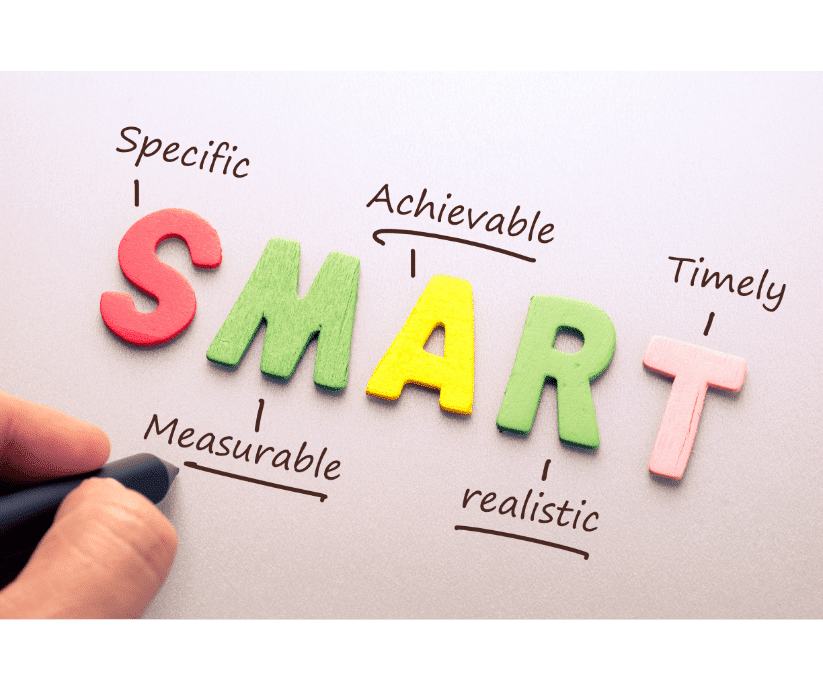
Since the start, stop, and keep-going feedback is an actionable version of reviewing group actions, the final step is to construct an action plan after studying the crucial factors accrued in the brainstorming session. SMART goals must be made based on feedback, and the right action plan can be made to achievethe goals.

What is the Start, Stop, Keep doing Framework Used For?

1. Achieving any Objective

The start, stop, and keep doing gives real-time feedback, which is particularly beneficial for successful achievement of any objective. It allows groups and people to recognize what is required, what is working, and what is probably getting withinthe manner of attaining the objective.

2. Developing a Product Strategy

When developing a product method, managers and team contributors can evaluate merchandise and examine what they need to keep doing, what needs to be stopped, and what new methods need to be carried out to benefit momentum.

3. Analyzing Internal and External Processes

This system is a simple and easy-to-execute tool for studying internal and external methods that need transformation. Core methods may be analyzed to optimize them, new possibilities for development may come to light, and bottlenecks may be highlighted and unblocked to streamline the workflow.

4. Obtaining Feedback from Partners

Feedback may be collected from business partners, both internal and external, for studying workflow, key products, agency financials, and go-to-market (GTM).

5. Analyzing Customer Onboarding

Analyzing the consumer onboarding procedure from the consumer’s angle is feasible by getting the clients involved in the start, stop, and keep doinganalysis. Customer service, onboarding, communications, and consumer care may be reviewed and converted to increase overall customer satisfaction and create dependable clients.

How to  Present the Results of the Start, Stop, Keep Doing, or Continue Analysis?

Managers want to offer the start, stop, and continue outcomes to their group and allow them to recognize how they are able to implement the adjustments through the use of the right action plan.

The results of the evaluation may be provided by discussing crucial factors in a PowerPoint and Google Slide Template.

1. Choose The Right Template for Presenting

Choosing the proper template for providing the results of the analysis is crucial, as group members want to be persuaded and knowledgeable of the modifications required.

For that, SlideModel focuses on growing 100% editable PowerPoint and Google Slide Templates for expert use.

Their start, stop, and continue templates are  mentioned within the next section. Managers and business leaders can make use of the template to offer it  to their team and talk about the analysis. 

2. Discuss Metrics To Show Why the Change Is Required

How to Present the Results of Start, Stop, Keep-Going, or Continue Analysis?

Managers want to offer the start, stop, and continue outcomes to their group and allow them to recognize how they are able to implement the adjustments by the use of the right action plan.

The results of the evaluation may be provided by discussing crucial factors in a PowerPoint and Google Slide Template.

3. Choose The Right Template for Presenting

Choosing the proper template for providing the results of the analysis is crucial as group individuals want to be persuaded and knowledgeable of the modifications required.

For that, SlideModel focuses on growing 100% editable PowerPoint and Google Slide Templates for expert use.

Their start, stop, and continue template is mentioned withinside the next section. Managers and business leaders can make use of the template to offer to their team and talk about the analysis.

4. Discuss Metrics To Show Why the Change Is Required

To achieve the objectives, team individuals want to recognize which modifications are required and why. Sometimes personnel may be against adjustments and may not understand why a few tasks need to be stopped, started, or continued.

This is why conversation is prime here. Discussing metrics will assist them to realize why a few processes want to be dismissed, why new tactics can assist them, and which activities have to still be continued to achieve the targets.

5.  Assign Activities to Team Members

For the execution of the action plan developed after the analysis, it is important that managers assign the activities listed to the team members so that they realize their approximate responsibilities, the resources needed to finish the activities, and the anticipated timeline for the completion of every project they’re assigned.

Start, Stop, Continue Template 

The start, stop, continue template additionally has a traditional whiteboard, and sticky notice slide to assist determine which activities need to be ceased immediately, which need to continue as they are, and what new activities need to be delivered to accomplish goals and objectives.

Also Read: The Ultimate Guide To 30-60-90 Day Performance Review and Templates

Conclusion

The start, stop, keep doing, or continue model allows people to think about their work tactics, examine errors, and become aware of ways to improve them.

The feedback collected needs follow-through after analysis to look at the real results. The right course of action is essential to making certain the behavioral transformation and the modifications in work techniques are part of the future task sprint.

Presenting actionable insights by the usage of a pre-made template by SlideModel could make the complete method easier and quicker. The review points collected also can be saved for later use to investigate improvements and apprehend what needs to start, stop, and continue in the next phase.

What “Gamification KPIs” Should You Be Tracking

What is Gamification?

Gamification means using game-like elements to reward participation and activity to produce desired results. Point scoring, rewards, and other gameplay components are used for tasks like a staff engagement program or an internet marketing initiative.

Gamification can be used in several aspects of a business. It can be applied to marketing, sales, and HR to achieve desired objectives. For instance, gamification strategies can encourage staff to perform tasks that result in better sales, leads, and successful interaction with potential customers.

According to research, 90% of workers feel that gamification increases their productivity at work. It also shows that average employee engagement rises by 48% in a gamified work environment.

Also Read: 5Employee Engagement Statistics You Should Be Aware of in 2023

How to Gamify KPIs

  • how to gamify KPIsHold Contests

Contests stimulate productivity and create a positive, healthy work culture, promoting a sense of friendly competition. When employees are motivated to participate in contests, their performance improves. While holding contests, you should remember that the contests must align with the objectives that you wish to accomplish. Moreover, they should be relevant and achievable to be fun and engaging; otherwise, employee engagement would drop quickly.

  • Recognize and Reward

Gamification of KPIs also involves recognizing and rewarding the employees who perform well in the contests. Consider introducing a rewards system to complement the competition strategy.

One way to achieve this is by establishing a points-based system for teams, whereby they are awarded a particular number of points each time they achieve a goal. Employees can exchange these points for a gift or a bonus.

  • Offer Feedback

Feedback is an important part of continuous improvement. Employees should receive constructive feedback for their performance in contests and tasks. It can let them know what they can do better to move up in the competition.

You can make the feedback procedure more enjoyable by transforming it into a game-like experience. You can name it a ‘Quest for Improvement’, for example, and the employees have to gather feedback and list some ways they can improve as they progress through the game. This will increase the likelihood of improvement on the part of employees, as they are more likely to be receptive to such forms of feedback.

  • Introduce Updates

Outdated gamification methods may gradually lose their effectiveness, much like any game that fails to adapt and evolve. To sustain employee engagement and motivation, managers should actively seek to keep the gamification experience interesting. This entails regularly introducing fresh updates such as new challenges, innovative scoring methods, enticing prizes, and additional game elements. By consistently injecting novelty into the gaming experience, managers can effectively preserve the efficacy of gamification, ensuring it remains a vibrant and engaging tool for employee motivation.

  • Personalize

Allow users in the gamified system the flexibility to customize their avatars, themes, or other components. While certain badges, such as progress badges, remain system-wide, others, like performance badges, benefit from personalization.

Incorporating personalized graphics and including the employee’s name to express gratitude for their work adds a personal touch, fostering increased employee loyalty toward the organization.

Gamification KPIs

The primary goal of gamification KPIs is to make reaching targets more enjoyable, rewarding, and effective. Following are some common gamification KPIs that you should keep track of:

  • Points, Badges, and Leaderboards

Giving points for completing activities or hitting KPI targets gives employees a concrete way to gauge their progress and success. Badges serve as tangible rewards that heighten feelings of accomplishment. Participants work to increase their point totals and badge collections, encouraging healthy competition and enhancing performance.

This gamified strategy can foster a sense of fun and offer incentives for achieving goals. The badges may take the form of several appealing aesthetic components. In the long run, this can improve retention and employee engagement.

Implementing a performance leaderboard is another effective strategy. This feature tracks and ranks employees or teams/departments based on their performance. It serves as motivation for other employees to strive for higher rankings, fostering healthy competition and engagement.

  • Difficulty Milestones

An important KPI is measuring the progress of your employees. You can do this by keeping track of the difficulty of the tasks your employee is doing. This data can give you useful insight into the growth level of your employees. You can also use these insights to modify the difficulty level for each employee based on their performance.

You can set additional benefits and rewards for employees who consistently clear a set number of difficulty levels without fail to keep them motivated.

  • Timely Completion of Tasks

To accomplish particular KPIs within a specified timeframe, set time-based challenges. The need to meet deadlines can motivate participants to work harder. Additionally, the emphasis on timely completion encourages time management and punctuality within the organization while streamlining processes and ensuring easier workflows.

  • Task Success Rate 

The task success rate, a vital KPI measured through gamification, offers insights into employee productivity by calculating the percentage of completed tasks out of the total assigned. 

Consider an employee with ten tasks; achieving eight results in an 80% success rate. By incorporating this metric into the leaderboard, employees are motivated to enhance their success rates, fostering continuous improvement.

  • Feedback Corner

The feedback corner is a crucial part of the gamification method that tells employees what they can do better to improve their performance. Employees must receive the feedback well, in clear terms. This encourages a culture of open dialogue, teamwork, and constant development, advancing business goals.

Also Read: The Growing Trend of Gamification in HR 

Impact of Gamification on Employee Engagement 

The main purpose of gamification is to improve the engagement rate in an organization. Research has shown that a good engagement rate can increase profits and customer satisfaction. Employers can increase employee engagement through rewards, recognition, interesting tasks, and a fun interactive interface.

A big plus that gamification brings here is a new, innovative way of doing things. It breaks the monotony of routine work, making it more enjoyable. This keeps employees hooked on their tasks and, thus, increases productivity and engagement.

Finally, visually appealing elements, time-offs, and other real-time rewards in exchange for the collected points and badges drive employee engagement enhanced by gamification.

Benefits of KPI Gamification 

  • One of the key advantages of KPI gamification is the use of data to make informed decisions. Data from leaderboards can provide employers with valuable insights into employee performance.
  • A direct benefit of gamification is a fun-filled atmosphere at work, which promotes healthy competition and boosts productivity.
  • With gamification, you can gradually build a high-performance culture in your workplace.
  • Employee engagement and motivation are also improved as a result of KPI gamification. It also boosts employee morale by providing them with rewards and recognition.
  • Learning and training programs can become more efficient through gamification contests and leaderboards. This way, it focuses on knowledge transfer and skill development.
  • Team-based gamification can enhance employee collaboration and cooperation.
  • Employees can improve their skills through the challenges and learning opportunities frequently included in gamification.
  • The feedback feature in gamification motivates employees to strive for improvement and put in more effort.

Summing Up 

The gamification of Key Performance Indicators (KPIs) integrates game elements to enhance the engagement and appeal of reaching targets. By incorporating gamification into KPI tracking, the process of achieving goals becomes not only more enjoyable but also more attainable. Essential gamified KPIs to monitor encompass metrics such as task success rate and the timely completion of assignments, among others. Utilizing gamification in KPI management not only adds a layer of enjoyment to the tracking process but also contributes to a more dynamic and motivated work environment.

Frequently Asked Questions

Q1. How can we gamify HR targets and processes? 

Game-like elements can be introduced in HR processes like onboarding by providing new hires with an interactive journey that guides them through company policies, culture, and training. This can help them feel more engaged and connected to the organization from the start. Other gameplay elements, such as quizzes, can be used in training processes to ensure knowledge transfer to the job.

Q2. What are gamification programs? 

Gamification programs are initiatives that integrate game-like elements, such as scoring, rewards, and competition, into non-game contexts, like business processes or employee engagement strategies. They aim to enhance motivation, participation, and performance by leveraging the engaging aspects of games.

Q3. Is there a downside to gamification?

While gamification can be effective, poorly designed implementations may cause employee confusion and a rapid decline in engagement. Additionally, the ongoing need for updates to maintain interest can contribute to high development costs.

How to Calculate Employee Retention Rate in Your Organization

What is the Employee Retention Rate?

The employee retention rate is a crucial metric that provides insights into a company’s ability to retain its workforce over a specific period. This metric is valuable for assessing various aspects, including workplace culture, employee satisfaction, and the overall health of the organization. Understanding and calculating the retention rate is instrumental in evaluating the effectiveness of talent management strategies and employee engagement programs implemented by the company.

Having a lower retention rate could signify challenges in maintaining a stable and experienced workforce. This may result in increased recruitment costs, disruptions in workflow, and potential impacts on overall team morale. Additionally, it might indicate underlying issues with employee satisfaction, engagement, or organizational culture that warrant attention and improvement.

Also Read: 10 Ways to Make Your Employee Recognition Program a Success

Why Prioritize Employee Retention?

how to calculate employee retention?

Understanding and enhancing an organization’s employee retention rate holds paramount importance for several compelling reasons:

  • Cost Savings: Low retention rates lead to additional expenses. Businesses incur costs in recruiting, hiring, and training new staff, which can be significantly reduced with effective retention strategies.
  • Productivity and Efficiency: A stable workforce with institutional experience and knowledge tends to boost efficiency and productivity. Maintaining an experienced team through high retention rates minimizes disruptions and enhances overall work output.
  • Organizational Stability: A consistent workforce contributes to a stable workplace environment, positively impacting employee morale and fostering a cohesive company culture.
  • Customer Satisfaction: Content and skilled employees are more likely to deliver superior customer service, directly influencing client satisfaction and loyalty.
  • Employee Engagement: Research consistently indicates a positive correlation between higher retention rates and increased employee engagement. Many of the best employee retention softwares are designed to improve engagement and retention together. This connection fosters motivation, innovation, and a deep commitment to the organization’s objectives.
  • Long-Term Growth: Employee retention plays a crucial role in promoting sustained organizational growth. Cultivating a dedicated staff over time contributes to the business’s success and resilience in the long run.

How to Calculate Employee Retention Rate

To learn how to calculate the employee retention rate, follow these steps:

  1. Choose the specific duration for which you wish to determine the retention rate. It can be a quarter, year, or any other specified timeframe.
  2. Note the employee count at the beginning and end of the period.
  3. Use the employee retention rate formula below:

Employee Retention Rate = (Number of employees at the end of the period/Number of employees at the start of the period) * 100

  1. The result will be a percentage, representing the proportion of employees who stayed with the company during the selected timeframe.

Employee Retention Rate Example:

  • Assume that you had 1,000 employees at the start of the year.
  • 100 employees left the organization during the chosen timeframe.
  • The remaining 900 indicate the employees who stayed with the company for the year. 
  • Divide 900 by 1000. Whatever the resulting value, multiply by 100.
  • Your Employee Retention Rate = (900/1000) x 100 = 90%

What is a Good Employee Retention Rate? 

A good employee retention rate is often considered higher than the industry average and indicative of a steady and contented workforce. In many businesses, a retention rate of about 90% is regarded as favorable. However, what qualifies as a good retention rate depends on the industry, operation scale, location, and labor market conditions.

A slightly lower retention rate might be viewed positively for certain industries or organizations with unique employee characteristics if it aligns with their specific goals and objectives. For example, if the average retention rate for the IT sector is 80%, a company with a 75% retention rate will be considered fairly well for employees.

In the long run, comparing an organization’s retention rate to industry benchmarks, historical data, and goals is the most useful method for identifying  the staff retention rate. A healthy work environment and long-term employee loyalty and commitment to the organization’s success are fostered by consistently tracking and improving the retention rate.

How to Improve Employee Retention Rate?

Here’s how to improve the employee retention rate:


  • Foster Employee Engagement


Provide professional growth and development possibilities, consult with employees during decision-making, and take their feedback seriously. When employees feel engaged, they connect more with the organization and become more committed to its success. A good manager knows how to spot disengaged employees, understand their issues, and overcome these issues to increase engagement.

Also Read: The Cost of Employee Disengagement

  • Build a Positive Company Culture


Create a helpful and welcoming workplace environment that strongly emphasizes collaboration, openness, and communication. Create an atmosphere where team members can voice concerns and ideas without fear of reprisal. A healthy culture improves job satisfaction and fortifies the connection between employees and employers.


  • Recognize and Reward


To recognize employees’ achievements, establish a strong employee reward and recognition program. Recognize exceptional efforts regularly, personally and collectively, through verbal appreciation, appreciative awards, or monetary or recreational benefits. Employee motivation and job satisfaction can rise when efforts are acknowledged and rewarded, fostering appreciation and loyalty.


  • Offer Opportunities for Career Growth


Establish career paths for employee development through training and mentoring programs. Employees are more inclined to stick around and form a long-term commitment to their roles when they perceive prospects for progress within the company.


  • Conduct Stay Interviews


Stay interviews provide valuable insights into the factors that contribute to employees staying with a company or considering leaving. Consistently inquire about their needs, concerns, and aspirations, using this information to proactively tackle issues and implement changes aimed at enhancing employee retention


  • Conduct Exit Interviews


Exit interviews are a useful technique that give insights into the factors behind high employee turnover. These honest conversations also identify areas where employee retention tactics must be improved. Organizations can identify underlying problems that might not have been obvious during their tenure by actively listening to departing employees and asking open-ended inquiries.

Exit interview input that is actively used to encourage beneficial change demonstrates the organization’s dedication to ongoing development. Thus, using these strategies, organizations can create a work environment where staff members feel valued, involved, and well-supported. 

Eventually, this will help you retain top talent and make your organization a preferred workplace, fostering a culture of continuous improvement and sustained success.


  • Promote Work-Life Balance 


Support work-life balance by offering flexible options like remote work or flexible hours. Encourage employees to take time-offs to avoid burnout and improve their overall well-being. Demonstrate respect for their personal lives and understand the value of juggling family and work obligations. Not doing so can and will result in a high turnover rate!

Summing Up 

In summary, the employee retention rate stands as a critical gauge of an organization’s ability to sustain its workforce. This metric, reflective of workplace satisfaction and stability, is computed by dividing the number of dedicated employees by the initial total count. An optimal retention rate, ideally around 90%, indicates a flourishing environment. The advantages of high retention are manifold, spanning cost savings, heightened productivity, enhanced customer satisfaction, robust staff engagement, and enduring organizational success. Therefore, it’s essential to recognize that investing in retaining top talent isn’t merely a wise choice—it’s the key to unlocking enduring prosperity!

Boost your bottom line with Engagedly, the ultimate employee retention solution! Automating and assisting in performance management and other key HR tasks, we bring the power of AI and digitization to speed things up!

Talent Management Software

Frequently Asked Questions

Q1. How frequently should businesses calculate their staff retention rates? 

Organizations can check the employee retention rate regularly, like every quarter, six months, or year, depending on their needs and goals. While annual calculations may be useful in identifying long-term patterns, quarterly estimates offer more recent insights.

Q2. How does a lower retention rate affect the bottom line of the organization? 

A lower retention rate can negatively impact the bottom line of an organization by increasing recruitment and training costs, reducing productivity due to constant turnover, and potentially affecting customer satisfaction and employee morale.

Q3. What is an acceptable turnover rate?

Depending on the industry, the size of the organization, and other elements, there are different acceptable turnover rates. For many organizations, a turnover rate of roughly 10% is deemed acceptable.

Performance Review Tips For 2024

Every organization has their own methods and approaches in place for the performance review process. They are intended to be unbiased and fair evaluation of employee performance.

With hybrid and remote work, performance review can be an effective tool to motivate employees and improve their productivity. But often employees dread them? For a few reasons like inaccuracy, being biased and contributing to the decrease of employee morale, employees tend not to like them.

Also Read: Employee Motivation Is Not About Perks Alone

Many companies today are reinventing their performance review processes in a way that they contribute to an increase in employee productivity and improvement of employee morale at the workplace. Do you want to reinvent performance reviews at your workplace too? Here are a few tips for you.

Conduct Weekly Check-Ins

The approach for performance reviews can be different for different organizations, but one of the most common issues that employees face with reviews in all organizations is that they do not get enough feedback. Frequent employee feedback helps employees gain a clear understanding of the expectation from them and gives them a proper direction. Managers also can utilize frequent employee check-ins and keep track of their employee progress from time to time.

Recognize and Reward Your Employees

This is one of the most underrated aspects of employee appreciation. When employees are good at their job, they need to know it from their managers. This motivates them to get better and contribute to organizational success. Recognizing and rewarding employee performance goes a long way. This not only motivates the employee being recognized but also the other employees to do their best to be recognized by their managers.

Also Read: Recognition At Work:The Virtual Edition

Encourage A Transparent Organizational Culture

It is important for employees to understand the workflow in their organizations. In most organizations, only the information enough to get the job done is shared with employees. This approach not only damages the work culture but also decreases employee engagement and morale. The first step to change this is to encourage open communication throughout the organization. The next is to allow employees to make their own decisions, this improves employee accountability throughout the organization. Not only this, according to Jobvite 46% employees consider organization culture important while applying to companies.

Make The Discussions Future Focussed

One of the most damaging mistakes that managers tend to make during performance reviews is basing the whole review on the employee’s past performance. Change this approach and focus more on the future. Take into account the organizational goals and understand the role of the employees in contributing to these goals. Analyze their pace and style of work based on past work but do not make the review entirely about it. Instead, talk to them about the plans you have for their future at your organization.

Allocate Budget and Resources

It is important for managers to understand the technological and budget requirements of their employees and provide them with necessary resources that contribute to their productivity. Though taking initiative as an employee is an important aspect of performance, you cannot expect employees to do everything by themselves. So, discuss this aspect with your employees and set a budget for their role and provide them with necessary resources.

Set Short-Term Goals

Like said before, it is important to frequently check and validate employee performance. In the same way, it is also important to change goals every quarter so that employees do not get stuck in a rut working for the same goals for one whole year. Quarterly performance goals give both the employees and managers a scope to experiment and implement new approaches to work.

Also Read: Here’s How To Set Effective Goals For Your Employees

Have A Two-Way Communication

This is one of the mistakes that managers do not even realize making. Some managers tend to make the whole review about what they feel about the employee’s performance and never make it easier for employees to participate in the discussion and give inputs. Always ask employees after review if they feel that the review was fair enough. This gives you a scope for starting a two-way discussion with employees.

Be Ready To Receive Feedback

Always remember to be open to feedback from employees. Performance review meeting isn’t just for managers to evaluate employee performance but also for employees to discuss what they expect from their managers. Being open to feedback from direct reports is one of the best approaches to improve yourself as a manager.


Want to know how Engagedly can help you with performance reviews? Request a demo today from our experts. 

Request A Demo

10 Effective Performance Review Phrases for Goal-Oriented Employees

Performance reviews are necessary tools to maximize the workforce in any workplace. However, the question is how to do them right to achieve the expected result. This article conveys some of the core points about performance review comments and shares effective phrases you can use in your next review.

Why Are Performance Reviews Important?

Why Are Performance Reviews Important

Performance reviews serve different purposes for employers and their employees.

A performance review allows your employer to perform a strengths, weaknesses, opportunities, and threats (SWOT) analysis on you.

As an employee, performance review comments allow you to see how you are faring, highlight areas of improvement, and set new career goals. 

Other vital reasons for conducting performance reviews include the following:

For employee development

Companies with good work cultures seek to improve their employees by making continuous learning accessible for everyone. Performance reviews give insight into areas of improvement for each employee, making training sessions more personalized.

Improved employee engagement and loyalty

Performance review comments clarify company goals and how your efforts contribute to them, which keep you engaged and motivated. This increased engagement is also said to positively affect employee retention, productivity, and satisfaction.

Record-keeping

Performance reviews are repeatable. This allows management to easily document each performance review session for cross-referencing and track employee growth over time.

Also Read: Guide to select the right Performance Review Software

How to Develop Performance Review Goals for Employees

Develop Performance Review Goals

Before conducting any performance review, it is essential to create goals using the Objectives and Key Results, OKR methodology. This helps guide the results.

OKR software is a goal-setting method used to develop and implement business goals within the set timeframe. It also helps employees in building the right strategies for their goals. How? OKR software tracks your progress, encourages collaboration, improves coordination and communication, and provides insights into where and what areas you need to focus on. 

Without these Objectives and Key Results for your performance review, it will be nearly impossible to know what to look for, where to poke, and how to determine when they are met.

Other reasons for setting performance review goals are to:

  • Set expectations
  • Improve productivity and work ownership
  • Ensure the review process is bias-free and completely objective

Fortunately, several versions of OKR software are available. Here are some guidelines on using OKR software to develop your performance review goals.

Develop goals

The most effective way of developing OKRs is to start from the top down. This means starting with organizational goals and going down to departmental goals, then to individual goals. As you go down the hierarchy, your goals become more defined and actionable. 

Specify key results

While your objectives define what you want to achieve, your key results detail your hows. Each objective should have at least three key results you hope to achieve or actions you want to take to accomplish those results. 

The goals and key results you set with your performance management software should be:

  • Simple and realistic
  • Specific
  • Prioritize goals and key results
  • Make your key results measurable
Also Read: The Ultimate Guide To 30-60-90 Day Performance Review and Templates

Performance Review Phrases Examples

Your performance review is around the corner, and despite being a model employee, you are unsure of what to expect. We have curated 10 effective performance reviews (5 for strengths and 5 for weaknesses) phrases for different work areas that you will find helpful in your review.

Teamwork and interpersonal skillsTeamwork and interpersonal skills

Strengths

  • Performs well during teamwork
  • Can communicate effectively with diverse teammates from various cultural and educational backgrounds
  • Attentive to verbal and non-verbal cues
  • Handles conflict appropriately 
  • Collaborates ideas with teammates

Weaknesses

  • Becomes defensive with constructive criticism
  • Plays everything too close to the vest
  • Prone to procrastination 
  • Does not implement constructive criticism from teammates
  • Fails to gain clarity of communication with peers

Customer serviceCustomer service

Strengths

  • Can handle demanding customers with grace
  • Is empathic
  • Projects a friendly image and tone
  • Great rapport with customers
  • Skillful at convincing customers to change their minds

Weaknesses

  • Does not listen well to customers
  • Poor non-verbal communication skills
  • Uses inappropriate language and attitude with customers
  • Does not promote the business to customers
  • Gets irritable with long-running customer relations

Time management

Strengths

  • Always on time for meetings and work
  • Effectively manages large tasks without supervision
  • Reliable with time-sensitive tasks
  • Extends deadlines with good reason
  • Shows excellent results in record time

Weaknesses

  • Tends to prolong deadlines
  • Unable to prioritize tasks
  • Always misses the company attendance mark
  • Has not worked well on numerous projects
  • Is frequently late to work

Motivation and willingness to improveMotivation and willingness to improve

Strengths

  • Constantly seeks professional development opportunities
  • Takes calculated risks
  • Seeks and develops more effective ways to complete tasks
  • Seeks clarity when assigned new responsibilities
  • Exceeds expectations from previous goals

Weaknesses

  • Is unwilling to take on more responsibilities
  • Lacks the drive to improve
  • Is risk-averse and closed-minded to change
  • Overzealous and steps on toes to achieve their goals
  • Only takes the initiative when prompted

Understanding of one’s responsibilities

Strengths

  • Deeply understand the responsibilities and expectations for the role
  • Adept in all areas of the role’s responsibilities
  • Shares knowledge and insight with peers
  • Develop best practices that can make tasks more efficient

Weaknesses

  • Little understanding of the responsibilities and expectations for the role
  • Does not express mastery in the basic concepts associated with the role
  • Produces low-quality deliverables
  • Creates unnecessary and repetitive errors

Problem-solvingProblem-solving

Strengths

  • Comes up with innovative ideas to solve problems
  • Uses techniques in problem-solving but still open to new methodologies
  • Able to handle the gravity of the problem at hand
  • Deeply understands the problem and its implications

Weaknesses

  • Does not take action when a problem arises
  • Does not understand the problem and its implications
  • Cannot efficiently use resources to solve problems

Innovation

Strengths

  • Discovers ways to creatively solve problems and optimize processes
  • Contributes fresh and innovative ideas to meetings and huddles
  • Gives suggestions to the business that can be implemented in the long term

Weaknesses

  • Frequently has a negative reaction issue requiring innovative thinking
  • Does not offer creative solutions to problems
  • Does not see the need to propose innovative ideas to the business as a whole

Flexibility and adaptabilityFlexibility and adaptability

Strengths

  • Can easily adapt to changes within the workplace
  • Accepts constructive criticism and does not look at it as a personal attack
  • Calm under pressure
  • Is a great team player

Weaknesses

  • Unable to excel at tasks that need flexibility
  • Is too uptight when it comes to changes
  • Seems uninterested in new roles and duties
  • Views constructive criticism as a personal attack

Communication

Strengths

  • Is an active and effective listener
  • Provides helpful feedback to peers
  • Can explain thoughts and issues clearly
  • Willing to entertain others’ ideas

Weaknesses

  • Fails to alert the necessary people regarding issues
  • Makes peers feel afraid to express opinions or suggest ideas
  • Does not listen to others
  • Often humiliates and condescends to peers

PerformancePerformance

Strengths

  • Always able to meet or exceed expectations on identified goals during the last performance review
  • Sets realistic goals and is able to achieve them
  • Adds value to the business by becoming a valuable member of the team who puts out quality work
  • Still strives to look for areas of improvement on their own

Weaknesses

  • Failure to meet expectations and goals set during the last performance review
  • Is satisfied with producing average or below-average quality work
  • Uninterested and not concerned with improving themselves
  • Does not take initiative unless told to do so

Conclusion

These performance review comments are but a few of the many phrases you may encounter during your next performance review. However, they should help you understand how you are doing. With these, you can determine how to use the OKR software available to you to set new goals given your next performance review.


Performance Management Tool


Frequently Asked Questions

Q1. What do you write in a performance review goal?


Ans. In a performance review goal, you should:

  1. Set Clear Objectives: Define specific, achievable goals.
  2. Be Specific: Use measurable targets and deadlines.
  3. Focus on Improvement: Address areas for growth and development.
  4. Align with Company Goals: Ensure goals support the organization’s objectives.
  5. Provide Support: Offer resources and guidance to help the employee succeed.

Writing performance review goals this way helps employees improve and contribute to the company’s success.

Q2. What are the 3 main evaluation goals?

Ans. The three main evaluation goals are:

  1. Assessment: To measure an individual or process’s performance.
  2. Feedback: Providing constructive input for improvement.
  3. Decision-Making: Supporting choices and actions based on evaluation results.

These goals help in understanding, enhancing, and making informed decisions in various contexts.

Q3. What is a SMART goal in performance review?

Ans. A SMART goal in a performance review is:

  • Specific: Clearly defined and focused.
  • Measurable: Can be quantified to track progress.
  • Achievable: Realistic and attainable within the employee’s capabilities.
  • Relevant: Pertinent to the employee’s role and the company’s objectives.
  • Time-bound: Has a defined timeframe for completion.

SMART goals help in setting clear, effective targets for employee performance and development.


Why Your Business Needs A High Performance Culture Framework

In the relentless pursuit of excellence, businesses today are increasingly recognizing the transformative power of a well-crafted High-Performance Culture Framework. In an era defined by innovation, agility, and fierce competition, cultivating a workplace culture that not only thrives but excels is not merely an aspiration; it’s a necessity.

Picture a workplace where every employee is not just meeting expectations but consistently surpassing them. Imagine a culture that fuels creativity, drives innovation, and propels your organization toward unprecedented growth. This is the promise of a High-Performance Culture Framework, and it’s why your business cannot afford to overlook its profound significance.

In this article, we embark on a journey into the dynamic real-time of high-performance culture, with a laser focus on why your business needs a well-defined framework to cultivate and sustain it. Whether you’re a startup striving to make your mark or a seasoned corporation aiming to stay at the forefront of your industry, understanding the pivotal role of this framework is the first step toward unlocking your organization’s full potential.

Throughout our exploration, we’ll delve into the core principles, benefits, and practical implementation of a High-Performance Culture Framework. By the time we conclude, you’ll not only appreciate the imperative of integrating it into your business strategy but also be equipped with the knowledge to propel your company into an era of unparalleled success.

So, fasten your seatbelts as we navigate the compelling landscape of high-performance culture, where the High-Performance Culture Framework is the key that can unlock the doors to excellence, innovation, and growth within your organization. Your journey to fostering a culture of exceptional performance begins right here.

Also Read: Top 10 Performance Management Software of 2023
Why Your Business Needs a “High Performance Culture Framework
Also Read: The 4 Stages of Performance Cycle


Frequently Asked Questions

Q1. Why is building performance culture important in an organization?

Ans. Building a performance culture is vital for organizations as it drives employee motivation, improves productivity, fosters innovation, and enhances overall business success. It aligns teams with company goals and ensures sustained growth in a competitive landscape.

Q2. How To Create A High-Performance Culture?

Ans. Creating a High-Performance Culture involves setting clear expectations, promoting open communication, offering regular feedback, investing in employee development, and recognizing achievements. It requires a strategic and sustained effort to foster excellence and drive success within an organization.

Q3. What is a high-performance culture framework?

Ans. A High-Performance Culture Framework is a structured approach that defines values, expectations, and strategies to cultivate excellence, innovation, and success within an organization. It serves as a roadmap for aligning workforce behavior with company objectives and fostering a culture of exceptional performance.

Guide to select the right Performance Review Software

Investing in performance review software is one of the best decisions your business could make, given how important these applications are for managing an increasingly decentralized work environment. This type of software streamlines work for managers and offers objective ways to measure employee productivity and improve overall management. There’s a huge variety of these performance tools though, and some are quite the investment, so it can be daunting to decide which one you should pick. Don’t worry, we’ll guide you through the entire process of choosing the right performance review software for you.

Step 1: Understand your needs

You need a clear perspective of what you need from performance review software in terms of HR, finance, and your specific business goals. Reviewing curated lists of top performance review software for employee growth can help you benchmark your requirements.

1. Talk to HR

Since HR is responsible for evaluating employee performance and conducting hiring decisions, they will understand your company’s performance needs best. Your organization’s HR department can inform you of what specific features you need from performance evaluation software. They could easily identify how easily such software can be integrated into your company, and whether you should expect a steep learning curve from your employees when they start using it. 

Also Read: 9 Progressive HR Approaches from HR Professionals

2. Budget Constraints 

Professional performance review software is an investment, often a large one, so you need to set a budget range. After having a general idea of what range you can afford to invest in, you need to conduct a cost-benefit analysis of optional features, opting for only the ones you absolutely need. Ideally, you should set your investment range according to your perceived future requirements. If you expect your company to grow massively in the near future or suspect there’s a severe problem with existing performance management, it may be worth spending more. 

3. Organizational Goals

Performance management software is most effective when you already know what you want. It’s not strictly necessary to have a list of exactly everything you need, but it helps to at least have a general idea of what place the system has in your company. 

For instance, if you’re a software development company, you may want your employees to develop new applications quicker, but you also don’t want to compromise on quality. In such a case, you need performance management software that doesn’t just track time but also provides a checklist of project requirements to ensure new applications are developed quicker without loss in quality.

Also Read: 7 Reasons Why Goal Setting Is Important

4. Use a trial or demo version.

Sometimes the best way to see if something works is to just try it out and see what happens. Thankfully, many performance review software have trial and demo versions you can test for a short period of time to see if they fit your needs. Usually, you’ll be given access for a week, which is enough time to collect data and conduct analysis to see whether productivity has improved or not. 

Using trial software is also a good idea if you’re not sure of what additional features you want to have. While testing the demo or trial version of the performance review software, you’ll quickly discover additional things you need. For example, if you’re a real estate organization, you might find that one of the most valuable additional features you need from your performance review software is being able to calculate the time spent per unit by a vendor. 

5. Note the features you want 

Although every company’s needs are different, there are generally a few functions every company needs, like listing goals, recording data, and exporting information. And, depending on your organization, you may have specific requirements like providing in-app feedback to employees too. 

Basic features

  • Assignments

Effective performance review software has the capacity to assign team and individual goals for your employees, and it should be able to integrate them in a way that makes sense from an overall perspective. Objective and Key Results (OKR) can easily be used on performance review software. 

  • Data Recording

Performance appraisal software should allow you to collect performance-related data from employees such as the number of hours logged, the amount of time taken to complete a task, etc. This raw data should be easily accessible to managers. 

  • Export data

You should be able to export the data stored on the application to external sources for safety, analytical, or managerial reasons. There is no valid reason for not being able to do that. 

  • Basic statistics

At least some basic statistical functions should be present, like calculating averages. These statistics offer meaningful information for managers. 

Also Read: What Is A Performance Management System?

Advanced functions 

These requirements may or may not apply to your specific case, but generally, the larger and more complex an organization is, their needs will also be more complex. 

  • Goal adjustment and editability 

Depending on your industry, you may have very complex tasks that you assign to employees. In that case, you need a performance review system that allows managers to collect different types of data flexibly and edit task requirements if needed. 

  • Feedback mechanism 

Being able to give feedback directly through the employee performance management application is a desirable feature for large organizations. 

  • Real-Time Progress Updates 

This feature is especially desirable for companies with large numbers of remote workers. Being able to see everything that each employee is doing at a glance helps managers better understand their employee’s conditions. 

  • Visual Representation of Data 

Some performance software lets you construct basic visual diagrams, like pie charts, bar graphs, and histograms, of employee performance. These visual aids can be useful if you want to represent information intuitively. 

  • Compensation Integration 

Being able to dispense salaries from a performance application is a useful feature if your employees frequently work overtime, and you would like to track them easily. 

Step 2: Consider Technical Aspects 

Even if you find a performance review system that aligns with your goals perfectly, you still need to make sure it can be integrated into your existing work systems optimally.

1. Compatibility with existing systems

Larger organizations typically already have databases and systems to record employee performance. If you already have such a setup, make sure you can easily export the existing data to the new software. Also, make sure your current It setup will easily allow you to run the software. 

You could start assessing your needs by consulting your IT department about the best way to introduce the performance evaluation software to your organization. Most performance management applications, especially high-end ones, are designed to be compatible with most systems, but you should still check regardless. 

2. Employee adaptation

Transitioning to a new software might initially be difficult for your employees if they’re not technically literate. You might experience disruption caused by the adjustment period, that’s normal, but it should not be a prolonged problem. It should not take your organization more than a week to adjust to the new system. 

This is why trial periods are crucial. During the trial period of a performance review application, take note of how quickly your employees adjust to the new system. If they take too long, it’s evidence that the specific application isn’t right for you. 

Also Read: 8 Steps To Effective Employee Surveys

3. UI – UX or Interface design

A good performance management application should be easy to use with a friendly, clear, and intuitive user interface (UI). Ideally, your staff should experience minimal confusion while using the application. A good UI will ensure the software performs optimally. 

Conversely, a bad UI will lead to disruptions. Employees may find it difficult to use and will make mistakes, skewing the accuracy of the data recorded. Bad UI also indicates the company that developed the software lacks professionalism. 

4. Hosting 

It’s important to pay attention to whether your performance evaluation software can be hosted locally or on the cloud. Ideally, a performance management application should be hosted on a cloud-dedicated server to maximize safety. This type of infrastructure tends to be the most stable, and you should try to get applications that only run on the cloud. 

Step 3: Consider long-term viability 

Performance management software is a long-term investment, so you should make sure the application you choose benefits you long-term.

1. Customer Support 

Inevitably, you will run into problems with any performance management software you use. When these problems arise, you want to ensure the company you’ve hired has a good customer support system. It will help you quickly diagnose your issues and provide effective support. It would be a good idea to check the customer support reviews of different performance review applications. Steer clear of applications with generally bad customer support reviews since it indicates a lack of professionalism. 

2. Scalability and flexibility

Your organization’s needs will change over time as it grows, expands, and encounters new challenges. The performance review software should, ideally, be able to adapt to the changing needs. Your requirements with 100 employees will vastly differ from those with 10. So make sure that any software you choose to invest in has the potential to be scaled up to the changing needs. The best options will allow you to change nearly everything about the application long-term.

3. Longevity 

Compatibility with new systems is an important requirement. Ideally, the software you invest in today should be fully compatible with various systems for the next 5 to 10 years at least. You should consult with your application provider about how long they intend to offer IT support, including how frequently they intend to release updates. The best performance systems will have guaranteed long-term support for their systems and a dedicated team.

Conclusion

Employee performance management software is a great investment, but like any other purchase, you have to make sure you do it right. You need to choose the software that fulfills your specific requirements best, is the easiest to use, has the most number of desired features, and fits in your budget. 

Performance Reviews

How to Set and Reach Department Goals?

A departmental goal inspires teamwork towards a shared mission and vision, clarifying its purpose and how it aligns with the company’s objectives. It promotes collaboration and supports overall organizational success. Are you confused about how to set department goals? Or is it that you have set goals but do not know how to go about reaching those goals? It is common to set a goal and forget about it until reminded during performance reviews. Working toward a deadline can make it challenging to achieve one’s full potential.

Research says 92% of people cannot achieve the goals they set. Though the setting is just the initial step, it is crucial. 

Per surveys, visualizing goals can make one more confident in achieving them. You forget them until the day of the reviews and again set the goal for the next cycle, thus getting stuck in a loop.

Goals

If goals are forgotten or not achieved, it can result in failure and stagnation in development, which can have a negative impact on the entire company. This can lead to a lack of interest in the department and a reluctance to set and achieve goals creatively. To avoid this, it’s essential to set reasonable goals that can result in better employee performance reviews and ultimately contribute to the success of the organization. This can lead to increased job satisfaction, higher employee engagement, and improved retention rates.

Also Read: 7 Reasons Why Goal Setting Is Important

How to Prepare for Department Goals?

Setting goals is not enough; one needs to track their progress in achieving them at frequent intervals. When setting reasonable goals, it’s important to consider the necessary resources to achieve them within the given deadline. Any previous failures in meeting department goals should be taken as examples, and efforts should be made to make them effective and achievable in the next attempt. Goals serve as useful tools to make informed decisions, prioritize efforts, and ultimately achieve the company’s mission.

How to Set SMART Goals?

SMART goals are ones that are specific, measurable, achievable, realistic, and timely. Now, how to do it right with efficient use of resources and time? Let us find out.

SMART goals

  • Specific: Your goal should be clear and specific. Avoid vague goals like “improve performance” and instead aim for something like “increase sales by 10%.”
  • Measurable: Make sure your goal is measurable so you can track your progress and stay motivated. Use numbers, percentages, or other metrics to make your goal tangible.
  • Achievable: Your goal should be realistic and achievable given your resources and timeline. Set a goal that challenges you, but don’t aim for the impossible.
  • Relevant: Your goal should be relevant to your overall objectives and priorities. Don’t waste time on goals that don’t align with your bigger picture.
  • Time-bound: Set a deadline for achieving your goal. This will help keep you on track and provide a sense of urgency.
  • Break it down: Break your goal down into smaller, manageable steps. This will make it less daunting and easier to tackle.
  • Get specific: Determine the specific actions you need to take to achieve your goal. This will help you stay focused and make progress.
  • Write it down: Write your goal down and keep it somewhere visible. This will serve as a constant reminder and help you stay accountable.
  • Share it: Share your goal with someone you trust. This will provide support and accountability.
  • Celebrate: Celebrate your progress along the way and don’t forget to reward yourself when you achieve your goal. Positive reinforcement can help you stay motivated and on track.
Also Read: How to Implement SMART Employee Goal Setting in Your Company

Strategies to Define SMART Business Goals

Now that you have a clear idea of setting smart business goals, know the strategies to establish them right. Create objectives that focus on critical business areas. Analyze the opportunities well, identify the goals that can be challenging, and align with the business goals. One of the effective methods for setting department goals that are smart is:

SWOT Analysis 

SWOT Analysis

Conducting a SWOT analysis is an excellent way to analyze business performance and work on the area of improvement effectively. SWOT stands for:

  • Strength: Identify the areas where the business performs well. Identify the components and assets that are strong and can help to get an edge over the competitors. 
  • Weakness: Analyze deeply to understand what’s not working for the business. Look for the components that tend to decrease the value. 
  • Opportunity: Examine the external opportunities that can be helpful for the business. Look for business growth and the market change you want to focus on.  
  • Threat: What are the external factors that can threaten the business? Are there any troubles that can impact business operations? As consumer demand changes, a business may face new challenges and threats from competitors.  

Set and Achieve Goals per the Department

There’s nothing better than planning over-achievable goals that equal your business success. Setting objectives demands focusing on what a business needs to tackle in the current year. 

Achieving realistic goals

The main thing lies in picking the goals that hit realistically and help drive the business to the next level, even in economically challenging situations.  

Ensure the following to set achievable department goals:

    • The goals should align with company objectives 
    • List the goals per employee and department to set the priorities 
    • Use KPIs that can boost the accountability of the goals
  • Invite the employees to set their goals so that you can review them together during their performance reviews
  • Break big goals into smaller ones to bring consistency 
  • Set SMART goals that are specific, measurable, achievable, time-based, and set in real-time 
  • Foster a healthy dynamic in every department 
  •  Identify the workers falling short and help them achieve success in the future 

90% of studies show specific and challenging goals can trigger better performance than easy or try-your-best goals. It requires motivation and persistence to achieve positive goals compared to vague ones. 

Also Read: 7 Steps to Setting Workplace Goals and Making Them Happen

1. HR Department Goals

If you are in an HR department, you must know how hard it is to set goals that align with workforce trends, budgets, and others. Check the means available and set short-term goals to achieve. The goals of the HR department should set an example for other departments, which may find it challenging to set goals. You can also check performance reviews to set the right goals for this department. 

Some HR goals are:

  • Speeding up the hiring process using the latest tools
  • Increasing the current employee retention rate to reduce employee turnover
  • Trying to increase the number of upskilled employees by 20% in the coming months 

2. Marketing Department Goals

The marketing department’s goals are to increase company leads, boost brand awareness, and try unique and innovative things to launch a new product. Marketing has many facets, from technical to creative, in setting goals. It is often challenging to set goals for a creative department. A few samples of goals that can be set for the marketing department are:

  • The marketing department should set goals to drive website traffic by almost 50% with quality blogs
  • Redesigning landing pages can earn more click-through rates for the website 
  • There should be an increase in the sales funnel and more use of targeted email to reach the potential group of customers 

3. Sales Department Goals

Setting clear and measurable goals is essential for the success of any sales department. The goals should be tailored to the size of the department, the products or services being sold, and the most effective ways to generate leads.

For example, a sales department might set a goal to increase monthly revenue by 15% by implementing strategies such as cross-selling and customizing sales, as well as learning more about the products to better serve customers.

Another goal could be to limit the number of deals per unit over the next few months, which could help focus efforts on more profitable sales.

It’s important to consider the strengths and weaknesses of individual team members when setting goals and to ensure that everyone is motivated and working together toward a common goal. By encouraging healthy competition and collaboration, sales departments can achieve both individual and team success. 

Key Points to Note Before Setting Department Goals

Setting Achievable Goals for Work-Life Balance

work life balance

Incorporating workplace goals into daily activities can be a challenging task. It’s important to set clear and specific goals, prioritize tasks, and allocate time to turn goals into achievable actions. This can help maintain a healthy work-life balance. 

Get Clarity on the Team Structure

Team structure

Understand the capabilities and interrelationships of your team before setting work goals. Identify the support that can be provided to measure goals and process them to run projects smoothly. 

Focus on Coordination Among the Team

Team work

For every goal, there are things that are in your control; you have to plan for the rest. It is the skill and collaboration of a department that will help in achieving goals. Better coordination can prevent the team from missing deadlines. This is how you can set smart business goals.

Consider the Big Picture 

Professional development

Efficiency and productivity in the workplace are crucial for career progression and success in the long term. It’s important to focus not only on immediate tasks but also on gaining valuable experience and skills that can be applied to future opportunities.

Also Read: How to Set the Right Employee Development Goals

Continued education and training are key to expanding responsibilities and advancing in one’s career. Seeking out such opportunities can help individuals stay relevant and competitive in their field, and increase their chances of getting promoted.

Compare Goals with Your To-Do List

To-do list

Setting clear and measurable goals is essential for the growth and success of any business. However, it can be challenging to stay focused on these goals when urgent assignments and client demands arise.

For example, continuing professional education is crucial for boosting proficiency and experience, but it often falls short due to time constraints and competing priorities.

To overcome this challenge, it’s important to align annual goals with daily to-do lists. This can help ensure that daily tasks and urgent assignments are moving the team toward the larger goals and targets set for the year.

By prioritizing and balancing urgent tasks with long-term goals, businesses can achieve sustained growth and success.

Goal settings and OKRs


Frequently Asked Questions

Q1. How do SMART goals help with professionalism?

Ans. SMART goals can be summarized as follows:

  • They help achieve professional goals
  • They are measurable, achievable, specific, time-bound, and correct 
  • They give a framework to track progress and mark the required revisions 
  • They help one stay focused to achieve business goals

Q2. What is the need for the strategy for goals?

Ans. After you set your goals, don’t try to achieve them together, as it can be overwhelming, leading to failure. Instead, analyze the objective, evaluate the sources available, and plan on how to tackle it considering the priorities.  In other words, you need to have a proper strategy in place.

Q3. Which strategy can help in achieving business goals?

Ans. SWOT analysis can clarify business goals. It helps analyze what’s working and where the business can improve more to yield better. That way, you understand which aspects of the business need attention and bring in more opportunities for the company.

How HR Helps Performance Review Calibration and Standardization

Performance review calibration is a workplace mechanism involving a formal discussion of proposed employee ratings among managers. The goal is to conduct a comprehensive performance evaluation of an employee, ascertaining their future, promotion, appraisals, etc., in the company.

Performance review calibration serves as a powerful tool in ensuring a uniform set of guidelines for assessing the performance of all employees. These calibrations also assist leaders in supporting one another and collaborating on the standards that should be set for team members at all levels of the organization. This helps managers draft employee expectations while determining the best way to conduct performance reviews. This practice removes the bias in the performance review process and ensures managers agree on the performance criteria against which their reports will be rated.

This article outlines the performance review calibration process, its significance, and some best practices.

What Is Calibration in Performance Reviews?

Performance review calibration (or performance management calibration) enables managers in an organization to maintain similar standards in each of their direct reports. This ensures everyone in the department is ranked on the same scale. The department, employee level, or job role can gauge and decide calibrations.

A firm should perform performance review calibrations before each significant review cycle. However, they may also be carried out if departments merge or organizations go through a management transition.

Also read: Introducing A Performance Management Tool In Your Organization

The Role of HR in Performance Calibration

Role of HR in performance calibration

HR professionals play a pivotal role in successful calibration sessions. They act as neutral facilitators, mitigating bias, conflict, and meeting fatigue. HR professionals must define clear behavioral expectations from participants, introduce data, and manage group size and agendas. 

Ensuring Consistency

As a neutral facilitator, an HR should ensure fairness, objectivity, and consistency during calibration and standardization sessions of performance reviews. In addition to defining and upholding the criteria used to evaluate personnel, HR also assists managers in this process.

Aligning Employee-Employer Goals

HR professionals collaborate with managers to identify key performance indicators to evaluate an employee’s performance. They also set defined and objective performance criteria that align with the company’s vision and values.

Maintaining Review Cycles

Performance review cycles - performance calibration

HR is responsible for holding performance review calibration meetings after every review cycle. These review cycles may be annual, biannual, or more regular, depending on how a business is set up. The important thing is to keep the performance review calibration process consistent. A Betterworks survey reveals that 66% of companies implementing a continuous performance management system witnessed enhanced productivity.

Training Managers

HR provides necessary training to managers to understand effective evaluation techniques. The training equips managers with the skills to conduct fair assessments. HR educates managers about various aspects of performance evaluations. These aspects could be giving constructive feedback, counseling on performance issues, and deciding corrective actions while maintaining a supportive environment for growth.

Tracking Standardization

Furthermore, HR needs to monitor and keep track of the performance review process’s overall efficacy. It is their role to examine data gathered from evaluations to spot trends and potential improvement areas. The data lets them choose talent management methods like promotions, career advancement opportunities, or corrective measures.

An HR must compile aggregate and historical data for the business, including average ratings across critical factors, performance distributions, and the identification of outliers. Human Resources professionals’ involvement in performance review calibration and standardization is paramount for fostering transparency in the workplace while boosting trust and employee morale.

By setting clear evaluation standards, facilitating calibration sessions, educating managers regarding the process, and analyzing evaluation data – HR contributes significantly towards enhancing employee engagement and cultivating a culture of continuous improvement within organizations. 

Steps Involved in Calibration of Performance Reviews

Steps Involved in Calibration of Performance Reviews

Calibrating and standardizing performance reviews are essential in keeping the review process unbiased and accurate. An organization’s HR drives the calibration process, including building capability models and facilitating manager calibration discussions. To effectively calibrate and standardize performance reviews, HR must follow these five steps:

Define Specific Criteria

Managers and supervisors should meet with executives and HR to review the goals, the evaluation process, and the standards for good performance ratings. Performance standards should support organizational objectives and offer a framework for evaluating many facets of job performance.

Train Managers

Managers need to be educated about effective techniques for performance evaluations. This includes training managers about the importance of calibration and guiding how to assess employees consistently using the established criteria.

A survey by Gartner found that 47% of HR leaders cannot identify employee skill gaps and training needs. Hence, HR should identify the training requirements for managers and accordingly use the latest methods and friendly technology to provide training.

Also read: Performance Appraisal Checklist for Managers and Employees

Conduct Calibration Meetings

HR representatives and senior management discuss employee appraisals. To ensure managers evaluate employees according to the same criteria, the group reviews the performance reports and employee ratings. Certain managers may rate employees as top performers, while others may rate the same employees as average performers.

Discussions are held to verify that ratings are issued properly and consistently and to modify individual ratings to conform to criteria. Consider using organizational charts for an easy-to-read overview of the employees.

Also read: Performance Calibration Meetings: Everything You Need To Know

Encourage Ongoing Feedback

Managers should understand the importance of continuous feedback. Regular feedback throughout the year, rather than waiting until the formal review period, helps ensure employees clearly understand their strengths and areas for improvement. Additionally, managers should be able to justify their ratings and comments and offer corrective actions and next steps for each employee.

Employee recognition statistics show that 85% of surveyed professionals feel weekly check-ins with their manager(s) increase employee engagement compared to their counterparts with annual reviews.

Communicate Feedback

Once necessary adjustments and decisions have been made, managers can communicate and discuss their performance reviews with employees. Managers should support their reviews with corrective action or a professional development plan for the employee. A study found that 86% of employees feel they would quit their current jobs in case of no opportunities for professional development.

Importance of Performance Reviews Calibration Process

Importance of Performance Reviews Calibration Process

Data by Gallup reveals that focusing on a robust performance management system has lowered turnover rates by 14.9%. Performance review calibration and standardization benefit organizations of all sizes. Businesses can guarantee a fair, accurate, and reliable performance evaluation by implementing a robust calibration mechanism.

Fair Ratings

One of the primary benefits of holding calibration sessions is that they promote fairness throughout the organization. When managers calibrate performance reviews, they compare ratings across different verticals or departments to ensure consistency. This eliminates any potential risk of favoritism that may exist.

For example, a lenient manager may rate all his employees 5/5, while a stricter manager may rate employees with similar performance standards a 3/5. The performance review calibration process aims to mitigate such discrepancies.

Also read: 9 Ways To Tackle Unconscious Bias At Work

Employee Engagement

Another benefit of calibration is its ability to propel employee engagement and development. With standardized performance reviews, employees gain insight into their strengths and areas for improvement. This enables them to understand where they stand regarding company expectations and provides a roadmap for career growth and advancement.

Also read: Best Employee Engagement Strategies for Better Workplace

Enhanced Communication

Calibration meetings are crucial in fostering open communication between managers and employees. This transparent communication is important for any business to have its employees aligned with the organization’s goals.

Calibration sessions involve open dialogue between multiple stakeholders from various levels within the organization and cultivate a culture of collaboration and shared understanding among team members.

Better Decision-Making

Additionally, calibrated performance assessments provide organizations with useful information for making informed talent management decisions, including succession planning and promotions.

By prioritizing and implementing efficient performance review calibration and standardization processes, companies foster an inclusive work environment based on meritocracy. Investing in robust performance management software is a great way to strengthen an organization’s overall performance management system.

Also read: 5 Reasons To Start Using An HR Management Software For Your Business!

Summing Up

Equitable performance evaluations are only possible with performance management calibrations. When conducted properly, performance reviews inspire workers, foster learning via constructive feedback, and provide businesses insight into employee performance.

For every business, getting the performance appraisal cycle right is important. Engagedly provides new-age performance management software to align people’s practices with organizational strategy. Our all-in-one performance management system helps you get performance review calibrations right the first time by combining the tools, workflows, and insights to develop engaged and high-performing employees within a winning culture.

Performance Reviews


Frequently Asked Questions

Q1. What do the 3 R’s of performance management refer to?

Ans. The three R’s of performance management are rewards, retention, and remuneration.

Q2. What is the difference between KPIs and KRAs?

Ans. KRAs (or Key Responsibility Areas) refer to a set of responsibilities attached to a job profile. KPIs (or Key Performance Areas) are the metrics used to measure the level of accomplishment of KRAs.

Q3. Can managers have their rating scale for appraising an employee’s performance?

Ans. No, the rating scale must be the same across all the organization’s departments. Managers cannot develop an additional rating scale.

6 Most Important Takeaways From 20 of the Biggest Productivity Studies

When it comes to productivity levels, most people have their ups and downs. And that’s completely normal. Especially when we take into account the fact that productivity is hugely impacted by a variety of factors like internal motivation and digital adoption.

However, it is also true that organizational success hugely depends on employee efficiency and engagement.

Survey data shows that the annual cost of low productivity adds up to a whopping $1.8 trillion a year. Knowing this, it quickly becomes evident that boosting performance is a must for any company looking to thrive.

Are you a small business owner or manager looking to support your team and help them do better work? This article looks at some of the biggest productivity studies and surveys, giving you data-based takeaways to build effective strategies for increasing output quantity and quality.

Employee Well-Being = Thriving Company Performance

Results of Employee wellbeing

One of the most important things you must understand about improving productivity levels is that it’s directly related to your employees’ well-being.

In fact, a survey from the Great Place To Work® Institute revealed that organizations whose employees are happy tend to perform more than three times better than their competitors.

But even if your goals don’t include tripling your revenue or stock market value, investing in employee experience genuinely pays off.

According to Gallup, people who are thriving outperform colleagues who are struggling or suffering. In fact, when your workers are miserable (even when they display high engagement rates at work), it is significantly more likely that your team will experience burnout. They’ll inevitably worry, stress, and report feelings of sadness and anger.

Of course, managers and business owners can’t (and shouldn’t) attempt to fix their employees’ personal lives. However, according to the biggest productivity studies, there is a lot that leaders can do to support workers to improve their well-being and boost their efficacy.

Also read: The Complete Guide To Employee Health And Wellbeing Strategy

Physical and Mental Health Must Come First

According to a 2019 scientific report, meaningful increases in employee well-being yield, on average, a 10% productivity increase. So, to boost employee productivity, pay attention to your team’s health and happiness.

  • Productivity studies show that people who get 5 to 6 hours of sleep achieve 19% lower productivity levels than those who get the recommended 7 to 8 hours per night.
  • Nutrition can also be impactful. The consensus is that both blood sugar and micronutrient levels affect efficiency, showing just how important it is for your team to take breakfast and lunch seriously and choose whole, micronutrient-rich foods instead of eating takeout at their desk.
  • In a recent study, HBR revealed that physical activity leads to better sleep quality, higher energy levels, and improved task focus. And seeing how these factors significantly impact job performance and creativity, it’s easy to see there’s a link.
  • Mental health also has tremendous implications for organizational productivity. A 2022 critical review of available literature found clear evidence that poor mental health (manifested as depression or anxiety) is directly correlated with lost productivity.

There are many different ways of helping your team achieve maximum health. You could focus on providing healthy office snacks. Or you could organize team-building activities that promote movement — paddleboarding is a great workout, for example. And the best thing is that by doing any of these things, you can influence your workforce to take better care of themselves without making it feel like a chore.

Also read: Wellbeing At Work – The Remote Edition [Infographic]

Flexibility Is the Name of the Game

work flexibility

The State of Remote Work 2022 report from OwlLabs is one of the more recent productivity studies revealing that flexibility is one of the key contributors to better work performance.

According to the research, 62% of people feel more productive when working from home. The location allows them to: 

But flexibility is not just about staying home and doing loads of laundry between Zoom meetings. 

An increasing number of young professionals are interested in exploring new flexible work modes. For instance, a recent survey discovered that 53% of Americans would be interested in taking a workcation — that is, to work from a holiday location.

The great news is that this is a relatively easy concession to make. Primarily, this is thanks to the wide availability of both hybrid business tools. Plus, international travel doesn’t have to be painfully expensive anymore either — you can now use tools like Google Flights to find cheap tickets

So, if you can support your employees in making their dream of living in Italy for a summer come true, why not do it? After all, data from the biggest productivity studies shows that happy people make for productive employees. So that’s a win-win.

Experiments Show That Less May Be More

Finally, when it comes to helping employees thrive, it’s essential to remember that working a lot doesn’t necessarily equal getting a lot done.

In fact, the 2023 report from 4 Day Week Global revealed that out of the 2,900 UK workers surveyed: 

  • 39% felt less stressed.
  • 71% had reduced levels of burnout.
  • 54% saw improvements in their work-life balance.
  • Company revenue rose, on average, by 1.4%.

These findings show that policies such as mandatory PTO or even just encouraging your team to use their vacation time can positively affect performance. 

In a recent article, HBR pointed out that just ten extra hours of time off improved employee year-end performance by 8%. Moreover, workers who used all their vacation time were more likely to get a promotion and less likely to quit their jobs.

Also read: Employee Happiness: 12 Ways To Keep Employees Happy

Embracing Technology Is More Than Just Being Trendy

Embracing Technology

In a world where new software solutions pop up daily, the idea of using technology to boost productivity may seem gimmicky. Because, yes, a new tool could improve a team’s output by 10% or 15%. But when there’s a steep learning curve involved, it can seem like the gains are not worth the effort.

Nonetheless, if you look at one of the biggest studies about tech and AI, you’ll find that these tools hold a lot of potential for improving productivity.

In fact, the Opportunities of Artificial Intelligence report published in 2020 found that one of the primary anticipated impacts of AI would be a 37% increase in labor productivity by 2035. Moreover, the implementation of AI and ML in organizations would drive innovation and growth. And contrary to naysayers’ beliefs, it would also create new jobs (instead of robots taking them over from humans).

So, what does this mean for leaders trying to support their employees in boosting productivity levels? The main takeaway is that future-oriented organizations must make it their mission to discover and use helpful tools to support their (human) workers in achieving exceptional results.

And the great thing is that there are numerous small and easy-to-implement ways to employ tech to drive productivity. From consulting interactive informational resources like the stocks chart from MarketBeat to signing up for services like Setapp, teams can make impressive wins. But only as long as they are prepared to adopt new tech in their pursuit of improving work outcomes and companywide performance.

Workplace Design Matters

Finally, when it comes to some of the most important takeaways from the biggest productivity studies, it’s important to mention that science has shown that work environments directly influence productivity levels.

In other words, the thousands of YouTube videos showing influencers sharing their work desk setups aren’t just a passing trend. Rather, they reflect the scientific fact that well-designed environments support good work.

  • For instance, setting the office thermostat to the right temperature could be the key to boosting productivity and minimizing errors. In fact, some productivity studies found that the ideal work conditions are in temperatures ranging from 68 to 86 degrees, with humidity levels between 20% and 60%.
  • Similarly impressive is the fact that air quality affects employees’ cognitive capacities. Poor ventilation and high levels of PM2.5 pollution slowed response times for workers and reduced their accuracy.
  • Improving environmental lighting quality is also an effective way to affect employees’ efficiency and well-being, according to a 2019 analysis.
  • And, of course, it’s also worth mentioning that some design choices — like adding plants to office spaces — don’t directly affect productivity. Nonetheless, they can lower people’s stress levels, which makes it easier to do efficient work by improving focus, boosting energy levels, heightening creativity, and lifting mood.
Also read: How to Build and Sustain Company Culture in a Hybrid Work Environment?

Conclusion

If you’ve decided to try and improve employee productivity using strategies derived from the biggest productivity studies, you’re on the right path. 

However, you must remember not to expect huge improvements. Because, yes, big productivity gains can be a good thing. But, as was the case during the pandemic, they can also be the side-effect of an unhealthy relationship with work, such as a poor work-life balance or presenteeism.

So, to guarantee that the gains your team makes stay consistent, aim for small headways. Yes, a 1% boost in productivity may not sound impressive. However, if it’s maintained over a 10-year period, it will be much better for your business than a temporary uptick followed by a crash.

While a lack of human connection may not be a factor AI can ever learn to overcome, there are solutions to ensure AI can surmount its current limitations in the career space. This includes using diverse and representative training data to limit biases and create a fairer and more inclusive candidate experience, and continuously monitoring and evaluating AI algorithms.


Request a Demo
Request a Demo


Frequently Asked Questions

Q1. What are the key points of employee productivity?

Ans. The key points of productivity include effective time management, goal clarity, task prioritization, continuous learning, and leveraging technology. Maintaining a healthy work-life balance and fostering a positive work environment also play vital roles in enhancing overall productivity.

Q2. Why is it important to study productivity?

Ans. Studying productivity is crucial as it enables individuals and businesses to optimize their time, resources, and efforts. By understanding productivity techniques, one can achieve more in less time, enhance efficiency, and achieve both personal and professional goals effectively.

Q3. What are the main factors that affect employee productivity?

Ans. The main factors influencing employee productivity include workplace environment, clear communication, task delegation, skill development, work-life balance, and job satisfaction. Addressing these factors positively can lead to improved employee engagement and overall organizational productivity.


Author: Natasha

Natasha-guest-post-writer

Natasha is a lady of a keyboard and one hell of a geek. She has been working for, and collaborating with, individual clients and companies of all sizes for more than a decade. Natasha specializes in writing about design, branding, digital marketing, and business growth. She is also addicted to art in all its forms and grilled tofu.


Subscribe To The Engagedly Newsletter 


5 Tips to Boost Your Small Business’ Productivity

It’s no secret that improving employee productivity is crucial to a small business’ success, in fact for all businesses. But for small businesses, it can often be challenging to make the right changes to improve efficiencies and increase profits. So how do you balance productivity with cost-effectiveness and maximize results?

Small businesses have several options for getting more done faster and cheaper. But suppose you want to see real, measurable improvements in your day-to-day operations. In that case, you may need to assess where your company could use additional support — especially when it comes to tracking employee performance. That’s where employee time trackers come into the picture.

How to Improve Employees’ Productivity

Improve productivity for Small businesses

One of the most effective ways to improve employee productivity is to hire people with the right skills for the job rather than relying solely on resumes. Hiring experienced and knowledgeable employees can help ensure tasks are completed quickly and efficiently.

Providing employees with the right technology and education by attending relevant seminars or taking a course can also help to increase productivity. Technology such as time trackers can track employee activities, allowing them to monitor their productivity and adjust accordingly.

Below are the five effective ways small businesses can use time trackers to improve their productivity — while helping employees become more efficient.

Also Read: Employee Experience vs. Employee Productivity: Does One Affect the Other?

Implement an Online Time Clock App for Accurate Time Tracking

Implementing an online free clock-in clock-out app is essential when improving a small business’s productivity. These apps help track attendance, timesheets, and labor costs and export payroll data while enabling many other features through which a custom report can also be created.

For instance, the GPS tracking feature can record employee location when they clock in and out of their work day. This can be extremely helpful for businesses that need a better handle on where their employees are at any given moment.

Time clock apps can also help businesses manage employee scheduling and time tracking. It can also help in task management and payroll with ease. Accurate employee time tracking allows business owners to build schedules around employee availability. They can assign tasks based on individual strengths. Furthermore, these apps can calculate worked hours and prepare detailed reports for accurate payroll processing at the end of the month.

Online time clock apps are a definite must for any small business looking to improve productivity and save time in the long run.

Set Clear Goals and Key Performance Indicators (KPIs) for Employees

Goals and KPIs provide measurable targets to track progress and efficiency. When it comes to performance-based metrics, KPIs are the standard. KPIs are quantifiable metrics used to measure progress toward a goal. 

They should be aligned with the business strategy, attainable, acute (easily measured and monitored), accurate (consistent), actionable (immediate or short-term), and alive (reviewed regularly).

Examples of KPIs include Voluntary Attrition, Employee Net Promoter Score (NPS), and Quarterly Sales Goals. Establishing these metrics throughout every level of the organization motivates employees. 

It also creates accountability for everyone on the team. NPS measures employee satisfaction by rating their performance on a scale from 1 to 10. While Quarterly Sales Goals help check whether groups meet their desired target sales. Setting clear goals for employees to reach helps managers determine how productive their staff is.

Also Read: OKR vs. KPI: Differences And Importance

Provide Adequate Training and Learning Opportunities

Providing adequate training and learning opportunities for employees will lead to improved productivity and higher staff retention. Training is a crucial factor for small businesses to stimulate proactive thinking. This can include onboarding, company culture training, leadership development, and even industry-specific skills.

The idea of providing training and learning opportunities is two-fold. It helps to build employee skill sets allowing them to stay current with new technology and systems. At the same time, it also gives them a chance to show initiative in the workplace. Both are important for improving staff morale.

Building a learning culture in small businesses has benefits. It can include better employee engagement and an understanding that their work matters within the business. This gives employees an environment where they can thrive. They can experiment with creative ideas and collaborate with different departments or colleagues. This leads to greater productivity.

Conduct Regular Performance Reviews and Feedback

Regular performance reviews and feedback can play a fundamental role in improving employee productivity for small businesses. Most companies have abandoned traditional performance reviews. However, many argue that feedback given during regular assessments can enhance employee performance. 

Performance reviews help maintain a healthy and positive company culture. It also allows employers to identify areas where employees need improvement. It can help in training them to manage their workloads better. Moreover, it helps employees feel supported. Knowing that their employers are invested in their success. And that they are available to offer constructive feedback when needed. 

Some tips for conducting effective performance reviews include:

  1. Be clear on the goals you set for each review.
  2. Allow employees time to share their thoughts on past accomplishments and present challenges.
  3. Always finish by providing constructive criticism and areas for improvement.
  4. Ensure a two-way dialog with both parties listening to exchange views.

Motivate Employees through Recognition and Rewards

One way to motivate employees to become more productive is by recognizing and rewarding them. A simple thank you, or a few words of encouragement can make employees feel appreciated. It can act as an incentive for them to continue working hard.

Moreover, rewards can reinforce good behavior and motivate employees to continue their best efforts. It can be bonuses, time off, gift cards, or recognition awards. The rewards don’t have to be extravagant. Something as small as a gift card or words of appreciation can go a long way in recognizing hard work. Rewards help boost morale and encourage employees to strive for higher productivity levels.

All people want to feel that their contributions are appreciated and rewarded. Businesses foster an environment conducive to higher performance levels by recognizing individual accomplishments. Recognizing employees‘ achievements boosts morale and motivation. This encourages them to continue striving for excellence. 

Also Read: Engagedly + Meta Workplace: Elevate Rewards and Recognition to New Heights

Challenges of Small Startup Companies when Having Remote Workers

Remote work - Challenges of Small businesses

Small startups tackling the remote working model for the first time might face a few challenges.

Communication is a Key Challenge

Communication is a crucial challenge for startup businesses. Especially when it comes to remote work arrangements. With tech-based solutions, it’s easy to keep everyone in the loop for communications.  But to do so, you need to ensure that everyone uses the same tools. This requires trial and error and training.

Remote Employees Requires Additional Consideration

When it comes to remote employees, there are more considerations you’ll need to take into account. Like job descriptions and communication style preferences. You’ll also need to consider handling work interaction without having an office space. Consider a place where workers can physically meet up and collaborate.

Remote Work Can Lead to Overworking, Isolation and Communication Breakdown

Remote work can lead to overworking. This is due to a lack of boundaries. Isolation also happens due to a lack of physical interaction with colleagues. Breakdowns in communication can occur when stakeholders need to learn how or when they can access your remote team. To avoid these issues, clear expectations must be set from the start. Regular check-ins are carried out with remote workers and on-site team members.

Final Thoughts

Implementing a few of the practices outlined in this article can improve employee productivity for your small business. Introducing a time clock app or setting boundaries for work hours can create a more efficient work environment. It can also promote productivity among employees. 

Ultimately, it’s worth the effort to optimize the workplace to improve the success and productivity of the business.

Also Read: The Essential Guide To Employee Productivity In A Hybrid Setup


Frequently Asked Questions

Q1. What is employee productivity for small business?

Ans. Employee productivity for small business is the efficiency of workers in achieving business goals and completing tasks effectively.

Q2. How to improve employee productivity for small businesses?

Ans. To improve employee productivity for small businesses, focus on clear goals, training, engagement, work-life balance, efficient communication, proper tools, recognition, time management, streamlined processes, and teamwork.

Q3. Why focus on improving employee productivity for small businesses?

Ans. Focusing on improving employee productivity for small businesses boosts efficiency, competitiveness, and profitability, leading to better customer satisfaction and business growth.


Subscribe To The Engagedly Newsletter 


A Guide to Employee Risk Management

In the dynamic landscape of modern workplaces, organizations striving for success continually encounter new challenges. Failing to adapt and implement necessary changes can result in adverse outcomes such as employee attrition, a damaged reputation, and regulatory issues. Employee risk management emerges as an inevitable aspect that is challenging to eliminate entirely. However, companies can proactively adopt specific practices to anticipate potential risks, thereby reducing the likelihood of risks materializing and mitigating potential damages.

What Makes Employee Risk Management So Important?

Other than the aforementioned consequences, risk management also helps with the overall productivity of an organization.

Imagine how focused a worker can be if potential risks are on their mind while working. Creating a cohesive work environment is an unreasonable aspiration under such circumstances.

Of course, given how popular a hybrid work model and remote working are in general, those who stay at home do not face immediate threats that occur in-house. They have an easier time focusing. 

On the other hand, it does not mean that remote workers can rest easy knowing that they can avoid possible risks.

If anything, the employee risk area list goes beyond what is just happening on-site. Organizations have to consider multiple factors that make a monolith, that is, the workforce. 

Also Read: 3 Proven Ways to Boost Employee Productivity

The List of Key Employee Risk Areas

Key Areas - Risk Management

Development

It is in the hands of human resources to ensure employees are equipped with the necessary skills and tools to carry out their tasks.

By dedicating themselves, workers also expect to get something in return, i.e., career opportunities. 

The risk is in the failure to provide the development at the right time or providing it only to a select few. The latter, especially, reflects poorly and creates friction within the workforce.

Ethics

Disputes between peers or employees and upper management may result due to poor ethical practices.

Some organizations might take the risk of choosing one candidate over another because of religion, sexuality, or gender. 

Such a mindset signals that the organization has problems when it comes to ethics. One of the most prominent hazards associated with HR risk management is to encourage and implement equal opportunity hiring, which leads to a more non-discriminatory work environment.

Safety Laws

Many people associate work risks with various incidents that lead to physical injuries. At the same time, there is also a bigger emphasis on the mental employee state. 

It is crucial to ensure that an organization’s policies and activities are in line with local regulations. Moreover, since the law gets updated on a regular basis, keeping up with the changes and implementing them can be tricky.

Security and Privacy

Cybersecurity is another headache for many organizations. Data breaches occur without prior warning, so it is imperative to have a proper system in place to prevent the risks.

Both employee and client data have to be stored safely. Also, people in charge of handling the information have to be held to a high standard considering the repercussions of misusing data.

Workforce

The general functioning of an organization’s workforce in relation to employee engagement with peers and the company itself also poses multiple challenges.

Conflicts, burnouts, the sense of unfulfilled expectations, and other similar issues are an obstacle preventing a productive environment. 

Also Read: The Go To Guide To Perfecting The Employee Engagement Survey

Employee Benefits

No employee will work for free. They expect to get a salary that justifies their qualifications and the effort put into carrying out the work. 

Besides, it is not just a salary. Benefits come in different forms, and it is up to the employer to find out what the workers need. Otherwise, the risk of having some of your employees leave for a competitor increases.

Structural Changes

Structural changes vary from small to significant. A department may promote someone from outside or within. Alternatively, a company could merge or get acquired, which poses serious questions to consider for the staff involved.

It helps when there is enough time to prepare for everything, but there are still different risks, such as someone deciding that they do not want to continue working in the organization just before the change.

Disruptions are a nuisance when transitioning to a new structure, and it is no wonder that so many organizations struggle.

Creating an Effective Employee Risk Management Strategy

effective employee risk management strategy

Understanding where the risks lie is part of the management, but you also have to create an effective strategy. Let’s take a look at how the process should be.

Assessing the risks

The first step should be assessing the current risks in the organization. Looking back at the history of what was the biggest problem helps in planning and preparing in advance. 

If a company has few problems to take care of, they will have an easier time than those who have a plethora of risky areas.

The sense of feeling overwhelmed can be crippling, but even that is possible to overcome if you break problems down one by one.

Sometimes, companies see a risk and question how likely it is to actually occur. Or whether the consequences are detrimental enough. For instance, if you have to invest more money in a security system than the losses that would occur in case of a hazard, financially, that does not make sense.

However, safety and employee risk management, or rather prevention, should be a priority. The assessment should not be about cutting costs. 

Identifying suitable precautions

Precautions are a safety net that exists in case of a threat becoming an actual problem. Different organizations have different models and areas, so they have to adjust accordingly.

Putting enough effort into finding the risks means it is easier to find precautions. Some implementations will be company-wide. Others, meanwhile, will involve individual employees and departments.

Personal advice is heavily encouraged as well, particularly when it comes to senior employees or those from another department who specialize in a particular subject.

Take IT, for example; let’s say someone receives a new MacBook for work but does not know how to delete apps on Mac that won’t delete. Such issues can cause one to think that there is a potential malware threat, and who knows what that could lead to, especially if the device has sensitive data on it or is part of a bigger network.

Checking in with someone who understands such things should be a heavily encouraged policy throughout the organization. Not only does it identify potential risks, but it also leads to finding solutions.

Also Read: The Importance of Workplace Environment in Employee Engagement

Establishing a monitoring system

What follows after assessing the risks and finding solutions is a monitoring system. There should be a constant assessment of what is going on. 

It will require additional resources, but the step is inevitable to ensure that the risks are minimized. At the end of the day, there is only so much that supervisors can do.

A monitoring system will also answer whether the risks are managed better. Registering incidents and seeing the trend of how the numbers change over time is a worthwhile investment.

Monitoring also lets organizations observe how specific risks affect different employees/departments. 

Finally, by having a bigger picture, companies can determine whether people within the organization require additional training. Lack of communication, personal skills, and other areas can and should be improved if it helps with the overall organizational risk management.

Seeking new solutions

Staying ahead of the curve is an excellent piece of advice for risk control. An effective system in place is great, but it does not mean that organizations should give up on an idea to improve it.

Perhaps an employee comes up with something from their personal experience and shares what could have been done to avoid a problem.

Keeping an eye on the industry and learning from the troubles of other organizations are also worthwhile considerations. Instead of waiting for a risk to get to you, be proactive and introduce preventive measures.

Conclusion

To sum it all up, organizations have to create a strategy that prevents or minimizes risks so that employees can focus on their work instead of pondering what might happen.

There are multiple sources for potential risks, but it is to be expected, given how volatile everything is these days. 

At the same time, though, changes also mean new and improved means to fend off the risks, and that is what organizations should take advantage of when working on applications of risk management and prevention.

Also Read: Best Employee Engagement Strategies for Better Workplace

Employee Career Development


Frequently Asked Questions

Q1. What is employee risk management?

Ans. Employee risk management can be defined as a business aspect of ensuring that people within the organization can focus on the work instead of worrying about risks that are present in the environment.

Q2. Why must organizations work on reducing potential risks?

Ans. A risk-free work environment means that employees can focus on what matters the most—carrying out the tasks given to them. This leads to a functioning and productive organization that achieves its goals.

Q3. How to create an effective strategy to reduce potential risks?

Ans. An effective strategy should be based on risk assessment, precaution identification, constant monitoring, and seeking new solutions.

Since different companies have different pain points to worry about, there is no universal answer to how a risk management strategy should be carried out. Instead, organizations have to take already established and effective methods and apply them accordingly while making adjustments along the way and looking for better alternatives.

How To Build A Performance Oriented Culture In Your Organization

Whenever you take a look at companies that perform exceedingly well, time after time, year after year, you will find that there’s one factor behind it. And that is a performance-oriented culture.

A culture of high performance can be an incredibly motivating force and change the course of an organization. But how does focusing on performance orientation in an organization’s culture help? For one, a culture of high performance does not just spring out of the woodwork in the organization.

Continue reading “How To Build A Performance Oriented Culture In Your Organization”

6 Problems Companies Can Reduce With Gamification

According to a statistics compendium published by Gitnux, 9 out of 10 employees noticed a rise in their productivity once a company integrated gamification techniques into the work experience.

The stat alone indicates that gamification has its place in the workplace. After all, it is common to see the trend of gamification growing in human resources. Specialists are looking at the available gamification mechanics and how these mechanics can be integrated with an everyday work environment. 

What Makes Gamification Effective?

If your supervisor puts in the effort to gameify the department, it means that they believe in the method. But where does such an approach come from?

Take yourself back to the days of when you were a student. The odds are that instead of doing schoolwork, you were more interested in playing games. The desire to procrastinate is hard to resist when you are surrounded by friends who encourage you to go outside and have some fun. And what about video games? Many of us have spent hours and hours on those.

The idea behind gamification’s success can be attributed to two notable characteristics—collaboration and game immersion. 

You cooperate with others and immerse yourself in a reality that helps you escape dullness. In a workplace that gets monotonous, introducing even a little bit of gamification can make a significant difference.

Also Read: The Growing Trend of Gamification in HR

The Benefits of Gamification

Benefits of gamification

It is also worth mentioning the benefits that come from gamification. It is not just a company as an entity that can benefit from it. Individuals stand to gain something valuable as well, which further encourages them to engage with the system. 

Besides the aforementioned aspect of having fun, gamification also:

  • Improves memory and attention span
  • Enhances storytelling and imagination
  • Helps with decision making
  • Creates a sense of achievement

Understanding how gamification benefits individuals makes it easier to see why the implementation of the concept can reduce certain problems that a fair few companies struggle to overcome. Let’s take a look at those problems in detail.

Employee Attraction, Motivation, and Retention

Employees are the heart and soul of a company, and it is up to the higher-ups to keep them happy and engaged while also ensuring that the right people join the team.

There are multiple perks that influence a potential recruit’s decision whether to join or not. It might not seem like a big deal, but if a company has a digital environment to help employees reach their goals, it will stand out from the competition.

An employee can join and play a game that tracks their status and goals. Once the participant clears a stage, they can move on to the next goal. A sense of direction also works as a means to motivate and encourage employees to continue. And if there is a reward in it, then that further boosts the desire to participate. With all that said, an employee who is happy and motivated will be much easier to retain, even if they receive offers from other companies.

One final thing to note, of course, is the fact that different departments have different priorities, and not every single person in a department is likely to have the drive to join. As such, it is crucial to think about different gamification levels and techniques that should be introduced.

Also Read: Hiring Advice: Staffing and Employment Trends for 2023

Employee Health

In a busy work environment where productivity and profits are prioritized so much, it is common to see health being overlooked. 

Overworking yourself to a point where you suffer consequences later is hardly ideal for long-term success. 

Implementing gamification is relatively simple. You can hire an app developer or pick one of the already available applications and encourage employees to treat using these apps as a game.

For example, an app could track one’s time spent in front of a monitor or how many calories they consume on average throughout a week or a month.

Setting goals to take regular breaks, balance your diet, or spend more time can be treated as a game so long as you track your progress and checkmark goals. 

By prioritizing employee health, a company further strengthens itself as a responsible employer. And similar to work productivity, instances of success in overcoming health problems or maintaining a positive result can also be rewarded.

Maintenance and Development Costs

By gamifying the workplace, a company stands to reduce its maintenance and development costs long-term. The overall savings might not be significant, but every little bit helps, especially for those who run on a tight budget or want to dedicate more resources to the well-being of the employees.

In this case, the purpose of gamification is to create a knowledge base and build a tool that collects data about employee engagement, training, progress, and so on.

It becomes much easier to identify which methods work and which do not when you have a gamification system in hand to provide instant results based on past experiences.

If a method is successful, it is worth continuing to use it and maybe developing further by investing more. On the other hand, if one of your gamification techniques did not prove good, you will have a piece of data to justify giving it up. 

Customer Loyalty and Brand Awareness

Brand Awareness

There are true and tried methods to boost customer loyalty and raise brand awareness. However, it does not mean that you cannot look for new and less conventional ideas.

Even if it is for the sake of variety, businesses stand to gain if they gameify certain aspects of their products and try gamification in sales.

First of all, you need to decide which elements you want to introduce. Choosing between one of the following should be a good start:

  • Points
  • Levels
  • Virtual currencies
  • Badges
  • Leaderboards

From a consumer’s point of view, there are two notable points of attraction. The first is competition against others, and the second is taking a direct advantage by participating.

Breaking these two down, let’s cover the competitive side first. Take Duolingo, for example. This well-known language education app has weekly leaderboards and multiple divisions that encourage users to spend more time on the app to learn and collect points and achievements because they want to be at the top of the leaderboards.

As far as the direct benefits go, those are pretty self-explanatory. If a service offers a discount code or a loyalty badge that enables free shipping, for instance, you can expect the engagement rate to grow significantly. 

So what does this all lead to? By engaging with the product, customers become more attached and loyal. Not to mention that they are more likely to share their positive experiences with others. And considering how effective word of mouth is, it is understandable to see more and more companies try gamification marketing a go.

Data Collection

In the era of digital information and strict laws on data management, it is tricky to collect data and utilize it. 

Brands make decisions based on the information they have. Customer demographics, habits, and other details help create a consumer persona that can then be utilized to create your targets.

However, businesses have to align the data collection with GDPR. Otherwise, they stand to break the law and face consequences.

The great thing about gamification is that it helps you circumvent the regulations. There are certain tools and services that let brands collect data legally. As for how this data is utilized, it is entirely up to the companies that gather the information.

Multiple Platform Reach

Roughly half of all the internet traffic comes from mobile devices. The other half is from desktops. 

The split creates quite a few problems for brands that are looking to create a universal marketing campaign to cover as many potential consumers as possible.

For example, ads display differently on smartphones compared to desktop computers. Or, if you open an email on a tablet, the odds are that it will not display as the sender initially wanted. Sure, in some cases, the fault lies on the user’s end because they do not have optimized devices. 

According to the Backlight blog , failing to clear the cache, remove spyware, or enable updates leads to performance and display issues. However, as a brand, you do not focus on these obstacles and want to do what you can do.

It is about efficiency. Managing resources is easier when there is a marketing method that works on multiple platforms.

Gamification is exactly that. Social media, apps, software as a service, and anything else with the potential to be gamified on both computers and mobile devices opens opportunities to make the most out of gamification without worrying about restrictions.

Also Read: Engagedly Gamification Module

Closing thoughts

All in all, the fact that gamification solves such significant problems illustrates why gamification solutions are on the mind of those managing both big and small companies.

The idea of gamifying your work environment is still relatively new and comes with certain challenges, but the benefits outweigh the drawbacks by a significant margin. As such, if your organization has not considered implementing gamification, now might be a good time to reconsider.

After all, companies that do not bother with it stand to fall behind the competition, and it can be difficult to make a comeback once everyone else is ahead.


Frequently Asked Questions

Q1. What is gamification and it’s example?

Ans. Gamification is the application of game elements and mechanics in non-game contexts to engage and motivate individuals. It involves incorporating elements such as points, badges, leaderboards, challenges, and rewards into activities or systems to make them more enjoyable and encourage desired behaviors.

Example: A fitness app that uses gamification could award points and badges to users for completing daily workouts, achieving personal milestones, or participating in challenges. Users can compete with friends on leaderboards, earn rewards or virtual goods, and track their progress visually. This gamified approach helps to motivate and sustain user engagement in their fitness journey.

Q2. How does gamification work?

Ans. Gamification works by incorporating game elements like goals, challenges, rewards, and competition into non-game activities. It engages and motivates people by tapping into their desire for achievement, progression, and social interaction.


Subscribe To The Engagedly Newsletter 


A Complete Guide to Improve the Performance Appraisal Process

Performance Appraisal 

The performance assessment, also known as a performance review, performance evaluation, or worker appraisal, is a systematic way of evaluating an employee’s overall performance and contribution to the business on a regular basis, with the ultimate objective of enhancing their performance.

Performance evaluations serve several functions, including providing useful feedback, providing a defined time to analyse work performance, and ensuring the equitable distribution of compensation increases and incentives among employees.

The fact that the employee and the supervisor share responsibilities for the employee assessment process is critical. While the supervisor is in charge of this process, active engagement from the employee is essential to establish the required commitment to make the improvements that the performance evaluation seeks to achieve. We will discuss more about this in the upcoming sections.

Performance Appraisal vs Performance Management

In the realm of workforce optimization, an important distinction lies between performance appraisal and overall performance management cycle. While performance appraisal centers around formal evaluations, performance management encompasses a broader spectrum of interactions between workers and managers, all aimed at driving performance enhancement. Today, we delve into the intricacies of the performance appraisal, an integral part of the performance management cycle that bestows official recognition upon the diligent efforts of employees.

Performance management, a comprehensive framework, encompasses both formal and informal discussions that we will explore in the table below. These meaningful exchanges, ranging from planned sit-downs to impromptu conversations, form the backbone of a dynamic and growth-oriented work environment.

We are all well acquainted with the performance appraisal cycle. Usually, this occurs a couple of times a year, taking place at the start of the year and across the half-year point. These are formal sit-downs wherein the direct supervisor or manager evaluates overall performance on the primary responsibilities and duties of the employee. An overall performance rating is derived based on this appraisal, which is used for promotions, rewards, and terminations. These evolving practices are reflected in newer modern performance appraisal methods that go beyond traditional reviews.

Also Read: How To Shift To A Web Based Performance Appraisal System?

Job Performance 

Job performance

As performance appraisal is directly related to performance and can enhance overall job/task performance, it is essential to outline what it is.

The degree to which an employee performs the tasks outlined in their job description is referred to as job performance. Individuals with perfect task performance accomplish all of the requirements of their tasks, meet their work objectives, and meet the overall performance criteria. This is sometimes referred to as in-function task performance.

Workers can also help their organisation by engaging in behaviours that aren’t directly related to their given tasks. Extra-function performance, contextual performance, or organisational citizenship behaviours are examples of this.

This extra-function behaviour includes aiding colleagues with work after they return after an absence, assisting colleagues who are dealing with excessive job stress or other issues, and being willing to perform things that do not match your function but contribute to the organisation in general. Both in-role and extra-role behaviours are important in terms of exact performance and must be included at some point in the performance review.

Also Read: Performance Appraisal Checklist For Managers And Employees

Key Success Factors of a Performance Appraisal

Every corporate firm approaches performance evaluations differently. Nonetheless, there are various quality practises that every supervisor must recognise while evaluating employee overall performance.

Use of clear intention

Both supervisors and workers may feel uneasy at some time during the performance assessment. That is perhaps the highest official placement they may have all year, and it does not occur frequently enough to be considered a typical occurrence. Utilizing an activity-based overall performance assessment may help both the parties, with better instructions and the overall performance evaluation process.

Involvement of employees

One of the key issues in worker value determinations is a loss of buy-in from the worker. A meta-evaluation via way of means of Cawly, Keeping & Levy (1998) suggests that there may be a robust correlation between the participation of the worker and their reaction. Employee participation is the quantity to which an employee is able to take part in the performance appraisal process. Employees who participated in their performance evaluation had been extra satisfied, rated the process as fairer, and useful, and had been further influenced to improve. A higher level of employee participation revealed 40% higher satisfaction, 35% in fairness, 30% in usefulness, and 19% in motivation to improve.

Constructive feedback first!

According to Daniel Pink (2018), it has been observed that individuals tend to experience the highest level of satisfaction when addressing negative news early on in a conversation or interview. By doing so, the stage is set for a more productive discussion, allowing for a smoother transition towards positive information, which is then purposefully saved for the latter part of the interaction. This strategic approach ensures that the overall assembly concludes on a high note, leaving a lasting impression of effectiveness and accomplishment.

Consistency of feedback

Receiving feedback only once a year is insufficient in driving performance improvement. Employees express a desire for regular and ongoing feedback to enhance their work performance. It is important to explore methods that enable managers to stay connected with their employees consistently, leveraging the use of technology.

By leveraging technology, managers can establish efficient channels of communication to provide timely feedback and guidance. This could include the use of digital platforms, such as email, instant messaging applications, or project management tools. These channels can facilitate regular check-ins, allowing managers to stay informed about their employees’ progress, address any concerns promptly, and offer constructive feedback in a timely manner.

Moreover, technology can enable the implementation of performance management systems that streamline the feedback process. These systems can incorporate features such as regular performance evaluations, real-time feedback mechanisms, and goal tracking functionalities. By utilizing technology-driven tools, managers can establish a framework that promotes continuous feedback, fostering an environment of growth and improvement within the organization.

Organizations recognize the significance of frequent feedback and actively work towards cultivating a culture of open communication. They achieve this by fostering transparent and collaborative environments where employees feel at ease seeking feedback and sharing their progress with their managers. By nurturing a supportive feedback culture, organizations ensure that employees receive the necessary guidance to excel in their roles and make valuable contributions to the overall success of the company.

In conclusion, embracing technology and fostering a culture of continuous feedback stand as pivotal steps in meeting employees’ expectations for regular and ongoing feedback. By harnessing digital tools and promoting open communication, organizations create an environment that propels performance improvement and empowers employees to unleash their full potential.

Key Success Factors of a Performance Appraisal

Accurate documentation

Important choices regarding who to promote and which salaries to raise, as well as who to terminate, are based on performance management information. It is crucial to maintain meticulous documentation during performance appraisal conferences. Consistency in evaluating and reporting performance statistics throughout the company is crucial. Storing this information in a central database, like a talent management system, becomes imperative for effective management. This is likewise essential when you turn to more continuous feedback.

A 2016 paper from the NeuroLeadership Institute discovered that 91% of corporations that have followed non-stop performance management document better facts for people’s decisions. These corporations additionally file a primary development in doing away with bias in promotion and advancement.

Evolution form of job performance

A job performance evaluation form often has multiple components. Additionally, we can index the appraisee’s call with their worker ID, appraisal date, as well as the call made by the appraiser or direct supervisor and the appraisal period.

Following that, there is typically a performance portion, followed by a behaviour section. The supervisor might compliment the employee for exceptional aspects in the performance segment. These might be skills or a leadership quality. Both function is to assess the worker’s performance in their current employment.

In the behavioral segment, the worker may be rated for going the extra mile. This consists of ratings including excellent teamwork, altruism, and dedication to the organization.

The activity of filling in the performance evaluation form commonly also includes areas of improvement, that an appraiser needs to highlight.

Competencies

Jobs often have a predefined set of skills required to do them successfully. These skills fall into 2 categories: Core abilities and job-precise competencies.

Core abilities are the abilities that everybody within the organisation needs. These are set with the aid of the board. Every person is needed to have at least a minimum amount of information about them. The more senior the function, the better the desired competency stage. An example is being a business for a consulting firm, in which associates and companions all want to work to generate greater sales from new and present customers.

HR and the direct managers are constantly describing job-specific competencies. These are the talents necessary for superior work performance. For each skill, we can define three to five levels that correspond to specific behaviors. We can evaluate the worker based on their performance in these abilities. Here’s an example from the SHRM special report on performance management below. As you can see, they employ a five-factor scale based on three skill levels here.

Job performance and job behavior scales

This technique is used generally in the scientific literature. When analyzing a person’s performance, it is not possible to create a customized evaluation for all functions. Instead, researchers searched for one way to evaluate them all.

Researchers use a device that measures matters: in-role and extra-position conduct.

In-role behavior encompasses all actions pertaining to the worker’s job description. To assess performance quickly, managers can ask questions based on the following statements and have them voiced back to them by the immediate manager.

  • Employee meets the process’s objectives
  • Employee fulfils performance expectations.
  • Employee meets all of the process’s requirements

The second point to mention is extra-position behaviour. Extra-position behaviours are any activities that go above and beyond the definition of the task. This involves aiding coworkers, arranging team activities, and other responsibilities.

  • When one employee is absent, they delegate their task to other employees.
  • When their workload rises, a worker permits others to do so (assists others till they recover from the hurdles)
  • Employees volunteer to execute tasks that are not technically underlined by the employment.

The management can analyse the worker’s performance on each factor based on the scores of those behaviours.

Also Read: How To Conduct Performance Appraisal For Remote Employees

Effectiveness of Performance Appraisal

In the past, employee performance evaluation followed a formal, top-down approach that hindered its effectiveness. Evaluations were conducted sporadically throughout the year without clear justification, and employees were assigned scores based on their Key Result Areas (KRAs). A record from SHRM states that 95% of managers aren’t happy with their company’s annual overall performance appraisal process. In fact, as referred to in a record through Towers Watson, 75% of personnel consider that appraisals are unfair.

Hence, it is necessary to restructure conventional performance appraisals to be employee-centric. Employee experience, private growth, and professional improvement are all visible factors that drive worker engagement and productivity.

Thoughts on the Effectiveness of Performance Appraisal System

Appraisals can assist your organization to improve worker engagement and retention. With a powerful performance appraisal system, you can pull off annual appraisals and behavior-common performance reviews.

According to Forbes, the conventional yearly assessment method is giving way to increasing realtime interactions among staff and managers.

Do comprehensive overall performance assessments and recognise top performers as an activity. With appropriate reviews, employees can reach their full potential. In reality, managers must ensure that the performance evaluation method is free of prejudice and errors. Then employees would also be more open to it.

In addition, clear communication of work expectations to employees and equipping them with the essential tools, training, and support to enhance job performance is crucial. By taking these actions, employees will experience greater job satisfaction and motivation to continually improve their performance. Ultimately, a well-designed performance appraisal process plays a pivotal role in cultivating a highly engaged and appreciative workforce, fostering a deep commitment to accomplishing organizational goals.

Performance Management Tool


Frequently Asked Questions

Q1. What are the top tips for managers to implement an effective performance appraisal?

Ans. To implement an effective performance appraisal, managers should establish clear goals, provide regular feedback, encourage employee self-assessment, offer development opportunities, and ensure fairness in evaluations.

6 Effective Coaching Strategies to Improve Team Performance

Companies consistently search for effective coaching strategies to enhance employee performance. This pursuit aligns to improve overall team performance, positively impacting sales, marketing, customer service, and product development. The adoption of coaching strategies proves to be not only performance-driven but also cost-effective.

As a manager, you’ll spend an average of $5,258 when hiring a new team member. However, when it comes to spending resources to coach and train your current employees, the cost goes down to $1,280 per employee

If you’re giving your team members exciting and challenging projects, coaching them, promoting a work-life balance, and paying them well while making them feel valued and appreciated, then they have enough reason to stick around for the long haul.

However, competition for talent means that you’ll need to be more effective with your coaching strategies to keep them around and still have them perform at their best. 

Here are the 6 Effective Coaching Strategies:

As a coach, you’ll work with team members at different levels. When having conversations about their performance, you’ll need to be flexible in your approach, and listen with empathy

Coaching allows employees to have access to professional development resources such as workshops, seminars, and webinars that focus on coaching them to perform better in the workplace.  

You’ll also need to provide relevant feedback that challenges your team members to take initiative to grow and do better. But that’s not all you’ll need to do. 

Also Read: Develop New Leadership Roles With Coaching and Mentoring

Here are six more coaching strategies that you need to use to improve your team/s performance. 

Effective Coaching Strategies Engagedly Mentoring Complete

Continuously improve your coaching skills

As a discipline, an effective coaching strategy is not static because a coach needs to respond to different needs that an employee has and help them to overcome challenges that get in the way of their performance. 

If you rely on peer-to-peer coaching or have team leaders coach their team members, you need to continually update their skills so they can learn about new coaching models and techniques and when to apply them to improve their effectiveness. 

A good place to start is expanding the company’s coaching policies and procedures to accommodate continuous improvement of the existing coaches, a core part of the company’s development program. 

Once you’ve done that, provide your internal coaches with training materials and access to more experienced coaches to help them expand their skills to help them become better coaches for the team. 

Identify areas where performance needs improvement

It’s difficult to coach an employee in several areas at the same time because it will lead to overwhelm and poor coaching outcomes. So before you embark on coaching, have a one-on-one meeting with each team member to identify areas that need improvement. 

This will help you know where to start, keep you focused on a specific area during coaching, and allow you to monitor progress and evaluate results over time. 

For example, when identifying areas that need improvement, you might come to the conclusion that an employee needs to acquire some skills that will help them improve their performance. 

In addition to identifying areas that need improvement, you also need to assess the opportunity cost of coaching an employee in one area over another. 

Assume you’re running a sales team and you need to train a couple of team members on how to run a successful product demo and how to negotiateGiven that you’ve already identified the areas that need improvement, you now need to assess and prioritize these areas based on what the business needs. 

Identify which of the two skills has a bigger impact on your current business objectives so that you focus on high-impact coaching that immediately translates to improved business performance and better results. 

Identifying and assessing coaching opportunities isn’t a one-time thing. Trust and constant communication are key ingredients because that’s how employees will feel free to share what they’re struggling with and what they need help with to improve their performance. 

Also Read: How To Improve Your Team’s Performance: Top 6 Tips

Collaborate with your team members 


effective coaching techniques


Once you identify and assess the areas that need improvement, talk to your team members and explore different approaches you intend to use to coach them. 

Your team members’ input helps you get their buy-in, because they have an opportunity to suggest the coaching method that works best for them. It also opens you up to new coaching methods that work for them which might not be what you had in mind before talking to them.

For example, some might suggest that they want a peer to coach them while others prefer using online learning resources such as courses and workshops. 

Whichever approach you both agree to use during coaching, you can be sure that each team member will embrace it and it will be easier for them to acquire the skills they need to perform better. 

Combine different coaching methods

You can coach your employees by providing insights and guidance where necessary and supporting them in what they are doing. However, your approach towards coaching doesn’t need to rely on one approach, whether you’re the only one providing support and guidance or allowing team members to coach one another. 

Initially, you can coach the team, rely on peer-to-peer coaching, or work with external coaches to improve team performance. Each of these approaches has its strengths, and you might want to bring in other approaches to fill in the gaps that other methods have. 

Consider peer-to-peer coaching for instance. It comes across as an efficient coaching method and saves on expenses because you use what is readily available, i.e., your team members. Team members also benefit from providing feedback to each other and learning from each other in the process to improve their skills. 

However, if you’re looking to improve performance in a specific area and you (or your team members) lack the skills and competence to provide relevant coaching, consider working with an external coach to complement the peer-to-peer coaching that you’re already using. 

In addition to relying on their expertise, having an external coach also expands your team’s worldview, as they’re working with an “outsider” who will provide new ways of thinking about their challenges

Also Read: Types of Mentoring Programs in a Workplace

Collect feedback to customize your coaching


Take Feedback-Effective Coaching Strategies-Engagedly-Mentoring Complete


No matter the approach you use to coach the team, you need feedback to know how well it is working, even identify areas where you need to adjust your approach, or use an entirely new approach altogether. 

After all, you’re coaching to get results so the feedback you need to collect should help you improve your coaching.

When collecting feedback, ask employees to share with you areas where they think the coaching approach is working, and where it’s not working, based on the results you intend to achieve. Also, ask them for suggestions on the approaches they would like you to use to improve your coaching. 

When collecting feedback during a one-on-one meeting, use open-ended questions and take the time to listen to what they say so you can uncover subtle issues that tend to get lost when providing feedback. 

If you’re using a survey tool to collect feedback, use a word cloud tool to help you identify prominent words that point you to underlying themes from the feedback you collect. 

Establish performance set points

Since coaching is about improving performance, it goes hand in hand with using set points that help you sustain the level of performance your team achieves during coaching. It’s easy for team members to fall back to old habits once they’re done with coaching, so set points help them stay accountable and sustain the level of performance they attained during coaching. 

Record these set points using collaborative goal-tracking apps, which will help everyone stay accountable and track progress towards their performance goals. Your performance set points could be based on industry benchmarks based on data from different industry players. You can also use internal benchmarks based on the standards you want to live up to that will stand out from your competitors. 

For example, when running distributed marketing campaigns, you want to make sure that your copywriters use the right tone and style when writing script copy for different types of content so you stay on brand no matter where your marketing messages show up. 

If you’ve already coached them on how to create content that aligns with your brand’s tone and style, an ideal performance standard would be making sure that your marketing messages don’t go through more than two rounds of edits for tone and style. 

Use these standards to make sure that your team’s performance is consistent and delivers the business results you’re looking for. 

Also Read: Does Your Organization Need Coaching or Mentoring?

Conclusion

Coaching is a continuous activity. Not only do you need to integrate it into your company culture, but you need to practice it continuously.

To establish this continuity, evaluate employee performance regularly based on the results you intend to achieve. See how effective your coaching is and what you need to do to improve. If a coaching strategy works, double down on it. If it doesn’t work, stop allocating more resources to it. 

Keep track of any improvements your employees make based on different coaching methods you’re using. Document the data to help you come up with evidence-based coaching programs that push employees to do their best and grow in their roles.

Hope our pointers on Effective Coaching Strategies helped you formulate something better for your organization. Let us know in the comments section.

Talent Management Software


Frequently Asked Questions

Q1. What is coaching?

Ans. Coaching is a collaborative and goal-oriented process that involves helping individuals or groups to unlock their potential, overcome challenges, and achieve their desired outcomes. It typically involves a skilled coach working with a coachee or coachees to identify strengths, weaknesses, and areas for growth, and then developing a plan of action to facilitate progress towards specific goals. Coaching can take many forms, from executive coaching in the workplace to life coaching in personal development, and may involve a variety of techniques such as active listening, questioning, feedback, and accountability. Ultimately, coaching is about empowering individuals to realize their full potential and achieve their desired outcomes through personalized guidance and support.

Q2. What is an effective coaching strategy?

Ans. An effective coaching strategy involves setting clear goals, establishing a trusting relationship with the coachee, using active listening and questioning techniques to promote self-discovery, and providing constructive feedback and support to encourage growth and development. It also requires adaptability and flexibility to tailor the coaching approach to the specific needs and preferences of the coachee, and a commitment to ongoing learning and improvement as a coach.

Q3. Why do we need an effective coaching strategy?

Ans. We need an effective coaching strategy because it can help individuals and organizations achieve their goals by unlocking their full potential, improving performance, and increasing motivation and engagement. A well-designed coaching strategy can provide personalized guidance and support, help individuals identify and overcome obstacles, and foster a culture of continuous learning and development. It can also promote self-awareness, build confidence, and enhance communication and interpersonal skills, leading to improved relationships and teamwork. Ultimately, an effective coaching strategy can help individuals and organizations reach their full potential and achieve success.

Task Management: The Not-so-Secret Weapon to Maintain Efficiency Without Burnout
A survey of almost 2000 corporate workers discovered that the average employee is only productive for about 3 hours daily. You can increase productivity by deploying employee engagement strategies. But you should also focus on making the most of the average worker’s productive hours. Schedule complex tasks for when they’re most productive. A task management system is the best approach to achieving this. It helps get the best out of you and your employees during high-productivity hours. 

Here, we explore task management and how it boosts efficiency and reduces burnout.

What is a Task Management System?

Task management primarily involves getting tasks done efficiently. The process entails defining, prioritizing, assigning, and monitoring tasks. Executives and team leaders often do it to achieve the best possible outcomes without expending more than the necessary resources.


Task management is where you schedule activities and manage them. It often involves deadline and scale-of-importance considerations which give higher prioritization to the most important tasks and those with closer deadlines.

Who’s it for?

Task management system is for you, your employees, managers, and individuals with a broad list of workplace responsibilities. Many organizations don’t have designated task manager positions. Instead, they make it part of the team leads’ or project managers’ responsibilities.

Also read: 4 Leadership Skills to Improve in a Hybrid Work Environment

Why do you need to manage tasks?

Task management gives you a roadmap and often makes it easier to identify what you need to do. 

Ensures you complete all high-priority tasks

A key element of task management is prioritization. It involves assigning importance to tasks based on specific parameters. High priority tasks often have a tremendous impact on the overall results you intend to achieve. That’s why you must prioritize them.

But priorities aren’t set in stone and may change with situations. Task management ensures you’re doing the right thing at the right time. 

The best part is, task management makes it easier to manage multiple high priority tasks simultaneously. For instance, a business manager can set up a new marketing campaign for your business and manage payroll tasks with Paylocity at the same time. 

Increases productivity

Again, task management system helps you make the most of your employee’s productive hours to get the best results. Primarily, task management involves doing high priority and complex tasks in productive hours. You may then work on more mundane activities at other times. 

In addition, project managers can review and constantly appraise their teams based on task completion. As such, it encourages all members to consistently deliver their productive best.

Increased productivity

Also read: How to Build and Sustain Company Culture in a Hybrid Work Environment?

Helps you meet deadlines

Task management gives priority to important tasks, but it doesn’t disregard other assignments. All other activities are also key considerations and subjects to task management strategies. It generally ensures you complete all your tasks before indulging in less crucial activities.

Plus, it incorporates time management techniques that’ll help you maintain efficiency and work faster.

Task management

How to manage tasks?

Task management doesn’t have to be complex. It’s a term describing task planning, scheduling, and execution

Let’s explore how you can do it.

Create a to-do list

The good old to-do list remains an effective task management method. Drafting one is a straightforward process and shouldn’t take much time, depending on the complexity of the tasks at hand. 

Creating a to-do list outlines all the activities on your queue and helps you visualize their execution. Once you have the paper list, you can prioritize and assign importance to tasks based on parameters like deadline or complexity.

That said, it helps to make the to-do list as detailed as possible. Note all crucial information, including the parameters for determining tasks’ order of importance. Doing this simplifies the rest of the process.

Try a Kanban board tool

The Japanese designed Kanban boards in the early forties. It’s a digital post-it board. It’s a good idea for task management because you can visualize all the tasks comprising the project and divide them into columns. 

Each column in a Kanban board represents different stages of your team’s project workflow. And underneath each column will be different cards—each one representing individual tasks. 

For instance, let’s say your team is working on a content management project. You and your team will complete tasks like content research, keyword strategy, designing digital assets, and content promotion. You can separate these tasks into the appropriate columns, making your way down each column as the project runs into completion. 

Get a task management tool

While a task management system may not be a complicated process, it’s sometimes lengthy, monotonous, and time-consuming. Having a task management tool helps you avoid all of that.

The best part about task management tools is they are often niche-specific and will deliver the precise functionality needed for your industry.

Task Management Tool

Also read: 10 HR Technology Trends In 2023: Expanding AI, Digitization, and Elevating Hybrid Workplaces

Why do you need a task management tool? 

Task management software has the following benefits.

  • It lets you manage multiple workflows on a single platform: You get to organize your entire workspace on one task management tool. This reduces disparities in your processes and lets you manage all activities from a single framework.
  • It reduces friction in team collaboration: Most digital task management tools have functionalities that enhance collaborative efforts. Using these tools, you may delegate tasks and use tools for communication so team members can work on their assignments and deliverables without missing a beat!

Using an online scheduling system can also be a useful tool in task management, as it can help you allocate time more efficiently and avoid conflicts in scheduling

This functionality is particularly beneficial when you manage remote teams. Your team members won’t need to badger you every time for crucial information. They can access all your instructions and observations on the project board.

  • Assign tasks: Comprehensive task management tools have features that simplify task delegation. You should use these additions to assign responsibilities to your employees based on their capabilities. It’s anti-task management to take on all the activities alone when there are people around who you can share them with. Similarly, assigning tasks outside of an employee’s capability is bad practice. That may lead to ineffectiveness, burnout, and employee turnover.
  • Automate tasks: Task management tools also let you automate repetitive tasks like monthly report drafts and meeting schedules. The software takes care of mundane activities and lets you focus on more important work.
  • Portability: Video conferencing software like Zoom phone lets you participate in meetings and interact with team members on the go. But a task management tool does more. It lets you monitor assignments and progress on the go without necessarily interacting with the assignee.  
  • Monitor progress: Lastly, a task manager helps you stay abreast of task statuses and situations. It’s a platform to proactively monitor the individuals working with you and the tasks you assign to them. It’s important to monitor your proximity to task completion and constantly think of ways to speed up the process without compromising the desired results.  Again, task management software will make this activity easier for you. It’ll enable you to manage and monitor multiple projects simultaneously. 

Task management system

How to choose the right task management software? 

Choosing the right task management tool that suits your needs is crucial to your success with it. That’s why you must do proper research before picking one.

Before picking a task management tool, you must answer a few questions to determine what it is for. 

  • What types of tasks do you typically have in your workflow?
  • What’s your team size and how often do you have them collaborate on tasks?
  • How often do you need to monitor your team members? Or do you trust them to take on and complete tasks without much supervision from task managers?
  • Do you need special features like analytics and time trackers?
  • How will the task management software integrate into your existing systems?

Make a checklist of the functionalities your ideal task management tool must have based on your answers to those questions. Then, look for the tool that checks the boxes on your list.

That said, we’ll advise you to aim for simple and seamless. Fancy features and complex designs are often enticing and can sway you. But it defeats the purpose if you or your team members find it challenging to work with the tool you picked.

The whole point is to reduce task friction and complexity while increasing productivity. As such, go for software that meets this purpose and is easy for everybody to use.

Maintain efficiency with task management

Prioritizing, assigning, and managing tasks is a proven way to improve productivity. It’s the best way to ensure you and your employees fulfill responsibilities properly and on time. It also helps you get more out of your employees without increasing their workload or risking burnout.

Overall, task management is the best approach to improving employee efficiency. And the best task management strategies effectively employ digital software to their advantage. 

Drafting a task management strategy that doesn’t include the right tools is like creating a plan without considering how you’ll execute it. Start your journey to effective task management by picking the best task management software for your team.


Frequently Asked Questions

Q1. What are the benefits of a task management system?

Ans. Here are the overall benefits of task management:

  • Task management helps in organizing and prioritizing tasks effectively.
  • It provides a clear picture of the progress of tasks and helps to stay on track with deadlines.
  • Task management ensures that important tasks are not overlooked or forgotten.
  • It helps to reduce stress by breaking down large projects into smaller, manageable tasks.
  • Task management improves productivity by creating a structured approach to completing tasks.
  • It helps to optimize the use of time and resources by identifying and eliminating unnecessary tasks.
  • Task management improves communication and collaboration among team members by providing a centralized platform for tracking progress.
  • It helps to improve accountability by assigning tasks to specific individuals and tracking their progress.
  • Task management provides a sense of accomplishment by allowing individuals to see the progress they have made towards completing their goals.

Q2. How to manage tasks?

Ans. Organize tasks efficiently with these simple steps:

  • Pinpoint tasks that are urgent and important
  • Analyze complex tasks and break them down into simpler steps
  • Create reasonable deadlines for each task
  • Utilize digital tools or go old-school with a planner
  • Categorize tasks by personal, work, or other areas
  • Delegate duties when possible at home or at work
  • Stick to a routine for updating and reviewing your task list
  • Schedule time-blocks for different tasks throughout the day
  • Set boundaries to help minimize distractions
  • Review and adjust your workload regularly for maximum productivity


Overall, remote and hybrid work can offer many benefits for both employees and employers, including increased flexibility, productivity, and cost savings.


Author: Grace Lau – Director of Growth Content, Dialpad

Grace Lau headshot


Grace Lau is the Director of Growth Content at Dialpad, an AI-powered cloud communication platform for better and easier team collaboration with features like vanity numbers from Dialpad. She has over 10 years of experience in content writing and strategy. Currently, she is responsible for leading branded and editorial content strategies, partnering with SEO and Ops teams to build and nurture content. Grace has also written for other domains such as Trust.Zone and Packwire. Here is her LinkedIn.